


Memahami Penyusutan Bahan Denim: Panduan Komprehensif
Memahami Penyusutan Bahan Denim: Panduan Komprehensif
Waktu pembacaan yang diperkirakan: sekitar 5 menit. Pendahuluan: Denim, kain twill katun ikonik yang menjadi simbol jeans, sangat dihargai di seluruh dunia karena ketahanannya dan gayanya yang unik. Namun, satu tantangan yang terus muncul bagi para pencinta denim...
Ringkasan Pembeli
Bagi pembeli kain untuk pasar B2B, topik ini dapat membantu membandingkan komposisi, berat, tekstur permukaan, daya regangan, finishing, MOQ, serta stabilitas produksi sebelum melakukan pengambilan sampel.
- Pembeli yang sesuaiMerek mode, tim pengadaan, pengecer grosir, pabrik pakaian, dan pengembang produk.
- Apa yang perlu dikonfirmasiProduk target, arah tekstur kain, finishing, kebutuhan sampel, jumlah, dan pasar pengiriman.
- Risiko pembeliSpesifikasi yang tidak jelas dapat menyebabkan pengambilan sampel yang salah, kualitas produk secara keseluruhan yang tidak stabil, serta proses penentuan harga yang lambat.
- CTA yang DirekomendasikanPermintaan sampel atau penawaran harga sebelum memutuskan untuk memproduksi dalam jumlah besar.
Mengapa Hal Ini Penting bagi Pembeli B2B
Konfirmasi aplikasi, karakter kain target, arah warna, dan jumlah produksi sebelum meminta penawaran harga.
Waktu pembacaan yang diperkirakan: sekitar 5 menit. Pendahuluan: Denim, kain twill katun ikonik yang menjadi simbol jeans, sangat dihargai di seluruh dunia karena ketahanannya dan gayanya yang unik. Namun, satu tantangan yang terus muncul bagi para pencinta denim...

Tabel Spesifikasi untuk Pengadaan yang Lebih Cepat
| Titik keputusan | Opsi untuk membandingkan | Mengapa Ini Penting | Pertanyaan pembeli |
|---|---|---|---|
| Bahan dasar kain | Kain katun, campuran kain, denim elastis, jacquard, denim berflocking, atau denim khusus | Mengatur tekstur sentuhan, ketahanan, dan posisi harga | Untuk kategori produk apa kain ini? |
| Berat | Konstruksi ringan, sedang, atau berat | Memengaruhi penampilan pakaian, musim penggunaan, jenis produk, serta biaya pengiriman. | Apakah Anda membutuhkan kemeja, jaket, jeans, atau pakaian bergaya formal? |
| Selesai | Warna, pencucian, pelapisan, flocking, jacquard, atau pelembutan | Menentukan tampilan akhir serta interaksi dengan pelanggan | Apa sensasi saat digenggam dan efek pencucian yang Anda harapkan? |
| Rencana pasokan | Contoh sampel, panjang sampel, lot besar | Mengurangi risiko sebelum produksi dimulai | Kuantitas dan pasar pengiriman apa yang sebaiknya dikutip? |
Aplikasi dan Opsi Khusus
Pengembangan Produk
Gunakan panduan ini untuk mengubah ide desain menjadi spesifikasi terkait kain, pakaian, finishing, dan sampel.
Perbandingan Pemasok
Bandingkan para pemasok berdasarkan dukungan sampel, kejelasan teknis, stabilitas dalam jumlah besar, dan kecepatan komunikasi.
Produksi Massal
Konfirmasi standar kualitas, sampel yang telah disetujui, dan jadwal waktu sebelum mengajukan pesanan produksi.
Kontrol Kualitas Points Before Bulk Order
- OKPersetujuan sampel: Konfirmasi bahan kain, warna, tekstur permukaan, struktur, dan finishing sebelum produksi massal dimulai.
- OKKonsistensi massa: Bandingkan sekelompok sampel secara keseluruhan dengan sampel yang telah disetujui dalam kondisi pencahayaan dan pengujian yang sama.
- OKPengujian kinerja: Periksa penyusutan, ketahanan warna, pemulihan setelah regangan, atau ketahanan dekorasi bila relevan.
- OKKlaritas kutipan: Sertakan jumlah pengiriman, destinasi, kebutuhan kemasan, dan waktu penyelesaian yang diharapkan untuk menghindari penetapan harga yang tidak jelas.
Proses Pengembangan Sampel
| Langkah | Pembeli menyediakan… | Pemasok telah mengonfirmasi. |
|---|---|---|
| 1. Ringkasan | Aplikasi, gambar referensi, kualitas dan jumlah target | Kelayakan, bahan yang direkomendasikan, dan opsi khusus |
| 2. Contoh kain | Umpan balik mengenai warna, tekstur permukaan, pola, atau finishing yang diinginkan | Stok yang tersedia, arahan khusus, dan biaya sampel |
| 3. Sampel | Rencana pengujian pakaian, besaran atau panjang yang dibutuhkan | Jadwal pengambilan sampel dan reproduktivitas produksi |
| 4. Penawaran grosir | Jumlah pesanan, tujuan pengiriman, dan kebutuhan kemasan | Harga per unit, MOQ, waktu pengiriman, dan titik pemeriksaan QC |
Panduan Rinci
Waktu baca perkiraan: ~5 menit
Pendahuluan
Denim, kain twill kapas ikonik yang menjadi simbol jeans, sangat dihargai di seluruh dunia karena ketahanannya dan gayanya yang unik. Namun, masalah penyusutan tetap menjadi tantangan utama bagi para penggemar maupun produsen denim. Baik Anda pecinta mode maupun profesional tekstil, memahami penyebab penyusutan denim serta cara mengatasinya sangatlah penting.Artikel ini mengupas ilmu di balik penyusutan kain denim, faktor-faktor utama yang mempengaruhinya, serta tips pencegahan yang praktis, didukung oleh data, wawasan para ahli, dan sumber-sumber otoritatif.
Mengapa kain denim menyusut?
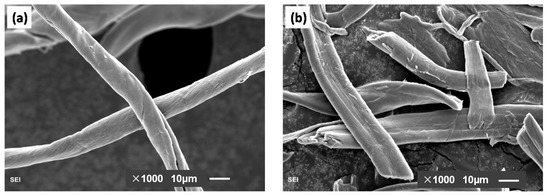
Penyusutan kain denim disebabkan oleh komponen utamanya, yaitu kapas. Sebagai serat alami, kapas akan menyusut ketika terpapar kelembapan dan panas. Menurut Budidaya Kapas DomestikSerat kapas mengembang dan menyusut ketika basah, sehingga melepaskan tegangan yang terbentuk selama proses pemintalan dan penenunan. Proses ini semakin diperparah oleh panas saat pencucian atau pengeringan, sehingga denim mentah—yang tidak dicuci dan tidak diolah selama produksi—sangat rentan mengalami penyusutan.
Faktor-Faktor Utama yang Memengaruhi Penyusutan Kain Denim
Beberapa faktor menentukan seberapa besar jeans menyusut:
- Kandungan SeratDenim katun murni mengalami penyusutan yang lebih besar dibandingkan campuran dengan serat sintetis seperti poliester. Penelitian dari Seni Kerajinan North Shore Hasil penelitian menunjukkan bahwa campuran katun 70% dan poliester 30% mengurangi penyusutan akibat stabilitas poliester.
- Jenis TenunanBenang yang lebih rapat, seperti twill tradisional dari kain denim, mengalami penyusutan yang lebih besar akibat tegangan benang yang lebih tinggi. Sinosilk menjelaskan bahwa benang mengambang pada kain twill memungkinkan kontraksi yang lebih besar dibandingkan kain tenun biasa.
- PemrosesanDenim yang telah dicuci terlebih dahulu atau melalui proses sanitasi menjalani perlakuan khusus untuk meminimalkan penyusutan, berbeda dengan denim mentah. Denim non-elastis bahkan dapat mencapai tingkat penyusutan sebesar 0% dengan teknik canggih, sebagaimana dijelaskan dalam Denimhunters.
- Kondisi Cuci dan PengeringanAir panas dan pengeringan dengan suhu tinggi memperparah penyusutan. Whirlpool Mengonfirmasi bahwa air panas dapat menyusutkan kain katun hingga sebesar 20%.
Tampilan Mikroskopis Serat Kapas
Data mengenai penyusutan kain denim
Laju penyusutan bervariasi tergantung pada jenis denim dan proses pengolahannya. Berdasarkan data pasar serta wawasan industri, berikut adalah tabel rinci:
| Jenis Denim | Laju Penyusutan (Panjang) | Laju Penyusutan (Lebar) | Sumber |
|---|---|---|---|
| Denim mentah | 6-7% | 15-16% | Data Pasar |
| Denim yang telah dicuci sebelumnya | 1-3% | 1-2% | Denimology |
| Sanforized/Tidak Elastis | 0–1% (0% untuk proses khusus) | 0–1% (0% untuk proses khusus) | Wawasan tentang Tekstil |
Catatan: Harga bergantung pada sifat kain (misalnya elastisitas) serta kondisi perawatan. Denim non-elastis dapat mencapai tingkat penyusutan nol melalui proses khusus.
Menariknya, penyusutan lebar (15–16%) lebih besar daripada penyusutan panjang (6–7%) pada denim mentah, bertentangan dengan ekspektasi tradisional (misalnya, penyusutan lebar sebesar 3–5% per Wikipedia: Denim), kemungkinan besar akibat tegangan tenunan atau penataan serat yang unik pada kain-kain tertentu di pasar.
Cara Mencegah Penyusutan Kain Denim
Jaga jeans Anda tetap dalam kondisi terbaik dengan strategi-strategi yang telah teruji oleh para ahli:
-
- Pencucian DinginGunakan air dingin untuk meminimalkan kontraksi serat. Badan Perlindungan Lingkungan Amerika Serikat (EPA) Menonjolkan bahwa pencucian dingin juga menghemat energi.
-
- Pengering UdaraHentikan penggunaan pengering; pengeringan udara dapat mempertahankan bentuk kain denim, sebagaimana direkomendasikan oleh Pohon Spruce.
-
- Pilih Pre-ShrunkPilih kain denim yang telah diformasi atau dicuci terlebih dahulu, atau kain non-elastis yang telah diproses agar tidak menyusut sama sekali. Pelajari lebih lanjut di Ceritakan dengan jujur..
Cara Merawat Kaus Denim
Ilmu Pengetahuan di Balik Sanforization
Sanforization, yang dipatenkan pada tahun 1930-an, melakukan penyusutan awal terhadap kain denim melalui peregangan mekanis dan penggunaan uap. Menurut Ilmu Pengetahuan LangsungHal ini mengurangi penyusutan sisa hingga kurang dari 1%. Untuk denim non-elastis, proses pengolahan canggih dapat sepenuhnya menghilangkan penyusutan, sehingga merevolusi proses produksi denim.
Kesimpulan
Pengecutan kain denim merupakan fenomena alami yang berkaitan dengan sifat kain kapas, namun dapat dikendalikan melalui perawatan dan proses pengolahan yang tepat. Baik Anda menghargai keaslian denim mentah maupun lebih menyukai kemudahan dari produk yang telah dipersusut sebelumnya, memahami mekanisme pengecutan akan memperpanjang masa pakai kain denim Anda. Untuk pemahaman lebih mendalam tentang tekstil, pelajari lebih lanjut. Dunia Tekstil atau Wikipedia: Denim.
layanan personalisasi dari LYDENIM
🎨 Ingin Bahan pakaian khusus dari bahan denim atau unik Pakaian dari bahan kain khusus yang dibuat sesuai desainLYDENIM berspesialisasi dalam menyediakan solusi yang disesuaikan secara khusus untuk memenuhi kebutuhan desain dan produksi Anda.
🛍️ Eksplorasi dan dapatkan inspirasi.Jelajahi koleksi kain kami dan temukan ide desain yang menarik. LYDENIM.
🌐 Pakaian ElastisLihatlah produk kami di MyAlibaba. 📩 Hubungi kamiHubungi kami di Malone@lydenim.com.
Buat karya luar biasa dari bahan denim dengan LYDENIM—mitra andal Anda untuk Bahan pita elastis dan Solusi pakaian khusus berbahan denim.
Pertanyaan umum
Apakah ini dapat disesuaikan dengan merek atau koleksi saya?
Ya. Kirimkan aplikasi Anda, gambar referensi, kualitas yang diinginkan, jumlah, serta persyaratan pasar agar pemasok dapat merekomendasikan pilihan bahan, produk pakaian, atau proses penyelesaian yang sesuai.
Informasi apa yang perlu saya kirimkan sebelum meminta penawaran harga?
Siapkan jenis produk, bahan atau teknik yang digunakan, arah warna, kebutuhan sampel, jumlah, negara tujuan, serta waktu pengiriman yang diperkirakan.
Apakah saya harus meminta sampel sebelum produksi massal?
Ya. Penggunaan sampel warna dan ukuran sampel dapat mengurangi risiko sebelum melakukan pesanan dalam jumlah besar, terutama ketika kualitas warna, tekstur permukaan, daya regangan, penampilan akhir, atau dekorasi menjadi faktor penting.
Bagaimana cara saya menghindari masalah kualitas pada pesanan dalam jumlah besar?
Setujui standar sampel yang jelas, tentukan persyaratan pengujian, konfirmasi toleransi, dan bandingkan hasil produksi massal dengan sampel yang telah disetujui sebelum pengiriman.
Butuh bantuan untuk mengubah ini menjadi dokumen pengadaan yang siap digunakan dalam produksi?
Kirimkan produk target, jenis kain, jumlah, serta kebutuhan sampel Anda. LY Denim dapat membantu membandingkan berbagai pilihan dan menyusun penawaran harga.