


Pewarnaan Slasher: Bagaimana Kain Denim Mendapatkan Warna Biru Ikoniknya

Pewarnaan Slasher: Bagaimana Kain Denim Mendapatkan Warna Biru Ikoniknya
Waktu pembacaan yang diperkirakan: sekitar 3 menit. Pengantar tentang Kain Denim dan Proses Pewarnaannya: kain denim merupakan bahan dasar dalam koleksi pakaian, sangat diminati karena ketahanannya serta warna birunya yang abadi. Namun, pernahkah Anda bertanya-tanya apa sebenarnya kain denim itu dan bagaimana cara membuatnya?
Ringkasan Pembeli
Bagi pembeli kain untuk pasar B2B, topik ini dapat membantu membandingkan komposisi, berat, tekstur permukaan, daya regangan, finishing, MOQ, serta stabilitas produksi sebelum melakukan pengambilan sampel.
- Pembeli yang sesuaiMerek mode, tim pengadaan, pengecer grosir, pabrik pakaian, dan pengembang produk.
- Apa yang perlu dikonfirmasiProduk target, arah tekstur kain, finishing, kebutuhan sampel, jumlah, dan pasar pengiriman.
- Risiko pembeliSpesifikasi yang tidak jelas dapat menyebabkan pengambilan sampel yang salah, kualitas produk secara keseluruhan yang tidak stabil, serta proses penentuan harga yang lambat.
- CTA yang DirekomendasikanPermintaan sampel atau penawaran harga sebelum memutuskan untuk memproduksi dalam jumlah besar.
Mengapa Hal Ini Penting bagi Pembeli B2B
Konfirmasi aplikasi, karakter kain target, arah warna, dan jumlah produksi sebelum meminta penawaran harga.
Waktu pembacaan yang diperkirakan: sekitar 3 menit. Pengantar tentang Kain Denim dan Proses Pewarnaannya: kain denim merupakan bahan dasar dalam koleksi pakaian, sangat diminati karena ketahanannya serta warna birunya yang abadi. Namun, pernahkah Anda bertanya-tanya apa sebenarnya kain denim itu dan bagaimana cara membuatnya?
Tabel Spesifikasi untuk Pengadaan yang Lebih Cepat
| Titik keputusan | Opsi untuk membandingkan | Mengapa Ini Penting | Pertanyaan pembeli |
|---|---|---|---|
| Bahan dasar kain | Kain katun, campuran kain, denim elastis, jacquard, denim berflocking, atau denim khusus | Mengatur tekstur sentuhan, ketahanan, dan posisi harga | Untuk kategori produk apa kain ini? |
| Berat | Konstruksi ringan, sedang, atau berat | Memengaruhi penampilan pakaian, musim penggunaan, jenis produk, serta biaya pengiriman. | Apakah Anda membutuhkan kemeja, jaket, jeans, atau pakaian bergaya formal? |
| Selesai | Warna, pencucian, pelapisan, flocking, jacquard, atau pelembutan | Menentukan tampilan akhir serta interaksi dengan pelanggan | Apa sensasi saat digenggam dan efek pencucian yang Anda harapkan? |
| Rencana pasokan | Contoh sampel, panjang sampel, lot besar | Mengurangi risiko sebelum produksi dimulai | Kuantitas dan pasar pengiriman apa yang sebaiknya dikutip? |
Aplikasi dan Opsi Khusus
Pengembangan Produk
Gunakan panduan ini untuk mengubah ide desain menjadi spesifikasi terkait kain, pakaian, finishing, dan sampel.
Perbandingan Pemasok
Bandingkan para pemasok berdasarkan dukungan sampel, kejelasan teknis, stabilitas dalam jumlah besar, dan kecepatan komunikasi.
Produksi Massal
Konfirmasi standar kualitas, sampel yang telah disetujui, dan jadwal waktu sebelum mengajukan pesanan produksi.
Kontrol Kualitas Points Before Bulk Order
- OKPersetujuan sampel: Konfirmasi bahan kain, warna, tekstur permukaan, struktur, dan finishing sebelum produksi massal dimulai.
- OKKonsistensi massa: Bandingkan sekelompok sampel secara keseluruhan dengan sampel yang telah disetujui dalam kondisi pencahayaan dan pengujian yang sama.
- OKPengujian kinerja: Periksa penyusutan, ketahanan warna, pemulihan setelah regangan, atau ketahanan dekorasi bila relevan.
- OKKlaritas kutipan: Sertakan jumlah pengiriman, destinasi, kebutuhan kemasan, dan waktu penyelesaian yang diharapkan untuk menghindari penetapan harga yang tidak jelas.
Proses Pengembangan Sampel
| Langkah | Pembeli menyediakan… | Pemasok telah mengonfirmasi. |
|---|---|---|
| 1. Ringkasan | Aplikasi, gambar referensi, kualitas dan jumlah target | Kelayakan, bahan yang direkomendasikan, dan opsi khusus |
| 2. Contoh kain | Umpan balik mengenai warna, tekstur permukaan, pola, atau finishing yang diinginkan | Stok yang tersedia, arahan khusus, dan biaya sampel |
| 3. Sampel | Rencana pengujian pakaian, besaran atau panjang yang dibutuhkan | Jadwal pengambilan sampel dan reproduktivitas produksi |
| 4. Penawaran grosir | Jumlah pesanan, tujuan pengiriman, dan kebutuhan kemasan | Harga per unit, MOQ, waktu pengiriman, dan titik pemeriksaan QC |
Panduan Rinci
Waktu baca perkiraan: ~3 menit
Pengantar Kain Denim dan Proses Pewarnaannya
Bahan denim merupakan item wajib dalam koleksi pakaian, yang sangat disukai karena ketahanannya serta warna birunya yang abadi. Namun, pernahkah Anda bertanya-tanya? Apa itu kain denim? Dan bagaimana warna khas tersebut tercapai? Rahasia terletak pada proses pewarnaan, serta satu metode inovatif yang merevolusi produksi denim adalah Metode pewarnaan SlasherDiperkenalkan pada tahun 1970-an, teknik ini menawarkan cara unik untuk mewarnai benang denim, sehingga menjadi pilihan populer dalam pembuatan produk berkualitas tinggi. Bahan kain denim per yardDalam tulisan ini, kami akan membahas cara kerja proses pewarnaan slasher, manfaatnya, serta mengapa teknik ini sangat penting baik bagi pecinta jeans maupun pembeli kain.
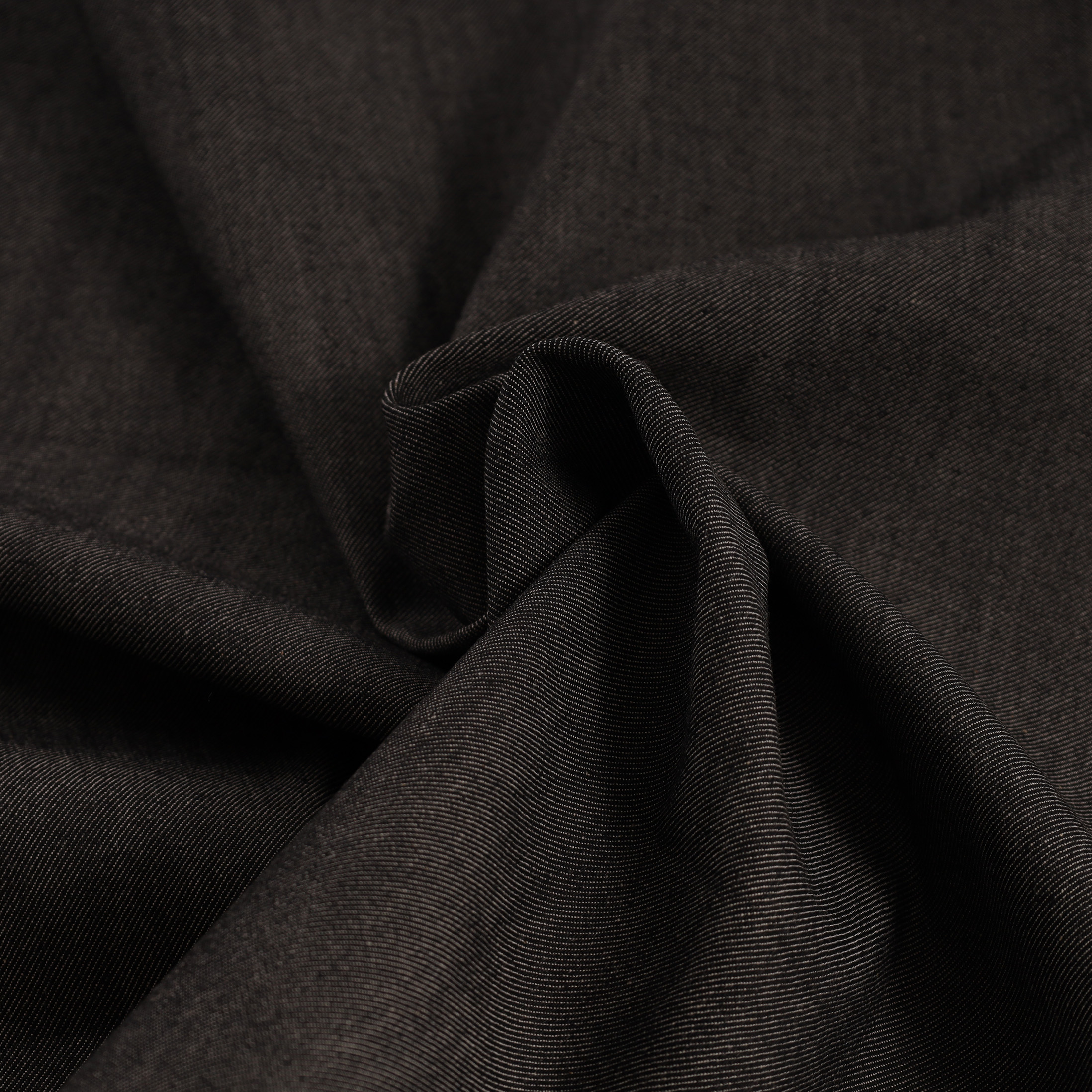
Detil kain denim alami
Apa Itu Pewarnaan Slasher?
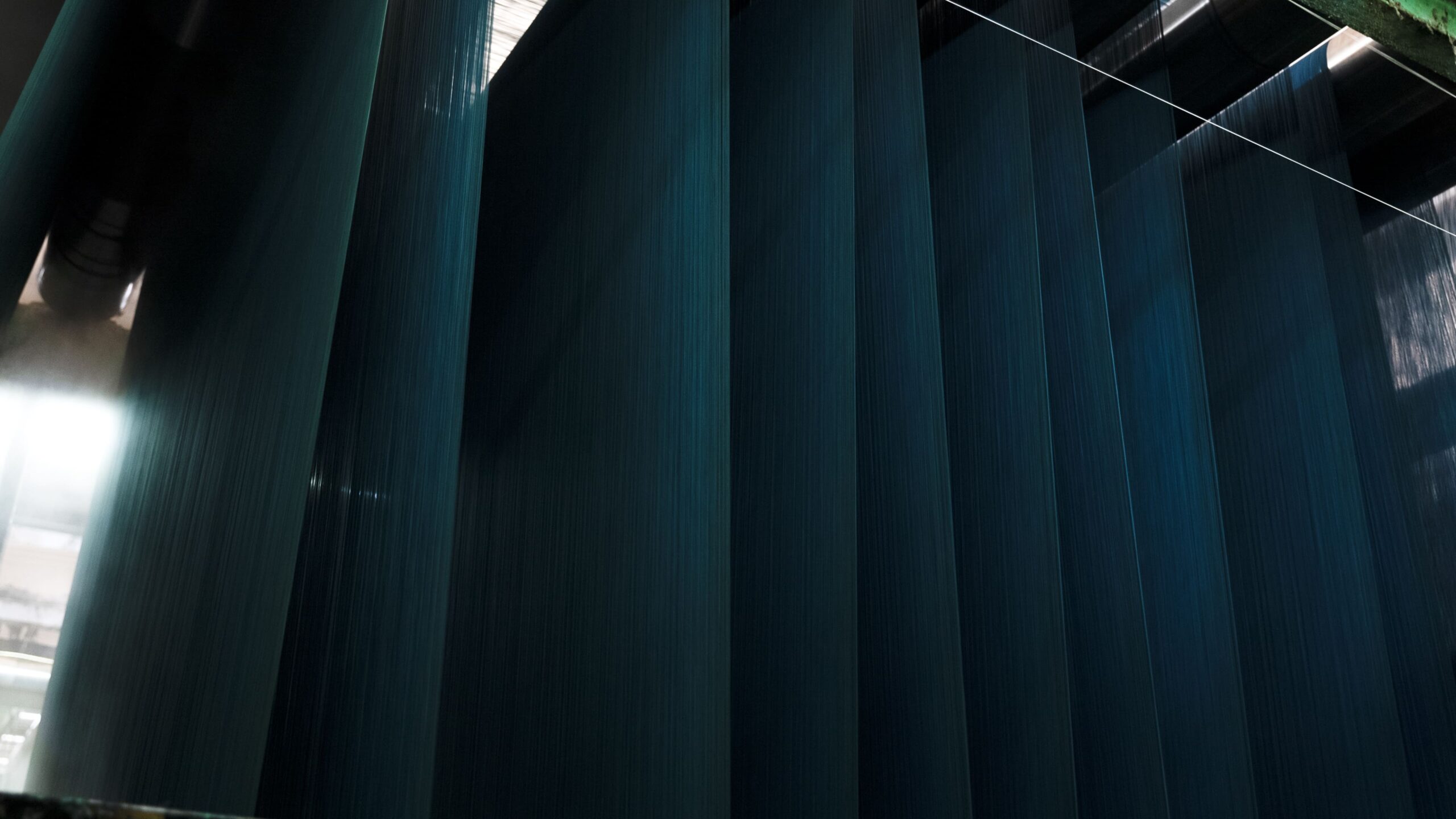
Berbeda dengan metode pewarnaan tali tradisional di mana benang dibundel menjadi tali sebelum dicat, metode pewarnaan slasher menata benang dalam bentuk lembaran datar atau “karpet” yang dililitkan pada sebuah balok. Susunan berbentuk lembaran inilah yang menjadi perbedaan utama dari metode ini. Setelah dicat, benang-benang tersebut siap untuk dikainkan ke dalam Kain denim tanpa langkah tambahan berupa pencahayaan ulang, sehingga proses menjadi lebih efisien.
Metode ini muncul pada tahun 1970-an sebagai alternatif yang menghemat tenaga kerja dibandingkan teknik-teknik lama. Dengan mewarnai benang secara individual dalam satu lembaran, metode pewarnaan slasher mengurangi beban kerja manual dan mempercepat proses produksi—sangat ideal untuk memenuhi permintaan terhadap Penjualan grosir kain denim atau pesanan dalam jumlah besar.
Pewarnaan
Bagaimana cara membuat kain denim menggunakan teknik pewarnaan slasher?
Jadi, Bagaimana cara membuat kain denim? Menggunakan teknik ini? Prosesnya dimulai dengan membengkokkan benang-benang tersebut ke atas sebuah balok dalam susunan datar. Benang-benang ini kemudian dilewatkan melalui serangkaian bak pewarna indigo. Karena benang-benang tersebar rata, mereka hanya memerlukan 10 to 15 seconds tingkat imersi per kali pencelupan, dan oksidasi (proses yang menyebabkan warna biru terbentuk secara permanen) hanya memerlukan waktu singkat 30 to 60 secondsEfisiensi ini disebabkan oleh luas permukaan yang lebih besar yang terpapar udara dan zat pewarna, sehingga memungkinkan penetrasi dan penetapan warna yang lebih cepat.
Namun, proses pewarnaan jenis slasher memerlukan ketelitian tinggi. Wadah pewarna harus memiliki konsistensi yang sangat baik agar warna merata di seluruh permukaan lembaran—berbeda dengan metode pewarnaan tali yang memanfaatkan ketidakkonsistenan alami untuk menciptakan tampilan yang lebih kasar. Hasilnya? Permukaan yang halus dan seragam. Kain denim Ideal untuk berbagai keperluan, mulai dari celana jeans hingga bahan pelapis kursi.
Manfaat dan Tantangan dari Pewarnaan Slasher
Pewarnaan Slasher menawarkan sejumlah keunggulan:
- EfisiensiDengan tenaga kerja yang lebih sedikit dan waktu pewarnaan yang lebih cepat, proses produksi menjadi lebih hemat biaya. Bahan kain denim per yard.
- KeratahanPenerapan pewarna yang merata menghasilkan permukaan yang halus dan mengilap, sangat menarik bagi mereka yang menginginkan kualitas yang konsisten.
- Fleksibilitas penggunaanBahan ini dapat digunakan untuk berbagai jenis jeans dengan berat yang bervariasi, mulai dari yang ringan hingga yang berat. Bahan pelapis kain denim.
Namun, terdapat pula tantangan tertentu. Mencapai konsistensi warna pada seluruh permukaan lembaran kain memerlukan peralatan canggih dan keahlian khusus. Berbeda dengan metode pewarnaan dengan tali yang menghasilkan ketidaksamaan warna secara sengaja, metode pewarnaan dengan alat pemotong tidak secara alami menghasilkan tampilan pudar bergaya vintage yang diidamkan oleh sebagian penggemar jeans.
Pewarnaan Slasher versus Metode Lainnya
Bagaimana metode pewarnaan slasher dibandingkan dengan teknik-teknik lainnya? Sebagai contoh, pewarnaan tali menggumpulkan benang menjadi tali-tali, menghasilkan efek pewarna yang ber tekstur dan tidak merata—sangat cocok untuk denim mentah atau denim selvedge. Sementara itu, Pewarnaan loopMetode ini merupakan kerabat dekat dari teknik pewarnaan slasher, menggunakan satu bak pewarna dengan beberapa kali penyiram untuk menghasilkan nuansa yang lebih dalam dalam ruang yang lebih kecil. Setiap metode membentuk hasil akhirnya. Kain denim Secara berbeda, dirancang untuk memenuhi berbagai selera dan kebutuhan pengguna.
Mengapa Teknik Pewarnaan Slasher Penting bagi Pembeli Kain Denim
Baik Anda sedang mencari sumber… Penjualan grosir kain denim Atau saat memilih bahan untuk proyek tertentu, pemahaman tentang teknik pewarnaan slasher dapat membantu Anda membuat keputusan yang tepat. Efisiensi dan keseragamannya menjadikannya pilihan utama bagi produsen yang memproduksi jeans murah dalam jumlah besar. Selain itu, prosesnya yang cepat mendukung keberlanjutan dengan mengurangi kebutuhan tenaga kerja dan waktu, sejalan dengan tren modern yang peduli terhadap lingkungan.
Penasaran tentang… Dari bahan apa jeans terbuat?Secara umum, bahan tersebut terbuat dari kapas atau campuran kapas, dan teknik pewarnaan slasher meningkatkan daya tariknya dengan menghasilkan warna biru ikonik secara presisi.
Kesimpulan
Metode pewarnaan Slasher mungkin tidak memiliki pesona khas yang dimiliki oleh teknik pewarnaan dengan tali, namun inovasinya telah membentuk dunia denim sejak tahun 1970-an. Dari Bahan kain denim per yard Untuk jeans siap pakai, metode ini menjamin kualitas dan efisiensi.
layanan personalisasi dari LYDENIM
🎨 Ingin Bahan pakaian khusus dari bahan denim atau unik Pakaian dari bahan kain khusus yang dibuat sesuai desainLYDENIM berspesialisasi dalam menyediakan solusi yang disesuaikan secara khusus untuk memenuhi kebutuhan desain dan produksi Anda.
🛍️ Eksplorasi dan dapatkan inspirasi.Jelajahi koleksi kain kami dan temukan ide desain yang menarik. LYDENIM.
🌐 Pakaian ElastisLihatlah produk kami di MyAlibaba. 📩 Hubungi kamiHubungi kami di Malone@lydenim.com.
Buat karya luar biasa dari bahan denim dengan LYDENIM—mitra andal Anda untuk Bahan pita elastis dan Solusi pakaian khusus berbahan denim.
Pertanyaan umum
Apakah ini dapat disesuaikan dengan merek atau koleksi saya?
Ya. Kirimkan aplikasi Anda, gambar referensi, kualitas yang diinginkan, jumlah, serta persyaratan pasar agar pemasok dapat merekomendasikan pilihan bahan, produk pakaian, atau proses penyelesaian yang sesuai.
Informasi apa yang perlu saya kirimkan sebelum meminta penawaran harga?
Siapkan jenis produk, bahan atau teknik yang digunakan, arah warna, kebutuhan sampel, jumlah, negara tujuan, serta waktu pengiriman yang diperkirakan.
Apakah saya harus meminta sampel sebelum produksi massal?
Ya. Penggunaan sampel warna dan ukuran sampel dapat mengurangi risiko sebelum melakukan pesanan dalam jumlah besar, terutama ketika kualitas warna, tekstur permukaan, daya regangan, penampilan akhir, atau dekorasi menjadi faktor penting.
Bagaimana cara saya menghindari masalah kualitas pada pesanan dalam jumlah besar?
Setujui standar sampel yang jelas, tentukan persyaratan pengujian, konfirmasi toleransi, dan bandingkan hasil produksi massal dengan sampel yang telah disetujui sebelum pengiriman.
Butuh bantuan untuk mengubah ini menjadi dokumen pengadaan yang siap digunakan dalam produksi?
Kirimkan produk target, jenis kain, jumlah, serta kebutuhan sampel Anda. LY Denim dapat membantu membandingkan berbagai pilihan dan menyusun penawaran harga.