


17 técnicas de impressão e bordado de vestuário personalizado explicadas para marcas e compradores.
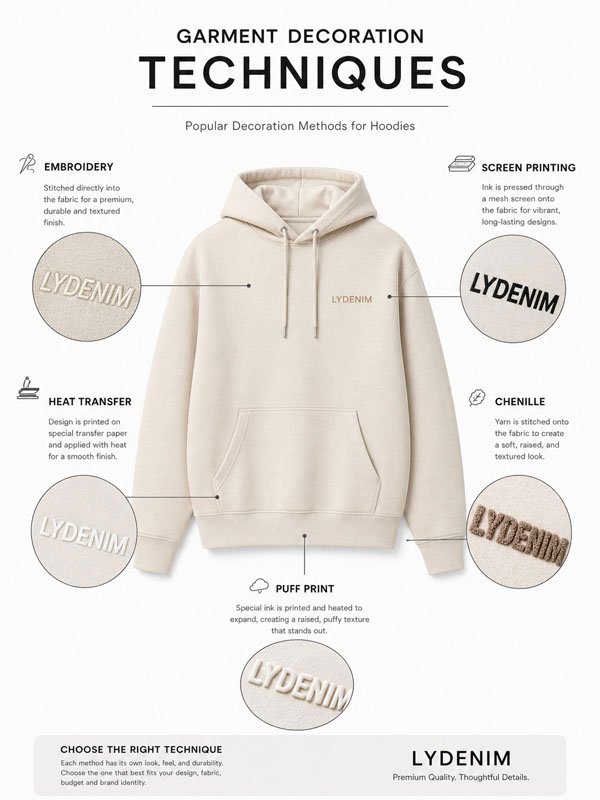
17 técnicas de impressão e bordado de vestuário personalizado explicadas para marcas e compradores.
Explore 17 técnicas personalizadas de impressão e bordado para marcas de moda. Compare bordado, serigrafia, impressão em relevo, chenille, impressão em silicone e muito mais.
Resumo do comprador
Para marcas de vestuário e equipes pequenas, este tópico deve conectar as decisões de design com a amostragem, a produção, a quantidade mínima de encomenda (MOQ), os métodos de personalização e a elaboração de orçamentos.
- Compradores adequadosMarcas de moda, equipes de sourcing, atacadistas, fábricas de vestuário e desenvolvedores de produtos.
- O que confirmarProduto-alvo, direção do tecido, acabamento, necessidade de amostras, quantidade e mercado de entrega.
- Risco do compradorEspecificações pouco claras podem levar a amostras incorretas, qualidade instável em grandes quantidades e orçamentos lentos.
- CTA recomendadoSolicite amostras de tecido ou um orçamento antes de se comprometer com a produção em grande escala.
Por que isso é importante para compradores B2B
Antes de comparar fornecedores, confirme o tecido, a confecção, a técnica de aplicação do logotipo, a necessidade de amostras e a quantidade do pedido.
Explore 17 técnicas personalizadas de impressão e bordado para marcas de moda. Compare bordado, serigrafia, impressão em relevo, chenille, impressão em silicone e muito mais.
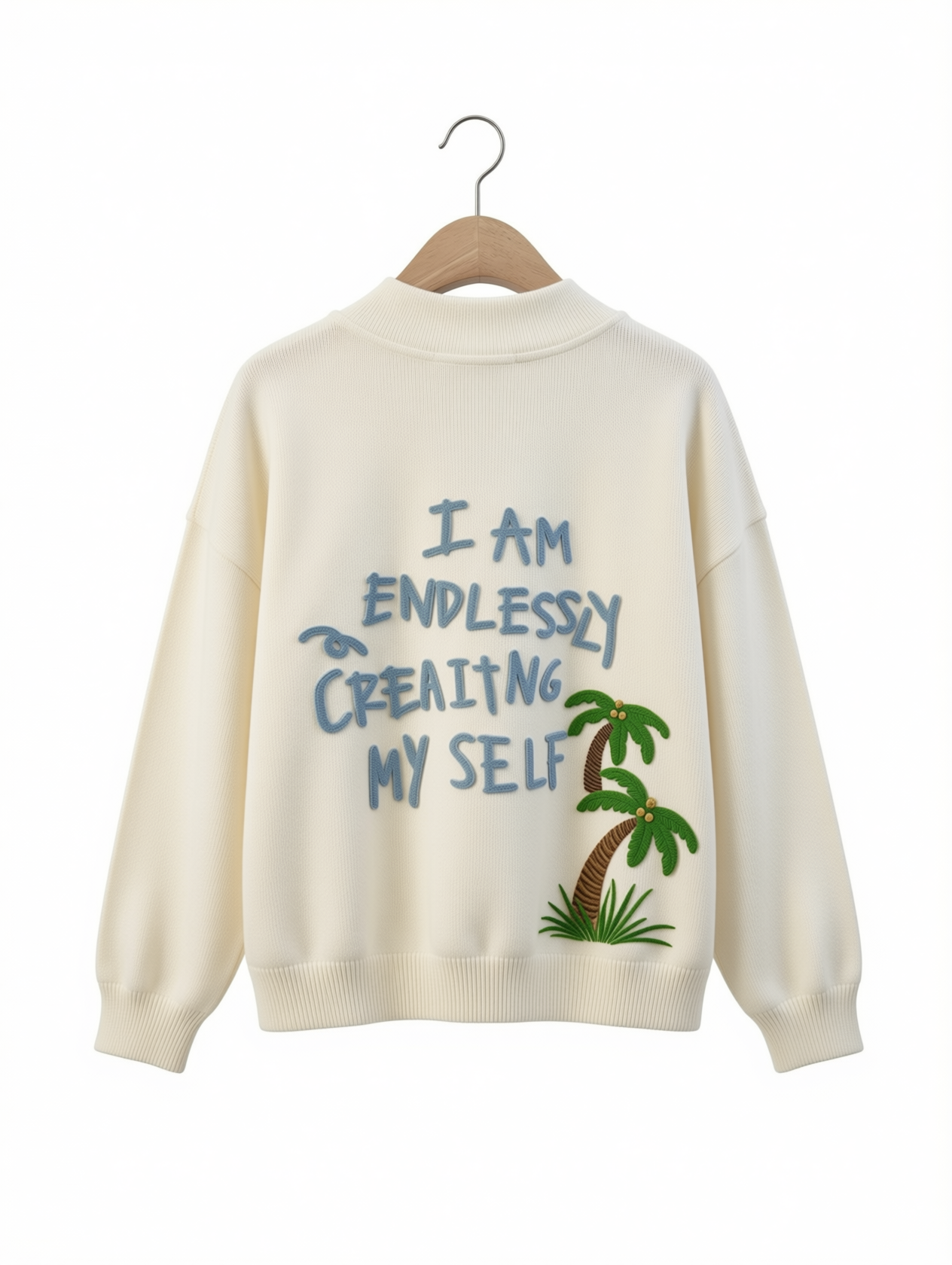
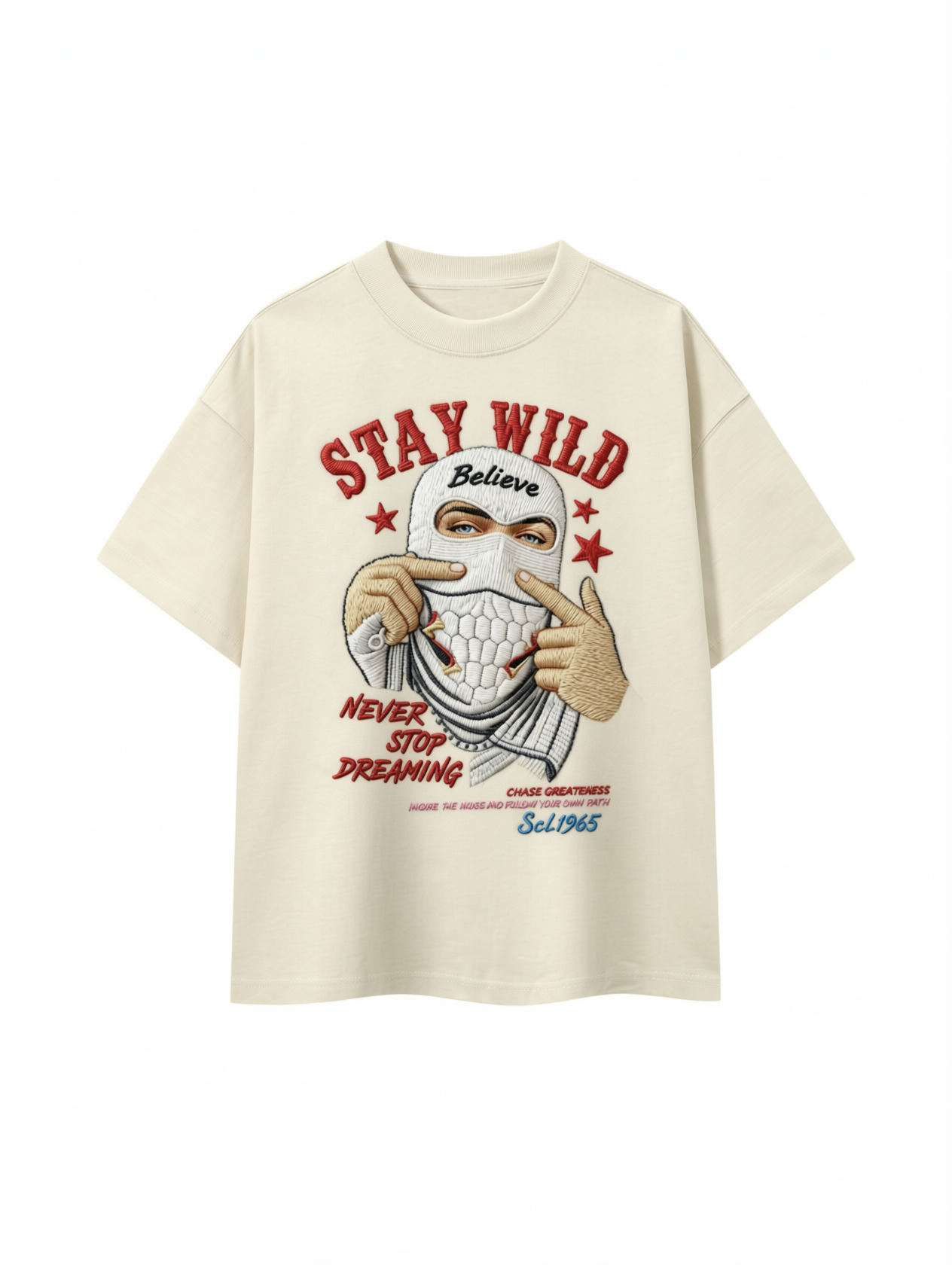
Tabela de especificações para agilizar o fornecimento
| Ponto de decisão | Opções para comparar | Por que isso importa | Pergunta do comprador |
|---|---|---|---|
| Tipo de produto | Moletons, camisetas, calças jeans, jaquetas, roupas personalizadas | Controla as opções de tecido, estampa, decoração e construção. | Que produto você está desenvolvendo? |
| Personalização | Bordado, serigrafia, estampa em relevo, flocagem, lavagem | Afeta o custo da amostra, a quantidade mínima de encomenda (MOQ) e o prazo de entrega. | Você possui referências de trabalhos artísticos ou técnicas utilizadas? |
| Tecido e gramatura | Opções de peso leve, médio ou pesado | Determina a sensação ao toque, a estação do ano e o posicionamento no varejo. | Qual a sensação ao toque e o nível de preço que você deseja? |
| Plano de pedido | Protótipo, pequenos lotes, produção em massa | Alterações de preços, cronograma e configuração de produção | Você precisa de amostras ou de um orçamento para grande quantidade primeiro? |
Aplicações e opções personalizadas
Desenvolvimento de produto
Use este guia para transformar ideias de design em requisitos de tecido, vestuário, acabamento e amostra.
Comparação de Fornecedores
Compare os fornecedores com base no suporte a amostras, clareza técnica, estabilidade em grandes quantidades e velocidade de comunicação.
Produção a granel
Confirme os padrões de qualidade, as amostras aprovadas e o cronograma antes de fazer os pedidos de produção.
Pontos de controle de qualidade antes do pedido em grande quantidade
- OKAprovação da amostra: Confirme o tecido, a cor, o toque, a construção e o acabamento antes da produção em massa.
- OKConsistência a granel: Comparar lotes a granel com a amostra aprovada sob as mesmas condições de luz e teste.
- OKTestes de desempenho: Verifique o encolhimento, a solidez da cor, a recuperação da elasticidade ou a durabilidade da decoração, quando aplicável.
- OKClareza da citação: Para evitar preços vagos, envie a quantidade, o destino, as necessidades de embalagem e o prazo de entrega desejado.
Processo de desenvolvimento de amostras
| Etapa | O comprador fornece | O fornecedor confirma. |
|---|---|---|
| 1. Breve | Aplicação, imagens de referência, qualidade e quantidade desejadas | Viabilidade, materiais recomendados e opções personalizadas |
| 2. Amostra | Opinião sobre cor, textura, padrão ou acabamento preferidos. | Disponibilidade em estoque, instruções personalizadas e custo da amostra |
| 3. Amostra | Plano de teste da peça, tamanho ou metragem necessária | Cronograma de amostragem e repetibilidade da produção |
| 4. Cotação em massa | Quantidade do pedido, destino da entrega e necessidades de embalagem | Preço unitário, quantidade mínima de encomenda (MOQ), prazo de entrega e pontos de controle de qualidade. |
Guia detalhado
Tempo estimado de leitura: ~4 minutos
Na fabricação moderna de vestuário, o tecido por si só já não é suficiente para criar diferenciação de produto.
Para marcas de moda, etiquetas de streetwear e empresas de roupas personalizadas, as técnicas de decoração desempenham um papel fundamental na definição da identidade do produto, do valor percebido e da experiência do cliente.
Diferentes técnicas criam efeitos visuais, texturas, níveis de durabilidade e custos de produção completamente distintos. Alguns métodos são ideais para marcas de alto padrão, enquanto outros são mais adequados para produção em massa ou coleções altamente personalizadas.
Este guia explica os mais utilizados. técnicas de impressão de vestuário personalizado e métodos de bordado, ajudando marcas e compradores a escolher a solução certa com base em objetivos de design, orçamento, quantidade do pedido e mercado-alvo.
Por que as técnicas de decoração são importantes na produção de vestuário?
Escolher o método de decoração certo afeta mais do que apenas a aparência.
Isso impacta diretamente:
- Posicionamento do produto
- Custo de produção
- Durabilidade
- Percepção do cliente
- Eficiência de fabricação
Por exemplo:
- Um moletom de luxo estilo streetwear pode usar bordados em chenille ou relevo 3D para conferir textura e exclusividade.
- Uma marca de camisetas promocionais pode preferir a serigrafia para reduzir os custos de produção em grande escala.
- Uma startup que testa novos designs pode usar a impressão por transferência térmica devido ao baixo custo de instalação.
Compreender os pontos fortes e as limitações de cada método ajuda a evitar erros de produção dispendiosos.
1. Bordado (Bordado à Máquina)
Características
O bordado utiliza fios costurados diretamente no tecido por meio de máquinas de bordar computadorizadas ou métodos de costura manual. Os estilos mais comuns incluem ponto cetim, ponto corrente e costura em camadas.
Ideal para:
- Logotipos
- nomes de marcas
- Pequenos gráficos decorativos
Vantagens
- Aparência premium e luxuosa
- Excelente durabilidade (mais de 50 lavagens)
- Textura rica e efeito em camadas
- Forte percepção de marca
Limitações
- Custo de produção mais elevado
- Não é adequado para gráficos muito grandes.
- Gradientes complexos são difíceis
Melhor para
Moletons de alta qualidade, camisas polo, jaquetas, uniformes.
Processo de bordado
2. Bordado Plano
Características
O bordado plano utiliza pontos padrão sem textura em relevo. Isso cria uma aparência limpa e profissional.
Vantagens
- Custo inferior ao do bordado 3D
- Velocidade de produção mais rápida
- Resultados estáveis e limpos
Limitações
- Efeito dimensional menor
- Aparência visual mais simples
Melhor para
Vestuário corporativo, identidade visual minimalista, produção em massa.
Bordado plano
3. Impressão por Transferência Térmica
Características
Os desenhos são primeiro impressos em película ou papel de transferência e depois aplicados no tecido usando calor e pressão.
Tipos comuns:
- DTF
- HTV
- Transferência por sublimação
Vantagens
- Excelente para encomendas pequenas.
- Gráficos coloridos e com qualidade fotográfica
- Baixo custo de instalação
Limitações
- Leve toque plástico
- Menos respirável
- Pode rachar após lavagens repetidas.
Melhor para
Produção em pequenos lotes, startups, vestuário personalizado.
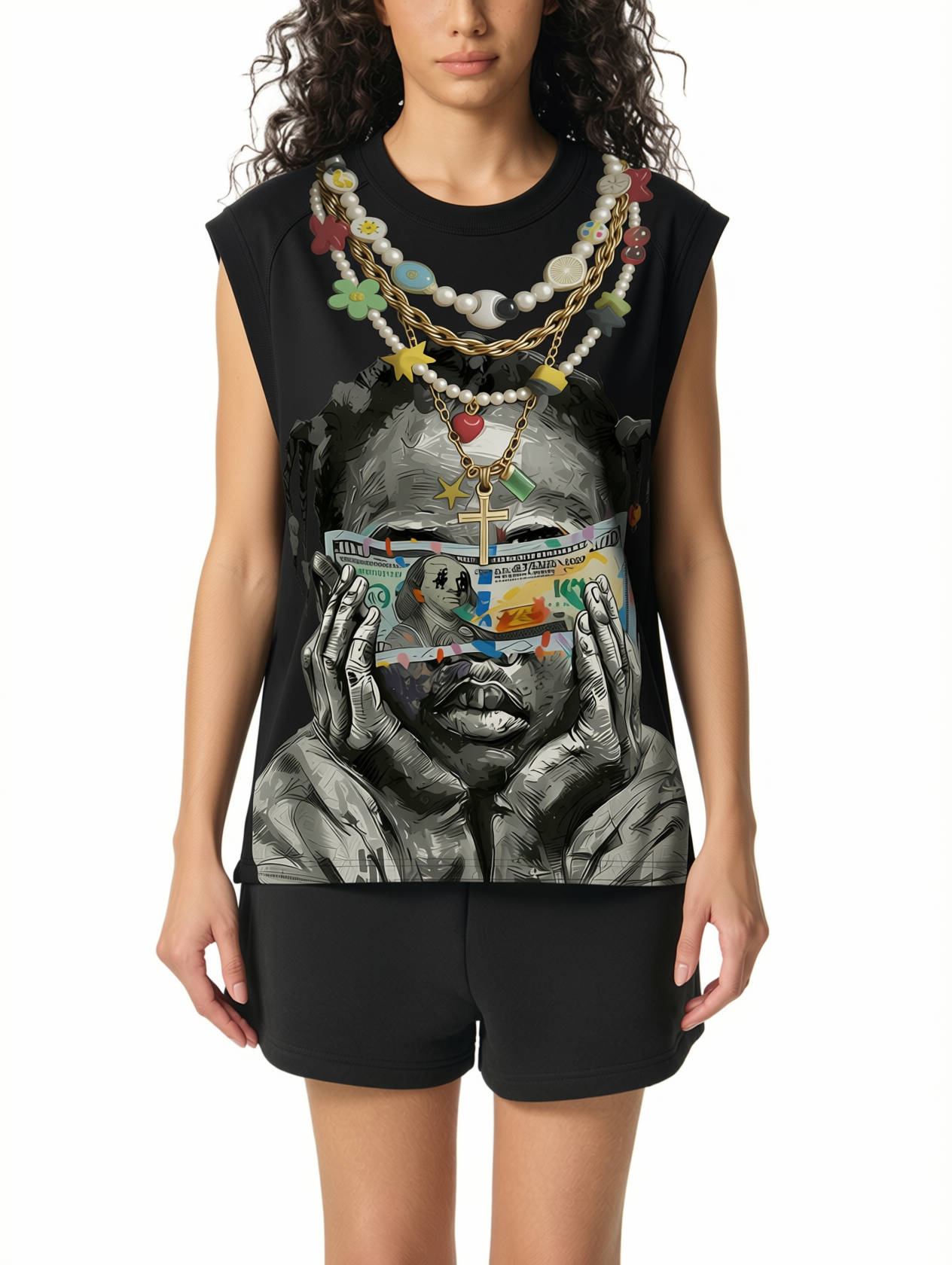
Transferência de calor
4. Serigrafia
Características
A tinta é pressionada através de telas de malha sobre o tecido. Cada cor requer uma tela separada.
Vantagens
- Muito durável
- Cores vibrantes
- Sensação de tecido natural
- Custo-benefício vantajoso para produção em larga escala.
Limitações
- Alto custo de configuração para pedidos pequenos.
- Complexidade de cores limitada
- Não é o ideal para detalhes em nível fotográfico.
Melhor para
Camisetas, moletons com capuz, vestuário promocional, encomendas em grande volume.
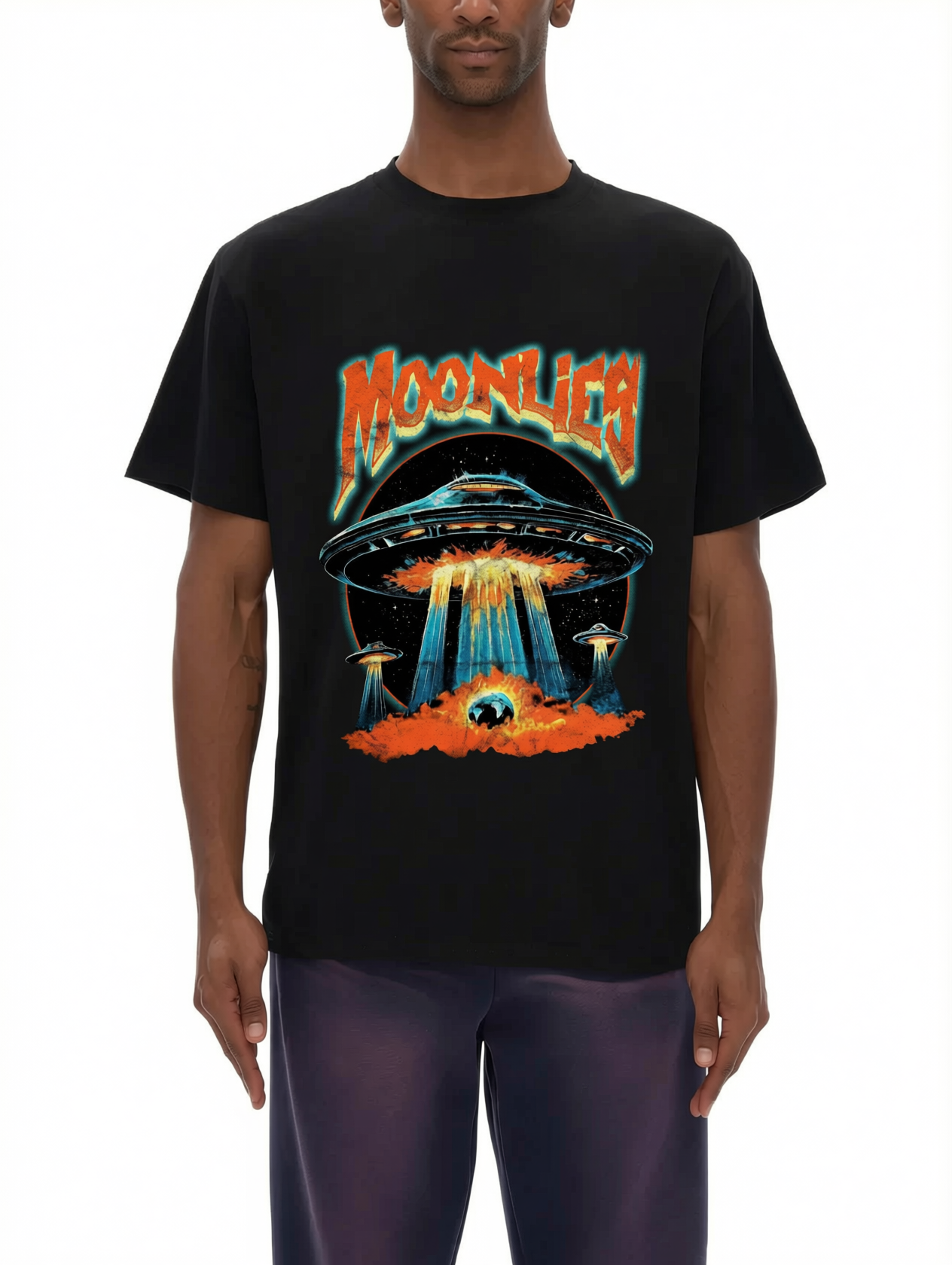
Serigrafia
5. Impressão 3D completa (impressão de alta densidade)
Características
Múltiplas camadas de tinta criam superfícies 3D em relevo com forte textura e impacto visual.
Vantagens
- Aparência 3D arrojada
- Look streetwear premium
- Forte efeito tátil
Limitações
- Custo mais elevado
- Detalhes finos podem deformar-se.
- Redução da respirabilidade em grandes áreas.
Melhor para
Moda urbana, roupa esportiva, estampas grandes.
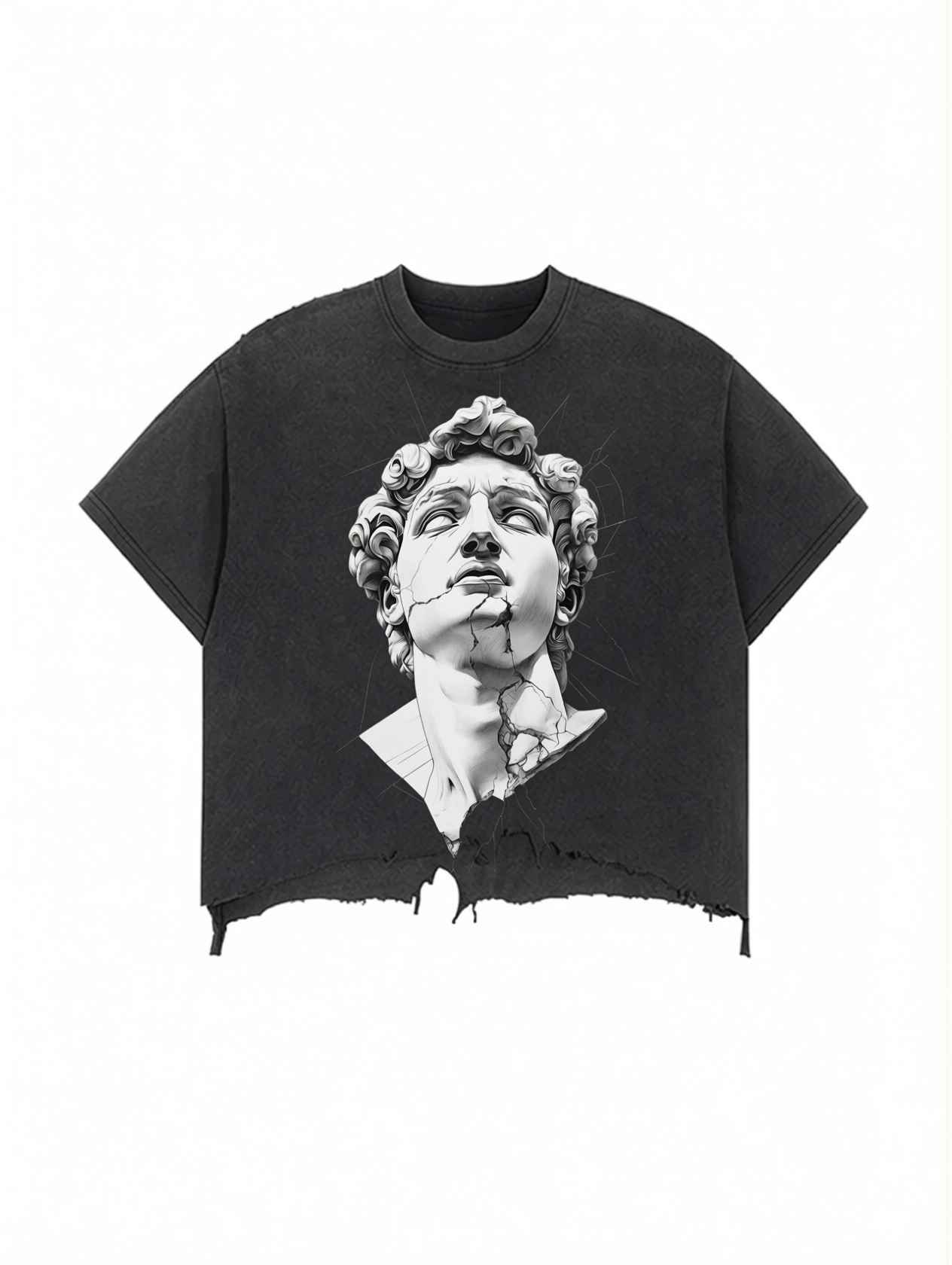
Impressão 3D completa
6. Pintura à mão
Características
A arte é pintada diretamente nas peças de roupa usando tintas têxteis ou marcadores para tecido.
Vantagens
- Aparência única e exclusiva
- Sensação artística e artesanal
- Transições de cores naturais
Limitações
- Não é escalável para produção em massa.
- Custo de mão de obra mais elevado
- Requer fixação da cor para maior durabilidade.
Melhor para
Edições limitadas, coleções de moda artísticas.
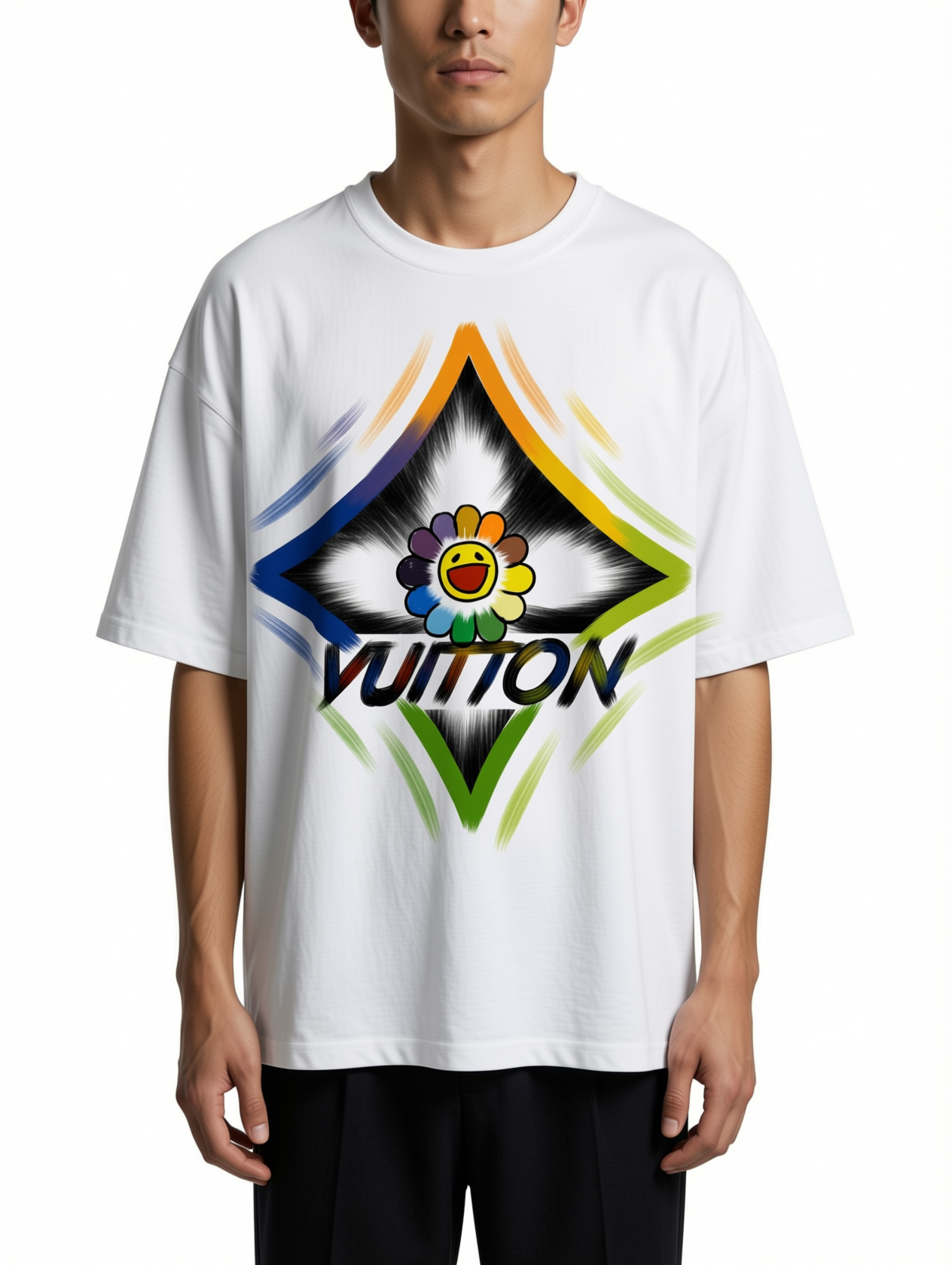
Pintura à mão
7. Tingimento tie-dye
Características
O tecido é dobrado e amarrado antes do tingimento para criar padrões e gradientes aleatórios.
Vantagens
- Estética vintage
- Aparência suave e natural
- Menor necessidade de equipamentos
Limitações
- Os padrões são inconsistentes.
- Difícil controlar os resultados exatos
- Possível desbotamento com o tempo
Melhor para
Roupas casuais, coleções de verão, moda retrô.
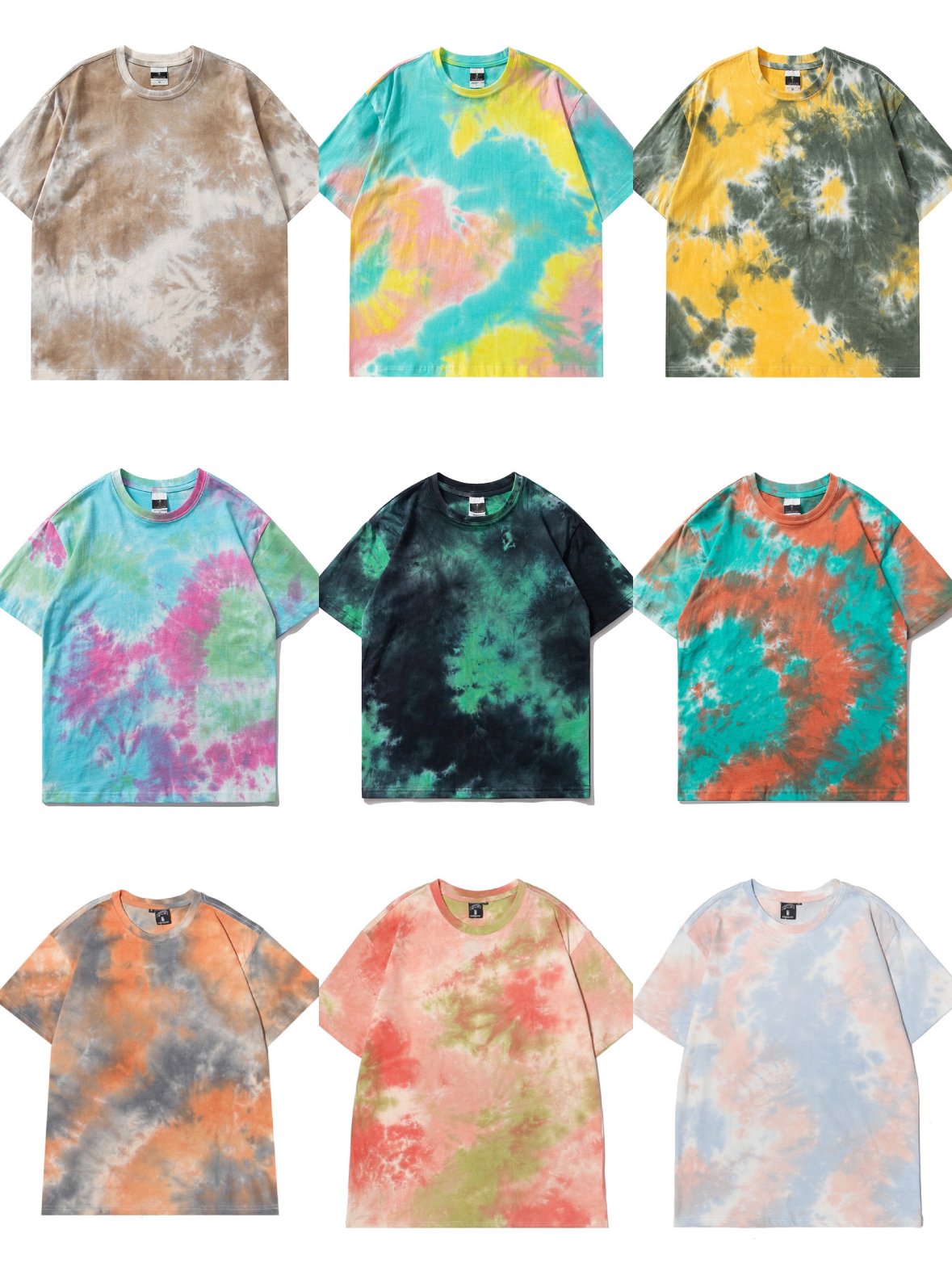
Tie dye
8. Patch bordado
Características
Apliques bordados individuais são fixados por meio de costura ou prensagem a quente.
Vantagens
- Substituível e flexível
- Fácil para atualizações de marca
- Bom efeito dimensional
Limitações
- Bordas visíveis do patch
- As versões aplicadas com calor podem descascar.
Melhor para
Jaquetas universitárias, roupas de trabalho, vestuário tático.
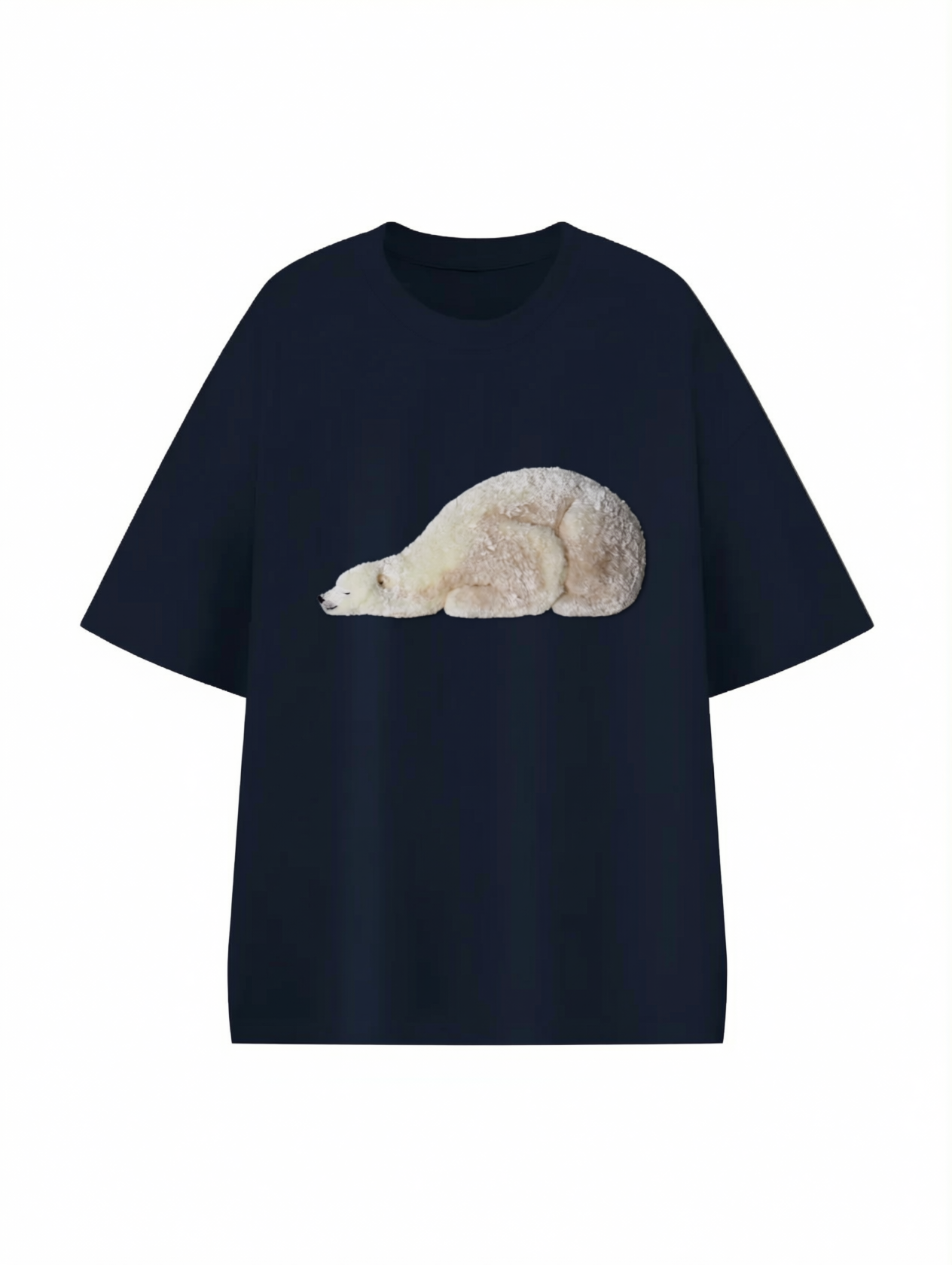
Apliques bordados
9. Impressão em relevo
Características
Os agentes espumantes presentes na tinta se expandem com o calor, criando efeitos em relevo.
Vantagens
- Textura 3D suave
- Aparência chamativa
- Custo moderado
Limitações
- Pode se achatar com o tempo.
- Não é ideal para obras de arte com muitos detalhes.
Melhor para
Logotipos e tipografia do streetwear.
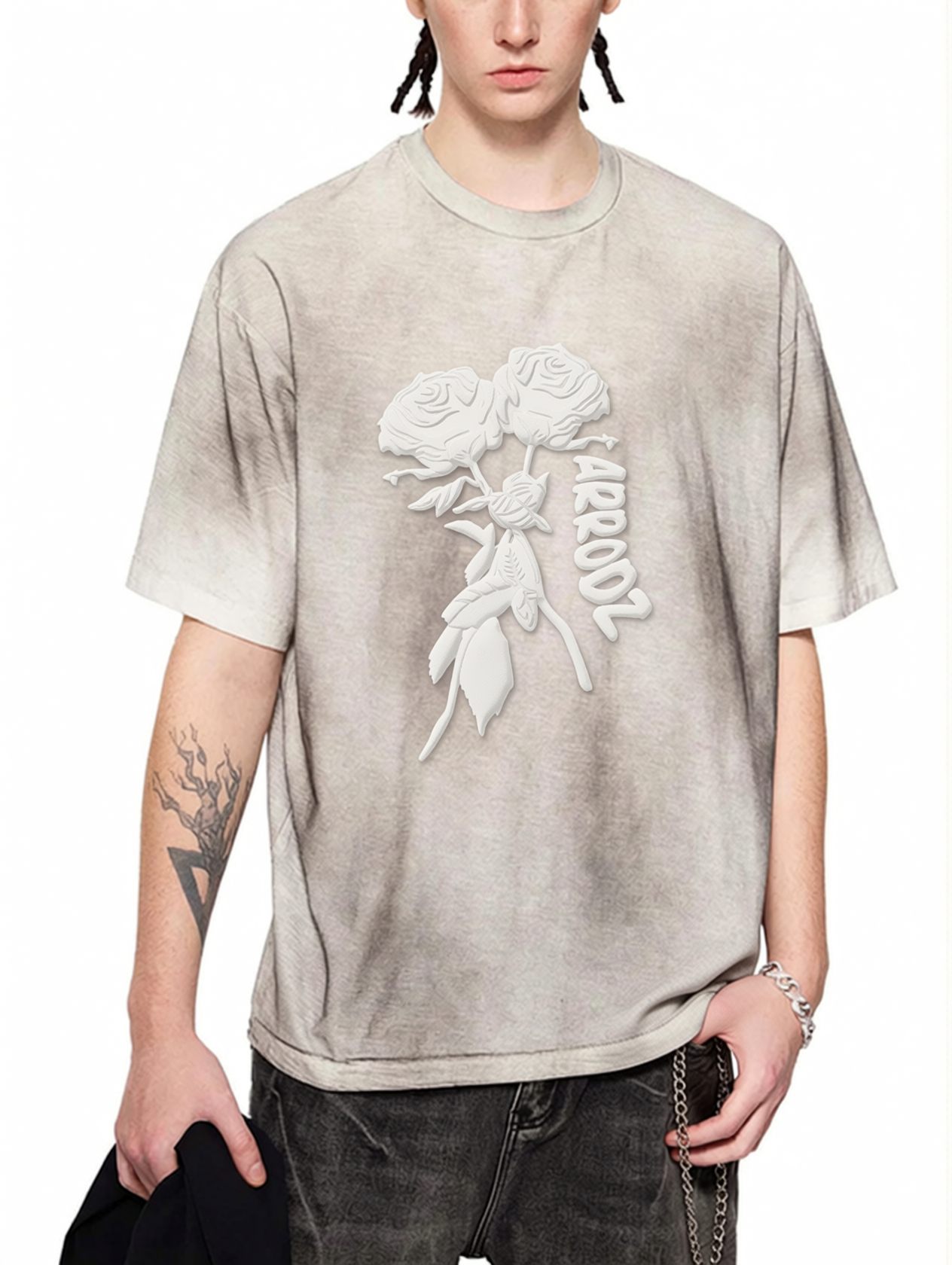
Impressão em relevo
10. Impressão em silicone
Características
As tintas à base de silicone criam gráficos em relevo flexíveis e macios.
Vantagens
- Excelente elasticidade
- Resistente à lavagem
- Toque confortável
Limitações
- Custo de produção mais elevado
- Requer equipamento especializado
Melhor para
Roupas esportivas e de alto desempenho.
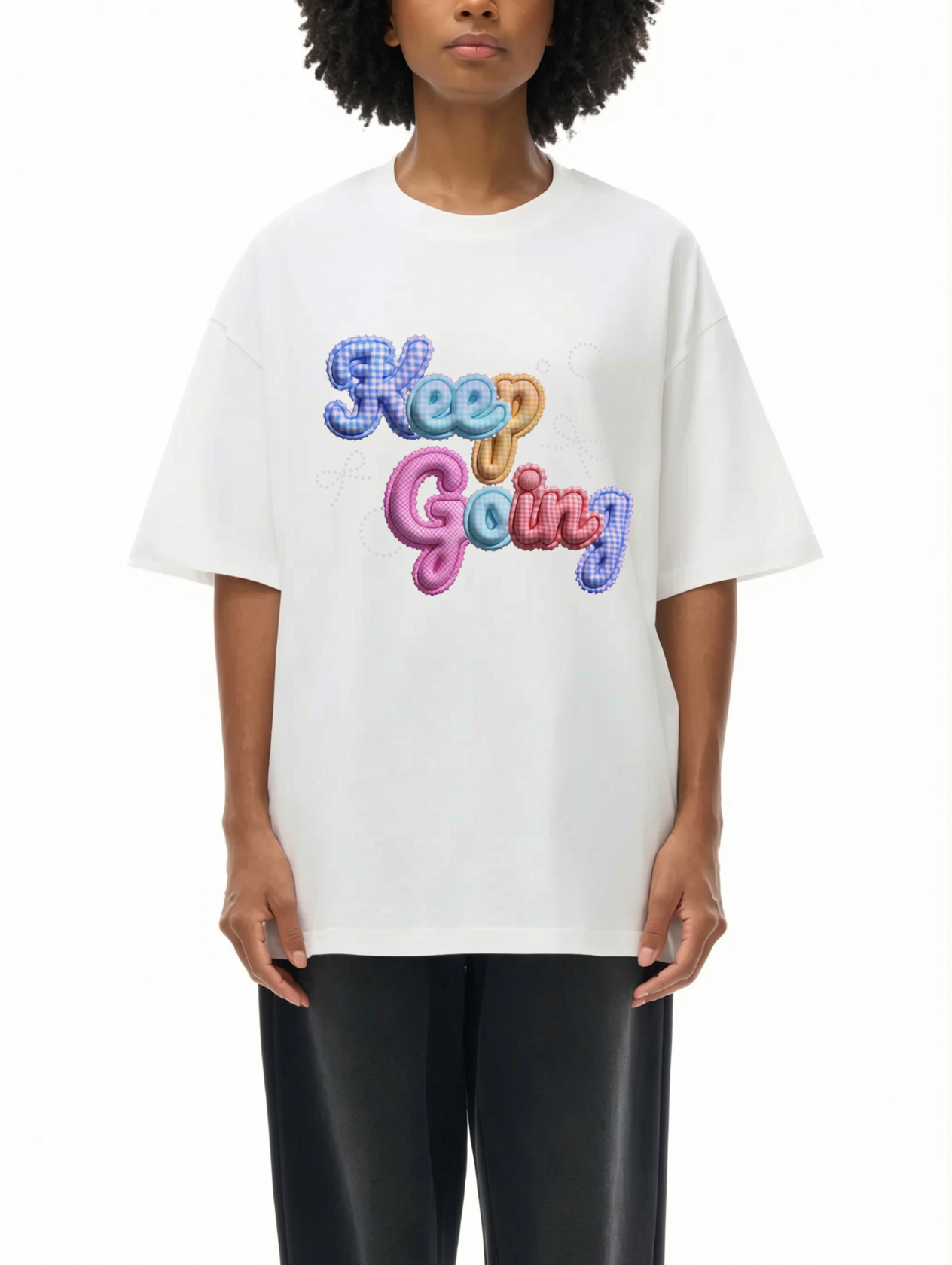
Impressão em silicone
11. Aglomeração
Características
Fibras semelhantes a veludo são aplicadas eletrostaticamente em superfícies adesivas.
Vantagens
- Textura macia e luxuosa
- Forte profundidade visual
- Aparência acolhedora
Limitações
- As fibras podem se desprender.
- Menor durabilidade à lavagem
Melhor para
Identidade visual de alta qualidade e moda decorativa.
12. Transferência de calor com strass
Características
Os strass são pré-posicionados e aplicados nas peças de roupa por meio de prensagem a quente.
Vantagens
- Brilho luxuoso
- Alto impacto visual
- Forte efeito decorativo
Limitações
- Pedras podem se desprender.
- Menos prático para uso diário.
Melhor para
Coleções de moda, figurinos de palco, vestuário feminino.
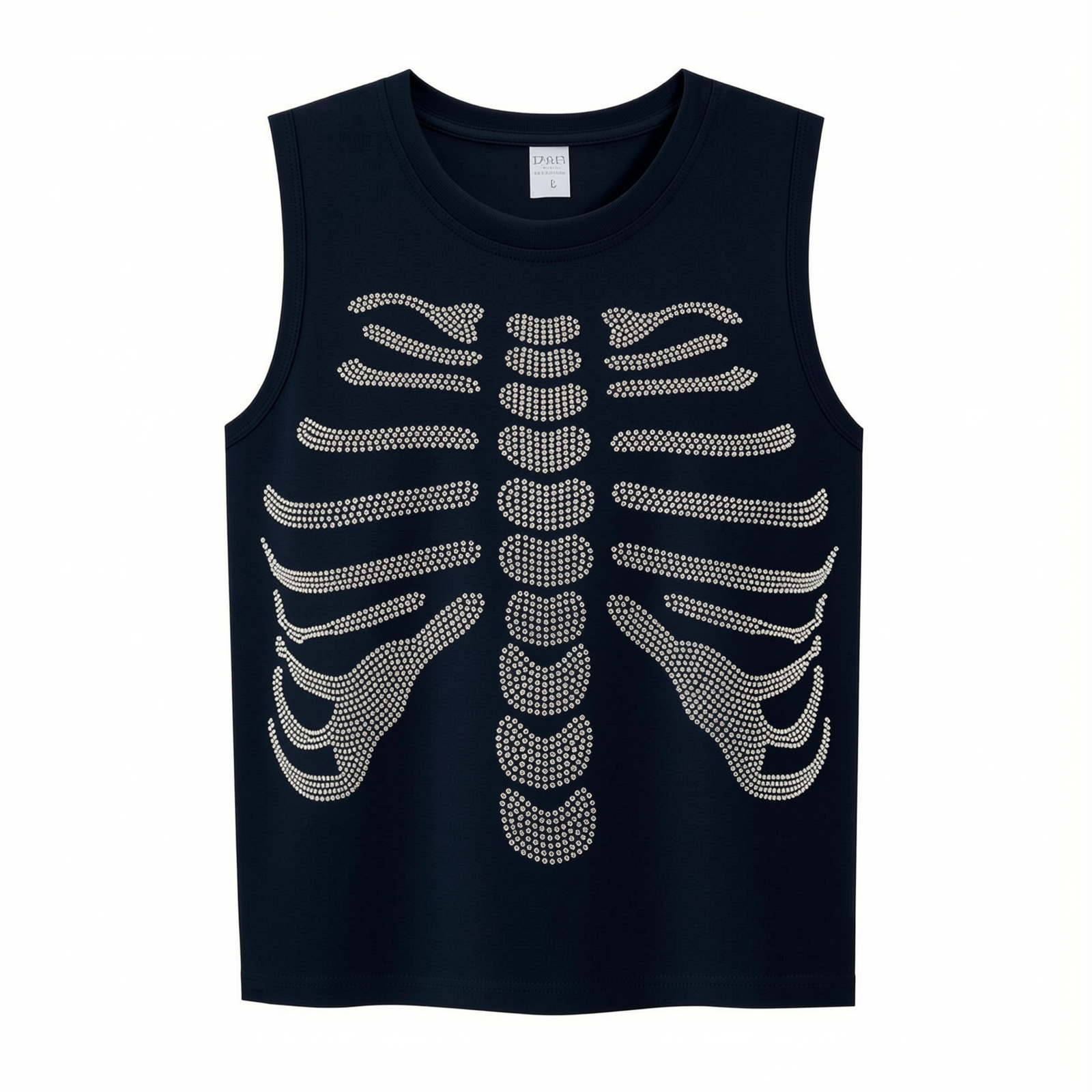
Transferência de Strass
13. Bordado em Chenille
Características
O fio em laço cria um bordado em relevo semelhante a uma toalha.
Vantagens
- Textura espessa e macia
- Estética vintage premium
- Identidade visual forte
Limitações
- Requer lavagem cuidadosa
- Custo de produção mais elevado
Melhor para
Jaquetas universitárias, moletons com capuz, roupas de rua de luxo.
14. Impressão Refletiva e Fluorescente
Características
As tintas refletoras brilham sob a luz; as tintas fluorescentes emitem luz ou apresentam cores muito vivas.
Vantagens
- Visibilidade funcional
- Aparência moderna
- Excelente para uso noturno.
Limitações
- Texturas refletoras podem parecer rígidas.
- As cores fluorescentes podem desbotar mais rapidamente.
Melhor para
Roupas esportivas, vestuário para ciclismo, roupas para festivais.
15. Bordado Digital
Características
As máquinas de bordar computadorizadas produzem padrões complexos com precisão.
Vantagens
- Alta eficiência
- Ideal para pequenas produções personalizadas.
- Qualidade consistente
Limitações
- Custo de máquina mais elevado
- Ainda limitado em comparação com a impressão de fotos.
Melhor para
Projetos modernos de bordados personalizados.
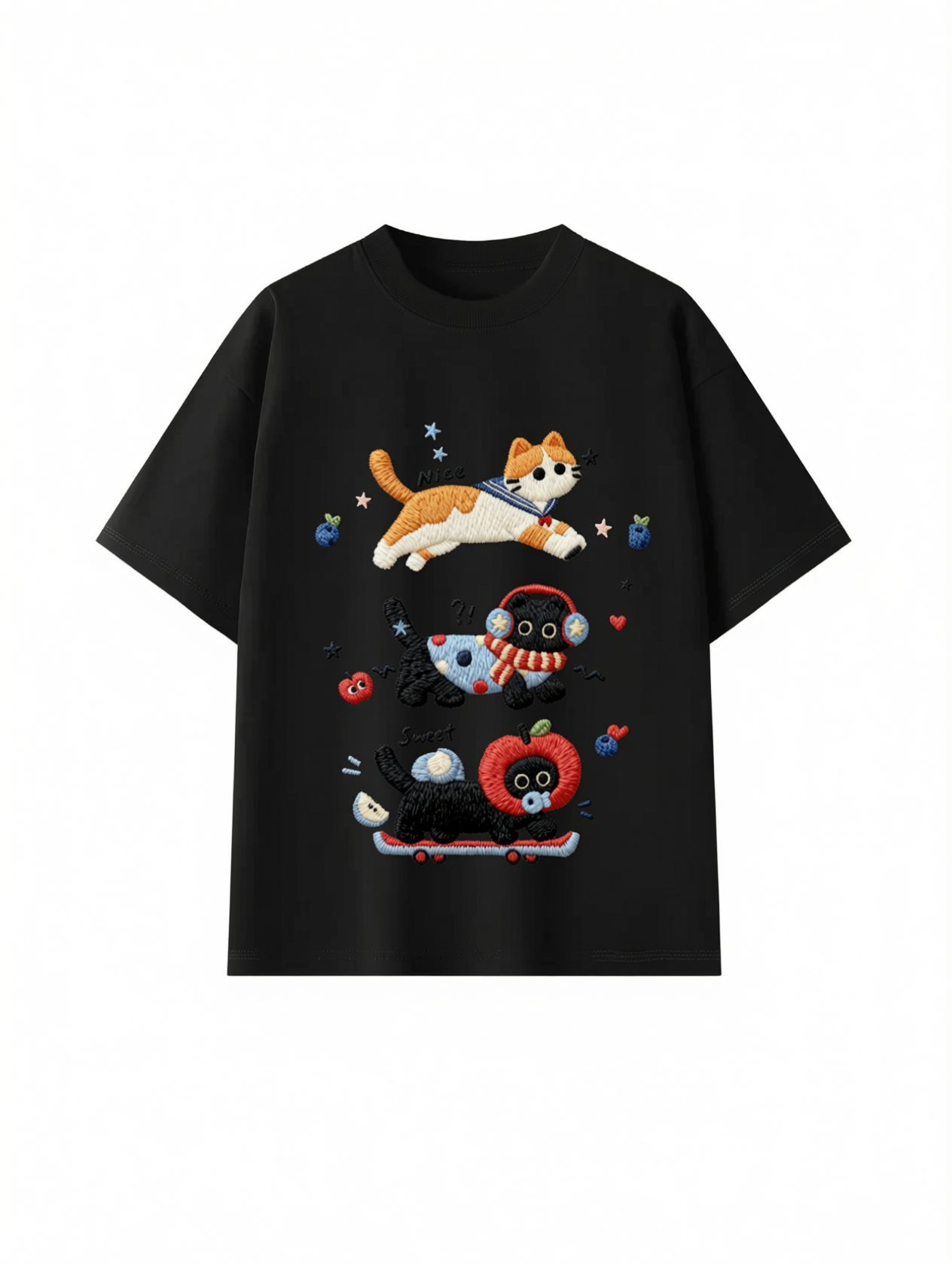
16. Relevo 3D
Características
Moldes de calor e pressão criam texturas em relevo diretamente no tecido.
Vantagens
- Efeito tátil premium
- Sem sensação de tinta ou cola.
- Aparência minimalista elegante
Limitações
- Requer moldes
- Custo de desenvolvimento mais elevado
Melhor para
Marcas de luxo e vestuário minimalista.
Relevo 3D
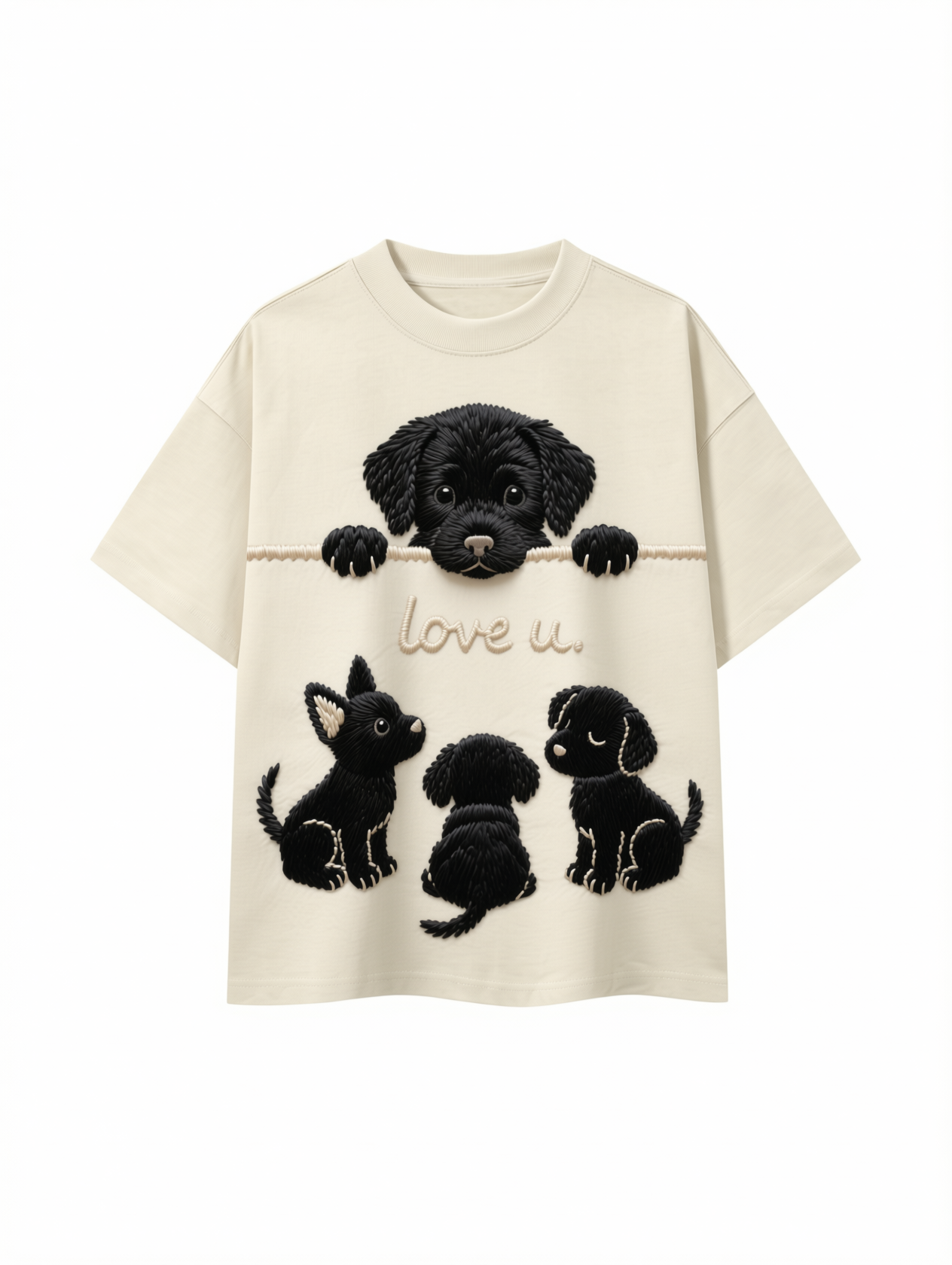
17. Bordado de escova de dentes
Características
Bordados especiais com fios cortados criam texturas em relevo semelhantes a pincéis.
Vantagens
- Textura felpuda única
- Forte profundidade decorativa
Limitações
- Produção complexa
- Os fios podem se enroscar facilmente
Melhor para
Coleções modernas e identidade visual com texturas marcantes.
Bordado de escova de dentes
Recomendações práticas para compradores
Projetos em pequenos lotes e personalizados
Recomendado:
- Impressão por transferência térmica
- Bordado digital
- Pintura à mão
- Transferência de strass
Produção em larga escala
Recomendado:
- Serigrafia
- Bordado plano
- Impressão em silicone
Textura Premium e de Alta Qualidade
Recomendado:
- Bordado em chenille
- bordado de escova de dentes
- Relevo 3D
- Flocagem
Funcionais e Efeitos Especiais
Recomendado:
- Impressão refletiva
- Tie dye
- Apliques bordados
Conclusão
Não existe um único método de decoração "ideal" na fabricação de vestuário.
A escolha certa depende de:
- Posicionamento do produto
- Quantidade do pedido
- Orçamento
- Identidade da marca
- Textura e durabilidade desejadas
Compreender essas técnicas ajuda as marcas a criar produtos visualmente mais atraentes, mais comercializáveis e mais alinhados com as expectativas dos clientes.
❓ Perguntas frequentes: Técnicas de decoração de vestuário personalizado
Qual o melhor método de impressão para iniciantes?
A impressão por transferência térmica costuma ser a opção mais fácil e econômica para pedidos pequenos.
Qual é a técnica de decoração mais durável?
O bordado e a serigrafia estão entre as opções mais duráveis.
Qual técnica cria o efeito 3D mais forte?
A impressão em relevo, o bordado em chenille e a estampagem 3D criam fortes efeitos dimensionais.
A serigrafia é melhor que a transferência térmica?
Para produção em larga escala e durabilidade, sim. Para pequenas tiragens personalizadas, a transferência térmica é mais flexível.
Quais são as melhores técnicas para criar streetwear de alta qualidade?
Bordados em chenille, estampas em relevo, estampas em silicone e relevo 3D são amplamente utilizados em roupas streetwear de alta qualidade.
Serviços de personalização da LYDENIM
🎨 Design personalizado
Crie sua própria coleção de tecidos ou peça de roupa com os materiais premium da LYDENIM. De luxuosas misturas de algodão a tecidos inovadores e ecológicos, explore cores, tramas e acabamentos que combinam perfeitamente com a sua marca ou visão de design. Visite LYDENIM para saber mais.
🛍️ Soluções de vestuário sob medida
Dê vida aos seus designs com nossos serviços de personalização de roupas. Sejam ternos sob medida, vestidos estilosos ou roupas de trabalho duráveis, garantimos ajuste perfeito, conforto superior e qualidade duradoura. Explore as opções de personalização em Meualibaba.
📩 Entre em contato
Tem um projeto em mente? Entre em contato com nossa equipe pelo e-mail malone@lydenim.com para discutir tecidos personalizados, design de roupas ou soluções têxteis sustentáveis.
Transforme suas ideias em realidade com a LYDENIM, sua parceira de confiança para tecidos inovadores e de alta qualidade e soluções de vestuário sob medida.
Perguntas frequentes
É possível personalizar este produto para minha marca ou coleção?
Sim. Envie sua solicitação, imagens de referência, qualidade desejada, quantidade e requisitos de mercado para que o fornecedor possa recomendar opções adequadas de tecido, vestuário ou acabamento.
Que informações devo enviar antes de solicitar um orçamento?
Prepare o tipo de produto, o tecido ou técnica pretendida, a direção da cor, as necessidades de amostra, a quantidade, o país de destino e o prazo de entrega previsto.
Devo solicitar amostras antes da produção em massa?
Sim. Amostras de tecido e metragens reduzem o risco antes de encomendas em grande quantidade, especialmente quando a cor, o toque, a elasticidade, o acabamento ou a qualidade da decoração são importantes.
Como posso evitar problemas de qualidade em encomendas em grande quantidade?
Aprovar um padrão de amostra claro, definir os requisitos de teste, confirmar as tolerâncias e comparar a produção em massa com a amostra aprovada antes do envio.
Precisa de ajuda para transformar isso em um briefing de fornecimento pronto para produção?
Envie-nos o produto desejado, a direção do tecido, a quantidade e as amostras necessárias. A LY Denim pode ajudar a comparar opções e preparar um orçamento.