


Selvedge Denim Material vs Regular Denim: A Simple Guide for New Garment Makers
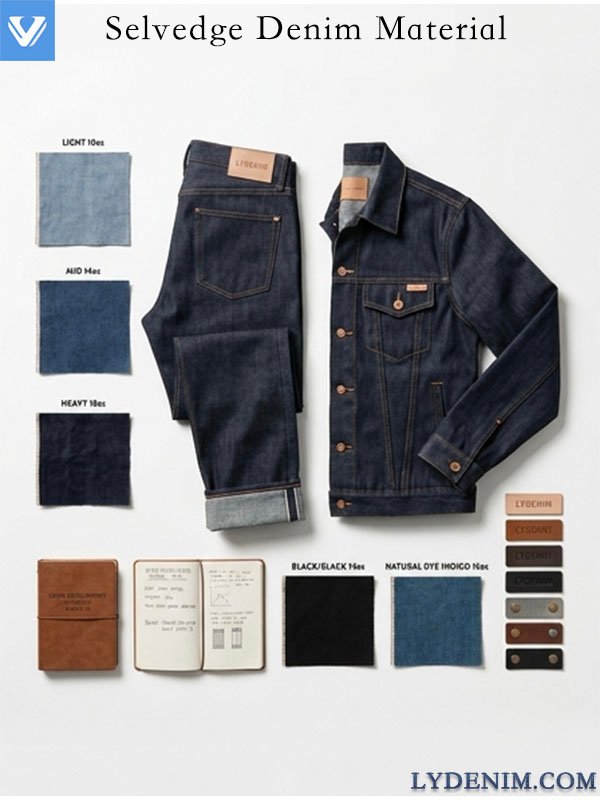
Selvedge Denim Material vs Regular Denim: A Simple Guide for New Garment Makers
selvedge denim material? This beginner’s guide explains the basics, fabric weights, common mistakes, and simple steps for new clothing factories and custom brands in 2026. Start your first project with confidence.
Buyer Summary
For apparel brands and small teams, this topic should connect design decisions with sampling, production, MOQ, decoration methods, and quote readiness.
- Suitable buyersFashion brands, sourcing teams, wholesalers, garment factories and product developers.
- What to confirmTarget product, fabric direction, finish, sample needs, quantity and delivery market.
- Buyer riskUnclear specs can lead to wrong samples, unstable bulk quality and slow quotations.
- Recommended CTARequest swatches or a sample quote before committing to bulk production.
Why This Matters for B2B Buyers
Confirm fabric, construction, logo technique, sample needs and order quantity before comparing suppliers.
selvedge denim material? This beginner’s guide explains the basics, fabric weights, common mistakes, and simple steps for new clothing factories and custom brands in 2026. Start your first project with confidence.


Specification Table for Faster Sourcing
| Decision point | Options to compare | Why it matters | Buyer question |
|---|---|---|---|
| Product type | Hoodies, T-shirts, jeans, jackets, custom apparel | Controls fabric, pattern, decoration and construction choices | Which product are you developing? |
| Customization | Embroidery, screen print, puff print, flocking, washing | Affects sample cost, MOQ and lead time | Do you have artwork or technique references? |
| Fabric and GSM | Light, medium or heavyweight options | Determines handfeel, season and retail positioning | What target handfeel and price level do you need? |
| Order plan | Prototype, small batch, bulk production | Changes pricing, timeline and production setup | Do you need samples or a bulk quote first? |
Applications and Custom Options
Product Development
Use this guide to turn design ideas into fabric, garment, finish and sample requirements.
Supplier Comparison
Compare suppliers by sample support, technical clarity, bulk stability and communication speed.
Bulk Production
Confirm quality standards, approved samples and timeline before placing production orders.
Quality Control Points Before Bulk Order
- OKSample approval: confirm fabric, color, handfeel, construction and finish before bulk production.
- OKBulk consistency: compare bulk lots against the approved sample under the same light and test conditions.
- OKPerformance testing: check shrinkage, colorfastness, stretch recovery or decoration durability where relevant.
- OKQuote clarity: send quantity, destination, packaging needs and target lead time to avoid vague pricing.
Sample Development Process
| Step | Buyer provides | Supplier confirms |
|---|---|---|
| 1. Brief | Application, reference images, target quality and quantity | Feasibility, recommended material and custom options |
| 2. Swatch | Preferred color, handfeel, pattern or finish feedback | Available stock, custom direction and sample cost |
| 3. Sample | Garment test plan, size or yardage needs | Sampling timeline and production repeatability |
| 4. Bulk quote | Order quantity, delivery destination and packaging needs | Unit price, MOQ, lead time and QC checkpoints |
Detailed Guide
Estimated reading time: ~5 minutes
Making your own custom denim can be a bit scary, especially when you hear terms like selvedge denim. But don’t worry, it’s not as complicated as it sounds. This guide will walk you through everything you need to know, step by step, so you can start your project with confidence. Whether you’re a new clothing factory, a custom brand, or a fashion team, you’ll be able to move forward and create something amazing. We’ll break it down into simple, practical steps, so you can understand what selvedge denim is all about and how to work with it.
Selvedge Edge Finish
What Is Selvedge Denim Material and Why It Matters for Newcomers
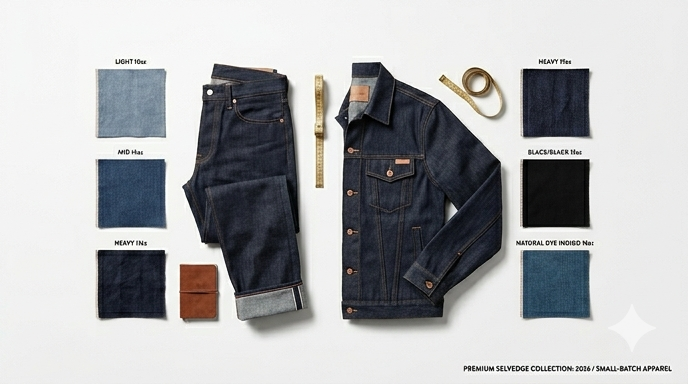
Selvedge denim material is a high-quality fabric made on old-fashioned looms. This way of making it gives the fabric a neat edge that doesn’t fray. Unlike regular denim made on newer, faster machines, selvedge denim has a closer, thicker weave that feels more solid and gets nicer, more natural-looking fades as you wear it. The special edge on selvedge denim is often called the “self-edge” because it’s made by the loom itself, so it’s a clean finish that doesn’t need any extra work. This kind of denim is really popular with people who want clothes that will last and look great over time.
For emerging brands and smaller teams, using selvedge denim is a great way to give your custom jeans, jackets, or limited-edition releases a high-end, handmade feel that sets you apart from the competition. What’s really beneficial for newcomers is that once you get a handle on the basics, working with this material becomes relatively easy. Selvedge denim has a unique character that instantly elevates the look of your pieces, making them appear more exclusive and crafted with attention to detail. This can be a major advantage for new brands looking to establish a strong identity in the market. By choosing selvedge denim, you can create products that not only look great but also tell a story of quality and craftsmanship.
For simple and easy-to-understand explanations, you can check out lydenim.com, they have great resources for beginners. Their articles, like “What Is Selvedge Denim: 7 Essential Facts” and “Selvedge Denim vs Regular Denim“, break down the differences in a way that’s easy to grasp, without using complicated terms.
selvedge jeans
Key Things Beginners Should Know About Selvedge Denim Material
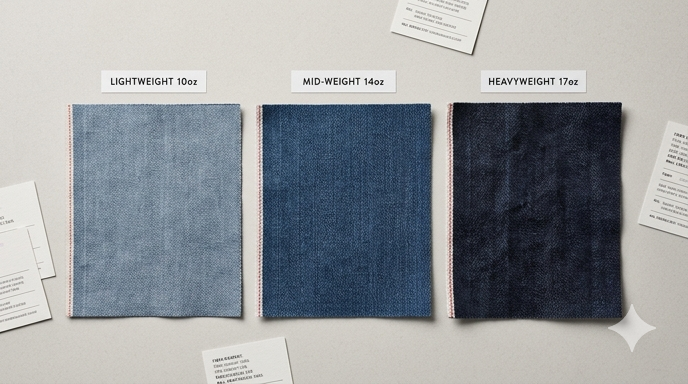
So, when we’re talking about fabric, one of the key things to know is the weight of the fabric, and this is usually measured in ounces, or oz for short.:
- Lighter options (4–12 oz): Soft and comfortable, ideal for lighter garments or warmer seasons.
- Mid-weight (12–16 oz): The recommended starting point for most newcomers — it offers a good balance of durability and ease of handling.
- Heavier weights (16+ oz): Sturdier but stiffer, better suited after you’ve gained some experience.
Many new makers begin with 12–14 oz selvedge denim material because it sews smoothly and feels comfortable after the initial wash.
When it comes to selvedge denim, one important thing to consider is the width – it’s usually around 30-32 inches, which is narrower than other types of denim. This means you need to think carefully about how you’re going to cut it, so you don’t waste too much fabric. You’ll also come across two different types of selvedge denim: “raw” and sanforized. Raw selvedge denim is stiff and hasn’t been washed, which makes it perfect for creating unique fades over time. On the other hand, sanforized denim has been pre-washed, so it shrinks less and is more comfortable to wear right away. If you’re just starting out, sanforized fabric is usually easier to work with, as it’s more forgiving.
LY Denim at lydenim.com provides a practical range from 4 oz to 14 oz, with many fabrics kept in stock for quick access and small MOQ support — ideal when you’re just starting out.
Selvedge Denim Material
Common Beginner Mistakes When Using Selvedge Denim Material
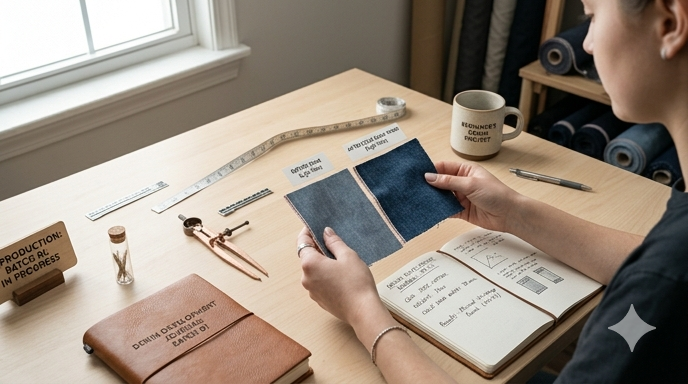
New teams frequently encounter a few predictable hurdles:
- Underestimating the narrower width and ending up with higher fabric waste than expected.
- Using a material that’s too heavy, like over 17 oz, can be a problem for a first collection. It can make sewing harder and washing more of a challenge. This can be a big issue, so it’s something to think about when picking materials.
- Moving directly into small-batch production without testing samples first.
When it comes to making a good choice, it’s a good idea to start with small steps. For example, if you’re looking for the perfect pair of selvedge denim jeans, it can be overwhelming with all the options out there. But, there’s a helpful article on lydenim.com called “How to Choose the Right Selvedge Denim for Durability and Comfort” that was written in 2026, and it gives you some really useful tips on how to pick the right weight and finish for your jeans without having to try a bunch of different ones and waste your money.
Beginner Mistakes When Using Selvedge Denim Material
Easy Step-by-Step Guide for Newcomers
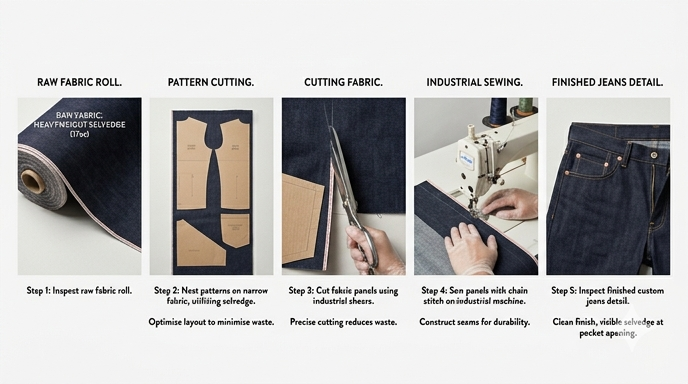
Here’s a straightforward roadmap to help you get started with selvedge denim material:
Step 1 –To get started, you need to figure out what you’re trying to make and who’s going to be wearing it. This will help you decide on the right weight, stretch, and finish for your garments. Think about the people who will be wearing your creations – what kind of activities will they be doing, and what kind of comfort and durability will they need? Considering these factors will guide your choices and ensure you create something that meets their needs.
Step 2 – When you’re just starting out, it’s a good idea to find suppliers that make things easy for you. Look for companies that don’t require you to buy a lot of fabric at once, have materials ready to ship, and offer free samples. LY Denim is a great example of a supplier that does all these things. They have a wide range of selvedge denim options that can be shipped quickly, and they also offer customization services. This means you can create your own unique denim products, like custom raw selvedge denim jeans. They have some really cool options, such as 17 oz Deep Indigo or reinforced double-knee styles, which are perfect for testing out your ideas and seeing what works best for you.
Step 3 –Test samples thoroughly Order swatches or a small roll. Evaluate the hand-feel, color consistency, and perform a simple wash test to check shrinkage. This step helps you avoid surprises later.
Step 4 –To get the most out of your fabric, try a few simple tricks when cutting and sewing. First, think about how you’re laying out your pattern – you want to minimize waste, especially since you’re working with a narrower width. Using standard industrial machines can make a big difference, and you might need to make some minor adjustments to the tension to get the best results with the tighter weave. If you’re new to working with this type of fabric, mid-weight fabrics are a good choice because they’re pretty forgiving, which makes them perfect for first-time projects.
Step 5 –To take care of your raw selvedge, start by giving it a gentle cold soak, and then let it air dry – this will help keep it in good condition. If you have a sanforized version, you don’t need to be as careful with it. For some useful tips on how to finish your denim, you can check out the blog on Lydenim.com, which has some really helpful advice that a lot of new makers have found useful.
Step-by-Step Guide
Cost and Sourcing Tips for Beginners in 2026
When you’re buying in small quantities, it’s only natural that the cost per yard is higher compared to buying in bulk. However, some suppliers, like LY Denim, are making it easier for new buyers to get started. They offer competitive prices, quick turnaround times, and flexible minimum order quantities. A good way to start is with mid-weight options – they give you consistent results without breaking the bank, so your initial investment stays reasonable. This way, you can test the waters without committing to a huge order.
Real-World Examples from Small Brands
A small group of streetwear enthusiasts in Los Angeles started out with a simple idea – to create unique, high-quality jeans. They began by sourcing a few rolls of mid-weight selvedge denim from a supplier like LY Denim, who was willing to work with them. With this material, they designed and produced a limited batch of custom raw selvedge jeans. To gauge interest, they offered pre-orders, and the response was overwhelming – the jeans sold out quickly. The distinctive fades and premium quality of the jeans helped the team build a loyal customer base from the very start. As people wore and washed their jeans, the fabric developed unique fades and characteristics, making each pair special. This attention to detail and commitment to quality helped the team establish a strong reputation in the streetwear scene.
Another emerging sustainable brand started with sanforized 12–14 oz selvedge. By carefully testing samples and following straightforward washing guidelines, they avoided common shrinkage problems and steadily expanded their custom collection.
These real stories demonstrate that selvedge denim material allows beginners to start small, learn effectively, and grow without taking on excessive risk.
selvedge
FAQ
Q1: What does “selvedge” actually mean? It refers to the clean, self-finished edge created by traditional shuttle looms. This edge prevents fraying and signals higher-quality denim.
Q2: Which weight is best for a complete beginner? Go with 12–14 oz mid-weight selvedge denim material. It’s easier to sew, comfortable to wear, and versatile for most beginner custom projects.
Q3: Is selvedge denim material significantly more expensive than regular denim? It usually costs a bit more due to the slower traditional weaving process, but the enhanced durability and premium feel often make it worthwhile for new brands aiming for quality positioning.
Q4: How can I reduce fabric waste with narrow selvedge? Careful pattern nesting and efficient marker planning make a big difference. Most beginners see clear improvement after their first test run.
Q5: Do I need specialized machines to work with selvedge denim material? For mid-weight fabrics, a standard industrial sewing machine with the right needle and adjusted tension is usually sufficient.
Ready to Start Your First Selvedge Denim Project?
There’s no need to feel intimidated. Begin with a modest test order, learn from the samples, and improve with every batch. Resources like the beginner-focused guides on lydenim.com can support you along the way. Many thriving custom brands today started right where you are — curious about selvedge denim material and ready to take that first practical step.
Order a few swatches today, put them through real production tests, and watch your confidence grow. You’re well on your way to creating something special.
Customization Services by LYDENIM
🎨 Custom Design
Design your own fabric collection or garment with LYDENIM’s premium materials. From luxurious cotton blends to innovative eco-friendly textiles, explore colors, weaves, and finishes that perfectly match your brand or design vision. Visit LYDENIM to learn more.
🛍️ Tailored Garment Solutions
Bring your designs to life with our custom garment services. Whether it’s tailored suits, stylish dresses, or durable workwear, we ensure perfect fit, superior comfort, and lasting quality. Explore customization options on Myalibaba.
📩 Get in Touch
Have a project in mind? Contact our team at malone@lydenim.com to discuss custom fabrics, garment design, or sustainable textile solutions.
Transform your ideas into reality with LYDENIM—your trusted partner for innovative, high-quality fabrics and bespoke apparel solutions.
FAQ
Can this be customized for my brand or collection?
Yes. Send your application, reference images, target quality, quantity and market requirements so the supplier can recommend suitable fabric, garment or finishing options.
What information should I send before asking for a quote?
Prepare product type, target fabric or technique, color direction, sample needs, quantity, destination country and expected lead time.
Should I request swatches before bulk production?
Yes. Swatches and sample yardage reduce risk before bulk orders, especially when color, handfeel, stretch, finish or decoration quality matters.
How can I avoid quality problems in bulk orders?
Approve a clear sample standard, define test requirements, confirm tolerances and compare bulk output against the approved sample before shipment.
Need help turning this into a production-ready sourcing brief?
Send your target product, fabric direction, quantity and sample needs. LY Denim can help compare options and prepare a quote.