


Panduan Komprehensif tentang Teknik Cuci Denim: Mengenal Metode-Metode Populer
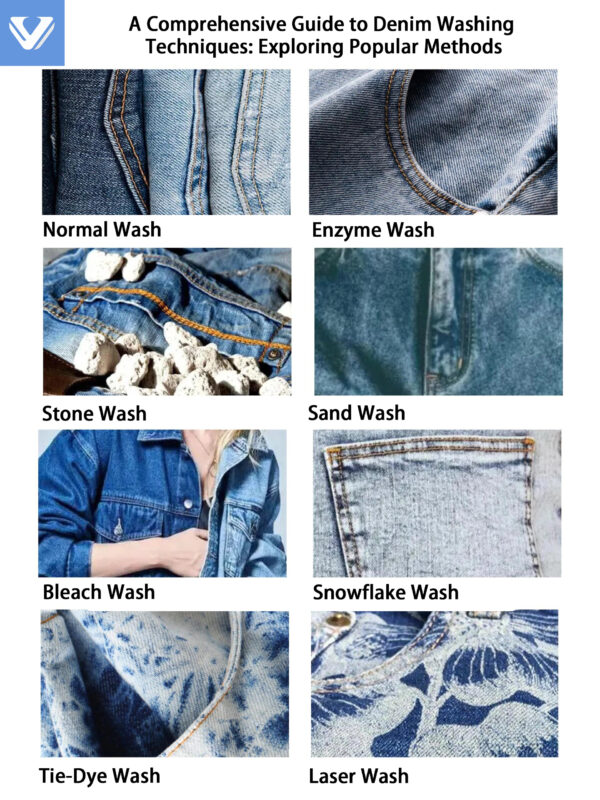
Panduan Komprehensif tentang Teknik Cuci Denim: Mengenal Metode-Metode Populer
Waktu pembacaan yang diperkirakan: sekitar 5 menit. Pendahuluan: Denim telah lama menjadi bahan andalan dalam dunia mode, dihargai karena ketahanannya dan keversatilannya. Namun, yang benar-benar menjadikan denim sebagai kain yang elegan dan nyaman seperti yang kita sukai adalah ...
Ringkasan Pembeli
Pengetahuan tentang proses produksi dan penyelesaian produk membantu pembeli mengurangi risiko pengambilan sampel, memahami hal-hal yang secara teknis layak dilakukan, serta menyampaikan persyaratan dengan lebih jelas kepada pabrik.
- Pembeli yang sesuaiMerek mode, tim pengadaan, pengecer grosir, pabrik pakaian, dan pengembang produk.
- Apa yang perlu dikonfirmasiProduk target, arah tekstur kain, finishing, kebutuhan sampel, jumlah, dan pasar pengiriman.
- Risiko pembeliSpesifikasi yang tidak jelas dapat menyebabkan pengambilan sampel yang salah, kualitas produk secara keseluruhan yang tidak stabil, serta proses penentuan harga yang lambat.
- CTA yang DirekomendasikanPermintaan sampel atau penawaran harga sebelum memutuskan untuk memproduksi dalam jumlah besar.
Mengapa Hal Ini Penting bagi Pembeli B2B
Konfirmasi batas proses, standar pengujian, langkah persetujuan sampel, serta konsistensi produk dalam jumlah besar sebelum produksi.
Waktu pembacaan yang diperkirakan: sekitar 5 menit. Pendahuluan: Denim telah lama menjadi bahan andalan dalam dunia mode, dihargai karena ketahanannya dan keversatilannya. Namun, yang benar-benar menjadikan denim sebagai kain yang elegan dan nyaman seperti yang kita sukai adalah ...

Tabel Spesifikasi untuk Pengadaan yang Lebih Cepat
| Titik keputusan | Opsi untuk membandingkan | Mengapa Ini Penting | Pertanyaan pembeli |
|---|---|---|---|
| Tujuan Pembeli | Penelitian, permintaan sampel, pengembangan produk, dan pengadaan massal | menjelaskan apa yang seharusnya dapat dibantu pembaca melalui artikel ini selanjutnya | Keputusan apa yang perlu diambil oleh pembeli? |
| Penerapan produk | Jeans, jaket, kaus, rok, pakaian jalanan atau pakaian kerja | Menghubungkan pengetahuan dengan kebutuhan produksi yang nyata | Di mana kain atau teknik ini akan digunakan? |
| Kustomisasi | Warna, berat, komposisi, permukaan, pola, atau dekorasi | Mengubah proses membaca menjadi ringkasan pengumpulan informasi | Apa yang perlu disesuaikan? |
| Langkah Selanjutnya | Swatch, panjang sampel, penawaran harga, konfirmasi QC | Mendorong pembaca untuk melakukan penyelidikan lebih lanjut | Informasi apa yang perlu dikirimkan kepada pemasok? |
Aplikasi dan Opsi Khusus
Pengembangan Produk
Gunakan panduan ini untuk mengubah ide desain menjadi spesifikasi terkait kain, pakaian, finishing, dan sampel.
Perbandingan Pemasok
Bandingkan para pemasok berdasarkan dukungan sampel, kejelasan teknis, stabilitas dalam jumlah besar, dan kecepatan komunikasi.
Produksi Massal
Konfirmasi standar kualitas, sampel yang telah disetujui, dan jadwal waktu sebelum mengajukan pesanan produksi.
Kontrol Kualitas Points Before Bulk Order
- OKPersetujuan sampel: Konfirmasi bahan kain, warna, tekstur permukaan, struktur, dan finishing sebelum produksi massal dimulai.
- OKKonsistensi massa: Bandingkan sekelompok sampel secara keseluruhan dengan sampel yang telah disetujui dalam kondisi pencahayaan dan pengujian yang sama.
- OKPengujian kinerja: Periksa penyusutan, ketahanan warna, pemulihan setelah regangan, atau ketahanan dekorasi bila relevan.
- OKKlaritas kutipan: Sertakan jumlah pengiriman, destinasi, kebutuhan kemasan, dan waktu penyelesaian yang diharapkan untuk menghindari penetapan harga yang tidak jelas.
Proses Pengembangan Sampel
| Langkah | Pembeli menyediakan… | Pemasok telah mengonfirmasi. |
|---|---|---|
| 1. Ringkasan | Aplikasi, gambar referensi, kualitas dan jumlah target | Kelayakan, bahan yang direkomendasikan, dan opsi khusus |
| 2. Contoh kain | Umpan balik mengenai warna, tekstur permukaan, pola, atau finishing yang diinginkan | Stok yang tersedia, arahan khusus, dan biaya sampel |
| 3. Sampel | Rencana pengujian pakaian, besaran atau panjang yang dibutuhkan | Jadwal pengambilan sampel dan reproduktivitas produksi |
| 4. Penawaran grosir | Jumlah pesanan, tujuan pengiriman, dan kebutuhan kemasan | Harga per unit, MOQ, waktu pengiriman, dan titik pemeriksaan QC |
Panduan Rinci
Waktu baca perkiraan: ~5 menit
Pendahuluan
Denim telah lama menjadi bahan andalan dalam dunia mode, dihargai karena ketahanannya dan keversatilannya. Namun, yang benar-benar mengubah denim menjadi kain yang elegan dan nyaman seperti yang kita sukai adalah proses pencucian. Mulai dari denim mentah hingga denim selvedge, berbagai teknik pencucian dapat meningkatkan tekstur, warna, dan sensasi saat dipakai. Dalam artikel ini, kami akan membahas metode pencucian denim yang paling populer, dengan mengacu pada wawasan dari industri.
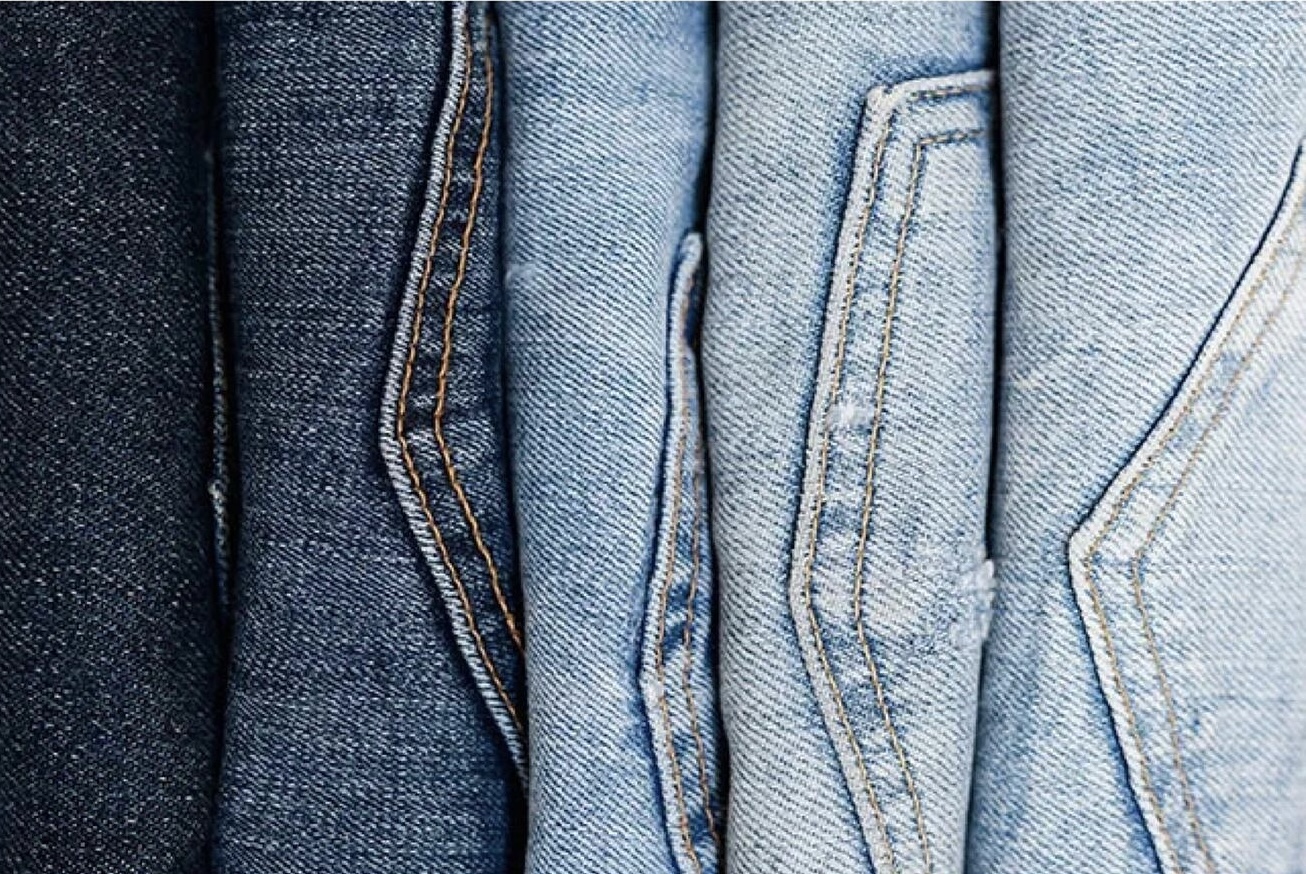
1. Pencucian Biasa: Perawatan Denim Harian
PrinsipCuci biasa melibatkan pembersihan kain denim pada suhu 60°–90°C menggunakan deterjen selama sekitar 15 menit, diikuti oleh pencucian ulang dan penambahan pelembut. Bergantung pada durasi dan jenis bahan kimia yang digunakan, proses ini diklasifikasikan sebagai cuci ringan (5 menit), standar (15 menit), atau berat (30 menit).
TujuanMetode ini meniru proses pencucian harian, sehingga kain denim menjadi lebih lembut dan nyaman digunakan, sekaligus memiliki tampilan alami yang bersih.
PopularitasIni merupakan teknik dasar yang sering menjadi titik awal dalam perawatan jeans sehari-hari.
Cuci Normal
2. Pencucian dengan Enzim: Peningkatan Kualitas Denim yang Ramah Lingkungan
PrinsipDengan menggunakan enzim selulase, proses ini mendegradasi serat denim dalam kondisi pH dan suhu tertentu.
KeuntunganProduk ini ramah lingkungan dan aman untuk digunakan, berbeda dengan metode yang banyak menggunakan bahan kimia.
KekuranganBiaya yang lebih tinggi (hingga empat kali lebih mahal dibandingkan metode pencucian kimia) membuat produk ini kurang umum digunakan, namun sangat dicari.
TujuanPencucian dengan enzim ringan menyebabkan pelambatan warna yang halus, sedangkan pencucian dengan enzim kuat mengakibatkan penurunan warna dan kelembutan yang signifikan. Tahap pasca-perawatan mencakup proses “deaktivasi” serta pencucian untuk menstabilkan hasil akhir.
Pencucian Enzim
3. Stone Wash: Tampilan Klasik dan Vintage
PrinsipBatu pumice bersentuhan dengan kain denim dalam air, menghasilkan efek aus alami yang mirip dengan proses penggilingan menggunakan ball mill. Tingkat kehalusan permukaannya bervariasi, mulai dari halus hingga kasar.
Tujuansangat ideal untuk menciptakan nuansa retro; produk ini meningkatkan kelembutan dan kelenturan.
Kemajuan TeknologiInovasi seperti campuran enzim berbasis batu (misalnya ATB710) menyempurnakan metode ini, mengurangi kerusakan sekaligus meningkatkan efek seperti kontras dan kecerahan gambar.
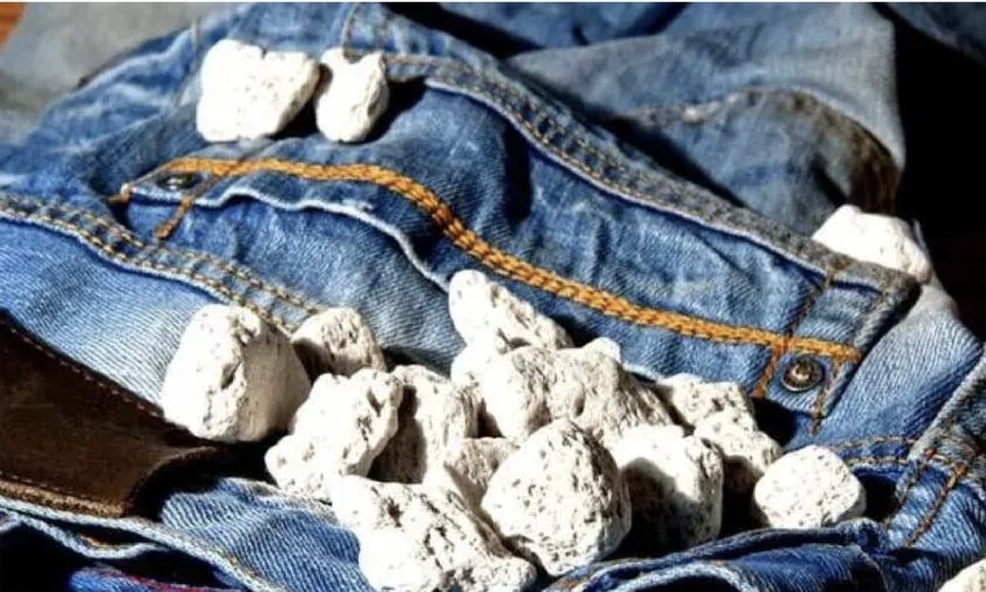
Cuci Batu
4. Pencucian dengan Pasir: Keanggunan yang Dingin dan Melemah
PrinsipAgen alkalin dan oksidatif, ditambah bubuk pencuci pasir serta agen pengisi volume, menyebabkan permukaan menjadi pudar dan ber tekstur seperti beludru yang dingin, sering kali digunakan bersama proses penggilingan batu.
TujuanTeknik ini sangat unggul dalam menciptakan efek pelambatan warna (fading) dan kesan kelembutan pada gambar vintage.
KeunikanEfek beludru yang dingin membuat metode ini berbeda dari metode lainnya.
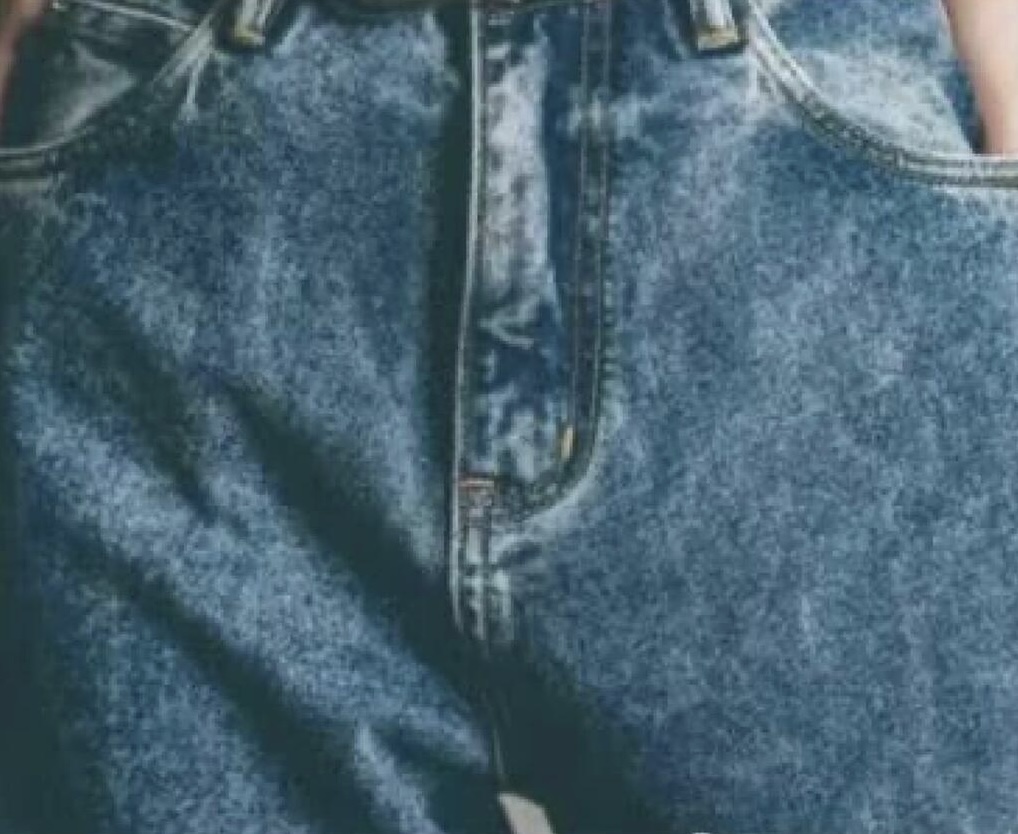
Pembersihan Pasir
5. Cuci dengan pemutih: hasil yang cerah dan menonjol
PrinsipSetelah pencucian biasa, pemutih ditambahkan pada suhu tinggi untuk memperencer warna denim.
TujuanMenghasilkan efek pelambatan warna yang hidup serta sensasi sentuhan yang halus.
Permohonan bandingTingkat pemutih yang dapat disesuaikan membuat produk ini serbaguna, cocok untuk tampilan yang mencolok maupun halus.

Cuci Bleach
6. Pencucian dengan Salju: Pola Putih yang Artistik
PrinsipBatu pumice kering yang direndam dalam kalium permanganat digiling pada permukaan kain denim di dalam silinder, membentuk bintik-bintik putih berbentuk butiran salju akibat gesekan dan reaksi kimia.
TujuanIni menciptakan efek pelunturan yang menakjubkan dan tidak teratur.
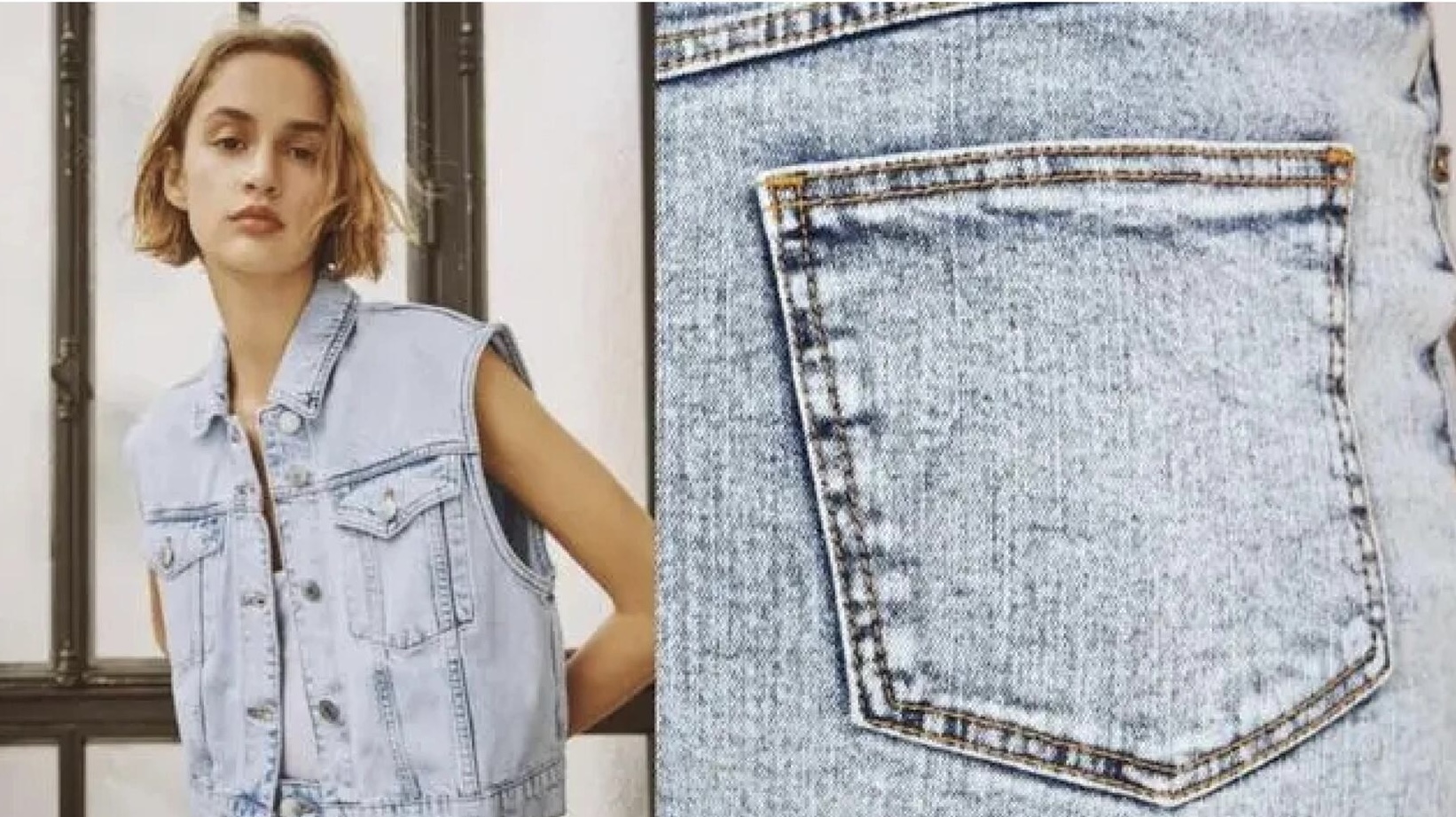
Pencucian Snowflake
7. Cuci dengan Teknik Tie-Dye: Permainan Warna yang Kreatif
PrinsipMetode ini menggabungkan teknik tie-dye dengan proses pencucian, menggunakan bahan kimia dan pengaruh mekanis untuk mengubah warna serta meningkatkan kelembutan tekstur kain.
TujuanIa menghasilkan pola yang kaya dan artistik.
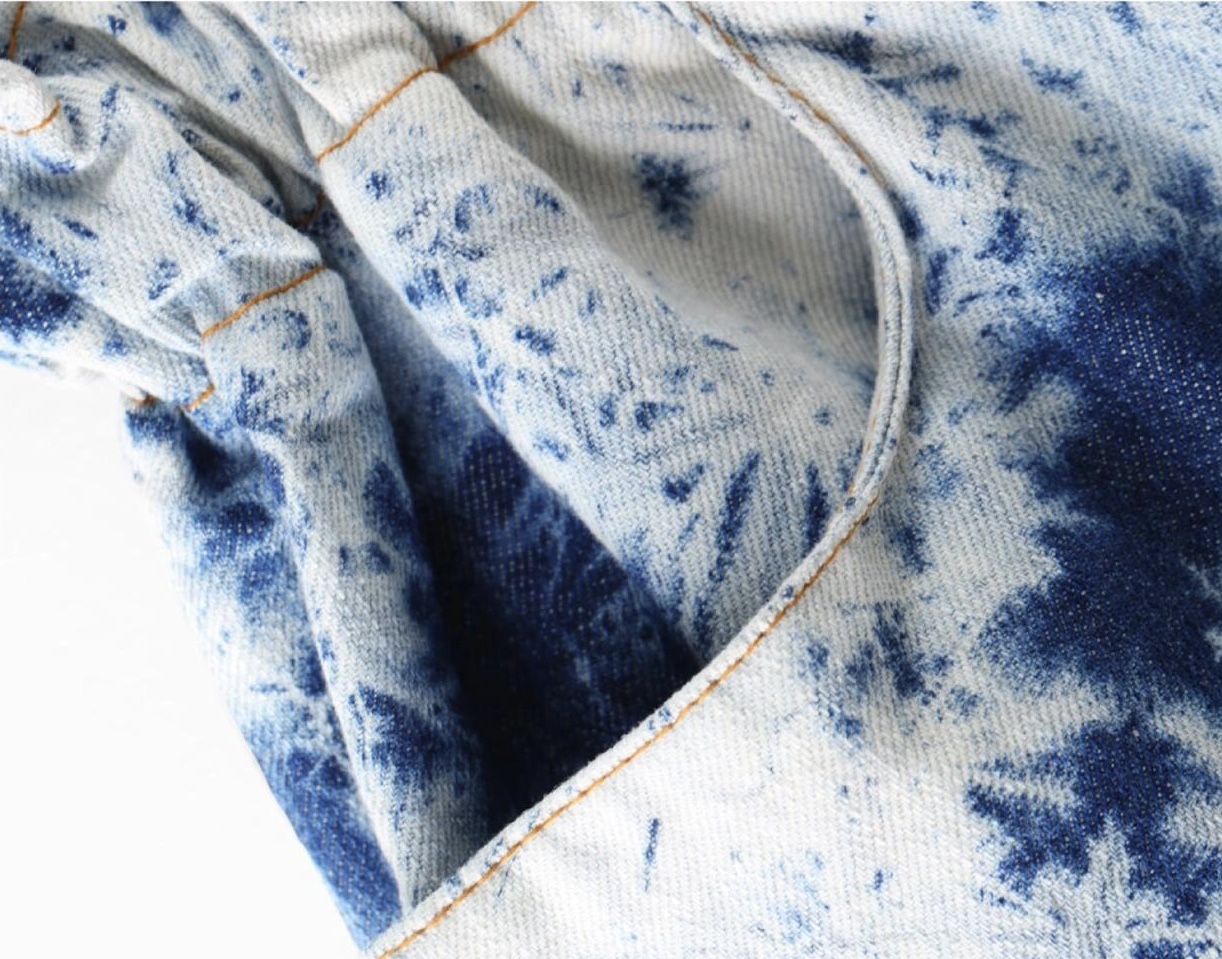
Proses pencucian menggunakan teknik tie-dye
8. Pencucian dengan Laser: Teknologi Presisi Modern
PrinsipTeknologi laser menggantikan metode pencucian tradisional dengan mencetak desain secara presisi pada kain denim.
TujuanHijau dan efisien, produk ini menjadi terobosan dalam personalisasi tanpa menggunakan cetakan.
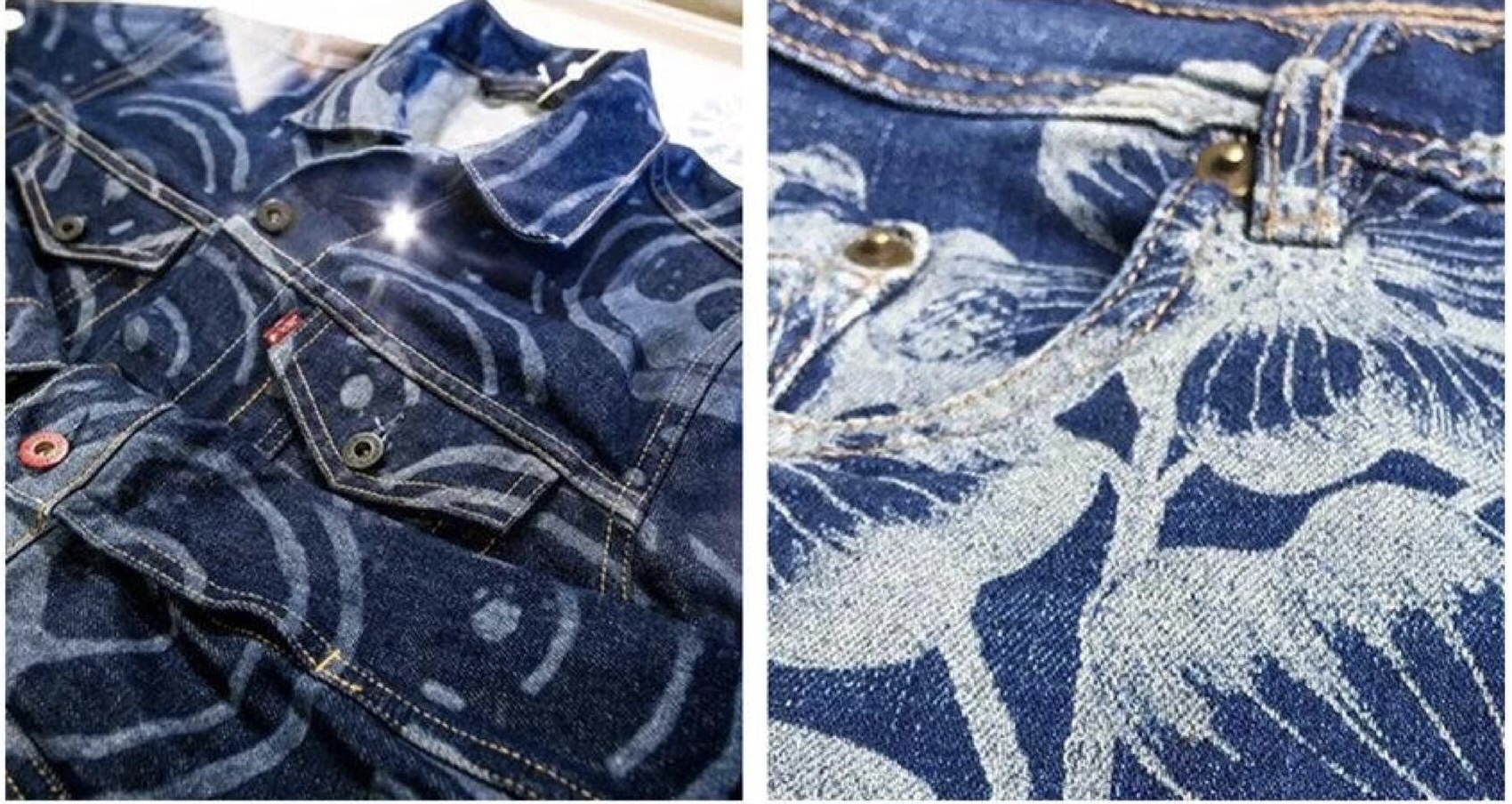
Pencucian dengan Laser
Mengapa Mencuci Denim Penting
Mencuci kain denim tidak hanya soal membersihkannya, melainkan tentang mengubah bahan denim menjadi karya seni yang layak dipakai. Baik dengan meredakan tekstur keras pada bagian sisinya maupun menciptakan efek pencucian bergaya vintage, setiap metode tersebut menambah nilai produk.
Kesimpulan
Memahami cara mencuci kain denim membuka berbagai peluang bagi para pencinta mode maupun profesional di industri ini. Baik Anda membeli kain denim secara grosir maupun melakukan eksperimen di rumah, metode-metode tersebut menjadi inti dari daya tarik ikonik denim. Tetap unggul dengan mengeksplorasi teknik-teknik ini serta dampaknya.
layanan personalisasi dari LYDENIM
🎨 Ingin Bahan pakaian khusus dari bahan denim atau unik Pakaian dari bahan kain khusus yang dibuat sesuai desainLYDENIM berspesialisasi dalam menyediakan solusi yang disesuaikan secara khusus untuk memenuhi kebutuhan desain dan produksi Anda.
🛍️ Eksplorasi dan dapatkan inspirasi.Jelajahi koleksi kain kami dan temukan ide desain yang menarik. LYDENIM.
🌐 Pakaian ElastisLihatlah produk kami di MyAlibaba. 📩 Hubungi kamiHubungi kami di Malone@lydenim.com.
Buat karya luar biasa dari bahan denim dengan LYDENIM—mitra andal Anda untuk Bahan pita elastis dan Solusi pakaian khusus berbahan denim.
Pertanyaan umum
Apakah ini dapat disesuaikan dengan merek atau koleksi saya?
Ya. Kirimkan aplikasi Anda, gambar referensi, kualitas yang diinginkan, jumlah, serta persyaratan pasar agar pemasok dapat merekomendasikan pilihan bahan, produk pakaian, atau proses penyelesaian yang sesuai.
Informasi apa yang perlu saya kirimkan sebelum meminta penawaran harga?
Siapkan jenis produk, bahan atau teknik yang digunakan, arah warna, kebutuhan sampel, jumlah, negara tujuan, serta waktu pengiriman yang diperkirakan.
Apakah saya harus meminta sampel sebelum produksi massal?
Ya. Penggunaan sampel warna dan ukuran sampel dapat mengurangi risiko sebelum melakukan pesanan dalam jumlah besar, terutama ketika kualitas warna, tekstur permukaan, daya regangan, penampilan akhir, atau dekorasi menjadi faktor penting.
Bagaimana cara saya menghindari masalah kualitas pada pesanan dalam jumlah besar?
Setujui standar sampel yang jelas, tentukan persyaratan pengujian, konfirmasi toleransi, dan bandingkan hasil produksi massal dengan sampel yang telah disetujui sebelum pengiriman.
Butuh bantuan untuk mengubah ini menjadi dokumen pengadaan yang siap digunakan dalam produksi?
Kirimkan produk target, jenis kain, jumlah, serta kebutuhan sampel Anda. LY Denim dapat membantu membandingkan berbagai pilihan dan menyusun penawaran harga.