Pengetahuan denim, SEO - Denim Fabric Sourcing

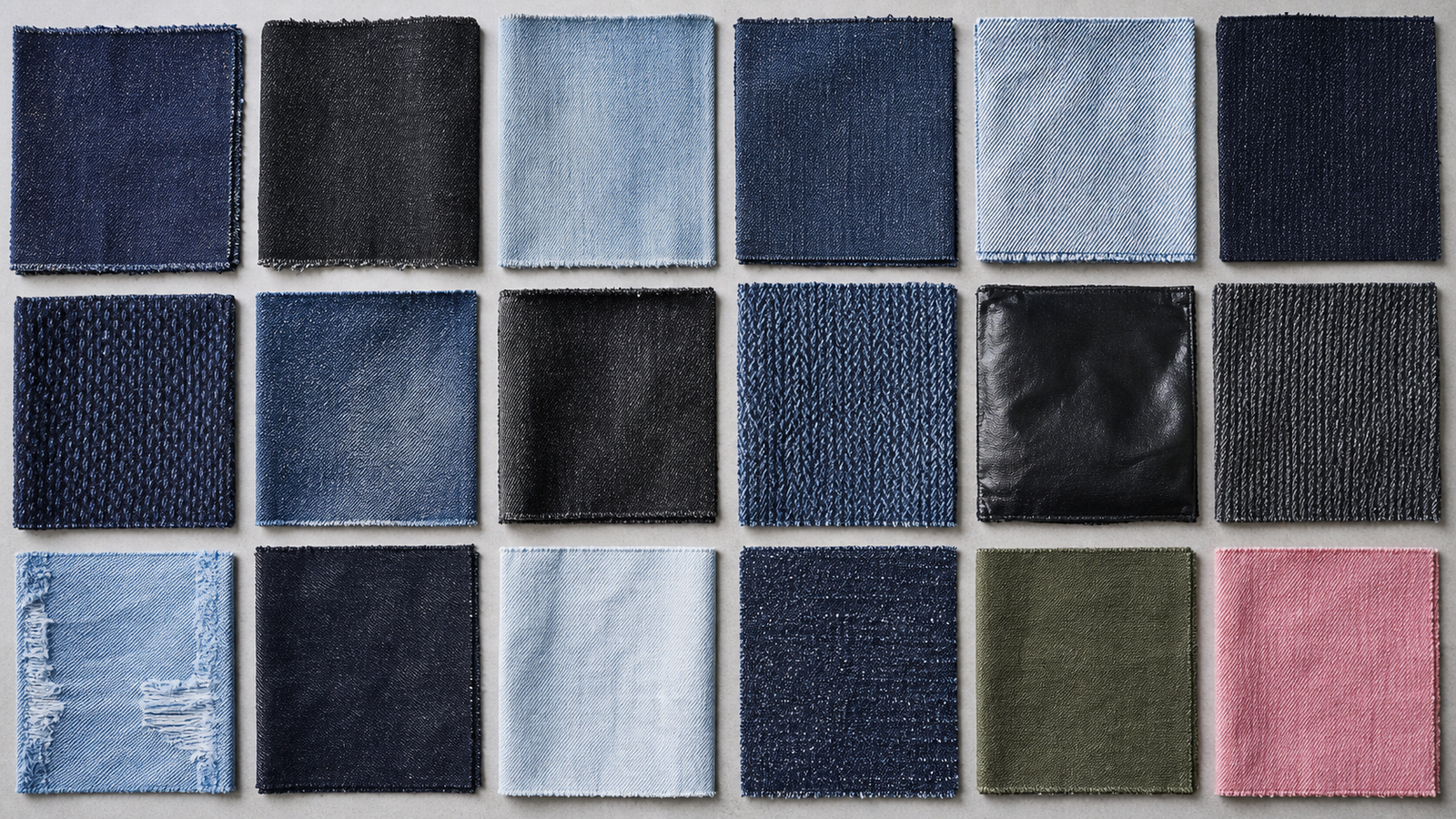
Analysis of 20 Types of Denim Fabrics

Advantages and Disadvantages of 20 Kinds of Denim Fabrics for B2B denim fabric sourcing
Denim Fabric Sourcing / Denim knowledge

Analysis of 20 Types of Denim Fabrics

Estimated Reading Time: 15-20 minutes Introduction Denim, a timeless staple in fashion, is celebrated for its durability and versatility. However, not all denim fabrics are the same. Understanding their pros and cons is…

Analysis of 20 Types of Denim Fabrics

B2Bsourcing guide
Customsample to bulk
Quoteready checklist

Best forBrands, designers, wholesalers and garment factories
Main valueTurn research into a clearer sourcing brief
What to prepareApplication, quantity, target quality and sample needs
Next actionSend requirements for swatches or quotation

Buyer Summary

For B2B fabric buyers, this topic should help compare composition, weight, handfeel, stretch, finish, MOQ and production stability before sampling.

  • Suitable buyersFashion brands, sourcing teams, wholesalers, garment factories and product developers.
  • What to confirmTarget product, fabric direction, finish, sample needs, quantity and delivery market.
  • Buyer riskUnclear specs can lead to wrong samples, unstable bulk quality and slow quotations.
  • Recommended CTARequest swatches or a sample quote before committing to bulk production.

Why This Matters for B2B Buyers

Confirm the application, target fabric character, color direction and bulk quantity before asking for a quote.

Estimated Reading Time: 15-20 minutes Introduction Denim, a timeless staple in fashion, is celebrated for its durability and versatility. However, not all denim fabrics are the same. Understanding their pros and cons is…

Analysis of 20 Types of Denim Fabrics sample detail
Use product visuals with sourcing notes so readers can connect ideas to real development requirements.
Analysis of 20 Types of Denim Fabrics application reference
Pair inspiration with practical quote details such as weight, finish, handfeel and quantity.

Specification Table for Faster Sourcing

Decision point Options to compare Why it matters Buyer question
Fabric base Cotton, blends, stretch denim, jacquard, flocked or specialty denim Controls handfeel, durability and price position What product category is this fabric for?
Berat Light, medium or heavy construction Affects drape, season, garment type and shipping cost Do you need shirts, jackets, jeans or structured pieces?
Finish Color, wash, coating, flocking, jacquard or softening Determines final appearance and customer touch What handfeel and wash effect do you expect?
Supply plan Swatches, sample yardage, bulk lots Reduces risk before production What quantity and delivery market should be quoted?

Applications and Custom Options

1

Product Development

Use this guide to turn design ideas into fabric, garment, finish and sample requirements.

2

Supplier Comparison

Compare suppliers by sample support, technical clarity, bulk stability and communication speed.

3

Bulk Production

Confirm quality standards, approved samples and timeline before placing production orders.

Quality Control Points Before Bulk Order

  • OKSample approval: confirm fabric, color, handfeel, construction and finish before bulk production.
  • OKBulk consistency: compare bulk lots against the approved sample under the same light and test conditions.
  • OKPerformance testing: check shrinkage, colorfastness, stretch recovery or decoration durability where relevant.
  • OKQuote clarity: send quantity, destination, packaging needs and target lead time to avoid vague pricing.

Sample Development Process

Step Buyer provides Supplier confirms
1. Brief Application, reference images, target quality and quantity Feasibility, recommended material and custom options
2. Swatch Preferred color, handfeel, pattern or finish feedback Available stock, custom direction and sample cost
3. Sample Garment test plan, size or yardage needs Sampling timeline and production repeatability
4. Bulk quote Order quantity, delivery destination and packaging needs Unit price, MOQ, lead time and QC checkpoints

Detailed Guide

Estimated Reading Time: 15-20 minutes

Introduction

Denim, a timeless staple in fashion, is celebrated for its durability and versatility. However, not all denim fabrics are the same. Understanding their pros and cons is essential for designers, manufacturers, and consumers. This article explores 20 types of denim fabric, helping you choose wisely.

Classified by Special Technology or Effect

1. Slub Denim
Woven with slub yarn, featuring irregular textured patterns for a vintage look after washing.
Pros: Unique appearance, soft and comfortable, breathable, moisture-absorbent, highly processable
Cons: Limited durability, prone to shrinkage, unstable color fastness, higher cost

2. Super Indigo Denim
Specially dyed for deeper color, offering vibrant wash effects.
Pros: Rich color, high color fastness, unique wash effects, enhanced texture
Cons: Initial fading, high production cost, limited color options, potential skin irritation

3. Crinkle Denim
Uses tightly twisted yarns to create a wrinkled effect, distinctive in look and feel.
Pros: Unique texture, comfortable and breathable, wrinkle-resistant, moisture-absorbent
Cons: Prone to deformation, high maintenance, limited durability, moderate stability, higher cost

4. Flocked Denim
Surface flocking adds softness, warmth, and style.
Pros: Diverse colors and flocking, warm and wear-resistant, soft and comfortable
Cons: Sheds easily, hard to maintain, attracts dust, poor breathability, high cost

5. Coated Denim
Coated with special layers for waterproofing or UV protection.
Pros: Protective features, durable, easy to clean
Cons: Poor breathability, limited flexibility, wears out easily, hard to maintain, non-degradable

Classified by Special Technology or Effect

Classified by Special Technology or Effect

Classified by Weave Structure

6. Plain Weave Denim
Simple one-over-one weave, tight and flat.
Pros: Tight structure, smooth surface, wear-resistant, moisture-absorbent
Cons: Stiff feel, average breathability, lacks elasticity, fades easily

7. Twill Denim
Two- or three-over-one weave, soft with clear diagonal lines.
Pros: Soft feel, breathable, elastic, strong 3D effect
Cons: Weaker wear resistance, prone to deformation, lower color fastness, texture limitations

8. Broken Twill Denim
An alternation of twill patterns, breaking the diagonal lines to create unique textures.

Pros: Soft feel, breathable, moisture-retentive, unique structure, heat/alkali resistant
Cons: Less durable, prone to deformation, poor color fastness, complex production

9. Ribbed Denim
Raised weave patterns for bold textures.

Pros: Unique look, durable, absorbent, structured
Cons: Stiff, less breathable, dyeing difficulty, high processing cost

Classified by Weave Structure

Classified by Weave Structure

Classified by Raw Materials

10. Combed Cotton Denim
Made with combed yarns for a smoother, stronger fabric.

Pros: Fine fibers, skin-friendly, durable, breathable, bright colors
Cons: High cost, prone to shrinkage, lacks elasticity

11. All Cotton Denim
100% cotton for natural comfort.

Pros: Breathable, skin-friendly, absorbent, eco-friendly, strong dyeability
Cons: Shrinks easily, wrinkles, slow to dry, lacks stretch

12. Interwoven Denim
Mixes various yarns for combined functional benefits.

Pros: Better elasticity, distinctive texture, moisture-wicking, UV resistant
Cons: Expensive, high maintenance, inconsistent quality

13. Blended Denim
Made from blended fibers for multi-functional use.

Pros: Elastic, quick-drying, wrinkle-resistant, unique feel, rich color
Cons: Performance varies by blend ratio, maintenance complexity, potential allergies

14. Stretch Denim
Combines cotton and spandex for added flexibility.

Pros: Comfortable fit, shape retention, style flexibility
Cons: Shorter lifespan, needs careful care, less stable, reduced breathability

15. Silk Denim
Features silk for a glossy, luxurious feel.

Pros: Glossy, soft, breathable, absorbent, wrinkle-resistant
Cons: Hard to care for, less durable, expensive

16. Varied Yarn Denim
Uses yarns of various thicknesses for rich textures.

Pros: Textured look, visual depth, balanced performance
Cons: Complex to produce, high cost, inconsistent yarn quality

Classified by Raw Materials

Classified by Raw Materials

Classified by Dyeing Process

17. Indigo Denim
Classic indigo dye that fades beautifully over time.

Pros: Timeless look, color depth, breathable, absorbent, durable
Cons: Easy fading, high shrinkage, wrinkles easily, care-intensive

18. Overdyed Denim
Double-dyed yarns for contrasting or layered colors.

Pros: Strong visual impact, diverse styles, flexible pairing, artisanal value
Cons: Uneven color balance, limited applications, complex process, hard to maintain

19. Striped Denim
Colorful stripes achieved with dyed yarns.

Pros: Bold visuals, style variation, unique craftsmanship
Cons: Color imbalance, limited usage, complex production, difficult care

20. Multi-Colored Denim
Sulfur-dyed in various shades such as blue, black, and green.

Pros: Color diversity, innovative styles, flexible use
Cons: Color fastness issues, narrow palette, matching difficulty, risk of visual fatigue

Classified by Dyeing Process

Classified by Dyeing Process

Other Types

21. Custom Denim Fabric
Tailored to meet specific performance or design needs.

Pros: Flexible customization, functional and aesthetic precision
Cons: Long lead times, high cost, minimum order quantities

How to Choose the Right Denim Fabric?

  • Purpose: Match fabric type with garments like jeans or dresses

  • Style: Pick based on texture, weave, and color

  • Comfort: Prioritize softness and breathability

  • Durability: Consider wear resistance and color retention

  • Cost: Balance quality with budget

Customization Services by LYDENIM

🎨 Want custom denim fabrics or  unique custom denim garment? LYDENIM specializes in tailor-made solutions to meet your design and production needs.

🛍️ Explore & Get Inspired: Browse our fabric selections and discover design ideas on LYDenim.

🌐 Elastic Clothing: Check out our offerings on MyAlibaba. 📩 Contact Us: Reach out at malone@lydenim.com.

Create your denim masterpiece with LYDENIM—your trusted partner for stretch fabric and custom denim solutions.

FAQ

Can this be customized for my brand or collection?

Yes. Send your application, reference images, target quality, quantity and market requirements so the supplier can recommend suitable fabric, garment or finishing options.

What information should I send before asking for a quote?

Prepare product type, target fabric or technique, color direction, sample needs, quantity, destination country and expected lead time.

Should I request swatches before bulk production?

Yes. Swatches and sample yardage reduce risk before bulk orders, especially when color, handfeel, stretch, finish or decoration quality matters.

How can I avoid quality problems in bulk orders?

Approve a clear sample standard, define test requirements, confirm tolerances and compare bulk output against the approved sample before shipment.

Need help turning this into a production-ready sourcing brief?

Send your target product, fabric direction, quantity and sample needs. LY Denim can help compare options and prepare a quote.

Get A Quote