


Bahan Denim Unggulan: 5 Komponen Penting untuk Tahun 2026
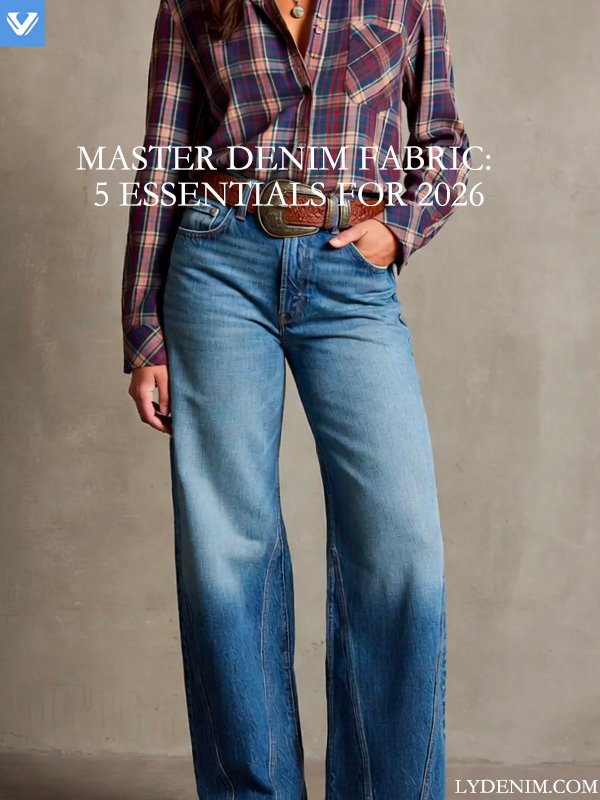
Bahan Denim Unggulan: 5 Komponen Penting untuk Tahun 2026
Kemahiran dalam memproduksi kain denim: Pelajari sifat-sifatnya, tren terkini, serta pemasok berkualitas tinggi. Dari dasar-dasarnya hingga produk mode yang menarik, tingkatkan gaya Anda dengan wawasan tahun 2026 dan tips profesional.
Ringkasan Pembeli
Bagi pembeli kain untuk pasar B2B, topik ini dapat membantu membandingkan komposisi, berat, tekstur permukaan, daya regangan, finishing, MOQ, serta stabilitas produksi sebelum melakukan pengambilan sampel.
- Pembeli yang sesuaiMerek mode, tim pengadaan, pengecer grosir, pabrik pakaian, dan pengembang produk.
- Apa yang perlu dikonfirmasiProduk target, arah tekstur kain, finishing, kebutuhan sampel, jumlah, dan pasar pengiriman.
- Risiko pembeliSpesifikasi yang tidak jelas dapat menyebabkan pengambilan sampel yang salah, kualitas produk secara keseluruhan yang tidak stabil, serta proses penentuan harga yang lambat.
- CTA yang DirekomendasikanPermintaan sampel atau penawaran harga sebelum memutuskan untuk memproduksi dalam jumlah besar.
Mengapa Hal Ini Penting bagi Pembeli B2B
Konfirmasi aplikasi, karakter kain target, arah warna, dan jumlah produksi sebelum meminta penawaran harga.
Kemahiran dalam memproduksi kain denim: Pelajari sifat-sifatnya, tren terkini, serta pemasok berkualitas tinggi. Dari dasar-dasarnya hingga produk mode yang menarik, tingkatkan gaya Anda dengan wawasan tahun 2026 dan tips profesional.
Tabel Spesifikasi untuk Pengadaan yang Lebih Cepat
| Titik keputusan | Opsi untuk membandingkan | Mengapa Ini Penting | Pertanyaan pembeli |
|---|---|---|---|
| Bahan dasar kain | Kain katun, campuran kain, denim elastis, jacquard, denim berflocking, atau denim khusus | Mengatur tekstur sentuhan, ketahanan, dan posisi harga | Untuk kategori produk apa kain ini? |
| Berat | Konstruksi ringan, sedang, atau berat | Memengaruhi penampilan pakaian, musim penggunaan, jenis produk, serta biaya pengiriman. | Apakah Anda membutuhkan kemeja, jaket, jeans, atau pakaian bergaya formal? |
| Selesai | Warna, pencucian, pelapisan, flocking, jacquard, atau pelembutan | Menentukan tampilan akhir serta interaksi dengan pelanggan | Apa sensasi saat digenggam dan efek pencucian yang Anda harapkan? |
| Rencana pasokan | Contoh sampel, panjang sampel, lot besar | Mengurangi risiko sebelum produksi dimulai | Kuantitas dan pasar pengiriman apa yang sebaiknya dikutip? |
Aplikasi dan Opsi Khusus
Pengembangan Produk
Gunakan panduan ini untuk mengubah ide desain menjadi spesifikasi terkait kain, pakaian, finishing, dan sampel.
Perbandingan Pemasok
Bandingkan para pemasok berdasarkan dukungan sampel, kejelasan teknis, stabilitas dalam jumlah besar, dan kecepatan komunikasi.
Produksi Massal
Konfirmasi standar kualitas, sampel yang telah disetujui, dan jadwal waktu sebelum mengajukan pesanan produksi.
Kontrol Kualitas Points Before Bulk Order
- OKPersetujuan sampel: Konfirmasi bahan kain, warna, tekstur permukaan, struktur, dan finishing sebelum produksi massal dimulai.
- OKKonsistensi massa: Bandingkan sekelompok sampel secara keseluruhan dengan sampel yang telah disetujui dalam kondisi pencahayaan dan pengujian yang sama.
- OKPengujian kinerja: Periksa penyusutan, ketahanan warna, pemulihan setelah regangan, atau ketahanan dekorasi bila relevan.
- OKKlaritas kutipan: Sertakan jumlah pengiriman, destinasi, kebutuhan kemasan, dan waktu penyelesaian yang diharapkan untuk menghindari penetapan harga yang tidak jelas.
Proses Pengembangan Sampel
| Langkah | Pembeli menyediakan… | Pemasok telah mengonfirmasi. |
|---|---|---|
| 1. Ringkasan | Aplikasi, gambar referensi, kualitas dan jumlah target | Kelayakan, bahan yang direkomendasikan, dan opsi khusus |
| 2. Contoh kain | Umpan balik mengenai warna, tekstur permukaan, pola, atau finishing yang diinginkan | Stok yang tersedia, arahan khusus, dan biaya sampel |
| 3. Sampel | Rencana pengujian pakaian, besaran atau panjang yang dibutuhkan | Jadwal pengambilan sampel dan reproduktivitas produksi |
| 4. Penawaran grosir | Jumlah pesanan, tujuan pengiriman, dan kebutuhan kemasan | Harga per unit, MOQ, waktu pengiriman, dan titik pemeriksaan QC |
Panduan Rinci
Waktu baca perkiraan: ~3 menit
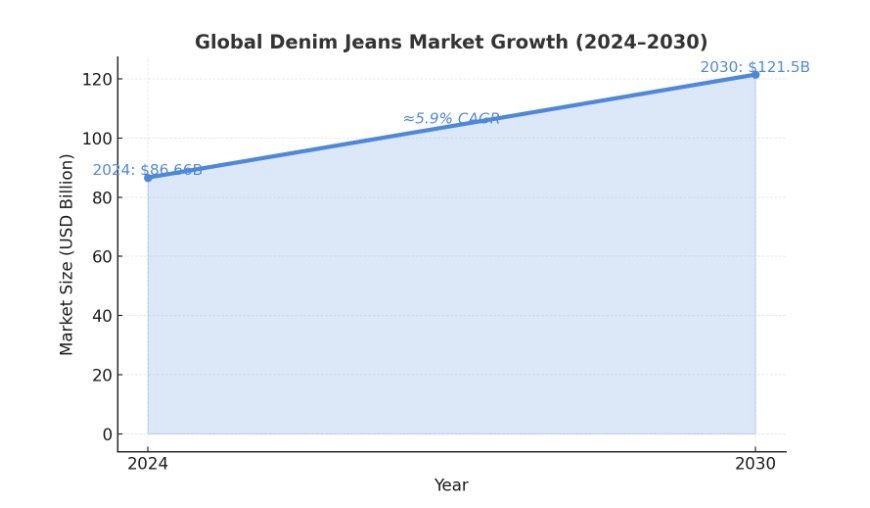
Halo semuanya, para pencinta denim. Pernahkah Anda mengenakan celana jeans lalu bertanya-tanya mengapa celana tersebut pas begitu sempurna—atau mengapa terasa kaku dan tidak nyaman dipakai? Pertanyaan inilah yang telah memancing saya selama bertahun-tahun. Bekerja di pabrik-pabrik kecil, menguji berbagai jenis benang, serta membantu toko-toko besar memilih bahan terbaik—semua pengalaman itulah yang akhirnya membawa saya pada kesadaran ini. denim bukan sekadar serat berwarna yang ditarik menjadi celana; ini adalah pertemuan antara kelembutan dan nuansa karakter, tempat suasana hati direnangkan dalam setiap helai kain. Di seluruh dunia, konsumsi denim mencapai 80 miliar dolar AS pada tahun 2025.Angka tersebut kemungkinan besar akan melonjak hingga 100 miliar dolar dalam waktu dekat, didorong oleh minat terhadap pakaian yang kokoh dan tahan lama. Artikel ini membahas proses pembuatan kain untuk jeans—dimulai dari dasar-dasarnya, lalu mengeksplorasi bagaimana berbagai gaya mencerminkan tren mode saat ini, serta mengulas cara menjalin kerja sama dengan produsen terkemuka. Pernahkah Anda memperhatikan bahwa ada jeans yang pas di tubuh, sementara yang lainnya terasa longgar? Mari kita bahas lebih lanjut.
Dasar-Dasar Bahan Denim: Komponen-Komponen Utamanya
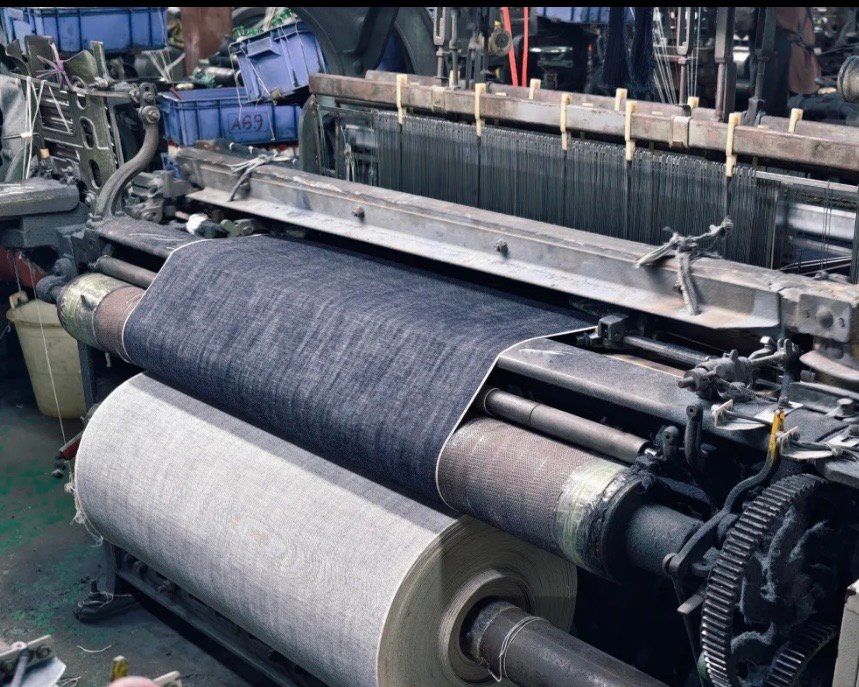
Faktanya, kain denim dibuat dari benang kapas yang kuat yang dijahit dalam pola diagonal. Umumnya, benang vertikal tersebut dicelupkan dengan pewarna biru tua, sementara bagian isi tetap berwarna putih. Yang paling menonjol adalah daya tariknya—sekitar 100 hingga 200 pon per inci persegi sangat penting untuk versi berkualitas tinggi dan mampu tahan robek pada produk biasa. Dari segi kimia, perlu dipertimbangkan pewarna dan lapisan pelindung: indigo memberikan warna yang redup, sehingga menghasilkan nuansa lembut akibat proses penuaan. Sulfur turut berperan dalam mempergelapkan warna tersebut lebih lanjut.Tipe reaktif cepat menampilkan warna-warna mencolok yang kurang mudah terhilang.
Bahan kain yang digunakan untuk pembuatan pakaian
Efeknya berbeda-beda ketika orang tidak memperhatikan aspek dasar kain denim. Beratnya tinggi? Memang benar—bahan seberat 12 hingga 16 ons sangat cocok untuk celana. Namun untuk bahan ringan namun kuat seperti 8 hingga 10 ons, lebih cocok digunakan untuk atasan. Dengan cara ini, pakaian musim panas terasa lebih segar. Berat kain memang penting, meskipun setiap kasusnya berbeda. Bagaimana jika semua orang mengira denim menyusut dengan cara yang sama persis? Jangan langsung berpikir demikian. Denim mentah dapat menyusut sekitar lima hingga sepuluh persen setelah pencucian pertama. Sebaliknya, jeans yang diberi label “pre-washed” umumnya hampir tidak menyusut—kurang dari dua persen.Beberapa perusahaan kehilangan pelanggan hanya karena perbedaan ini. Bayangkan Anda membeli pakaian secara online, lalu mendapatkan panjang kain yang lebih pendek dari yang diharapkan! Perhatikan bagaimana benang diletakkan: pada beberapa jenis tenunan, benang menarik kuat di bagian belakang; pada lainnya, benang melipat secara lembut tanpa banyak gerakan. Suatu kain mungkin tampak lurus, tetapi cenderung condong sedikit jika benang-benangnya saling bersilangan pada sudut lebih dari satu kali. Terkadang pola yang sama muncul secara sempurna, namun terkadang pergeseran kecil membuat setiap baris hampir tidak sejajar.Dianjurkan untuk menjaga sampel dalam cahaya terang, karena bahkan kemiringan yang ringan sekalipun akan terlihat dengan jelas secara cepat.
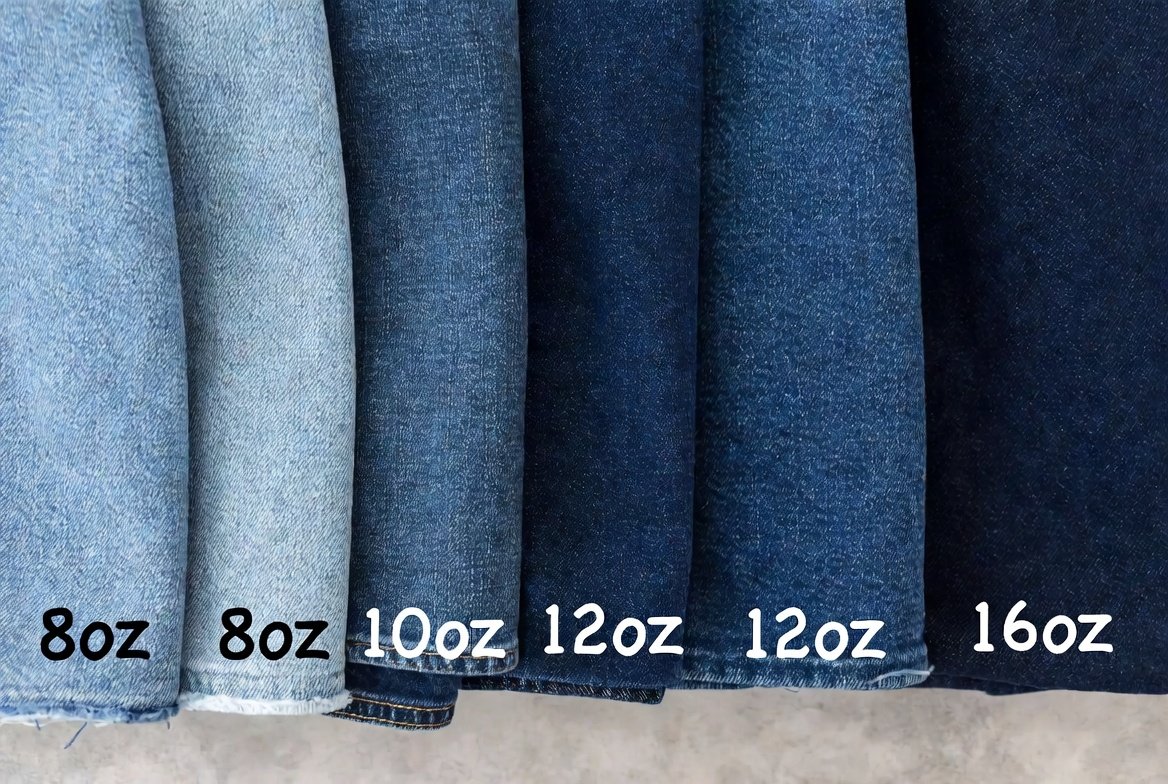
Perbandingan berat
Ingin pemahaman yang lebih mendalam? Lydenim menjelaskannya secara rinci dalam panduan mereka. Apa Itu Denim: Panduan Lengkap – sangat cocok untuk pemula. Dan bagi para pecinta pakaian elastis, produk ini juga sangat ideal. Penjelasan tentang bahan kain elastis menunjukkan bagaimana kain spandex dengan kandungan 1–4% dapat meningkatkan kenyamanan tanpa mengorbankan ketahanan.
Bahasa Mode Denim: Tren dan Ekspresi
Perhatikan bagaimana kain denim bergerak seperti bayangan di atas berbagai pakaiannya. Musim semi dan musim panas tahun ini menampilkan pakaian dengan tekstur lembut yang terasa ringan di kulit. Versi kain tebal yang nyaman kembali hadir saat cuaca dingin tiba, dilengkapi motif bulu atau simpul bergaris. Data mode mencerminkan tren: pembelian melonjak hingga dua kali lipat pada pergantian musim, ketika sweter mulai dipakai bersama kemeja kasual.
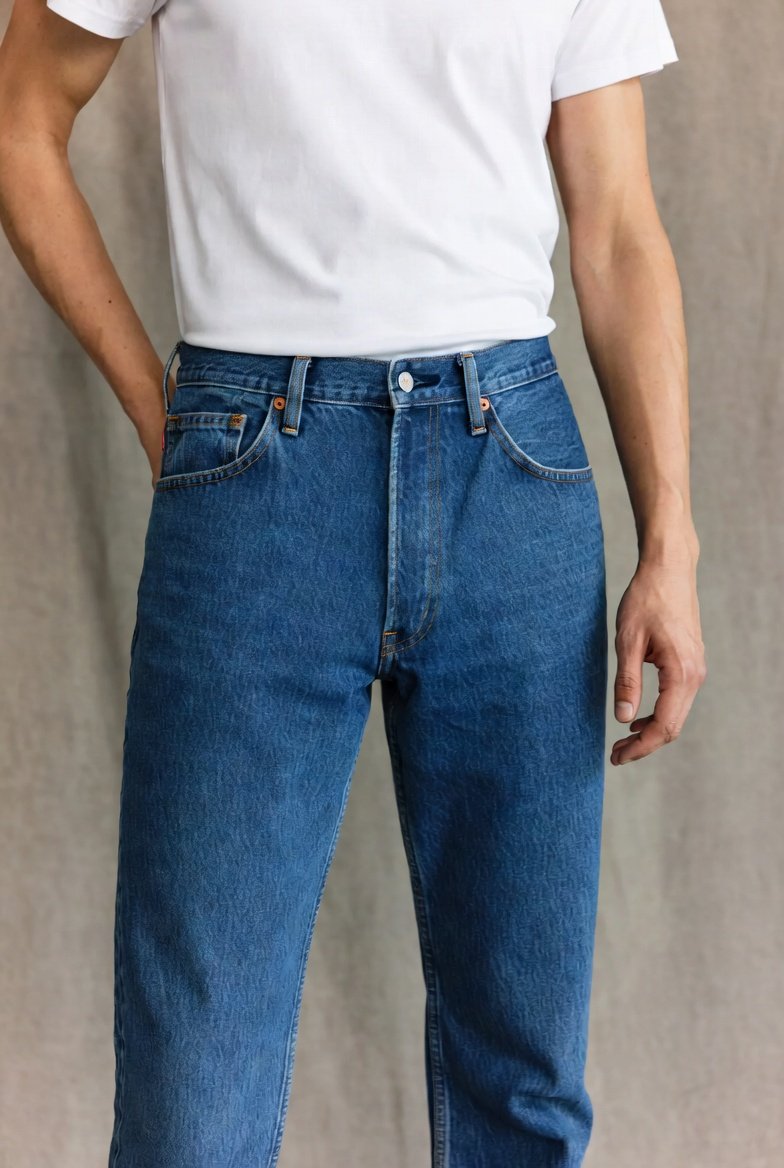
Model Celana Jeans
Ambil contoh Levi’s: jaket 501 mereka tahan lama sepanjang tahun, terbuat dari denim kasar yang lentur dan menempel sempurna pada kulit, menciptakan gaya unik yang hanya milik Anda. Di Diesel, kesan tajam menjadi fokus utama; versi mereka menggunakan kain terikat yang dilengkapi nuansa kulit kuat yang menyampaikan pesan secara visual tanpa perlu kata-kata. Bayangkan Rihanna mengenakan jaket denim besar berwarna cerah dan longgar, memancarkan nuansa santai yang khas di jalanan.Lalu ada Harry Styles yang kerap mengenakan celana jeans elastis berpasangan ketat saat tampil di konser—gaya yang sama cocoknya baik di bawah lampu terang maupun saat berjalan santai pada akhir pekan. Di Gucci, konsep kemewahan mereka tercermin dalam tas yang terbuat dari kain denim selvedge, di mana kain sehari-hari berubah menjadi bahan yang dapat digunakan selama puluhan tahun.
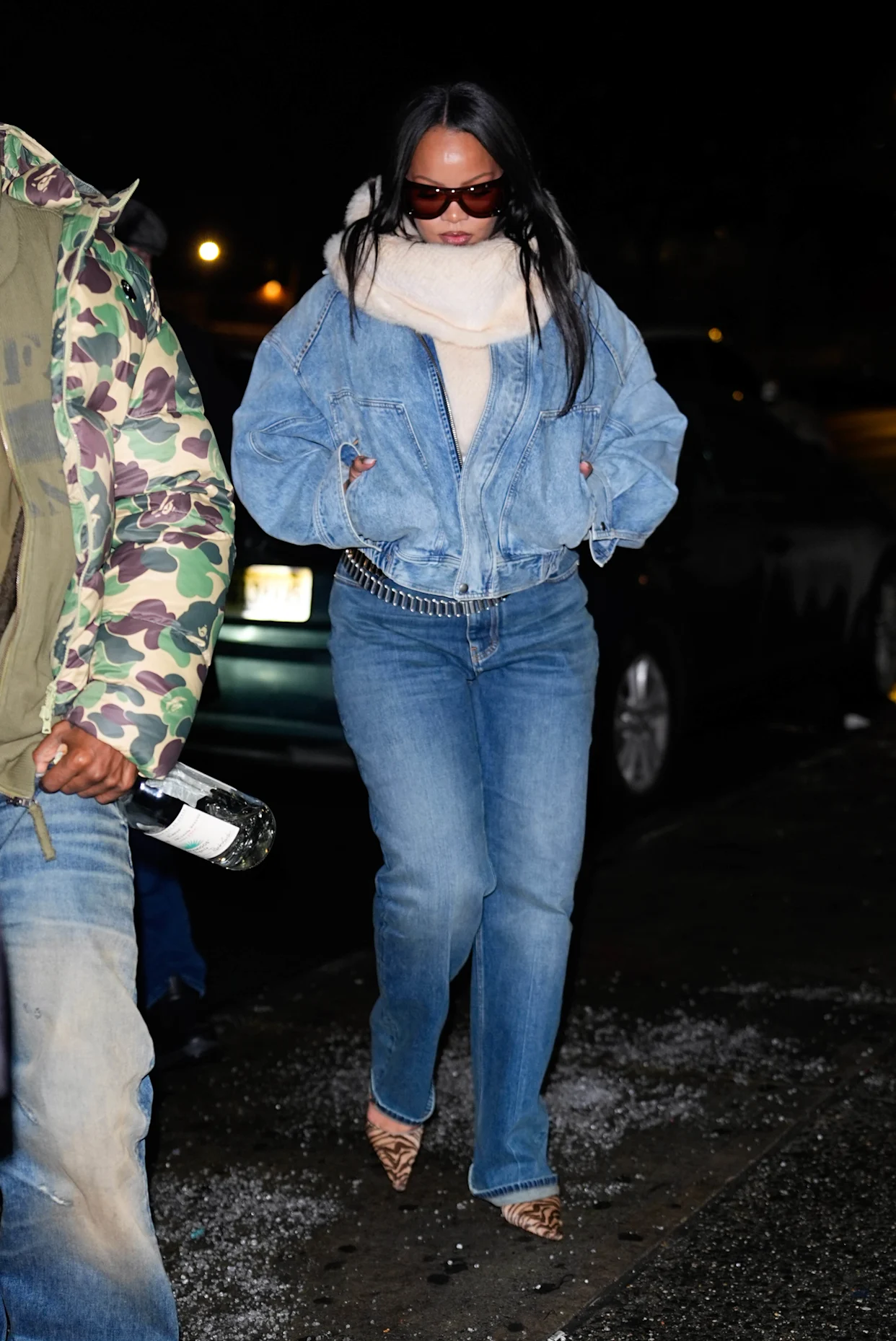
Rihanna mengenakan jaket denim
Pertanyaan untuk Anda: Bagaimana cara memadukan tren denim tanpa terasa bertentangan? Mulailah dengan pendekatan sederhana—padukan celana leg wide dengan atasan yang pas untuk menciptakan keseimbangan. Lydenim's Tren Denim Musim Gugur 2025 memiliki inspirasi yang luar biasa, dan mereka Peramalan cuaca untuk musim semi/panas tahun 2026 Memprediksi bahwa pola kotak-kotak pada jeans akan menjadi tren utama.
Membangun Kemitraan dengan Pemasok Pakaian Premium: Pendekatan Pengadaan yang Cerdas
Dalam memilih pemasok, pertimbangkan secara matang: kualitas kain denim yang baik sangat bergantung pada pemasok yang dapat dipercaya. Berikut struktur hierarkinya: Tingkat 1 bertindak lebih awal, menangani pesanan besar dan spesifikasi dasar untuk pasar luas; tingkat 2 menangani detail khusus sambil tetap memerlukan volume produksi yang cukup besar; sedangkan tingkat 3 fokus pada produk premium, menciptakan kombinasi kain unik serta desain yang disesuaikan secara personal. Sebelum memutuskan pilihan, perhatikan kapasitas produksi—fasilitas ideal mampu memproses antara satu hingga lima juta yard per bulan.Jika memungkinkan, luangkan waktu untuk mengamati langsung cara mereka menangani pemeriksaan kualitas.
Merek-merek yang berorientasi pada kecepatan umumnya memilih jumlah produksi kecil—di bawah 500 yard—dari pemasok dasar yang juga responsif dalam pengiriman. Di sini, pengiriman cepat jauh lebih penting dibandingkan proses khusus. Sebaliknya, merek-merek premium cenderung bekerja langsung dengan pembuat terampil yang menggunakan serat langka atau serat hasil pemintalan tangan. Proyek-proyek semacam ini membutuhkan kesesuaian yang presisi tinggi, bukan kesepakatan volume besar. Untuk pembelian dalam jumlah besar tanpa batas awal yang tinggi, sejumlah penjual kini memungkinkan pelanggan mencoba produk terlebih dahulu sebelum membeli. Perubahan ini membantu mengurangi risiko awal.Jika bahan ramah lingkungan menjadi faktor utama, kapas daur ulang sering digunakan; menurut data terbaru, penggunaan airnya juga berkurang hingga separuhnya.
Saya membeli jeans khusus dari beberapa pemasok, seperti Liangyuan Textile – mereka Pilihan jeans tenunan stretch Memiliki kinerja yang andal untuk produksi dalam skala kecil. Lydenim juga menonjol dengan menyediakan layanan bagi pabrik-pabrik tekstil di Layanan untuk pabrik pakaian – berbagai jenis dengan desain yang diperbarui; untuk pilihan global, mereka menyediakan Daftar 10 Pemasok Kain Denim Teratas adalah tambang emas.
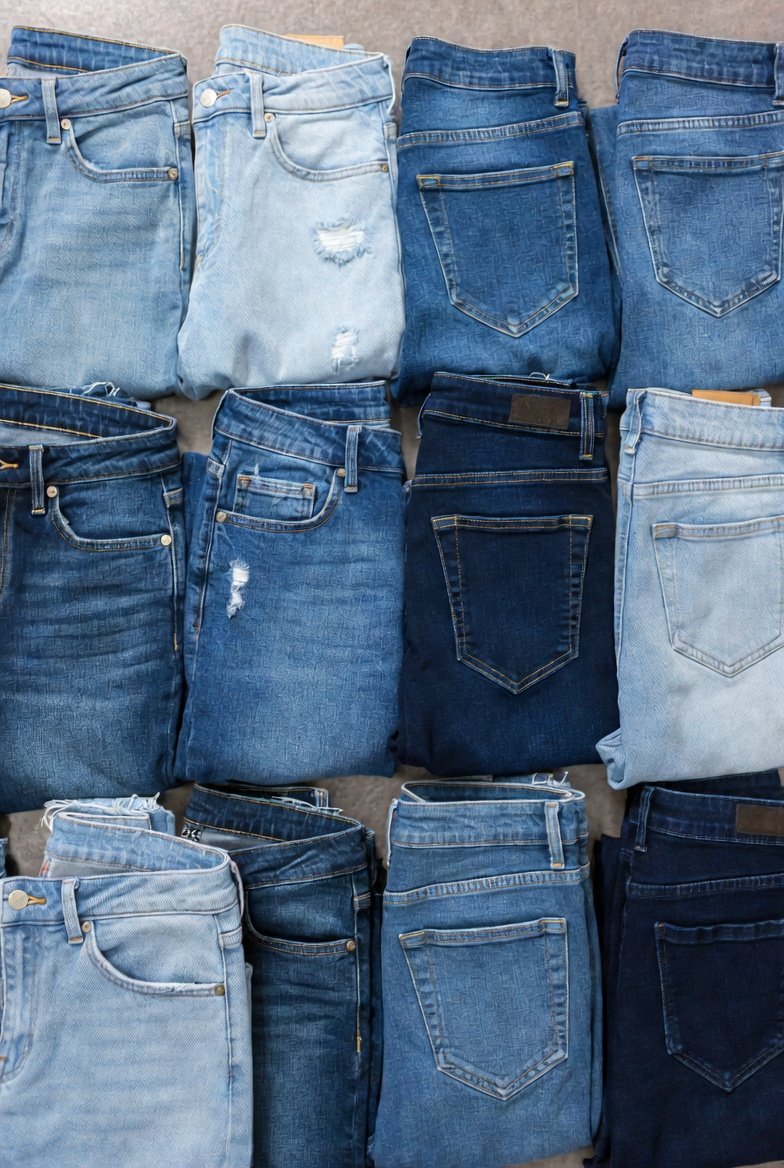
Penghalang tampilan bahan kain denim
Kasus-Fashion: Ikon-ikon yang Menguasai Denim
Momen-momen dalam kehidupan nyata justru memberi dampak yang lebih besar daripada hal lainnya. Ambil contoh gaya Beyoncé di Ivy Park: ia mengganti jeans tebal dengan model yang elastis dan mudah menyesuaikan bentuk tubuh, mencerminkan tren kenyamanan dalam pakaian kasual. Lalu ada Kendall Jenner—ia tidak mempromosikan produk tertentu, melainkan hanya mengenakan kaos lama dan celana ramping yang sudah aus dari bahan biasa, serta menyesuaikan ujung celananya sedikit agar terlihat seperti telah digunakan secara rutin. Perhatikan betapa jeans bisa meregang di mana saja: di jalur peragaan busana, di jalanan, maupun dalam pakaian sehari-hari. Perannya memang berubah, tetapi jeans tetap selalu cocok.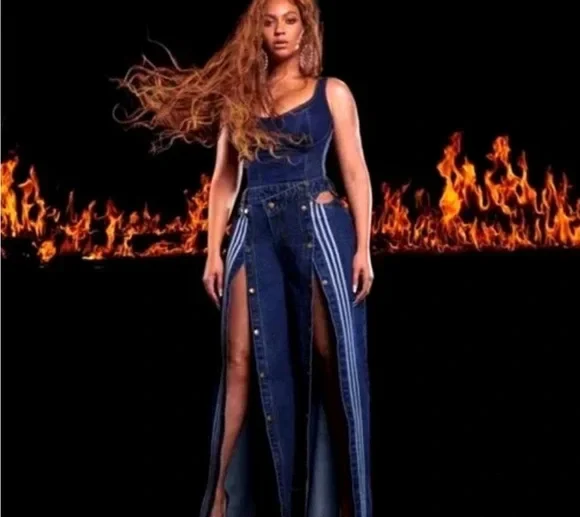
Pertanyaan Umum: Jawaban atas Semua Pertanyaan Anda tentang Bahan Denim
Q: Berapa berat terbaik untuk proyek kain denim bagi pemula? A: Mulailah dengan 10–12 ons—beragam digunakan untuk celana jeans maupun jaket tanpa terasa berlebihan.
Q: Bagaimana cara saya mengenali kain denim berkualitas di toko? A: Periksa kehalusan tenunan dan ujung kain untuk memastikan permukaan yang rapi; hindari warna yang tidak merata.
Q: Apakah tren tahun 2026 menggantikan celana skinny? A: Tidak sepenuhnya; gaya yang lebih longgar semakin populer, namun celana skinny tetap cocok untuk tampilan klasik.
Q: Cara terbaik untuk melakukan audit terhadap pemasok denim adalah apa? A: Permintaan sampel, evaluasi waktu pengiriman (idealknya kurang dari 30 hari), serta diskusi dengan mantan pelanggan.
Q: Bisakah pemasok dengan MOQ rendah menangani warna khusus? A: Ya, banyak pemasok seperti Lydenim yang menawarkan layanan ini—cukup konfirmasi terlebih dahulu.
layanan personalisasi dari LYDENIM
Mimpi memiliki kain premium dengan tekstur unggul dan ketahanan tinggi? LY Denim berspesialisasi dalam tekstil berkualitas tinggi serta solusi pakaian khusus, membantu Anda mewujudkan ide kreatif secara presisi dan bergaya.
🎨 Kain Khusus
Desain koleksi tekstil Anda sendiri dengan bahan premium dari LY Denim. Mulai dari campuran kapas mewah hingga tekstil inovatif yang ramah lingkungan, jelajahi berbagai warna, pola tenun, dan finishing yang sangat sesuai dengan visi merek atau desain Anda. Kunjungi LYDENIM Untuk mengetahui lebih lanjut.
聊城: Solusi Pakaian Khusus
Wujudkan desain Anda secara nyata melalui layanan pakaian khusus kami. Baik itu jas yang disusun khusus, gaun bergaya, maupun pakaian kerja yang tahan lama, kami menjamin pas yang sempurna, kenyamanan tinggi, dan kualitas yang awet. Pelajari berbagai opsi personalisasi di Myalibaba.
📥 Hubungi Kami
Memiliki proyek yang ingin Anda wujudkan? Hubungi tim kami di Malone@lydenim.com untuk membahas kain khusus, desain pakaian, atau solusi tekstil berkelanjutan.
Wujudkan ide Anda menjadi kenyataan dengan LY Denim—mitra andal Anda untuk bahan tekstil inovatif berkualitas tinggi serta solusi pakaian khusus.
Pertanyaan umum
Apakah ini dapat disesuaikan dengan merek atau koleksi saya?
Ya. Kirimkan aplikasi Anda, gambar referensi, kualitas yang diinginkan, jumlah, serta persyaratan pasar agar pemasok dapat merekomendasikan pilihan bahan, produk pakaian, atau proses penyelesaian yang sesuai.
Informasi apa yang perlu saya kirimkan sebelum meminta penawaran harga?
Siapkan jenis produk, bahan atau teknik yang digunakan, arah warna, kebutuhan sampel, jumlah, negara tujuan, serta waktu pengiriman yang diperkirakan.
Apakah saya harus meminta sampel sebelum produksi massal?
Ya. Penggunaan sampel warna dan ukuran sampel dapat mengurangi risiko sebelum melakukan pesanan dalam jumlah besar, terutama ketika kualitas warna, tekstur permukaan, daya regangan, penampilan akhir, atau dekorasi menjadi faktor penting.
Bagaimana cara saya menghindari masalah kualitas pada pesanan dalam jumlah besar?
Setujui standar sampel yang jelas, tentukan persyaratan pengujian, konfirmasi toleransi, dan bandingkan hasil produksi massal dengan sampel yang telah disetujui sebelum pengiriman.
Butuh bantuan untuk mengubah ini menjadi dokumen pengadaan yang siap digunakan dalam produksi?
Kirimkan produk target, jenis kain, jumlah, serta kebutuhan sampel Anda. LY Denim dapat membantu membandingkan berbagai pilihan dan menyusun penawaran harga.