


Evolusi Teknik Putaran dalam Produksi Kain Denim

Evolusi Teknik Putaran dalam Produksi Kain Denim
Waktu pembacaan yang diperkirakan: sekitar 4 menit. Pengantar tentang denim dan proses pemintalan: kain denim merupakan fondasi utama dalam dunia mode, terkenal karena ketahanannya serta daya tariknya yang abadi. Namun, pernahkah Anda bertanya-tanya, dari bahan apa kain denim dibuat?
Ringkasan Pembeli
Bagi pembeli kain untuk pasar B2B, topik ini dapat membantu membandingkan komposisi, berat, tekstur permukaan, daya regangan, finishing, MOQ, serta stabilitas produksi sebelum melakukan pengambilan sampel.
- Pembeli yang sesuaiMerek mode, tim pengadaan, pengecer grosir, pabrik pakaian, dan pengembang produk.
- Apa yang perlu dikonfirmasiProduk target, arah tekstur kain, finishing, kebutuhan sampel, jumlah, dan pasar pengiriman.
- Risiko pembeliSpesifikasi yang tidak jelas dapat menyebabkan pengambilan sampel yang salah, kualitas produk secara keseluruhan yang tidak stabil, serta proses penentuan harga yang lambat.
- CTA yang DirekomendasikanPermintaan sampel atau penawaran harga sebelum memutuskan untuk memproduksi dalam jumlah besar.
Mengapa Hal Ini Penting bagi Pembeli B2B
Konfirmasi aplikasi, karakter kain target, arah warna, dan jumlah produksi sebelum meminta penawaran harga.
Waktu pembacaan yang diperkirakan: sekitar 4 menit. Pengantar tentang denim dan proses pemintalan: kain denim merupakan fondasi utama dalam dunia mode, terkenal karena ketahanannya serta daya tariknya yang abadi. Namun, pernahkah Anda bertanya-tanya, dari bahan apa kain denim dibuat?
Tabel Spesifikasi untuk Pengadaan yang Lebih Cepat
| Titik keputusan | Opsi untuk membandingkan | Mengapa Ini Penting | Pertanyaan pembeli |
|---|---|---|---|
| Bahan dasar kain | Kain katun, campuran kain, denim elastis, jacquard, denim berflocking, atau denim khusus | Mengatur tekstur sentuhan, ketahanan, dan posisi harga | Untuk kategori produk apa kain ini? |
| Berat | Konstruksi ringan, sedang, atau berat | Memengaruhi penampilan pakaian, musim penggunaan, jenis produk, serta biaya pengiriman. | Apakah Anda membutuhkan kemeja, jaket, jeans, atau pakaian bergaya formal? |
| Selesai | Warna, pencucian, pelapisan, flocking, jacquard, atau pelembutan | Menentukan tampilan akhir serta interaksi dengan pelanggan | Apa sensasi saat digenggam dan efek pencucian yang Anda harapkan? |
| Rencana pasokan | Contoh sampel, panjang sampel, lot besar | Mengurangi risiko sebelum produksi dimulai | Kuantitas dan pasar pengiriman apa yang sebaiknya dikutip? |
Aplikasi dan Opsi Khusus
Pengembangan Produk
Gunakan panduan ini untuk mengubah ide desain menjadi spesifikasi terkait kain, pakaian, finishing, dan sampel.
Perbandingan Pemasok
Bandingkan para pemasok berdasarkan dukungan sampel, kejelasan teknis, stabilitas dalam jumlah besar, dan kecepatan komunikasi.
Produksi Massal
Konfirmasi standar kualitas, sampel yang telah disetujui, dan jadwal waktu sebelum mengajukan pesanan produksi.
Kontrol Kualitas Points Before Bulk Order
- OKPersetujuan sampel: Konfirmasi bahan kain, warna, tekstur permukaan, struktur, dan finishing sebelum produksi massal dimulai.
- OKKonsistensi massa: Bandingkan sekelompok sampel secara keseluruhan dengan sampel yang telah disetujui dalam kondisi pencahayaan dan pengujian yang sama.
- OKPengujian kinerja: Periksa penyusutan, ketahanan warna, pemulihan setelah regangan, atau ketahanan dekorasi bila relevan.
- OKKlaritas kutipan: Sertakan jumlah pengiriman, destinasi, kebutuhan kemasan, dan waktu penyelesaian yang diharapkan untuk menghindari penetapan harga yang tidak jelas.
Proses Pengembangan Sampel
| Langkah | Pembeli menyediakan… | Pemasok telah mengonfirmasi. |
|---|---|---|
| 1. Ringkasan | Aplikasi, gambar referensi, kualitas dan jumlah target | Kelayakan, bahan yang direkomendasikan, dan opsi khusus |
| 2. Contoh kain | Umpan balik mengenai warna, tekstur permukaan, pola, atau finishing yang diinginkan | Stok yang tersedia, arahan khusus, dan biaya sampel |
| 3. Sampel | Rencana pengujian pakaian, besaran atau panjang yang dibutuhkan | Jadwal pengambilan sampel dan reproduktivitas produksi |
| 4. Penawaran grosir | Jumlah pesanan, tujuan pengiriman, dan kebutuhan kemasan | Harga per unit, MOQ, waktu pengiriman, dan titik pemeriksaan QC |
Panduan Rinci
Waktu baca perkiraan: ~4 menit
Pengantar Denim dan Proses Penggilingan
Bahan denim merupakan fondasi utama dalam dunia mode, dikenal karena ketahanannya yang tinggi dan daya tariknya yang abadi. Namun, pernahkah Anda bertanya-tanya? Dari bahan apa kain denim terbuat? Dan bagaimana cara pembuatannya? Rahasia terletak pada proses pemintalan—seni mengubah serat mentah menjadi benang. Hari ini, kita akan menelusuri sejarah teknik pemintalan serta peran pentingnya dalam pembuatan kain denim yang kita sukai, mulai dari jeans hingga bahan pelapis kursi.
Masa Awal: Penggilingan Manual
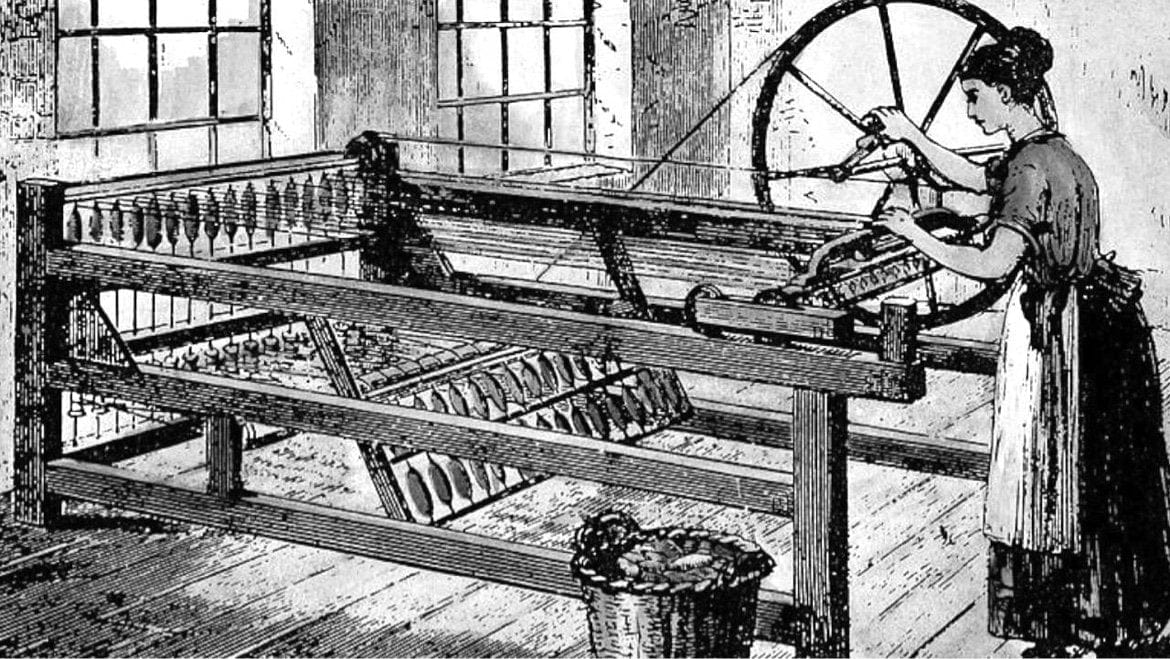
Sebelum Revolusi Industri, proses pemintalan merupakan aktivitas yang dilakukan secara manual. Para pengrajin menggunakan alat sederhana seperti poros untuk memutar serat—umumnya kapas—menjadi benang. Metode yang sangat membutuhkan tenaga kerja ini menjadi dasar bagi keunikan khas denim yang kokoh dan tahan lama, namun tidak mampu memenuhi permintaan yang terus meningkat.
Pemutaran manual
Pemutaran Lingkaran: Teknik Klasik
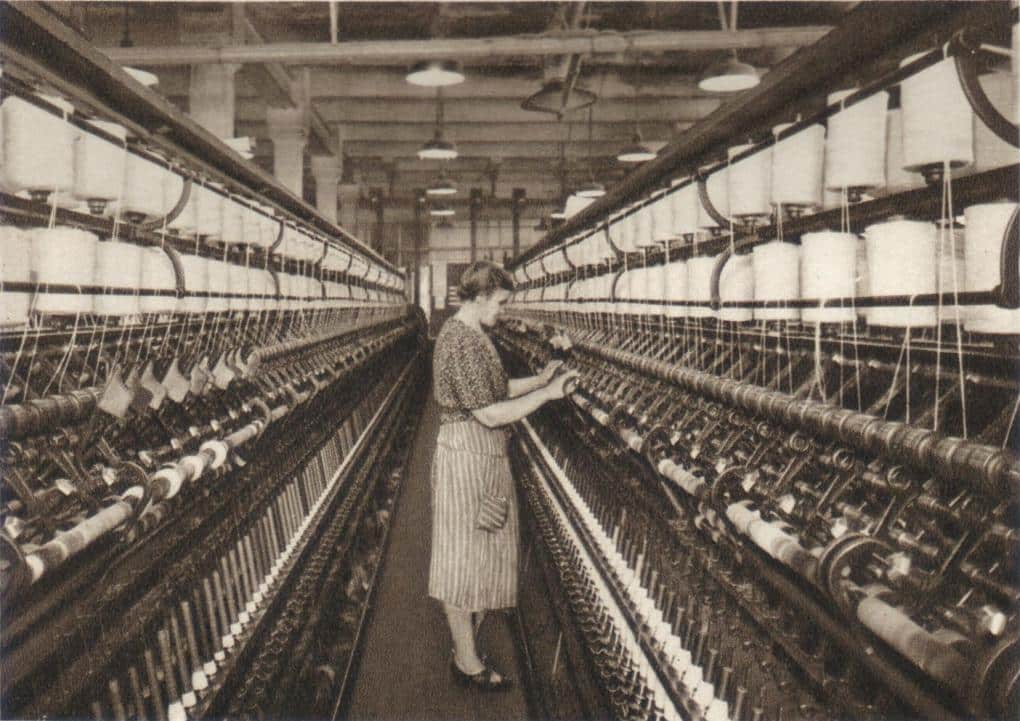
Pada tahun 1828, mesin pemintal cincin pertama ditemukan di Amerika Serikat. Inovasi ini merevolusi proses produksi tekstil; mesin tersebut memintal serat menjadi benang yang rapat dan kuat, sehingga sangat ideal untuk pembuatan kain denim. Pada awal abad ke-20, metode ini telah menjadi standar utama bagi para produsen denim.
- Alasan putusan tersebut: Proses penggilingan benang menghasilkan benang yang halus dan berkualitas tinggi, sangat ideal untuk pembuatan tekstur kain denim yang kuat sesuai ukuran yard.
- Fakta menarik: Pada tahun 1920-an, mesin pemintal cincin merupakan perangkat yang umum ditemukan di pabrik tekstil, yang memproduksi benang untuk jeans denim ikonik.
Mesin pemintal cincin tahun 1920-an
Pemintalan Berujung Terbuka: Perkembangan Modern
Pada tahun 1963, Cekoslowakia memperkenalkan metode pemintalan ujung terbuka (juga dikenal sebagai pemintalan rotor), yang mengubah secara mendasar industri denim. Pada dekade 1970-an, para produsen denim mulai mengadopsi metode ini karena lebih cepat dan lebih hemat biaya. Berbeda dengan pemintalan cincin, pemintalan ujung terbuka menggunakan udara untuk memutar serat, menghasilkan benang yang lebih lembut dan sedikit berbulu halus.
- Kelebihan: Produksi yang lebih tinggi dan biaya yang lebih rendah—sangat ideal untuk jeans yang diproduksi secara massal.
- Kekurangan: Kualitas benangnya kurang seragam, sehingga menurut sebagian orang tidak memiliki kesan denim yang “autentik”.
Kembalinya Teknik Memutar Cincin
Saat ini, teknik pengeletakan menggunakan cincin sedang mengalami kebangkitan besar. Mengapa demikian? Ada dua tren yang mendorong perubahan ini:
- Denim yang Ditegangkan: Benang elastis yang dicampur dengan bahan seperti spandex memerlukan proses pemintalan cincin untuk mencapai sifat elastisnya—suatu syarat wajib dalam pembuatan jeans ramping modern.
- Permintaan Denim Asli: Konsumen sangat menginginkan tampilan dan sensasi klasik dari denim jenis ring-spun, yang sering dijual sebagai Bahan kain denim per yard untuk proyek khusus.
Bagaimana Kain Denim Dibuat Saat Ini?
Jadi, Bagaimana cara membuat kain denim? Pada tahun 2023? Prosesnya dimulai dari kapas (atau campuran kapas), yang dipintal menjadi benang menggunakan metode cincin atau ujung terbuka. Benang tersebut kemudian diwarnai—biasanya dengan indigo—dan dikainkan dalam pola twill khas denim. Pemilihan metode pemintalan memengaruhi segala aspek, mulai dari tekstur hingga ketahanan, sehingga menjadi faktor kunci dalam keragaman aplikasi denim, baik untuk pakaian maupun produk lainnya. Bahan pelapis kain denim.
Mengapa Ini Penting Bagi Anda
Baik Anda seorang penggemar kerajinan mandiri yang sedang membeli Bahan kain denim per yard Atau mungkin Anda hanya penasaran tentang jeans favorit Anda; memahami proses pemintalan akan memberikan wawasan mengenai kualitas denim. Denim jenis ring-spun menawarkan nuansa premium dan bergaya vintage, sedangkan setelan dengan ujung terbuka merupakan pilihan yang lebih terjangkau.
layanan personalisasi dari LYDENIM
🎨 Ingin Bahan pakaian khusus dari bahan denim atau unik Pakaian dari bahan kain khusus yang dibuat sesuai desainLYDENIM berspesialisasi dalam menyediakan solusi yang disesuaikan secara khusus untuk memenuhi kebutuhan desain dan produksi Anda.
🛍️ Eksplorasi dan dapatkan inspirasi.Jelajahi koleksi kain kami dan temukan ide desain yang menarik. LYDENIM.
🌐 Pakaian ElastisLihatlah produk kami di MyAlibaba. 📩 Hubungi kamiHubungi kami di Malone@lydenim.com.
Buat karya luar biasa dari bahan denim dengan LYDENIM—mitra andal Anda untuk Bahan pita elastis dan Solusi pakaian khusus berbahan denim.
Pertanyaan umum
Apakah ini dapat disesuaikan dengan merek atau koleksi saya?
Ya. Kirimkan aplikasi Anda, gambar referensi, kualitas yang diinginkan, jumlah, serta persyaratan pasar agar pemasok dapat merekomendasikan pilihan bahan, produk pakaian, atau proses penyelesaian yang sesuai.
Informasi apa yang perlu saya kirimkan sebelum meminta penawaran harga?
Siapkan jenis produk, bahan atau teknik yang digunakan, arah warna, kebutuhan sampel, jumlah, negara tujuan, serta waktu pengiriman yang diperkirakan.
Apakah saya harus meminta sampel sebelum produksi massal?
Ya. Penggunaan sampel warna dan ukuran sampel dapat mengurangi risiko sebelum melakukan pesanan dalam jumlah besar, terutama ketika kualitas warna, tekstur permukaan, daya regangan, penampilan akhir, atau dekorasi menjadi faktor penting.
Bagaimana cara saya menghindari masalah kualitas pada pesanan dalam jumlah besar?
Setujui standar sampel yang jelas, tentukan persyaratan pengujian, konfirmasi toleransi, dan bandingkan hasil produksi massal dengan sampel yang telah disetujui sebelum pengiriman.
Butuh bantuan untuk mengubah ini menjadi dokumen pengadaan yang siap digunakan dalam produksi?
Kirimkan produk target, jenis kain, jumlah, serta kebutuhan sampel Anda. LY Denim dapat membantu membandingkan berbagai pilihan dan menyusun penawaran harga.