


Analisis Mendalam tentang Proses Penggilingan
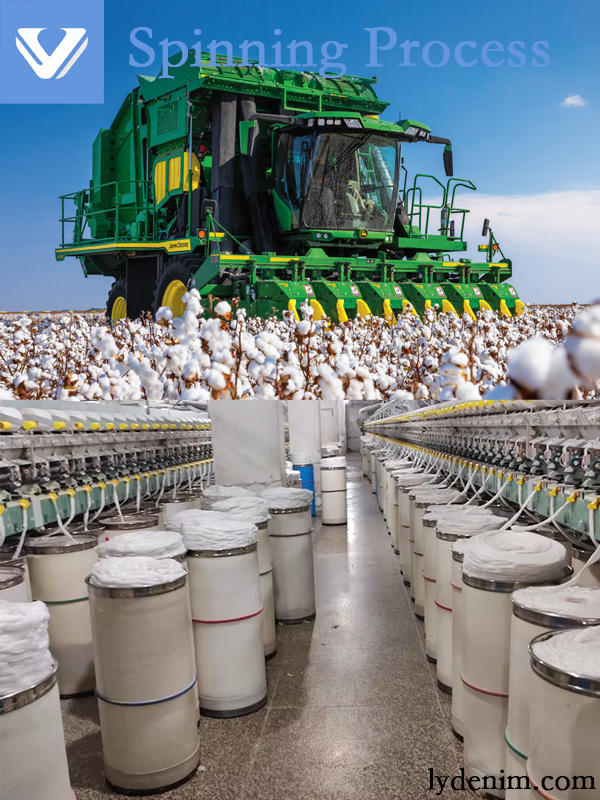
Analisis Mendalam tentang Proses Penggilingan
Waktu pembacaan yang diperkirakan: sekitar 2 menit. Pendahuluan: Denim bukan hanya sekadar kain—melainkan juga gaya hidup serta simbol ketahanan dan keindahan desain. Namun, pernahkah Anda bertanya-tanya dari bahan apa kain denim terbuat dan bagaimana cara membuatnya? ...
Ringkasan Pembeli
Pengetahuan tentang proses produksi dan penyelesaian produk membantu pembeli mengurangi risiko pengambilan sampel, memahami hal-hal yang secara teknis layak dilakukan, serta menyampaikan persyaratan dengan lebih jelas kepada pabrik.
- Pembeli yang sesuaiMerek mode, tim pengadaan, pengecer grosir, pabrik pakaian, dan pengembang produk.
- Apa yang perlu dikonfirmasiProduk target, arah tekstur kain, finishing, kebutuhan sampel, jumlah, dan pasar pengiriman.
- Risiko pembeliSpesifikasi yang tidak jelas dapat menyebabkan pengambilan sampel yang salah, kualitas produk secara keseluruhan yang tidak stabil, serta proses penentuan harga yang lambat.
- CTA yang DirekomendasikanPermintaan sampel atau penawaran harga sebelum memutuskan untuk memproduksi dalam jumlah besar.
Mengapa Hal Ini Penting bagi Pembeli B2B
Konfirmasi batas proses, standar pengujian, langkah persetujuan sampel, serta konsistensi produk dalam jumlah besar sebelum produksi.
Waktu pembacaan yang diperkirakan: sekitar 2 menit. Pendahuluan: Denim bukan hanya sekadar kain—melainkan juga gaya hidup serta simbol ketahanan dan keindahan desain. Namun, pernahkah Anda bertanya-tanya dari bahan apa kain denim terbuat dan bagaimana cara membuatnya? ...

Tabel Spesifikasi untuk Pengadaan yang Lebih Cepat
| Titik keputusan | Opsi untuk membandingkan | Mengapa Ini Penting | Pertanyaan pembeli |
|---|---|---|---|
| Tujuan Pembeli | Penelitian, permintaan sampel, pengembangan produk, dan pengadaan massal | menjelaskan apa yang seharusnya dapat dibantu pembaca melalui artikel ini selanjutnya | Keputusan apa yang perlu diambil oleh pembeli? |
| Penerapan produk | Jeans, jaket, kaus, rok, pakaian jalanan atau pakaian kerja | Menghubungkan pengetahuan dengan kebutuhan produksi yang nyata | Di mana kain atau teknik ini akan digunakan? |
| Kustomisasi | Warna, berat, komposisi, permukaan, pola, atau dekorasi | Mengubah proses membaca menjadi ringkasan pengumpulan informasi | Apa yang perlu disesuaikan? |
| Langkah Selanjutnya | Swatch, panjang sampel, penawaran harga, konfirmasi QC | Mendorong pembaca untuk melakukan penyelidikan lebih lanjut | Informasi apa yang perlu dikirimkan kepada pemasok? |
Aplikasi dan Opsi Khusus
Pengembangan Produk
Gunakan panduan ini untuk mengubah ide desain menjadi spesifikasi terkait kain, pakaian, finishing, dan sampel.
Perbandingan Pemasok
Bandingkan para pemasok berdasarkan dukungan sampel, kejelasan teknis, stabilitas dalam jumlah besar, dan kecepatan komunikasi.
Produksi Massal
Konfirmasi standar kualitas, sampel yang telah disetujui, dan jadwal waktu sebelum mengajukan pesanan produksi.
Kontrol Kualitas Points Before Bulk Order
- OKPersetujuan sampel: Konfirmasi bahan kain, warna, tekstur permukaan, struktur, dan finishing sebelum produksi massal dimulai.
- OKKonsistensi massa: Bandingkan sekelompok sampel secara keseluruhan dengan sampel yang telah disetujui dalam kondisi pencahayaan dan pengujian yang sama.
- OKPengujian kinerja: Periksa penyusutan, ketahanan warna, pemulihan setelah regangan, atau ketahanan dekorasi bila relevan.
- OKKlaritas kutipan: Sertakan jumlah pengiriman, destinasi, kebutuhan kemasan, dan waktu penyelesaian yang diharapkan untuk menghindari penetapan harga yang tidak jelas.
Proses Pengembangan Sampel
| Langkah | Pembeli menyediakan… | Pemasok telah mengonfirmasi. |
|---|---|---|
| 1. Ringkasan | Aplikasi, gambar referensi, kualitas dan jumlah target | Kelayakan, bahan yang direkomendasikan, dan opsi khusus |
| 2. Contoh kain | Umpan balik mengenai warna, tekstur permukaan, pola, atau finishing yang diinginkan | Stok yang tersedia, arahan khusus, dan biaya sampel |
| 3. Sampel | Rencana pengujian pakaian, besaran atau panjang yang dibutuhkan | Jadwal pengambilan sampel dan reproduktivitas produksi |
| 4. Penawaran grosir | Jumlah pesanan, tujuan pengiriman, dan kebutuhan kemasan | Harga per unit, MOQ, waktu pengiriman, dan titik pemeriksaan QC |
Panduan Rinci
Waktu baca perkiraan: ~2 menit
Pendahuluan
Denim bukan hanya sekadar kain—melainkan sebuah gaya hidup, simbol ketahanan dan keanggunan. Namun, pernahkah Anda bertanya-tanya? Dari bahan apa kain denim terbuat? dan Bagaimana jeans dibuatPerjalanan dari kapas mentah menuju kain denim yang kuat dan kami sukai dimulai dengan proses pemintalan yang rumit. Dalam tulisan ini, kami akan membahas dua tahap utama dalam pemintalan—persiapan dan torsion—serta menjelaskan bagaimana teknik seperti pemintalan cincin mampu menghasilkan berbagai jenis kain, mulai dari denim klasik hingga denim elastis. Ayo kita simak lebih lanjut!
Tahap 1: Persiapan Serat Kapas
Proses magis dimulai dari serat kapas mentah yang perlu dibersihkan, diselaraskan, dan diperpanjang sebelum dapat diolah menjadi benang. Tahap persiapan ini memastikan serat tersebut siap menghasilkan kain denim yang kuat dan tahan lama.
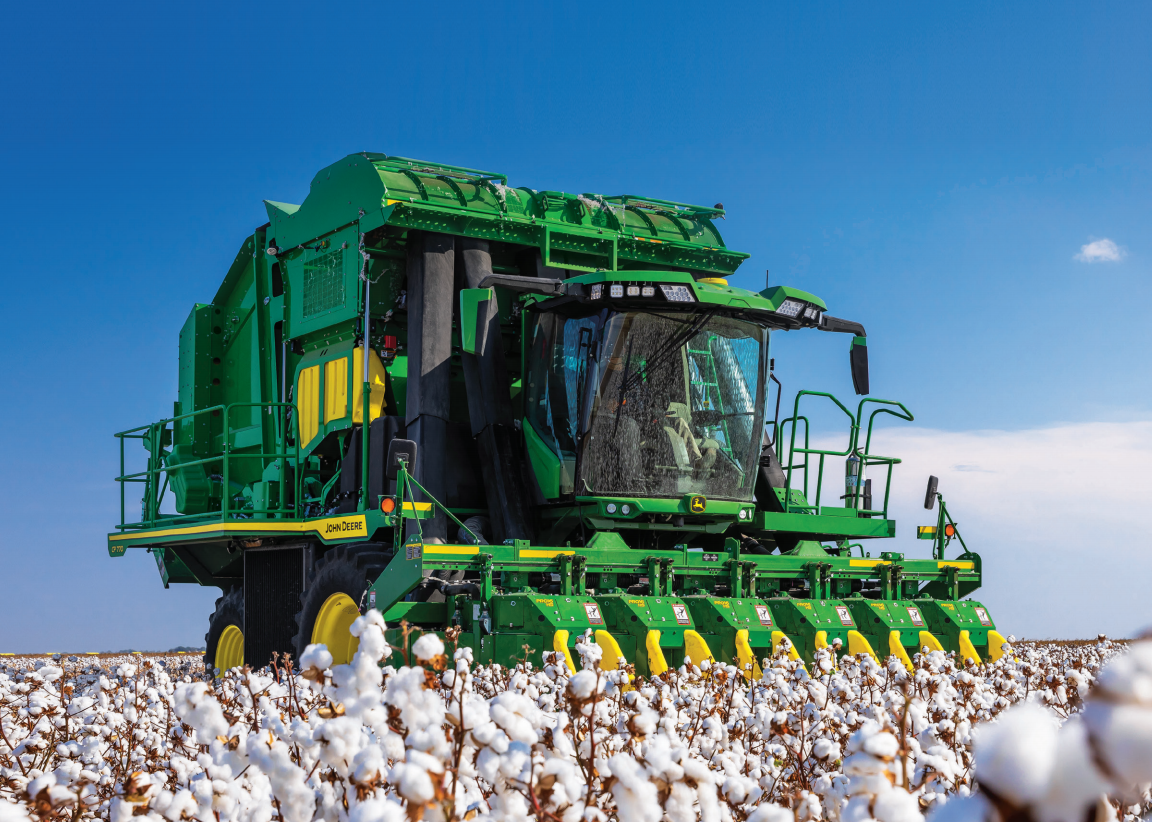
- Pengangkatan godokanSemuanya dimulai dengan Alat untuk memotong jerami, sebuah mesin yang menangkap serat kapas dari gumpalan kapas. Serat-serat tersebut kemudian dicampur dan dibersihkan untuk menghilangkan kotoran seperti biji sisa yang terbentuk selama proses penggilingan.

Pengangkatan godokan
- Pemilahan (Carding)Selanjutnya, serat-serat tersebut memasuki Mesin pengardingDi sini, dua silinder yang dilapisi jarum berputar dengan kecepatan berbeda, menggulung kapas menjadi seutas tali yang lembut dan berbulu halus yang disebut PerakLangkah ini memulai proses penyelarasan serat-serat agar sejajar satu sama lain.
Pemilahan (Carding)
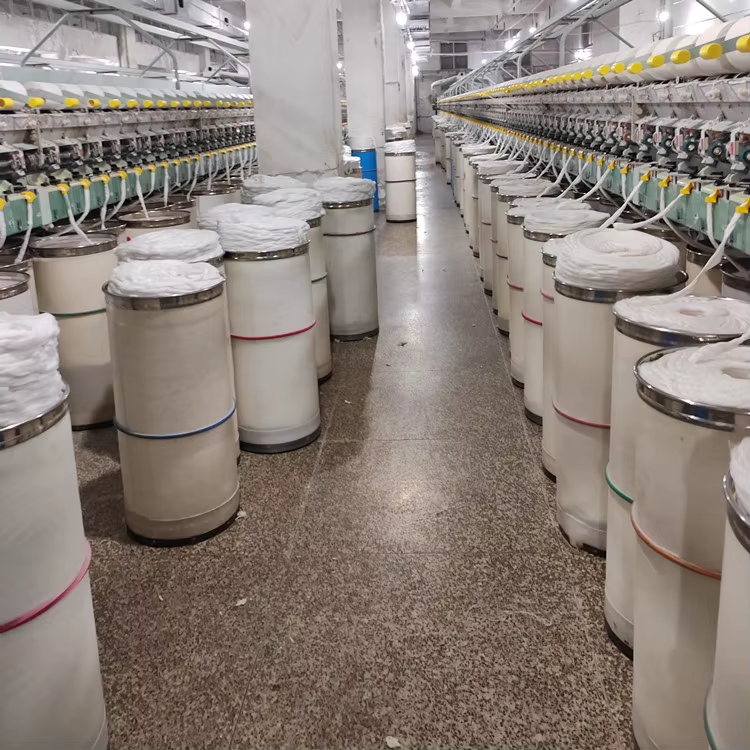
- Gambar: Potongan-potongan tersebut kemudian berpindah ke Bingkai gambarDi sini, enam serat tipis digabungkan dan ditarik oleh rol yang berputar dengan kecepatan semakin meningkat. Proses ini dapat diulangi hingga menggabungkan sebanyak 36 serat tipis menjadi satu benang panjang dan tipis. Hasilnya? Serat yang telah dipanjangkan sebesar enam kali lipat, siap untuk dipintal.
Serat kapas yang telah dipersiapkan untuk pengeulinan
Tahap 2: Memutar benang menggunakan torsi
Setelah siap, serat-serat tersebut mengalami Torsi—proses pemintalan yang sebenarnya mengubah bahan tersebut menjadi benang. Di sinilah kekuatan dan karakter khas denim benar-benar terwujud, dengan dua metode utama yang paling menonjol.
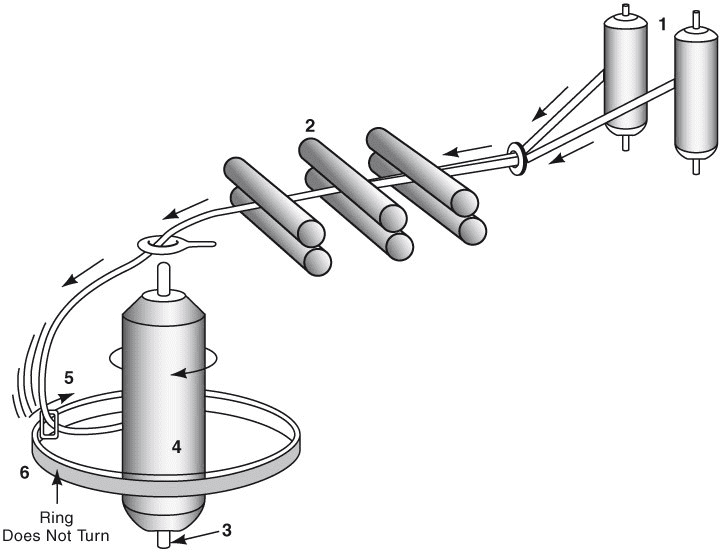
- Proses penggilingan menggunakan cincin (Ring Spinning)Dalam metode tradisional ini, serbuk logam dimasukkan ke dalam Bingkai berputar untuk penggulungan awal. Selanjutnya, bahan tersebut melewati Roller Penyusun, membentuk pita tipis. Sebuah poros putar dan sebuah klip kecil yang disebut Pengendali cincin Gulung benang lebih lanjut saat benang melilit ke atas gulungan (atau cangkang cincinProses ini menghasilkan benang yang kuat, yang digunakan dalam kain denim klasik.
Proses penggilingan menggunakan cincin (Ring Spinning)
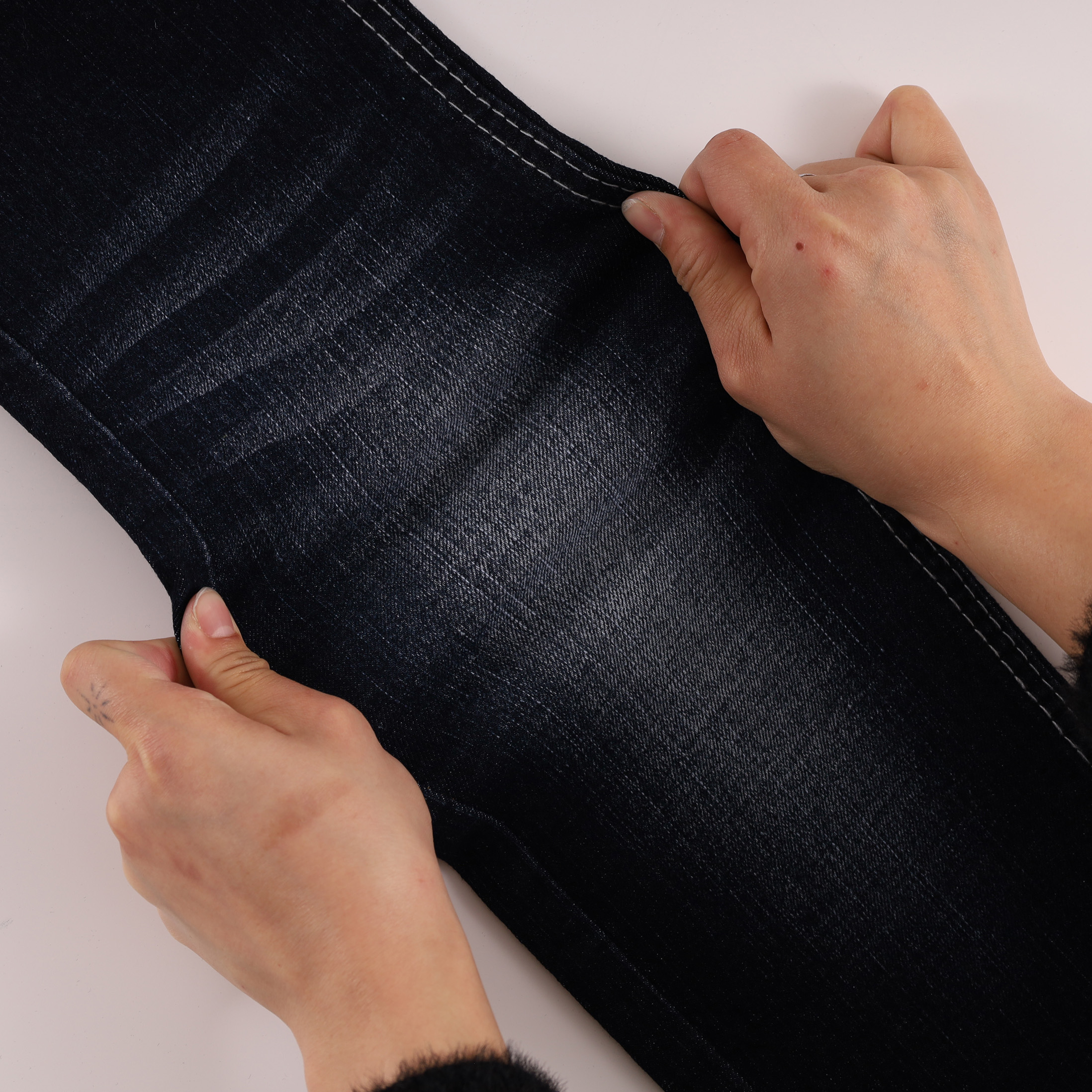
- Kain Denim yang DitegangkanUntuk jeans elastis yang nyaman dipakai, proses pembuatan benang menggunakan metode spinning berubah secara signifikan. Sebuah elastomer sintetis (seperti spandex) dimasukkan ke dalam inti benang, kemudian dibalut dengan kapas. Metode ini mempertahankan kelembutan dan ketahanan terhadap pemudaran yang dimiliki kapas, sekaligus meningkatkan daya regangan—sangat ideal bagi para pencinta jeans modern.
Mengapa Ini Penting: Dari Benang Hingga Kain Denim
Proses pemintalan menentukan tekstur, kekuatan, dan kelengkapan fungsi kain denim. Benang yang dipintal menggunakan metode ring-spun memberikan tampilan denim yang kasar namun autentik, sedangkan kain denim elastis menyediakan fleksibilitas yang ideal untuk digunakan sehari-hari. Apakah Anda penasaran tentang Bagaimana jeans dibuat atau berbelanja untuk Bahan kain denim per yardDengan memahami proses ini, kita dapat melihat betapa telitinya kualitas pembuatan setiap pasang jeans.
layanan personalisasi dari LYDENIM
🎨 Ingin Bahan pakaian khusus dari bahan denim atau unik Pakaian dari bahan kain khusus yang dibuat sesuai desainLYDENIM berspesialisasi dalam menyediakan solusi yang disesuaikan secara khusus untuk memenuhi kebutuhan desain dan produksi Anda.
🛍️ Eksplorasi dan dapatkan inspirasi.Jelajahi koleksi kain kami dan temukan ide desain yang menarik. LYDENIM.
🌐 Pakaian ElastisLihatlah produk kami di MyAlibaba. 📩 Hubungi kamiHubungi kami di Malone@lydenim.com.
Buat karya luar biasa dari bahan denim dengan LYDENIM—mitra andal Anda untuk Bahan pita elastis dan Solusi pakaian khusus berbahan denim.
Pertanyaan umum
Apakah ini dapat disesuaikan dengan merek atau koleksi saya?
Ya. Kirimkan aplikasi Anda, gambar referensi, kualitas yang diinginkan, jumlah, serta persyaratan pasar agar pemasok dapat merekomendasikan pilihan bahan, produk pakaian, atau proses penyelesaian yang sesuai.
Informasi apa yang perlu saya kirimkan sebelum meminta penawaran harga?
Siapkan jenis produk, bahan atau teknik yang digunakan, arah warna, kebutuhan sampel, jumlah, negara tujuan, serta waktu pengiriman yang diperkirakan.
Apakah saya harus meminta sampel sebelum produksi massal?
Ya. Penggunaan sampel warna dan ukuran sampel dapat mengurangi risiko sebelum melakukan pesanan dalam jumlah besar, terutama ketika kualitas warna, tekstur permukaan, daya regangan, penampilan akhir, atau dekorasi menjadi faktor penting.
Bagaimana cara saya menghindari masalah kualitas pada pesanan dalam jumlah besar?
Setujui standar sampel yang jelas, tentukan persyaratan pengujian, konfirmasi toleransi, dan bandingkan hasil produksi massal dengan sampel yang telah disetujui sebelum pengiriman.
Butuh bantuan untuk mengubah ini menjadi dokumen pengadaan yang siap digunakan dalam produksi?
Kirimkan produk target, jenis kain, jumlah, serta kebutuhan sampel Anda. LY Denim dapat membantu membandingkan berbagai pilihan dan menyusun penawaran harga.