


คุณกำลังมองหาผ้าเดนิมยืดหรือผ้าเดนิมยืดอยู่ใช่ไหม?
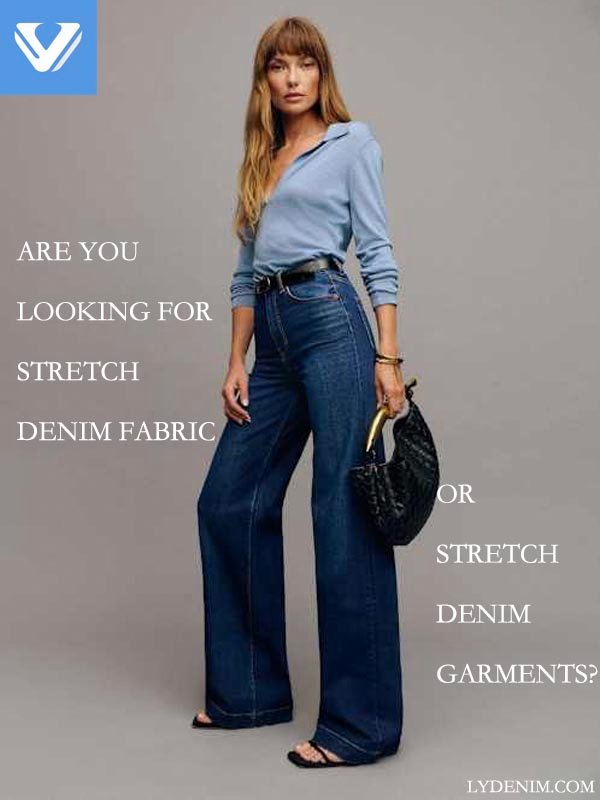
คุณกำลังมองหาผ้าเดนิมยืดหรือผ้าเดนิมยืดอยู่ใช่ไหม?
ผ้าเดนิมยืดผสมผสานสไตล์และความยืดหยุ่น สำรวจบทบาทของผ้าสแปนเด็กซ์ เคล็ดลับในการผลิต และแนวโน้มของตลาดในการจัดหาผ้าที่มีคุณภาพสำหรับคอลเลกชันถัดไปของคุณ
สรุปผู้ซื้อ
สำหรับแบรนด์เครื่องแต่งกายและทีมขนาดเล็ก หัวข้อนี้ควรเชื่อมโยงการตัดสินใจด้านการออกแบบกับการสุ่มตัวอย่าง การผลิต ปริมาณขั้นต่ำ วิธีการตกแต่ง และความพร้อมในการเสนอราคา
- ผู้ซื้อที่เหมาะสมแบรนด์แฟชั่น ทีมจัดหา ผู้ค้าส่ง โรงงานตัดเย็บเสื้อผ้า และผู้พัฒนาผลิตภัณฑ์
- สิ่งที่ต้องยืนยันเป้าหมายผลิตภัณฑ์ ทิศทางของผ้า ผิวสำเร็จ ความต้องการตัวอย่าง ปริมาณ และตลาดการจัดส่ง
- ความเสี่ยงของผู้ซื้อข้อมูลจำเพาะที่ไม่ชัดเจนอาจนำไปสู่ตัวอย่างที่ไม่ถูกต้อง คุณภาพปริมาณมากไม่แน่นอน และการเสนอราคาที่ช้า
- CTA ที่แนะนำขอตัวอย่างหรือใบเสนอราคาตัวอย่างก่อนที่จะดำเนินการผลิตจำนวนมาก
เหตุใดจึงสำคัญสำหรับผู้ซื้อ B2B
ยืนยันเนื้อผ้า โครงสร้าง เทคนิคโลโก้ ความต้องการตัวอย่าง และปริมาณการสั่งซื้อก่อนเปรียบเทียบซัพพลายเออร์
ผ้าเดนิมยืดผสมผสานสไตล์และความยืดหยุ่น สำรวจบทบาทของผ้าสแปนเด็กซ์ เคล็ดลับในการผลิต และแนวโน้มของตลาดในการจัดหาผ้าที่มีคุณภาพสำหรับคอลเลกชันถัดไปของคุณ


ตารางข้อมูลจำเพาะสำหรับการจัดหาที่เร็วขึ้น
| จุดตัดสินใจ | ตัวเลือกในการเปรียบเทียบ | ทำไมมันถึงสำคัญ | คำถามของผู้ซื้อ |
|---|---|---|---|
| ประเภทสินค้า | เสื้อฮู้ด เสื้อยืด กางเกงยีนส์ แจ็คเก็ต เครื่องแต่งกายตามสั่ง | ควบคุมการเลือกผ้า ลวดลาย การตกแต่ง และการก่อสร้าง | คุณกำลังพัฒนาผลิตภัณฑ์ใด? |
| การปรับแต่ง | งานปัก งานสกรีน งานพิมพ์พัฟ งานปัก งานซัก | ส่งผลต่อต้นทุนตัวอย่าง ขั้นต่ำ และเวลานำ | คุณมีอาร์ตเวิร์คหรือเทคนิคอ้างอิงหรือไม่? |
| ผ้าและ GSM | ตัวเลือกเบา ปานกลาง หรือเฮฟวี่เวท | กำหนดความรู้สึกมือ ฤดูกาล และตำแหน่งการขายปลีก | คุณต้องการความรู้สึกมือและระดับราคาแบบใด |
| แผนการสั่งซื้อ | ต้นแบบ ชุดเล็ก การผลิตจำนวนมาก | เปลี่ยนแปลงราคา ไทม์ไลน์ และการตั้งค่าการผลิต | คุณต้องการตัวอย่างหรือใบเสนอราคาจำนวนมากก่อนหรือไม่? |
แอปพลิเคชันและตัวเลือกแบบกำหนดเอง
การพัฒนาผลิตภัณฑ์
ใช้คู่มือนี้เพื่อเปลี่ยนแนวคิดการออกแบบให้เป็นข้อกำหนดด้านเนื้อผ้า เครื่องแต่งกาย การตกแต่ง และตัวอย่าง
การเปรียบเทียบซัพพลายเออร์
เปรียบเทียบซัพพลายเออร์ตามการสนับสนุนตัวอย่าง ความชัดเจนทางเทคนิค ความเสถียรของปริมาณรวม และความเร็วในการสื่อสาร
การผลิตจำนวนมาก
ยืนยันมาตรฐานคุณภาพ ตัวอย่างที่ได้รับอนุมัติ และไทม์ไลน์ก่อนสั่งผลิต
จุดควบคุมคุณภาพก่อนสั่งซื้อจำนวนมาก
- OKการอนุมัติตัวอย่าง: ยืนยันผ้า สี ความรู้สึกมือ โครงสร้าง และการตกแต่งก่อนการผลิตจำนวนมาก
- OKความสม่ำเสมอเป็นกลุ่ม: เปรียบเทียบล็อตจำนวนมากกับตัวอย่างที่ได้รับอนุมัติภายใต้แสงและสภาวะการทดสอบเดียวกัน
- OKการทดสอบประสิทธิภาพ: ตรวจสอบการหดตัว ความคงทนของสี การยืดตัวคืนสภาพ หรือความทนทานของการตกแต่งตามที่เกี่ยวข้อง
- OKความชัดเจนของคำพูด: ส่งปริมาณ ปลายทาง ความต้องการบรรจุภัณฑ์ และเวลานำเป้าหมายเพื่อหลีกเลี่ยงการกำหนดราคาที่คลุมเครือ
กระบวนการพัฒนาตัวอย่าง
| ขั้นตอน | ผู้ซื้อจัดให้ | ซัพพลายเออร์ยืนยัน |
|---|---|---|
| 1. บรีฟ | การใช้งาน รูปภาพอ้างอิง คุณภาพและปริมาณเป้าหมาย | ความเป็นไปได้ วัสดุที่แนะนำ และตัวเลือกแบบกำหนดเอง |
| 2. สวอตช์ผ้า | สี สัมผัสมือ รูปแบบ หรือการตอบสนองขั้นสุดท้ายที่ต้องการ | สต็อกที่มีอยู่ ทิศทางที่กำหนดเอง และต้นทุนตัวอย่าง |
| 3. ตัวอย่าง | แผนการทดสอบเสื้อผ้า ขนาด หรือความต้องการระยะ | เส้นเวลาการสุ่มตัวอย่างและความสามารถในการทำซ้ำของการผลิต |
| 4. ใบเสนอราคาจำนวนมาก | ปริมาณการสั่งซื้อ ปลายทางการจัดส่ง และความต้องการบรรจุภัณฑ์ | ราคาต่อหน่วย, ขั้นต่ำ, เวลานำและจุดตรวจควบคุมคุณภาพ |
คู่มือโดยละเอียด
เวลาอ่านโดยประมาณ: ~4 นาที
ความต้องการผ้าเดนิมยืดที่เพิ่มขึ้น
การเพิ่มขึ้นของแฟชั่นลำลองและสวมใส่สบายได้เปลี่ยนความต้องการของผู้บริโภค โดยมีผ้าเดนิมยืดเป็นผู้นำ ด้วยแรงผลักดันจากการเปลี่ยนแปลงหลังการแพร่ระบาดไปสู่การทำงานแบบผสมผสานและไลฟ์สไตล์ที่ผ่อนคลาย ผู้บริโภคจึงปรารถนากางเกงยีนส์ที่ผสมผสานสไตล์เข้ากับความยืดหยุ่น รายงานอุตสาหกรรมเน้นย้ำถึงความต้องการที่เพิ่มขึ้นสำหรับการผลิตเดนิมที่ใส่สบายและเข้ารูป ผ้าเดนิมยืด ตัวเลือกอันดับต้นๆ สำหรับแบรนด์และผู้ผลิตที่ต้องการจับกระแสนี้
ทำไมต้องเลือกเดนิมยืดสแปนเด็กซ์?
สแปนเด็กซ์ (หรือเรียกอีกอย่างว่า ไลคร่า®, อีลาสเทนหรือ ยืดกล้ามเนื้อ) คือเส้นใยสังเคราะห์ความยืดหยุ่นสูงที่ปฏิวัติประสิทธิภาพของเดนิมเมื่อผสมเข้ากับเนื้อผ้า นี่คือเหตุผลว่าทำไมมันถึงโดดเด่น:
ไลคร่า
- การยืดตัวและการฟื้นตัวที่เหนือกว่า: ผ้าสแปนเด็กซ์สามารถยืดได้ 5-8 เท่าของความยาวเดิมและปรับกลับได้ ให้ความกระชับสบายที่เคลื่อนไหวไปพร้อมกับผู้สวมใส่ เหมาะสำหรับกิจกรรมประจำวันหรือการเคลื่อนไหวแบบไดนามิก
- น้ำหนักเบาและนุ่มนวล: เส้นใยสแปนเด็กซ์มีความละเอียดและนุ่ม ทำให้ผ้าเดนิมยืดยังคงมีน้ำหนักเบาโดยไม่สูญเสียความสบาย เหมาะอย่างยิ่งสำหรับการออกแบบที่เข้ารูปและพอดีตัว
- ความทนทาน: ผ้าสแปนเด็กซ์ช่วยเพิ่มความทนทานต่อการเสียดสีและการฉีกขาดของเดนิม รักษารูปทรงแม้จะยืดหรือซักซ้ำหลายครั้ง ช่วยยืดอายุเสื้อผ้า
- การระบายอากาศ: เมื่อผสมกับผ้าฝ้าย ผ้าเดนิมยืดจะคงความสามารถในการระบายอากาศได้ดีเยี่ยม ดูดซับความชื้นเพื่อให้ผู้สวมใส่รู้สึกเย็นสบายเมื่อเทียบกับผ้าเดนิมเนื้อแข็ง

ความเข้ากันได้กับกระบวนการผลิต
ผ้าเดนิมยืดปรับให้เข้ากับกระบวนการตกแต่งต่างๆ ได้อย่างราบรื่น ทำให้สามารถออกแบบได้หลากหลาย อย่างไรก็ตาม การควบคุมอุณหภูมิอย่างระมัดระวังถือเป็นสิ่งสำคัญเพื่อรักษาความยืดหยุ่นของผ้าสแปนเด็กซ์:
- การพิมพ์: ผ้าเดนิมยืดรองรับการพิมพ์แบบปฏิกิริยาหรือแบบกระจายเพื่อให้ได้ลวดลายที่สดใส รักษาอุณหภูมิในการอบแห้งและบ่มให้ต่ำกว่า 60–80°C และตั้งอุณหภูมิให้ต่ำกว่า 180°C เพื่อหลีกเลี่ยงไม่ให้เส้นใยสแปนเด็กซ์เสียหาย
การพิมพ์
- เคลือบบัตร: การติดผ้าเดนิมด้วยวัสดุ เช่น ฟิล์มกันน้ำ ต้องใช้กาวที่ละลายต่ำและมีอุณหภูมิต่ำกว่า 180°C เพื่อป้องกันการสูญเสียความยืดหยุ่นหรือการบิดเบี้ยวของผ้า
พันธะ
- แห่กัน: การใช้เส้นใยเพื่อให้ได้พื้นผิวคล้ายกำมะหยี่จะต้องบ่มกาวที่อุณหภูมิ 120–160°C ใช้กาวอุณหภูมิต่ำเพื่อรักษาความยืดหยุ่นของสแปนเด็กซ์ โดยหลีกเลี่ยงการสัมผัสกับอุณหภูมิที่สูงกว่า 150°C เป็นเวลานาน
แห่กัน
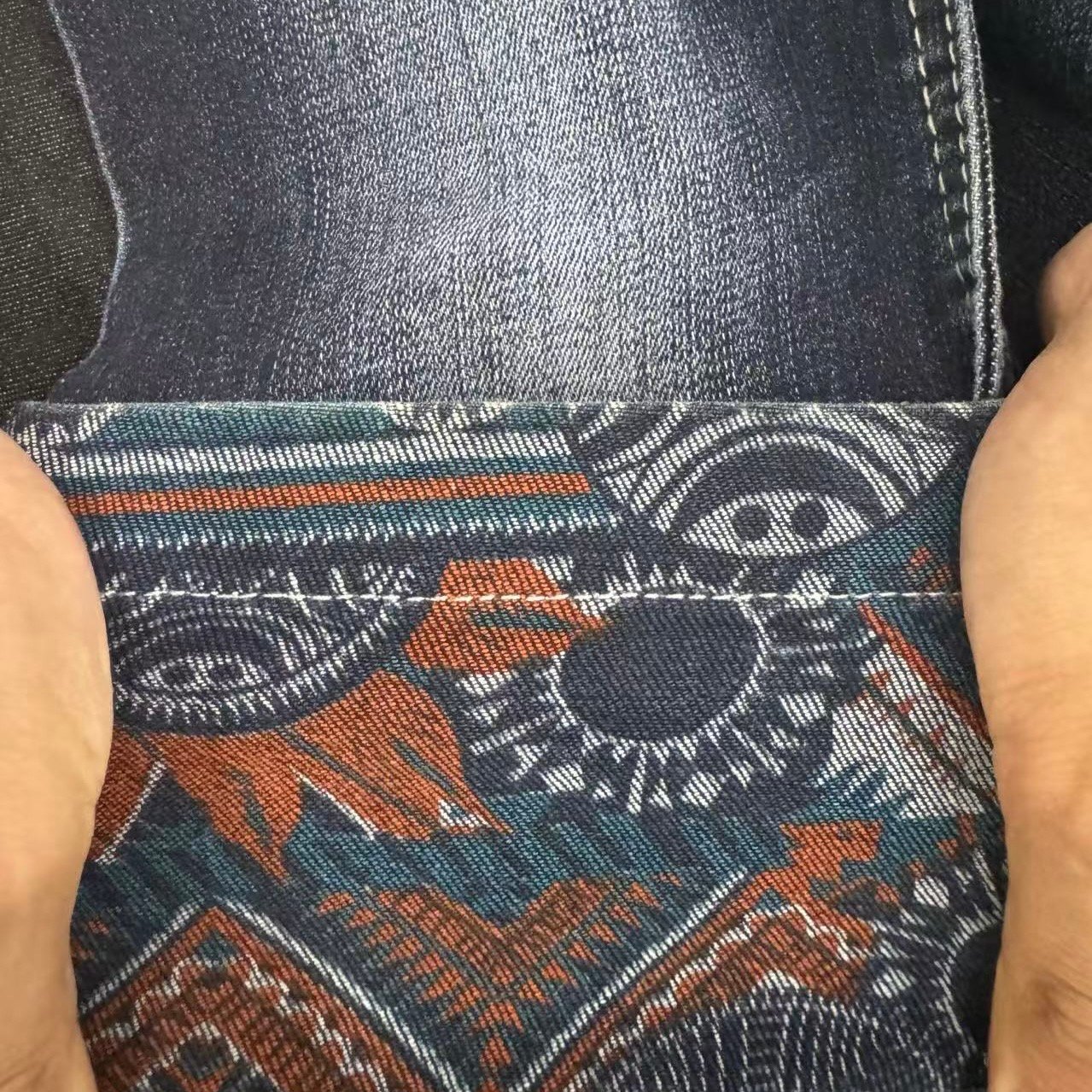
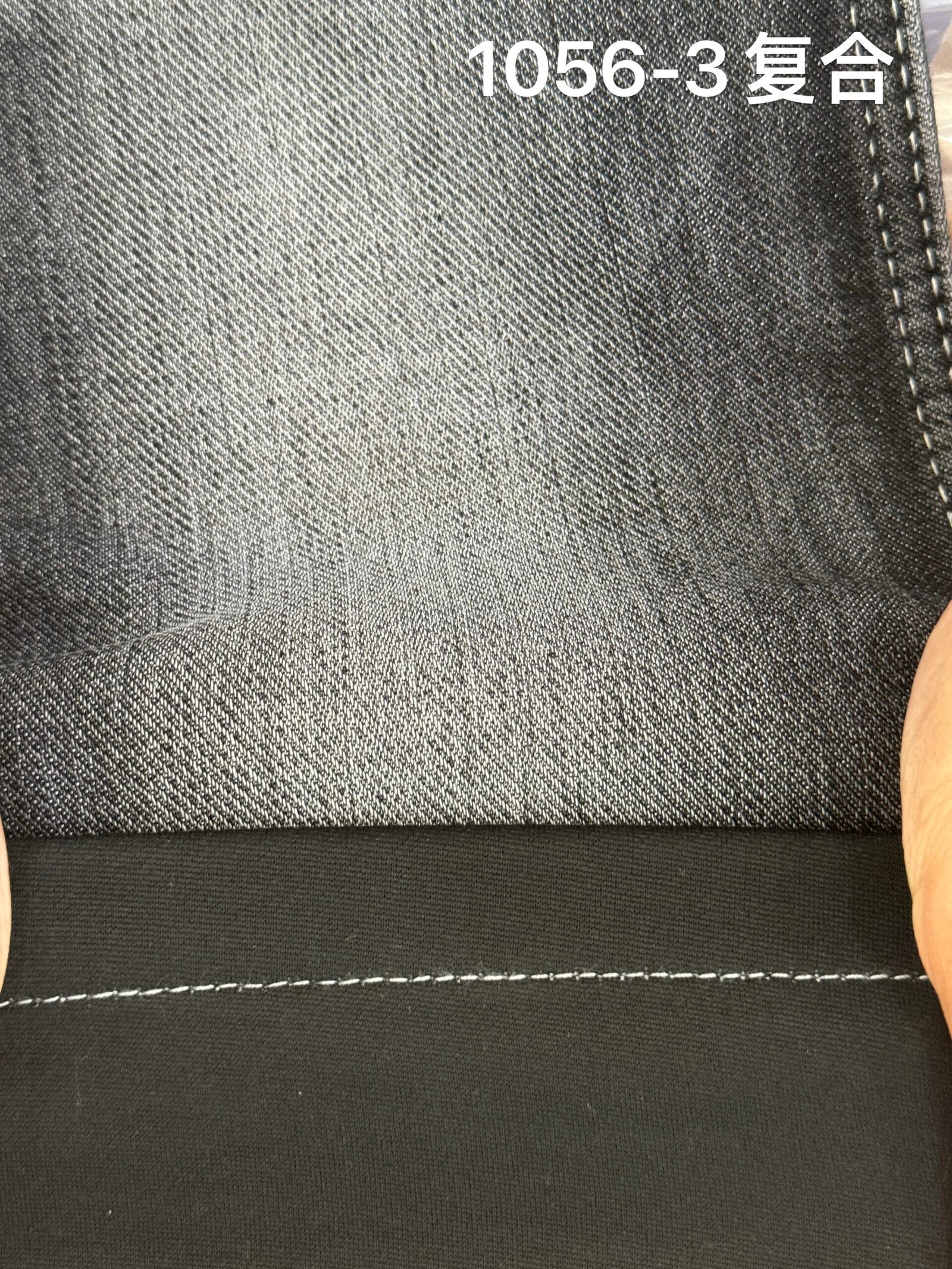
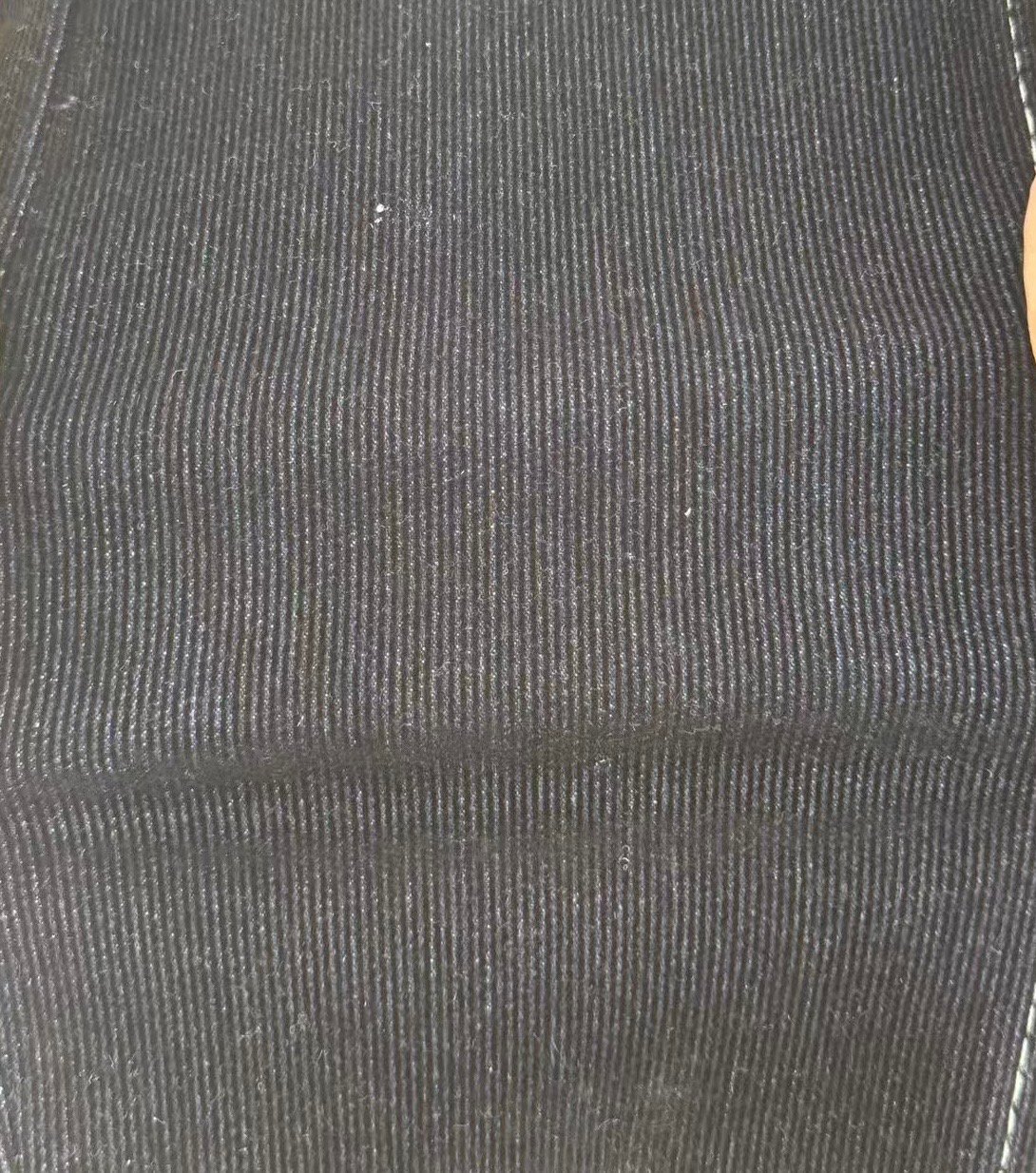
เคล็ดลับที่สำคัญ: สำหรับการซัก ควรรักษาอุณหภูมิของน้ำให้ต่ำกว่า 40°C และอบแห้งที่อุณหภูมิ 60–80°C เตาอบแบบตั้งไม่ควรเกิน 180°C เพื่อป้องกันการเสื่อมสภาพของสแปนเด็กซ์ จึงมั่นใจได้ถึงความยืดหยุ่นที่ยาวนาน
การใช้งานที่หลากหลายในแฟชั่น
คุณสมบัติอันเป็นเอกลักษณ์ของผ้าเดนิมยืดทำให้เหมาะสำหรับเสื้อผ้าหลากหลายประเภท เพื่อตอบสนองความต้องการของตลาดที่หลากหลาย:
- กางเกงยีนส์สกินนี่และเลกกิ้ง: ผ้าผ้าเดนิมยืดโอบรับสรีระ ให้อิสระในการเคลื่อนไหวโดยไม่เสียรูปทรง เหมาะสำหรับกางเกงยีนส์ทรงเข้ารูปหรือเลกกิ้งผ้าเดนิม
monjeans กับกางเกงยีนส์สกินนี่
- ชุดออกกำลังกายลำลอง: กางเกงจ็อกเกอร์และกางเกงโมโตผสมผสานความงามแบบทนทานของเดนิมเข้ากับความสบายที่ยืดหยุ่น เหมาะสำหรับไลฟ์สไตล์ที่กระตือรือร้นหรือการนั่งเป็นเวลานาน
ชุดลำลอง
- แจ็คเก็ตและเสื้อเชิ้ต: แจ็คเก็ตและเสื้อเชิ้ตผ้าเดนิมแบบยืดให้ความยืดหยุ่นแต่ยังคงสไตล์เดนิมคลาสสิก เหมาะสำหรับฤดูกาลและสภาพแวดล้อมที่หลากหลาย
แจ็คเก็ตยีนส์
- แฟชั่นสตรี: ตั้งแต่กระโปรงโอบรับตัวไปจนถึงกางเกงขาสั้นและเดรสทรงเอ ผ้าเดนิมยืดช่วยเพิ่มความพอดีและความสบาย มอบลุคที่ตัดเย็บอย่างเก๋ไก๋
กางเกงยีนส์หลวมและขากระดิ่ง
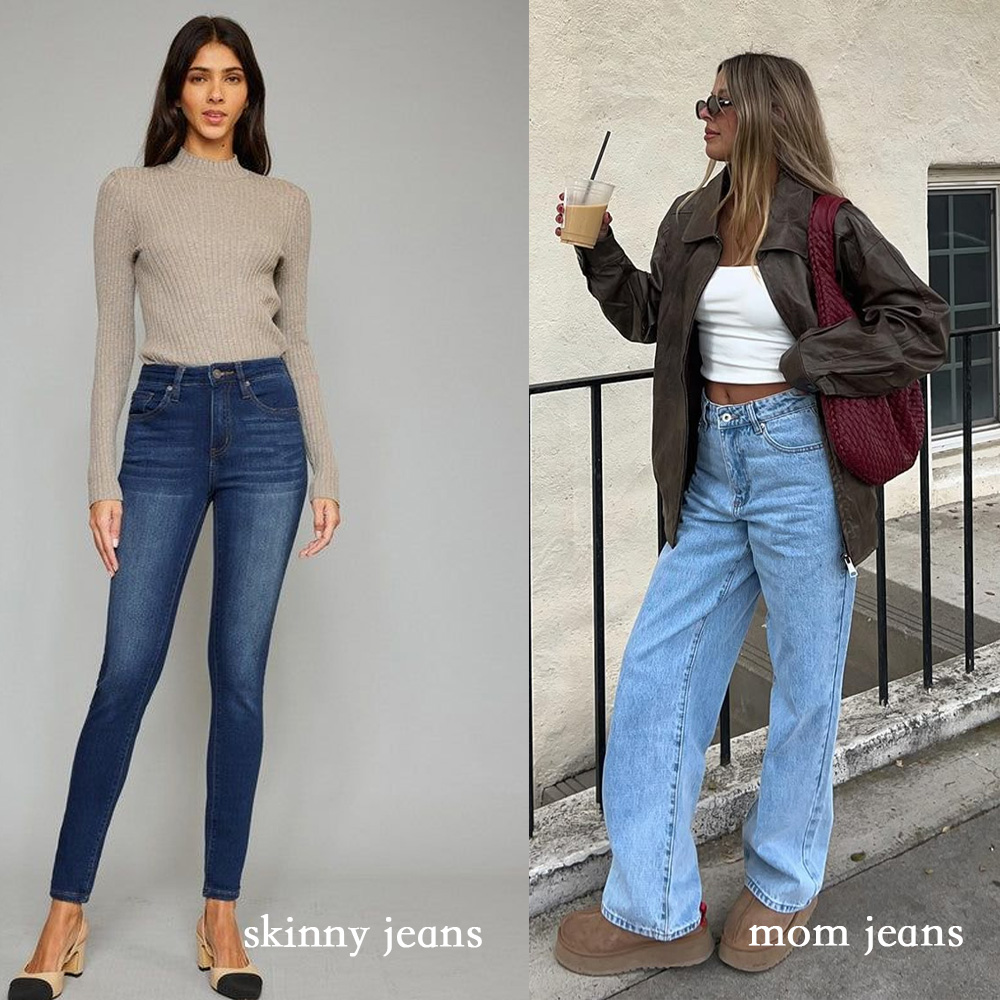
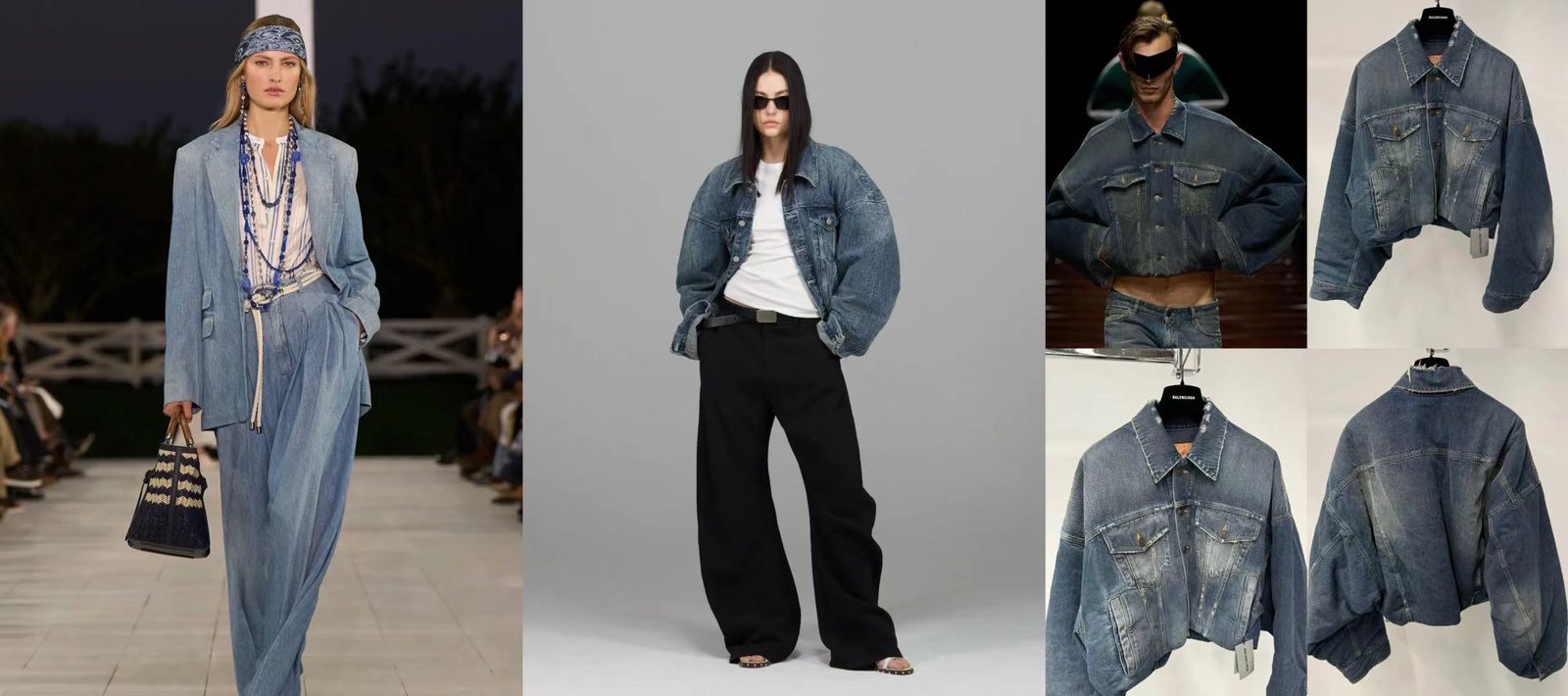

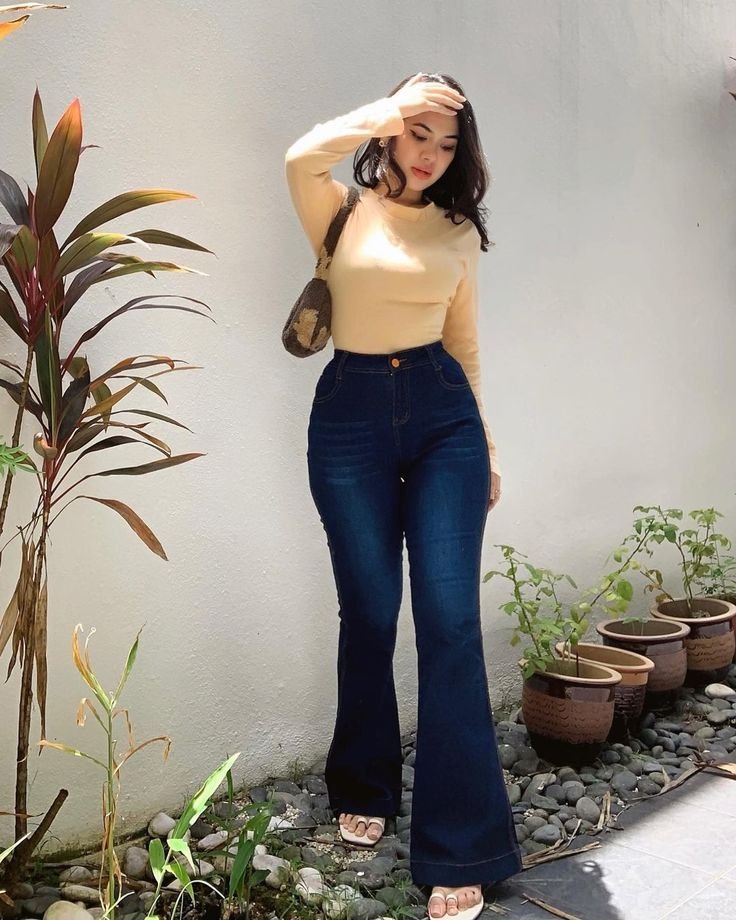
ตั้งแต่สไตล์พอดีตัวไปจนถึงสไตล์ผ่อนคลาย ผ้าเดนิมยืดช่วยให้แบรนด์ต่างๆ สร้างสรรค์นวัตกรรมผ่านดีไซน์ลำลองและเป็นทางการ เพื่อตอบสนองความต้องการของผู้บริโภคที่หลากหลาย
แนวโน้มตลาด
ตลาดผ้าเดนิมยืดกำลังเฟื่องฟู มีมูลค่า 15.3 พันล้านดอลลาร์ในปี 2566 และคาดว่าจะสูงถึง 24.8 พันล้านดอลลาร์ภายในปี 2575 โดยมี CAGR อยู่ที่ 5.6% (Allied Market Research, 2023) ที่ ภูมิภาคเอเชียแปซิฟิกซึ่งนำโดยจีน อินเดีย และบังคลาเทศ เป็นผู้ขับเคลื่อนการเติบโตนี้ โดยได้แรงหนุนจากการใช้จ่ายของผู้บริโภคที่เพิ่มขึ้นและอุตสาหกรรมสิ่งทอที่แข็งแกร่ง ผ้าเดนิมยืดสี่ทิศทาง เป็นดาวรุ่งพุ่งแรงที่ดึงดูดผู้บริโภคอายุน้อยที่กำลังมองหาแฟชั่นที่ได้แรงบันดาลใจจากกีฬา แนวโน้มนี้กระตุ้นให้แบรนด์ต่างๆ จัดลำดับความสำคัญของผ้าเดนิมยืดสำหรับนวัตกรรมผลิตภัณฑ์ เพื่อให้มั่นใจถึงความสามารถในการแข่งขันในตลาดที่มีพลวัต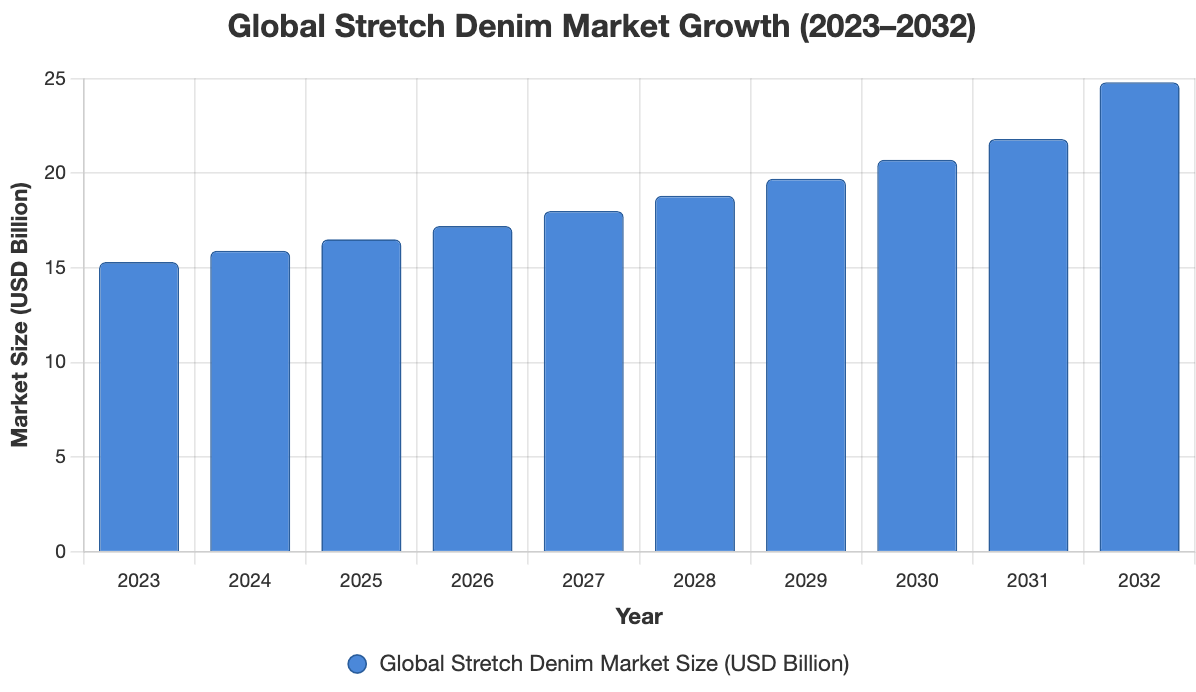
เคล็ดลับการจัดซื้อสำหรับผู้ซื้อ
ในการจัดหาผ้าเดนิมยืดคุณภาพสูง ผู้ซื้อและผู้ผลิตผ้าควรคำนึงถึง:
- เนื้อหาสแปนเด็กซ์: ตรวจสอบฉลากเพื่อดูปริมาณผ้าสแปนเด็กซ์ โดยปกติแล้วจะอยู่ที่ 2–5% สำหรับผ้าเดนิมยืดมาตรฐาน ปริมาณที่สูงกว่า (เช่น 10%) เหมาะกับการออกแบบที่ยืดหยุ่นเป็นพิเศษ แต่ต้องตรวจสอบความถูกต้องเพื่อให้แน่ใจว่าสวมใส่ได้พอดีและสบาย
- ทนความร้อน: เลือกใช้ผ้าที่ผ่านการทดสอบความเสถียรในการตั้งความร้อน (เช่น 200°C+) ช่วยให้มั่นใจได้ถึงความทนทานในระหว่างการย้อม การตกแต่งขั้นสุดท้าย และการรีดผ้าโดยไม่สูญเสียความยืดหยุ่น
- ความคงทนของสี: เลือกผ้าที่มีความคงทนต่อสีย้อมสูง เคลือบด้วยสารยึดเกาะเพื่อป้องกันการซีดจางหรือเลือดออก ทำให้ได้สีที่สดใสและติดทนนาน
- การรับรองและความมั่นคง: เลือกซัพพลายเออร์ที่มีใบรับรอง เช่น OEKO-TEX หรือ REACH เพื่อให้มั่นใจถึงการปฏิบัติตามข้อกำหนดและคุณภาพที่สม่ำเสมอ ตรวจสอบความต้านทานต่อคลอรีนและการรักษารูปร่างเพื่อประสิทธิภาพที่เชื่อถือได้
ร่วมมือกับซัพพลายเออร์ที่มีชื่อเสียงโดยเสนอข้อกำหนดที่ชัดเจนและความสม่ำเสมอของแบทช์เพื่อลดความเสี่ยงและส่งมอบผลิตภัณฑ์เดนิมยืดระดับพรีเมียม
บทสรุป
ผ้าเดนิมยืดที่ขับเคลื่อนด้วยผ้าสแปนเด็กซ์กำลังพลิกโฉมอุตสาหกรรมแฟชั่นด้วยความสบาย ความทนทาน และความอเนกประสงค์ที่ไม่มีใครเทียบได้ ในขณะที่ตลาดเติบโตไปสู่ระดับ 24.8 พันล้านดอลลาร์ภายในปี 2575 แบรนด์และผู้ผลิตก็มีโอกาสสำคัญในการใช้ประโยชน์จากผ้าเดนิมแบบยืดสำหรับการออกแบบที่เป็นนวัตกรรมใหม่ที่ขับเคลื่อนโดยผู้บริโภค ด้วยการเลือกผ้าคุณภาพสูงและเพิ่มประสิทธิภาพกระบวนการผลิต คุณสามารถสร้างเสื้อผ้าที่ดึงดูดผู้บริโภคและยกระดับแบรนด์ของคุณได้ พร้อมที่จะสำรวจศักยภาพของผ้าเดนิมยืดแล้วหรือยัง? เชื่อมต่อกับซัพพลายเออร์ที่เชื่อถือได้วันนี้เพื่อก้าวนำหน้าในตลาดที่เจริญรุ่งเรืองนี้
บริการปรับแต่งโดย LYDENIM
🎨 กำลังมองหาผ้าเดนิมยืดหยุ่นแบบเฉพาะหรือเสื้อผ้ายืดหยุ่นไหม?
LY Denim เชี่ยวชาญด้านการให้บริการโซลูชันที่ออกแบบมาเฉพาะเพื่อตอบสนองความต้องการด้านการออกแบบและการผลิตของคุณ
SHOPPING สำรวจและได้รับแรงบันดาลใจ:
สำรวจคอลเลกชันผ้าของเรา และค้นพบไอเดียการออกแบบได้โดยตรงที่ ลีเดนิม
🌐 เสื้อผ้ายางยืด: อาลีบาบาของฉัน
💌 ติดต่อเรา:Malone@lydenim.com
สร้างผลงานเดนิมชิ้นเอกของคุณด้วย LYDENIM — คู่หูที่เชื่อถือได้ของคุณสำหรับผ้ายืดและโซลูชั่นเดนิมตามสั่ง
คำถามที่พบบ่อย
สามารถปรับแต่งให้เหมาะกับแบรนด์หรือคอลเลกชันของฉันได้หรือไม่?
ใช่ ส่งใบสมัคร รูปภาพอ้างอิง คุณภาพเป้าหมาย ปริมาณ และข้อกำหนดของตลาด เพื่อให้ซัพพลายเออร์สามารถแนะนำตัวเลือกผ้า เครื่องแต่งกาย หรือการตกแต่งที่เหมาะสมได้
ฉันควรส่งข้อมูลอะไรบ้างก่อนที่จะขอใบเสนอราคา?
จัดเตรียมประเภทผลิตภัณฑ์ ผ้าหรือเทคนิคเป้าหมาย ทิศทางสี ความต้องการตัวอย่าง ปริมาณ ประเทศปลายทาง และระยะเวลารอคอยสินค้าที่คาดหวัง
ฉันควรขอตัวอย่างก่อนการผลิตจำนวนมากหรือไม่
ใช่ ตัวอย่างและระยะตัวอย่างจะช่วยลดความเสี่ยงก่อนสั่งซื้อจำนวนมาก โดยเฉพาะอย่างยิ่งเมื่อคุณภาพสี ความรู้สึกทางมือ การยืด พื้นผิว หรือการตกแต่งมีความสำคัญ
ฉันจะหลีกเลี่ยงปัญหาด้านคุณภาพในคำสั่งซื้อจำนวนมากได้อย่างไร
อนุมัติมาตรฐานตัวอย่างที่ชัดเจน กำหนดข้อกำหนดในการทดสอบ ยืนยันความคลาดเคลื่อน และเปรียบเทียบผลผลิตจำนวนมากกับตัวอย่างที่ได้รับอนุมัติก่อนจัดส่ง
ต้องการความช่วยเหลือในการเปลี่ยนสิ่งนี้ให้เป็นบรีฟการจัดหาที่พร้อมสำหรับการผลิตหรือไม่
ส่งสินค้าเป้าหมายของคุณ ทิศทางผ้า ปริมาณ และความต้องการตัวอย่าง LY Denim สามารถช่วยเปรียบเทียบตัวเลือกและเตรียมใบเสนอราคาได้