


Top 5 ตัวชี้วัดในการเลือกโรงงานผลิตเสื้อผ้าแบบสั่งทำ
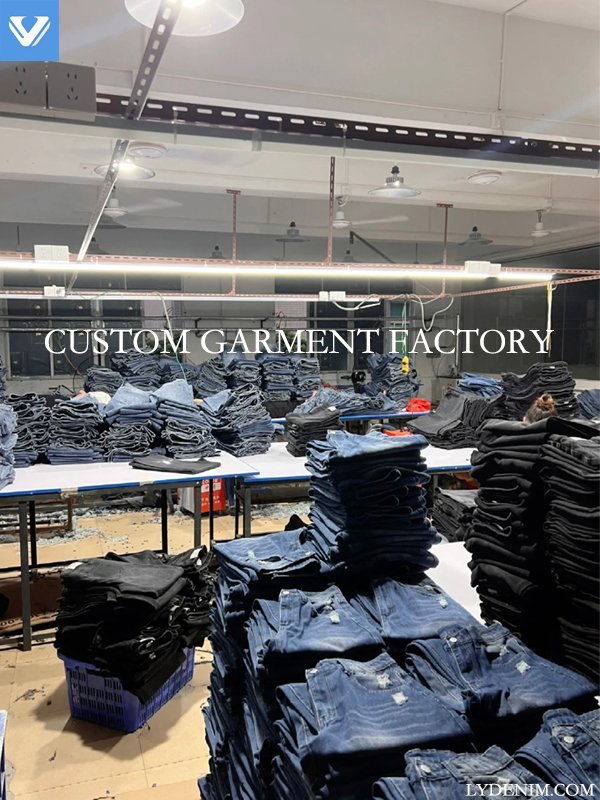
Top 5 ตัวชี้วัดในการเลือกโรงงานผลิตเสื้อผ้าแบบสั่งทำ
ศึกษาตัวชี้วัด 5 ประการหลักในการเลือกโรงงานผลิตเสื้อผ้าแบบเฉพาะบุคคล โดยให้ความสำคัญกับคุณภาพ การปฏิบัติงานอย่างมีจริยธรรม และประสิทธิภาพ เพื่อส่งเสริมความสำเร็จของแบรนด์เสื้อผ้าของคุณ
สรุปผู้ซื้อ
สำหรับแบรนด์เครื่องแต่งกายและทีมขนาดเล็ก หัวข้อนี้ควรเชื่อมโยงการตัดสินใจด้านการออกแบบกับการสุ่มตัวอย่าง การผลิต ปริมาณขั้นต่ำ วิธีการตกแต่ง และความพร้อมในการเสนอราคา
- ผู้ซื้อที่เหมาะสมแบรนด์แฟชั่น ทีมจัดหา ผู้ค้าส่ง โรงงานตัดเย็บเสื้อผ้า และผู้พัฒนาผลิตภัณฑ์
- สิ่งที่ต้องยืนยันเป้าหมายผลิตภัณฑ์ ทิศทางของผ้า ผิวสำเร็จ ความต้องการตัวอย่าง ปริมาณ และตลาดการจัดส่ง
- ความเสี่ยงของผู้ซื้อข้อมูลจำเพาะที่ไม่ชัดเจนอาจนำไปสู่ตัวอย่างที่ไม่ถูกต้อง คุณภาพปริมาณมากไม่แน่นอน และการเสนอราคาที่ช้า
- CTA ที่แนะนำขอตัวอย่างหรือใบเสนอราคาตัวอย่างก่อนที่จะดำเนินการผลิตจำนวนมาก
เหตุใดจึงสำคัญสำหรับผู้ซื้อ B2B
ยืนยันเนื้อผ้า โครงสร้าง เทคนิคโลโก้ ความต้องการตัวอย่าง และปริมาณการสั่งซื้อก่อนเปรียบเทียบซัพพลายเออร์
ศึกษาตัวชี้วัด 5 ประการหลักในการเลือกโรงงานผลิตเสื้อผ้าแบบเฉพาะบุคคล โดยให้ความสำคัญกับคุณภาพ การปฏิบัติงานอย่างมีจริยธรรม และประสิทธิภาพ เพื่อส่งเสริมความสำเร็จของแบรนด์เสื้อผ้าของคุณ
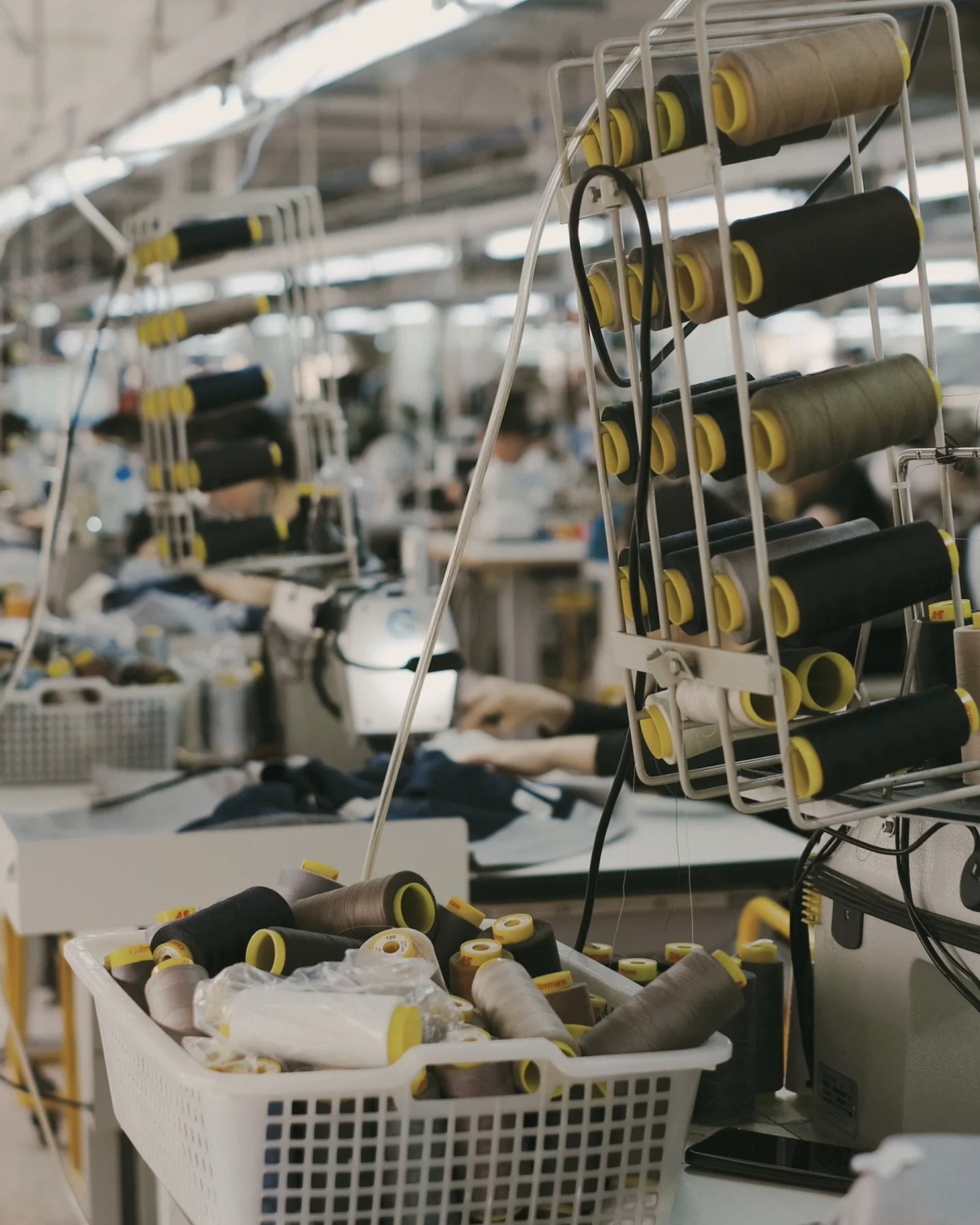

ตารางข้อมูลจำเพาะสำหรับการจัดหาที่เร็วขึ้น
| จุดตัดสินใจ | ตัวเลือกในการเปรียบเทียบ | ทำไมมันถึงสำคัญ | คำถามของผู้ซื้อ |
|---|---|---|---|
| ประเภทสินค้า | เสื้อฮู้ด เสื้อยืด กางเกงยีนส์ แจ็คเก็ต เครื่องแต่งกายตามสั่ง | ควบคุมการเลือกผ้า ลวดลาย การตกแต่ง และการก่อสร้าง | คุณกำลังพัฒนาผลิตภัณฑ์ใด? |
| การปรับแต่ง | งานปัก งานสกรีน งานพิมพ์พัฟ งานปัก งานซัก | ส่งผลต่อต้นทุนตัวอย่าง ขั้นต่ำ และเวลานำ | คุณมีอาร์ตเวิร์คหรือเทคนิคอ้างอิงหรือไม่? |
| ผ้าและ GSM | ตัวเลือกเบา ปานกลาง หรือเฮฟวี่เวท | กำหนดความรู้สึกมือ ฤดูกาล และตำแหน่งการขายปลีก | คุณต้องการความรู้สึกมือและระดับราคาแบบใด |
| แผนการสั่งซื้อ | ต้นแบบ ชุดเล็ก การผลิตจำนวนมาก | เปลี่ยนแปลงราคา ไทม์ไลน์ และการตั้งค่าการผลิต | คุณต้องการตัวอย่างหรือใบเสนอราคาจำนวนมากก่อนหรือไม่? |
แอปพลิเคชันและตัวเลือกแบบกำหนดเอง
การพัฒนาผลิตภัณฑ์
ใช้คู่มือนี้เพื่อเปลี่ยนแนวคิดการออกแบบให้เป็นข้อกำหนดด้านเนื้อผ้า เครื่องแต่งกาย การตกแต่ง และตัวอย่าง
การเปรียบเทียบซัพพลายเออร์
เปรียบเทียบซัพพลายเออร์ตามการสนับสนุนตัวอย่าง ความชัดเจนทางเทคนิค ความเสถียรของปริมาณรวม และความเร็วในการสื่อสาร
การผลิตจำนวนมาก
ยืนยันมาตรฐานคุณภาพ ตัวอย่างที่ได้รับอนุมัติ และไทม์ไลน์ก่อนสั่งผลิต
จุดควบคุมคุณภาพก่อนสั่งซื้อจำนวนมาก
- OKการอนุมัติตัวอย่าง: ยืนยันผ้า สี ความรู้สึกมือ โครงสร้าง และการตกแต่งก่อนการผลิตจำนวนมาก
- OKความสม่ำเสมอเป็นกลุ่ม: เปรียบเทียบล็อตจำนวนมากกับตัวอย่างที่ได้รับอนุมัติภายใต้แสงและสภาวะการทดสอบเดียวกัน
- OKการทดสอบประสิทธิภาพ: ตรวจสอบการหดตัว ความคงทนของสี การยืดตัวคืนสภาพ หรือความทนทานของการตกแต่งตามที่เกี่ยวข้อง
- OKความชัดเจนของคำพูด: ส่งปริมาณ ปลายทาง ความต้องการบรรจุภัณฑ์ และเวลานำเป้าหมายเพื่อหลีกเลี่ยงการกำหนดราคาที่คลุมเครือ
กระบวนการพัฒนาตัวอย่าง
| ขั้นตอน | ผู้ซื้อจัดให้ | ซัพพลายเออร์ยืนยัน |
|---|---|---|
| 1. บรีฟ | การใช้งาน รูปภาพอ้างอิง คุณภาพและปริมาณเป้าหมาย | ความเป็นไปได้ วัสดุที่แนะนำ และตัวเลือกแบบกำหนดเอง |
| 2. สวอตช์ผ้า | สี สัมผัสมือ รูปแบบ หรือการตอบสนองขั้นสุดท้ายที่ต้องการ | สต็อกที่มีอยู่ ทิศทางที่กำหนดเอง และต้นทุนตัวอย่าง |
| 3. ตัวอย่าง | แผนการทดสอบเสื้อผ้า ขนาด หรือความต้องการระยะ | เส้นเวลาการสุ่มตัวอย่างและความสามารถในการทำซ้ำของการผลิต |
| 4. ใบเสนอราคาจำนวนมาก | ปริมาณการสั่งซื้อ ปลายทางการจัดส่ง และความต้องการบรรจุภัณฑ์ | ราคาต่อหน่วย, ขั้นต่ำ, เวลานำและจุดตรวจควบคุมคุณภาพ |
คู่มือโดยละเอียด
เวลาอ่านโดยประมาณ: ~3 นาที
บทนำ
การเลือกโรงงานตัดเย็บเสื้อผ้าตามสั่งที่เหมาะสมถือเป็นสิ่งสำคัญสำหรับแบรนด์แฟชั่นและบริษัทสตาร์ทอัพที่มุ่งผลิตเครื่องแต่งกายคุณภาพสูง ด้วยตลาดเครื่องแต่งกายสั่งตัดที่เติบโต 40% เมื่อเทียบเป็นรายปี โดยได้รับแรงหนุนจากเทรนด์ต่างๆ เช่น กีฬาและวัสดุที่ยั่งยืน การเลือกพันธมิตรที่เหมาะสมจะส่งผลต่อชื่อเสียงของแบรนด์ ความสามารถในการทำกำไร และความสามารถในการปรับขนาดได้ คู่มือนี้จะสำรวจ 5 key indicators เพื่อประเมินเมื่อเลือกโรงงานตัดเย็บเสื้อผ้าตามสั่ง ช่วยให้คุณหลีกเลี่ยงข้อผิดพลาด เช่น คุณภาพไม่ดีหรือการจัดส่งล่าช้า
ด้วยการมุ่งเน้นไปที่ตัวชี้วัดเหล่านี้ แบรนด์ต่างๆ จะสามารถปรับตัวให้สอดคล้องกับผู้ผลิตที่ตอบสนองความต้องการเฉพาะ ตั้งแต่การผลิตในปริมาณน้อยไปจนถึงการจัดหาอย่างมีจริยธรรม ข้อมูลแสดงให้เห็นถึงความร่วมมือที่มีโครงสร้างที่ดี รวมถึงสัญญาที่ชัดเจน ช่วยลดความขัดแย้งระหว่างซัพพลายเออร์และผู้ผลิตได้สูงสุดถึง 62% ไม่ว่าจะเป็นการเปิดตัวสายการผลิตใหม่หรือการดำเนินการขยายขนาด ปัจจัยเหล่านี้รับประกันการปฏิบัติตามข้อกำหนดและความพึงพอใจของลูกค้า
โรงงานตัดเย็บเสื้อผ้าตามสั่ง
ทำความเข้าใจพื้นฐานการเลือกโรงงานตัดเย็บเสื้อผ้าตามสั่ง
การเลือกโรงงานผลิตเสื้อผ้าสำเร็จรูปเริ่มต้นจากการกำหนดความต้องการของแบรนด์ของคุณ เช่น ปริมาณการผลิต ความต้องการวัสดุ และลำดับเวลา โดยทั่วไปผู้ผลิตจะแบ่งออกเป็นสามประเภท:
- ตัด-ทำ-ตัดแต่ง (CMT): เหมาะสำหรับการออกแบบที่ต้องการการประกอบโดยเฉพาะ
- การผลิตแบบครบวงจร (FPP): นำเสนอบริการแบบ end-to-end ตั้งแต่การออกแบบจนถึงการจัดส่ง
- การผลิตการออกแบบดั้งเดิม (ODM): จัดเตรียมรายการที่ออกแบบไว้ล่วงหน้าและปรับแต่งได้
สตาร์ทอัพมักชอบโรงงานที่มีราคาต่ำ ปริมาณการสั่งซื้อขั้นต่ำ (MOQ)เช่น 50-100 หน่วยสำหรับผู้ผลิตในประเทศ หรือ 500-1,000+ สำหรับต่างประเทศ ใช้แพลตฟอร์มและไดเรกทอรีออนไลน์เพื่อระบุโรงงานที่มีศักยภาพ แต่การตรวจสอบอย่างละเอียดเป็นสิ่งจำเป็นเพื่อให้ตรงกับกลุ่มเฉพาะของคุณ เช่น เสื้อผ้าแนวสตรีทหรือแฟชั่นที่ยั่งยืน
การเลือกโรงงานตัดเย็บเสื้อผ้าตามสั่ง
5 ตัวชี้วัดสำคัญในการเลือกโรงงานตัดเย็บเสื้อผ้าตามสั่ง
เพื่อให้ตัดสินใจได้อย่างมีข้อมูล ให้ประเมินตัวบ่งชี้สำคัญทั้งห้านี้เมื่อเลือกโรงงานตัดเย็บเสื้อผ้าตามสั่ง:
- การประกันคุณภาพและการรับรอง
- ขอใบรับรองเช่น ISO 9001 (การจัดการคุณภาพ) หรือ WRAP (การผลิตอย่างมีจริยธรรม)
- ขอตัวอย่างเพื่อตรวจสอบการเย็บ ความพอดี และการตกแต่งที่สม่ำเสมอ
- กระบวนการควบคุมคุณภาพ (QC) ที่แข็งแกร่งช่วยลดข้อบกพร่อง ซึ่งอาจนำไปสู่อัตราผลตอบแทนที่สูง ข้อมูลอุตสาหกรรมแสดงให้เห็นว่างานฝีมือที่มีความแม่นยำช่วยลดของเสียและเพิ่มความทนทาน
- กำลังการผลิตและความยืดหยุ่นขั้นต่ำ
- ตรวจสอบให้แน่ใจว่าโรงงานสามารถรองรับปริมาณการผลิตของคุณด้วยตัวเลือกที่ปรับขนาดได้สำหรับการเติบโต
- การผลิตจำนวนน้อย (50-100 หน่วย) เหมาะกับสตาร์ทอัพ ในขณะที่โรงงานขนาดใหญ่สามารถจัดการคำสั่งซื้อในปริมาณมากได้อย่างมีประสิทธิภาพ
- ระยะเวลารอคอยโดยทั่วไปมีตั้งแต่ 4-12 weeks สำหรับการสั่งซื้อจำนวนมาก
- ความคุ้มทุนและโครงสร้างการกำหนดราคา
- สร้างความสมดุลระหว่างความสามารถในการจ่ายกับคุณภาพ หลีกเลี่ยงราคาต่ำสุดซึ่งอาจกระทบต่อมาตรฐาน
- วิเคราะห์ต้นทุนสำหรับสิ่งทอ แรงงาน และการขนส่งเพื่อให้แน่ใจว่ามีอัตรากำไรที่ดี
- การกำหนดราคาที่โปร่งใสช่วยเพิ่มความสามารถในการทำกำไร เนื่องจากการศึกษาแสดงให้เห็นว่าการจัดลำดับความสำคัญของความคุ้มค่าควบคู่ไปกับคุณภาพจะขับเคลื่อนความสำเร็จทางการเงิน
- การปฏิบัติด้านจริยธรรมและความยั่งยืน
- เลือกโรงงานด้วย การค้าที่เป็นธรรม หรือ บี คอร์ป การรับรองโดยใช้วัสดุที่เป็นมิตรต่อสิ่งแวดล้อม เช่น ผ้าฝ้ายออร์แกนิกหรือผ้ารีไซเคิล
- แนวทางปฏิบัติที่ยั่งยืน เช่น หมึกที่ใช้น้ำ ดึงดูดผู้บริโภคที่ใส่ใจและลดผลกระทบต่อสิ่งแวดล้อม
- การจัดหาอย่างมีจริยธรรมสอดคล้องกับแนวโน้มของตลาด ช่วยเพิ่มเสน่ห์ให้กับแบรนด์
- การสื่อสารและความน่าเชื่อถือ
- จัดลำดับความสำคัญของโรงงานด้วยการบริการลูกค้าที่ตอบสนองและกำหนดเวลาที่ชัดเจน
- ตรวจสอบบทวิจารณ์ของลูกค้าและการอ้างอิงเพื่อยืนยันความน่าเชื่อถือ
- การขนส่งและการแก้ปัญหาอย่างทันท่วงทีช่วยลดความล่าช้า ซึ่งส่งผลต่อความท้าทายในการเริ่มต้นธุรกิจถึง 70%
ด้วยการให้คะแนนโรงงานตามตัวบ่งชี้เหล่านี้ คุณสามารถจำกัดตัวเลือกของคุณให้แคบลงได้อย่างมีประสิทธิภาพ
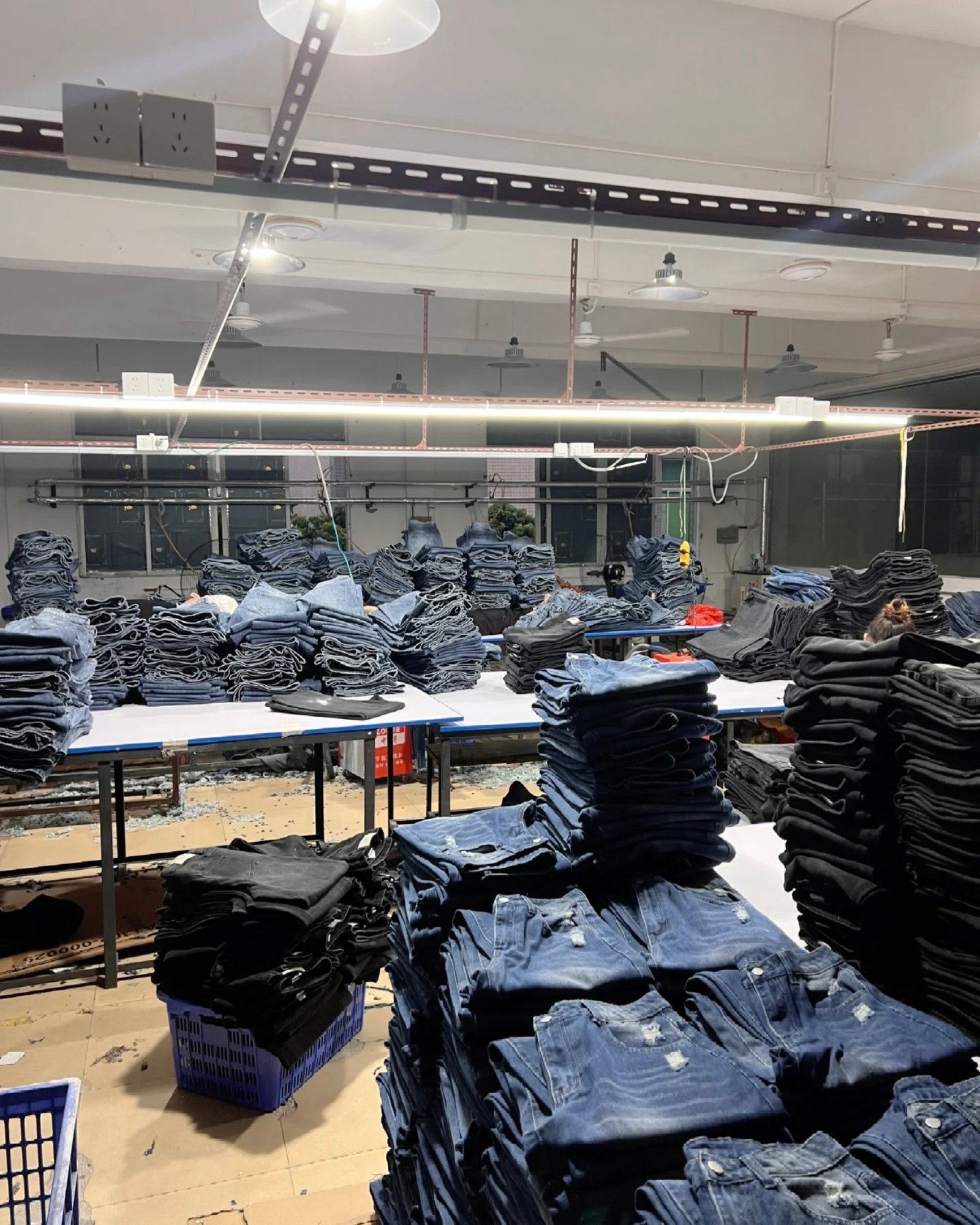
โรงงานตัดเย็บเสื้อผ้าที่สำคัญ
การใช้ตัวบ่งชี้เหล่านี้ในกระบวนการคัดเลือกของคุณ
หากต้องการเลือกโรงงานที่เหมาะสม ให้ทำตามขั้นตอนเหล่านี้:
- สร้างรายการตรวจสอบ: ใช้ตัวชี้วัดทั้ง 5 ประการเพื่อประเมินศักยภาพโรงงาน
- ขอข้อเสนอ: คัดเลือกผู้สมัครและขอข้อเสนอโดยละเอียด
- ดำเนินการทัวร์เสมือนจริงหรือสัมภาษณ์: ประเมินการดำเนินงานและตรวจสอบความยั่งยืนผ่านการตรวจสอบ
- ทดสอบด้วยคำสั่งซื้อตัวอย่าง: ตรวจสอบเวลาดำเนินการ (โดยทั่วไปคือ 2-6 สัปดาห์) เพื่อประเมินความน่าเชื่อถือ
- ตัวเลือกที่หลากหลาย: สร้างสมดุลให้กับผู้ผลิตในประเทศ (การขนส่งที่รวดเร็วขึ้น มาตรฐานแรงงานที่ดีขึ้น) และผู้ผลิตในต่างประเทศ (ต้นทุนที่ต่ำกว่า) เพื่อลดความเสี่ยง
หากต้องการข้อมูลเชิงลึกเกี่ยวกับการผลิตผ้าเดนิมตามสั่งหรือการจัดหาอย่างมีจริยธรรม โปรดสำรวจแหล่งข้อมูลต่างๆ เช่น ไลเดนิม.คอม.
ประโยชน์ของการเลือกโรงงานตัดเย็บเสื้อผ้าตามสั่งที่เหมาะสม
การเลือกโรงงานตามตัวชี้วัดเหล่านี้มีข้อดีที่สำคัญ:
- ความเสี่ยงน้อยที่สุด: หลีกเลี่ยงผลิตภัณฑ์ด้อยคุณภาพ ซึ่งคิดเป็น 39% ของการกล่าวอ้างของลูกค้าในเรื่องเครื่องแต่งกาย
- ความภักดีต่อแบรนด์ที่เพิ่มขึ้น: ผลิตภัณฑ์คุณภาพสูงและมีจริยธรรมดึงดูดผู้บริโภคที่คำนึงถึงความยั่งยืน ช่วยเพิ่มยอดขาย
- ประสิทธิภาพต้นทุน: ความร่วมมือที่แข็งแกร่งช่วยลดการทำงานซ้ำ ลดต้นทุน และข้อขัดแย้งได้มากถึง 62% ผ่านสัญญาที่ชัดเจน
- ความสามารถในการขยายขนาด: โรงงานที่เหมาะสมจะสนับสนุนการเติบโต ช่วยให้แบรนด์ต่างๆ สามารถใช้ประโยชน์จากเทรนด์ต่างๆ เช่น กีฬาเพื่อการพักผ่อนได้

ประโยชน์ของการเลือกโรงงานตัดเย็บเสื้อผ้าตามสั่งที่เหมาะสม
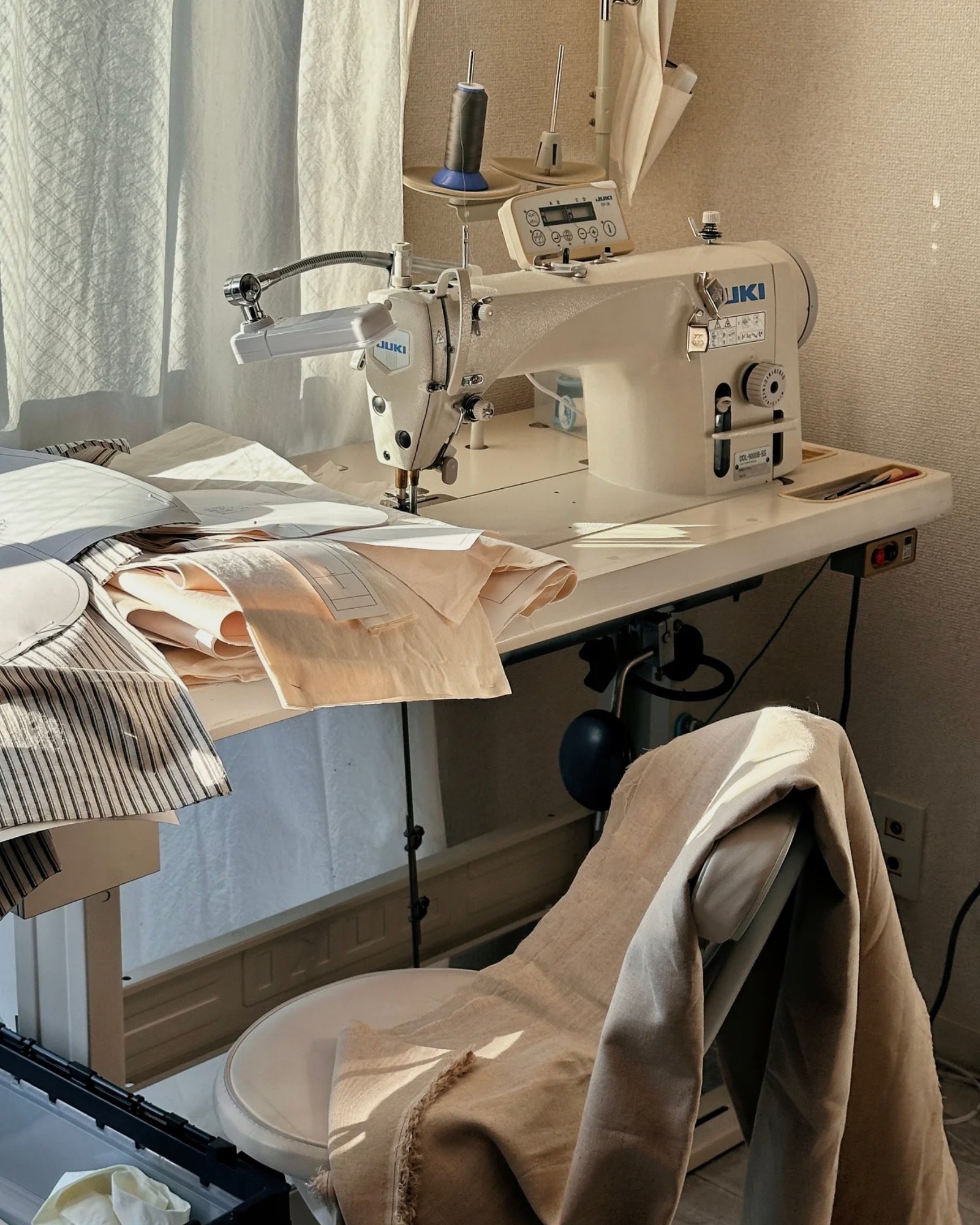
ความท้าทายและแนวทางแก้ไขทั่วไป
เมื่อเลือกโรงงานตัดเย็บเสื้อผ้าตามสั่ง คุณอาจเผชิญกับความท้าทายเหล่านี้:
- ขั้นต่ำที่สูงสำหรับสตาร์ทอัพ: เลือกใช้ผู้ผลิตในประเทศหรือผู้ผลิตที่มีความยืดหยุ่นซึ่งมีปริมาณขั้นต่ำที่ต่ำกว่า (50-100 หน่วย)
- อุปสรรคทางภาษากับโรงงานในต่างประเทศ: ใช้สัญญาโดยละเอียดเพื่อให้เกิดความชัดเจน
- ต้นทุนเกิน: เจรจาส่วนลดตามปริมาณเพื่อจัดการค่าใช้จ่าย
- ข้อกังวลด้านจริยธรรม: ค้นหาทางเลือกอื่นที่ได้รับการรับรองด้วย การค้าที่เป็นธรรม หรือ บี คอร์ป ข้อมูลรับรอง
คำถามที่พบบ่อยเกี่ยวกับการเลือกโรงงานตัดเย็บเสื้อผ้าตามสั่ง
โรงงานตัดเย็บเสื้อผ้าสำเร็จรูปประเภทหลักมีอะไรบ้าง? CMT (การประกอบขั้นพื้นฐาน), FPP (บริการเต็มรูปแบบ) และ ODM (รายการที่ออกแบบไว้ล่วงหน้าที่ปรับแต่งได้)
เหตุใดจึงให้ความสำคัญกับหลักปฏิบัติทางจริยธรรมในโรงงานตัดเย็บเสื้อผ้าตามสั่ง การปฏิบัติตามหลักจริยธรรมช่วยให้มั่นใจได้ถึงแรงงานที่เป็นธรรมและความยั่งยืน ดึงดูดผู้บริโภคและลดความเสี่ยง การรับรองเช่น B Corp ถือเป็นตัวชี้วัดที่สำคัญ
กำลังการผลิตส่งผลต่อการเลือกโรงงานตัดเย็บเสื้อผ้าอย่างไร? มันกำหนดความสามารถในการขยายขนาด กำลังการผลิตที่ไม่ตรงกันอาจทำให้เกิดความล่าช้า โดยมีปริมาณขั้นต่ำตั้งแต่ 50-100 (ในประเทศ) ถึง 500+ (ในต่างประเทศ)
แหล่งข้อมูลเพิ่มเติม
- คำแนะนำภายใน: สำรวจ การจัดหาผ้าอย่างยั่งยืน และ เคล็ดลับการผลิตเครื่องแต่งกาย สำหรับข้อมูลเชิงลึกเพิ่มเติม
- ทรัพยากรภายนอก: เยี่ยมชม มาตรฐานไอเอสโอ เพื่อดูรายละเอียดการรับรองหรือ ไลเดนิม.คอม สำหรับเคล็ดลับการผลิตเดนิมตามสั่ง
บทสรุป
การเลือกโรงงานตัดเย็บเสื้อผ้าตามสั่งโดยใช้สิ่งเหล่านี้ 5 key indicators รับประกันผลิตภัณฑ์คุณภาพสูง หลักปฏิบัติด้านจริยธรรม และการเติบโตของธุรกิจ เริ่มประเมินโรงงานวันนี้เพื่อสร้างรากฐานที่แข็งแกร่งสำหรับความสำเร็จของแบรนด์ของคุณในอุตสาหกรรมแฟชั่นที่มีการแข่งขันสูง
บริการปรับแต่งโดย LYDENIM
ฝันถึงผ้าคุณภาพสูงที่มีเนื้อสัมผัสยอดเยี่ยมและความทนทานเหนือชั้นหรือไม่? LY Denim ผู้เชี่ยวชาญด้านเสื้อผ้าคุณภาพระดับพรีเมียมและโซลูชันการออกแบบเสื้อผ้าตามคำสั่งเฉพาะ เพื่อช่วยให้คุณเปลี่ยนไอเดียสร้างสรรค์ให้กลายเป็นความจริงอย่างแม่นยำและมีสไตล์
🎨 ผ้าพิเศษที่ออกแบบเฉพาะ
ออกแบบคอลเลกชันผ้าของคุณเองด้วยวัสดุระดับพรีเมียมจาก LY Denim ไม่ว่าจะเป็นส่วนผสมฝ้ายหรูหรา หรือผ้าที่เป็นมิตรต่อสิ่งแวดล้อมและมีความสร้างสรรค์ ลองสำรวจสี สไตล์การพันผ้า และเทคนิคการตกแต่งที่เข้ากันได้อย่างลงตัวกับแบรนด์หรือแนวคิดการออกแบบของคุณ รับชมเพิ่มเติมได้ที่ ลีเดนิม เพื่อเรียนรู้เพิ่มเติม
🛍️ โซลูชั่นเสื้อผ้าตัดเย็บตามสั่ง
มอบความเป็นจริงให้กับการออกแบบของคุณผ่านบริการผลิตเสื้อผ้าตามคำสั่งเฉพาะของเรา ไม่ว่าจะเป็นชุดสูทที่ตัดพอดี ชุดเดรสสไตล์หรู หรือเสื้อผ้าทำงานที่ทนทาน เราให้ความมั่นใจในความพอดีอย่างสมบูรณ์ ความสบายระดับพรีเมียม และคุณภาพที่ยั่งยืน สำรวจตัวเลือกการปรับแต่งได้ที่ มายอาลีบาบา
📩 ติดต่อเราได้เลย
คุณมีโครงการใดๆ ที่สนใจไหม? กรุณาติดต่อทีมของเราที่ Malone@lydenim.com เพื่อหารือเกี่ยวกับผ้าที่ออกแบบเฉพาะ การออกแบบเสื้อผ้า หรือแนวทางการผลิตสิ่งทออย่างยั่งยืน
เปลี่ยนไอเดียของคุณให้กลายเป็นความจริงด้วย LY Denim — ผู้ร่วมทางที่เชื่อถือได้ในด้านผ้าคุณภาพสูงที่มีนวัตกรรม และโซลูชันเสื้อผ้าที่ออกแบบเฉพาะตามความต้องการ
คำถามที่พบบ่อย
สามารถปรับแต่งให้เหมาะกับแบรนด์หรือคอลเลกชันของฉันได้หรือไม่?
ใช่ ส่งใบสมัคร รูปภาพอ้างอิง คุณภาพเป้าหมาย ปริมาณ และข้อกำหนดของตลาด เพื่อให้ซัพพลายเออร์สามารถแนะนำตัวเลือกผ้า เครื่องแต่งกาย หรือการตกแต่งที่เหมาะสมได้
ฉันควรส่งข้อมูลอะไรบ้างก่อนที่จะขอใบเสนอราคา?
จัดเตรียมประเภทผลิตภัณฑ์ ผ้าหรือเทคนิคเป้าหมาย ทิศทางสี ความต้องการตัวอย่าง ปริมาณ ประเทศปลายทาง และระยะเวลารอคอยสินค้าที่คาดหวัง
ฉันควรขอตัวอย่างก่อนการผลิตจำนวนมากหรือไม่
ใช่ ตัวอย่างและระยะตัวอย่างจะช่วยลดความเสี่ยงก่อนสั่งซื้อจำนวนมาก โดยเฉพาะอย่างยิ่งเมื่อคุณภาพสี ความรู้สึกทางมือ การยืด พื้นผิว หรือการตกแต่งมีความสำคัญ
ฉันจะหลีกเลี่ยงปัญหาด้านคุณภาพในคำสั่งซื้อจำนวนมากได้อย่างไร
อนุมัติมาตรฐานตัวอย่างที่ชัดเจน กำหนดข้อกำหนดในการทดสอบ ยืนยันความคลาดเคลื่อน และเปรียบเทียบผลผลิตจำนวนมากกับตัวอย่างที่ได้รับอนุมัติก่อนจัดส่ง
ต้องการความช่วยเหลือในการเปลี่ยนสิ่งนี้ให้เป็นบรีฟการจัดหาที่พร้อมสำหรับการผลิตหรือไม่
ส่งสินค้าเป้าหมายของคุณ ทิศทางผ้า ปริมาณ และความต้องการตัวอย่าง LY Denim สามารถช่วยเปรียบเทียบตัวเลือกและเตรียมใบเสนอราคาได้