


17 เทคนิคการพิมพ์และปักลวดลายบนเสื้อผ้าเฉพาะทาง ที่อธิบายอย่างละเอียดสำหรับแบรนด์และผู้ซื้อ
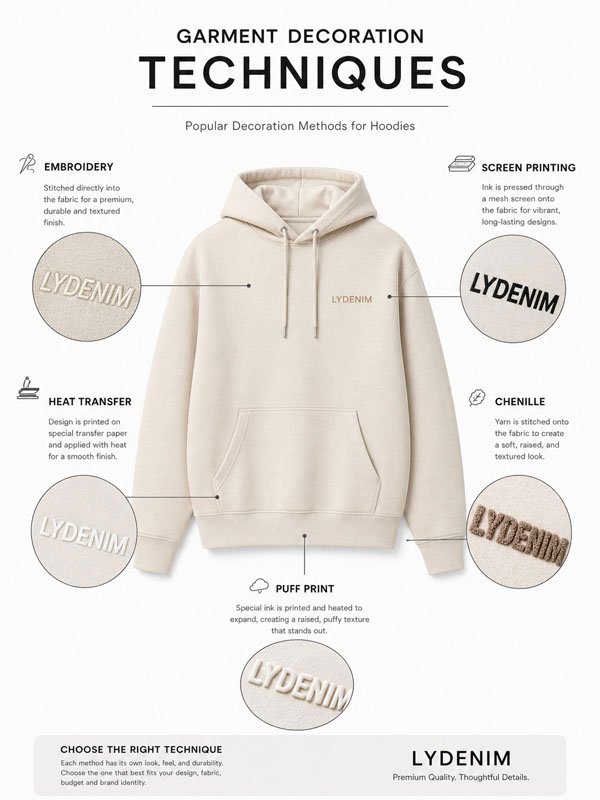
17 เทคนิคการพิมพ์และปักลวดลายบนเสื้อผ้าเฉพาะทาง ที่อธิบายอย่างละเอียดสำหรับแบรนด์และผู้ซื้อ
สำรวจเทคนิคการพิมพ์และการปักเครื่องแต่งกายแบบกำหนดเอง 17 แบบสำหรับแบรนด์แฟชั่น เปรียบเทียบงานปัก งานสกรีน งานพิมพ์พัฟ งานเชนิล งานพิมพ์ซิลิโคน และอื่นๆ
สรุปผู้ซื้อ
สำหรับแบรนด์เครื่องแต่งกายและทีมขนาดเล็ก หัวข้อนี้ควรเชื่อมโยงการตัดสินใจด้านการออกแบบกับการสุ่มตัวอย่าง การผลิต ปริมาณขั้นต่ำ วิธีการตกแต่ง และความพร้อมในการเสนอราคา
- ผู้ซื้อที่เหมาะสมแบรนด์แฟชั่น ทีมจัดหา ผู้ค้าส่ง โรงงานตัดเย็บเสื้อผ้า และผู้พัฒนาผลิตภัณฑ์
- สิ่งที่ต้องยืนยันเป้าหมายผลิตภัณฑ์ ทิศทางของผ้า ผิวสำเร็จ ความต้องการตัวอย่าง ปริมาณ และตลาดการจัดส่ง
- ความเสี่ยงของผู้ซื้อข้อมูลจำเพาะที่ไม่ชัดเจนอาจนำไปสู่ตัวอย่างที่ไม่ถูกต้อง คุณภาพปริมาณมากไม่แน่นอน และการเสนอราคาที่ช้า
- CTA ที่แนะนำขอตัวอย่างหรือใบเสนอราคาตัวอย่างก่อนที่จะดำเนินการผลิตจำนวนมาก
เหตุใดจึงสำคัญสำหรับผู้ซื้อ B2B
ยืนยันเนื้อผ้า โครงสร้าง เทคนิคโลโก้ ความต้องการตัวอย่าง และปริมาณการสั่งซื้อก่อนเปรียบเทียบซัพพลายเออร์
สำรวจเทคนิคการพิมพ์และการปักเครื่องแต่งกายแบบกำหนดเอง 17 แบบสำหรับแบรนด์แฟชั่น เปรียบเทียบงานปัก งานสกรีน งานพิมพ์พัฟ งานเชนิล งานพิมพ์ซิลิโคน และอื่นๆ
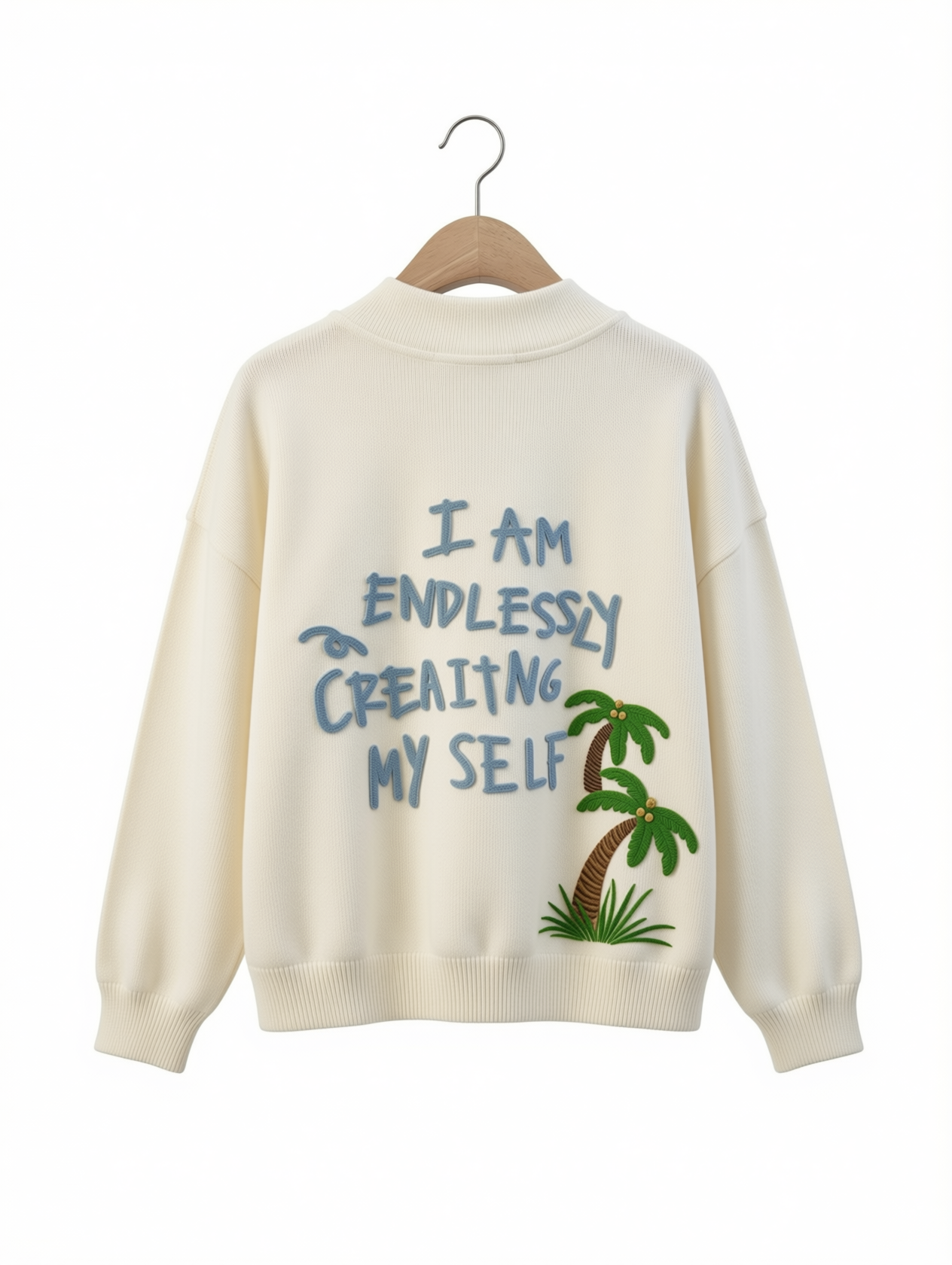
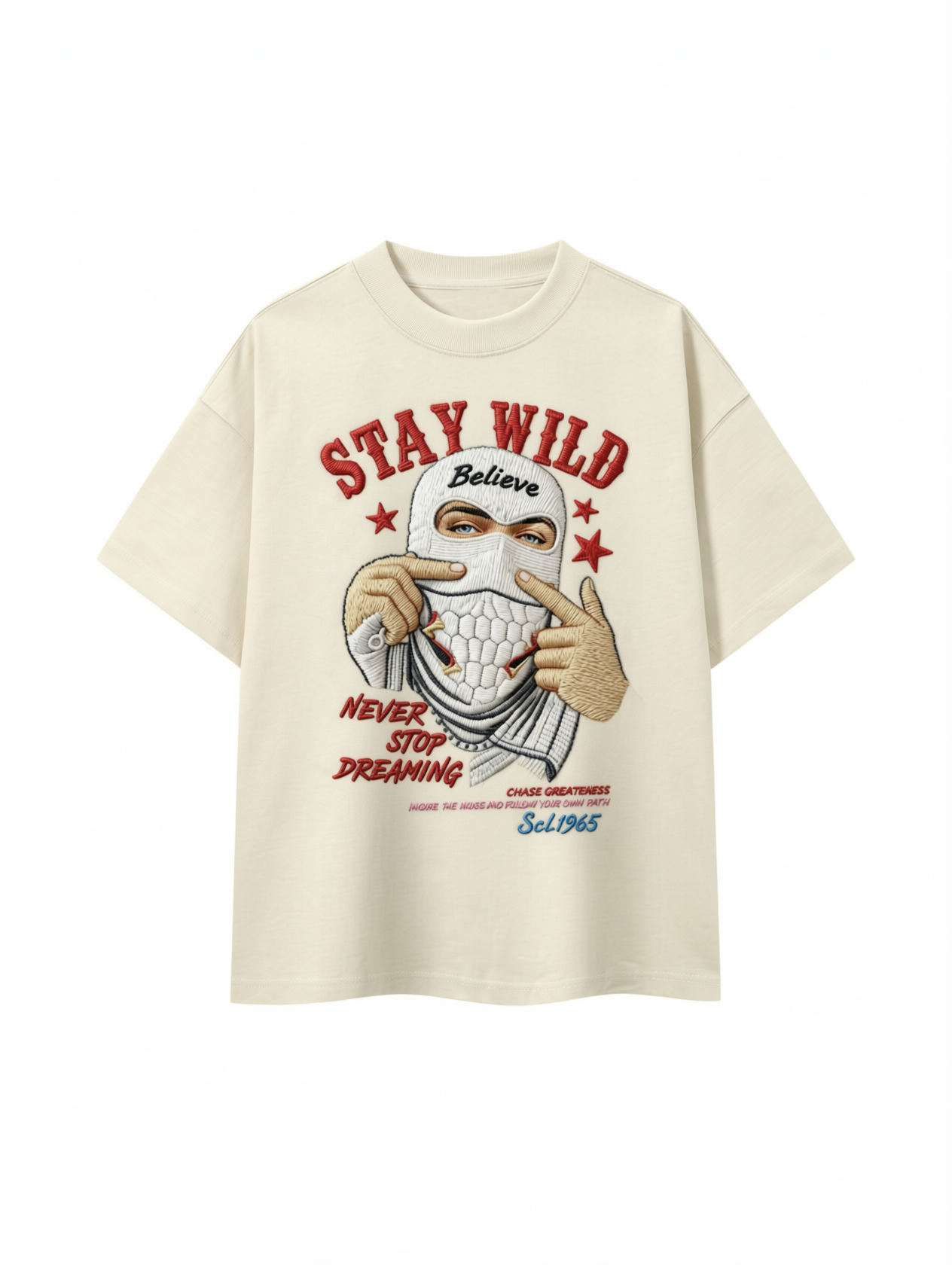
ตารางข้อมูลจำเพาะสำหรับการจัดหาที่เร็วขึ้น
| จุดตัดสินใจ | ตัวเลือกในการเปรียบเทียบ | ทำไมมันถึงสำคัญ | คำถามของผู้ซื้อ |
|---|---|---|---|
| ประเภทสินค้า | เสื้อฮู้ด เสื้อยืด กางเกงยีนส์ แจ็คเก็ต เครื่องแต่งกายตามสั่ง | ควบคุมการเลือกผ้า ลวดลาย การตกแต่ง และการก่อสร้าง | คุณกำลังพัฒนาผลิตภัณฑ์ใด? |
| การปรับแต่ง | งานปัก งานสกรีน งานพิมพ์พัฟ งานปัก งานซัก | ส่งผลต่อต้นทุนตัวอย่าง ขั้นต่ำ และเวลานำ | คุณมีอาร์ตเวิร์คหรือเทคนิคอ้างอิงหรือไม่? |
| ผ้าและ GSM | ตัวเลือกเบา ปานกลาง หรือเฮฟวี่เวท | กำหนดความรู้สึกมือ ฤดูกาล และตำแหน่งการขายปลีก | คุณต้องการความรู้สึกมือและระดับราคาแบบใด |
| แผนการสั่งซื้อ | ต้นแบบ ชุดเล็ก การผลิตจำนวนมาก | เปลี่ยนแปลงราคา ไทม์ไลน์ และการตั้งค่าการผลิต | คุณต้องการตัวอย่างหรือใบเสนอราคาจำนวนมากก่อนหรือไม่? |
แอปพลิเคชันและตัวเลือกแบบกำหนดเอง
การพัฒนาผลิตภัณฑ์
ใช้คู่มือนี้เพื่อเปลี่ยนแนวคิดการออกแบบให้เป็นข้อกำหนดด้านเนื้อผ้า เครื่องแต่งกาย การตกแต่ง และตัวอย่าง
การเปรียบเทียบซัพพลายเออร์
เปรียบเทียบซัพพลายเออร์ตามการสนับสนุนตัวอย่าง ความชัดเจนทางเทคนิค ความเสถียรของปริมาณรวม และความเร็วในการสื่อสาร
การผลิตจำนวนมาก
ยืนยันมาตรฐานคุณภาพ ตัวอย่างที่ได้รับอนุมัติ และไทม์ไลน์ก่อนสั่งผลิต
จุดควบคุมคุณภาพก่อนสั่งซื้อจำนวนมาก
- OKการอนุมัติตัวอย่าง: ยืนยันผ้า สี ความรู้สึกมือ โครงสร้าง และการตกแต่งก่อนการผลิตจำนวนมาก
- OKความสม่ำเสมอเป็นกลุ่ม: เปรียบเทียบล็อตจำนวนมากกับตัวอย่างที่ได้รับอนุมัติภายใต้แสงและสภาวะการทดสอบเดียวกัน
- OKการทดสอบประสิทธิภาพ: ตรวจสอบการหดตัว ความคงทนของสี การยืดตัวคืนสภาพ หรือความทนทานของการตกแต่งตามที่เกี่ยวข้อง
- OKความชัดเจนของคำพูด: ส่งปริมาณ ปลายทาง ความต้องการบรรจุภัณฑ์ และเวลานำเป้าหมายเพื่อหลีกเลี่ยงการกำหนดราคาที่คลุมเครือ
กระบวนการพัฒนาตัวอย่าง
| ขั้นตอน | ผู้ซื้อจัดให้ | ซัพพลายเออร์ยืนยัน |
|---|---|---|
| 1. บรีฟ | การใช้งาน รูปภาพอ้างอิง คุณภาพและปริมาณเป้าหมาย | ความเป็นไปได้ วัสดุที่แนะนำ และตัวเลือกแบบกำหนดเอง |
| 2. สวอตช์ผ้า | สี สัมผัสมือ รูปแบบ หรือการตอบสนองขั้นสุดท้ายที่ต้องการ | สต็อกที่มีอยู่ ทิศทางที่กำหนดเอง และต้นทุนตัวอย่าง |
| 3. ตัวอย่าง | แผนการทดสอบเสื้อผ้า ขนาด หรือความต้องการระยะ | เส้นเวลาการสุ่มตัวอย่างและความสามารถในการทำซ้ำของการผลิต |
| 4. ใบเสนอราคาจำนวนมาก | ปริมาณการสั่งซื้อ ปลายทางการจัดส่ง และความต้องการบรรจุภัณฑ์ | ราคาต่อหน่วย, ขั้นต่ำ, เวลานำและจุดตรวจควบคุมคุณภาพ |
คู่มือโดยละเอียด
เวลาอ่านโดยประมาณ: ~4 นาที
ในกระบวนการผลิตเสื้อผ้าสมัยใหม่ วัสดุเพียงอย่างเดียวก็ไม่เพียงพอแล้วในการสร้างความแตกต่างให้กับผลิตภัณฑ์
สำหรับแบรนด์แฟชั่น แบรนด์เสื้อผ้าสไตล์สตรีทเว어 และธุรกิจผลิตเสื้อผ้าตามคำสั่งเฉพาะ เทคนิคการตกแต่งมีบทบาทสำคัญอย่างยิ่งในการกำหนดอัตลักษณ์ของผลิตภัณฑ์ มูลค่าที่ลูกค้ารับรู้ และประสบการณ์การใช้งานของลูกค้า
เทคนิคที่แตกต่างกันทำให้เกิดเอฟเฟ็กต์ภาพ พื้นผิว ระดับความทนทาน และต้นทุนการผลิตที่แตกต่างกันโดยสิ้นเชิง วิธีการบางอย่างเหมาะสำหรับการสร้างแบรนด์ระดับพรีเมียม ในขณะที่วิธีอื่นๆ เหมาะสำหรับการผลิตจำนวนมากหรือคอลเลกชันที่เป็นส่วนตัวสูง
คู่มือนี้จะอธิบายสิ่งที่ใช้กันอย่างแพร่หลายที่สุด เทคนิคการพิมพ์เครื่องแต่งกายแบบกำหนดเอง และวิธีการปัก ช่วยให้แบรนด์และผู้ซื้อเลือกโซลูชันที่เหมาะสมตามเป้าหมายการออกแบบ งบประมาณ ปริมาณการสั่งซื้อ และตลาดเป้าหมาย
ทำไมเทคนิคการตกแต่งจึงมีความสำคัญในการผลิตเครื่องแต่งกาย
การเลือกวิธีตกแต่งให้เหมาะสมมีผลมากกว่ารูปลักษณ์ภายนอก
มันส่งผลโดยตรงต่อ:
- การวางตำแหน่งผลิตภัณฑ์
- ต้นทุนการผลิต
- ความทนทาน
- การรับรู้ของลูกค้า
- ประสิทธิภาพการผลิต
ตัวอย่างเช่น:
- เสื้อฮู้ดสตรีทแวร์สุดหรูอาจใช้การปักเชนิลล์หรือการพิมพ์ลายนูน 3 มิติเพื่อเนื้อสัมผัสและความพิเศษ
- แบรนด์เสื้อยืดส่งเสริมการขายอาจต้องการการพิมพ์สกรีนเพื่อลดต้นทุนจำนวนมาก
- การเริ่มต้นทดสอบการออกแบบใหม่อาจใช้การพิมพ์แบบถ่ายเทความร้อนเนื่องจากมีต้นทุนการติดตั้งต่ำ
การทำความเข้าใจจุดแข็งและข้อจำกัดของแต่ละวิธีจะช่วยหลีกเลี่ยงข้อผิดพลาดในการผลิตที่มีค่าใช้จ่ายสูง
1. การปัก (การปักด้วยเครื่องจักร)
คุณสมบัติ
การปักใช้ด้ายที่เย็บเข้ากับเนื้อผ้าโดยตรงผ่านเครื่องปักคอมพิวเตอร์หรือวิธีการเย็บแบบแมนนวล รูปแบบทั่วไป ได้แก่ ตะเข็บซาติน ตะเข็บลูกโซ่ และการเย็บแบบชั้น
ใช้ดีที่สุดสำหรับ:
- โลโก้
- ชื่อแบรนด์
- กราฟิกตกแต่งขนาดเล็ก
ข้อดี
- รูปลักษณ์ระดับพรีเมียมและหรูหรา
- ความทนทานดีเยี่ยม (ซักมากกว่า 50 ครั้ง)
- เนื้อสัมผัสที่หลากหลายและเอฟเฟกต์แบบเลเยอร์
- การรับรู้ถึงแบรนด์ที่แข็งแกร่ง
ข้อจำกัด
- ต้นทุนการผลิตที่สูงขึ้น
- ไม่เหมาะกับกราฟิกขนาดใหญ่มาก
- การไล่ระดับสีที่ซับซ้อนเป็นเรื่องยาก
ดีที่สุดสำหรับ
เสื้อฮู้ดพรีเมี่ยม เสื้อโปโล แจ็คเก็ต ชุดยูนิฟอร์ม
กระบวนการปัก
2. เย็บปักถักร้อยแบบแบน
คุณสมบัติ
การปักแบบเรียบใช้การเย็บแบบมาตรฐานโดยไม่มีพื้นผิวนูนขึ้น มันสร้างรูปลักษณ์ที่สะอาดและเป็นมืออาชีพ
ข้อดี
- ต้นทุนต่ำกว่างานปัก 3 มิติ
- ความเร็วในการผลิตเร็วขึ้น
- ผลลัพธ์ที่มั่นคงและสะอาด
ข้อจำกัด
- เอฟเฟกต์มิติน้อยลง
- รูปลักษณ์ที่ดูเรียบง่ายยิ่งขึ้น
ดีที่สุดสำหรับ
เครื่องแต่งกายขององค์กร การสร้างแบรนด์แบบเรียบง่าย การผลิตจำนวนมาก
เย็บปักถักร้อยแบบแบน
3. การพิมพ์การถ่ายเทความร้อน
คุณสมบัติ
การออกแบบจะถูกพิมพ์ลงบนฟิล์มหรือกระดาษถ่ายโอนก่อน จากนั้นจึงนำไปใช้กับผ้าโดยใช้ความร้อนและแรงกด
ประเภททั่วไป:
- DTF
- HTV
- การถ่ายโอนระเหิด
ข้อดี
- ยอดเยี่ยมสำหรับการสั่งซื้อขนาดเล็ก
- กราฟิกสีเต็มรูปแบบและคุณภาพของภาพถ่าย
- ต้นทุนการติดตั้งต่ำ
ข้อจำกัด
- ให้ความรู้สึกเหมือนพลาสติกเล็กน้อย
- ระบายอากาศได้น้อยลง
- อาจแตกร้าวหลังจากซักซ้ำหลายครั้ง
ดีที่สุดสำหรับ
การผลิตจำนวนน้อย สตาร์ทอัพ เครื่องแต่งกายตามสั่ง
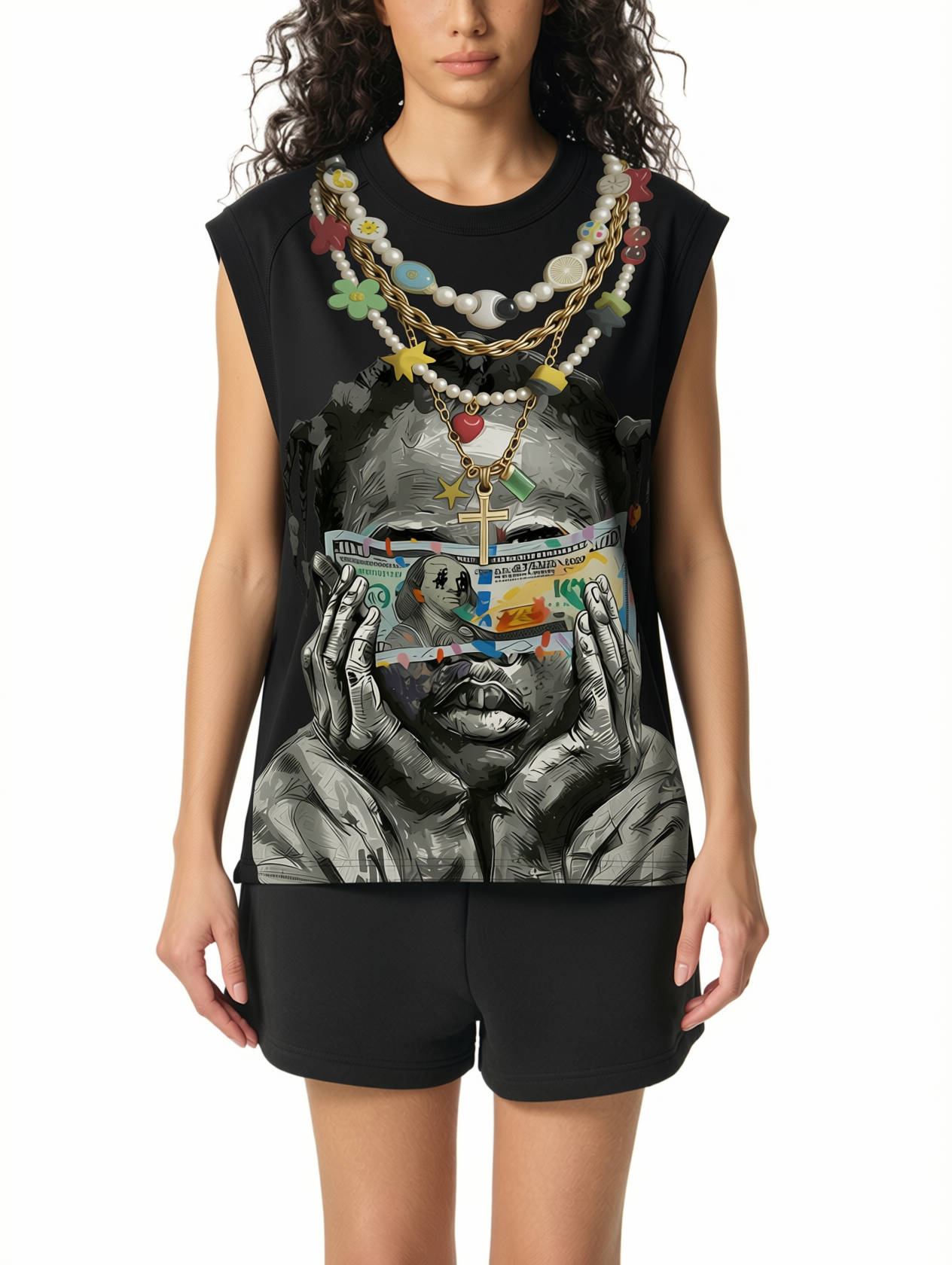
การถ่ายเทความร้อน
4. การพิมพ์สกรีน
คุณสมบัติ
หมึกถูกผลักผ่านตะแกรงตาข่ายลงบนผ้า แต่ละสีต้องใช้หน้าจอแยกกัน
ข้อดี
- ทนทานมาก
- สีสันสดใส
- สัมผัสผ้าธรรมชาติ
- คุ้มค่าสำหรับการผลิตจำนวนมาก
ข้อจำกัด
- ต้นทุนการติดตั้งสูงสำหรับคำสั่งซื้อขนาดเล็ก
- ความซับซ้อนของสีมีจำกัด
- ไม่เหมาะสำหรับรายละเอียดระดับภาพถ่าย
ดีที่สุดสำหรับ
เสื้อยืด เสื้อมีฮู้ด เครื่องแต่งกายส่งเสริมการขาย สั่งจำนวนมาก
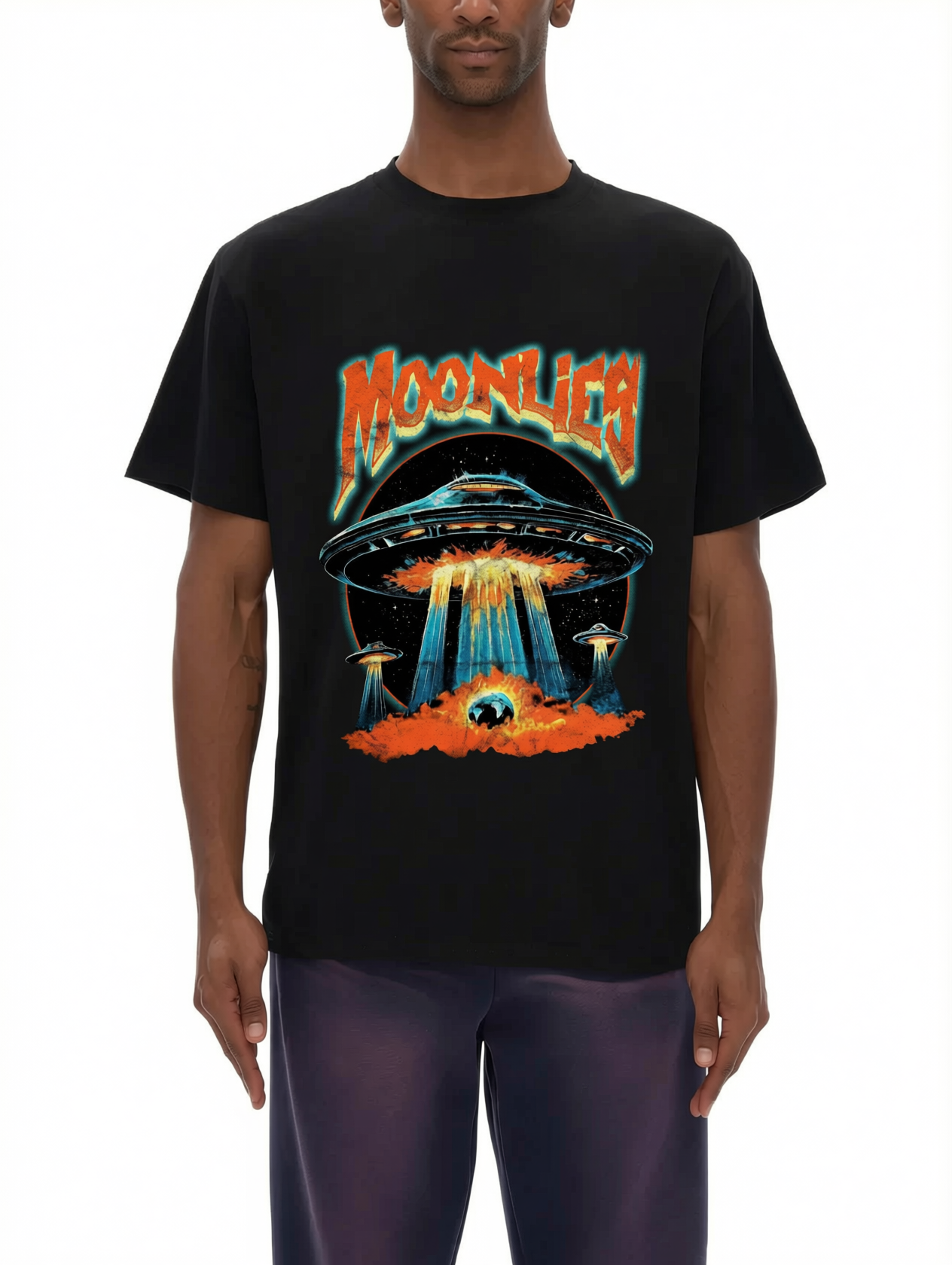
การพิมพ์สกรีน
5. การพิมพ์แบบเต็มรูปแบบ 3 มิติ (การพิมพ์แบบความหนาแน่นสูง)
คุณสมบัติ
ชั้นหมึกหลายชั้นสร้างพื้นผิว 3 มิติที่ยกขึ้นพร้อมพื้นผิวที่แข็งแกร่งและผลกระทบต่อภาพ
ข้อดี
- ลักษณะ 3 มิติที่เป็นตัวหนา
- ลุคสตรีทแวร์ระดับพรีเมียม
- ผลสัมผัสที่แข็งแกร่ง
ข้อจำกัด
- ต้นทุนที่สูงขึ้น
- รายละเอียดเล็กๆ น้อยๆ อาจทำให้เสียรูปได้
- ลดการระบายอากาศในพื้นที่ขนาดใหญ่
ดีที่สุดสำหรับ
สตรีทแวร์ ชุดกีฬา กราฟิกขนาดใหญ่
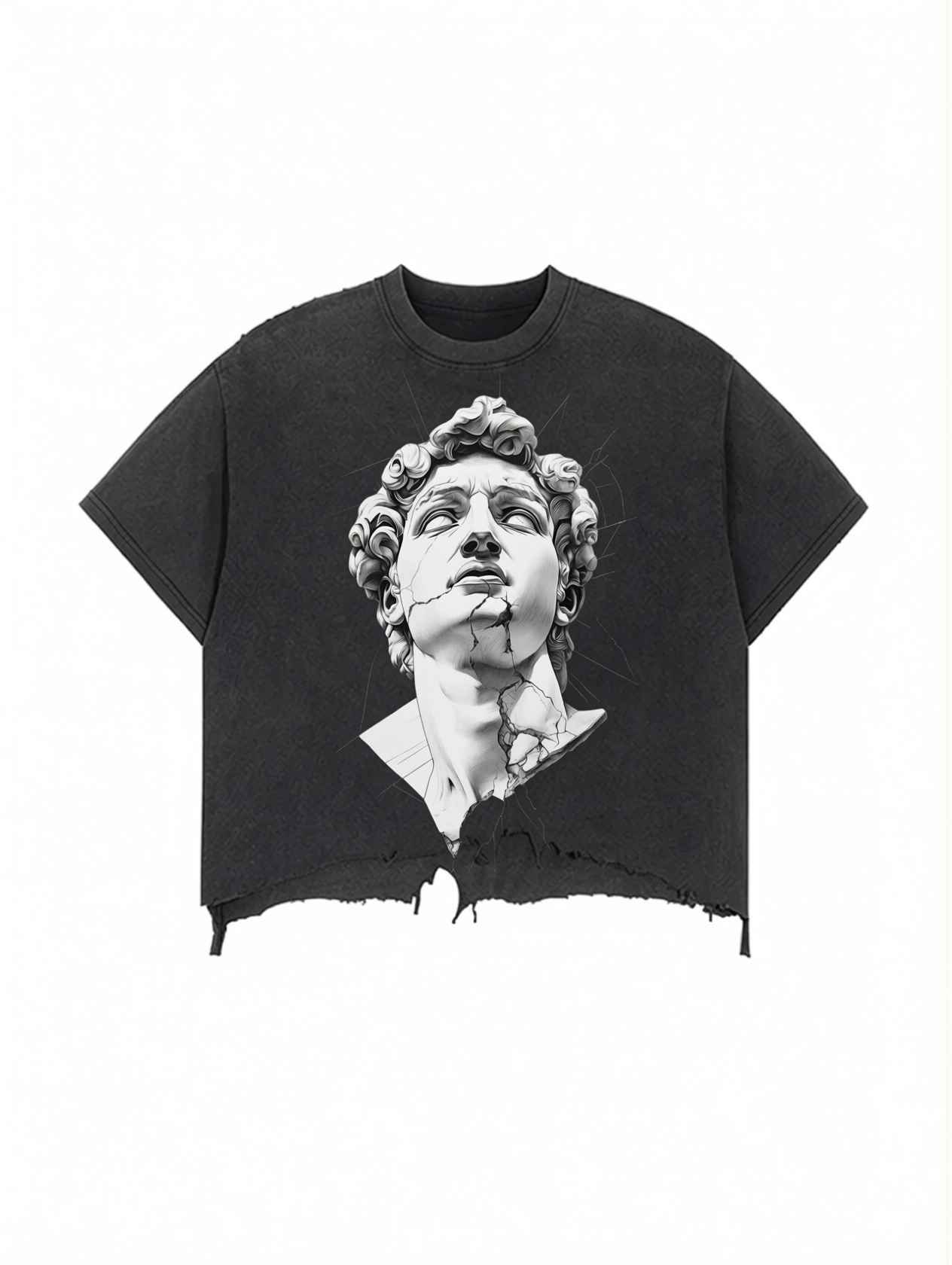
การพิมพ์ 3D เต็มรูปแบบ
6. การเพ้นท์มือ
คุณสมบัติ
งานศิลปะถูกวาดลงบนเสื้อผ้าโดยตรงโดยใช้สีสิ่งทอหรือปากกามาร์กเกอร์บนผ้า
ข้อดี
- รูปลักษณ์อันเป็นเอกลักษณ์เฉพาะตัว
- ความรู้สึกทางศิลปะและงานฝีมือ
- การเปลี่ยนสีตามธรรมชาติ
ข้อจำกัด
- ไม่สามารถปรับขนาดได้สำหรับการผลิตจำนวนมาก
- ค่าแรงที่สูงขึ้น
- ต้องมีการยึดสีเพื่อความทนทาน
ดีที่สุดสำหรับ
คอลเลกชั่นแฟชั่นแนวอาร์ตจำนวนจำกัด
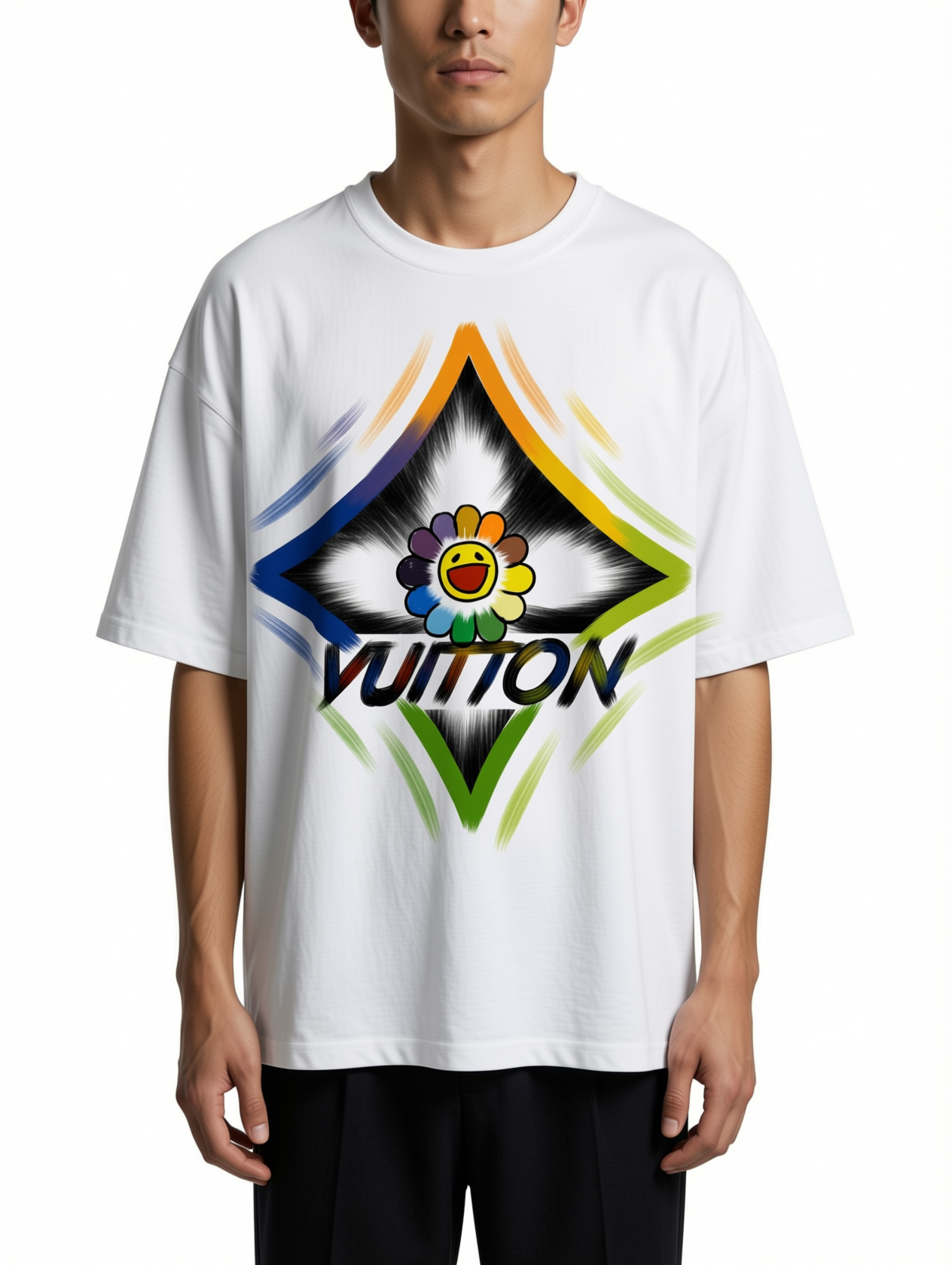
ภาพวาดมือ
7. มัดย้อม
คุณสมบัติ
ผ้าถูกพับและมัดก่อนย้อมเพื่อสร้างลวดลายและการไล่ระดับสีแบบสุ่ม
ข้อดี
- สุนทรียศาสตร์แบบวินเทจ
- นุ่มนวลและดูเป็นธรรมชาติ
- ความต้องการอุปกรณ์ที่ต่ำกว่า
ข้อจำกัด
- รูปแบบไม่สอดคล้องกัน
- ยากที่จะควบคุมผลลัพธ์ที่แน่นอน
- อาจจางหายไปตามกาลเวลา
ดีที่สุดสำหรับ
ชุดลำลอง คอลเลกชันฤดูร้อน แฟชั่นย้อนยุค
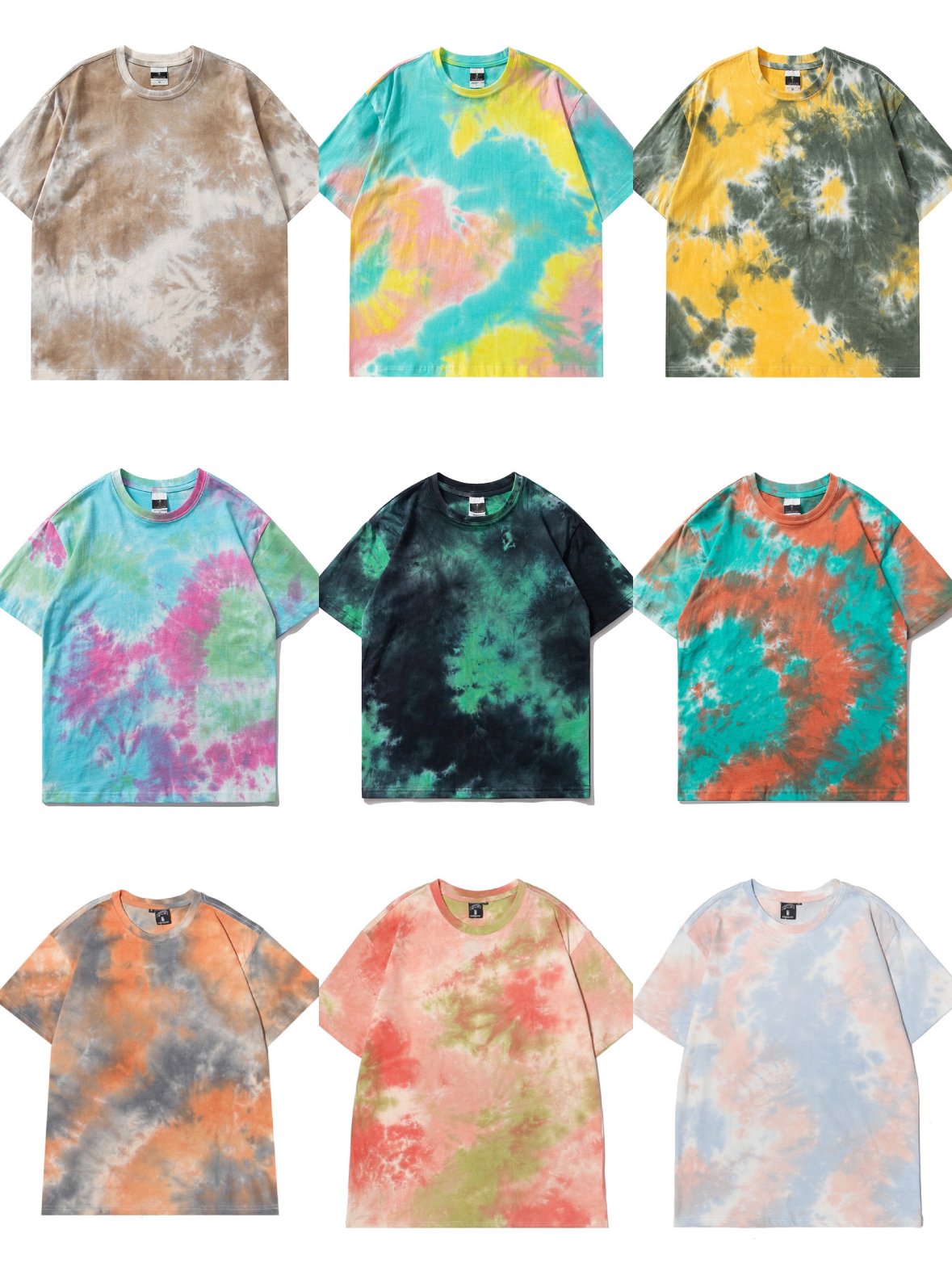
มัดย้อม
8. แพทช์ปัก
คุณสมบัติ
แผ่นปักที่แยกจากกันจะถูกติดโดยการเย็บหรือการรีดด้วยความร้อน
ข้อดี
- ถอดเปลี่ยนได้และมีความยืดหยุ่น
- ง่ายสำหรับการอัปเดตแบรนด์
- เอฟเฟกต์มิติที่ดี
ข้อจำกัด
- ขอบแพทช์ที่มองเห็นได้
- เวอร์ชันที่ใช้ความร้อนอาจลอกออกได้
ดีที่สุดสำหรับ
แจ็คเก็ตตัวแทน ชุดทำงาน เครื่องแต่งกายยุทธวิธี
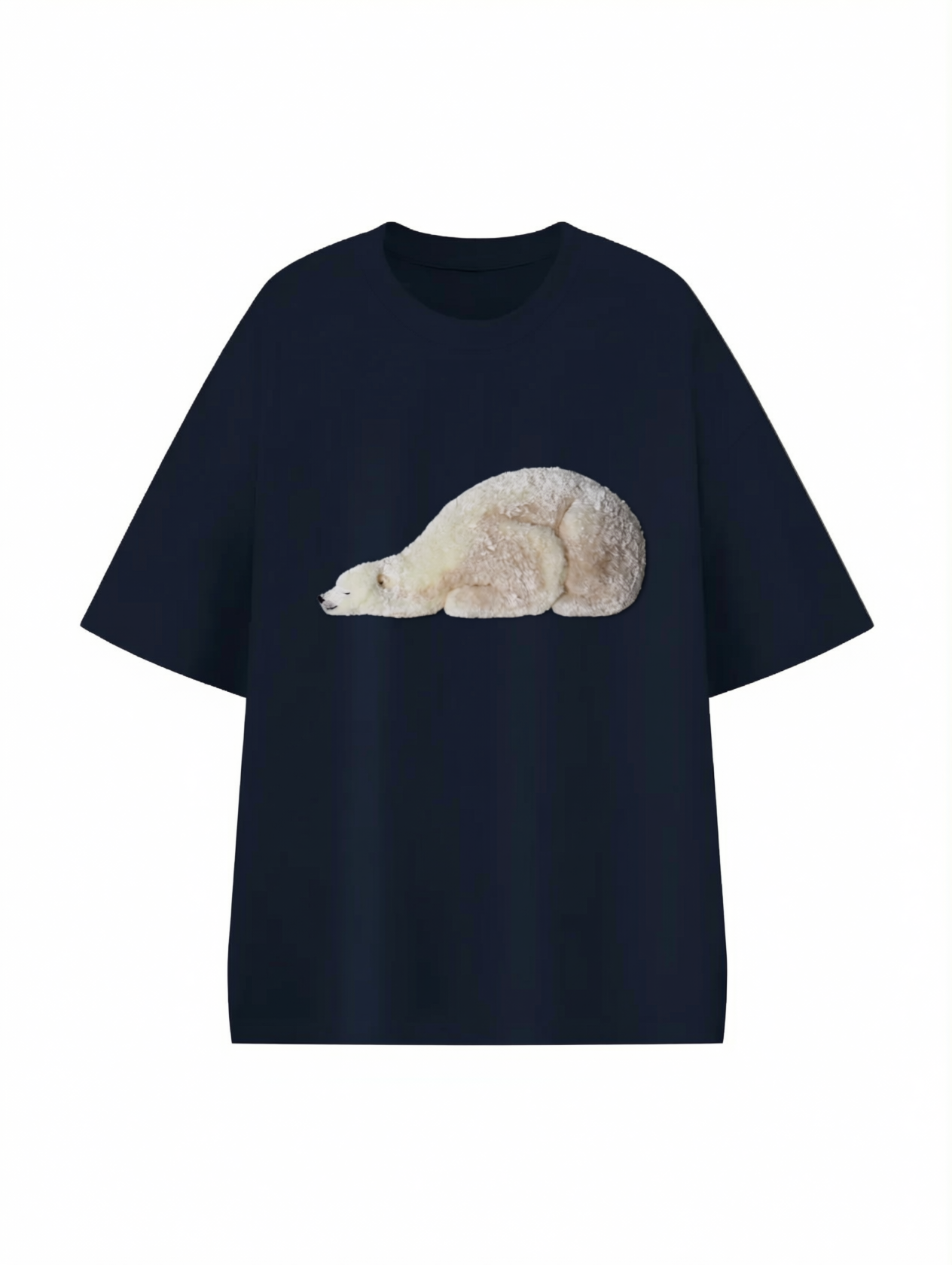
แพทช์ปัก
9. การพิมพ์พัฟ
คุณสมบัติ
สารทำให้เกิดฟองภายในหมึกจะขยายตัวภายใต้ความร้อนเพื่อสร้างเอฟเฟกต์ที่เพิ่มขึ้น
ข้อดี
- พื้นผิว 3D นุ่ม
- รูปลักษณ์ที่สะดุดตา
- ต้นทุนปานกลาง
ข้อจำกัด
- สามารถแบนตามกาลเวลาได้
- ไม่เหมาะสำหรับงานศิลปะที่มีรายละเอียดสูง
ดีที่สุดสำหรับ
โลโก้สตรีทและการพิมพ์
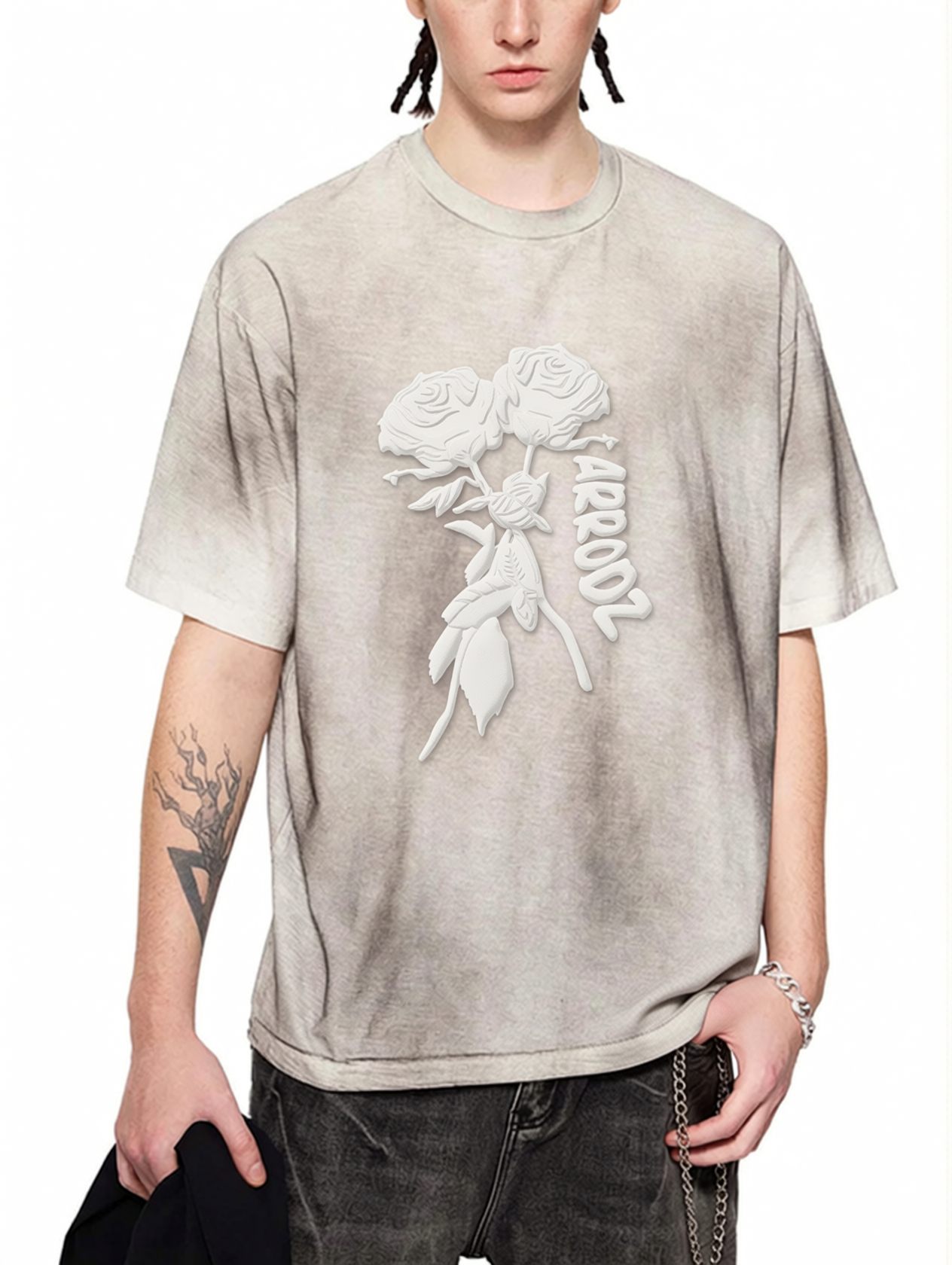
การพิมพ์พัฟ
10. การพิมพ์ซิลิโคน
คุณสมบัติ
หมึกที่ใช้ซิลิโคนสร้างกราฟิกที่ยกขึ้นอย่างยืดหยุ่นและนุ่มนวล
ข้อดี
- มีความยืดหยุ่นดีเยี่ยม
- ทนต่อการซัก
- สัมผัสสบาย
ข้อจำกัด
- ต้นทุนการผลิตที่สูงขึ้น
- ต้องใช้อุปกรณ์พิเศษ
ดีที่สุดสำหรับ
ชุดกีฬาและเครื่องแต่งกายสำหรับการแสดง
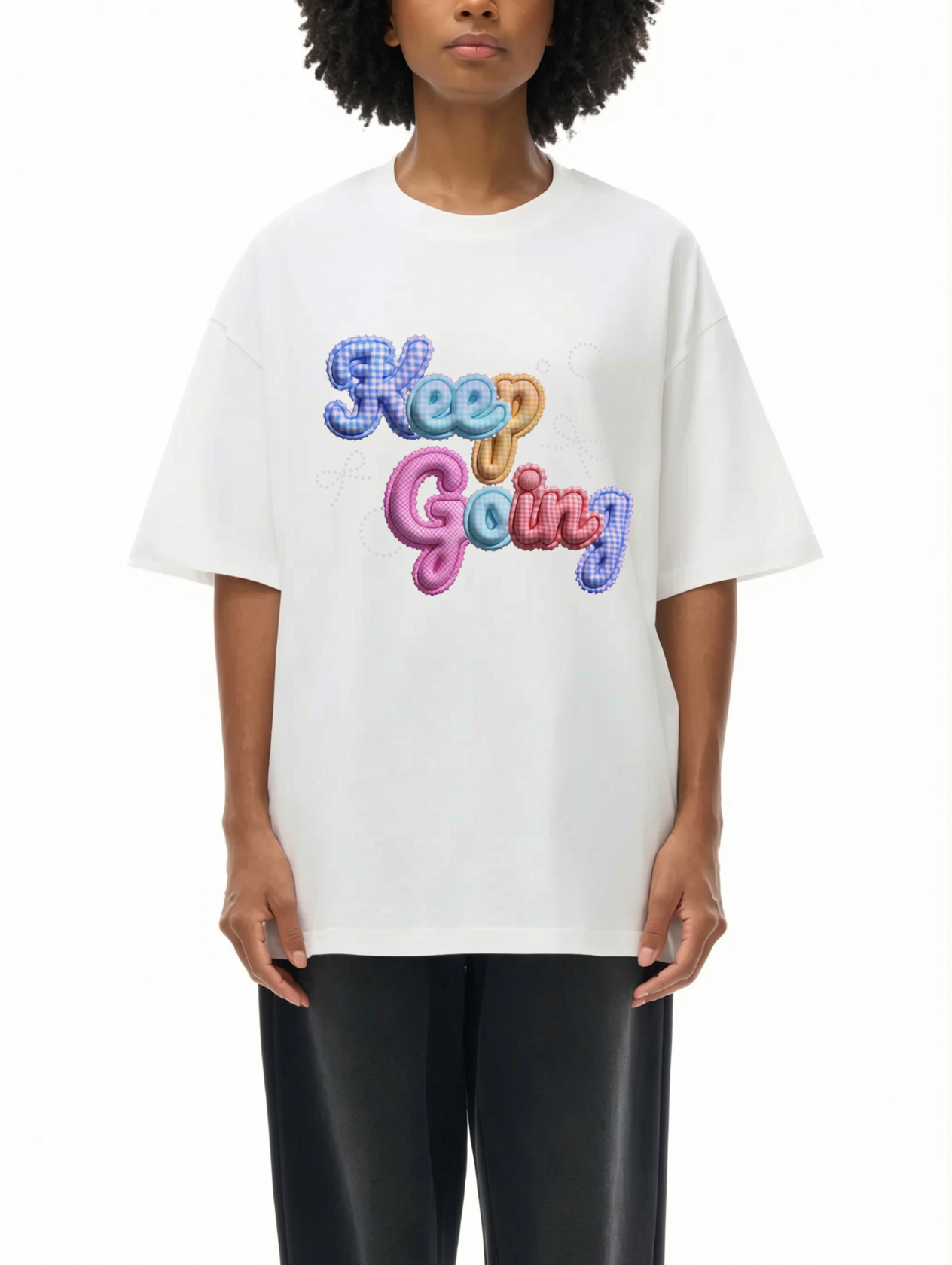
การพิมพ์ซิลิโคน
11. การฟล็อคกิ้ง
คุณสมบัติ
เส้นใยคล้ายกำมะหยี่ถูกติดด้วยไฟฟ้าสถิตบนพื้นผิวกาว
ข้อดี
- เนื้อนุ่มและหรูหรา
- ความลึกของภาพที่แข็งแกร่ง
- รูปลักษณ์ที่อบอุ่น
ข้อจำกัด
- เส้นใยอาจหลุดออกมา
- ความทนทานในการซักต่ำกว่า
ดีที่สุดสำหรับ
การสร้างแบรนด์ระดับพรีเมียมและแฟชั่นการตกแต่ง
12. การถ่ายเทความร้อนด้วยพลอยเทียม
คุณสมบัติ
Rhinestones ได้รับการจัดเตรียมไว้ล่วงหน้าและรีดด้วยความร้อนบนเสื้อผ้า
ข้อดี
- เงางามหรูหรา
- ผลกระทบต่อภาพสูง
- ผลการตกแต่งที่แข็งแกร่ง
ข้อจำกัด
- หินอาจหล่นลงมา
- ไม่ค่อยมีประโยชน์สำหรับการสวมใส่ในชีวิตประจำวัน
ดีที่สุดสำหรับ
คอลเลกชั่นแฟชั่น เสื้อผ้าบนเวที เครื่องแต่งกายสตรี
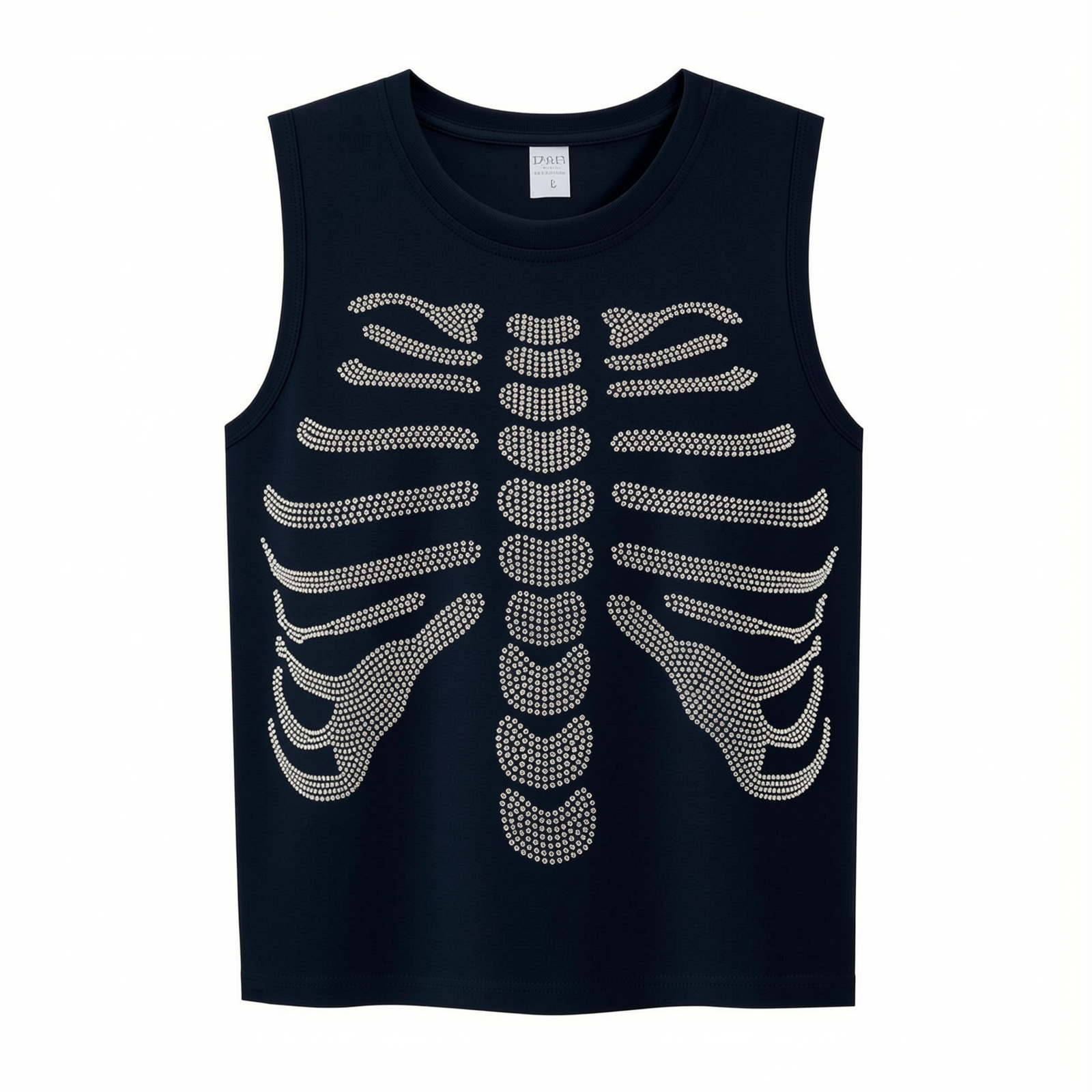
โอนพลอยเทียม
13. เย็บปักถักร้อย Chenille
คุณสมบัติ
เส้นด้ายแบบคล้องทำให้งานปักยกขึ้นเหมือนผ้าขนหนู
ข้อดี
- เนื้อหนาและนุ่ม
- ความสวยงามแบบวินเทจระดับพรีเมี่ยม
- เอกลักษณ์ทางภาพที่แข็งแกร่ง
ข้อจำกัด
- ต้องซักอย่างระมัดระวัง
- ต้นทุนการผลิตที่สูงขึ้น
ดีที่สุดสำหรับ
เสื้อแจ็คเก็ต เสื้อมีฮู้ด สตรีทแวร์สุดหรู
14. การพิมพ์แบบสะท้อนแสงและเรืองแสง
คุณสมบัติ
หมึกสะท้อนแสงจะส่องแสงภายใต้แสง หมึกเรืองแสงจะเรืองแสงหรือดูสดใสมาก
ข้อดี
- การมองเห็นการทำงาน
- รูปลักษณ์ล้ำสมัย
- เหมาะสำหรับใช้ในเวลากลางคืน
ข้อจำกัด
- พื้นผิวที่สะท้อนแสงอาจรู้สึกแข็ง
- สีเรืองแสงอาจจางเร็วขึ้น
ดีที่สุดสำหรับ
ชุดกีฬา ชุดปั่นจักรยาน เสื้อผ้าตามเทศกาล
15. เย็บปักถักร้อยดิจิตอล
คุณสมบัติ
เครื่องปักคอมพิวเตอร์ผลิตลวดลายที่ซับซ้อนและแม่นยำ
ข้อดี
- ประสิทธิภาพสูง
- เหมาะสำหรับการวิ่งแบบกำหนดเองขนาดเล็ก
- คุณภาพสม่ำเสมอ
ข้อจำกัด
- ต้นทุนเครื่องจักรที่สูงขึ้น
- ยังมีข้อจำกัดเมื่อเทียบกับการพิมพ์ภาพถ่าย
ดีที่สุดสำหรับ
โปรเจกต์ปักตามสั่งสมัยใหม่
16. การปั๊มนูน 3D
คุณสมบัติ
แม่พิมพ์ความร้อนและแรงดันจะสร้างพื้นผิวที่นูนขึ้นบนผ้าโดยตรง
ข้อดี
- เอฟเฟกต์สัมผัสระดับพรีเมี่ยม
- ไม่รู้สึกถึงหมึกหรือกาว
- รูปลักษณ์เรียบง่ายหรูหรา
ข้อจำกัด
- ต้องใช้แม่พิมพ์
- ต้นทุนการพัฒนาที่สูงขึ้น
ดีที่สุดสำหรับ
แบรนด์หรูและเสื้อผ้าสไตล์มินิมอล
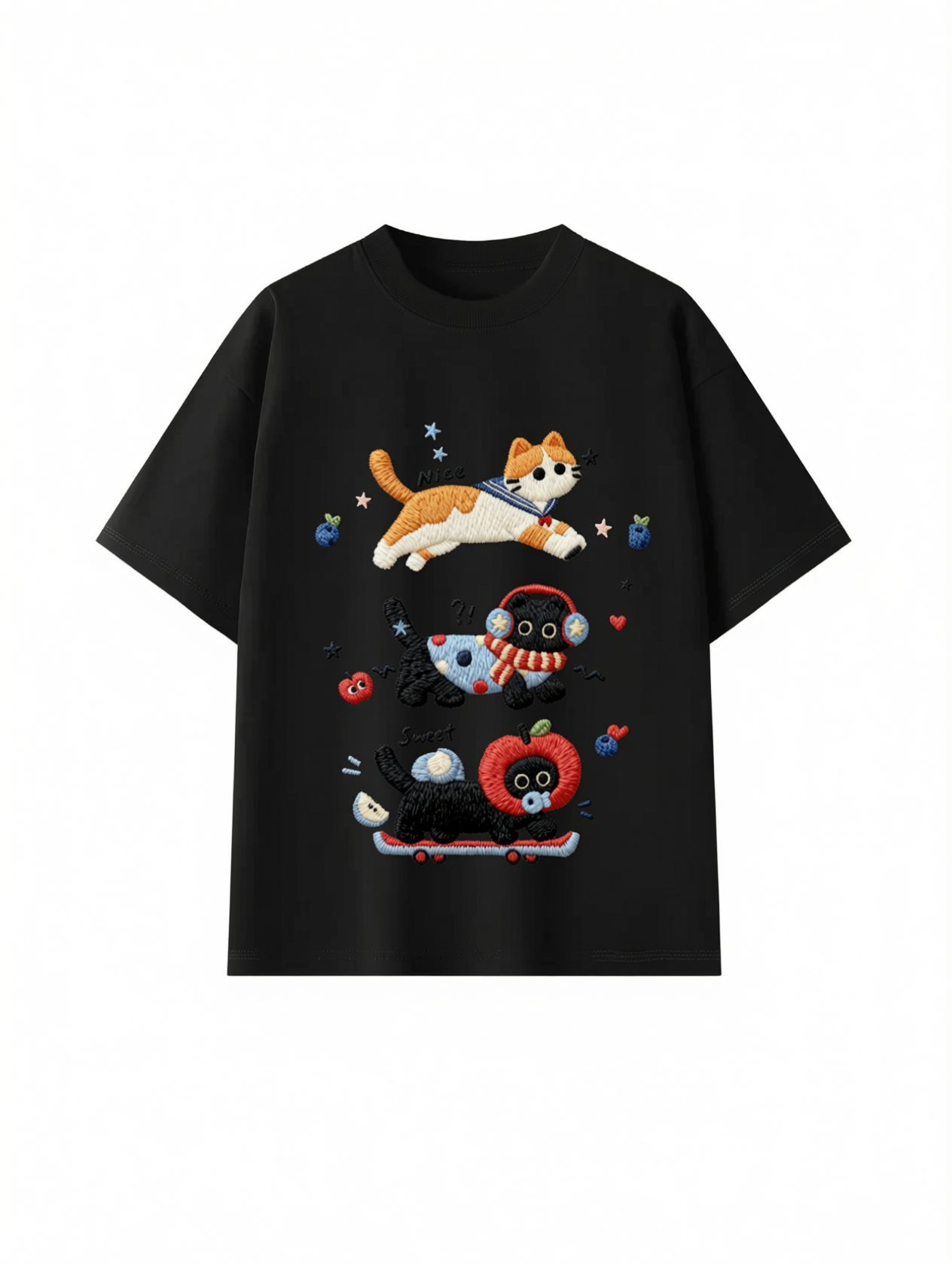
การปั๊มนูน 3D
17. เย็บปักถักร้อยแปรงสีฟัน
คุณสมบัติ
การปักด้วยด้ายตัดแบบพิเศษสร้างพื้นผิวที่ยกขึ้นเหมือนพู่กัน
ข้อดี
- เนื้อสัมผัสไม่ซ้ำใคร
- ความลึกของการตกแต่งที่แข็งแกร่ง
ข้อจำกัด
- การผลิตที่ซับซ้อน
- ด้ายอาจขาดง่าย
ดีที่สุดสำหรับ
คอลเลกชันล้ำสมัยและการสร้างแบรนด์แบบมีพื้นผิว
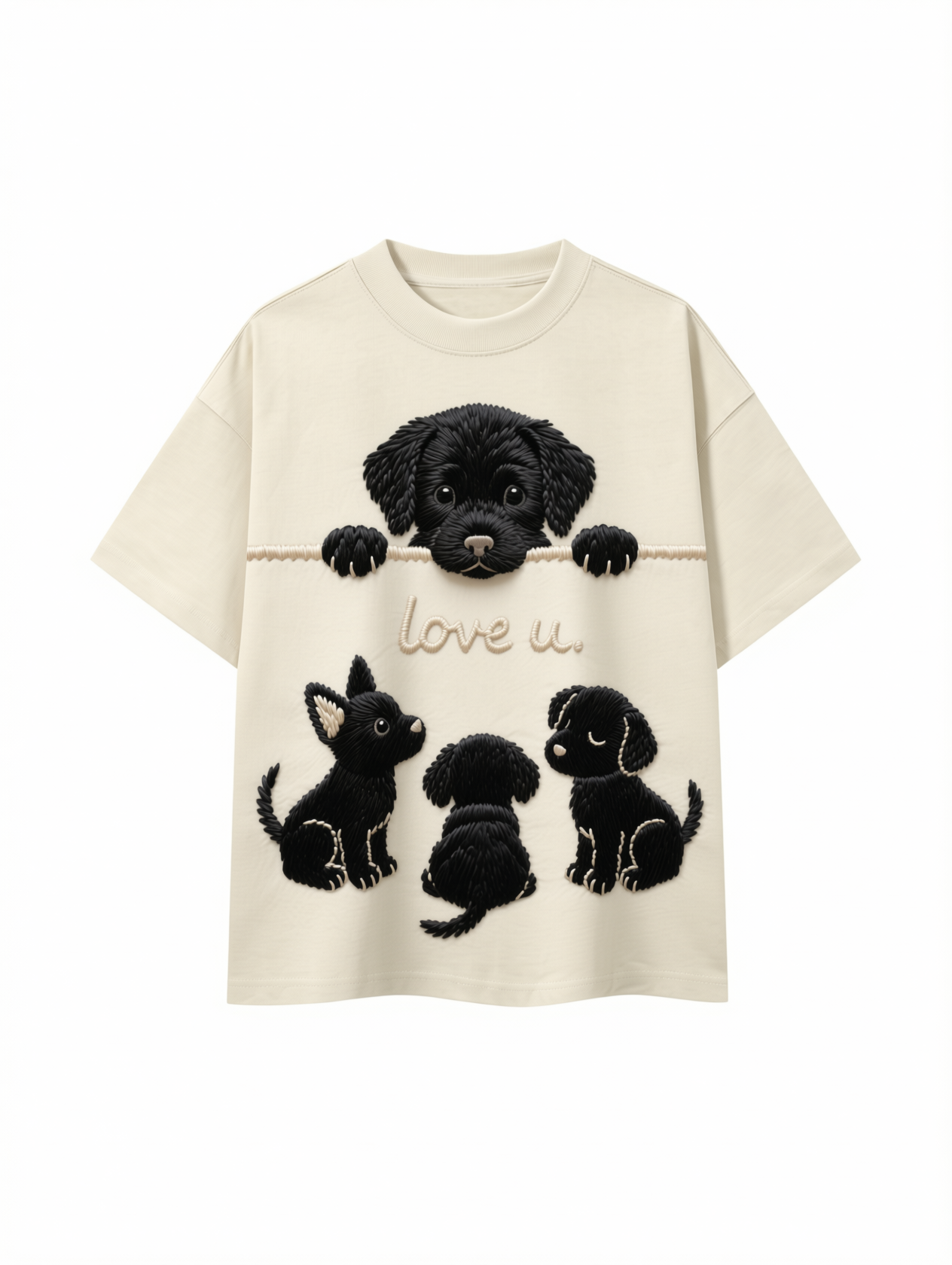
เย็บปักถักร้อยแปรงสีฟัน
คำแนะนำการปฏิบัติสำหรับผู้ซื้อ
โครงการผลิตในปริมาณน้อยและโครงการตามความต้องการเฉพาะ
แนะนำ:
- การพิมพ์การถ่ายเทความร้อน
- เย็บปักถักร้อยดิจิตอล
- ภาพวาดมือ
- โอนพลอยเทียม
การผลิตขนาดใหญ่
แนะนำ:
- การพิมพ์สกรีน
- เย็บปักถักร้อยแบบแบน
- การพิมพ์ซิลิโคน
พื้นผิวระดับพรีเมียมและระดับไฮเอนด์
แนะนำ:
- งานปักเชนิลล์
- เย็บปักถักร้อยแปรงสีฟัน
- การปั๊มนูน 3D
- แห่กัน
เอฟเฟกต์เชิงหน้าที่และเอฟเฟกต์พิเศษ
แนะนำ:
- พิมพ์สะท้อนแสง
- มัดย้อม
- แพทช์ปัก
บทสรุป
ไม่มีวิธีการตกแต่งที่ “ดีที่สุด” เพียงอย่างเดียวในการผลิตเครื่องแต่งกาย
ทางเลือกที่เหมาะสมขึ้นอยู่กับ:
- การวางตำแหน่งผลิตภัณฑ์
- ปริมาณการสั่งซื้อ
- งบประมาณ
- เอกลักษณ์ของแบรนด์
- เนื้อสัมผัสและความทนทานที่ต้องการ
การทำความเข้าใจเทคนิคเหล่านี้ช่วยให้แบรนด์ต่างๆ สามารถสร้างผลิตภัณฑ์ที่มีรูปลักษณ์แข็งแกร่ง เข้าถึงตลาดได้มากขึ้น และสอดคล้องกับความคาดหวังของลูกค้าได้ดีขึ้น
❓ คำถามที่พบบ่อย : เทคนิคการตกแต่งเครื่องแต่งกายตามสั่ง
วิธีการพิมพ์แบบใดดีที่สุดสำหรับผู้เริ่มต้น?
การพิมพ์แบบถ่ายเทความร้อนมักจะเป็นวิธีที่ง่ายที่สุดและคุ้มค่าที่สุดสำหรับการสั่งซื้อขนาดเล็ก
เทคนิคการตกแต่งที่คงทนที่สุดคืออะไร?
การปักและการพิมพ์สกรีนถือเป็นตัวเลือกที่ทนทานที่สุด
เทคนิคใดที่สร้างเอฟเฟกต์ 3D ที่แข็งแกร่งที่สุด
การพิมพ์แบบพัฟ การปักแบบ Chenille และการพิมพ์ลายนูน 3 มิติสร้างเอฟเฟกต์ที่มีมิติที่แข็งแกร่ง
การพิมพ์สกรีนดีกว่าการถ่ายเทความร้อนหรือไม่?
ใช่สำหรับการผลิตจำนวนมากและความทนทาน สำหรับการวิ่งแบบกำหนดเองขนาดเล็ก การถ่ายเทความร้อนจะมีความยืดหยุ่นมากกว่า
เทคนิคใดที่เหมาะกับสตรีทแวร์ระดับพรีเมียมที่สุด?
การปัก Chenille การพิมพ์แบบพัฟ การพิมพ์ซิลิโคน และการพิมพ์ลายนูน 3 มิติ ถูกนำมาใช้กันอย่างแพร่หลายในเสื้อผ้าแนวสตรีทระดับพรีเมียม
บริการปรับแต่งโดย LYDENIM
🎨 การออกแบบเฉพาะตามความต้องการ
ออกแบบคอลเลกชันผ้าหรือเสื้อผ้าของคุณเองด้วยวัสดุระดับพรีเมียมจาก LY Denim ไม่ว่าจะเป็นส่วนผสมฝ้ายหรูหรา หรือผ้าที่เป็นมิตรต่อสิ่งแวดล้อมและมีความสร้างสรรค์ ลองสำรวจสี สไตล์การพันผ้า และเทคนิคการตกแต่งที่เข้ากันได้อย่างลงตัวกับแบรนด์หรือแนวคิดการออกแบบของคุณ รับชมเพิ่มเติมได้ที่ ลีเดนิม เพื่อเรียนรู้เพิ่มเติม
🛍️ โซลูชั่นเสื้อผ้าตัดเย็บตามสั่ง
มอบความเป็นจริงให้กับการออกแบบของคุณผ่านบริการผลิตเสื้อผ้าตามคำสั่งเฉพาะของเรา ไม่ว่าจะเป็นชุดสูทที่ตัดพอดี ชุดเดรสสไตล์หรู หรือเสื้อผ้าทำงานที่ทนทาน เราให้ความมั่นใจในความพอดีอย่างสมบูรณ์ ความสบายระดับพรีเมียม และคุณภาพที่ยั่งยืน สำรวจตัวเลือกการปรับแต่งได้ที่ มายอาลีบาบา
📩 ติดต่อเราได้เลย
คุณมีโครงการใดๆ ที่สนใจไหม? กรุณาติดต่อทีมของเราที่ Malone@lydenim.com เพื่อหารือเกี่ยวกับผ้าที่ออกแบบเฉพาะ การออกแบบเสื้อผ้า หรือแนวทางการผลิตสิ่งทออย่างยั่งยืน
เปลี่ยนไอเดียของคุณให้กลายเป็นความจริงด้วย LY Denim — ผู้ร่วมทางที่เชื่อถือได้ในด้านผ้าคุณภาพสูงที่มีนวัตกรรม และโซลูชันเสื้อผ้าที่ออกแบบเฉพาะตามความต้องการ
คำถามที่พบบ่อย
สามารถปรับแต่งให้เหมาะกับแบรนด์หรือคอลเลกชันของฉันได้หรือไม่?
ใช่ ส่งใบสมัคร รูปภาพอ้างอิง คุณภาพเป้าหมาย ปริมาณ และข้อกำหนดของตลาด เพื่อให้ซัพพลายเออร์สามารถแนะนำตัวเลือกผ้า เครื่องแต่งกาย หรือการตกแต่งที่เหมาะสมได้
ฉันควรส่งข้อมูลอะไรบ้างก่อนที่จะขอใบเสนอราคา?
จัดเตรียมประเภทผลิตภัณฑ์ ผ้าหรือเทคนิคเป้าหมาย ทิศทางสี ความต้องการตัวอย่าง ปริมาณ ประเทศปลายทาง และระยะเวลารอคอยสินค้าที่คาดหวัง
ฉันควรขอตัวอย่างก่อนการผลิตจำนวนมากหรือไม่
ใช่ ตัวอย่างและระยะตัวอย่างจะช่วยลดความเสี่ยงก่อนสั่งซื้อจำนวนมาก โดยเฉพาะอย่างยิ่งเมื่อคุณภาพสี ความรู้สึกทางมือ การยืด พื้นผิว หรือการตกแต่งมีความสำคัญ
ฉันจะหลีกเลี่ยงปัญหาด้านคุณภาพในคำสั่งซื้อจำนวนมากได้อย่างไร
อนุมัติมาตรฐานตัวอย่างที่ชัดเจน กำหนดข้อกำหนดในการทดสอบ ยืนยันความคลาดเคลื่อน และเปรียบเทียบผลผลิตจำนวนมากกับตัวอย่างที่ได้รับอนุมัติก่อนจัดส่ง
ต้องการความช่วยเหลือในการเปลี่ยนสิ่งนี้ให้เป็นบรีฟการจัดหาที่พร้อมสำหรับการผลิตหรือไม่
ส่งสินค้าเป้าหมายของคุณ ทิศทางผ้า ปริมาณ และความต้องการตัวอย่าง LY Denim สามารถช่วยเปรียบเทียบตัวเลือกและเตรียมใบเสนอราคาได้