


Giữa hướng dọc và hướng ngang – Giải mã tọa độ của thế giới vải
Giữa hướng dọc và hướng ngang – Giải mã tọa độ của thế giới vải
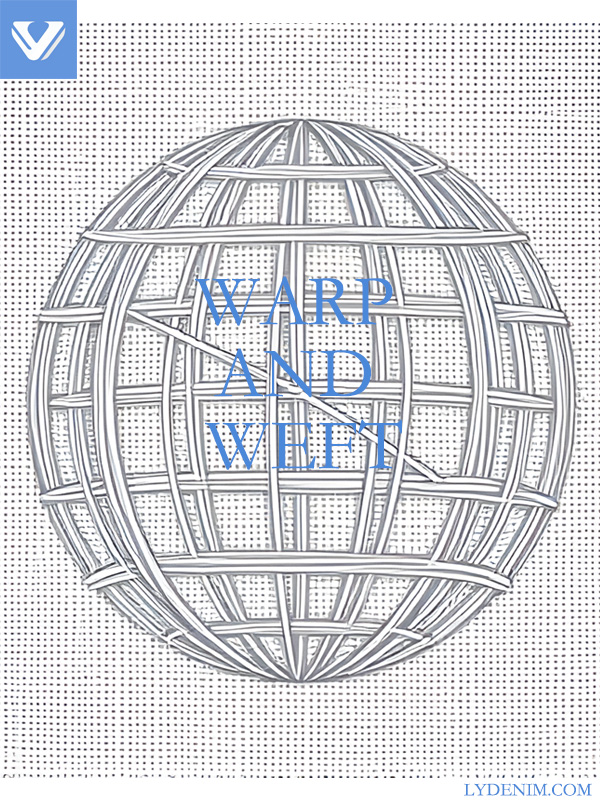
Thời gian đọc ước tính: khoảng 3 phút. Dây dọc và dây ngang – Vĩ độ và kinh độ của vải. Hãy hình dung vải như một quả cầu: các sợi dây dọc tương ứng với các đường kinh tuyến thẳng đứng, tạo thành cấu trúc nền tảng giống như xương sống; trong khi các sợi dây ngang lại tạo nên lớp đan tạo nên bề mặt vải…
Tóm tắt thông tin người mua
Kiến thức về quy trình sản xuất và gia công giúp người mua giảm thiểu rủi ro trong việc lấy mẫu, hiểu rõ những điều có thể thực hiện được về mặt kỹ thuật, đồng thời truyền đạt các yêu cầu một cách rõ ràng hơn cho nhà máy.
- Những người mua phù hợpCác thương hiệu thời trang, đội ngũ tìm nguồn cung ứng, các nhà bán buôn, nhà máy may mặc và các nhà phát triển sản phẩm.
- Điều nào cần xác nhận?Sản phẩm mục tiêu, hướng vải, chất lượng bề mặt, yêu cầu mẫu sản phẩm, số lượng và thị trường giao hàng.
- Rủi ro của người muaCác thông số kỹ thuật không rõ ràng có thể dẫn đến việc lấy mẫu sai, chất lượng hàng loạt không ổn định và thời gian đưa ra báo giá kéo dài.
- Lời khuyên về hành động tiếp theo (CTA – Call to Action)Hãy yêu cầu mẫu vật hoặc báo giá trước khi quyết định sản xuất hàng loạt.
Tại sao điều này quan trọng đối với các nhà mua trong lĩnh vực B2B
Xác nhận các giới hạn quy trình, tiêu chuẩn thử nghiệm, bước phê duyệt mẫu và độ nhất quán của sản phẩm hàng loạt trước khi sản xuất.
Thời gian đọc ước tính: khoảng 3 phút. Dây dọc và dây ngang – Vĩ độ và kinh độ của vải. Hãy hình dung vải như một quả cầu: các sợi dây dọc tương ứng với các đường kinh tuyến thẳng đứng, tạo thành cấu trúc nền tảng giống như xương sống; trong khi các sợi dây ngang lại tạo nên lớp đan tạo nên bề mặt vải…


Bảng thông số kỹ thuật nhằm tăng tốc độ tìm nguồn
| Điểm quyết định | Các tùy chọn để so sánh | Tại sao điều này lại quan trọng? | Câu hỏi của người mua |
|---|---|---|---|
| Mục tiêu của người mua | Nghiên cứu, yêu cầu lấy mẫu, phát triển sản phẩm, mua hàng số lượng lớn | Điều này làm rõ điều gì mà bài viết cần giúp người đọc thực hiện tiếp theo. | Người mua cần đưa ra quyết định nào? |
| Ứng dụng sản phẩm | Hạt quần, áo khoác, áo sơ mi, váy, trang phục đường phố hoặc đồ làm việc | Liên kết kiến thức với các nhu cầu sản xuất thực tế | Vật liệu hoặc kỹ thuật này sẽ được sử dụng ở đâu? |
| Tùy chỉnh | Màu sắc, trọng lượng, thành phần, bề mặt hoàn thiện, họa tiết hoặc trang trí | Chuyển đổi việc đọc thành bản tóm tắt yêu cầu thu thập thông tin | Điều gì nên được tùy chỉnh? |
| Bước tiếp theo | Mẫu thử, số lượng mẫu cần thiết, báo giá, xác nhận chất lượng | Hướng dẫn người đọc hướng tới việc tìm tòi và khám phá | Nên gửi những thông tin nào cho nhà cung cấp? |
Ứng dụng và Tùy chọn Tùy chỉnh
Phát triển Sản phẩm
Hãy sử dụng hướng dẫn này để chuyển các ý tưởng thiết kế thành các yêu cầu về vải, sản phẩm may mặc, chất lượng bề mặt và mẫu thử.
So sánh nhà cung cấp
So sánh các nhà cung cấp về khả năng hỗ trợ mẫu thử nghiệm, độ rõ ràng về mặt kỹ thuật, độ ổn định khi sử dụng trong số lượng lớn và tốc độ trao đổi thông tin.
Sản xuất hàng loạt
Hãy xác nhận các tiêu chuẩn chất lượng, mẫu sản phẩm đã được phê duyệt và tiến độ trước khi đặt đơn sản xuất.
Các điểm kiểm soát chất lượng trước khi đặt hàng số lượng lớn
- OKPhê duyệt mẫu: Hãy xác nhận chất liệu vải, màu sắc, cảm giác khi chạm vào, cấu tạo và lớp hoàn thiện trước khi bắt đầu sản xuất hàng loạt.
- OKĐộ đồng nhất của khối lượng: So sánh các lô hàng với mẫu đã được phê duyệt trong cùng điều kiện ánh sáng và điều kiện thử nghiệm.
- OKXử lý thử nghiệm hiệu suất: Kiểm tra độ co rút, độ bền màu, khả năng phục hồi sau kéo giãn hoặc độ bền của lớp trang trí khi cần thiết.
- OKĐộ rõ ràng của chú thích: Hãy cung cấp số lượng giao hàng, địa điểm nhận hàng, yêu cầu đóng gói và thời gian giao hàng mục tiêu để tránh việc định giá mơ hồ.
Quy trình phát triển mẫu
| Bước | Người mua cung cấp | Nhà cung cấp xác nhận |
|---|---|---|
| 1. Tóm tắt yêu cầu | Ứng dụng, hình ảnh tham chiếu, chất lượng và số lượng mục tiêu | Khả thi, vật liệu được khuyến nghị và các tùy chọn cá nhân hóa |
| 2. Mẫu vải | Thông tin phản hồi về màu sắc ưa thích, cảm giác khi cầm, họa tiết hoặc bề mặt hoàn thiện | Số lượng hàng sẵn có, hướng sản xuất theo yêu cầu và chi phí mẫu |
| 3. Mẫu | Kế hoạch thử nghiệm quần áo, yêu cầu về kích cỡ hoặc số yard | Dãy thời gian lấy mẫu và độ lặp lại trong sản xuất |
| 4. Báo giá số lượng lớn | Số lượng đơn hàng, địa điểm giao hàng và yêu cầu bao bì | Giá đơn vị, số lượng đặt hàng tối thiểu (MOQ), thời gian giao hàng và các điểm kiểm soát chất lượng |
Hướng dẫn chi tiết
Thời gian đọc ước tính: khoảng 3 phút
Dải và dọc – Vĩ độ và kinh độ của vải
Hãy hình dung chất vải như một quả cầu: Dây đan là các đường kinh dọc, giữ cấu trúc như một xương sống, trong khi Dây chỉ dọc dệt ngang như các dòng sông vĩ độ. Điệu nhảy của những sợi chỉ đan xen này có từ năm 6000 TCN tại Catalhöyük của Thổ Nhĩ Kỳ, nơi các sợi lanh chạy ngang các sợi len dọc để tạo ra loại vải ca-rô đầu tiên. Khi bạn chạy ngón tay qua vải denim kiểu chéo, bạn đang cảm nhận các sợi dọc chiếm ưu thế so với sợi ngang theo tỷ lệ 3:1—mỗi đường gợn là một lời thì thầm từ ngôn ngữ cổ xưa của khung dệt.
Bộ đôi ít được biết đến trong lĩnh vực dệt may
Phần dọc và phần ngang hoạt động giống như các nhạc cụ bass và giọng hát trong một ban nhạc:
-
Warp: Người ủng hộ âm thầmDo được buộc chặt trên máy may nên quần jeans của bạn sẽ không bị lỏng khi bị kéo theo phương thẳng đứng.
-
Phần dọc: Nghệ sĩ tạo kết cấu: Một công nhân dệt kỳ cựu từng nói: “Thêm 2% spandex vào sợi ngang, và quần jeans từ vỏ xúc xích trở nên thoải mái như quần thể thao.”
Các kiểu dệt của họ cũng rất quan trọng: dệt đơn dùng cho áo sơ mi gọn gàng, dệt twill tạo hiệu ứng đặc trưng cho chất liệu denim đối角.
Vượt ra ngoài bờ cấm của bông nguyên chất – Cuộc kết hợp tinh tế giữa sợi dọc và sợi ngang
Các nhà thiết kế vải hiện đại giống như những nhà pha chế rượu, kết hợp các công thức dệt sợi chính và sợi phụ một cách hoàn hảo.
Ngày xưa, từ “vải” thường chỉ ám chỉ vải làm từ 100% bông – rất đơn giản. Nhưng ngày nay thì không còn như vậy nữa. Bằng cách kết hợp các loại sợi khác nhau vào dọc và ngang, chúng ta có thể tạo ra những sản phẩm dệt có hiệu suất cao. Hãy tưởng tượng dọc được làm từ polyester bền chắc để đảm bảo độ bền, trong khi ngang là bông mềm mại mang lại sự thoải mái; hoặc thêm các sợi đàn hồi vào ngang để quần jeans vừa ôm sát cơ thể mà vẫn di chuyển tự do.
Những hỗn hợp này không chỉ thiết thực mà còn được tạo ra với mục đích rõ ràng: nhằm phát triển những loại vải mang lại cảm giác thoải mái hơn, có độ bền cao hơn và phù hợp với lối sống hiện đại của chúng ta.
Mỗi sự kết hợp các sợi đều giống như việc tạo ra một công thức đặc trưng.
Cuộc cải tạo vải dưới phép thuật dọc - ngang
Việc thay đổi tỷ lệ dọc - ngang trong vải giống như chỉnh sửa trình tự DNA của nó:
-
Lụa dày hơn tạo ra những chất liệu ấm áp và chắc chắn (như dùng cho áo khoác mùa đông), trong khi lụa mảnh hơn lại mang lại vải nhẹ, thoáng khí – lý tưởng cho váy mùa hè.
-
Nếu thêm chất liệu spandex vào dải ngang hoặc thậm chí cả dải dọc, vải sẽ trở nên linh hoạt và rất phù hợp cho quần thể thao hoặc quần jeans thon gọn.
-
Việc nhuộm dọc và ngang bằng các màu sắc khác nhau tạo ra những loại vải với gam màu độc đáo và đa chiều.
Tại LY Denim, chúng tôi luôn yêu thích việc vượt qua những giới hạn này. Với chúng tôi, vải không chỉ là một sản phẩm – mà còn là tấm nền cho sự sáng tạo của bạn.
Khi thời đại hiện đại hội tụ với tương lai – Một kỷ nguyên mới của nghệ thuật dệt tùy chỉnh
Trang phục may đo hiện đại không chỉ dựa trên các thông số đo lường, mà còn đi sâu đến từng lớp sợi dệt.
-
Vải thông minh thuộc thể loại khoa học viễn tưởngCác sợi dệt warp được tích hợp các sợi nhạy nhiệt, và các sợi dệt weft chứa các sợi dẫn điện – hãy hình dung một chiếc áo khoác có thể thay đổi màu sắc theo nhiệt độ cơ thể bạn và đồng thời sạc điện thoại của bạn.
-
Vải dùng để kể chuyệnVải Warp được làm từ các chai nhựa tái chế, xen kẽ với lớp vải dệt từ lưới đánh cá đã qua xử lý lại. Mỗi chiếc quần jeans đều mang một câu chuyện về sự bền vững của đại dương – giống như áo đấu Real Madrid được sản xuất từ nhựa biển.

Dịch vụ tùy chỉnh của LYDENIM
🎨 Chọn Vải may mặc tùy chỉnh Hoặc Độc đáo Thời trang từ vải denims được may riêngLYDENIM chuyên cung cấp các giải pháp được thiết kế riêng biệt nhằm đáp ứng mọi nhu cầu về thiết kế và sản xuất của bạn.
🛍️ Khám phá và tìm cảm hứng!: Duyệt các lựa chọn vải của chúng tôi và khám phá ý tưởng thiết kế tại LYDENIM.
🌐 Trang phục đàn hồi: Xem qua các sản phẩm của chúng tôi tại MyAlibaba. 📩 Liên hệ chúng tôiHãy liên hệ với chúng tôi tại Malone@lydenim.com.
Tạo nên tác phẩm đỉnh cao từ vải denim với LYDENIM – đối tác đáng tin cậy của bạn Vải giãn nở và Giải pháp may mặc đặc biệt.
Câu hỏi thường gặp
Liệu tôi có thể tùy chỉnh sản phẩm này cho thương hiệu hoặc bộ sưu tập của mình không?
Vâng. Vui lòng gửi hồ sơ đăng ký, các hình ảnh tham chiếu, yêu cầu về chất lượng, số lượng và đặc điểm thị trường để nhà cung cấp có thể đề xuất các lựa chọn vải, sản phẩm may hoặc phương pháp hoàn thiện phù hợp.
Tôi nên cung cấp những thông tin nào trước khi yêu cầu báo giá?
Xác định loại sản phẩm, chất liệu hoặc kỹ thuật sử dụng, hướng màu sắc, yêu cầu mẫu, số lượng, quốc gia đích và thời gian chuẩn bị dự kiến.
Tôi có nên yêu cầu lấy mẫu trước khi sản xuất hàng loạt hay không?
Đúng vậy. Việc sử dụng các mẫu màu và đo lượng vải thử giúp giảm rủi ro trước khi đặt hàng số lượng lớn, đặc biệt khi màu sắc, cảm giác khi cầm, độ co giãn, chất lượng bề mặt hoặc thiết kế trang trí là yếu tố quan trọng.
Làm thế nào để tôi tránh được các vấn đề về chất lượng trong các đơn hàng số lượng lớn?
Xác định một tiêu chuẩn mẫu rõ ràng, xác định các yêu cầu kiểm thử, kiểm tra độ chấp nhận được và so sánh sản phẩm hàng loạt với mẫu đã được phê duyệt trước khi giao hàng.
Cần sự hỗ trợ để chuyển tài liệu này thành bản tóm tắt nguồn cung ứng sẵn sàng cho sản xuất?
Hãy cung cấp thông tin về sản phẩm mục tiêu, hướng dẫn may vải, số lượng và yêu cầu mẫu sản phẩm. LY Denim sẽ hỗ trợ bạn so sánh các lựa chọn và lập báo giá phù hợp.