


Nghệ thuật nhuộm vải Denim: Từ sợi đến sản phẩm hoàn chỉnh

Nghệ thuật nhuộm vải Denim: Từ sợi đến sản phẩm hoàn chỉnh
Thời gian đọc ước tính: khoảng 5 phút. Giới thiệu về vải Denim: Denim không chỉ là một loại vải bền chắc mà còn là biểu tượng văn hóa nổi tiếng với sắc xanh đặc trưng và kết cấu cứng cáp, đậm chất thời trang. Nhưng bạn đã bao giờ tự hỏi rằng, denim thực sự là gì?
Tóm tắt thông tin người mua
Kiến thức về quy trình sản xuất và gia công giúp người mua giảm thiểu rủi ro trong việc lấy mẫu, hiểu rõ những điều có thể thực hiện được về mặt kỹ thuật, đồng thời truyền đạt các yêu cầu một cách rõ ràng hơn cho nhà máy.
- Những người mua phù hợpCác thương hiệu thời trang, đội ngũ tìm nguồn cung ứng, các nhà bán buôn, nhà máy may mặc và các nhà phát triển sản phẩm.
- Điều nào cần xác nhận?Sản phẩm mục tiêu, hướng vải, chất lượng bề mặt, yêu cầu mẫu sản phẩm, số lượng và thị trường giao hàng.
- Rủi ro của người muaCác thông số kỹ thuật không rõ ràng có thể dẫn đến việc lấy mẫu sai, chất lượng hàng loạt không ổn định và thời gian đưa ra báo giá kéo dài.
- Lời khuyên về hành động tiếp theo (CTA – Call to Action)Hãy yêu cầu mẫu vật hoặc báo giá trước khi quyết định sản xuất hàng loạt.
Tại sao điều này quan trọng đối với các nhà mua trong lĩnh vực B2B
Xác nhận các giới hạn quy trình, tiêu chuẩn thử nghiệm, bước phê duyệt mẫu và độ nhất quán của sản phẩm hàng loạt trước khi sản xuất.
Thời gian đọc ước tính: khoảng 5 phút. Giới thiệu về vải Denim: Denim không chỉ là một loại vải bền chắc mà còn là biểu tượng văn hóa nổi tiếng với sắc xanh đặc trưng và kết cấu cứng cáp, đậm chất thời trang. Nhưng bạn đã bao giờ tự hỏi rằng, denim thực sự là gì?
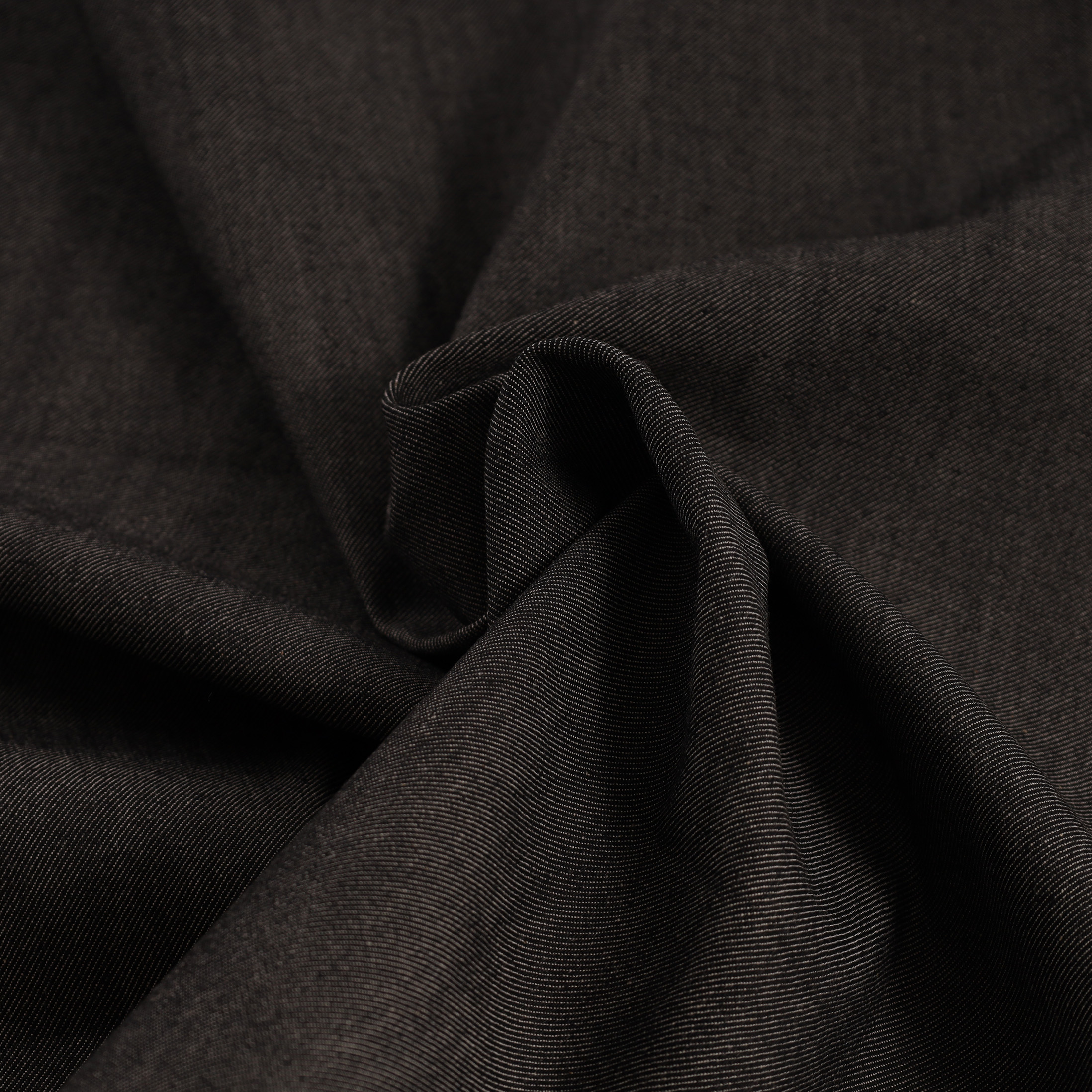

Bảng thông số kỹ thuật nhằm tăng tốc độ tìm nguồn
| Điểm quyết định | Các tùy chọn để so sánh | Tại sao điều này lại quan trọng? | Câu hỏi của người mua |
|---|---|---|---|
| Mục tiêu của người mua | Nghiên cứu, yêu cầu lấy mẫu, phát triển sản phẩm, mua hàng số lượng lớn | Điều này làm rõ điều gì mà bài viết cần giúp người đọc thực hiện tiếp theo. | Người mua cần đưa ra quyết định nào? |
| Ứng dụng sản phẩm | Hạt quần, áo khoác, áo sơ mi, váy, trang phục đường phố hoặc đồ làm việc | Liên kết kiến thức với các nhu cầu sản xuất thực tế | Vật liệu hoặc kỹ thuật này sẽ được sử dụng ở đâu? |
| Tùy chỉnh | Màu sắc, trọng lượng, thành phần, bề mặt hoàn thiện, họa tiết hoặc trang trí | Chuyển đổi việc đọc thành bản tóm tắt yêu cầu thu thập thông tin | Điều gì nên được tùy chỉnh? |
| Bước tiếp theo | Mẫu thử, số lượng mẫu cần thiết, báo giá, xác nhận chất lượng | Hướng dẫn người đọc hướng tới việc tìm tòi và khám phá | Nên gửi những thông tin nào cho nhà cung cấp? |
Ứng dụng và Tùy chọn Tùy chỉnh
Phát triển Sản phẩm
Hãy sử dụng hướng dẫn này để chuyển các ý tưởng thiết kế thành các yêu cầu về vải, sản phẩm may mặc, chất lượng bề mặt và mẫu thử.
So sánh nhà cung cấp
So sánh các nhà cung cấp về khả năng hỗ trợ mẫu thử nghiệm, độ rõ ràng về mặt kỹ thuật, độ ổn định khi sử dụng trong số lượng lớn và tốc độ trao đổi thông tin.
Sản xuất hàng loạt
Hãy xác nhận các tiêu chuẩn chất lượng, mẫu sản phẩm đã được phê duyệt và tiến độ trước khi đặt đơn sản xuất.
Các điểm kiểm soát chất lượng trước khi đặt hàng số lượng lớn
- OKPhê duyệt mẫu: Hãy xác nhận chất liệu vải, màu sắc, cảm giác khi chạm vào, cấu tạo và lớp hoàn thiện trước khi bắt đầu sản xuất hàng loạt.
- OKĐộ đồng nhất của khối lượng: So sánh các lô hàng với mẫu đã được phê duyệt trong cùng điều kiện ánh sáng và điều kiện thử nghiệm.
- OKXử lý thử nghiệm hiệu suất: Kiểm tra độ co rút, độ bền màu, khả năng phục hồi sau kéo giãn hoặc độ bền của lớp trang trí khi cần thiết.
- OKĐộ rõ ràng của chú thích: Hãy cung cấp số lượng giao hàng, địa điểm nhận hàng, yêu cầu đóng gói và thời gian giao hàng mục tiêu để tránh việc định giá mơ hồ.
Quy trình phát triển mẫu
| Bước | Người mua cung cấp | Nhà cung cấp xác nhận |
|---|---|---|
| 1. Tóm tắt yêu cầu | Ứng dụng, hình ảnh tham chiếu, chất lượng và số lượng mục tiêu | Khả thi, vật liệu được khuyến nghị và các tùy chọn cá nhân hóa |
| 2. Mẫu vải | Thông tin phản hồi về màu sắc ưa thích, cảm giác khi cầm, họa tiết hoặc bề mặt hoàn thiện | Số lượng hàng sẵn có, hướng sản xuất theo yêu cầu và chi phí mẫu |
| 3. Mẫu | Kế hoạch thử nghiệm quần áo, yêu cầu về kích cỡ hoặc số yard | Dãy thời gian lấy mẫu và độ lặp lại trong sản xuất |
| 4. Báo giá số lượng lớn | Số lượng đơn hàng, địa điểm giao hàng và yêu cầu bao bì | Giá đơn vị, số lượng đặt hàng tối thiểu (MOQ), thời gian giao hàng và các điểm kiểm soát chất lượng |
Hướng dẫn chi tiết
Thời gian đọc ước tính: khoảng 5 phút
Giới thiệu về vải Denim
Denim không chỉ đơn thuần là một loại vải bền chắc – mà còn là một biểu tượng văn hóa nổi tiếng với sắc xanh đặc trưng và kết cấu cứng cáp, mạnh mẽ. Nhưng bạn đã bao giờ tự hỏi về điều này chưa? vải denim là gì? Và làm thế nào mà nó có được vẻ ngoài đặc trưng như vậy? Bí mật nằm ở quy trình nhuộm – một hành trình thú vị biến sợi dệt thô thành vải denim mà chúng ta biết đến và yêu thích. Trong bài viết này, chúng tôi sẽ tìm hiểu cách nhuộm denim, khám phá các kỹ thuật tạo nên loại vải này, đồng thời trả lời những câu hỏi phổ biến nhất về chất liệu bất tử này.
Vải Denim được làm từ những nguyên liệu gì?
Denim thường được sản xuất từ bông, mặc dù các phiên bản hiện đại có thể sử dụng các hỗn hợp như vải denim đàn hồi kết hợp với elastane. Ngoại hình đặc trưng của nó bắt nguồn từ cách dệt và nhuộm vải. Khác với hầu hết các loại vải mà tất cả sợi đều được nhuộm đồng đều, denim sử dụng sợi dọc (dọc theo chiều dọc) được nhuộm màu và sợi ngang (theo chiều ngang) không nhuộm hoặc đã được tẩy trắng. Điều này tạo nên đặc điểm nổi bật là mặt trước màu xanh lam và mặt sau màu trắng – đặc trưng của chất liệu denim.
Chi tiết vải Denim hoang dã
Vải Denim được nhuộm như thế nào?
Quá trình nhuộm chính là lúc chất liệu da jeans thực sự bừng lên sức sống. Dưới đây là giải thích chi tiết về cách thức hoạt động của quá trình này:
-
Vai trò của thuốc nhuộm indigo
Chất nhuộm phổ biến nhất cho vải denims là indigo – một loại thuốc nhuộm tự nhiên hoặc tổng hợp tạo nên màu xanh đặc trưng cho vải này. Trước đây, indigo được chiết xuất từ thực vật; hiện nay, nó thường được sản xuất bằng phương pháp tổng hợp nhằm đảm bảo độ đồng nhất và quy mô sản xuất lớn hơn. -
nhuộm sợi
Quá trình nhuộm bao gồm việc ngâm sợi len trong dung dịch chứa thuốc nhuộm indigo. Với vải denim, chỉ các sợi dọc mới được nhuộm; những sợi này được gói thành dây hoặc trải thành tấm và đi qua nhiều bể nhuộm khác nhau. Quy trình này đảm bảo thuốc nhuộm thấm sâu vào bên trong, trong khi các sợi ngang không bị nhuộm, từ đó giữ nguyên hiệu ứng hai sắc của vải denim. -
Các kỹ thuật nhuộm công nghiệp
- Mực nhuộm dâyCác sợi dệt được xoắn thành dây và ngâm nhiều lần trong dung dịch thuốc nhuộm indigo để tạo ra màu sắc đậm đà và đều nhất. Phương pháp này được đánh giá cao nhờ khả năng sản xuất vải denim selvedge chất lượng cao.
- Phương pháp nhu màu SlasherCác sợi dệt được trải phẳng và đi qua các bể nhuộm trong một quy trình liên tục, rất phù hợp cho việc sản xuất hàng loạt vải denim theo đơn vị diện tích.
Cả hai phương pháp này đều thuộc nhóm các kỹ thuật được gọi là “dải nhuộm liên tục”, một hình thức phát triển cơ khí hóa của các phương pháp nhuộm thủ công truyền thống.
Phương pháp nhu màu bằng chất nhu màu Slasher và phương pháp nhu màu bằng dây
Tại sao mặt trước của sản phẩm là màu xanh Denim còn mặt sau lại là màu trắng?
Câu trả lời nằm ở quy trình nhuộm chọn lọc: chỉ nhuộm các sợi dọc mà để các sợi ngang giữ nguyên màu hoặc được tẩy trắng, nhờ đó chất liệu denim mới tạo nên sự tương phản đặc trưng. Khi nhìn vào một chiếc quần jeans, phần ngoài màu xanh thể hiện lớp sợi dọc đã được nhuộm, trong khi phần trong màu trắng cho thấy lớp sợi ngang chưa được nhuộm – đây là đặc điểm nổi bật của vải denim chính hãng.
Từ nghệ nhuộm đến tủ quần áo của bạn
Sau khi được nhuộm, các sợi len sẽ được dệt thành vải denim và thường được bán dưới dạng Vải jeans theo yard cho việc chế tác quần jean, áo khoác, hoặc thậm chí vật dụng bọc nội thất. Quá trình nhuộm không chỉ ảnh hưởng đến màu sắc—nó còn ảnh hưởng đến kết cấu và độ bền, làm cho denim trở thành lựa chọn linh hoạt cho mọi thứ từ trang phục thường ngày đến trang trí nhà cửa.

Kho chứa vải Denim
Thực tế thú vị: Quá trình tiến hóa của kỹ thuật nhuộm
Mặc dù loại vải denims hiện đại được nhuộm bằng các thiết bị tiên tiến, phương pháp truyền thống lại dựa vào kỹ thuật nhuộm thủ công sử dụng thuốc nhuộm indigo tự nhiên. Quy trình tốn nhiều công sức này đã gắn kết các nghệ nhân với nguồn gốc của chất liệu vải – một di sản vẫn được gìn giữ trong các dòng jeans cao cấp như vải denims selvedge Nhật Bản.
Kết luận
Nghệ thuật nhuộm vải denim là sự kết hợp giữa truyền thống và công nghệ, biến sợi bông đơn giản thành một loại vải vừa tiện dụng vừa thời thượng. Dù bạn có thắc mắc về vải denim được sản xuất như thế nào? hoặc muốn mua Vải jeans theo yard Đối với dự án tiếp theo của bạn, việc hiểu rõ quy trình này sẽ giúp bạn trân trọng hơn loại vật liệu thường dùng trong đời sống hàng ngày này.
Dịch vụ tùy chỉnh của LYDENIM
🎨 Chọn Vải may mặc tùy chỉnh Hoặc Độc đáo Thời trang từ vải denims được may riêngLYDENIM chuyên cung cấp các giải pháp được thiết kế riêng biệt nhằm đáp ứng mọi nhu cầu về thiết kế và sản xuất của bạn.
🛍️ Khám phá và tìm cảm hứng!: Duyệt các lựa chọn vải của chúng tôi và khám phá ý tưởng thiết kế tại LYDENIM.
🌐 Trang phục đàn hồi: Xem qua các sản phẩm của chúng tôi tại MyAlibaba. 📩 Liên hệ chúng tôiHãy liên hệ với chúng tôi tại Malone@lydenim.com.
Tạo nên tác phẩm đỉnh cao từ vải denim với LYDENIM – đối tác đáng tin cậy của bạn Vải giãn nở và Giải pháp may mặc đặc biệt.
Câu hỏi thường gặp
Liệu tôi có thể tùy chỉnh sản phẩm này cho thương hiệu hoặc bộ sưu tập của mình không?
Vâng. Vui lòng gửi hồ sơ đăng ký, các hình ảnh tham chiếu, yêu cầu về chất lượng, số lượng và đặc điểm thị trường để nhà cung cấp có thể đề xuất các lựa chọn vải, sản phẩm may hoặc phương pháp hoàn thiện phù hợp.
Tôi nên cung cấp những thông tin nào trước khi yêu cầu báo giá?
Xác định loại sản phẩm, chất liệu hoặc kỹ thuật sử dụng, hướng màu sắc, yêu cầu mẫu, số lượng, quốc gia đích và thời gian chuẩn bị dự kiến.
Tôi có nên yêu cầu lấy mẫu trước khi sản xuất hàng loạt hay không?
Đúng vậy. Việc sử dụng các mẫu màu và đo lượng vải thử giúp giảm rủi ro trước khi đặt hàng số lượng lớn, đặc biệt khi màu sắc, cảm giác khi cầm, độ co giãn, chất lượng bề mặt hoặc thiết kế trang trí là yếu tố quan trọng.
Làm thế nào để tôi tránh được các vấn đề về chất lượng trong các đơn hàng số lượng lớn?
Xác định một tiêu chuẩn mẫu rõ ràng, xác định các yêu cầu kiểm thử, kiểm tra độ chấp nhận được và so sánh sản phẩm hàng loạt với mẫu đã được phê duyệt trước khi giao hàng.
Cần sự hỗ trợ để chuyển tài liệu này thành bản tóm tắt nguồn cung ứng sẵn sàng cho sản xuất?
Hãy cung cấp thông tin về sản phẩm mục tiêu, hướng dẫn may vải, số lượng và yêu cầu mẫu sản phẩm. LY Denim sẽ hỗ trợ bạn so sánh các lựa chọn và lập báo giá phù hợp.