


Master Denim Fabric: 5 Essentials for 2026
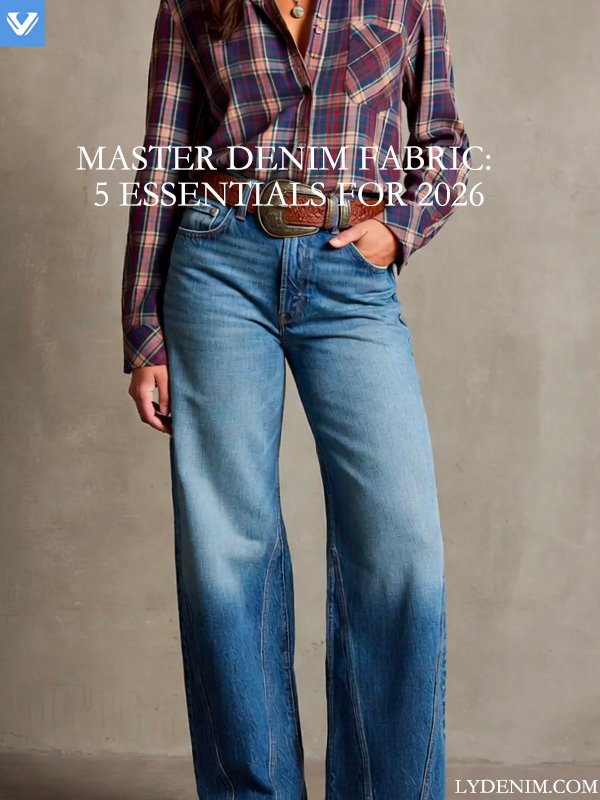
Master Denim Fabric: 5 Essentials for 2026
Denim fabric mastery: Dive into properties, trends, and premium suppliers. From basics to fashion wins, boost your style game with 2026 insights and pro tips.
Buyer Summary
For B2B fabric buyers, this topic should help compare composition, weight, handfeel, stretch, finish, MOQ and production stability before sampling.
- Suitable buyersFashion brands, sourcing teams, wholesalers, garment factories and product developers.
- What to confirmTarget product, fabric direction, finish, sample needs, quantity and delivery market.
- Buyer riskUnclear specs can lead to wrong samples, unstable bulk quality and slow quotations.
- Recommended CTARequest swatches or a sample quote before committing to bulk production.
Why This Matters for B2B Buyers
Confirm the application, target fabric character, color direction and bulk quantity before asking for a quote.
Denim fabric mastery: Dive into properties, trends, and premium suppliers. From basics to fashion wins, boost your style game with 2026 insights and pro tips.
Specification Table for Faster Sourcing
| Decision point | Options to compare | Why it matters | Buyer question |
|---|---|---|---|
| Fabric base | Cotton, blends, stretch denim, jacquard, flocked or specialty denim | Controls handfeel, durability and price position | What product category is this fabric for? |
| Weight | Light, medium or heavy construction | Affects drape, season, garment type and shipping cost | Do you need shirts, jackets, jeans or structured pieces? |
| Finish | Color, wash, coating, flocking, jacquard or softening | Determines final appearance and customer touch | What handfeel and wash effect do you expect? |
| Supply plan | Swatches, sample yardage, bulk lots | Reduces risk before production | What quantity and delivery market should be quoted? |
Applications and Custom Options
Product Development
Use this guide to turn design ideas into fabric, garment, finish and sample requirements.
Supplier Comparison
Compare suppliers by sample support, technical clarity, bulk stability and communication speed.
Bulk Production
Confirm quality standards, approved samples and timeline before placing production orders.
Quality Control Points Before Bulk Order
- OKSample approval: confirm fabric, color, handfeel, construction and finish before bulk production.
- OKBulk consistency: compare bulk lots against the approved sample under the same light and test conditions.
- OKPerformance testing: check shrinkage, colorfastness, stretch recovery or decoration durability where relevant.
- OKQuote clarity: send quantity, destination, packaging needs and target lead time to avoid vague pricing.
Sample Development Process
| Step | Buyer provides | Supplier confirms |
|---|---|---|
| 1. Brief | Application, reference images, target quality and quantity | Feasibility, recommended material and custom options |
| 2. Swatch | Preferred color, handfeel, pattern or finish feedback | Available stock, custom direction and sample cost |
| 3. Sample | Garment test plan, size or yardage needs | Sampling timeline and production repeatability |
| 4. Bulk quote | Order quantity, delivery destination and packaging needs | Unit price, MOQ, lead time and QC checkpoints |
Detailed Guide
Estimated reading time: ~3 minutes
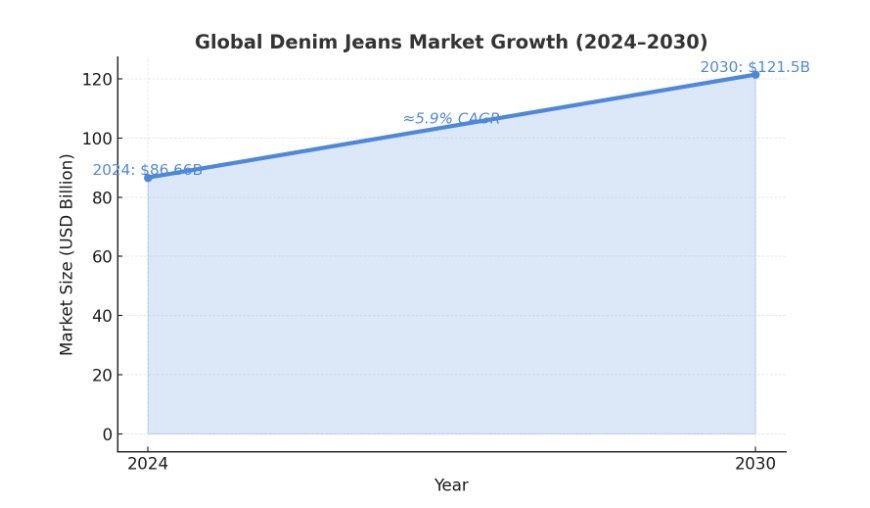
Hello there, denim lovers. Ever slipped jeans on, then asked yourself why they fit so well – or why they feel stiff and awkward? That question has driven me for a long time. Working in tiny factories, testing threads, helping larger stores pick better materials – all of it led here. This isn’t only colored fiber stretched into pants. It’s where softness meets attitude, where mood gets woven into fabric. Around the world, people spent $80 billion on denim in 2025. That number might jump to $100 billion soon, driven by love for tough, long-lasting clothes. This post dives into making fabric for jeans – beginning with basics. From there, it explores what styles say about fashion trends. Last part looks at connecting with leading manufacturers. Have you noticed how certain jeans fit close to the body, yet others drift down? Let’s dig in.
Denim Fabric Fundamentals: The Building Blocks
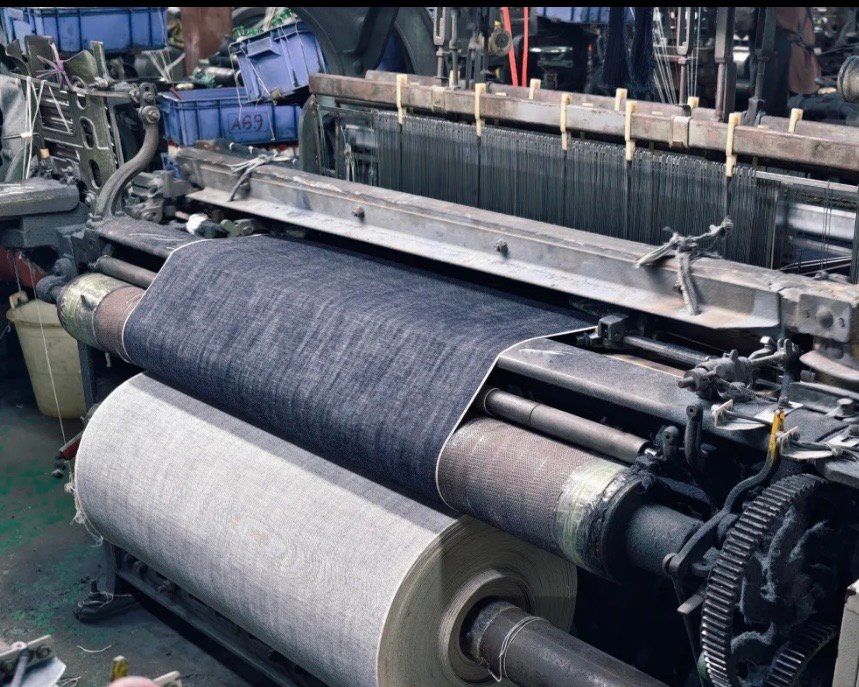
Truth is, denim starts as tough cotton thread woven in a diagonal pattern. Often, those vertical strands get a deep blue dye while the filling stays white. What stands out? Its pulliness – around one hundred to two hundred pounds per square inch matters for strong versions, resisting tears on regular items. When it comes to chemistry, think dyes and coatings – indigo sticks weakly, making soft aged shades happen. Sulfur steps in to darken tones further. Reactive types fire on quickly, laying down bold hues less likely to wash away.
Fabric wevaing
It hits different when people miss the mark on denim basics. Heavy weight? Sure, 12 to 16 ounces fit well in pants. Yet from 8 to 10, fabrics light yet strong suit tops. Summer finds feel fresher that way. Weight matters – differently each time. What if everyone thought denim shrank the exact same way? Not so fast. Raw denim might shrink between five and ten percent after its initial washing. On the flip side, jeans labeled as “pre-washed” tend to change very little – less than two percent shrinkage. Some companies have lost shoppers simply because of this difference. Picture buying clothes online, then getting legs shorter than expected! Watch how the yarn lays down – some weaves pull tight across the back, others fold softly without much motion. A fabric might look straight but tilt slightly if its threads cross at an angle more than once. Sometimes you see the same pattern repeat perfectly, sometimes small shifts make each row barely match. It helps to hold samples under light where even slight slant shows up fast.
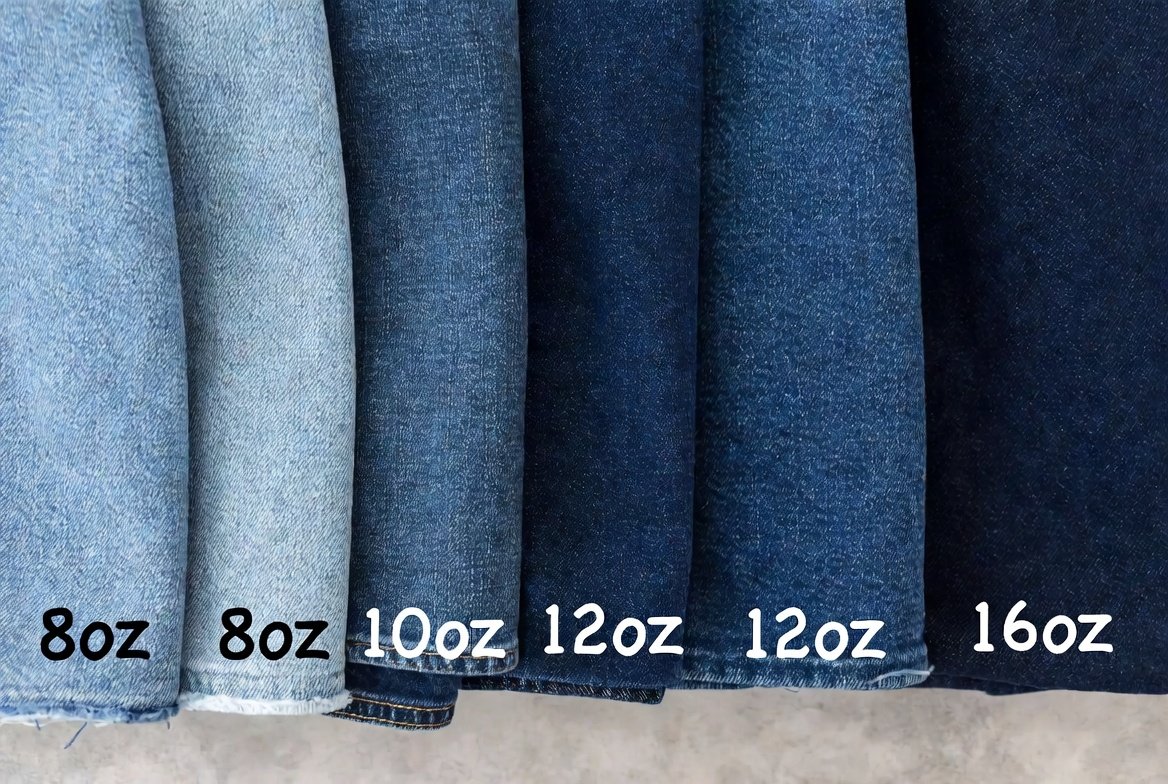
Weight comparison
Want more depth? Lydenim breaks it down in their guide on what is denim: a complete guide – spot-on for beginners. And for stretch lovers, their denim stretch material explainer shows how 1-4% spandex amps up comfort without killing durability.
The Fashion Language of Denim: Trends and Expressions
Look at how denim shifts like a shadow across outfits. This year’s spring and summer bring soft washed pieces that feel light on skin. Cozy thick versions return when cold weather arrives, filled with fuzzy or patterned knots. Fashion numbers tell a story – purchases jump by half again during seasonal turns, where sweaters slip over casual shirts.
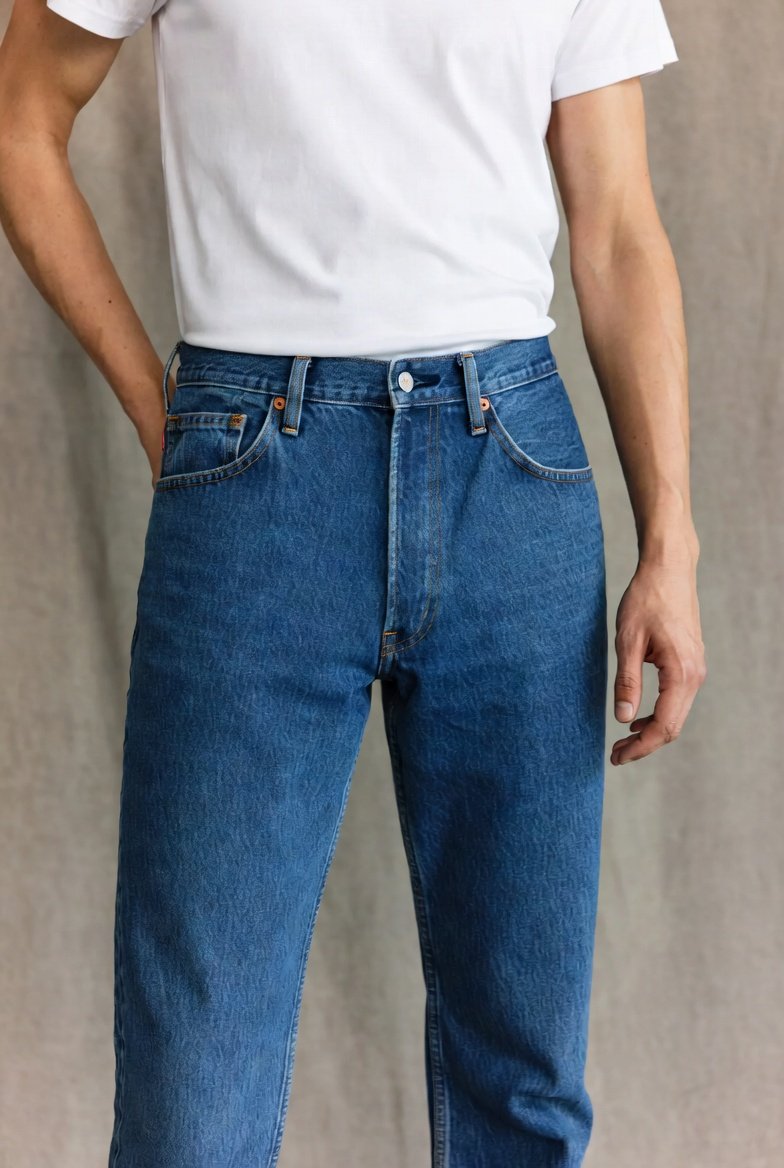
Jeans Model
Take Levi’s – their 501s hold up through years, built from rough denim that bends to your skin, shaping a line only you own. Over at Diesel, sharpness leads: their version uses bonded fabric, adding tough leather tones that speak without sound. Picture Rihanna wearing giant denim jackets, light-colored and loose, giving off that relaxed vibe you see on streets. Then there’s Harry Styles, slipping into tight-fit stretch jeans during concert runs – the kind of look that works just as well under bright lights as on a weekend stroll. Over at Gucci, their idea of luxury shows up in selvedge denim-made bags, where everyday fabric becomes something saved for decades.
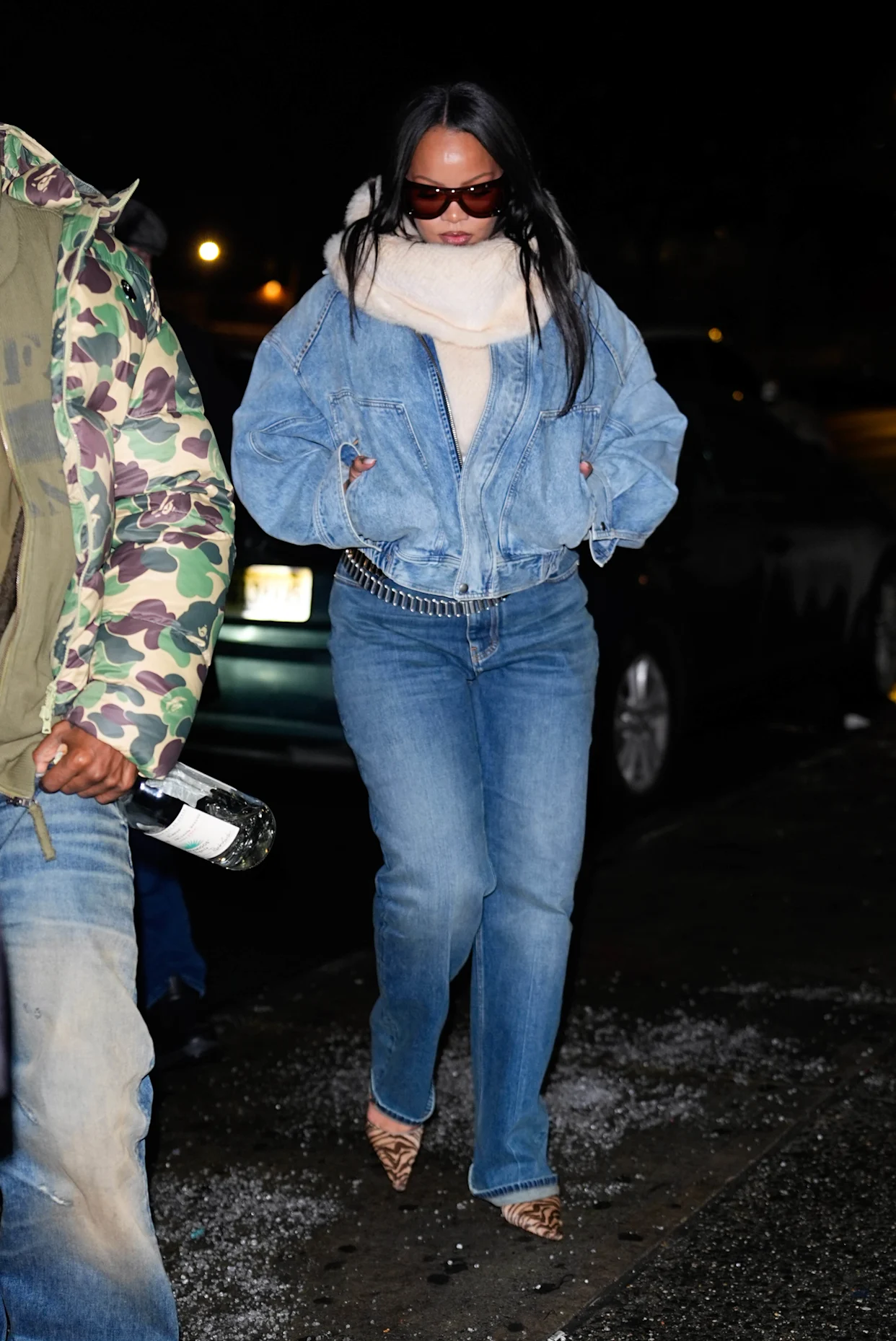
Rihanna wearing denim jackets
Question for you: How do you mix denim trends without clashing? Start simple – pair wide-leg with fitted tops for balance. Lydenim’s fall 2025 denim trends post has killer inspo, and their 2026 spring/summer forecast predicts plaid rhythms in denim that’ll dominate.
Connecting with Premium Garment Suppliers: Smart Sourcing
When it comes to suppliers, think ahead – good denim fabric depends on trustworthy ones. Set them apart this way: Tier 1 moves first, handling large orders and basic specs for broad markets. Next up, Tier 2 handles custom details while still requiring decent batch sizes. Then there is Tier 3, focused on high-end work, crafting unique mixes and tailored fits. Before moving forward, look at output ability – ideal facilities process between one and five million yards each month. If feasible, take time to inspect how they handle quality checks firsthand.
Faster brands often go with small quantities – under 500 yards – from basic suppliers who move fast too. Quick shipping matters more here than custom processes. On the opposite end, high-end labels tend to work directly with skilled makers using rare or hand-spun fibers. These projects need exact matches, not volume deals. When it comes to buying in bulk without high starting amounts, some sellers now let customers try before they buy. That shift helps lower initial risks. If eco-friendly materials are key, then recycled cotton shows up often – also bringing half fewer water needs according to recent data.
I’ve sourced from spots like Liangyuan Textile for custom jeans – their stretch denim jeans options are solid for small runs. Lydenim shines too, with services for garment factories at service for garment factories – wide types, updated designs. For global picks, their top 10 denim fabric suppliers list is a goldmine.
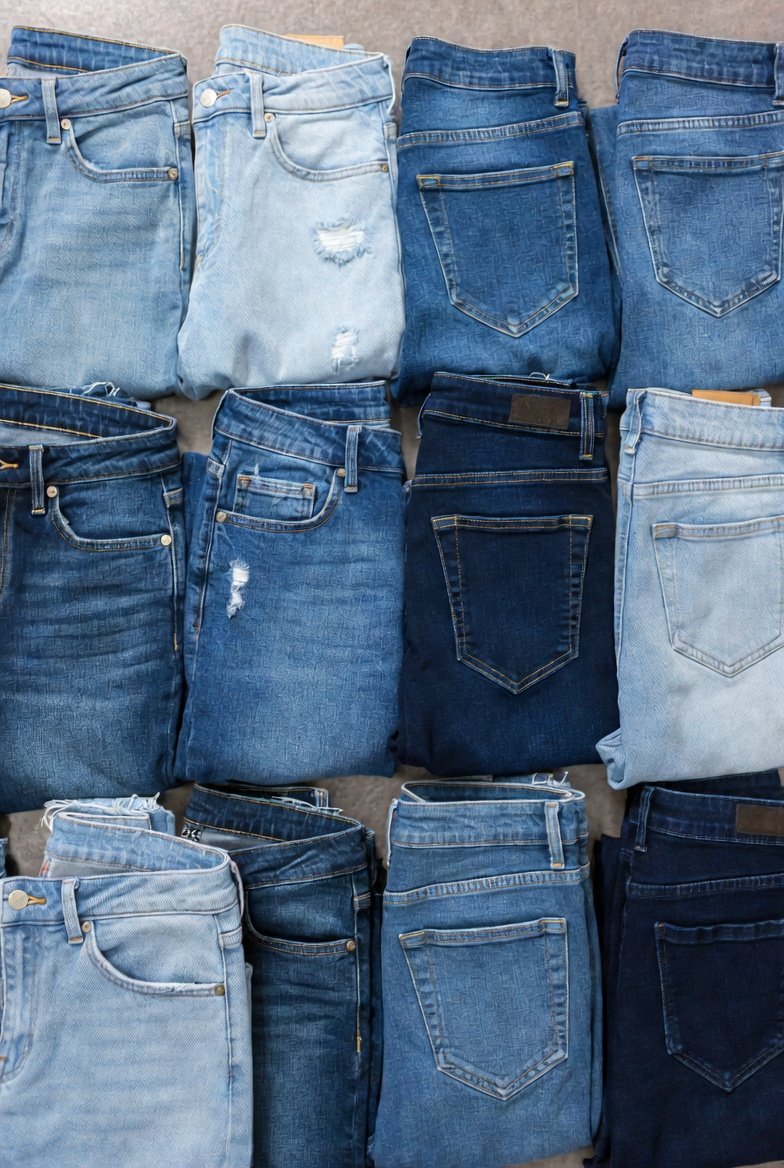
Denim fabric display
Fashion Cases: Icons Mastering Denim
Real life moments hit harder than anything else. Take Beyoncé’s Ivy Park – it swaps thick denim for stretchy versions that follow your body easily, riding the comfort shift in casual clothes. Then there’s Kendall Jenner – not promoting gear, just rocking old T-shirts and worn-out slim pants made of regular fabric, adjusting frayed hems just enough so they feel lived-in. Look at how denim stretches everywhere – catwalks, streets, everyday wear. Its role shifts, yet it fits right in.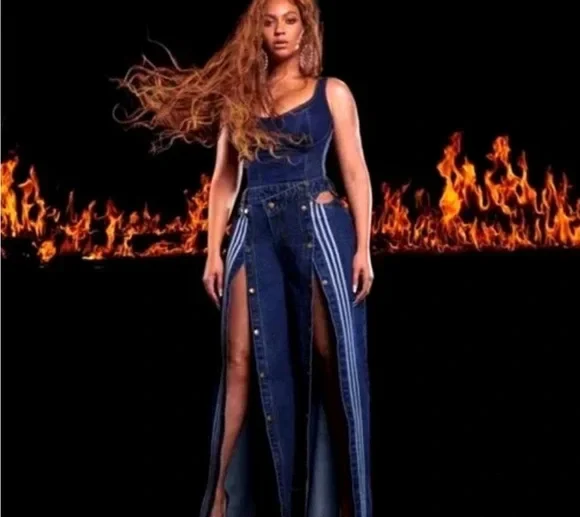
FAQ: Your Denim Fabric Questions Answered
Q: What’s the best weight for beginner denim fabric projects? A: Start with 10-12 oz – versatile for jeans or jackets without overwhelming.
Q: How do I spot quality denim fabric in stores? A: Feel for even weave and check edges for clean finishes; avoid uneven dyes.
Q: Are 2026 trends ditching skinny jeans? A: Not totally – relaxed fits are rising, but skinnies hold for classic looks.
Q: Best way to audit a denim supplier? A: Request samples, review lead times (under 30 days ideal), and chat past clients.
Q: Can low MOQ suppliers handle custom colors? A: Yes, many like Lydenim offer it – just confirm upfront.
Customization Services by LYDENIM
Dreaming of premium fabrics with outstanding texture and durability? LYDENIM specializes in high-quality textiles and bespoke garment solutions, helping you turn creative ideas into reality with precision and style.
🎨 Custom Fabrics
Design your own fabric collection with LYDENIM’s premium materials. From luxurious cotton blends to innovative eco-friendly textiles, explore colors, weaves, and finishes that perfectly match your brand or design vision. Visit LYDENIM to learn more.
🛍️ Tailored Garment Solutions
Bring your designs to life with our custom garment services. Whether it’s tailored suits, stylish dresses, or durable workwear, we ensure perfect fit, superior comfort, and lasting quality. Explore customization options on Myalibaba.
📩 Get in Touch
Have a project in mind? Contact our team at malone@lydenim.com to discuss custom fabrics, garment design, or sustainable textile solutions.
Transform your ideas into reality with LYDENIM—your trusted partner for innovative, high-quality fabrics and bespoke apparel solutions.
FAQ
Can this be customized for my brand or collection?
Yes. Send your application, reference images, target quality, quantity and market requirements so the supplier can recommend suitable fabric, garment or finishing options.
What information should I send before asking for a quote?
Prepare product type, target fabric or technique, color direction, sample needs, quantity, destination country and expected lead time.
Should I request swatches before bulk production?
Yes. Swatches and sample yardage reduce risk before bulk orders, especially when color, handfeel, stretch, finish or decoration quality matters.
How can I avoid quality problems in bulk orders?
Approve a clear sample standard, define test requirements, confirm tolerances and compare bulk output against the approved sample before shipment.
Need help turning this into a production-ready sourcing brief?
Send your target product, fabric direction, quantity and sample needs. LY Denim can help compare options and prepare a quote.