


17 técnicas de impresión y bordado de prendas personalizadas explicadas para marcas y compradores.
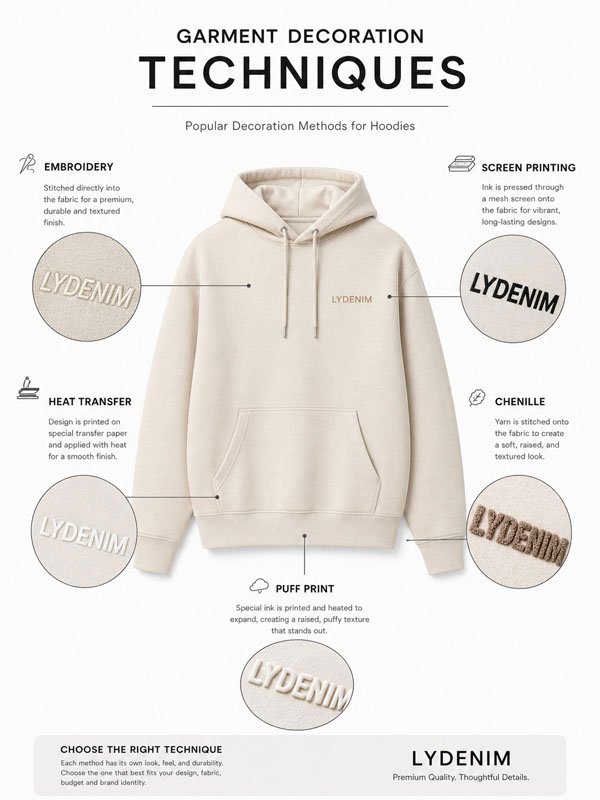
17 técnicas de impresión y bordado de prendas personalizadas explicadas para marcas y compradores.
Descubre 17 técnicas personalizadas de impresión y bordado para marcas de moda. Compara bordado, serigrafía, impresión en relieve, chenilla, impresión con silicona y más.
Resumen del comprador
Para las marcas de ropa y los equipos pequeños, este tema debería vincular las decisiones de diseño con el muestreo, la producción, la cantidad mínima de pedido (MOQ), los métodos de decoración y la preparación de presupuestos.
- Compradores adecuadosMarcas de moda, equipos de abastecimiento, mayoristas, fábricas de prendas de vestir y desarrolladores de productos.
- Qué confirmarProducto objetivo, tipo de tejido, acabado, necesidades de muestras, cantidad y mercado de entrega.
- Riesgo del compradorLas especificaciones poco claras pueden dar lugar a muestras incorrectas, una calidad a granel inestable y presupuestos lentos.
- CTA recomendadaSolicite muestras o un presupuesto de muestra antes de comprometerse con la producción en masa.
Por qué esto es importante para los compradores B2B
Antes de comparar proveedores, confirme el tipo de tejido, la confección, la técnica del logotipo, las necesidades de muestras y la cantidad del pedido.
Descubre 17 técnicas personalizadas de impresión y bordado para marcas de moda. Compara bordado, serigrafía, impresión en relieve, chenilla, impresión con silicona y más.
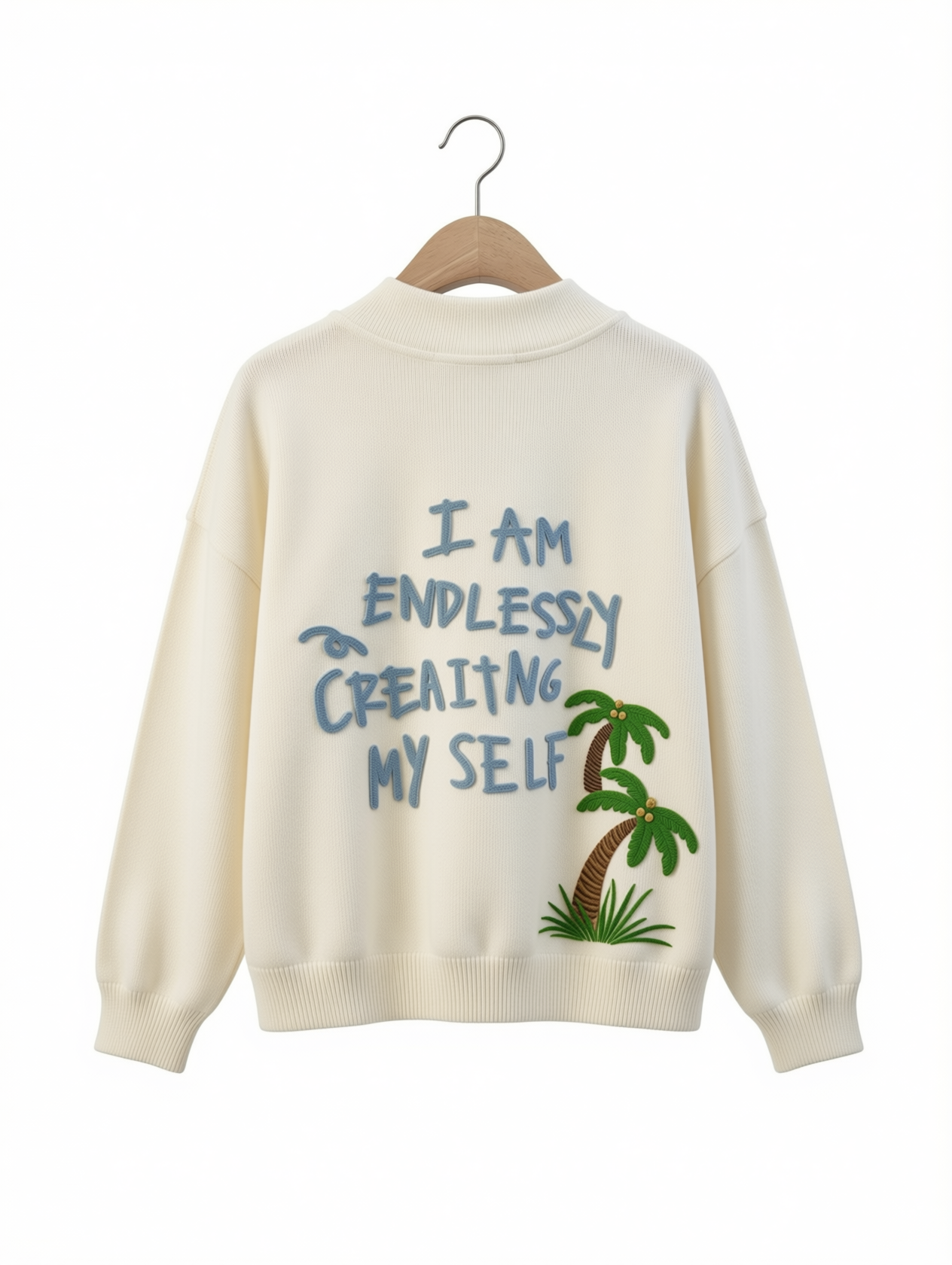
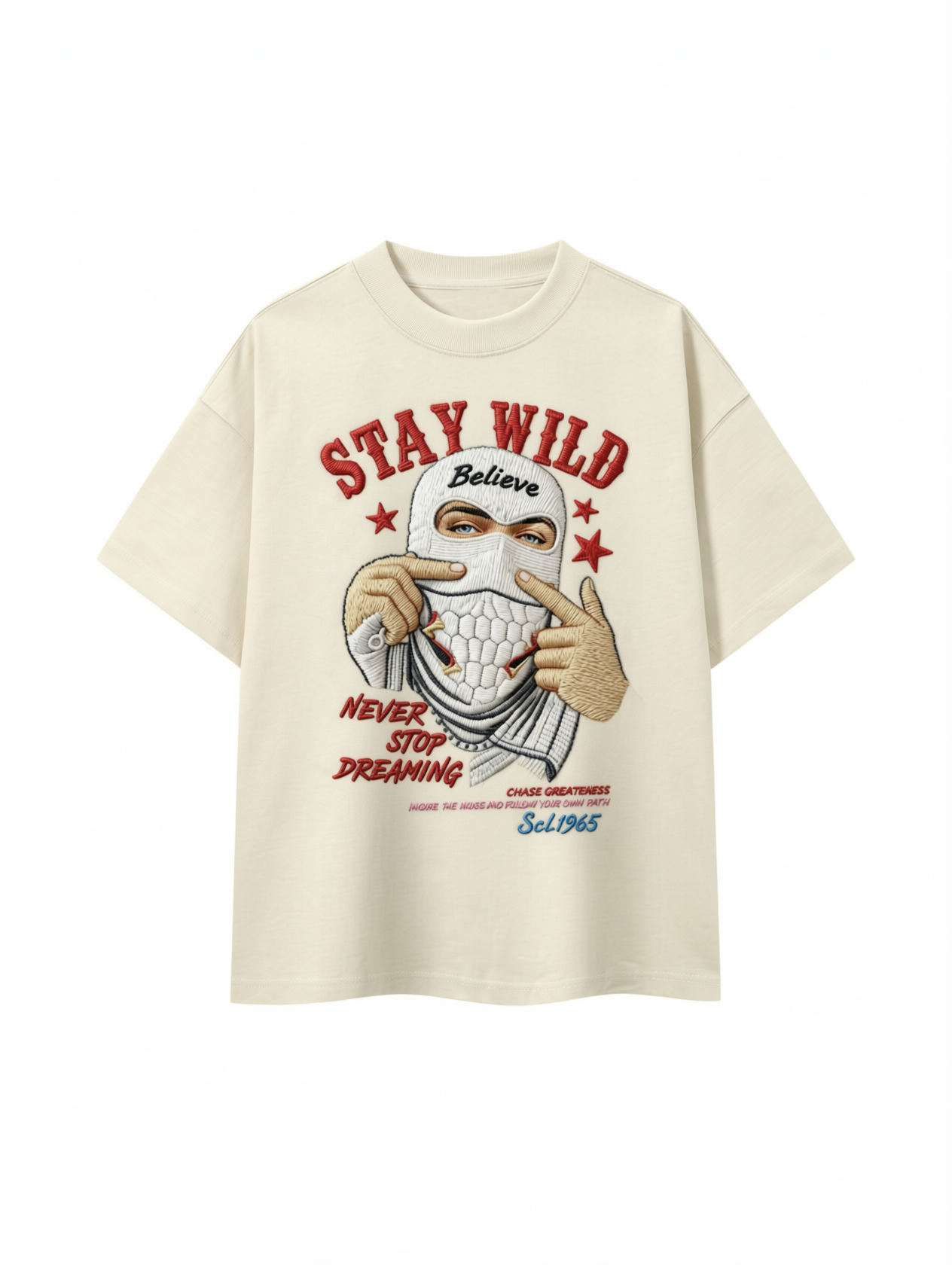
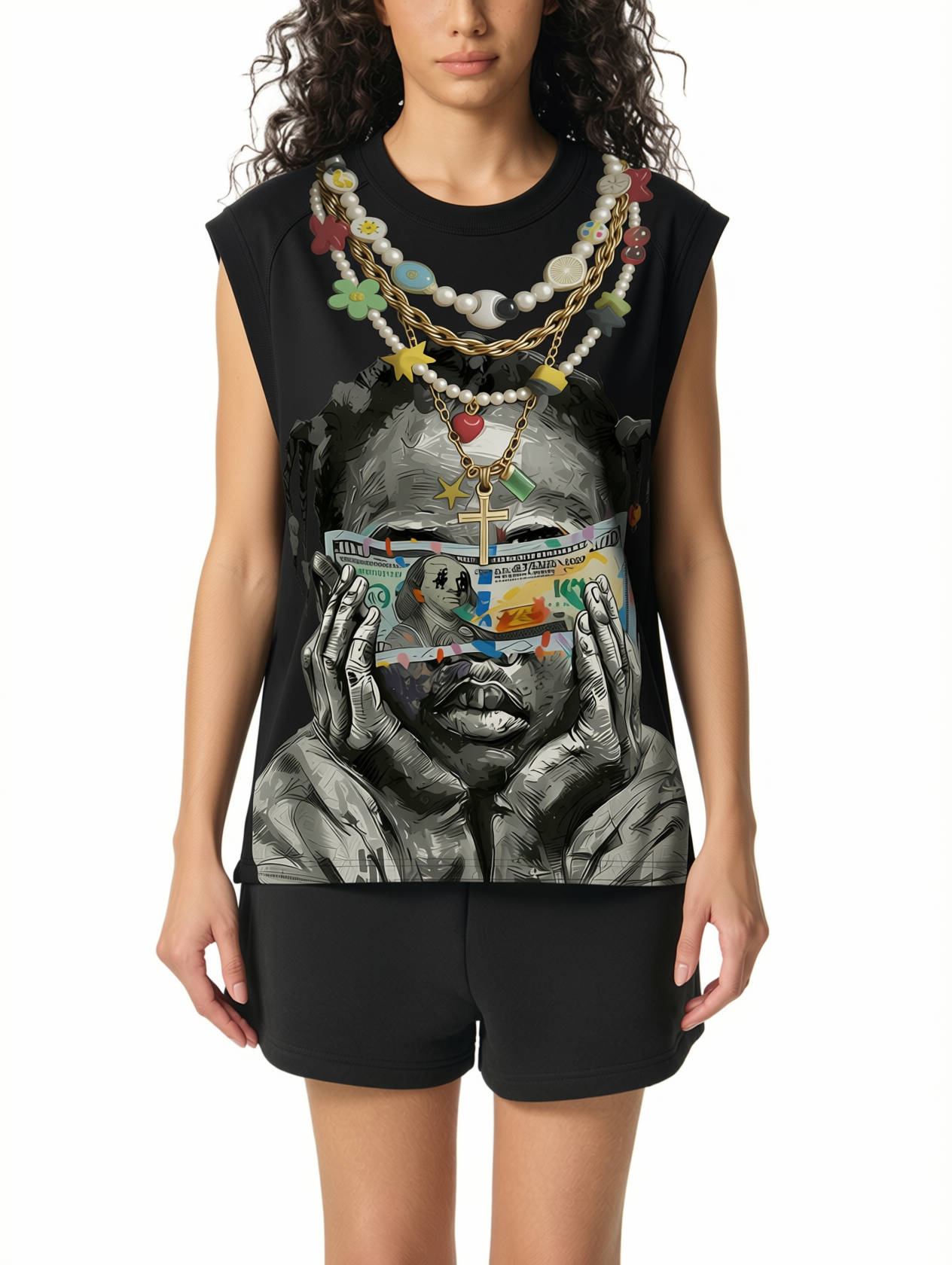
Tabla de especificaciones para un abastecimiento más rápido
| Punto de decisión | Opciones para comparar | Por qué es importante | Pregunta del comprador |
|---|---|---|---|
| Tipo de producto | Sudaderas con capucha, camisetas, vaqueros, chaquetas, ropa personalizada | Controla las opciones de tela, estampado, decoración y confección. | ¿Qué producto estás desarrollando? |
| Personalización | Bordado, serigrafía, estampado en relieve, flocado, lavado | Afecta al coste de la muestra, la cantidad mínima de pedido y el plazo de entrega. | ¿Tienes referencias artísticas o técnicas? |
| Tejido y GSM | Opciones ligeras, medianas o pesadas | Determina la sensación al tacto, la temporada y el posicionamiento en el punto de venta. | ¿Qué sensación al tacto y qué nivel de precio busca? |
| Plan de pedidos | Prototipo, lote pequeño, producción en masa | Modifica los precios, el cronograma y la configuración de producción. | ¿Necesita muestras o un presupuesto para pedidos al por mayor primero? |
Aplicaciones y opciones personalizadas
Desarrollo de productos
Utilice esta guía para convertir las ideas de diseño en requisitos de tela, prenda, acabado y muestras.
Comparación de proveedores
Compare a los proveedores en función del soporte de muestras, la claridad técnica, la estabilidad del volumen de producción y la velocidad de comunicación.
Producción a granel
Confirme los estándares de calidad, las muestras aprobadas y el cronograma antes de realizar los pedidos de producción.
Puntos de control de calidad antes de realizar un pedido al por mayor.
- DE ACUERDOAprobación de la muestra: Confirme la tela, el color, el tacto, la confección y el acabado antes de la producción en masa.
- DE ACUERDOConsistencia volumétrica: Comparar los lotes a granel con la muestra aprobada bajo las mismas condiciones de luz y de prueba.
- DE ACUERDOPruebas de rendimiento: Compruebe la contracción, la solidez del color, la recuperación elástica o la durabilidad de la decoración, según corresponda.
- DE ACUERDOClaridad de la cita: Indique la cantidad, el destino, las necesidades de embalaje y el plazo de entrega previsto para evitar precios imprecisos.
Proceso de desarrollo de muestras
| Paso | El comprador proporciona | El proveedor confirma |
|---|---|---|
| 1. Breve | Aplicación, imágenes de referencia, calidad y cantidad objetivo | Viabilidad, materiales recomendados y opciones personalizadas. |
| 2. Muestra | Comentarios sobre el color, el tacto, el patrón o el acabado preferidos. | Stock disponible, instrucciones personalizadas y coste de la muestra. |
| 3. Muestra | Plan de prueba de prendas, necesidades de talla o metraje | Cronograma de muestreo y repetibilidad de la producción |
| 4. Cotización al por mayor | Cantidad del pedido, destino de entrega y necesidades de embalaje | Precio unitario, cantidad mínima de pedido, plazo de entrega y puntos de control de calidad. |
Guía detallada
Tiempo estimado de lectura: ~4 minutos
En la fabricación moderna de prendas de vestir, el tejido por sí solo ya no es suficiente para crear diferenciación de producto.
Para las marcas de moda, las firmas de ropa urbana y las empresas de ropa a medida, las técnicas de decoración desempeñan un papel fundamental a la hora de definir la identidad del producto, el valor percibido y la experiencia del cliente.
Las distintas técnicas generan efectos visuales, texturas, niveles de durabilidad y costes de producción completamente diferentes. Algunos métodos son ideales para marcas de alta gama, mientras que otros son más adecuados para la producción en masa o colecciones altamente personalizadas.
Esta guía explica los más utilizados Técnicas de impresión de prendas personalizadas y métodos de bordado, ayudando a las marcas y a los compradores a elegir la solución adecuada en función de los objetivos de diseño, el presupuesto, la cantidad del pedido y el mercado objetivo.
Por qué las técnicas de decoración son importantes en la producción de prendas de vestir.
Elegir el método de decoración adecuado influye en algo más que la apariencia.
Tiene un impacto directo en:
- Posicionamiento del producto
- Costo de producción
- Durabilidad
- Percepción del cliente
- eficiencia de fabricación
Por ejemplo:
- Una sudadera con capucha de estilo urbano de lujo puede utilizar bordados de chenilla o relieve 3D para aportar textura y exclusividad.
- Una marca de camisetas promocionales puede preferir la serigrafía para reducir los costes al por mayor.
- Una empresa emergente que esté probando nuevos diseños puede utilizar la impresión por transferencia térmica debido a su bajo coste de configuración.
Comprender las ventajas y limitaciones de cada método ayuda a evitar costosos errores de producción.
1. Bordado (Bordado a máquina)
Características
El bordado utiliza hilos que se cosen directamente a la tela mediante máquinas de bordar computarizadas o métodos de costura manual. Algunos estilos comunes son la puntada de satén, la puntada de cadeneta y la puntada en capas.
Ideal para:
- Logotipos
- Nombres de marcas
- Pequeños gráficos decorativos
Ventajas
- Aspecto premium y lujoso
- Excelente durabilidad (más de 50 lavados)
- Textura rica y efecto de capas
- Fuerte percepción de marca
Limitaciones
- Mayor costo de producción
- No apto para gráficos muy grandes.
- Los gradientes complejos son difíciles
Mejor para
Sudaderas con capucha, polos, chaquetas y uniformes de primera calidad.
Proceso de bordado
2. Bordado plano
Características
El bordado plano utiliza puntadas estándar sin relieve. Crea una apariencia limpia y profesional.
Ventajas
- Coste inferior al del bordado 3D
- Mayor velocidad de producción
- Resultados estables y limpios
Limitaciones
- Efecto menos dimensional
- Aspecto visual más sencillo
Mejor para
Ropa corporativa, imagen de marca minimalista, producción en masa.
Bordado plano
3. Impresión por transferencia térmica
Características
Los diseños se imprimen primero en una película o papel de transferencia y luego se aplican a la tela mediante calor y presión.
Tipos comunes:
- DTF
- HTV
- Transferencia por sublimación
Ventajas
- Excelente para pedidos pequeños
- Gráficos a todo color y con calidad fotográfica
- Costo de instalación bajo
Limitaciones
- Ligera sensación plástica
- Menos transpirable
- Puede agrietarse después de lavados repetidos.
Mejor para
Producción en pequeñas cantidades, empresas emergentes, prendas de vestir personalizadas.
Transferencia de calor
4. Serigrafía
Características
La tinta se presiona a través de mallas sobre la tela. Cada color requiere una pantalla diferente.
Ventajas
- Muy duradero
- Colores vibrantes
- Tacto de tejido natural
- Rentable para la producción en masa.
Limitaciones
- Alto coste de configuración para pedidos pequeños
- Complejidad de color limitada
- No es ideal para detalles a nivel fotográfico.
Mejor para
Camisetas, sudaderas con capucha, ropa promocional, pedidos de gran volumen.
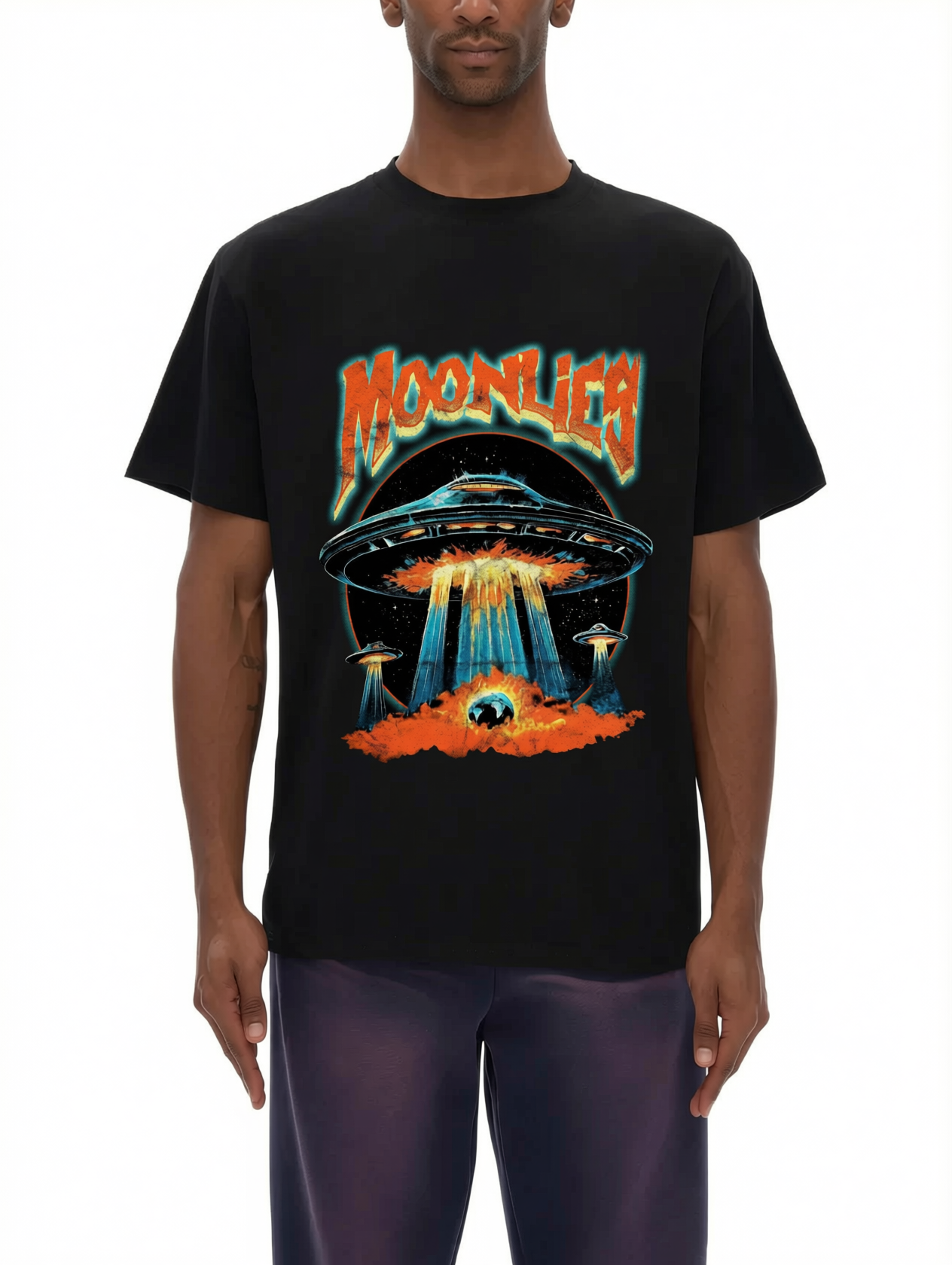
Serigrafía
5. Impresión 3D completa (impresión de alta densidad)
Características
Las múltiples capas de tinta crean superficies 3D en relieve con una fuerte textura e impacto visual.
Ventajas
- Aspecto 3D llamativo
- Look urbano de primera calidad
- Fuerte efecto táctil
Limitaciones
- Mayor costo
- Los detalles finos pueden deformarse.
- Reducción de la transpirabilidad en grandes áreas
Mejor para
Ropa urbana, ropa deportiva, estampados de gran tamaño.
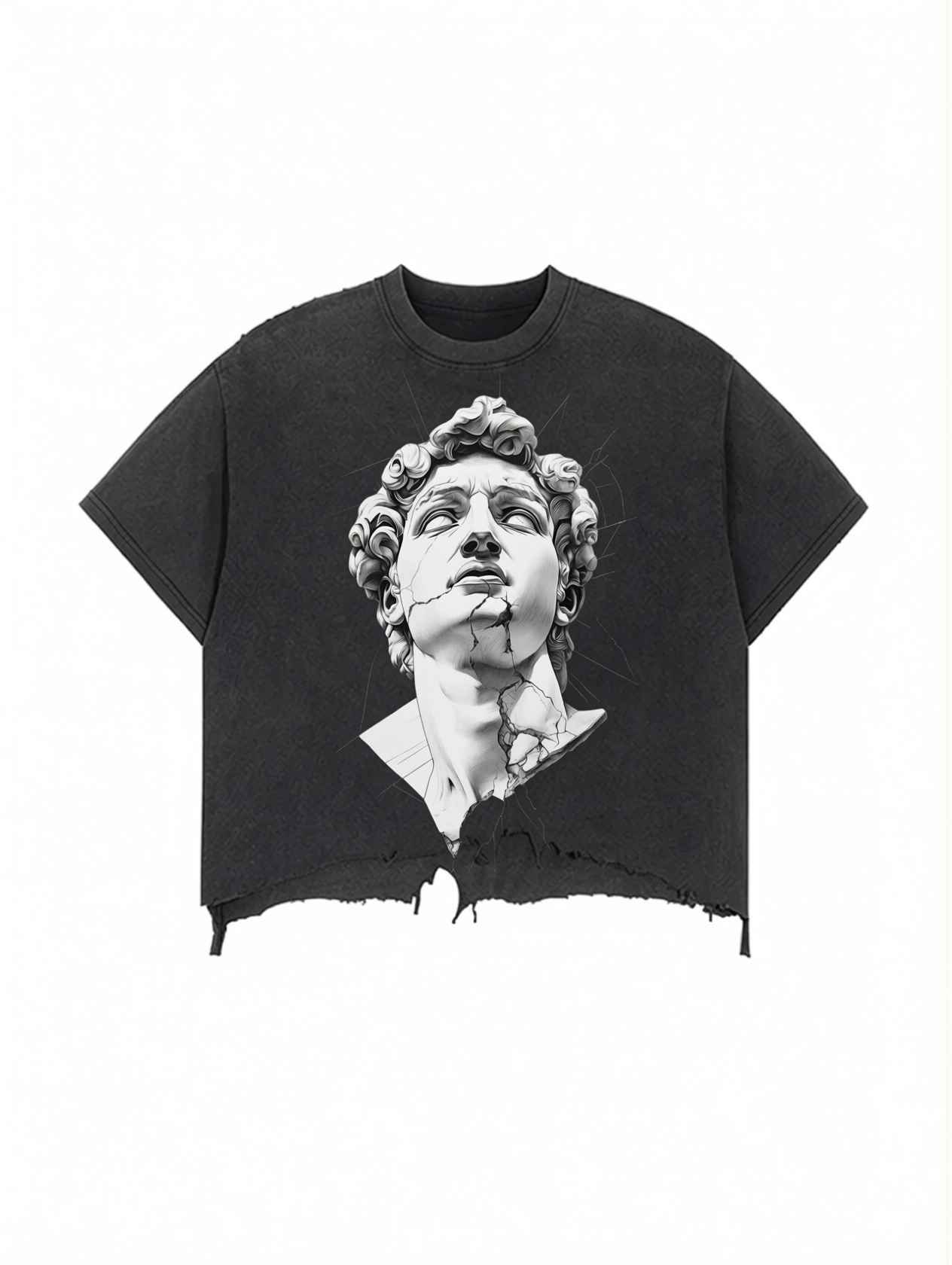
Impresión 3D completa
6. Pintura a mano
Características
Las obras de arte se pintan directamente sobre las prendas utilizando pinturas textiles o rotuladores para tela.
Ventajas
- Aspecto único e irrepetible
- Sensación artística y artesanal
- Transiciones de color naturales
Limitaciones
- No es escalable para la producción en masa.
- Mayor costo laboral
- Requiere fijación del color para mayor durabilidad.
Mejor para
Ediciones limitadas, colecciones de moda artística.
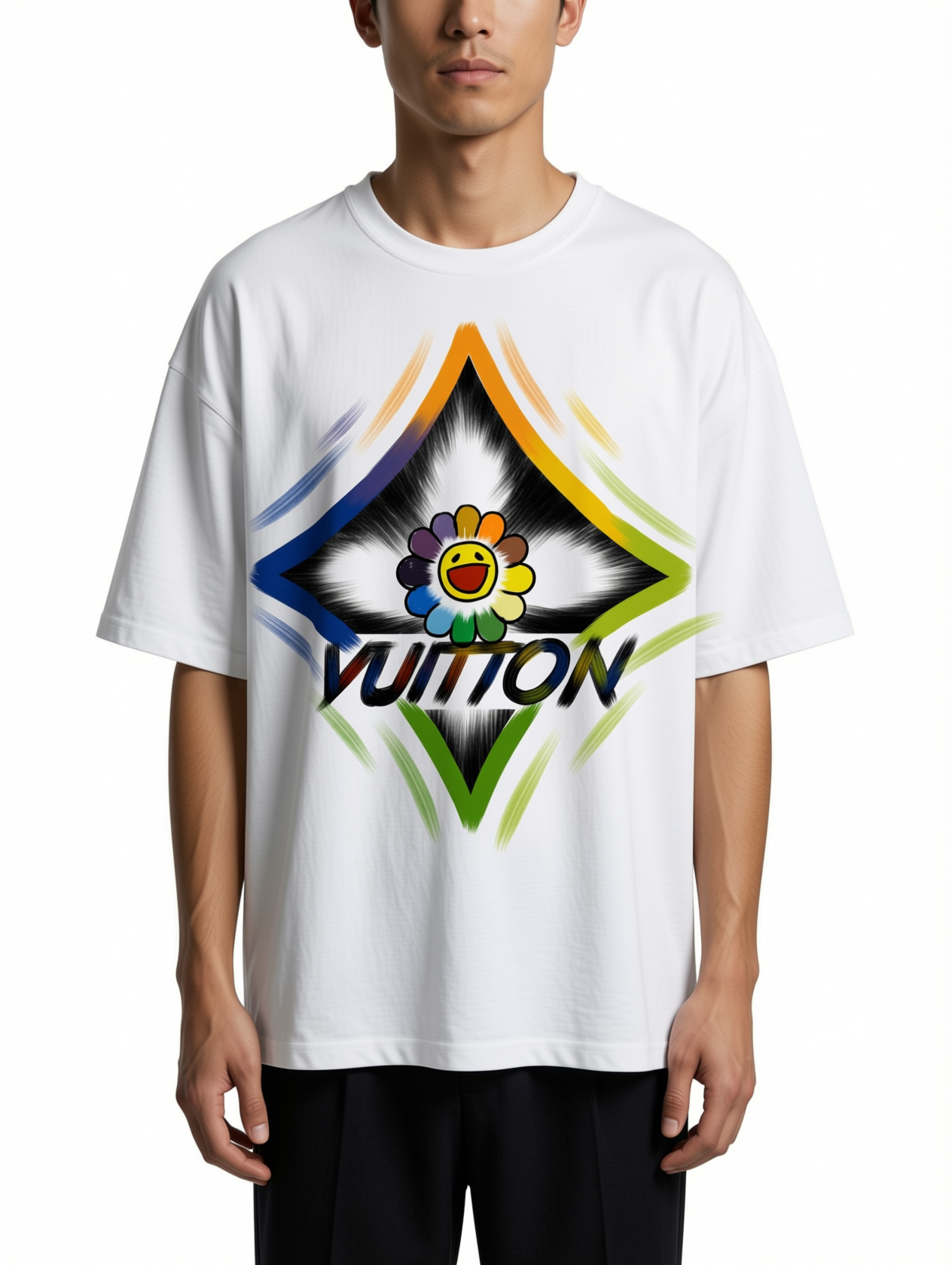
Pintura a mano
7. Teñido anudado
Características
La tela se pliega y se ata antes de teñirla para crear patrones y degradados aleatorios.
Ventajas
- Estética vintage
- Aspecto suave y natural
- Menor necesidad de equipo
Limitaciones
- Los patrones son inconsistentes.
- Es difícil controlar los resultados exactos.
- Posible decoloración con el tiempo.
Mejor para
Ropa informal, colecciones de verano, moda retro.
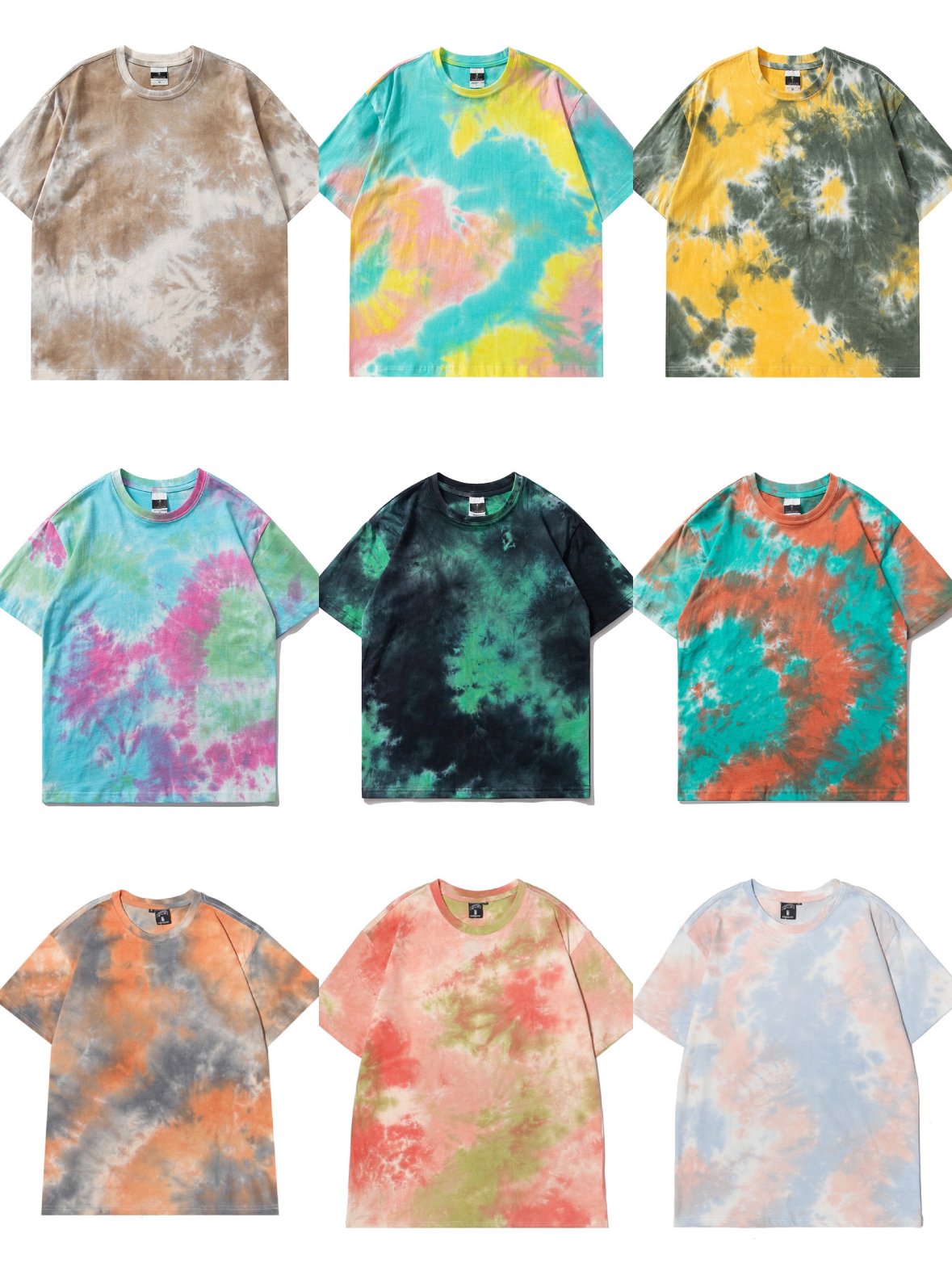
Teñido anudado
8. Parche bordado
Características
Los parches bordados individuales se fijan mediante costura o termofijación.
Ventajas
- Reemplazable y flexible
- Fácil para actualizaciones de marca
- Buen efecto dimensional
Limitaciones
- Bordes de parches visibles
- Las versiones que se aplican con calor pueden descascarillarse.
Mejor para
Chaquetas universitarias, ropa de trabajo, indumentaria táctica.
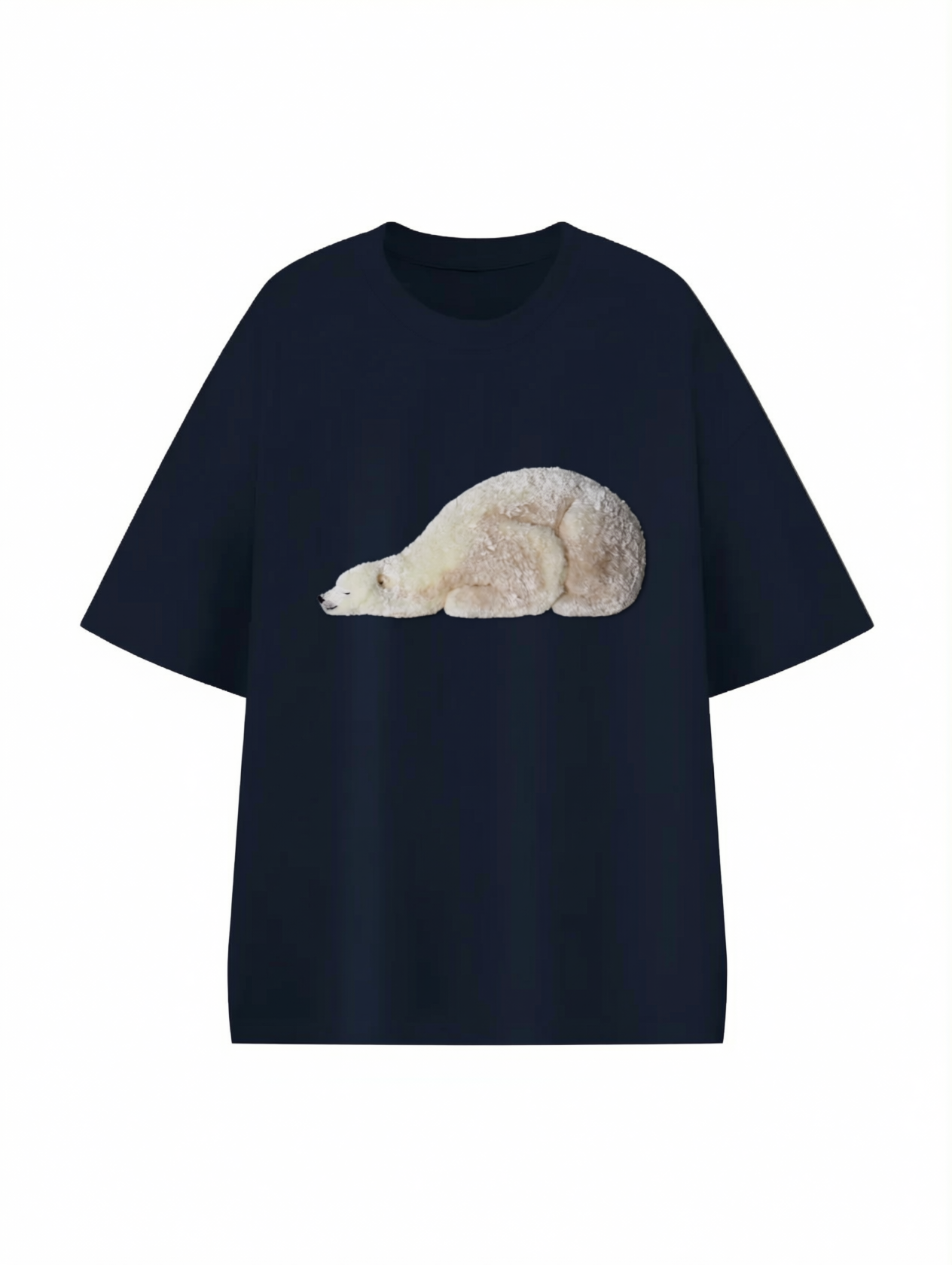
Parches bordados
9. Impresión en relieve
Características
Los agentes espumantes presentes en la tinta se expanden con el calor, creando efectos en relieve.
Ventajas
- Textura 3D suave
- Aspecto llamativo
- Coste moderado
Limitaciones
- Puede aplanarse con el tiempo.
- No es ideal para obras de arte con muchos detalles.
Mejor para
Logotipos y tipografías de ropa urbana.
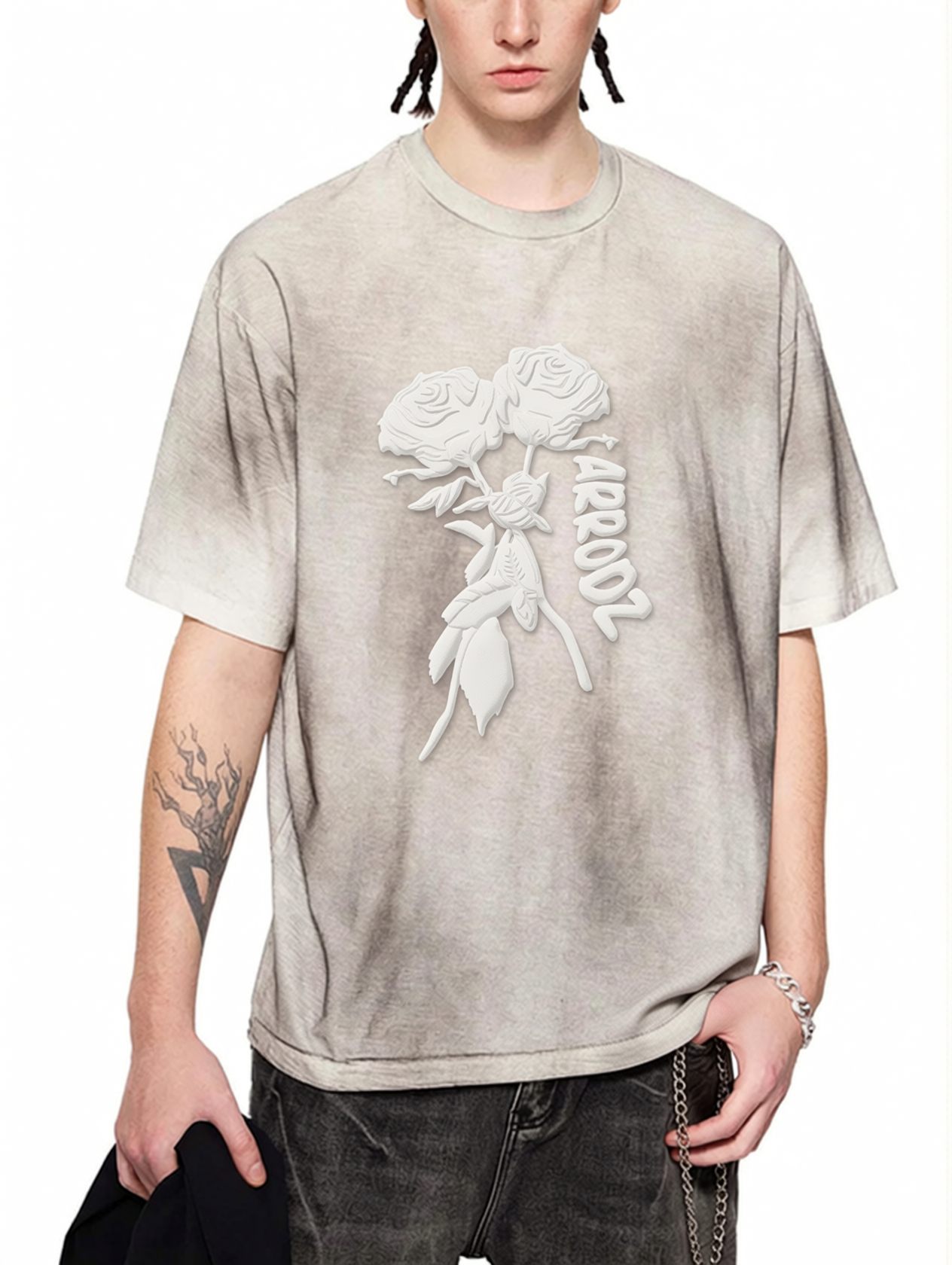
Impresión en relieve
10. Impresión sobre silicona
Características
Las tintas a base de silicona crean gráficos en relieve flexibles y suaves.
Ventajas
- Excelente elasticidad
- Resistente al lavado
- Tacto agradable
Limitaciones
- Mayor costo de producción
- Requiere equipo especializado
Mejor para
Ropa deportiva y prendas de alto rendimiento.
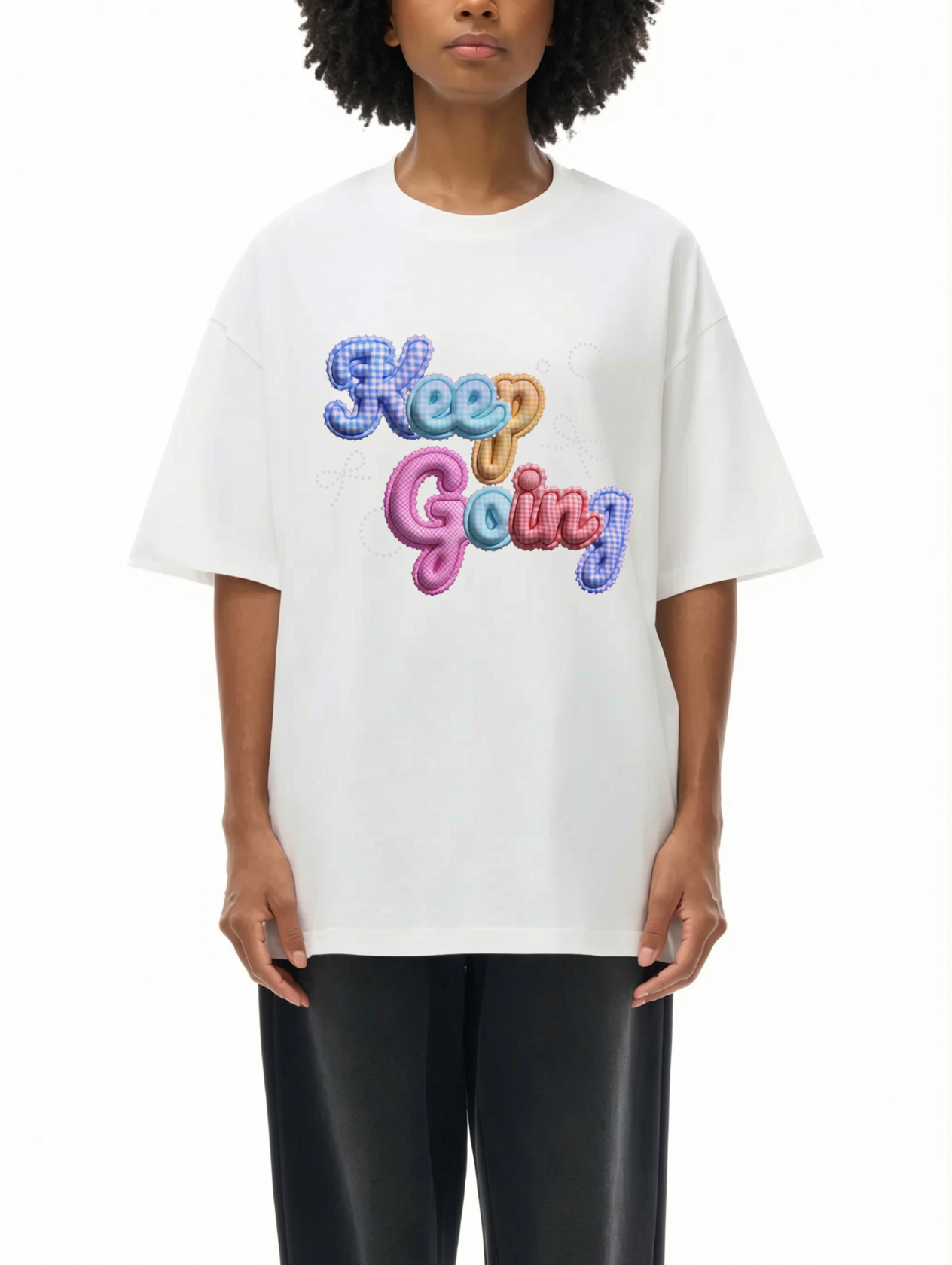
Impresión sobre silicona
11. Formación de bandadas
Características
Las fibras con textura aterciopelada se aplican electrostáticamente sobre superficies adhesivas.
Ventajas
- Textura suave y lujosa
- Fuerte profundidad visual
- Aspecto cálido
Limitaciones
- Las fibras pueden desprenderse
- Menor durabilidad al lavado
Mejor para
Marcas de alta gama y moda decorativa.
12. Transferencia térmica de diamantes de imitación
Características
Los diamantes de imitación se colocan previamente y se adhieren a las prendas mediante termofijación.
Ventajas
- Brillo lujoso
- Alto impacto visual
- Fuerte efecto decorativo
Limitaciones
- Las piedras pueden desprenderse
- Menos práctico para el uso diario
Mejor para
Colecciones de moda, vestuario escénico, ropa de mujer.
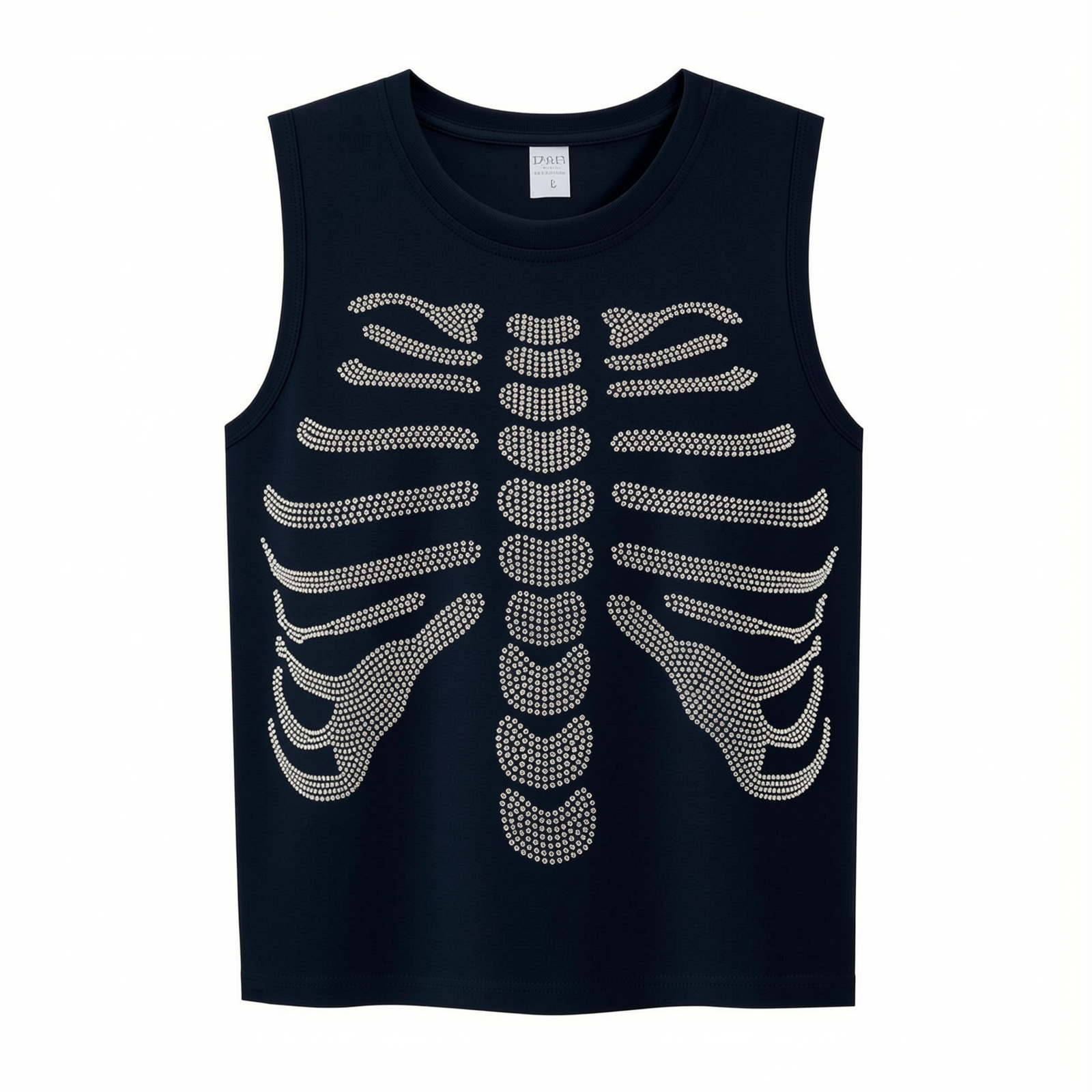
Transferencia de diamantes de imitación
13. Bordado de chenilla
Características
El hilo en bucle crea un bordado en relieve similar al de una toalla.
Ventajas
- Textura gruesa y suave
- Estética vintage de primera calidad
- Identidad visual fuerte
Limitaciones
- Requiere un lavado cuidadoso
- Mayor costo de producción
Mejor para
Chaquetas universitarias, sudaderas con capucha, ropa urbana de lujo.
14. Impresión reflectante y fluorescente
Características
Las tintas reflectantes brillan bajo la luz; las tintas fluorescentes resplandecen o tienen un aspecto muy vívido.
Ventajas
- Visibilidad funcional
- Aspecto vanguardista
- Excelente para uso nocturno
Limitaciones
- Las texturas reflectantes pueden resultar rígidas.
- Los colores fluorescentes pueden desvanecerse más rápido.
Mejor para
Ropa deportiva, ropa de ciclismo, ropa para festivales.
15. Bordado digital
Características
Las máquinas de bordar computarizadas producen diseños complejos con precisión.
Ventajas
- Alta eficiencia
- Adecuado para pequeñas series personalizadas
- Calidad constante
Limitaciones
- Mayor coste de la máquina
- Aún limitado en comparación con la impresión fotográfica.
Mejor para
Proyectos de bordado personalizados modernos.
16. Relieve 3D
Características
Los moldes de calor y presión crean texturas en relieve directamente sobre la tela.
Ventajas
- Efecto táctil de primera calidad
- No se siente como tinta o pegamento.
- Aspecto elegante y minimalista
Limitaciones
- Requiere moldes
- Mayor coste de desarrollo
Mejor para
Marcas de lujo y prendas minimalistas.
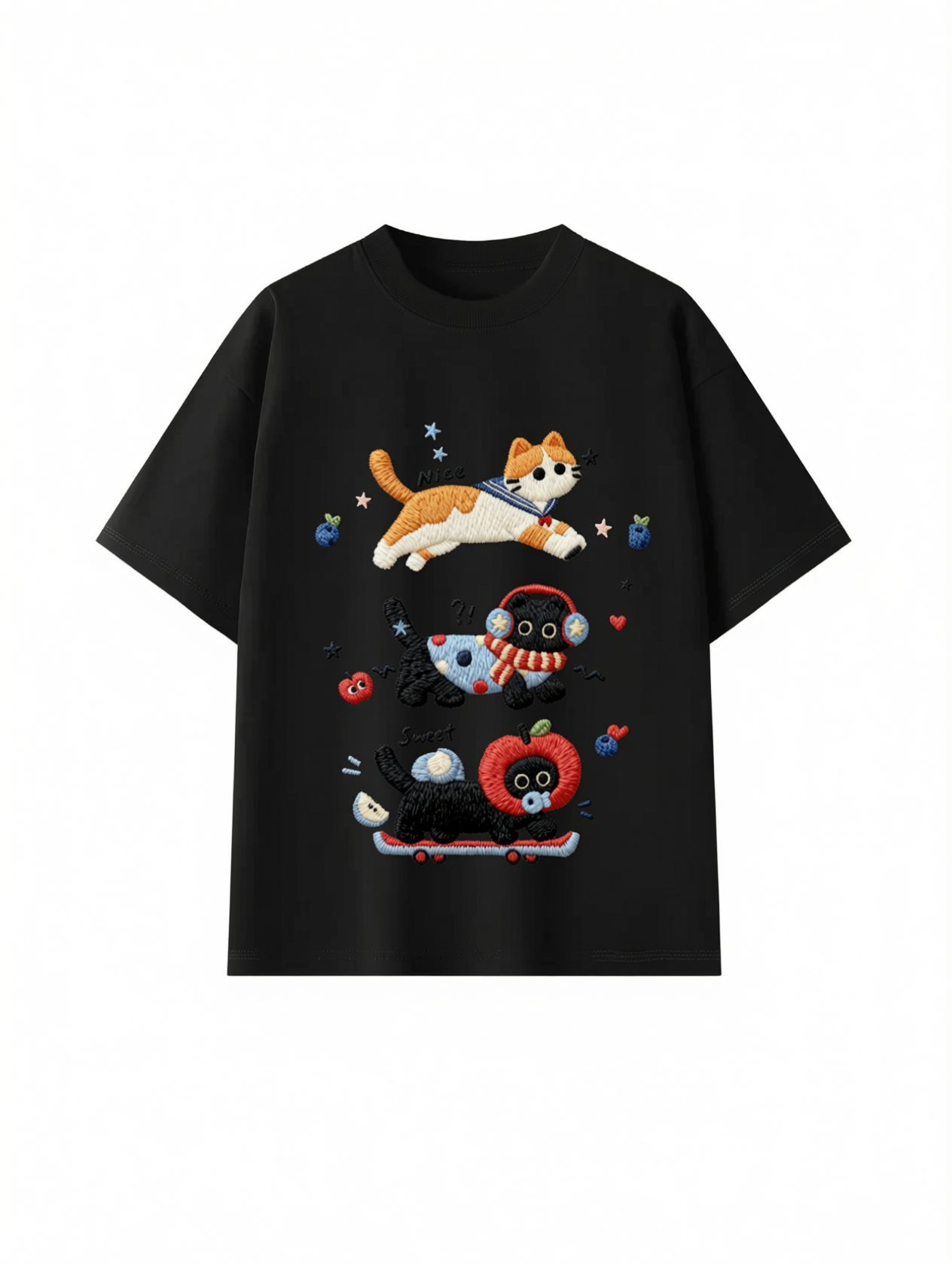
Relieve 3D
17. Bordado con cepillo de dientes
Características
El bordado especial con hilo cortado crea texturas en relieve similares a las de un pincel.
Ventajas
- Textura difusa única
- Fuerte profundidad decorativa
Limitaciones
- Producción compleja
- Los hilos pueden engancharse fácilmente
Mejor para
Colecciones vanguardistas y marcas con texturas distintivas.
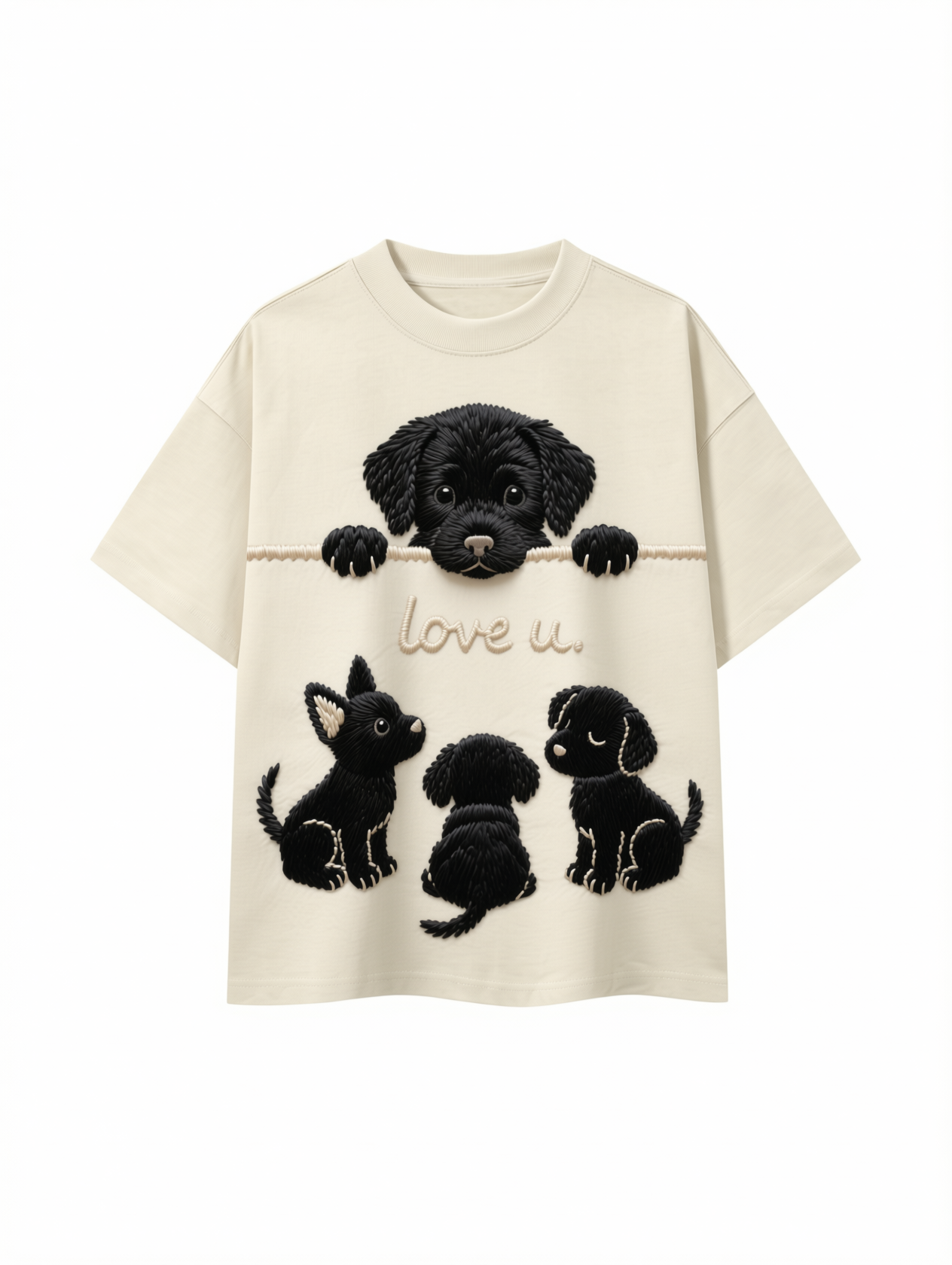
Bordado de cepillo de dientes
Recomendaciones prácticas para los compradores
Proyectos a pequeña escala y personalizados
Recomendado:
- Impresión por transferencia térmica
- Bordado digital
- Pintura a mano
- Transferencia de diamantes de imitación
Producción a gran escala
Recomendado:
- Serigrafía
- Bordado plano
- Impresión sobre silicona
Textura premium y de alta gama
Recomendado:
- Bordado de chenilla
- Bordado de cepillo de dientes
- Relieve 3D
- Flocado
Efectos funcionales y especiales
Recomendado:
- Impresión reflectante
- Teñido anudado
- Parches bordados
结论
No existe un único método de decoración "mejor" en la fabricación de prendas de vestir.
La elección correcta depende de:
- Posicionamiento del producto
- Cantidad del pedido
- Presupuesto
- identidad de marca
- Textura y durabilidad deseadas
Comprender estas técnicas ayuda a las marcas a crear productos visualmente más atractivos, más comercializables y que se ajustan mejor a las expectativas de los clientes.
❓ Preguntas frecuentes: Técnicas de decoración de prendas personalizadas
¿Qué método de impresión es el mejor para principiantes?
La impresión por transferencia térmica suele ser la opción más sencilla y rentable para pedidos pequeños.
¿Cuál es la técnica de decoración más duradera?
El bordado y la serigrafía se encuentran entre las opciones más duraderas.
¿Qué técnica crea el efecto 3D más potente?
La impresión en relieve, el bordado de chenilla y el grabado en 3D crean fuertes efectos dimensionales.
¿Es mejor la serigrafía que la transferencia térmica?
Para la producción en masa y la durabilidad, sí. Para tiradas pequeñas y personalizadas, la transferencia de calor es más flexible.
¿Qué técnicas son las mejores para la ropa urbana de alta gama?
El bordado en chenilla, la impresión en relieve, la impresión en silicona y el grabado en 3D se utilizan ampliamente en la ropa urbana de alta gama.
Servicios de personalización de LYDENIM
🎨 Diseño personalizado
Diseña tu propia colección de telas o prenda con los materiales premium de LYDENIM. Desde lujosas mezclas de algodón hasta innovadores textiles ecológicos, explora colores, tejidos y acabados que se adaptan perfectamente a tu marca o visión de diseño. Visita LYDENIM Para saber más.
🛍️ Soluciones de prendas a medida
Da vida a tus diseños con nuestros servicios de personalización de prendas. Ya sean trajes a medida, vestidos elegantes o ropa de trabajo resistente, garantizamos un ajuste perfecto, comodidad superior y calidad duradera. Explora las opciones de personalización en Mialibaba.
📩 Contáctanos
¿Tienes un proyecto en mente? Contacta con nuestro equipo en malone@lydenim.com para discutir sobre telas personalizadas, diseño de prendas o soluciones textiles sustentables.
Transforme sus ideas en realidad con LYDENIM, su socio de confianza para telas innovadoras y de alta calidad y soluciones de indumentaria a medida.
Preguntas frecuentes
¿Se puede personalizar para mi marca o colección?
Sí. Envíe su solicitud, imágenes de referencia, la calidad y cantidad deseadas, y los requisitos del mercado para que el proveedor pueda recomendarle las opciones de tela, prenda o acabado más adecuadas.
¿Qué información debo enviar antes de solicitar un presupuesto?
Prepare el tipo de producto, el tejido o la técnica de destino, la dirección del color, las necesidades de muestras, la cantidad, el país de destino y el plazo de entrega previsto.
¿Debo solicitar muestras antes de la producción en masa?
Sí. Las muestras y los metrajes de muestra reducen el riesgo antes de realizar pedidos al por mayor, especialmente cuando el color, el tacto, la elasticidad, el acabado o la calidad de la decoración son importantes.
¿Cómo puedo evitar problemas de calidad en pedidos al por mayor?
Aprobar un estándar de muestra claro, definir los requisitos de prueba, confirmar las tolerancias y comparar la producción a granel con la muestra aprobada antes del envío.
¿Necesitas ayuda para convertir esto en un brief de abastecimiento listo para la producción?
Envíanos el producto que buscas, el tipo de tejido, la cantidad y las muestras que necesitas. LY Denim te ayudará a comparar opciones y a preparar un presupuesto.