


17 techniques personnalisées d'impression et de broderie pour vêtements, expliquées spécifiquement pour les marques et les acheteurs
17 techniques d'impression et de broderie personnalisées pour vêtements expliquées aux marques et aux acheteurs
Découvrez 17 techniques d'impression et de broderie personnalisées pour les marques de mode. Comparez la broderie, la sérigraphie, l'impression en relief, le chenille, l'impression silicone et bien plus encore.
Résumé pour l'acheteur
Pour les marques de vêtements et les petites équipes, ce sujet devrait permettre de faire le lien entre les décisions de conception, l'échantillonnage, la production, la quantité minimale de commande, les méthodes de décoration et la préparation des devis.
- acheteurs potentielsMarques de mode, équipes d'approvisionnement, grossistes, usines de confection et développeurs de produits.
- Que confirmerProduit cible, orientation du tissu, finition, besoins en échantillons, quantité et marché de livraison.
- Risque de l'acheteurDes spécifications imprécises peuvent entraîner des échantillons erronés, une qualité de production instable et des devis lents.
- CTA recommandéDemandez des échantillons ou un devis avant de vous engager dans une production en série.
Pourquoi c'est important pour les acheteurs B2B
Avant de comparer les fournisseurs, veuillez confirmer le tissu, la confection, la technique de logo, les besoins en échantillons et la quantité commandée.
Découvrez 17 techniques d'impression et de broderie personnalisées pour les marques de mode. Comparez la broderie, la sérigraphie, l'impression en relief, le chenille, l'impression silicone et bien plus encore.
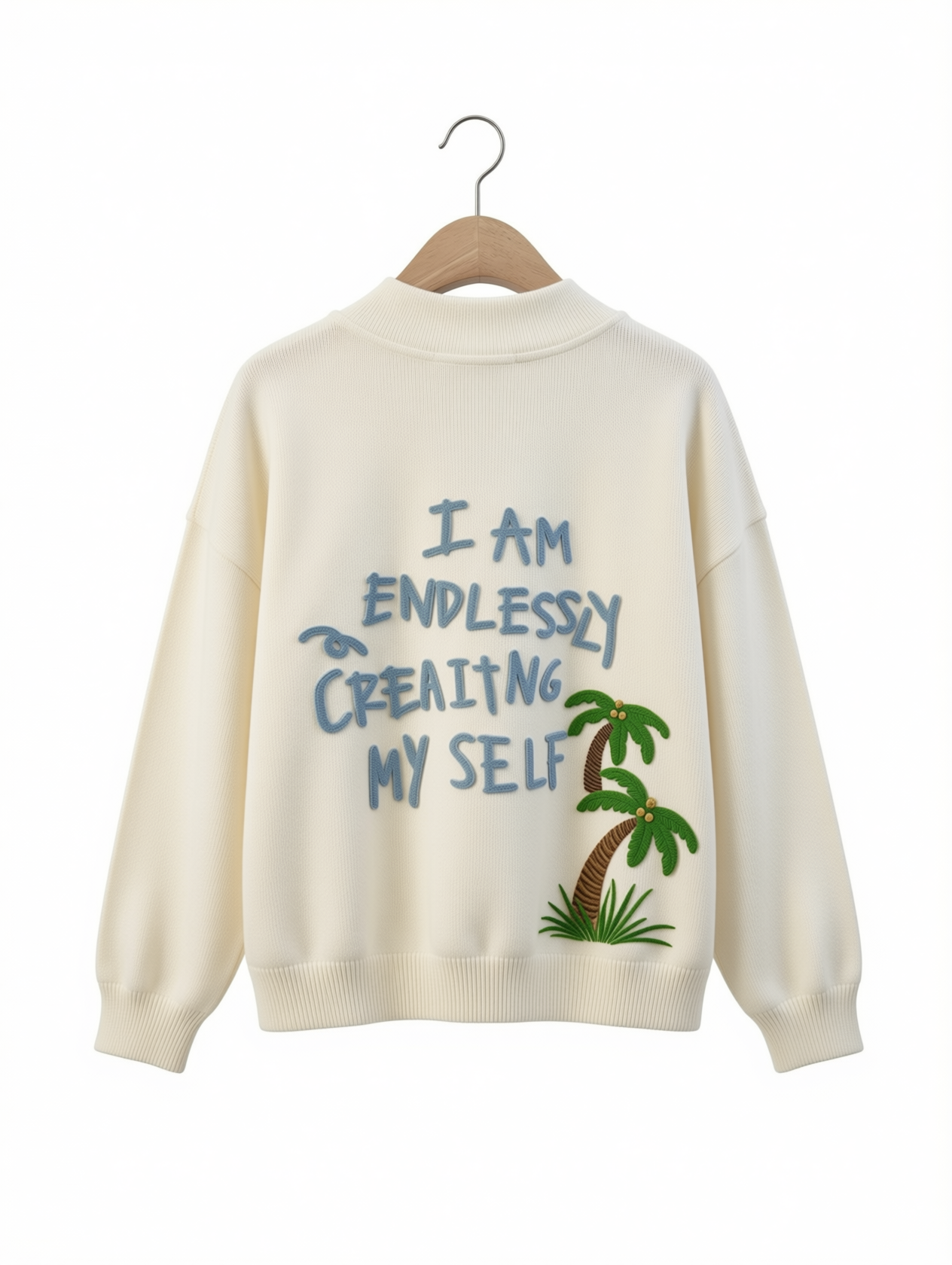
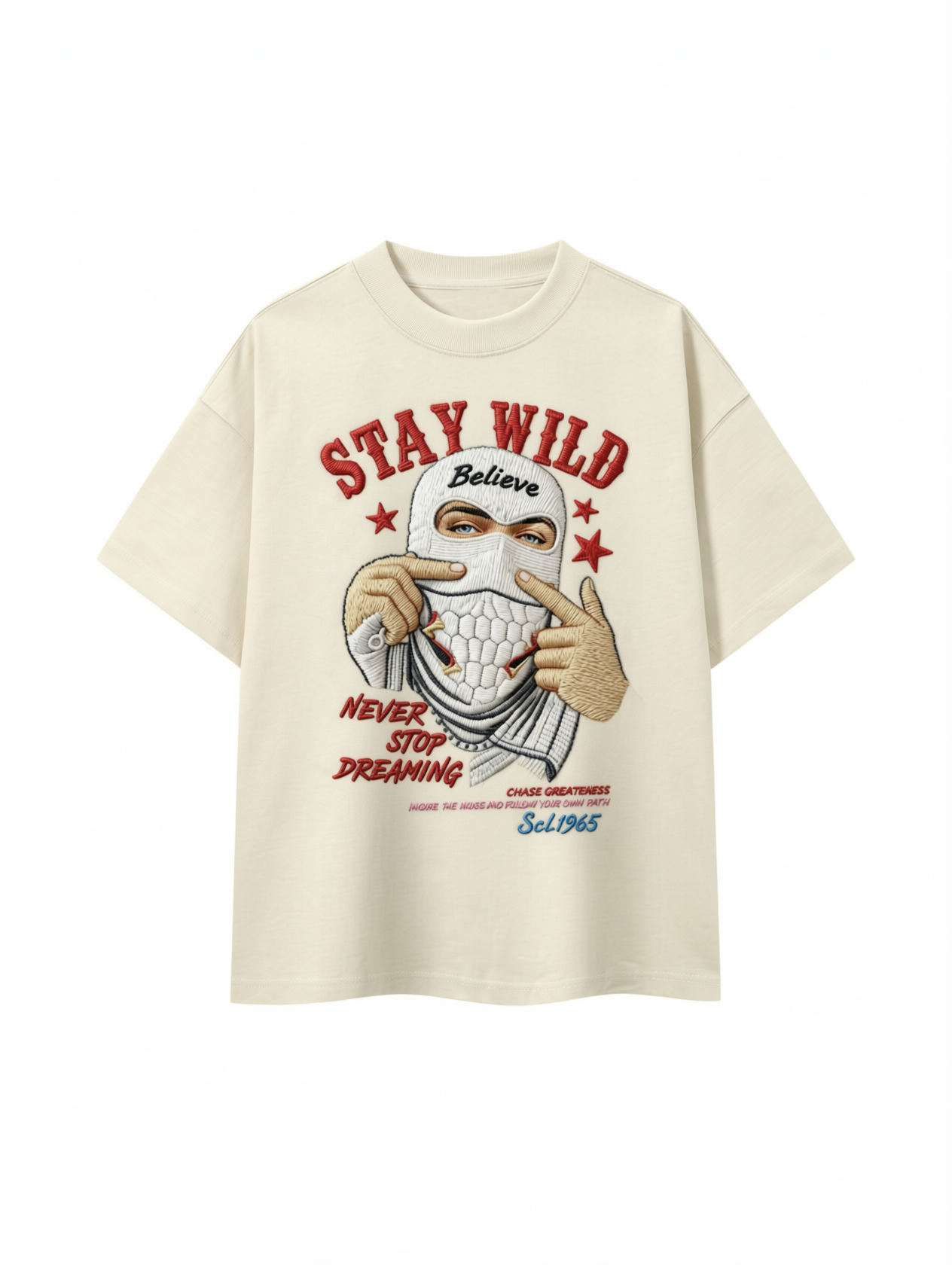
Tableau de spécifications pour un approvisionnement plus rapide
| Point de décision | Options à comparer | Pourquoi c'est important | Question de l'acheteur |
|---|---|---|---|
| Type de produit | Sweats à capuche, t-shirts, jeans, vestes, vêtements personnalisés | Contrôle les choix de tissu, de motif, de décoration et de confection | Quel produit êtes-vous en train de développer ? |
| Personnalisation | Broderie, sérigraphie, impression en relief, flocage, lavage | Cela influe sur le coût des échantillons, la quantité minimale de commande et le délai de livraison. | Avez-vous des références artistiques ou techniques ? |
| Tissu et GSM | options légères, moyennes ou lourdes | Détermine la sensation au toucher, la saison et le positionnement en magasin | Quel niveau de toucher et de prix recherchez-vous ? |
| Plan de commande | Prototype, petite série, production en série | Modifications apportées aux prix, au calendrier et à la configuration de la production | Avez-vous besoin d'échantillons ou d'un devis pour une commande en gros ? |
Applications et options personnalisées
Développement de produits
Utilisez ce guide pour transformer vos idées de conception en exigences concernant les tissus, les vêtements, les finitions et les échantillons.
Comparaison des fournisseurs
Comparez les fournisseurs selon le support d'échantillons, la clarté technique, la stabilité des commandes en gros et la rapidité de communication.
Production en vrac
Vérifier les normes de qualité, les échantillons approuvés et le calendrier avant de passer les commandes de production.
Points de contrôle qualité avant la commande en gros
- D'ACCORDApprobation de l'échantillon : Confirmer le tissu, la couleur, le toucher, la confection et la finition avant la production en série.
- D'ACCORDConsistance en vrac : comparer les lots en vrac à l'échantillon approuvé dans les mêmes conditions d'éclairage et de test.
- D'ACCORDTests de performance : vérifier le rétrécissement, la solidité des couleurs, la récupération de l'élasticité ou la durabilité de la décoration le cas échéant.
- D'ACCORDClarté de la citation : Veuillez indiquer la quantité, la destination, les exigences en matière d'emballage et le délai de livraison souhaité afin d'éviter toute imprécision quant à la tarification.
Processus de développement d'échantillons
| Étape | L'acheteur fournit | Le fournisseur confirme |
|---|---|---|
| 1. Bref | Application, images de référence, qualité et quantité cibles | Faisabilité, matériaux recommandés et options personnalisées |
| 2. Échantillon | Commentaires sur la couleur, le toucher, le motif ou la finition préférés | Stock disponible, commande personnalisée et coût des échantillons |
| 3. Échantillon | Plan d'essai du vêtement, besoins en taille ou en métrage | Calendrier d'échantillonnage et répétabilité de la production |
| 4. Devis groupé | Quantité commandée, destination de livraison et besoins en emballage | Prix unitaire, quantité minimale de commande, délai de livraison et points de contrôle qualité |
Guide détaillé
Temps de lecture estimé : ~4 minutes
Dans la fabrication moderne de vêtements, le tissu seul ne suffit plus à créer une différenciation des produits.
Pour les marques de mode, les labels de streetwear et les entreprises de vêtements personnalisés, les techniques de décoration jouent un rôle majeur dans la définition de l'identité du produit, de sa valeur perçue et de l'expérience client.
Les différentes techniques produisent des effets visuels, des textures, des niveaux de durabilité et des coûts de production très différents. Certaines méthodes sont idéales pour les marques haut de gamme, tandis que d'autres conviennent mieux à la production de masse ou aux collections hautement personnalisées.
Ce guide explique les méthodes les plus couramment utilisées techniques d'impression de vêtements personnalisés et les méthodes de broderie, aidant ainsi les marques et les acheteurs à choisir la solution adaptée à leurs objectifs de conception, leur budget, la quantité commandée et leur marché cible.
Pourquoi les techniques de décoration sont importantes dans la production de vêtements
Choisir la bonne méthode de décoration a des conséquences qui vont bien au-delà de l'apparence.
Cela a un impact direct sur :
- positionnement du produit
- coût de production
- Durabilité
- Perception du client
- efficacité de production
Par exemple:
- Un sweat à capuche streetwear de luxe peut utiliser des broderies chenille ou un gaufrage 3D pour plus de texture et d'exclusivité.
- Une marque de t-shirts promotionnels peut privilégier la sérigraphie pour réduire les coûts de production en grande quantité.
- Une start-up testant de nouveaux modèles peut utiliser l'impression par transfert thermique en raison de son faible coût de mise en place.
Comprendre les points forts et les limites de chaque méthode permet d'éviter des erreurs de production coûteuses.
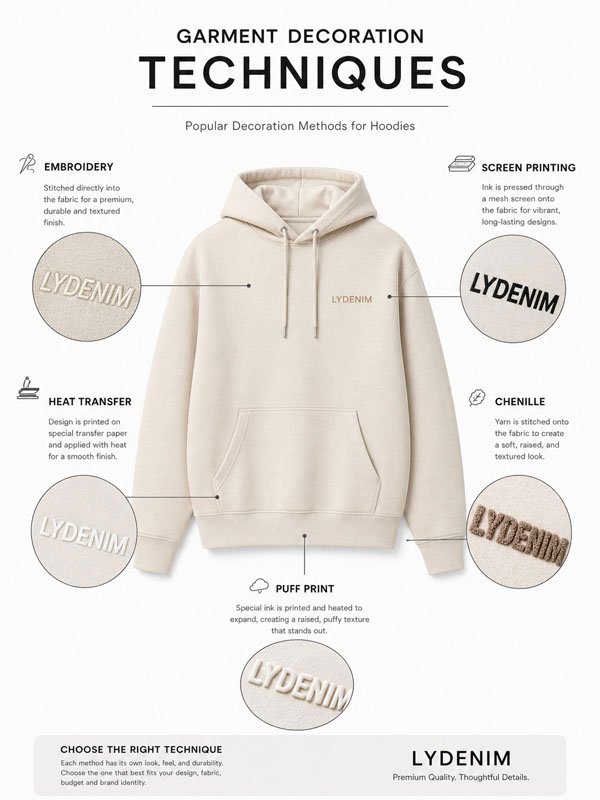
1. Broderie (Broderie machine)
Caractéristiques
La broderie utilise des fils cousus directement sur le tissu, soit à l'aide de machines à broder informatisées, soit manuellement. Parmi les styles courants, on trouve le point de satin, le point de chaînette et la broderie superposée.
Idéal pour :
- Logos de marque
- Noms de marque
- petits graphismes décoratifs
Avantages
- Apparence haut de gamme et luxueuse
- Excellente durabilité (plus de 50 lavages)
- Texture riche et effet de superposition
- Perception de marque forte
Limites
- Coût de production plus élevé
- Ne convient pas aux graphiques de très grande taille.
- Les gradients complexes sont difficiles
Idéal pour
Sweat-shirts à capuche, polos, vestes, uniformes haut de gamme.
Processus de broderie
2. Broderie à plat
Caractéristiques
La broderie plate utilise des points standards sans relief. Elle offre un rendu net et professionnel.
Avantages
- Moins cher que la broderie 3D
- Vitesse de production plus rapide
- Résultats stables et nets
Limites
- Effet moins dimensionnel
- Apparence visuelle plus simple
Idéal pour
Vêtements d'entreprise, image de marque minimaliste, production en série.
Broderie à plat
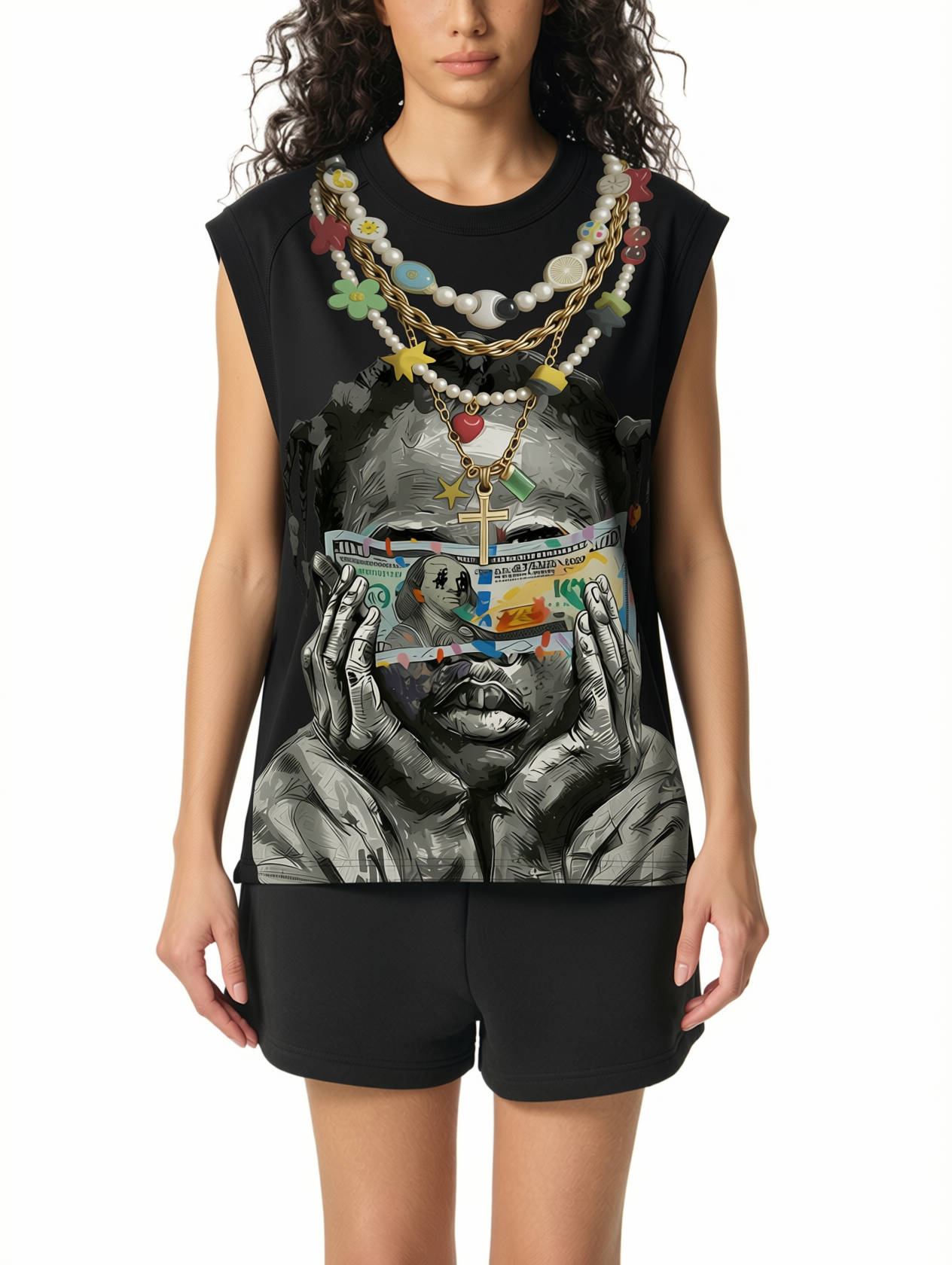
3. Impression par transfert thermique
Caractéristiques
Les motifs sont d'abord imprimés sur un film ou un papier de transfert, puis appliqués sur le tissu à l'aide de chaleur et de pression.
Types courants :
- DTF
- HTV
- Transfert par sublimation
Avantages
- Idéal pour les petites commandes
- Graphiques en couleur et de qualité photographique
- Faibles coûts d'installation
Limites
- Légère sensation plastique
- Moins respirant
- Peut se fissurer après des lavages répétés
Idéal pour
Production en petites séries, start-ups, vêtements personnalisés.
Transfert de chaleur
4. Sérigraphie
Caractéristiques
L'encre est appliquée sur le tissu à travers des écrans de sérigraphie. Chaque couleur nécessite un écran différent.
Avantages
- Très durable
- Couleurs éclatantes
- Sensation naturelle du tissu
- Rentable pour la production en série
Limites
- Frais d'installation élevés pour les petites commandes
- Complexité de couleur limitée
- Pas idéal pour une précision photographique.
Idéal pour
T-shirts, sweats à capuche, vêtements promotionnels, commandes en gros volumes.
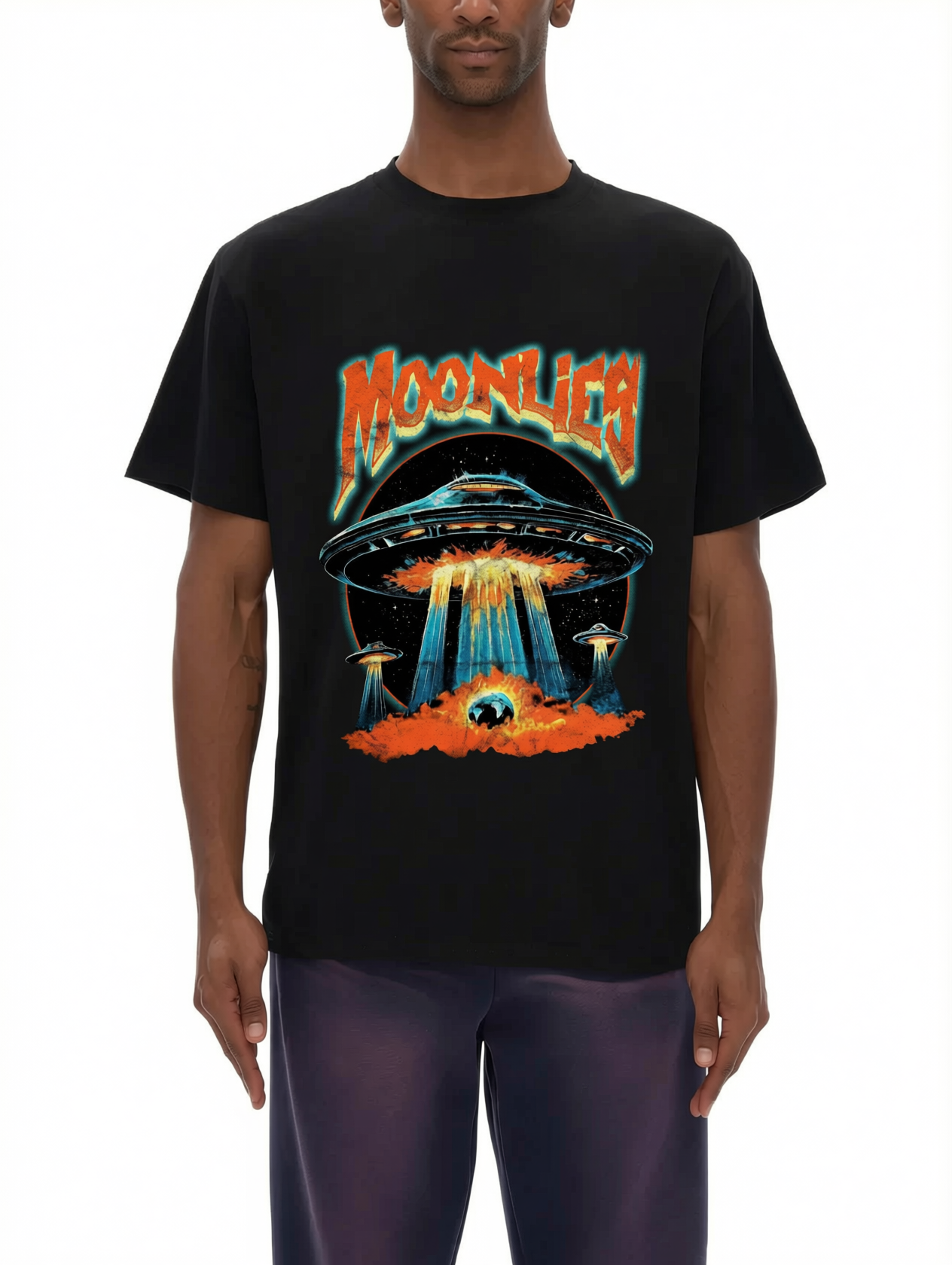
Sérigraphie
5. Impression 3D complète (impression haute densité)
Caractéristiques
La superposition de plusieurs couches d'encre crée des surfaces 3D en relief, à la texture marquée et à l'impact visuel saisissant.
Avantages
- Apparence 3D audacieuse
- Look streetwear premium
- Effet tactile puissant
Limites
- coût plus élevé
- Les détails fins peuvent se déformer
- Respirabilité réduite sur de grandes surfaces
Idéal pour
Vêtements streetwear, vêtements de sport, graphismes surdimensionnés.
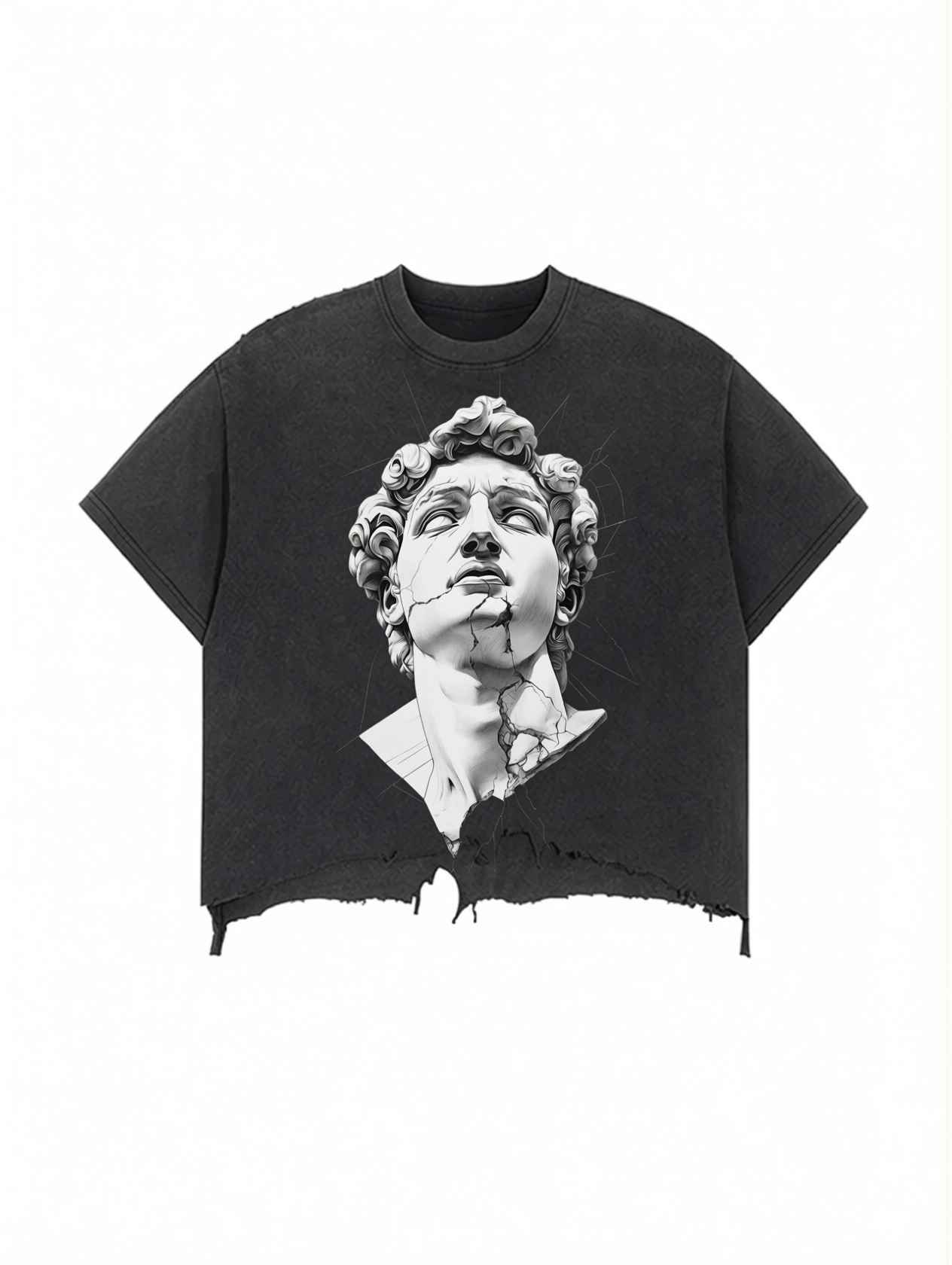
Impression 3D complète
6. Peinture à la main
Caractéristiques
Les motifs sont peints directement sur les vêtements à l'aide de peintures textiles ou de marqueurs pour tissu.
Avantages
- Apparence unique et exclusive
- Sensation artistique et artisanale
- Transitions de couleurs naturelles
Limites
- Non adaptable à la production de masse
- Coût de la main-d'œuvre plus élevé
- Nécessite une fixation de la couleur pour une meilleure durabilité
Idéal pour
Éditions limitées, collections de mode artistiques.
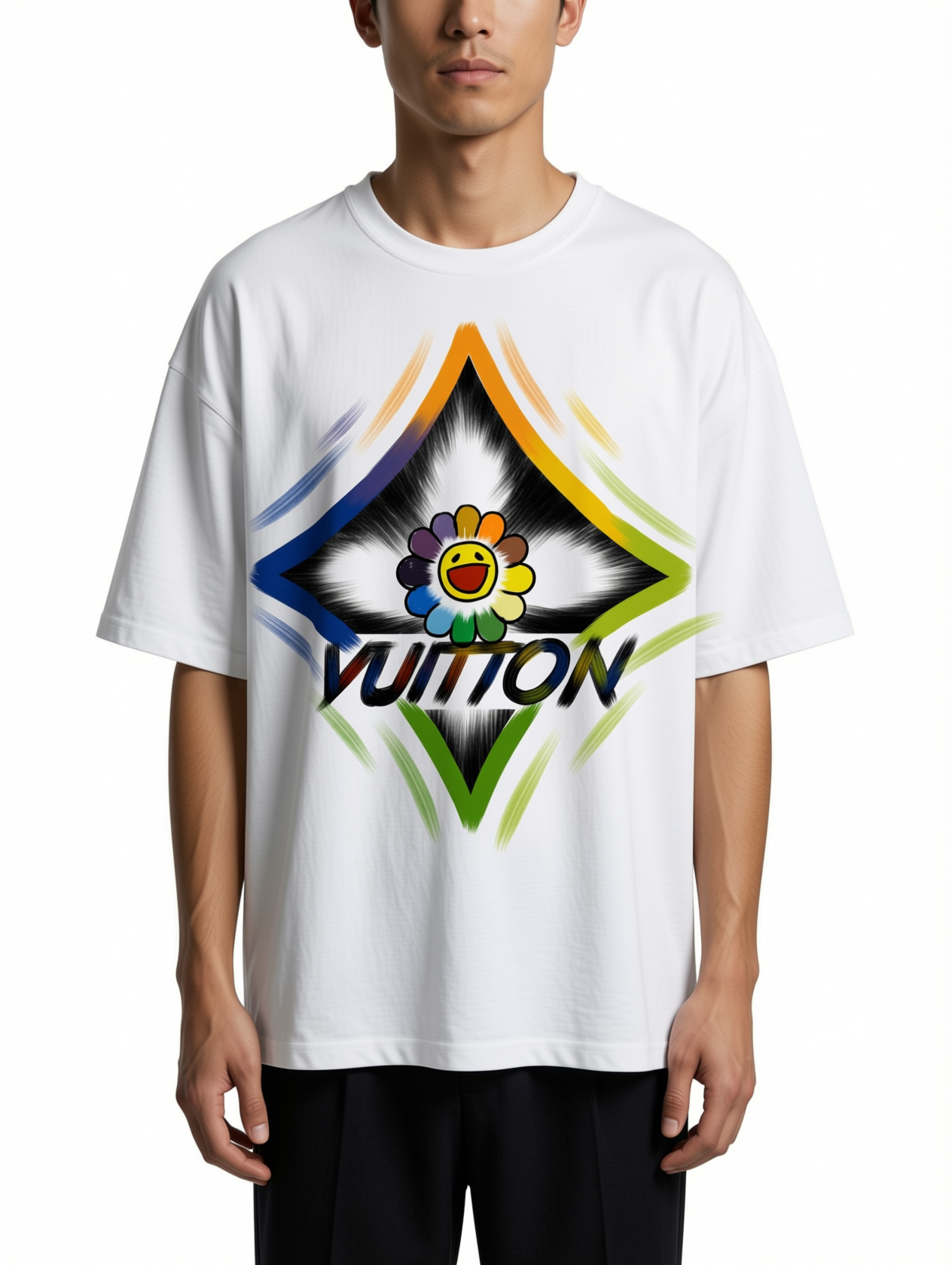
Peinture à la main
7. Teinture nouée
Caractéristiques
Le tissu est plié et noué avant la teinture afin de créer des motifs et des dégradés aléatoires.
Avantages
- Esthétique vintage
- aspect doux et naturel
- Exigences en équipement réduites
Limites
- Les modèles sont incohérents
- Difficile de contrôler les résultats exacts
- Décoloration possible au fil du temps
Idéal pour
Vêtements décontractés, collections d'été, mode rétro.
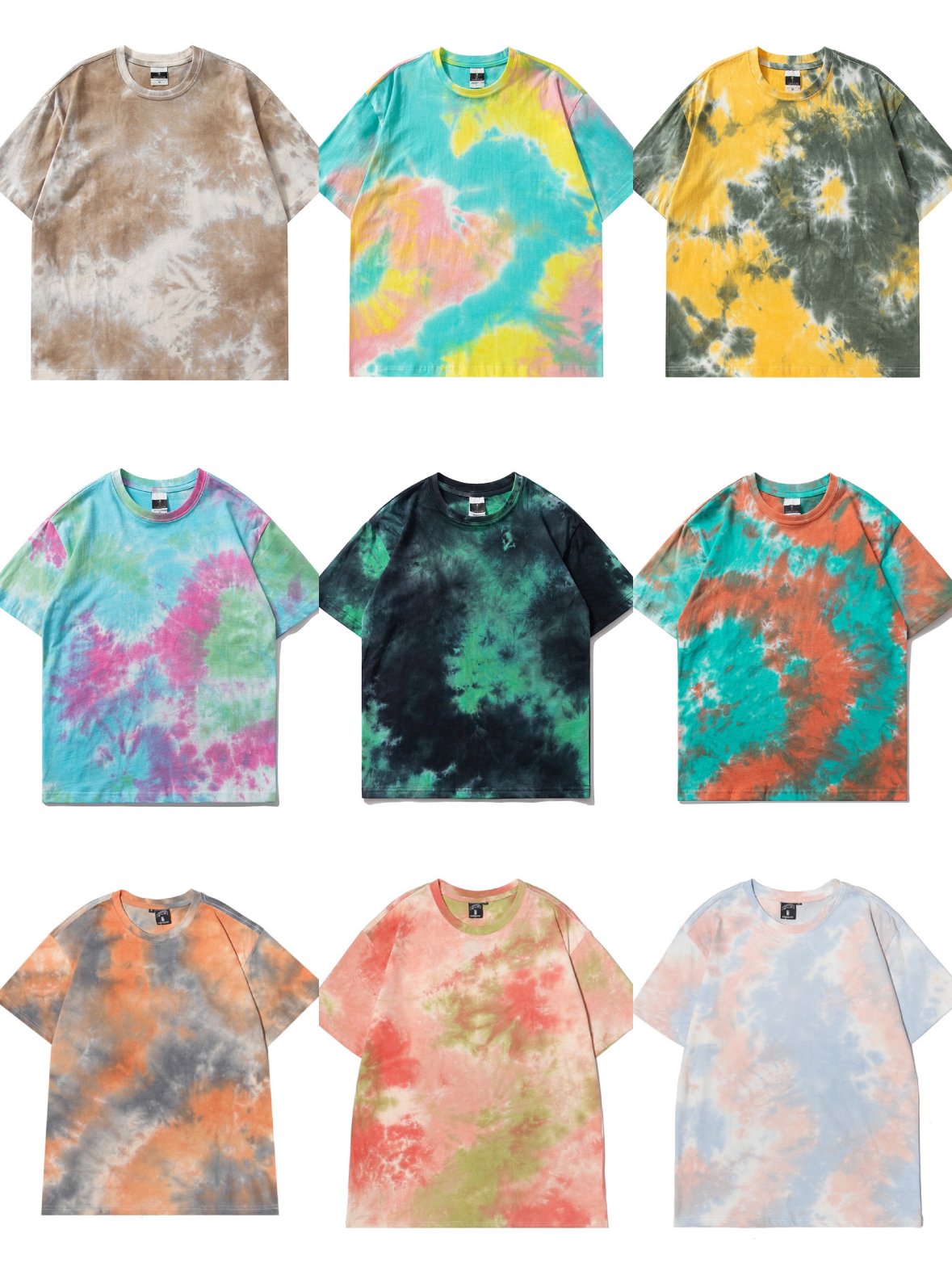
Tie-dye
8. Écusson brodé
Caractéristiques
Les écussons brodés sont fixés séparément par couture ou par thermocollage.
Avantages
- Remplaçable et flexible
- Facile pour les mises à jour de marque
- Bon effet dimensionnel
Limites
- Bords de patch visibles
- Les versions thermocollées peuvent se décoller
Idéal pour
Vestes universitaires, vêtements de travail, vêtements tactiques.
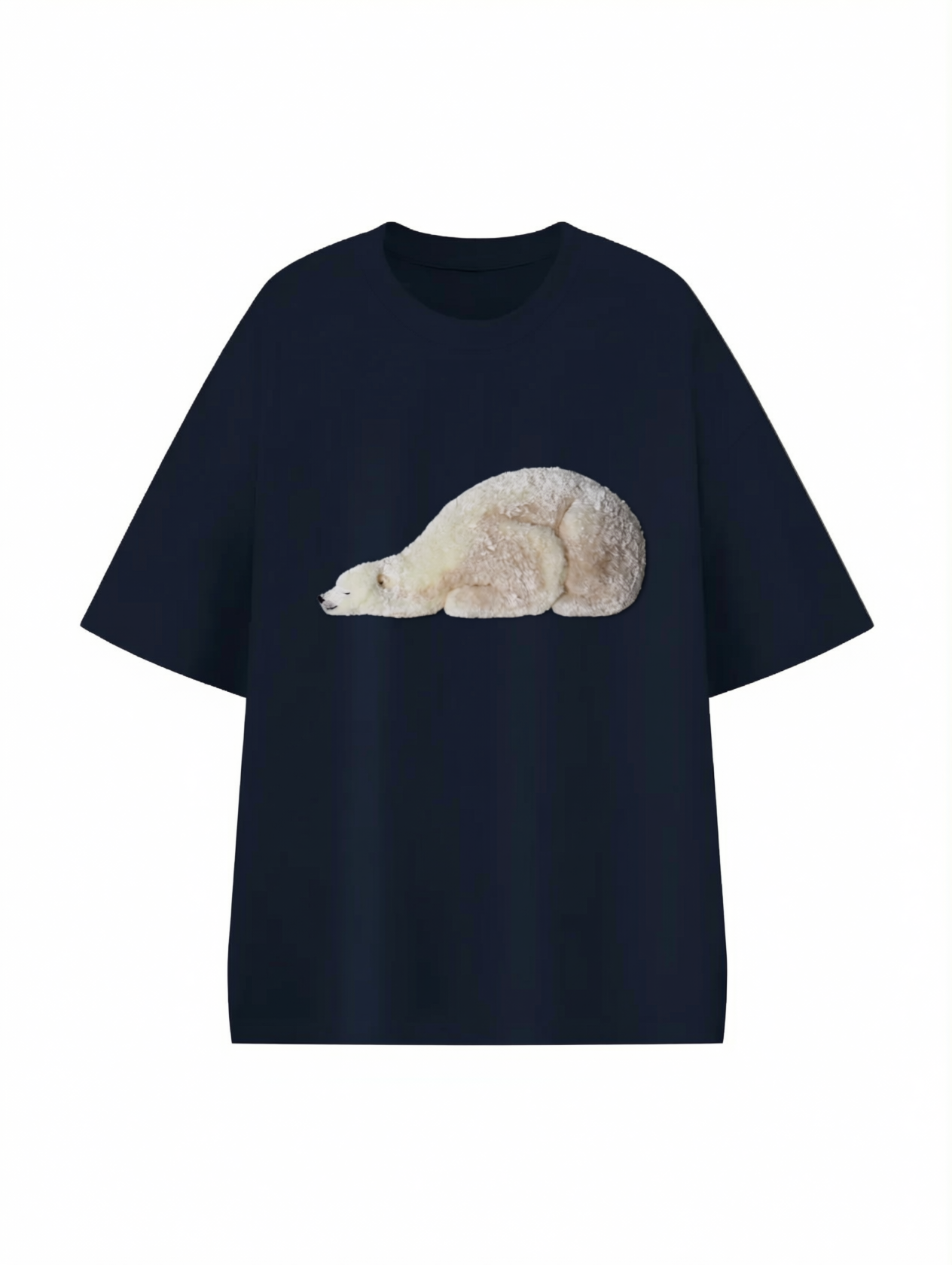
écussons brodés
9. Impression en relief
Caractéristiques
Les agents moussants contenus dans l'encre se dilatent sous l'effet de la chaleur pour créer des effets de relief.
Avantages
- Texture 3D douce
- Apparence qui attire le regard
- Coût modéré
Limites
- Peut s'aplatir avec le temps
- Pas idéal pour les œuvres d'art très détaillées.
Idéal pour
Logos et typographie du streetwear.
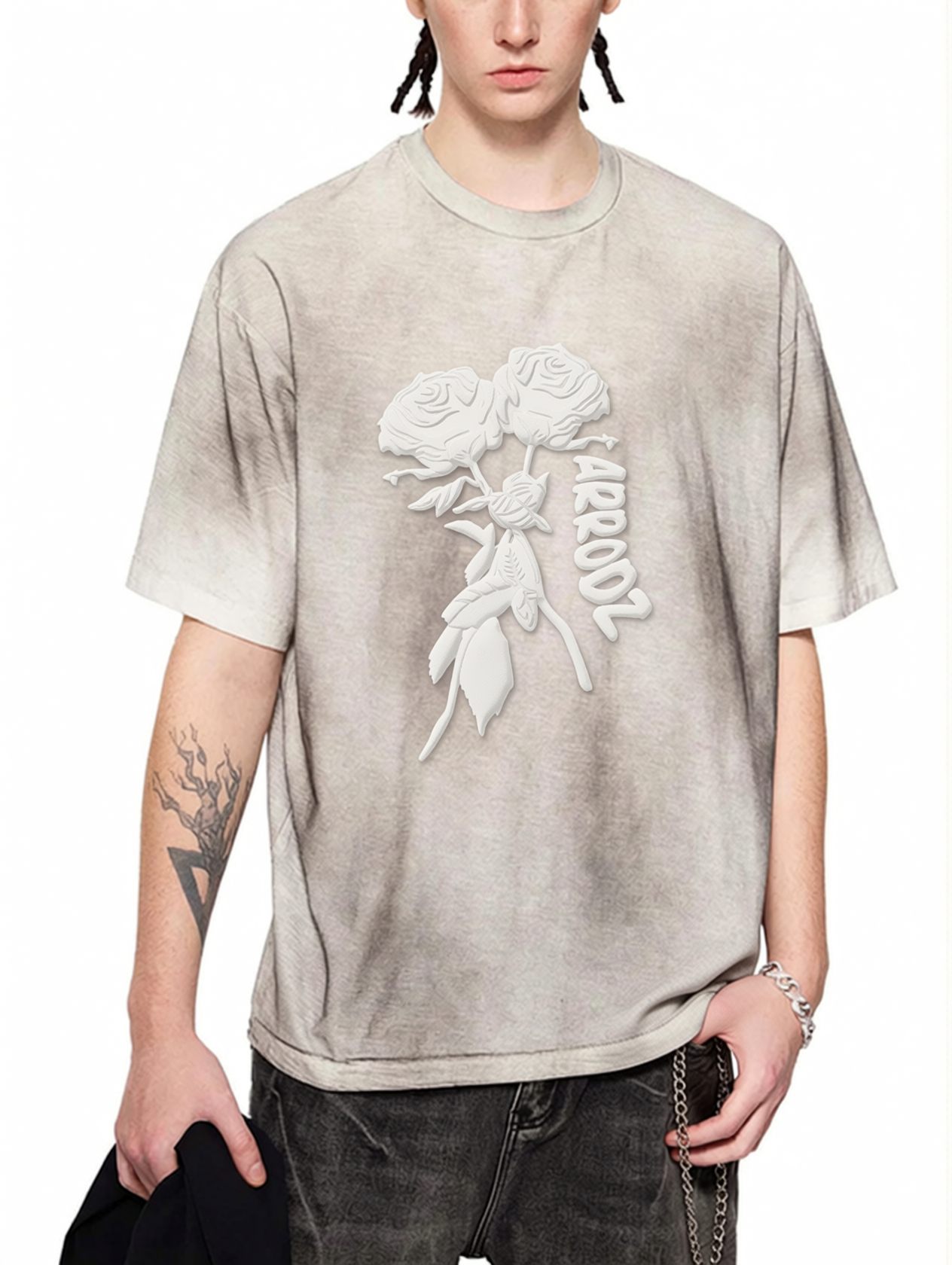
Impression bouffante
10. Impression sur silicone
Caractéristiques
Les encres à base de silicone permettent de créer des graphismes en relief souples et doux.
Avantages
- Excellente élasticité
- Résistant au lavage
- Toucher agréable
Limites
- Coût de production plus élevé
- Nécessite un équipement spécialisé
Idéal pour
Vêtements de sport et vêtements de performance.
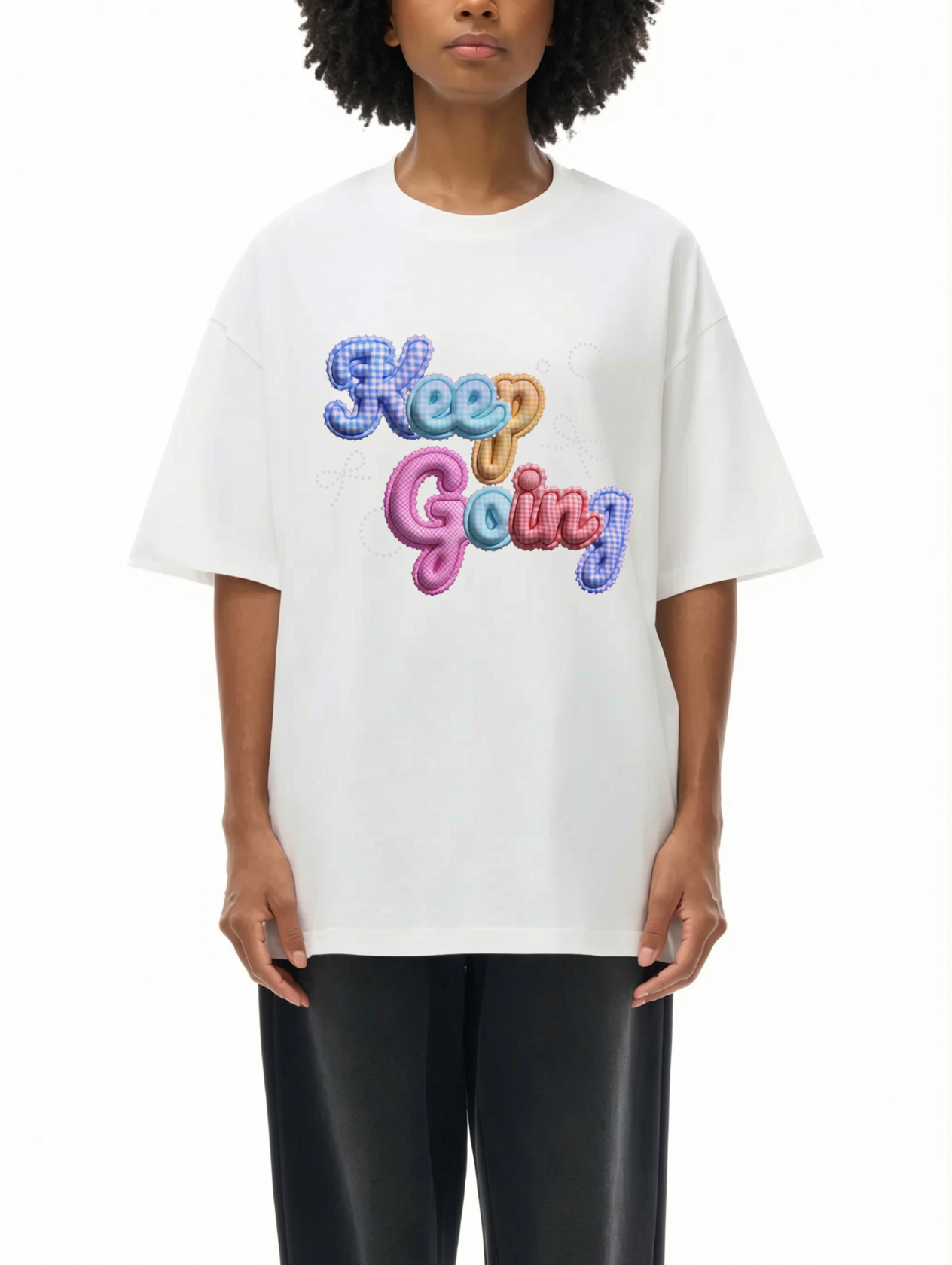
Impression silicone
11. Flocage
Caractéristiques
Des fibres semblables à du velours sont appliquées par voie électrostatique sur des surfaces adhésives.
Avantages
- Texture douce et luxueuse
- Forte profondeur visuelle
- Apparence chaleureuse
Limites
- Les fibres peuvent se détacher
- durabilité au lavage inférieure
Idéal pour
Mode haut de gamme, alliant image de marque et décoration.
12. Transfert thermique de strass
Caractéristiques
Les strass sont pré-positionnés et appliqués à chaud sur les vêtements.
Avantages
- Brillance luxueuse
- Impact visuel élevé
- Effet décoratif puissant
Limites
- Des pierres peuvent se détacher
- Moins pratique pour un usage quotidien
Idéal pour
Collections de mode, costumes de scène, vêtements pour femmes.
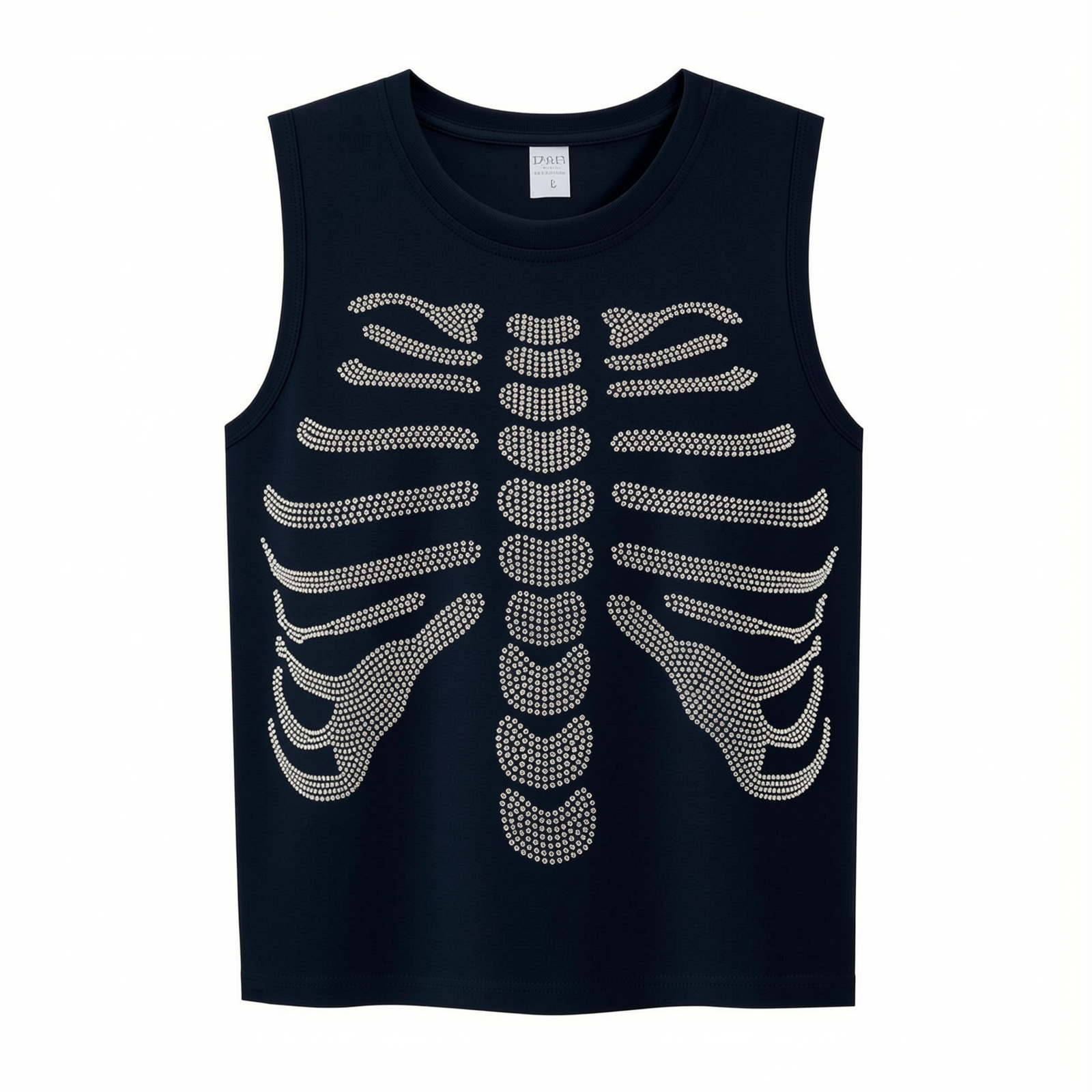
Transfert de strass
13. Broderie chenille
Caractéristiques
Le fil bouclé crée une broderie en relief semblable à celle d'une serviette.
Avantages
- Texture épaisse et douce
- Esthétique vintage haut de gamme
- Identité visuelle forte
Limites
- Nécessite un lavage soigneux
- Coût de production plus élevé
Idéal pour
Vestes universitaires, sweats à capuche, vêtements streetwear de luxe.
14. Impression réfléchissante et fluorescente
Caractéristiques
Les encres réfléchissantes brillent sous la lumière ; les encres fluorescentes brillent ou apparaissent très vives.
Avantages
- Visibilité fonctionnelle
- Apparence à la pointe de la mode
- Excellent pour une utilisation nocturne
Limites
- Les textures réfléchissantes peuvent paraître rigides.
- Les couleurs fluorescentes peuvent se décolorer plus rapidement.
Idéal pour
Vêtements de sport, vêtements de cyclisme, vêtements de festival.
15. Broderie numérique
Caractéristiques
Les machines à broder informatisées produisent des motifs complexes avec précision.
Avantages
- Haute efficacité
- Convient aux petites séries personnalisées
- Qualité constante
Limites
- Coût des machines plus élevé
- Reste limité par rapport à l'impression photo
Idéal pour
Projets de broderie personnalisée modernes.
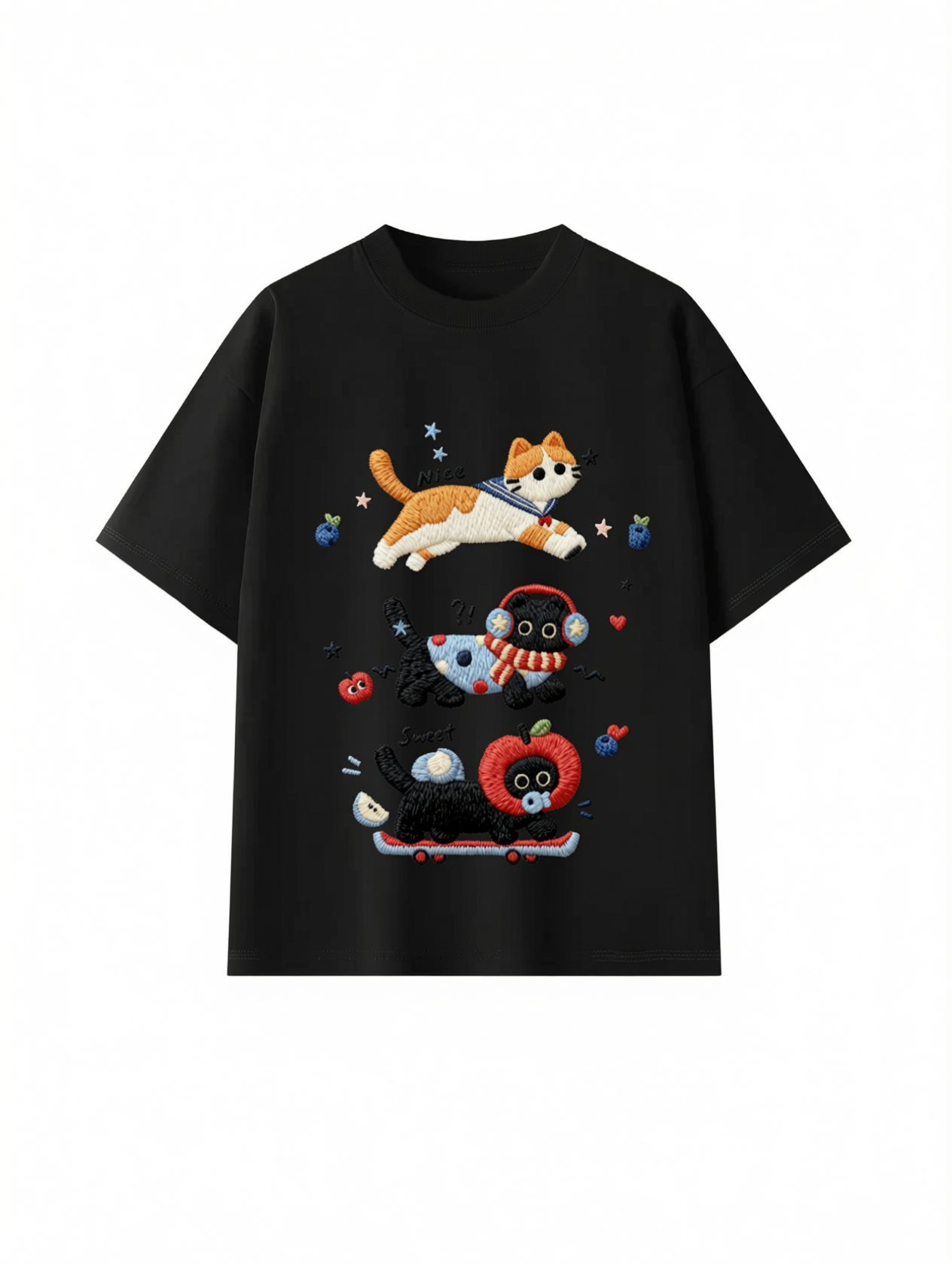
16. Gaufrage 3D
Caractéristiques
Les moules à chaud et à pression créent des textures en relief directement sur le tissu.
Avantages
- Effet tactile de qualité supérieure
- Aucune sensation d'encre ou de colle
- Apparence élégante et minimaliste
Limites
- Nécessite des moules
- Coût de développement plus élevé
Idéal pour
Marques de luxe et vêtements minimalistes.
Gaufrage 3D
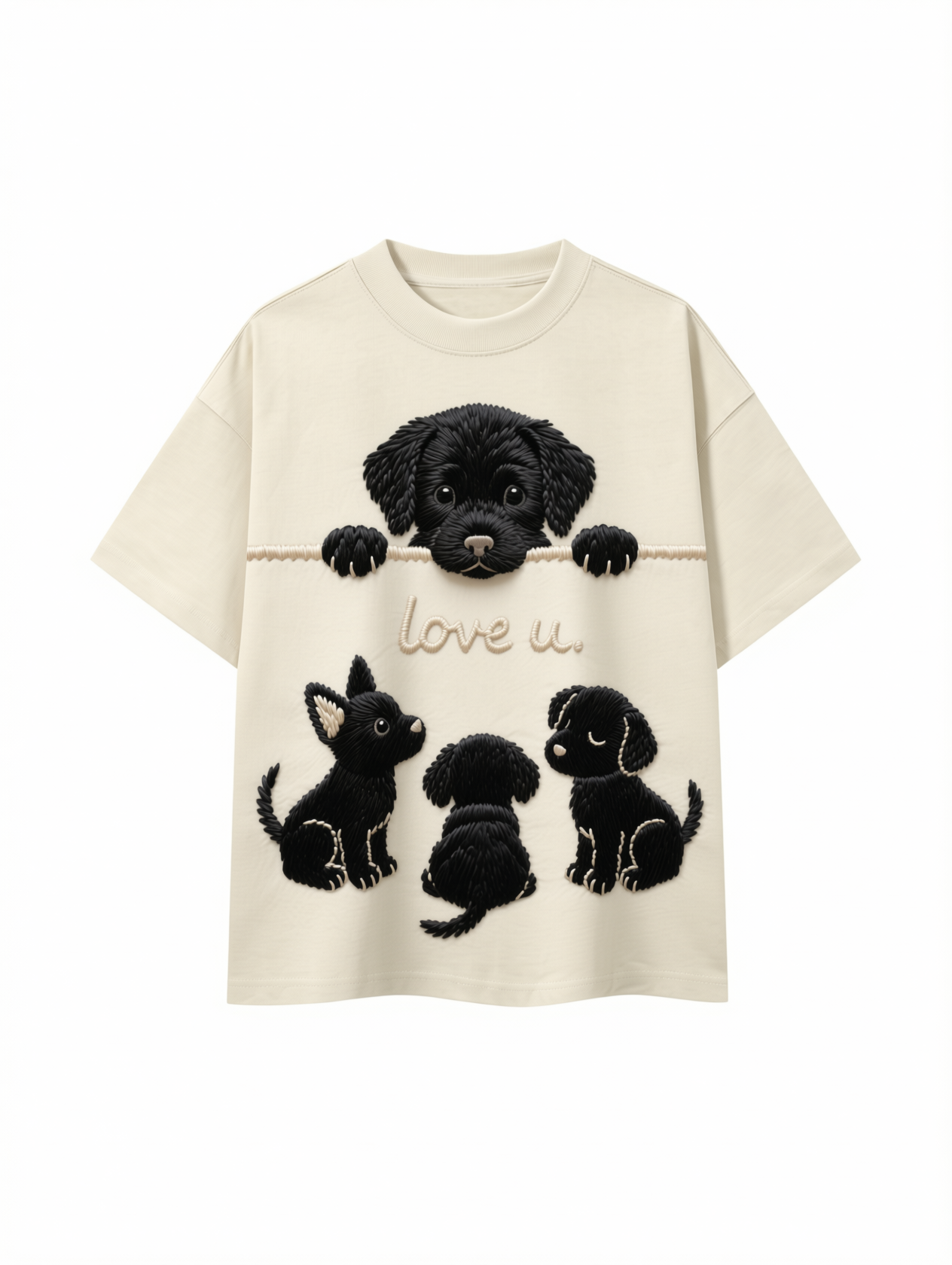
17. Broderie de brosse à dents
Caractéristiques
Une broderie spéciale à fil coupé crée des textures en relief évoquant des brosses.
Avantages
- Texture duveteuse unique
- Forte profondeur décorative
Limites
- Production complexe
- Les fils peuvent s'accrocher facilement.
Idéal pour
Collections avant-gardistes et identité visuelle texturée.
Broderie de brosse à dents
Recommandations pratiques pour les acheteurs
Projets en petites séries et sur mesure
Recommandé:
- Impression par transfert thermique
- broderie numérique
- Peinture à la main
- Transfert de strass
Production à grande échelle
Recommandé:
- Sérigraphie
- broderie à plat
- Impression silicone
Texture de qualité supérieure et haut de gamme
Recommandé:
- Broderie chenille
- broderie de brosse à dents
- Gaufrage 3D
- Flocage
Effets fonctionnels et spéciaux
Recommandé:
- Impression réfléchissante
- Tie-dye
- écussons brodés
Synthèse
Il n'existe pas de méthode de décoration « idéale » unique dans la fabrication de vêtements.
Le bon choix dépend de :
- positionnement du produit
- quantité commandée
- Budget prévu
- Identité de marque
- Texture et durabilité souhaitées
La compréhension de ces techniques aide les marques à créer des produits visuellement plus performants, plus faciles à commercialiser et mieux adaptés aux attentes des clients.
❓ FAQ : Techniques de personnalisation de vêtements
Quelle méthode d'impression est la meilleure pour les débutants ?
L'impression par transfert thermique est généralement la méthode la plus simple et la plus économique pour les petites commandes.
Quelle est la technique de décoration la plus durable ?
La broderie et la sérigraphie comptent parmi les options les plus durables.
Quelle technique permet de créer l'effet 3D le plus marqué ?
L'impression en relief, la broderie chenille et le gaufrage 3D créent de forts effets de profondeur.
La sérigraphie est-elle meilleure que le transfert thermique ?
Pour la production en série et la durabilité, oui. Pour les petites séries sur mesure, le transfert de chaleur est plus flexible.
Quelles sont les meilleures techniques pour le streetwear haut de gamme ?
La broderie chenille, l'impression en relief, l'impression silicone et le gaufrage 3D sont largement utilisés dans le streetwear haut de gamme.
Services de personnalisation par LYDENIM
🎨 Design personnalisé
Créez votre propre collection de tissus ou vêtement avec les matières haut de gamme de LYDENIM. Des mélanges de coton luxueux aux textiles écologiques innovants, découvrez des couleurs, des tissages et des finitions qui correspondent parfaitement à votre marque ou à votre vision créative. Visitez LYDENIM pour en savoir plus.
🛍️ Solutions de vêtements sur mesure
Donnez vie à vos créations grâce à nos services de confection sur mesure. Costumes sur mesure, robes élégantes ou vêtements de travail résistants, nous garantissons une coupe parfaite, un confort optimal et une qualité durable. Découvrez nos options de personnalisation sur Myalibaba.
📩 Contactez-nous
Vous avez un projet en tête ? Contactez notre équipe au malone@lydenim.com pour discuter de tissus personnalisés, de conception de vêtements ou de solutions textiles durables.
Transformez vos idées en réalité avec LYDENIM, votre partenaire de confiance pour des tissus innovants et de haute qualité et des solutions de vêtements sur mesure.
Questions fréquentes
Est-ce que cela peut être personnalisé pour ma marque ou ma collection ?
Oui. Envoyez votre demande, des images de référence, la qualité souhaitée, la quantité et les exigences du marché afin que le fournisseur puisse vous recommander les tissus, vêtements ou finitions les plus adaptés.
Quelles informations dois-je envoyer avant de demander un devis ?
Précisez le type de produit, le tissu ou la technique cible, le sens des couleurs, les besoins en échantillons, la quantité, le pays de destination et le délai de livraison prévu.
Dois-je demander des échantillons avant la production en série ?
Oui. Les échantillons et les métrages de tissu permettent de réduire les risques avant les commandes en gros, surtout lorsque la couleur, le toucher, l'élasticité, la finition ou la qualité de la décoration sont importants.
Comment éviter les problèmes de qualité lors de commandes en gros ?
Approuver un échantillon standard clair, définir les exigences de test, confirmer les tolérances et comparer la production en série à l'échantillon approuvé avant expédition.
Besoin d'aide pour transformer ceci en un cahier des charges d'approvisionnement prêt pour la production ?
Indiquez-nous le produit recherché, le sens du tissu, la quantité et les échantillons souhaités. LY Denim vous aidera à comparer les options et à établir un devis.