


Panduan Berat Bales Kapas: kg, lb dan Tabel Konversi Internasional
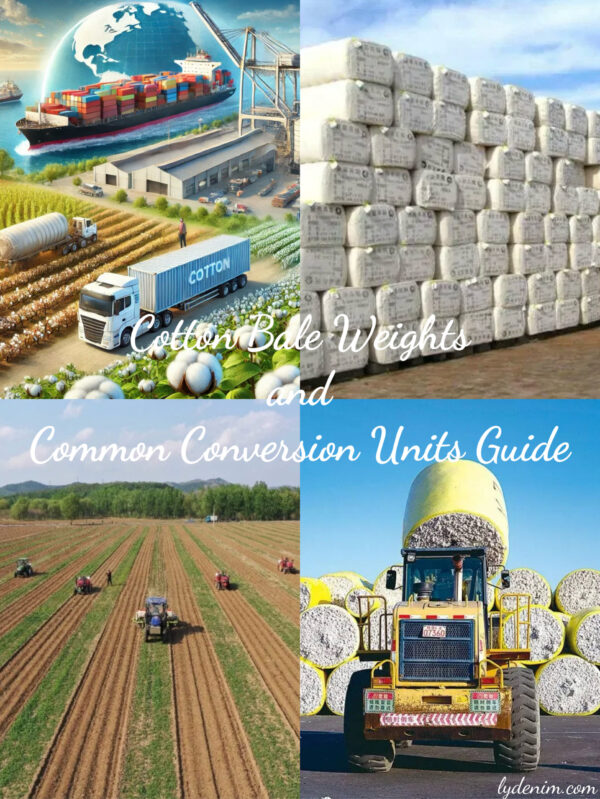
Panduan Berat Kemasan Kapas Internasional dan Satuan Konversi Umum
Pahami dasar-dasar perdagangan kapas dengan panduan ini mengenai berat bal dan konversi satuan. Meliputi kg, lb, hektar, mu, dan lainnya untuk transaksi kapas global yang efisien.
Ringkasan Pembeli
Bagi pembeli kain untuk pasar B2B, topik ini dapat membantu membandingkan komposisi, berat, tekstur permukaan, daya regangan, finishing, MOQ, serta stabilitas produksi sebelum melakukan pengambilan sampel.
- Pembeli yang sesuaiMerek mode, tim pengadaan, pengecer grosir, pabrik pakaian, dan pengembang produk.
- Apa yang perlu dikonfirmasiProduk target, arah tekstur kain, finishing, kebutuhan sampel, jumlah, dan pasar pengiriman.
- Risiko pembeliSpesifikasi yang tidak jelas dapat menyebabkan pengambilan sampel yang salah, kualitas produk secara keseluruhan yang tidak stabil, serta proses penentuan harga yang lambat.
- CTA yang DirekomendasikanPermintaan sampel atau penawaran harga sebelum memutuskan untuk memproduksi dalam jumlah besar.
Mengapa Hal Ini Penting bagi Pembeli B2B
Konfirmasi aplikasi, karakter kain target, arah warna, dan jumlah produksi sebelum meminta penawaran harga.
Pahami dasar-dasar perdagangan kapas dengan panduan ini mengenai berat bal dan konversi satuan. Meliputi kg, lb, hektar, mu, dan lainnya untuk transaksi kapas global yang efisien.
Tabel Spesifikasi untuk Pengadaan yang Lebih Cepat
| Titik keputusan | Opsi untuk membandingkan | Mengapa Ini Penting | Pertanyaan pembeli |
|---|---|---|---|
| Bahan dasar kain | Kain katun, campuran kain, denim elastis, jacquard, denim berflocking, atau denim khusus | Mengatur tekstur sentuhan, ketahanan, dan posisi harga | Untuk kategori produk apa kain ini? |
| Berat | Konstruksi ringan, sedang, atau berat | Memengaruhi penampilan pakaian, musim penggunaan, jenis produk, serta biaya pengiriman. | Apakah Anda membutuhkan kemeja, jaket, jeans, atau pakaian bergaya formal? |
| Selesai | Warna, pencucian, pelapisan, flocking, jacquard, atau pelembutan | Menentukan tampilan akhir serta interaksi dengan pelanggan | Apa sensasi saat digenggam dan efek pencucian yang Anda harapkan? |
| Rencana pasokan | Contoh sampel, panjang sampel, lot besar | Mengurangi risiko sebelum produksi dimulai | Kuantitas dan pasar pengiriman apa yang sebaiknya dikutip? |
Aplikasi dan Opsi Khusus
Pengembangan Produk
Gunakan panduan ini untuk mengubah ide desain menjadi spesifikasi terkait kain, pakaian, finishing, dan sampel.
Perbandingan Pemasok
Bandingkan para pemasok berdasarkan dukungan sampel, kejelasan teknis, stabilitas dalam jumlah besar, dan kecepatan komunikasi.
Produksi Massal
Konfirmasi standar kualitas, sampel yang telah disetujui, dan jadwal waktu sebelum mengajukan pesanan produksi.
Kontrol Kualitas Points Before Bulk Order
- OKPersetujuan sampel: Konfirmasi bahan kain, warna, tekstur permukaan, struktur, dan finishing sebelum produksi massal dimulai.
- OKKonsistensi massa: Bandingkan sekelompok sampel secara keseluruhan dengan sampel yang telah disetujui dalam kondisi pencahayaan dan pengujian yang sama.
- OKPengujian kinerja: Periksa penyusutan, ketahanan warna, pemulihan setelah regangan, atau ketahanan dekorasi bila relevan.
- OKKlaritas kutipan: Sertakan jumlah pengiriman, destinasi, kebutuhan kemasan, dan waktu penyelesaian yang diharapkan untuk menghindari penetapan harga yang tidak jelas.
Proses Pengembangan Sampel
| Langkah | Pembeli menyediakan… | Pemasok telah mengonfirmasi. |
|---|---|---|
| 1. Ringkasan | Aplikasi, gambar referensi, kualitas dan jumlah target | Kelayakan, bahan yang direkomendasikan, dan opsi khusus |
| 2. Contoh kain | Umpan balik mengenai warna, tekstur permukaan, pola, atau finishing yang diinginkan | Stok yang tersedia, arahan khusus, dan biaya sampel |
| 3. Sampel | Rencana pengujian pakaian, besaran atau panjang yang dibutuhkan | Jadwal pengambilan sampel dan reproduktivitas produksi |
| 4. Penawaran grosir | Jumlah pesanan, tujuan pengiriman, dan kebutuhan kemasan | Harga per unit, MOQ, waktu pengiriman, dan titik pemeriksaan QC |
Panduan Rinci
Waktu Membaca yang Diperkirakan: Sekitar 5 menit
Pendahuluan
Batu batu dasar industri pertanian dan tekstil global, kapas sangat bergantung pada kemasan serta satuan pengukuran yang terstandarisasi untuk memastikan perdagangan yang efisien. Berat balok kapas bervariasi secara signifikan antar negara—misalnya 218 kg di Amerika Serikat dan 327 kg di Mesir—yang secara langsung memengaruhi akurasi transaksi dan logistik. Selain itu, satuan konversi berat dan luas sangat penting untuk menstandarkan data lintas batas serta memudahkan komunikasi dalam perdagangan dan sektor pertanian internasional.Panduan ini memberikan gambaran lengkap mengenai berat bal koton internasional serta unit konversi berat dan luas yang umum digunakan, sehingga menjadi sumber informasi yang jelas dan praktis bagi para pedagang, petani, dan profesional di industri.
Perdagangan Kapas
Berat Kemasan Kapas Internasional
Berat bal koton berbeda-beda tergantung negara karena perbedaan standar historis, pertanian, dan pasar. Tabel berikut mencantumkan berat standar bal koton untuk negara-negara utama penghasil kapas:
| Negara | Berat per Bale (kg) | Berat per Bale (dalam pon) |
|---|---|---|
| Uganda | 182 | |
| Afrika Selatan | 200 | |
| Indonesia | 170 | |
| Pakistan | 170 | |
| Kolombia | 233 | |
| Tanzania | 181 | 400 |
| Mesir | 327 | 720 |
| Meksiko | 220 | |
| Nigeria | 185 | |
| Australia | 227 | |
| USA | 218 | 480 |
| Sudan | 191 | 420 |
CatatanBeberapa negara menyediakan berat dalam satuan kilogram dan pon, mencerminkan adanya dua standar pengukuran dalam perdagangan global. Sebagai contoh, satu bal AS seberat 218 kg setara dengan sekitar 480 pon, sesuai dengan standar domestik (Standar Kapas USDA).
Unit Konversi Berat Umum
Satuan konversi berat sangat penting untuk menjamin konsistensi dalam perdagangan internasional. Berikut adalah satuan berat umum beserta setaraannya:
| Satuan ukuran | Ekuivalen dalam kg | Catatan |
|---|---|---|
| Metrik ton (t) | 1000 kg | Unit ukuran standar |
| Satuan kilogram (kg) | 1 kg | Unit dasar |
| Pon (lb) | ≈ 0,453592 kg | 1 kg = 2,20462 lb |
| Dana | 50 kg | Satuan Tiongkok, umumnya berbasis metrik |
| Baju tradisional India | ≈ 37,324 kg | Satuan India tradisional |
| Candy (India) | ≈ 355,62 kg | Satuan tradisional India untuk gula dan sebagainya. |
| Centner | 100 kg | Digunakan di negara-negara seperti Jerman |
| Kuintal | 100 kg | Metrik quintal, yang banyak digunakan |
| Arroba (Spanyol) | ≈ 11,5 kg | Unit Spanyol tradisional, bervariasi |
| Arroba (Amerika Latin) | 15 kg | Digunakan di beberapa negara Amerika Latin untuk barang-barang tertentu. |
| Picul | Bervariasi, seringkali 60 kg | Unit tradisional Asia Timur yang bervariasi |
| Kuantal Spanyol | ≈ 46 kg | Bentuk tradisional di Spanyol |
CatatanNilai arroba bervariasi tergantung wilayah; di Spanyol, nilainya sekitar 11,5 kg, sedangkan di beberapa negara Amerika Latin, nilainya dapat ditetapkan sebesar 15 kg untuk komoditas tertentu.Standar Pertanian FAOKuintal umumnya berbesar 100 kg dalam sistem metrik, meskipun terdapat variasi regional (misalnya 50 kg dalam beberapa konteks) yang memerlukan penjelasan lebih lanjut.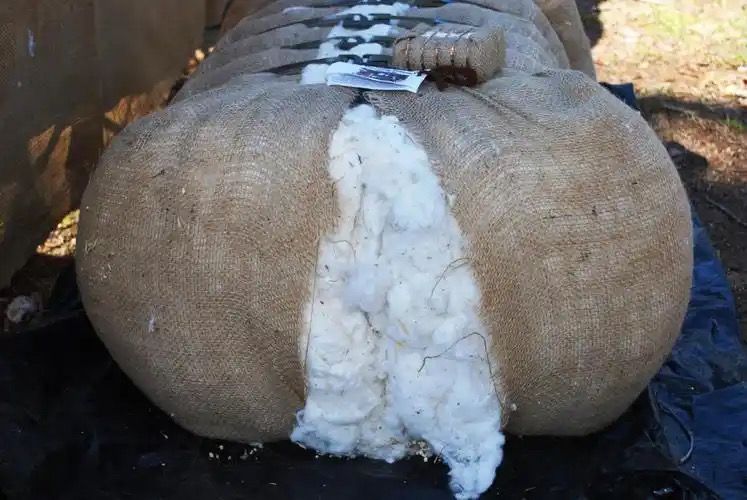
Satuan Konversi Area Umum
Konversi luas sangat penting untuk perencanaan pertanian dan produksi kapas. Tabel berikut mencantumkan satuan luas umum beserta setaraannya:
| Satuan ukuran | Setara dalam m² | Ekuivalen Lainnya |
|---|---|---|
| Hektar (ha) | 10,000 m² | = 2,471 hektar = 15 mu |
| Acre | ≈ 4046,86 m² | = 0,4047 ha = 6,07 mu |
| Mu (bahasa Tionghoa) | ≈ 666,67 m² | = 0,1647 acre = 0,0667 hektar |
| Feddan (Mesir) | ≈ 4200,84 m² | ≈ 1,038 hektar |
| Metr persegi (m²) | 1 m² | = 1,19603 yd² |
| Yard persegi (yd²) | ≈ 0,836127 m² | 1 m² = 1,196 yd² |
CatatanMu Tiongkok (666,67 m²) dan feddan Mesir (≈4200,84 m²) merupakan satuan yang khusus untuk setiap wilayah dan banyak digunakan dalam konteks pertanian lokal. Hektar dan acre merupakan standar global (Pedoman Pengukuran Lahan PBB).
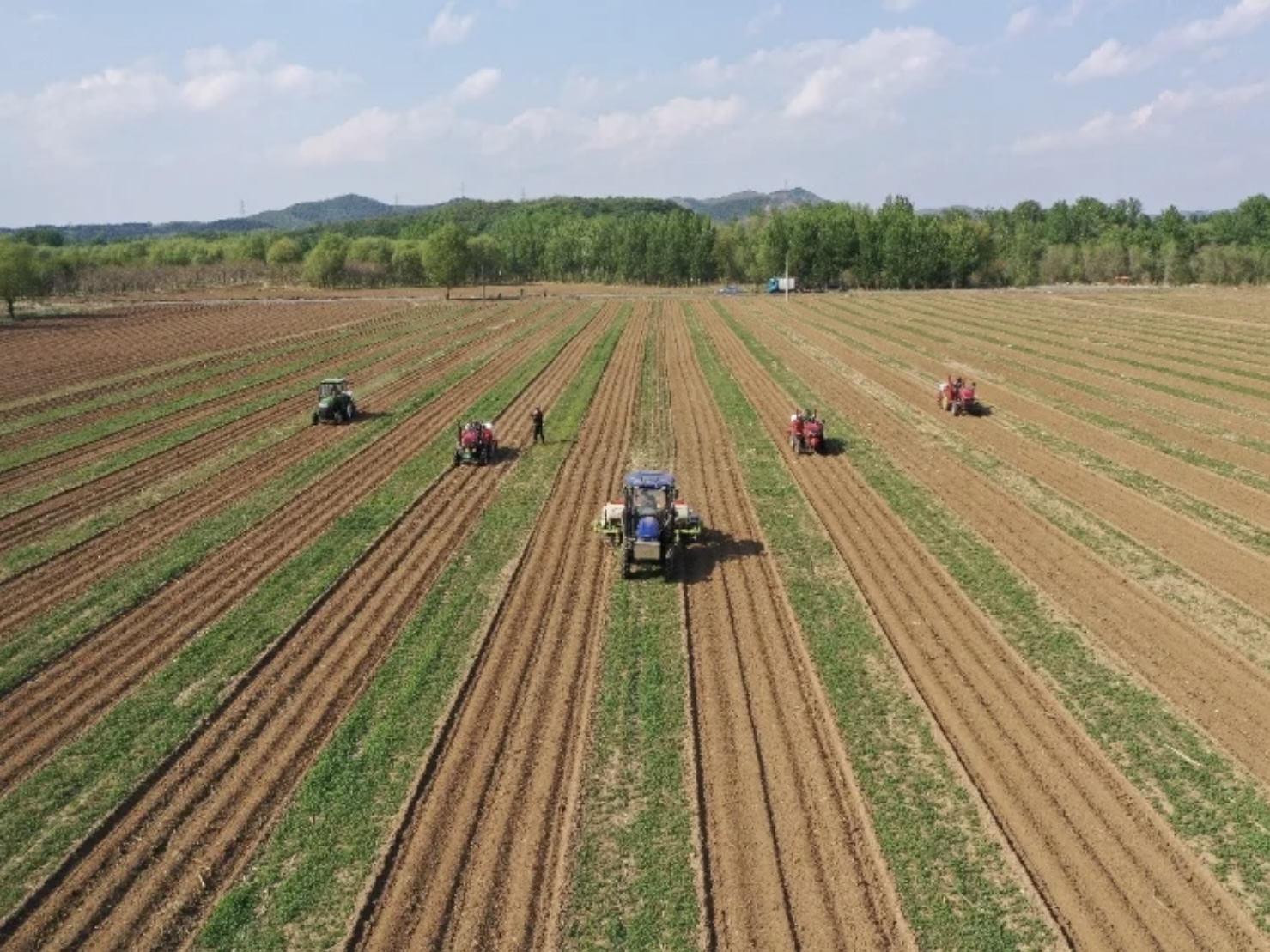
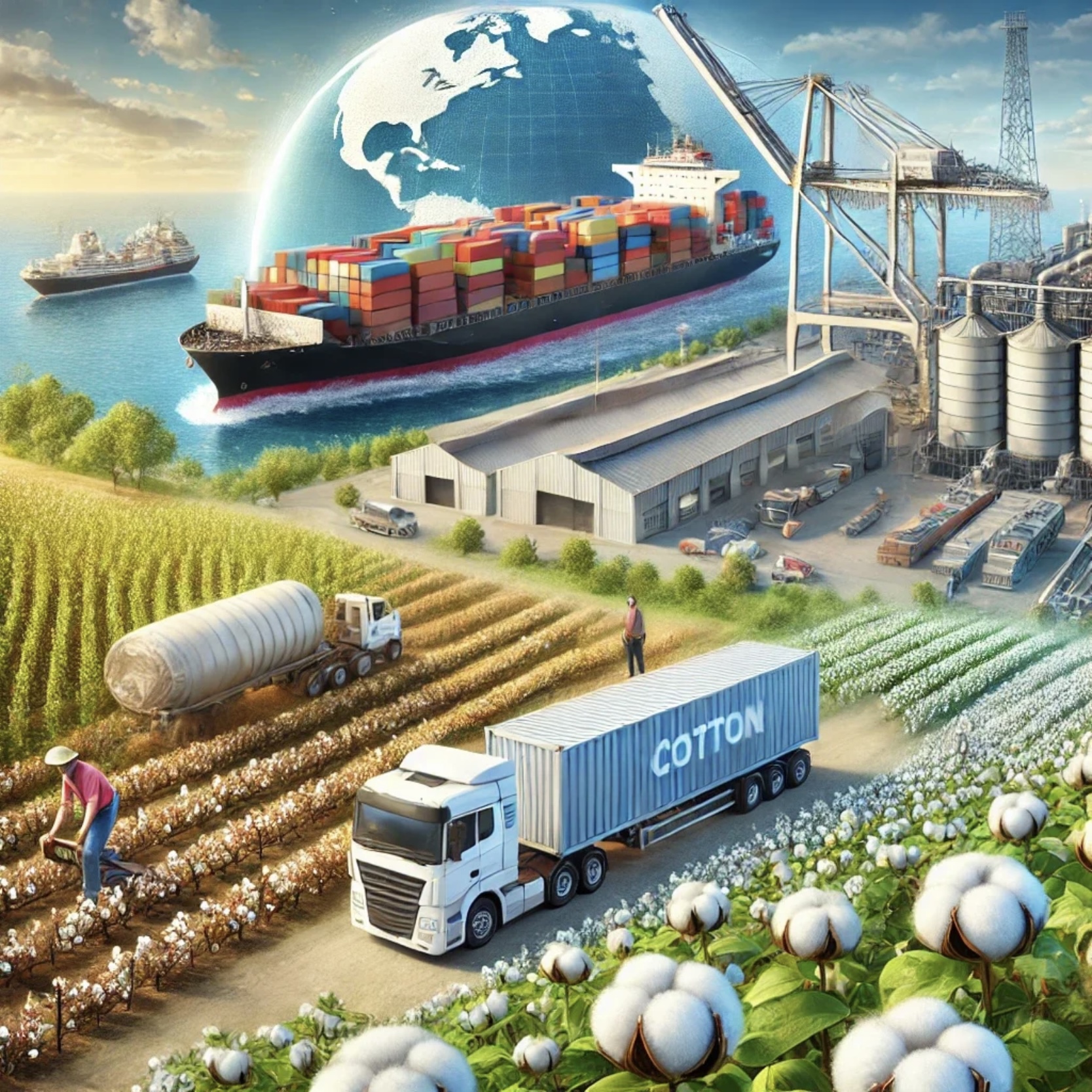
Lahan kapas
Aplikasi Praktis
- Perdagangan KapasMengetahui berat balen, seperti 327 kg di Mesir dibandingkan dengan 170 kg di India, membantu dalam menghitung biaya pengadaan dan kebutuhan logistik.

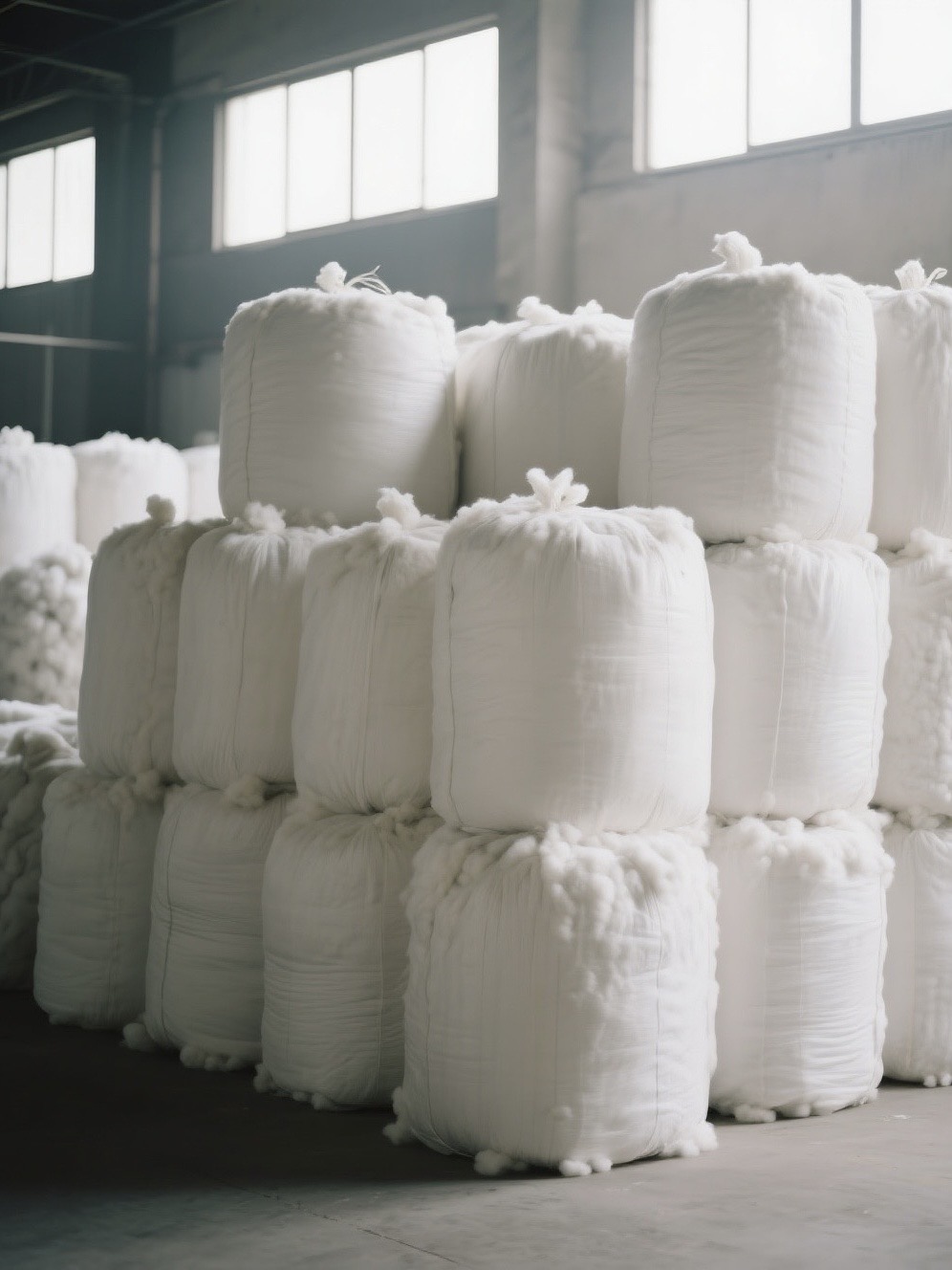
Kain katun berada di gudang.
- Konversi BeratMengonversi satuan seperti ton metrik ke pon memastikan konsistensi data. Sebagai contoh, 1 ton metrik setara dengan sekitar 4,6 bal AS (masing-masing beratnya 218 kg).
- Konversi LuasMengonversi hektar ke dalam mu (1 ha = 15 mu) mendukung penilaian hasil panen di wilayah seperti Tiongkok serta menyelaraskan standar lokal dan internasional.
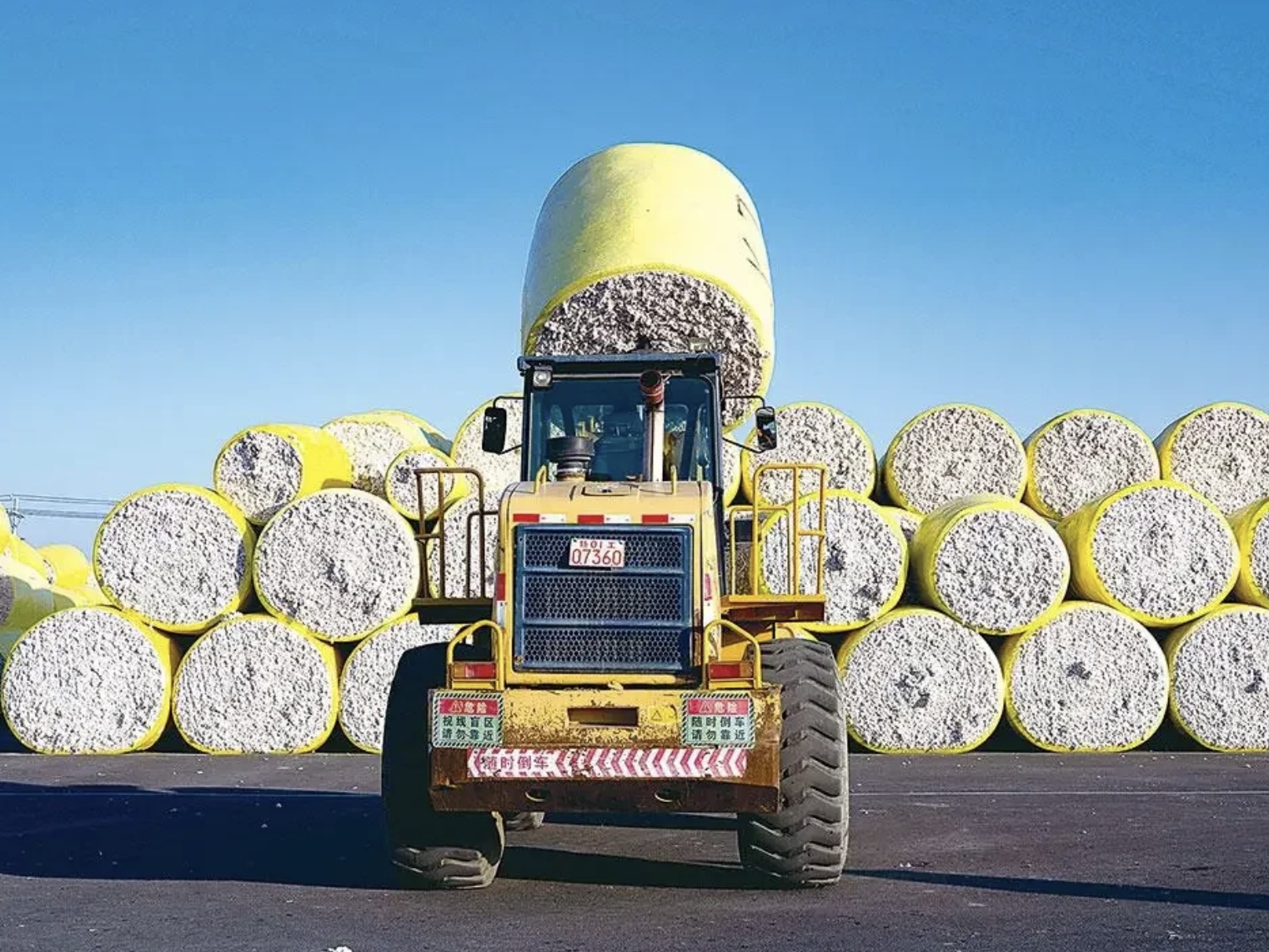
Transportasi kapas

Faktor-faktor yang perlu dipertimbangkan
- Perbedaan RegionalUnit seperti arroba dapat bervariasi tergantung negara atau komoditasnya, sehingga memerlukan verifikasi yang sesuai dengan konteksnya.
- PresisiGunakan nilai yang akurat (misalnya, 1 kg = 2,20462 lb) untuk menghindari kesalahan dalam perhitungan perdagangan.
- Pembaruan StandarBerat balok dapat berubah seiring waktu; oleh karena itu, silakan merujuk pada standar terkini dari organisasi-organisasi seperti FAO.
Kesimpulan
Berat bal koton internasional serta satuan konversinya merupakan landasan penting bagi perdagangan global yang efisien dan perencanaan pertanian yang tepat. Dengan memahami berat bal koton (misalnya 218 kg di Amerika Serikat, 327 kg di Mesir) serta menguasai konversi berat dan luas (seperti ton metrik dan hektar), para pemangku kepentingan dapat meningkatkan akurasi transaksi dan komunikasi.Panduan ini menyediakan tabel dan penjelasan yang jelas untuk membantu pedagang dan petani dalam memahami serta menerapkan standar-standar tersebut secara efektif. Jika Anda ingin mengetahui lebih lanjut tentang satuan konversi tekstil, Anda juga dapat Klik di sini untuk mengetahui lebih lanjut.
layanan personalisasi dari LYDENIM
🎨 Ingin Bahan pakaian khusus dari bahan denim atau unik Pakaian dari bahan kain khusus yang dibuat sesuai desainLYDENIM berspesialisasi dalam menyediakan solusi yang disesuaikan secara khusus untuk memenuhi kebutuhan desain dan produksi Anda.
🛍️ Eksplorasi dan dapatkan inspirasi.Jelajahi koleksi kain kami dan temukan ide desain yang menarik. LYDENIM.
🌐 Pakaian ElastisLihatlah produk kami di MyAlibaba. 📩 Hubungi kamiHubungi kami di Malone@lydenim.com.
Buat karya luar biasa dari bahan denim dengan LYDENIM—mitra andal Anda untuk Bahan pita elastis dan Solusi pakaian khusus berbahan denim.
Tabel Konversi Berat Bales Kapas
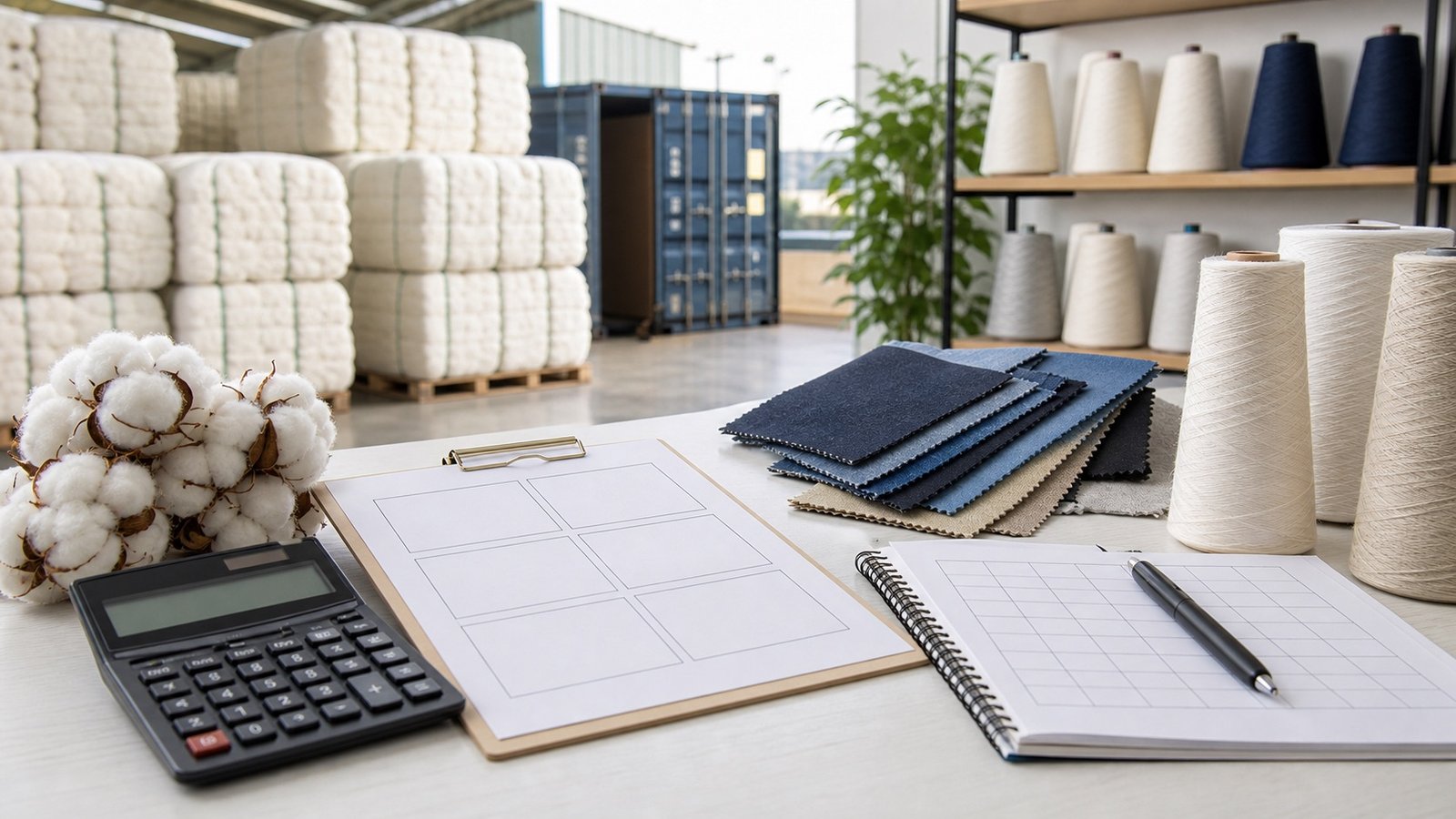
Sebagai referensi singkat, satu bal kapas standar dari Amerika Serikat umumnya beratnya sekitar 480 pon (217,7 kg). Pembeli tetap diharapkan memastikan standar bal yang digunakan dalam penawaran harga, kontrak, atau dokumen pengiriman.
| Barang referensi | Dalam pon | Dalam kilogram | Penggunaan oleh Pembeli |
|---|---|---|---|
| Bungkusan kapas Amerika Serikat | 480 lb | Sekitar 217.7 kg | Referensi umum mengenai perdagangan kapas. |
| Metrik ton | 2.204,6 lb | 1,000 kg | Angkutan barang, kontrak, dan perencanaan volume besar. |
| 10 US bales | 4,800 lb | Sekitar 2.177 kg | Perkiraan cepat terhadap bahan baku. |
| 1 kg | 2.2046 lb | 1 kg | Konversi satuan dasar. |
Contoh Kalkulator Bungkus Kapas Sederhana
- 10 kantong AS masing-masing berat 480 pon = total 4.800 pon, atau sekitar 2.177 kg.
- 1 ton metrik setara dengan 1.000 kg, yang kurang lebih setara dengan 4,59 gudang kapas Amerika Serikat.
- 480 pon × 0,453592 = sekitar 217,7 kg.
Berat bal koton sangat penting karena penentuan harga benang, perencanaan pabrik denim, biaya pengiriman, serta biaya kain dalam jumlah besar semuanya dimulai dari perkiraan biaya bahan baku. Dalam proses pengadaan denim, pastikan selalu dikonfirmasi apakah pemasok membahas kain kapas mentah, benang, kain greige, atau produk denim jadi.
Halaman terkait: ulasan Kandungan kapas dalam denimbandingkan Berat bahan kain denim, atau sumber Bahan pakaian khusus dari bahan denim.
Pertanyaan umum
Apakah ini dapat disesuaikan dengan merek atau koleksi saya?
Ya. Kirimkan aplikasi Anda, gambar referensi, kualitas yang diinginkan, jumlah, serta persyaratan pasar agar pemasok dapat merekomendasikan pilihan bahan, produk pakaian, atau proses penyelesaian yang sesuai.
Informasi apa yang perlu saya kirimkan sebelum meminta penawaran harga?
Siapkan jenis produk, bahan atau teknik yang digunakan, arah warna, kebutuhan sampel, jumlah, negara tujuan, serta waktu pengiriman yang diperkirakan.
Apakah saya harus meminta sampel sebelum produksi massal?
Ya. Penggunaan sampel warna dan ukuran sampel dapat mengurangi risiko sebelum melakukan pesanan dalam jumlah besar, terutama ketika kualitas warna, tekstur permukaan, daya regangan, penampilan akhir, atau dekorasi menjadi faktor penting.
Bagaimana cara saya menghindari masalah kualitas pada pesanan dalam jumlah besar?
Setujui standar sampel yang jelas, tentukan persyaratan pengujian, konfirmasi toleransi, dan bandingkan hasil produksi massal dengan sampel yang telah disetujui sebelum pengiriman.
Butuh bantuan untuk mengubah ini menjadi dokumen pengadaan yang siap digunakan dalam produksi?
Kirimkan produk target, jenis kain, jumlah, serta kebutuhan sampel Anda. LY Denim dapat membantu membandingkan berbagai pilihan dan menyusun penawaran harga.