


คู่มือน้ำหนักก้อนสำลี: กก. ปอนด์ และตารางการแปลงระหว่างประเทศ
คู่มือน้ำหนักก้อนฝ้ายสากลและหน่วยการแปลงทั่วไป
เรียนรู้พื้นฐานการค้าฝ้ายอย่างเชี่ยวชาญด้วยคำแนะนำเกี่ยวกับน้ำหนักฟ่อนฟางและการแปลงหน่วย รวมกิโลกรัม ปอนด์ เฮกตาร์ หมู่ และอื่นๆ สำหรับธุรกรรมฝ้ายทั่วโลกที่มีประสิทธิภาพ
สรุปผู้ซื้อ
สำหรับผู้ซื้อผ้า B2B หัวข้อนี้ควรช่วยเปรียบเทียบองค์ประกอบ น้ำหนัก สัมผัสมือ การยืด การตกแต่ง ขั้นต่ำ และความเสถียรในการผลิตก่อนสุ่มตัวอย่าง
- ผู้ซื้อที่เหมาะสมแบรนด์แฟชั่น ทีมจัดหา ผู้ค้าส่ง โรงงานตัดเย็บเสื้อผ้า และผู้พัฒนาผลิตภัณฑ์
- สิ่งที่ต้องยืนยันเป้าหมายผลิตภัณฑ์ ทิศทางของผ้า ผิวสำเร็จ ความต้องการตัวอย่าง ปริมาณ และตลาดการจัดส่ง
- ความเสี่ยงของผู้ซื้อข้อมูลจำเพาะที่ไม่ชัดเจนอาจนำไปสู่ตัวอย่างที่ไม่ถูกต้อง คุณภาพปริมาณมากไม่แน่นอน และการเสนอราคาที่ช้า
- CTA ที่แนะนำขอตัวอย่างหรือใบเสนอราคาตัวอย่างก่อนที่จะดำเนินการผลิตจำนวนมาก
เหตุใดจึงสำคัญสำหรับผู้ซื้อ B2B
ยืนยันการใช้งาน ลักษณะผ้าเป้าหมาย ทิศทางสี และปริมาณจำนวนมากก่อนขอใบเสนอราคา
เรียนรู้พื้นฐานการค้าฝ้ายอย่างเชี่ยวชาญด้วยคำแนะนำเกี่ยวกับน้ำหนักฟ่อนฟางและการแปลงหน่วย รวมกิโลกรัม ปอนด์ เฮกตาร์ หมู่ และอื่นๆ สำหรับธุรกรรมฝ้ายทั่วโลกที่มีประสิทธิภาพ
ตารางข้อมูลจำเพาะสำหรับการจัดหาที่เร็วขึ้น
| จุดตัดสินใจ | ตัวเลือกในการเปรียบเทียบ | ทำไมมันถึงสำคัญ | คำถามของผู้ซื้อ |
|---|---|---|---|
| ฐานผ้า | ผ้าฝ้าย ผ้าผสม ผ้าเดนิมยืด ผ้าแจ็คการ์ด ผ้าฟล็อคด์ หรือผ้าเดนิมชนิดพิเศษ | ควบคุมความรู้สึกมือ ความทนทาน และตำแหน่งราคา | ผ้าชนิดนี้มีไว้เพื่อผลิตภัณฑ์ประเภทใด? |
| น้ำหนัก | โครงสร้างเบา กลาง หรือหนัก | ส่งผลต่อผ้าม่าน ฤดูกาล ประเภทเสื้อผ้า และค่าขนส่ง | คุณต้องการเสื้อเชิ้ต แจ็คเก็ต กางเกงยีนส์ หรือเสื้อผ้าที่มีโครงสร้างหรือไม่? |
| เสร็จสิ้น | สี ซัก เคลือบ ฟอก แจ็กการ์ด หรือทำให้อ่อนลง | กำหนดลักษณะที่ปรากฏขั้นสุดท้ายและการสัมผัสของลูกค้า | คุณคาดหวังถึงความรู้สึกสัมผัสมือและการซักแบบใด? |
| แผนการจัดหา | สวอตช์, ระยะตัวอย่าง, ล็อตจำนวนมาก | ลดความเสี่ยงก่อนการผลิต | ควรเสนอราคาตลาดปริมาณและการจัดส่งเท่าใด |
แอปพลิเคชันและตัวเลือกแบบกำหนดเอง
การพัฒนาผลิตภัณฑ์
ใช้คู่มือนี้เพื่อเปลี่ยนแนวคิดการออกแบบให้เป็นข้อกำหนดด้านเนื้อผ้า เครื่องแต่งกาย การตกแต่ง และตัวอย่าง
การเปรียบเทียบซัพพลายเออร์
เปรียบเทียบซัพพลายเออร์ตามการสนับสนุนตัวอย่าง ความชัดเจนทางเทคนิค ความเสถียรของปริมาณรวม และความเร็วในการสื่อสาร
การผลิตจำนวนมาก
ยืนยันมาตรฐานคุณภาพ ตัวอย่างที่ได้รับอนุมัติ และไทม์ไลน์ก่อนสั่งผลิต
จุดควบคุมคุณภาพก่อนสั่งซื้อจำนวนมาก
- OKการอนุมัติตัวอย่าง: ยืนยันผ้า สี ความรู้สึกมือ โครงสร้าง และการตกแต่งก่อนการผลิตจำนวนมาก
- OKความสม่ำเสมอเป็นกลุ่ม: เปรียบเทียบล็อตจำนวนมากกับตัวอย่างที่ได้รับอนุมัติภายใต้แสงและสภาวะการทดสอบเดียวกัน
- OKการทดสอบประสิทธิภาพ: ตรวจสอบการหดตัว ความคงทนของสี การยืดตัวคืนสภาพ หรือความทนทานของการตกแต่งตามที่เกี่ยวข้อง
- OKความชัดเจนของคำพูด: ส่งปริมาณ ปลายทาง ความต้องการบรรจุภัณฑ์ และเวลานำเป้าหมายเพื่อหลีกเลี่ยงการกำหนดราคาที่คลุมเครือ
กระบวนการพัฒนาตัวอย่าง
| ขั้นตอน | ผู้ซื้อจัดให้ | ซัพพลายเออร์ยืนยัน |
|---|---|---|
| 1. บรีฟ | การใช้งาน รูปภาพอ้างอิง คุณภาพและปริมาณเป้าหมาย | ความเป็นไปได้ วัสดุที่แนะนำ และตัวเลือกแบบกำหนดเอง |
| 2. สวอตช์ผ้า | สี สัมผัสมือ รูปแบบ หรือการตอบสนองขั้นสุดท้ายที่ต้องการ | สต็อกที่มีอยู่ ทิศทางที่กำหนดเอง และต้นทุนตัวอย่าง |
| 3. ตัวอย่าง | แผนการทดสอบเสื้อผ้า ขนาด หรือความต้องการระยะ | เส้นเวลาการสุ่มตัวอย่างและความสามารถในการทำซ้ำของการผลิต |
| 4. ใบเสนอราคาจำนวนมาก | ปริมาณการสั่งซื้อ ปลายทางการจัดส่ง และความต้องการบรรจุภัณฑ์ | ราคาต่อหน่วย, ขั้นต่ำ, เวลานำและจุดตรวจควบคุมคุณภาพ |
คู่มือโดยละเอียด
เวลาอ่านโดยประมาณ: ~5 นาที
บทนำ
ฝ้ายซึ่งเป็นรากฐานสำคัญของอุตสาหกรรมการเกษตรและสิ่งทอระดับโลก อาศัยหน่วยบรรจุภัณฑ์และการวัดที่ได้มาตรฐานเพื่อการค้าที่มีประสิทธิภาพ น้ำหนักก้อนจะแตกต่างกันอย่างมากในแต่ละประเทศ เช่น 218 กก. ในสหรัฐอเมริกาและ 327 กก. ในอียิปต์ ซึ่งส่งผลโดยตรงต่อความแม่นยำในการทำธุรกรรมและโลจิสติกส์ นอกจากนี้ หน่วยการแปลงน้ำหนักและพื้นที่ยังมีความสำคัญอย่างยิ่งต่อการกำหนดมาตรฐานข้อมูลข้ามพรมแดน อำนวยความสะดวกในการสื่อสารในการค้าระหว่างประเทศและการเกษตร คู่มือนี้ให้ภาพรวมโดยละเอียดเกี่ยวกับน้ำหนักก้อนฝ้ายสากลและหน่วยการแปลงน้ำหนักและพื้นที่ทั่วไป โดยนำเสนอแหล่งข้อมูลที่ชัดเจนและใช้งานได้จริงสำหรับผู้ค้า เกษตรกร และผู้เชี่ยวชาญในอุตสาหกรรม
การค้าฝ้าย
ตุ้มน้ำหนักก้อนฝ้ายนานาชาติ
น้ำหนักก้อนสำลีจะแตกต่างกันไปในแต่ละประเทศเนื่องมาจากมาตรฐานในอดีต เกษตรกรรม และตลาด ตารางต่อไปนี้แสดงรายการน้ำหนักก้อนมาตรฐานสำหรับประเทศผู้ผลิตฝ้ายรายใหญ่:
| ประเทศ | น้ำหนักต่อก้อน (กก.) | น้ำหนักต่อก้อน (ปอนด์) |
|---|---|---|
| ยูกันดา | 182 | |
| แอฟริกาใต้ | 200 | |
| อินเดีย | 170 | |
| ปากีสถาน | 170 | |
| โคลอมเบีย | 233 | |
| แทนซาเนีย | 181 | 400 |
| อียิปต์ | 327 | 720 |
| เม็กซิโก | 220 | |
| ไนจีเรีย | 185 | |
| ออสเตรเลีย | 227 | |
| USA | 218 | 480 |
| ซูดาน | 191 | 420 |
หมายเหตุ: บางประเทศให้น้ำหนักทั้งกิโลกรัมและปอนด์ สะท้อนถึงมาตรฐานการวัดคู่ในการค้าโลก ตัวอย่างเช่น ก้อนสหรัฐที่มีน้ำหนัก 218 กก. เท่ากับประมาณ 480 ปอนด์ ซึ่งสอดคล้องกับมาตรฐานภายในประเทศ (มาตรฐานฝ้ายของ USDA).
หน่วยแปลงน้ำหนักทั่วไป
หน่วยการแปลงน้ำหนักมีความสำคัญต่อการรับประกันความสม่ำเสมอในการค้าระหว่างประเทศ ด้านล่างนี้คือหน่วยน้ำหนักทั่วไปและค่าที่เทียบเท่า:
| หน่วย | เทียบเท่าในหน่วยกิโลกรัม | หมายเหตุ |
|---|---|---|
| เมตริกตัน (t) | 1000 kg | หน่วยเมตริกมาตรฐาน |
| กิโลกรัม (กก.) | 1 kg | หน่วยฐาน |
| ปอนด์ (ปอนด์) | อยู่ที่ 0.453592 กก | 1 กก. = 2.20462 ปอนด์ |
| แดน | 50 kg | หน่วยภาษาจีน มักใช้ระบบเมตริก |
| กองอินเดียน | Battle 37.324 กก | หน่วยอินเดียดั้งเดิม |
| แคนดี้ (อินเดีย) | Battle 355.62 กก | หน่วยน้ำตาลแบบดั้งเดิมของอินเดีย ฯลฯ |
| เซนเตอร์ | 100 kg | ใช้ในประเทศเช่นเยอรมนี |
| ควินตาล | 100 kg | เมตริก quintal ใช้กันอย่างแพร่หลาย |
| อาร์โรบา (สเปน) | อยู่ที่ 11.5 กก | หน่วยภาษาสเปนแบบดั้งเดิมจะแตกต่างกันไป |
| อาร์โรบา (ละตินอเมริกา) | 15 kg | ใช้ในบางประเทศในละตินอเมริกาสำหรับสินค้าบางอย่าง |
| พิกุล | แตกต่างกันไปมัก 60 กก | หน่วยเอเชียตะวันออกแบบดั้งเดิมจะแตกต่างกันไป |
| ควินตาลสเปน | อยู่ที่ 46 กก | แบบดั้งเดิมในสเปน |
หมายเหตุ: Arroba แตกต่างกันไปตามภูมิภาค ในสเปนจะมีน้ำหนักประมาณ 11.5 กก. ในขณะที่ในบางประเทศในละตินอเมริกาอาจกำหนดเป็น 15 กก. สำหรับสินค้าโภคภัณฑ์เฉพาะ (มาตรฐานสินค้าเกษตรของ FAO). โดยทั่วไปค่า quintal จะอยู่ที่ 100 กิโลกรัมในระบบเมตริก แม้ว่าการเปลี่ยนแปลงตามภูมิภาค (เช่น 50 กิโลกรัมในบางบริบท) จะต้องมีการชี้แจงให้ชัดเจน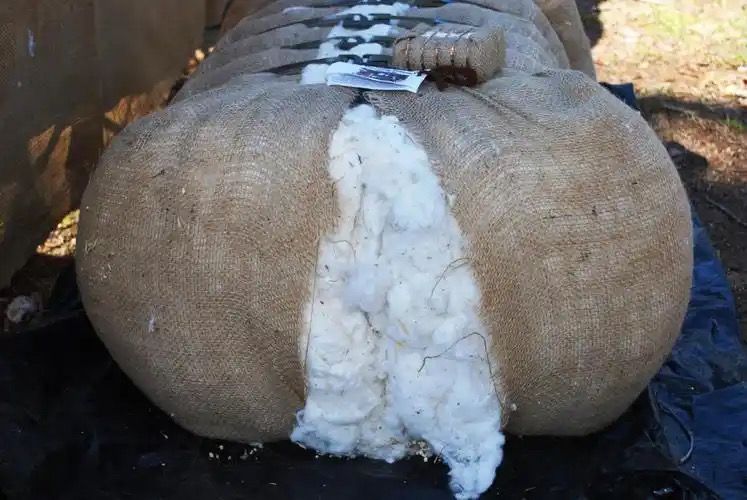
หน่วยแปลงพื้นที่ส่วนกลาง
การแปลงพื้นที่มีความสำคัญอย่างยิ่งต่อการวางแผนการเกษตรและการผลิตฝ้าย ตารางต่อไปนี้แสดงรายการยูนิตพื้นที่ส่วนกลางและหน่วยเทียบเท่า:
| หน่วย | เทียบเท่าเป็น m² | เทียบเท่าอื่น ๆ |
|---|---|---|
| เฮกตาร์ (ฮ่า) | 10,000 ตร.ม | = 2.471 เอเคอร์ = 15 หมู่ |
| เอเคอร์ | ➤ 4046.86 ตรม | = 0.4047 เฮกตาร์ = 6.07 หมู่ |
| หมู่ (จีน) | อยู่ที่ 666.67 ตรม | = 0.1647 เอเคอร์ = 0.0667 เฮกแตร์ |
| เฟดดาน (อียิปต์) | ➤ 4200.84 ตรม | ➤ 1.038 เอเคอร์ |
| ตารางเมตร (ตรม.) | 1 m² | = 1.19603 หลา² |
| ตารางหลา (yd²) | อยู่ที่ 0.836127 ตร.ม | 1 ตรม. = 1.196 หลา |
หมายเหตุ: หมู่ของจีน (666.67 ตร.ม.) และเฟดดานของอียิปต์ (4200.84 ตร.ม.) เป็นหน่วยเฉพาะภูมิภาค ซึ่งใช้กันอย่างแพร่หลายในบริบททางการเกษตรในท้องถิ่น เฮกตาร์และเอเคอร์เป็นมาตรฐานสากล (แนวทางการวัดที่ดินของสหประชาชาติ).
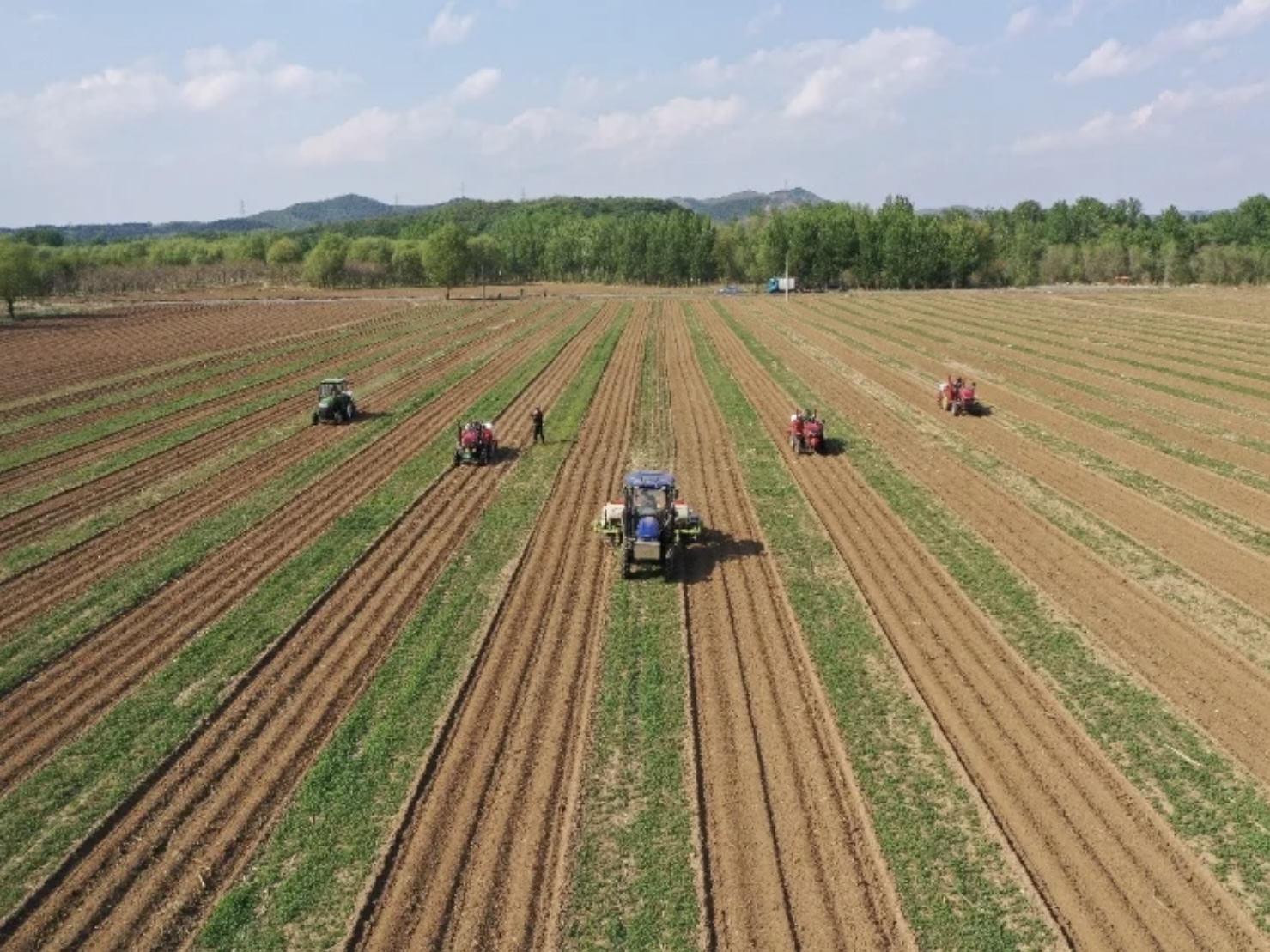
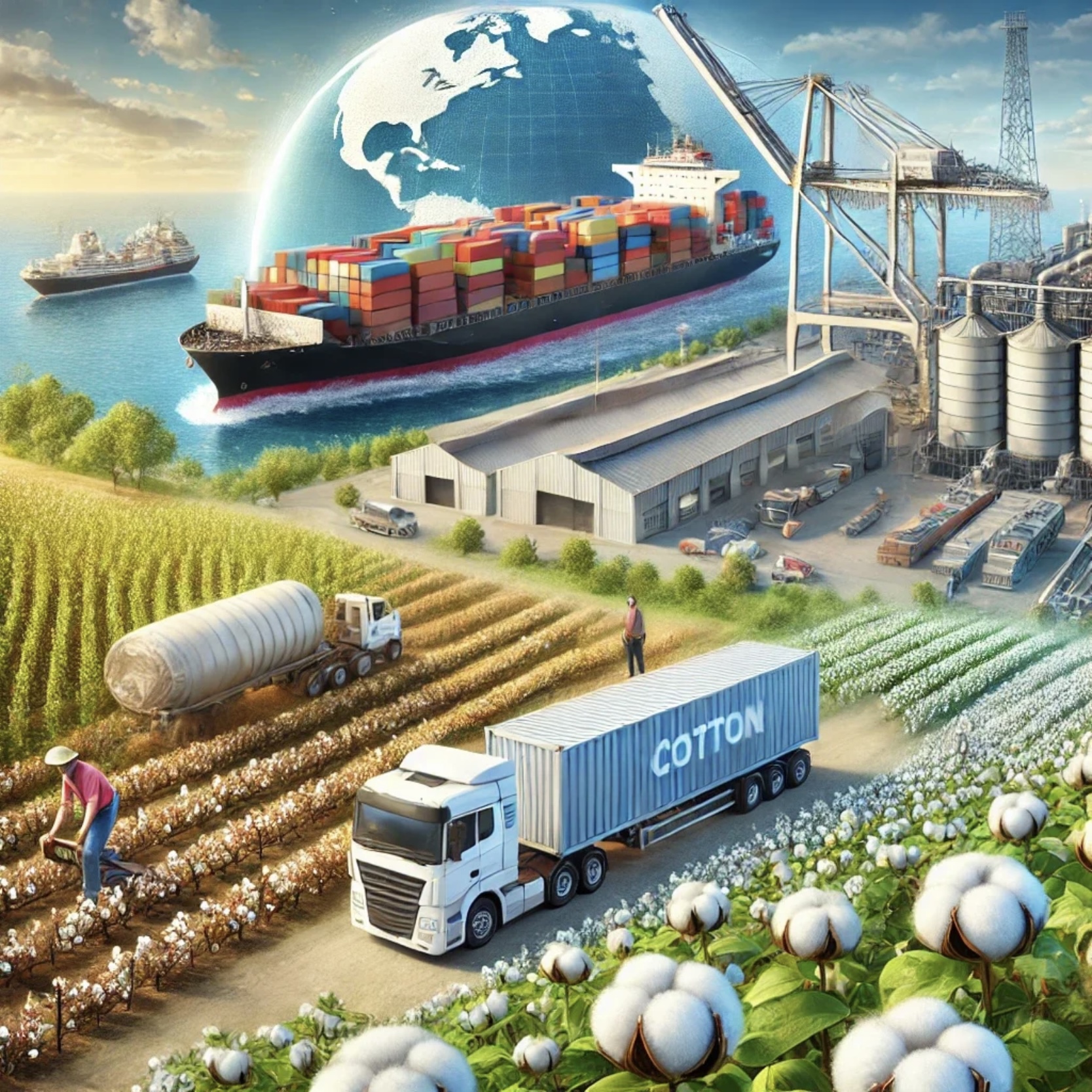
ทุ่งฝ้าย
การใช้งานจริง
- การค้าฝ้าย: การทราบน้ำหนักของฟ่อนฟาง เช่น 327 กก. ของอียิปต์เทียบกับ 170 กก. ของอินเดีย ช่วยในการคำนวณต้นทุนการจัดซื้อและความต้องการด้านลอจิสติกส์

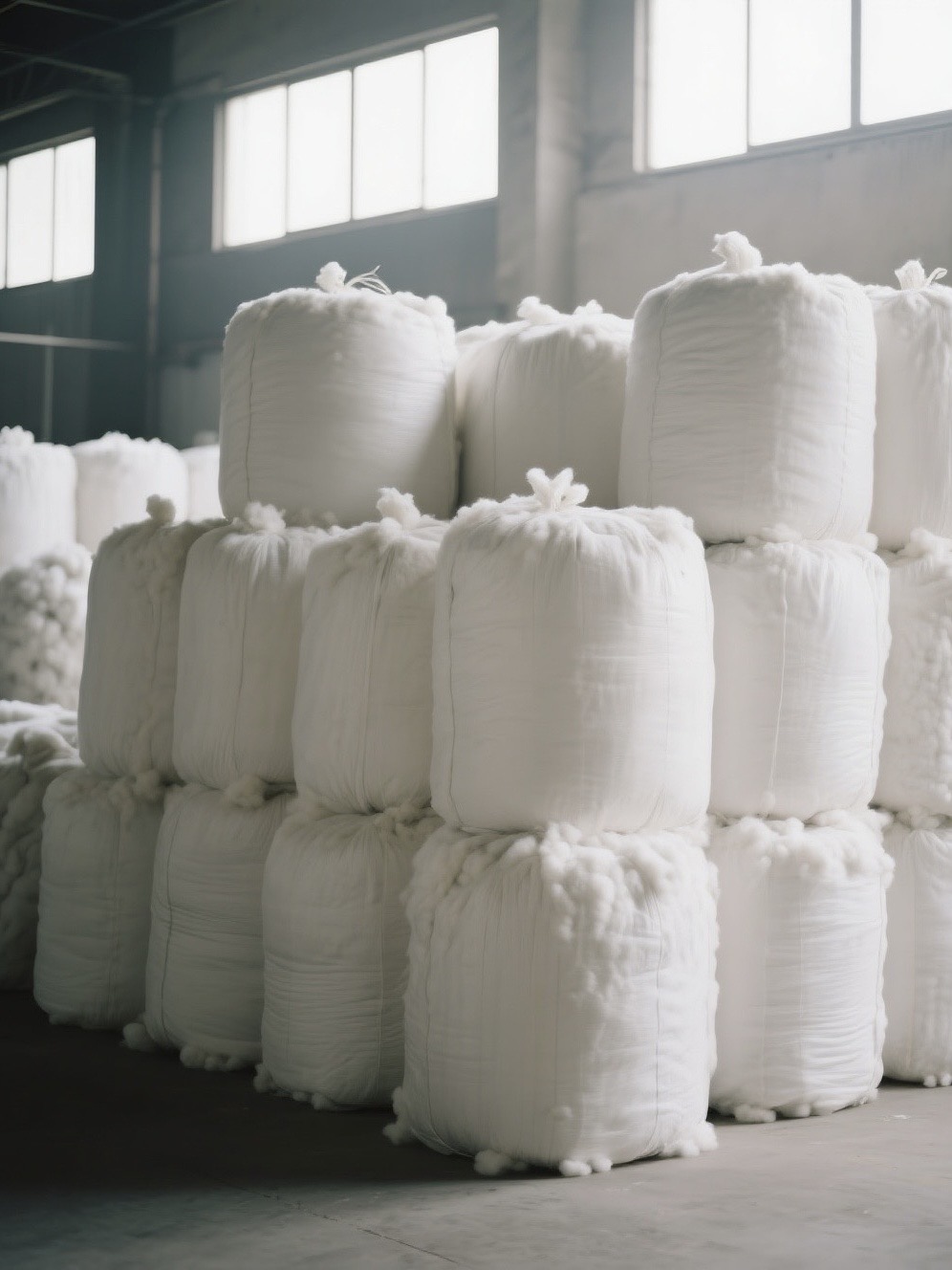
ฝ้ายอยู่ในโกดัง
- การแปลงน้ำหนัก: การแปลงหน่วย เช่น เมตริกตันเป็นปอนด์จะทำให้ข้อมูลมีความสอดคล้องกัน ตัวอย่างเช่น 1 เมตริกตันเท่ากับประมาณ 4.6 ก้อนสหรัฐ (ก้อนละ 218 กิโลกรัม)
- การแปลงพื้นที่: การแปลงเฮกตาร์เป็น mu (1 เฮกตาร์ = 15 mu) รองรับการประเมินผลผลิตในภูมิภาคเช่นจีน ซึ่งสอดคล้องกับมาตรฐานท้องถิ่นและนานาชาติ
การขนส่งฝ้าย

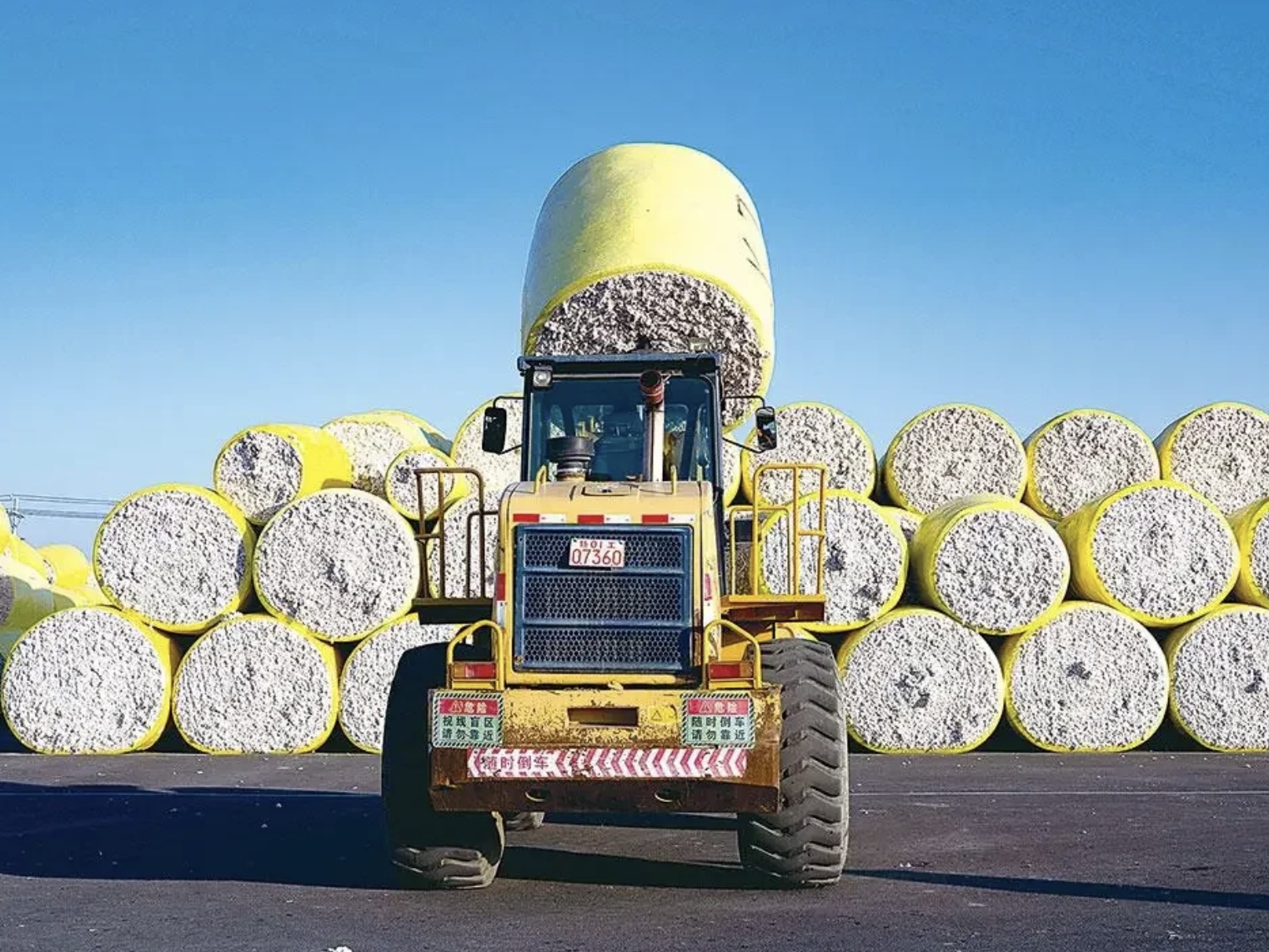
ข้อควรพิจารณา
- การเปลี่ยนแปลงในระดับภูมิภาค: หน่วยเช่น arroba อาจแตกต่างกันไปตามประเทศหรือสินค้าโภคภัณฑ์ ซึ่งต้องมีการตรวจสอบเฉพาะบริบท
- ความแม่นยำ: ใช้ค่าที่แม่นยำ (เช่น 1 กก. = 2.20462 ปอนด์) เพื่อหลีกเลี่ยงข้อผิดพลาดในการคำนวณการค้า
- การปรับปรุงมาตรฐาน: ตุ้มน้ำหนักก้อนฟางอาจมีการพัฒนา ดังนั้นโปรดปรึกษามาตรฐานปัจจุบันจากองค์กรต่างๆ เช่น FAO.
บทสรุป
น้ำหนักและหน่วยการแปลงก้อนฝ้ายระหว่างประเทศเป็นรากฐานสำหรับการค้าโลกและการวางแผนทางการเกษตรที่มีประสิทธิภาพ ด้วยการทำความเข้าใจน้ำหนักก้อนฟาง (เช่น 218 กิโลกรัมในสหรัฐอเมริกา 327 กิโลกรัมในอียิปต์) และการเรียนรู้การแปลงน้ำหนักและพื้นที่ (เช่น เมตริกตัน เฮกตาร์) ผู้มีส่วนได้ส่วนเสียจะสามารถเพิ่มความแม่นยำในการทำธุรกรรมและการสื่อสารได้ คู่มือนี้มีตารางและคำอธิบายที่ชัดเจนเพื่อสนับสนุนผู้ค้าและเกษตรกรในการดำเนินมาตรฐานเหล่านี้อย่างมีประสิทธิภาพ หากคุณต้องการทราบข้อมูลเพิ่มเติมเกี่ยวกับหน่วยการแปลงสิ่งทอ คุณยังสามารถ คลิกที่นี่เพื่อเรียนรู้เพิ่มเติม
บริการปรับแต่งโดย LYDENIM
🎨 อยากได้ ผ้าเดนิมที่กำหนดเอง หรือ ไม่ซ้ำกัน เสื้อผ้าเดนิมที่กำหนดเอง? LYDENIM เชี่ยวชาญด้านโซลูชันที่ออกแบบเฉพาะเพื่อตอบสนองความต้องการด้านการออกแบบและการผลิตของคุณ
🛍️ สำรวจและหาแรงบันดาลใจกันเถอะ!: เลือกดูผ้าที่เราคัดสรรและค้นพบแนวคิดการออกแบบได้ที่ ลีเดนิม.
🌐 เสื้อผ้ายืดหยุ่น: ตรวจสอบข้อเสนอของเราได้ที่ อาลีบาบาของฉัน. 📩 ติดต่อเรา: ติดต่อได้ที่ Malone@lydenim.com.
สร้างสรรค์ผลงานเดนิมชิ้นเอกของคุณด้วย LYDENIM ซึ่งเป็นพันธมิตรที่คุณไว้วางใจ ผ้ายืด และ โซลูชั่นเดนิมแบบกำหนดเอง.
ตารางการแปลงน้ำหนักก้อนสำลี
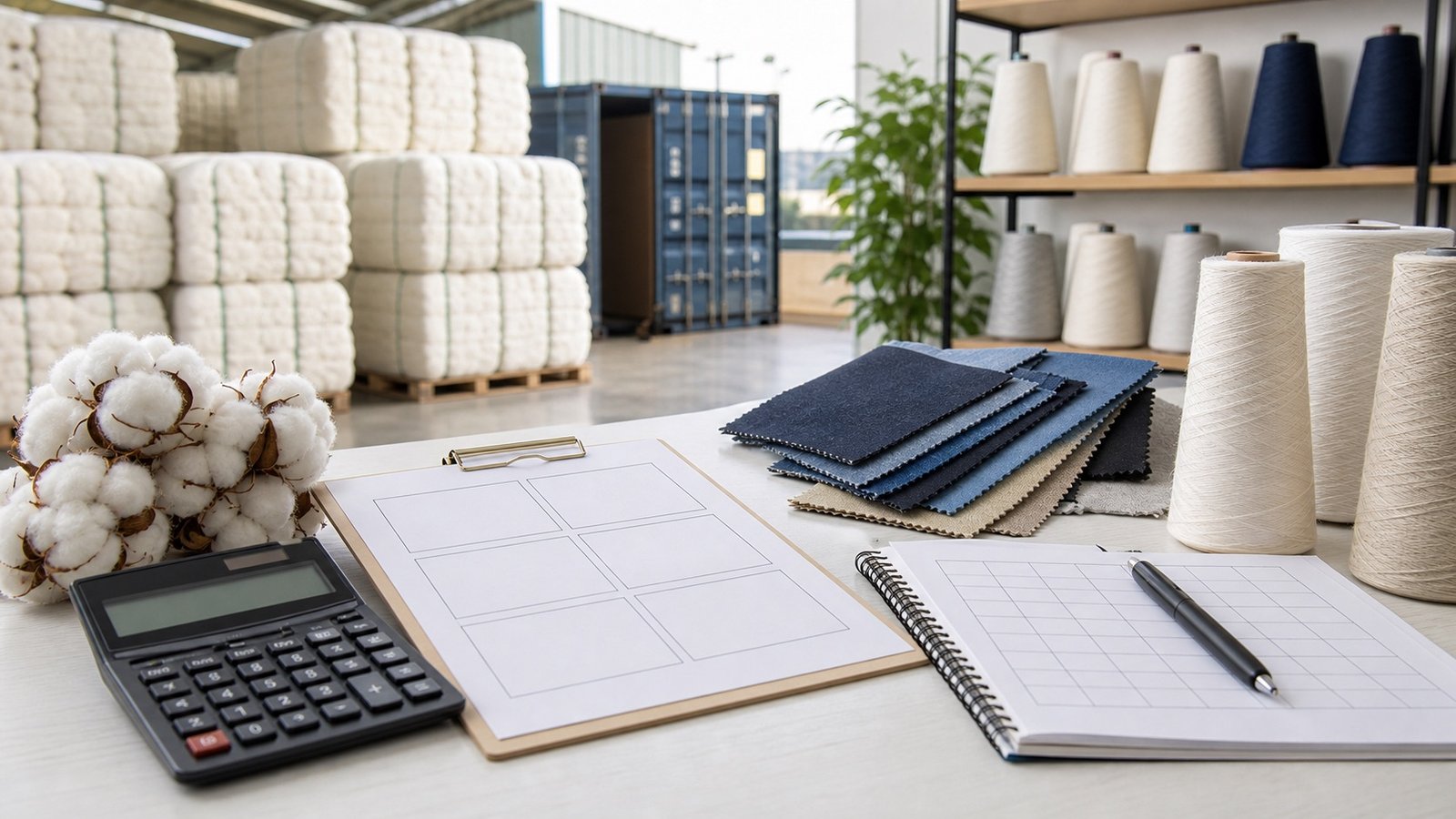
เพื่อการอ้างอิงอย่างรวดเร็ว หน่วยบรรจุฝ้ายมาตรฐานของสหรัฐอเมริกาโดยทั่วไปมีน้ำหนักประมาณ 480 ปอนด์ หรือประมาณ 217.7 กิโลกรัม ผู้ซื้อควรตรวจสอบให้แน่ใจถึงมาตรฐานของหน่วยบรรจุที่ใช้ในใบเสนอราคา สัญญา หรือเอกสารขนส่ง
| รายการอ้างอิง | เป็นปอนด์ | เป็นกิโลกรัม | ผู้ซื้อใช้ |
|---|---|---|---|
| ก้อนสำลีของสหรัฐอเมริกา | 480 lb | ประมาณ 217.7 กก. | การอ้างอิงการค้าฝ้ายทั่วไป |
| เมตริกตัน | 2,204.6 ปอนด์ | 1,000 กก | ค่าขนส่ง สัญญา และการวางแผนจำนวนมาก |
| 10 US bales | 4,800 ปอนด์ | ประมาณ 2,177 กก | ประมาณการวัตถุดิบอย่างรวดเร็ว |
| 1 kg | 2.2046 lb | 1 kg | การแปลงหน่วยพื้นฐาน |
ตัวอย่างเครื่องคิดเลขก้อนฝ้ายอย่างง่าย
- 10 ก้อนสหรัฐ x 480 ปอนด์ = 4,800 ปอนด์หรือประมาณ 2,177 กก.
- 1 เมตริกตันเท่ากับ 1,000 กิโลกรัม หรือประมาณ 4.59 ก้อนฝ้ายในสหรัฐฯ
- 480 ปอนด์ x 0.453592 = ประมาณ 217.7 กก.
น้ำหนักก้อนฝ้ายมีความสำคัญเนื่องจากการเสนอราคาเส้นด้าย การวางแผนโรงงานเดนิม ค่าขนส่ง และต้นทุนผ้าเทกอง ล้วนเริ่มต้นจากการประมาณวัตถุดิบ สำหรับการจัดหาผ้าเดนิม ให้ยืนยันเสมอว่าซัพพลายเออร์กำลังพูดถึงผ้าฝ้ายดิบ เส้นด้าย ผ้าสีเทา หรือผ้าเดนิมสำเร็จรูปหรือไม่
หน้าที่เกี่ยวข้อง: บทวิจารณ์ ปริมาณผ้าฝ้ายในผ้าเดนิม, เปรียบเทียบ น้ำหนักผ้าเดนิมหรือแหล่งที่มา ผ้าเดนิมที่กำหนดเอง.
คำถามที่พบบ่อย
สามารถปรับแต่งให้เหมาะกับแบรนด์หรือคอลเลกชันของฉันได้หรือไม่?
ใช่ ส่งใบสมัคร รูปภาพอ้างอิง คุณภาพเป้าหมาย ปริมาณ และข้อกำหนดของตลาด เพื่อให้ซัพพลายเออร์สามารถแนะนำตัวเลือกผ้า เครื่องแต่งกาย หรือการตกแต่งที่เหมาะสมได้
ฉันควรส่งข้อมูลอะไรบ้างก่อนที่จะขอใบเสนอราคา?
จัดเตรียมประเภทผลิตภัณฑ์ ผ้าหรือเทคนิคเป้าหมาย ทิศทางสี ความต้องการตัวอย่าง ปริมาณ ประเทศปลายทาง และระยะเวลารอคอยสินค้าที่คาดหวัง
ฉันควรขอตัวอย่างก่อนการผลิตจำนวนมากหรือไม่
ใช่ ตัวอย่างและระยะตัวอย่างจะช่วยลดความเสี่ยงก่อนสั่งซื้อจำนวนมาก โดยเฉพาะอย่างยิ่งเมื่อคุณภาพสี ความรู้สึกทางมือ การยืด พื้นผิว หรือการตกแต่งมีความสำคัญ
ฉันจะหลีกเลี่ยงปัญหาด้านคุณภาพในคำสั่งซื้อจำนวนมากได้อย่างไร
อนุมัติมาตรฐานตัวอย่างที่ชัดเจน กำหนดข้อกำหนดในการทดสอบ ยืนยันความคลาดเคลื่อน และเปรียบเทียบผลผลิตจำนวนมากกับตัวอย่างที่ได้รับอนุมัติก่อนจัดส่ง
ต้องการความช่วยเหลือในการเปลี่ยนสิ่งนี้ให้เป็นบรีฟการจัดหาที่พร้อมสำหรับการผลิตหรือไม่
ส่งสินค้าเป้าหมายของคุณ ทิศทางผ้า ปริมาณ และความต้องการตัวอย่าง LY Denim สามารถช่วยเปรียบเทียบตัวเลือกและเตรียมใบเสนอราคาได้