


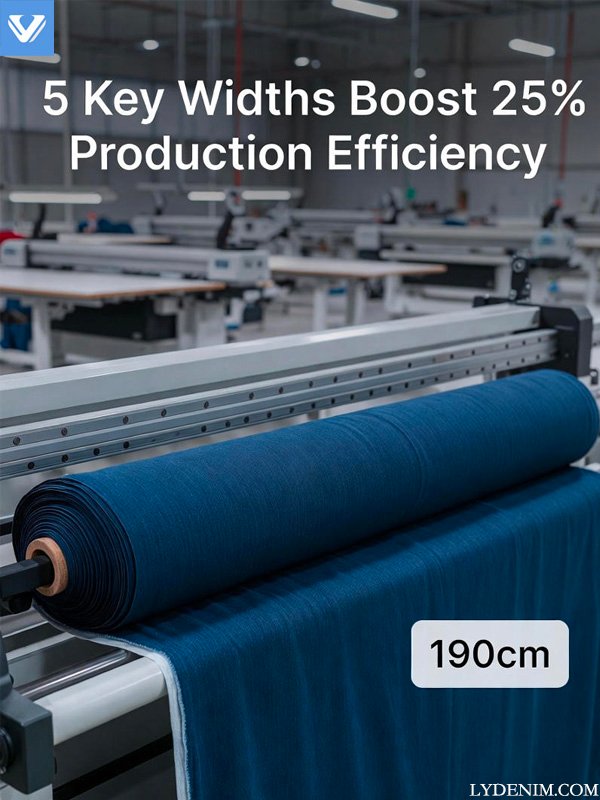
5 ความกว้างของผ้าเดนิมที่สำคัญสำหรับยีนส์
5 ความกว้างของผ้าเดนิมที่สำคัญสำหรับยีนส์
ค้นพบความกว้างของผ้าเดนิมที่เหมาะสมที่สุดสำหรับโรงงานผลิตเสื้อผ้า เพื่อผลิตกางเกงยีนส์แบบเฉพาะตัวคุณภาพสูงได้อย่างรวดเร็ว ด้วยความกว้าง 5 ระดับที่เหมาะสมที่สุด ช่วยลดของเสียได้สูงสุดถึง 11.4% และเพิ่มประสิทธิภาพการผลิตจากการขายส่งเดนิมในปริมาณมาก
สรุปผู้ซื้อ
สำหรับผู้ซื้อผ้า B2B หัวข้อนี้ควรช่วยเปรียบเทียบองค์ประกอบ น้ำหนัก สัมผัสมือ การยืด การตกแต่ง ขั้นต่ำ และความเสถียรในการผลิตก่อนสุ่มตัวอย่าง
- ผู้ซื้อที่เหมาะสมแบรนด์แฟชั่น ทีมจัดหา ผู้ค้าส่ง โรงงานตัดเย็บเสื้อผ้า และผู้พัฒนาผลิตภัณฑ์
- สิ่งที่ต้องยืนยันเป้าหมายผลิตภัณฑ์ ทิศทางของผ้า ผิวสำเร็จ ความต้องการตัวอย่าง ปริมาณ และตลาดการจัดส่ง
- ความเสี่ยงของผู้ซื้อข้อมูลจำเพาะที่ไม่ชัดเจนอาจนำไปสู่ตัวอย่างที่ไม่ถูกต้อง คุณภาพปริมาณมากไม่แน่นอน และการเสนอราคาที่ช้า
- CTA ที่แนะนำขอตัวอย่างหรือใบเสนอราคาตัวอย่างก่อนที่จะดำเนินการผลิตจำนวนมาก
เหตุใดจึงสำคัญสำหรับผู้ซื้อ B2B
ยืนยันการใช้งาน ลักษณะผ้าเป้าหมาย ทิศทางสี และปริมาณจำนวนมากก่อนขอใบเสนอราคา
ค้นพบความกว้างของผ้าเดนิมที่เหมาะสมที่สุดสำหรับโรงงานผลิตเสื้อผ้า เพื่อผลิตกางเกงยีนส์แบบเฉพาะตัวคุณภาพสูงได้อย่างรวดเร็ว ด้วยความกว้าง 5 ระดับที่เหมาะสมที่สุด ช่วยลดของเสียได้สูงสุดถึง 11.4% และเพิ่มประสิทธิภาพการผลิตจากการขายส่งเดนิมในปริมาณมาก
ตารางข้อมูลจำเพาะสำหรับการจัดหาที่เร็วขึ้น
| จุดตัดสินใจ | ตัวเลือกในการเปรียบเทียบ | ทำไมมันถึงสำคัญ | คำถามของผู้ซื้อ |
|---|---|---|---|
| ฐานผ้า | ผ้าฝ้าย ผ้าผสม ผ้าเดนิมยืด ผ้าแจ็คการ์ด ผ้าฟล็อคด์ หรือผ้าเดนิมชนิดพิเศษ | ควบคุมความรู้สึกมือ ความทนทาน และตำแหน่งราคา | ผ้าชนิดนี้มีไว้เพื่อผลิตภัณฑ์ประเภทใด? |
| น้ำหนัก | โครงสร้างเบา กลาง หรือหนัก | ส่งผลต่อผ้าม่าน ฤดูกาล ประเภทเสื้อผ้า และค่าขนส่ง | คุณต้องการเสื้อเชิ้ต แจ็คเก็ต กางเกงยีนส์ หรือเสื้อผ้าที่มีโครงสร้างหรือไม่? |
| เสร็จสิ้น | สี ซัก เคลือบ ฟอก แจ็กการ์ด หรือทำให้อ่อนลง | กำหนดลักษณะที่ปรากฏขั้นสุดท้ายและการสัมผัสของลูกค้า | คุณคาดหวังถึงความรู้สึกสัมผัสมือและการซักแบบใด? |
| แผนการจัดหา | สวอตช์, ระยะตัวอย่าง, ล็อตจำนวนมาก | ลดความเสี่ยงก่อนการผลิต | ควรเสนอราคาตลาดปริมาณและการจัดส่งเท่าใด |
แอปพลิเคชันและตัวเลือกแบบกำหนดเอง
การพัฒนาผลิตภัณฑ์
ใช้คู่มือนี้เพื่อเปลี่ยนแนวคิดการออกแบบให้เป็นข้อกำหนดด้านเนื้อผ้า เครื่องแต่งกาย การตกแต่ง และตัวอย่าง
การเปรียบเทียบซัพพลายเออร์
เปรียบเทียบซัพพลายเออร์ตามการสนับสนุนตัวอย่าง ความชัดเจนทางเทคนิค ความเสถียรของปริมาณรวม และความเร็วในการสื่อสาร
การผลิตจำนวนมาก
ยืนยันมาตรฐานคุณภาพ ตัวอย่างที่ได้รับอนุมัติ และไทม์ไลน์ก่อนสั่งผลิต
จุดควบคุมคุณภาพก่อนสั่งซื้อจำนวนมาก
- OKการอนุมัติตัวอย่าง: ยืนยันผ้า สี ความรู้สึกมือ โครงสร้าง และการตกแต่งก่อนการผลิตจำนวนมาก
- OKความสม่ำเสมอเป็นกลุ่ม: เปรียบเทียบล็อตจำนวนมากกับตัวอย่างที่ได้รับอนุมัติภายใต้แสงและสภาวะการทดสอบเดียวกัน
- OKการทดสอบประสิทธิภาพ: ตรวจสอบการหดตัว ความคงทนของสี การยืดตัวคืนสภาพ หรือความทนทานของการตกแต่งตามที่เกี่ยวข้อง
- OKความชัดเจนของคำพูด: ส่งปริมาณ ปลายทาง ความต้องการบรรจุภัณฑ์ และเวลานำเป้าหมายเพื่อหลีกเลี่ยงการกำหนดราคาที่คลุมเครือ
กระบวนการพัฒนาตัวอย่าง
| ขั้นตอน | ผู้ซื้อจัดให้ | ซัพพลายเออร์ยืนยัน |
|---|---|---|
| 1. บรีฟ | การใช้งาน รูปภาพอ้างอิง คุณภาพและปริมาณเป้าหมาย | ความเป็นไปได้ วัสดุที่แนะนำ และตัวเลือกแบบกำหนดเอง |
| 2. สวอตช์ผ้า | สี สัมผัสมือ รูปแบบ หรือการตอบสนองขั้นสุดท้ายที่ต้องการ | สต็อกที่มีอยู่ ทิศทางที่กำหนดเอง และต้นทุนตัวอย่าง |
| 3. ตัวอย่าง | แผนการทดสอบเสื้อผ้า ขนาด หรือความต้องการระยะ | เส้นเวลาการสุ่มตัวอย่างและความสามารถในการทำซ้ำของการผลิต |
| 4. ใบเสนอราคาจำนวนมาก | ปริมาณการสั่งซื้อ ปลายทางการจัดส่ง และความต้องการบรรจุภัณฑ์ | ราคาต่อหน่วย, ขั้นต่ำ, เวลานำและจุดตรวจควบคุมคุณภาพ |
คู่มือโดยละเอียด
เวลาอ่านโดยประมาณ: ~5 นาที
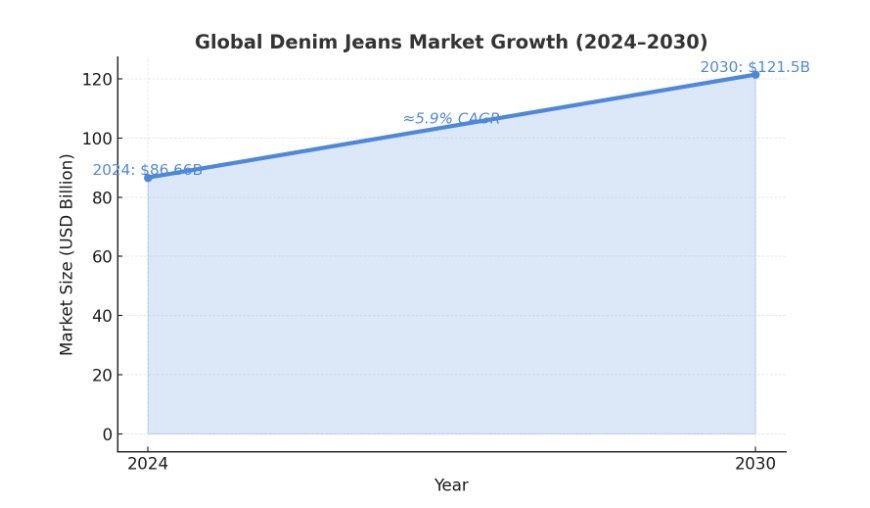
ในโลกที่เปลี่ยนแปลงไปอย่างรวดเร็วของการผลิตยีนส์ตามสั่ง การเลือกสิ่งที่ถูกต้อง ความกว้างของผ้าเดนิม ถือเป็นการเปลี่ยนแปลงครั้งสำคัญสำหรับโรงงานผลิตเสื้อผ้าที่ต้องการจัดส่งผลิตภัณฑ์คุณภาพสูงอย่างรวดเร็ว โดยตลาดเดนิมระดับโลกคาดว่าจะเติบโตเฉลี่ยปีละ 4.4% ระหว่างปี 2021 ถึง 2030 และจะมีมูลค่าสูงถึง 27.9 พันล้านดอลลาร์สหรัฐภายในปี 2030 ดังนั้น ประสิทธิภาพจึงไม่ใช่เพียงคำศัพท์ที่ได้รับความนิยมเท่านั้น แต่เป็นสิ่งจำเป็นอย่างยิ่งในการรักษาความสามารถในการแข่งขันไว้ คู่มือนี้จะกล่าวถึงแนวทางที่ดีที่สุด ความกว้างของผ้าเดนิม ตัวเลือกที่ได้รับการสนับสนุนจากข้อมูลอุตสาหกรรมและข้อมูลเชิงลึกจากโลกแห่งความเป็นจริง เพื่อช่วยคุณลดของเสีย ลดต้นทุน และเร่งการผลิต
ไม่ว่าคุณจะผลิตกางเกงยีนส์แบบตัดเข้ารูปหรือแบบสบายๆ ทนทาน ก็การเข้าใจเรื่องนี้ถือเป็นสิ่งสำคัญ ความกว้างของผ้าเดนิม ส่งผลต่อทุกอย่าง ตั้งแต่ความแม่นยำในการตัดไปจนถึงการปรับให้เข้ากันอย่างสมบูรณ์ มาดูกันว่ามีรายละเอียดอะไรบ้าง
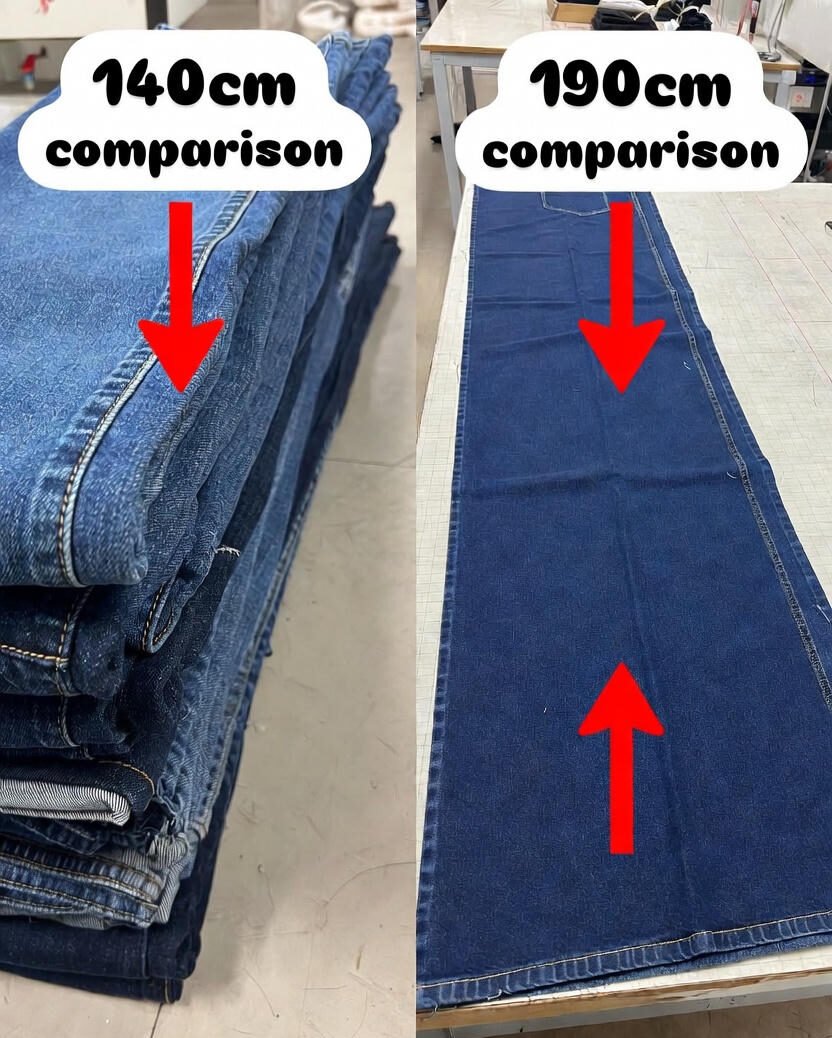
การเปรียบเทียบความกว้าง
ทำไมความกว้างของผ้าเดนิมจึงมีความสำคัญในการผลิตยีนส์ตามสั่ง
ที่ ความกว้างของผ้าเดนิม ส่งผลโดยตรงต่อประสิทธิภาพการผลิตในโรงงานตัดเย็บเสื้อผ้า ความกว้างที่แคบกว่า เช่น 140 ซม. (55 นิ้ว) ช่วยให้ตัดได้อย่างแม่นยำซึ่งช่วยลดขยะผ้า การศึกษาแสดงให้เห็นว่าความกว้างที่ได้รับการปรับปรุงสามารถปรับปรุงการจัดการทรัพยากรได้ 11.4% (MDPI Sustainability Journal) อย่างไรก็ตาม ขณะนี้มีตัวเลือกที่กว้างขึ้นถึง 190 ซม. (75 นิ้ว) ในตลาดแล้วสำหรับการวิ่งในปริมาณมาก ช่วยให้ตะเข็บน้อยลงและเย็บได้เร็วขึ้น อย่างไรก็ตาม เพื่อการควบคุมการหดตัวที่มั่นคง ผู้เชี่ยวชาญแนะนำให้ยืดผ้าไว้ประมาณ 140 ซม. (55 นิ้ว) เนื่องจากผ้าที่มีความกว้างมากขึ้นอาจบิดเบี้ยวได้มากขึ้นในระหว่างการซักและอบแห้ง
ในสถานการณ์ขายส่งเดนิมจำนวนมาก การเลือกความกว้างไม่ถูกต้องอาจทำให้ต้นทุนเพิ่มขึ้น 10-15% เนื่องจากมีเศษส่วนเกิน สำหรับกางเกงยีนส์สั่งทำที่ทุกตารางนิ้วมีความสำคัญ ความกว้างของผ้าเดนิม รับประกันความพอดีโดยไม่กระทบต่อความเร็ว
- ความกว้างแคบ (เช่น 120-140 ซม./47-55 นิ้ว): เหมาะสำหรับกางเกงยีนส์ทรงเข้ารูปและทรงสกินนี่ ลดของเสียแต่อาจต้องมีการปรับเปลี่ยนรูปแบบเพิ่มเติม
- ความกว้างมาตรฐาน (150-160 ซม./59-63 นิ้ว): อเนกประสงค์สำหรับการวิ่งแบบกำหนดเองส่วนใหญ่ ปรับสมดุลระหว่างความเร็วและความประหยัด
- ความกว้าง (170-190 ซม./67-75 นิ้ว): เหมาะสำหรับทรงหลวมหรือทรงพลัสไซส์ เพิ่มปริมาณงานแต่ต้องการเทคโนโลยีการตัดขั้นสูง

ความกว้างคงที่
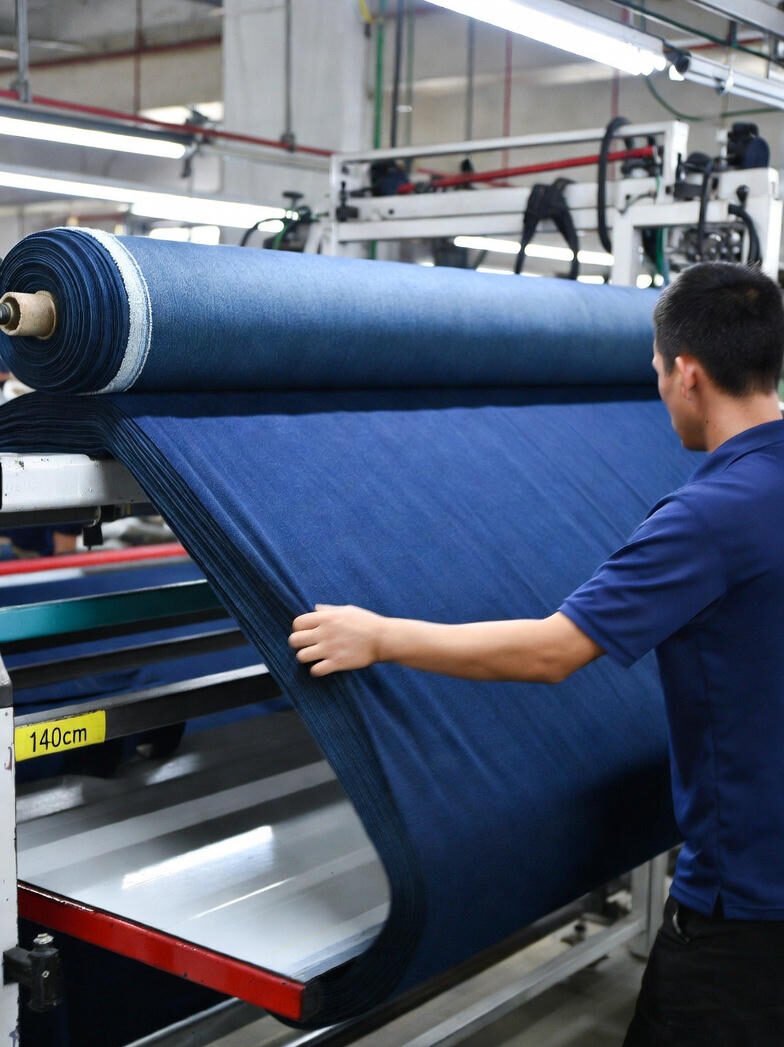
5 ความกว้างของผ้าเดนิมที่เหมาะสมที่สุดเพื่อเพิ่มประสิทธิภาพการผลิต
ห้าข้อพิสูจน์แล้วในการผลิตยีนส์สั่งตัดคุณภาพสูงได้อย่างรวดเร็ว ความกว้างของผ้าเดนิม คำแนะนำที่เหมาะสำหรับโรงงานตัดเย็บเสื้อผ้า:
- 140 ซม. (55 นิ้ว) – The Stability Starเหมาะอย่างยิ่งสำหรับผ้าดีนิมทนทานที่ใช้ในเสื้อผ้าทำงานของผู้ชาย โดยมีการหดตัวน้อยมาก (น้อยกว่า 3% หลังซัก) ทำให้เหมาะสมอย่างยิ่งสำหรับการผลิตในปริมาณมาก โรงงานรายงานว่าเวลาในการตัดเส้นผ้าเร็วกว่าแบบที่มีความแคบประมาณ 20%
- 150 ซม. (59 นิ้ว) – ประสิทธิภาพในชีวิตประจำวันเป็นตัวเลือกยอดนิยมสำหรับเสื้อผ้าเดนิมแบบดีนอมที่สามารถยืดหยุ่นได้ สำหรับผู้หญิงที่ผลิตตามขนาดเฉพาะบุคคล ความกว้างนี้ช่วยลดการสูญเสียวัสดุได้อย่างมีประสิทธิภาพ เนื่องจากเข้ากันได้อย่างลงตัวกับลวดลายมาตรฐาน จึงเหมาะอย่างยิ่งสำหรับคำสั่งซื้อจำนวนมาก
- 160 ซม. (63 นิ้ว) – ขุมพลังอเนกประสงค์สามารถถ่วงดุลระหว่างต้นทุนและความเร็วในการผลิตสำหรับรุ่นที่มีแบบฟิตทั้งแบบบางเบาและแบบสบายตัว ในกรณีศึกษาหนึ่ง แบรนด์เลวีส์ได้ใช้ความกว้างของเสื้อที่ใกล้เคียงกันเพื่อรักษาความทนทานในสไตล์คลาสสิก 501 ซึ่งช่วยลดเวลาการผลิตลงได้ถึง 15%
- 170 ซม. (67 นิ้ว) – ตัวเพิ่มระดับเสียง: เหมาะสำหรับกางเกงยีนส์ทรงสมบุกสมบันที่ได้แรงบันดาลใจจาก Wrangler ที่ใช้ผ้าเดนิมเนื้อหนา การตัดที่กว้างขึ้นหมายถึงจำนวนชิ้นต่อเสื้อผ้าน้อยลง ช่วยให้การประกอบเร็วขึ้นถึง 25% ในสายการผลิตอัตโนมัติ
- 190 ซม. (75 นิ้ว) – กว้างรองรับอนาคตเหมาะสำหรับการผลิตกางเกงยีนส์ขนาดใหญ่หรือกางเกงยีนส์แบบพิเศษที่ต้องการความยืดหยุ่นสูง แต่ควรใช้อย่างระมัดระวัง เนื่องจากอาจเกิดการหดตัวที่ไม่สม่ำเสมอได้ง่าย ควรใช้ร่วมกับเครื่องตัดเลเซอร์เพื่อให้ได้ผลลัพธ์ที่ดีที่สุด
ความกว้างเหล่านี้สอดคล้องกับความต้องการขายส่งเดนิมจำนวนมาก โดยซัพพลายเออร์เสนอม้วนที่ปรับให้เหมาะสมเพื่อการตอบสนองที่รวดเร็ว
หากต้องการดูตัวเลือกผ้าเดนิมสำหรับงานหนักระดับพรีเมียม โปรดดูที่ ผ้าที่ไม่ยืดหยุ่นของ LY Denim—ความกว้างที่ปรับแต่งได้เริ่มต้นที่ 140 ซม. (55 นิ้ว) สำหรับโรงงานตัดเย็บเสื้อผ้าที่เน้นความทนทาน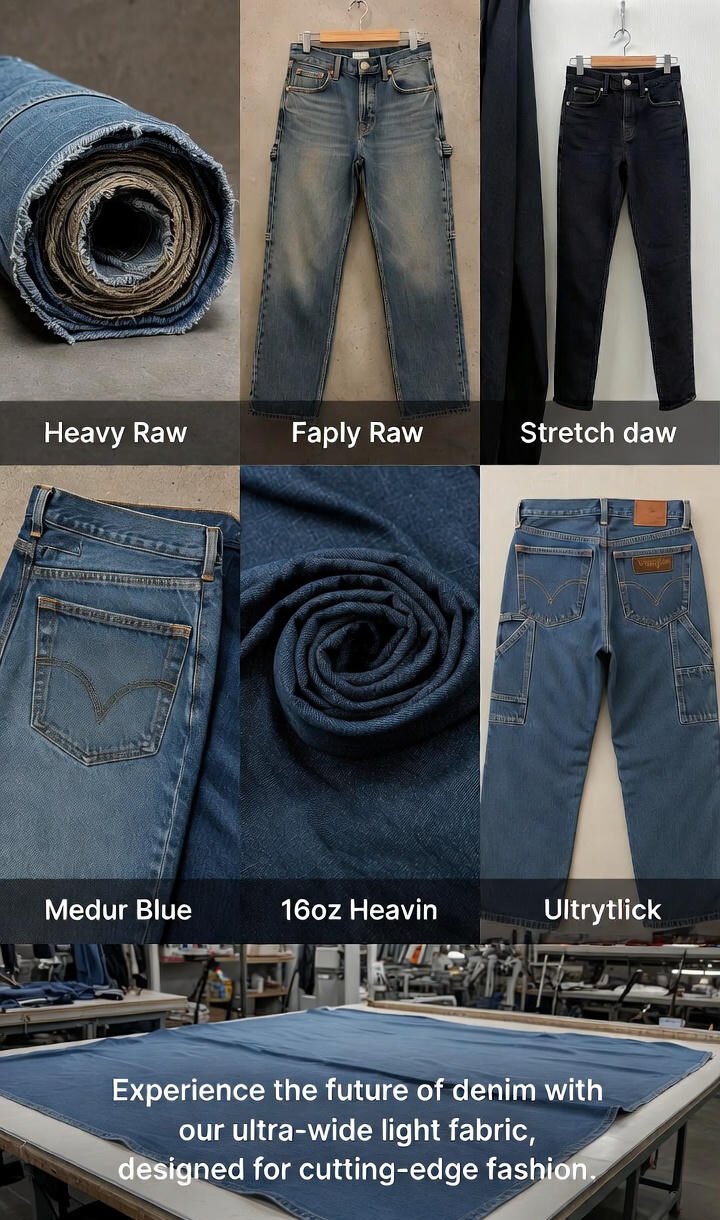
กรณีแฟชั่นในโลกแห่งความเป็นจริง: ความกว้างของผ้าเดนิมสำหรับเล็บของแบรนด์
ยักษ์ใหญ่ด้านแฟชั่นพิสูจน์ให้เห็นถึงพลังแห่งกลยุทธ์ ความกว้างของผ้าเดนิม ตัวอย่างเช่น เลวีส์ยึดมั่นในขนาดเสื้อผ้ามาตรฐาน 54–60 นิ้ว (137–152 ซม.) ในการผลิต เพื่อให้ได้รูปทรงที่ใช้งานได้อย่างยั่งยืนตลอดกาล ซึ่งช่วยเพิ่มความสามารถในการขยายผลการผลิตไปทั่วโลก และลดปริมาณเสีย ซึ่งเป็นหัวใจสำคัญของมรดกทางธุรกิจที่ยาวนานกว่า 150 ปี อีกด้านหนึ่ง แวร์แองเกอร์ใช้ความกว้างจริงที่มากกว่า (ประมาณ 60–65 นิ้ว/152–165 ซม.) ในสายผลิตภัณฑ์สำหรับคนงานและชาวคาวบอย เพื่อเพิ่มความทนทานโดยไม่ต้องใช้เย็บเสริม แนวทางนี้ช่วยให้แวร์แองเกอร์ครองตลาดเสื้อผ้าทำงานได้อย่างเหนือชั้น พร้อมเพิ่มประสิทธิภาพการผลิตได้ถึง 18% ในโรงงานที่มีกำลังการผลิตสูง
แบรนด์เล็กๆ เช่น Everlane กำลังทดลองผ้าที่มีความกว้าง 190 ซม. (75 นิ้ว) เพื่อให้วัดขนาดกางเกงยีนส์โดยคำนึงถึงสิ่งแวดล้อม โดยลดการใช้วัสดุต่อคู่ลง 12% กรณีเหล่านี้เน้นให้เห็นถึงวิธีการ ความกว้างของผ้าเดนิม ขับเคลื่อนทั้งคุณภาพและนวัตกรรม
การลดของเสียและการพัฒนาอย่างยั่งยืนในการขายส่งเดนิมจำนวนมาก
ในการผลิตยีนส์ตามสั่ง ของเสียจากความไม่ตรงกัน ความกว้างของผ้าเดนิม สามารถตีต้นทุนวัสดุได้ 15-20% ด้วยการเลือกใช้ผ้าเดนิมขายส่งขนาด 140-160 ซม. (55-63 นิ้ว) โรงงานต่างๆ จึงสามารถลดราคาลงเหลือต่ำกว่า 5% ตามเกณฑ์มาตรฐานอุตสาหกรรม ผสานรวมเครื่องมือที่ขับเคลื่อนด้วยข้อมูล เช่น ซอฟต์แวร์ CAD เพื่อจำลองการตัด เพื่อให้มั่นใจว่าสอดคล้องกับอุปกรณ์ของคุณ
สำหรับการบิดอย่างยั่งยืน ความกว้างที่กว้างขึ้นรองรับรูปแบบที่ไร้ขยะ แต่ให้ความสำคัญกับตัวเลือกที่มีความเสถียรในการหดตัว เช่น 140 ซม. (55 นิ้ว) เสมอ สำรวจ นวัตกรรมที่ยั่งยืนของ LY Denim สำหรับม้วนผ้าเดนิมสำหรับงานหนักที่เป็นมิตรต่อสิ่งแวดล้อมที่เหมาะกับข้อกำหนดเหล่านี้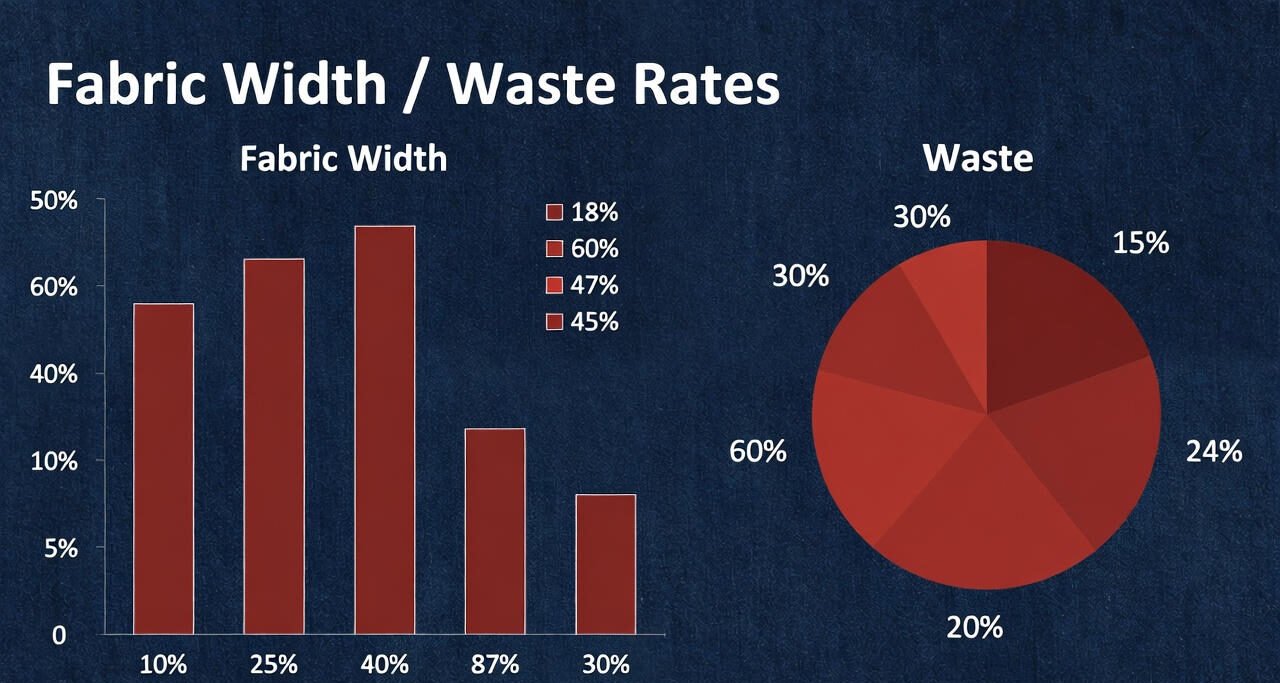
คำถามที่พบบ่อย: ตอบคำถามสำคัญเกี่ยวกับความกว้างของผ้าเดนิม
ผ้าเดนิมความกว้างที่ดีที่สุดสำหรับกางเกงยีนส์ทรงสลิมฟิตคือเท่าไร? สำหรับสไตล์ที่ออกแบบให้พอดีรูปร่าง ขนาด 140 เซนติเมตร (55 นิ้ว) เป็นตัวเลือกที่เหมาะสมอย่างยิ่ง เพราะมีความแคบเพียงพอสำหรับการตัดอย่างแม่นยำ และมีความกว้างเพียงพอสำหรับการตัดอย่างรวดเร็ว ช่วยลดของเสียได้ถึง 11%
ความกว้างของผ้าเดนิมส่งผลต่อความเร็วในการผลิตอย่างไร ความกว้างที่กว้างกว่า เช่น 170 ซม. (67 นิ้ว) สามารถเร่งการเย็บได้ 20-25% แต่ควรทดสอบลายเส้นของคุณเพื่อหลีกเลี่ยงปัญหาการหดตัว
ผ้าเดนิมหน้ากว้าง 190 ซม. (75 นิ้ว) ใช้ได้กับโรงงานตัดเย็บเสื้อผ้าหรือไม่ ได้ สำหรับทรงหลวมที่มีปริมาณมาก แต่ความสูง 140 ซม. (55 นิ้ว) ยังคงมีเสถียรภาพมากที่สุดสำหรับการหดตัว เหมาะสำหรับการวิ่งที่เน้นคุณภาพ
การขายส่งผ้าเดนิมจำนวนมากสามารถลดต้นทุนด้วยความกว้างที่เหมาะสมได้อย่างไร? การจับคู่ความกว้างกับลวดลายจะช่วยประหยัดวัสดุได้ 10-15% แหล่งที่มาจากซัพพลายเออร์ที่เชื่อถือได้สำหรับม้วนแบบกำหนดเอง
ผ้าเดนิมสำหรับงานหนักมีบทบาทอย่างไรในการวัดขนาดกางเกงยีนส์? มันช่วยเพิ่มความทนทาน—จับคู่ความกว้าง 150 ซม. (59 นิ้ว) เข้าด้วยกันเพื่อชิ้นงานแบบกำหนดเองที่มีประสิทธิภาพและยาวนาน
สรุปว่าเชี่ยวชาญ. ความกว้างของผ้าเดนิม ช่วยให้โรงงานตัดเย็บเสื้อผ้าสามารถผลิตยีนส์สั่งตัดคุณภาพสูงด้วยความเร็วเป็นประวัติการณ์ เริ่มต้นด้วยความสูง 140 ซม. (55 นิ้ว) เพื่อความน่าเชื่อถือ ปรับขนาดตัวเลือกให้กว้างขึ้นได้ตามต้องการ และดูประสิทธิภาพของคุณทะยานขึ้นไป พร้อมที่จะอัพเกรดแล้วหรือยัง? เจาะลึกการขายส่งผ้าเดนิมจำนวนมากวันนี้
ฝึกฝนความกว้างของผ้าเดนิมด้วย LYDENIM
ต้องการผลิตยีนส์สั่งทำพิเศษระดับพรีเมียมเร็วขึ้น โดยสิ้นเปลืองน้อยลงและผลกำไรที่สูงขึ้นใช่ไหม LYDENIM ช่วยให้โรงงานตัดเย็บเสื้อผ้าและแบรนด์ต่างๆ เพิ่มประสิทธิภาพผ้าทุกเซนติเมตร ด้วยการเลือกความกว้างระดับมืออาชีพและโซลูชั่นผ้าเดนิมที่ออกแบบตามความต้องการ
️ คำแนะนำเกี่ยวกับความกว้างของผ้าที่เหมาะสมที่สุด เริ่มต้นด้วยตัวเลือกที่น่าเชื่อถือและมีประสิทธิภาพมากที่สุด: 140 ซม. (55 นิ้ว) — เหมาะสำหรับกางเกงยีนส์ 5 กระเป๋าสุดคลาสสิกและเปลืองผ้าน้อยที่สุด เมื่อขนาดหรือการออกแบบการผลิตของคุณพัฒนาขึ้น ให้อัปเกรดเป็นความกว้างที่กว้างขึ้น 150–160 ซม. (59–63 นิ้ว) เพื่อเพิ่มประสิทธิภาพการตัด 15–25% LYDENIM มีสต็อกที่มั่นคงสำหรับผ้าเดนิมขนาดมาตรฐานและกว้างพิเศษทั้งหมด
🧵 โซลูชั่นผ้าเดนิมสั่งทำระดับมืออาชีพ ตั้งแต่ริมผ้าดิบเนื้อหนาไปจนถึงผ้าเดนิมยืดน้ำหนักเบาและผ้าเดนิมรีไซเคิลที่ยั่งยืน LYDENIM นำเสนอผ้าที่พัฒนาขึ้นตามความต้องการซึ่งตรงกับน้ำหนัก ความรู้สึกของมือ สี และประสิทธิภาพที่คุณต้องการ
≪ ปริมาณมากสำหรับการขายส่ง และจัดส่งอย่างรวดเร็ว พร้อมปรับปรุงสายการผลิตของคุณ! รับราคาขายส่งที่มีความได้เปรียบ คุณภาพที่สม่ำเสมอ และระยะเวลาการจัดส่งที่น่าเชื่อถือ เมื่อคุณสั่งซื้อโดยตรงจาก LY Denim
Quick In Touch หากคุณมีโครงการเดนิมหรือต้องการคำแนะนำในการเพิ่มประสิทธิภาพความกว้างหรือไม่? ติดต่อทีมงาน LYDENIM ได้ที่ Malone@lydenim.com เพื่อหารือเกี่ยวกับผ้าที่สั่งทำพิเศษ การพัฒนาที่มีความกว้างมากขึ้น หรือคำสั่งซื้อขายส่งจำนวนมาก เยี่ยมชม LYDENIM เพื่อดูคอลเลกชั่นเดนิมระดับพรีเมียมเพิ่มเติมหรือสำรวจตัวเลือกต่างๆ Liangyuan Textile ในอาลีบาบา
เร่งความเร็ว ลดต้นทุน และยกระดับคุณภาพ — ร่วมมือกับ LYDENIM เพื่อคอลเลกชั่นเดนิมที่ชนะเลิศครั้งต่อไปของคุณ!
คำถามที่พบบ่อย
สามารถปรับแต่งให้เหมาะกับแบรนด์หรือคอลเลกชันของฉันได้หรือไม่?
ใช่ ส่งใบสมัคร รูปภาพอ้างอิง คุณภาพเป้าหมาย ปริมาณ และข้อกำหนดของตลาด เพื่อให้ซัพพลายเออร์สามารถแนะนำตัวเลือกผ้า เครื่องแต่งกาย หรือการตกแต่งที่เหมาะสมได้
ฉันควรส่งข้อมูลอะไรบ้างก่อนที่จะขอใบเสนอราคา?
จัดเตรียมประเภทผลิตภัณฑ์ ผ้าหรือเทคนิคเป้าหมาย ทิศทางสี ความต้องการตัวอย่าง ปริมาณ ประเทศปลายทาง และระยะเวลารอคอยสินค้าที่คาดหวัง
ฉันควรขอตัวอย่างก่อนการผลิตจำนวนมากหรือไม่
ใช่ ตัวอย่างและระยะตัวอย่างจะช่วยลดความเสี่ยงก่อนสั่งซื้อจำนวนมาก โดยเฉพาะอย่างยิ่งเมื่อคุณภาพสี ความรู้สึกทางมือ การยืด พื้นผิว หรือการตกแต่งมีความสำคัญ
ฉันจะหลีกเลี่ยงปัญหาด้านคุณภาพในคำสั่งซื้อจำนวนมากได้อย่างไร
อนุมัติมาตรฐานตัวอย่างที่ชัดเจน กำหนดข้อกำหนดในการทดสอบ ยืนยันความคลาดเคลื่อน และเปรียบเทียบผลผลิตจำนวนมากกับตัวอย่างที่ได้รับอนุมัติก่อนจัดส่ง
ต้องการความช่วยเหลือในการเปลี่ยนสิ่งนี้ให้เป็นบรีฟการจัดหาที่พร้อมสำหรับการผลิตหรือไม่
ส่งสินค้าเป้าหมายของคุณ ทิศทางผ้า ปริมาณ และความต้องการตัวอย่าง LY Denim สามารถช่วยเปรียบเทียบตัวเลือกและเตรียมใบเสนอราคาได้