


การวิเคราะห์สไตล์เสื้อผ้าทั่วไป
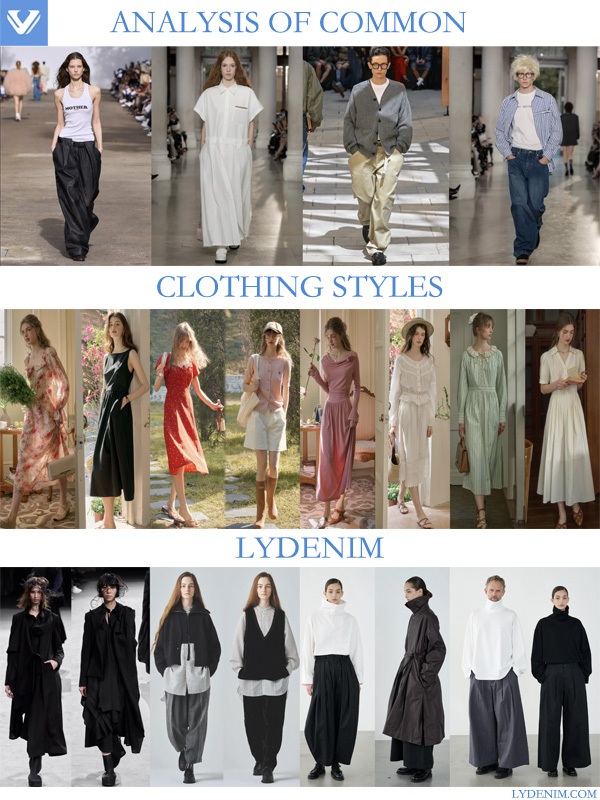
การวิเคราะห์สไตล์เสื้อผ้าทั่วไป
เวลาการอ่านประมาณ: ~4 นาที บทนำ: ภาษาเงียบของแฟชั่นช่วยให้แต่ละคนสามารถแสดงออกถึงตัวตนที่เป็นเอกลักษณ์ผ่านสไตล์การแต่งกาย โดยแต่ละสไตล์แฟชั่นก็สะท้อนวิถีชีวิตที่แตกต่างกันไปผ่านลักษณะเฉพาะของตนเอง
สรุปผู้ซื้อ
สำหรับแบรนด์เครื่องแต่งกายและทีมขนาดเล็ก หัวข้อนี้ควรเชื่อมโยงการตัดสินใจด้านการออกแบบกับการสุ่มตัวอย่าง การผลิต ปริมาณขั้นต่ำ วิธีการตกแต่ง และความพร้อมในการเสนอราคา
- ผู้ซื้อที่เหมาะสมแบรนด์แฟชั่น ทีมจัดหา ผู้ค้าส่ง โรงงานตัดเย็บเสื้อผ้า และผู้พัฒนาผลิตภัณฑ์
- สิ่งที่ต้องยืนยันเป้าหมายผลิตภัณฑ์ ทิศทางของผ้า ผิวสำเร็จ ความต้องการตัวอย่าง ปริมาณ และตลาดการจัดส่ง
- ความเสี่ยงของผู้ซื้อข้อมูลจำเพาะที่ไม่ชัดเจนอาจนำไปสู่ตัวอย่างที่ไม่ถูกต้อง คุณภาพปริมาณมากไม่แน่นอน และการเสนอราคาที่ช้า
- CTA ที่แนะนำขอตัวอย่างหรือใบเสนอราคาตัวอย่างก่อนที่จะดำเนินการผลิตจำนวนมาก
เหตุใดจึงสำคัญสำหรับผู้ซื้อ B2B
ยืนยันเนื้อผ้า โครงสร้าง เทคนิคโลโก้ ความต้องการตัวอย่าง และปริมาณการสั่งซื้อก่อนเปรียบเทียบซัพพลายเออร์
เวลาการอ่านประมาณ: ~4 นาที บทนำ: ภาษาเงียบของแฟชั่นช่วยให้แต่ละคนสามารถแสดงออกถึงตัวตนที่เป็นเอกลักษณ์ผ่านสไตล์การแต่งกาย โดยแต่ละสไตล์แฟชั่นก็สะท้อนวิถีชีวิตที่แตกต่างกันไปผ่านลักษณะเฉพาะของตนเอง
ตารางข้อมูลจำเพาะสำหรับการจัดหาที่เร็วขึ้น
| จุดตัดสินใจ | ตัวเลือกในการเปรียบเทียบ | ทำไมมันถึงสำคัญ | คำถามของผู้ซื้อ |
|---|---|---|---|
| ประเภทสินค้า | เสื้อฮู้ด เสื้อยืด กางเกงยีนส์ แจ็คเก็ต เครื่องแต่งกายตามสั่ง | ควบคุมการเลือกผ้า ลวดลาย การตกแต่ง และการก่อสร้าง | คุณกำลังพัฒนาผลิตภัณฑ์ใด? |
| การปรับแต่ง | งานปัก งานสกรีน งานพิมพ์พัฟ งานปัก งานซัก | ส่งผลต่อต้นทุนตัวอย่าง ขั้นต่ำ และเวลานำ | คุณมีอาร์ตเวิร์คหรือเทคนิคอ้างอิงหรือไม่? |
| ผ้าและ GSM | ตัวเลือกเบา ปานกลาง หรือเฮฟวี่เวท | กำหนดความรู้สึกมือ ฤดูกาล และตำแหน่งการขายปลีก | คุณต้องการความรู้สึกมือและระดับราคาแบบใด |
| แผนการสั่งซื้อ | ต้นแบบ ชุดเล็ก การผลิตจำนวนมาก | เปลี่ยนแปลงราคา ไทม์ไลน์ และการตั้งค่าการผลิต | คุณต้องการตัวอย่างหรือใบเสนอราคาจำนวนมากก่อนหรือไม่? |
แอปพลิเคชันและตัวเลือกแบบกำหนดเอง
การพัฒนาผลิตภัณฑ์
ใช้คู่มือนี้เพื่อเปลี่ยนแนวคิดการออกแบบให้เป็นข้อกำหนดด้านเนื้อผ้า เครื่องแต่งกาย การตกแต่ง และตัวอย่าง
การเปรียบเทียบซัพพลายเออร์
เปรียบเทียบซัพพลายเออร์ตามการสนับสนุนตัวอย่าง ความชัดเจนทางเทคนิค ความเสถียรของปริมาณรวม และความเร็วในการสื่อสาร
การผลิตจำนวนมาก
ยืนยันมาตรฐานคุณภาพ ตัวอย่างที่ได้รับอนุมัติ และไทม์ไลน์ก่อนสั่งผลิต
จุดควบคุมคุณภาพก่อนสั่งซื้อจำนวนมาก
- OKการอนุมัติตัวอย่าง: ยืนยันผ้า สี ความรู้สึกมือ โครงสร้าง และการตกแต่งก่อนการผลิตจำนวนมาก
- OKความสม่ำเสมอเป็นกลุ่ม: เปรียบเทียบล็อตจำนวนมากกับตัวอย่างที่ได้รับอนุมัติภายใต้แสงและสภาวะการทดสอบเดียวกัน
- OKการทดสอบประสิทธิภาพ: ตรวจสอบการหดตัว ความคงทนของสี การยืดตัวคืนสภาพ หรือความทนทานของการตกแต่งตามที่เกี่ยวข้อง
- OKความชัดเจนของคำพูด: ส่งปริมาณ ปลายทาง ความต้องการบรรจุภัณฑ์ และเวลานำเป้าหมายเพื่อหลีกเลี่ยงการกำหนดราคาที่คลุมเครือ
กระบวนการพัฒนาตัวอย่าง
| ขั้นตอน | ผู้ซื้อจัดให้ | ซัพพลายเออร์ยืนยัน |
|---|---|---|
| 1. บรีฟ | การใช้งาน รูปภาพอ้างอิง คุณภาพและปริมาณเป้าหมาย | ความเป็นไปได้ วัสดุที่แนะนำ และตัวเลือกแบบกำหนดเอง |
| 2. สวอตช์ผ้า | สี สัมผัสมือ รูปแบบ หรือการตอบสนองขั้นสุดท้ายที่ต้องการ | สต็อกที่มีอยู่ ทิศทางที่กำหนดเอง และต้นทุนตัวอย่าง |
| 3. ตัวอย่าง | แผนการทดสอบเสื้อผ้า ขนาด หรือความต้องการระยะ | เส้นเวลาการสุ่มตัวอย่างและความสามารถในการทำซ้ำของการผลิต |
| 4. ใบเสนอราคาจำนวนมาก | ปริมาณการสั่งซื้อ ปลายทางการจัดส่ง และความต้องการบรรจุภัณฑ์ | ราคาต่อหน่วย, ขั้นต่ำ, เวลานำและจุดตรวจควบคุมคุณภาพ |
คู่มือโดยละเอียด
เวลาอ่านโดยประมาณ: ~4 นาที
บทนำ
ภาษาแห่งแฟชั่นที่เงียบงันช่วยให้บุคคลสามารถแสดงออกถึงความเป็นตัวตนของตนเองผ่านสไตล์ สไตล์แฟชั่นที่แตกต่างกันนำเสนอไลฟ์สไตล์ที่เป็นเอกลักษณ์ผ่านการแสดงออกที่แตกต่างกันออกไป ตั้งแต่เสื้อผ้าแบบเกาหลีไปจนถึงความสง่างามแบบฝรั่งเศส และจากการออกแบบแบบจีนไปจนถึงความเรียบง่ายแบบมินิมอล ศิลปินด้านการออกแบบสร้างมากกว่าแค่การจัดวางผ้าด้วยภาพ เพราะงานศิลปะของพวกเขาทำหน้าที่เป็นเครื่องมือในการแสดงออกถึงมรดกทางวัฒนธรรมและความลึกซึ้งทางอารมณ์ เสื้อผ้าทำหน้าที่เป็นเครื่องมือวาดภาพเพื่อสร้างเรื่องราวเกี่ยวกับแฟชั่นของคุณ แล้วเสื้อผ้าสไตล์ทั่วไปล่ะเป็นแบบไหน?
1. สไตล์เกาหลี
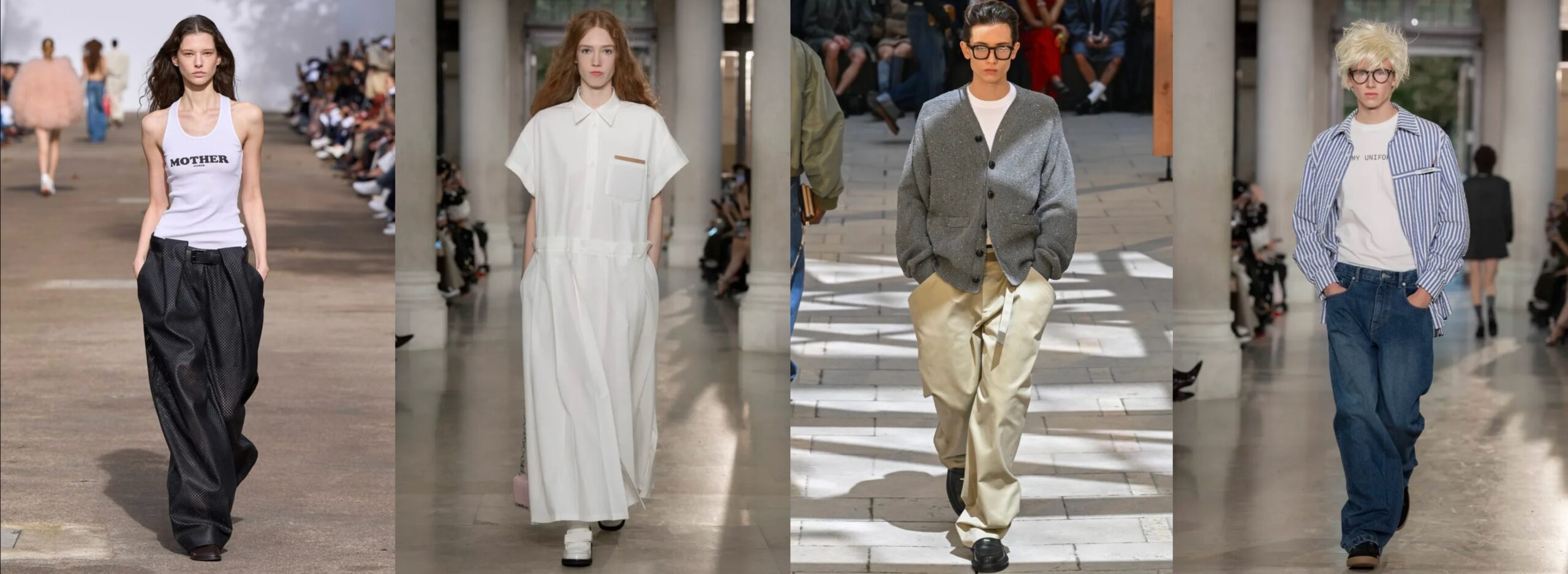
ความนิยมของสไตล์เกาหลีได้ระเบิดขึ้นในกลุ่มคนรุ่นใหม่ตลอดไม่กี่ปีที่ผ่านมา สไตล์นี้นำเสนอรูปลักษณ์ที่ผ่อนคลายสบาย ๆ ซึ่งแสดงให้เห็นถึงความรู้สึกสบาย ๆ ด้านแฟชั่นอย่างมีสไตล์ แฟชั่นต้องอาศัยการซ้อนชั้นและใช้โทนสีที่จำกัด ซึ่งรวมถึงโทนสีขาว สีเหลืองอ่อน สีฟ้าและสีน้ำตาลอ่อน เสื้อสเวตเตอร์ถักหลวมๆ คู่กับกางเกงยีนส์และเสื้อผ้าลำลองเป็นตัวแทนของไอเท็มทั่วไปในสไตล์แฟชั่นนี้
สไตล์เกาหลี
2. สไตล์ญี่ปุ่น
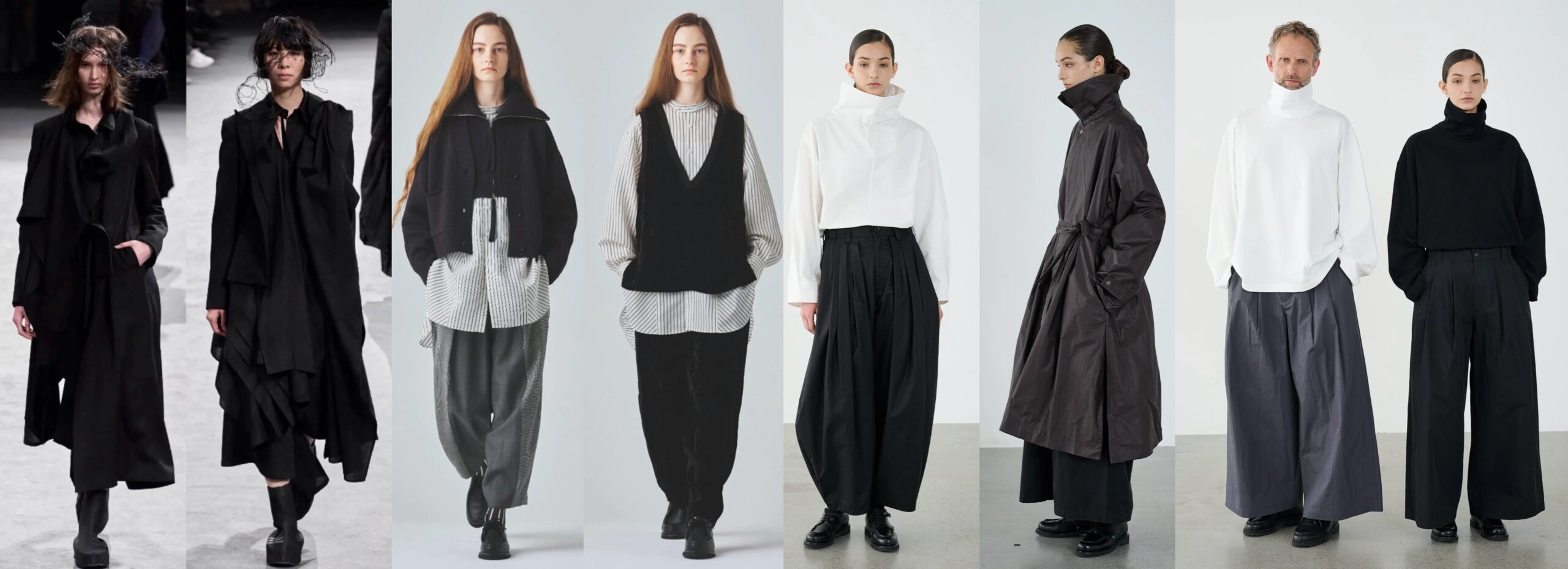
สไตล์ญี่ปุ่นโดดเด่นด้วยรูปลักษณ์ที่เรียบง่าย ซึ่งผสมผสานองค์ประกอบทางศิลปะของวัยรุ่นเข้ากับสุนทรียศาสตร์ที่เป็นกลางและไร้เพศ จานสีประกอบด้วยสีเทา สีดำ สีขาว และโทนสีพื้นฐานอื่นๆ เป็นหลัก ซึ่งสร้างรูปลักษณ์ที่สะอาดตาที่มีโครงสร้างที่ทั้งผ่อนคลายและลื่นไหล
สไตล์ญี่ปุ่น
3. สไตล์จีนใหม่
เทรนด์แฟชั่นจีนสมัยใหม่ผสมผสานเสื้อผ้าจีนแบบดั้งเดิมเข้ากับเสื้อผ้าประจำวันร่วมสมัย เครื่องแต่งกายแบบจีนสมัยใหม่ขจัดองค์ประกอบที่เป็นทางการออกไป ในขณะเดียวกันก็ให้ความสำคัญกับการสวมใส่เสื้อผ้าทุกวัน สไตล์นี้ผสมผสานวัฒนธรรมประเพณีจีนเข้ากับแนวทางการออกแบบร่วมสมัยซึ่งส่งผลให้เกิดการแสดงออกของแฟชั่นสมัยใหม่
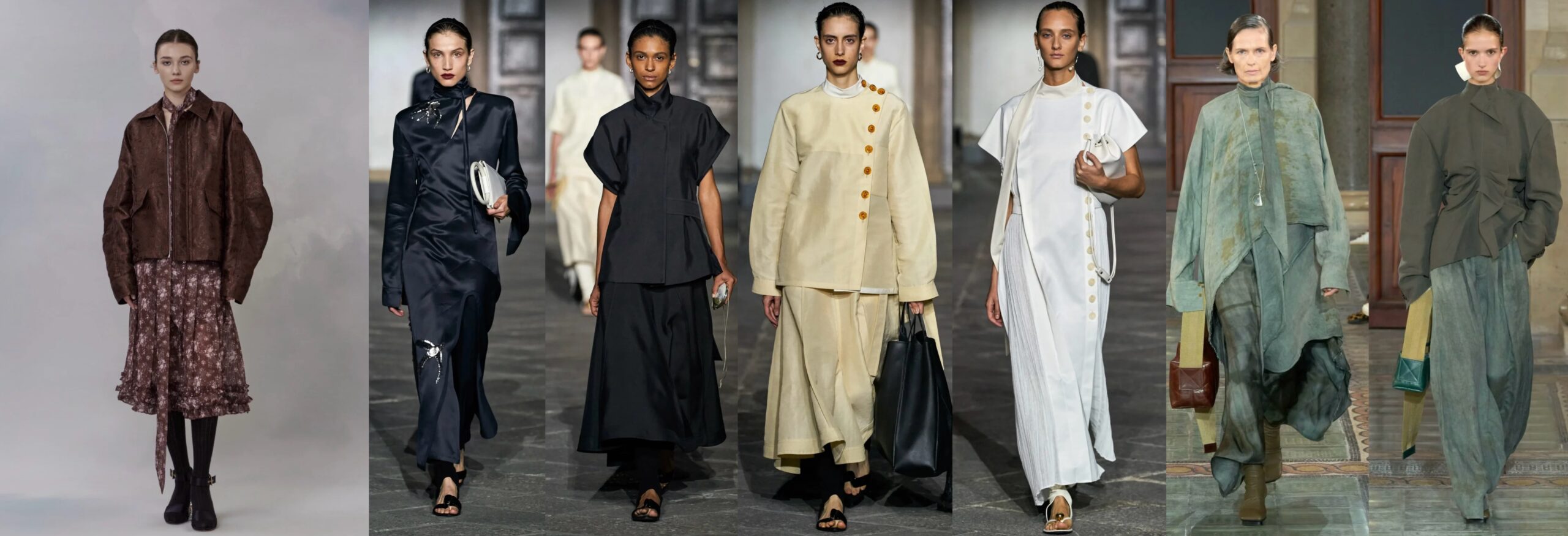
สไตล์จีนใหม่
4. สไตล์ฝรั่งเศส
สไตล์ฝรั่งเศสผสมผสานความเก๋ไก๋ได้อย่างง่ายดายผ่านเส้นสายที่สะอาดตาและพื้นผิวที่เป็นธรรมชาติ ซึ่งหลีกเลี่ยงองค์ประกอบการตกแต่งที่มากเกินไป ทัศนคติที่ผ่อนคลายของสไตล์นี้ผสมผสานเสื้อเชิ้ตสีขาวเข้ากับกางเกงขาตรงเพื่อสร้างชุดลำลองที่เรียบง่ายแต่สะอาดตา สไตล์โรแมนติกใช้โทนสีอ่อนร่วมกับการจับจีบหรือลูกไม้เพื่อสร้างบรรยากาศที่หรูหราผ่านการผสมผสานระหว่างเดรสลายดอกไม้กับคาร์ดิแกนที่ให้ความรู้สึกอ่อนโยน องค์ประกอบสำคัญของสไตล์ฝรั่งเศสคือเนื้อผ้า เนื่องจากผ้าคุณภาพสูงสร้างทั้งเสน่ห์ทางแฟชั่นและความสบายในการแต่งกาย
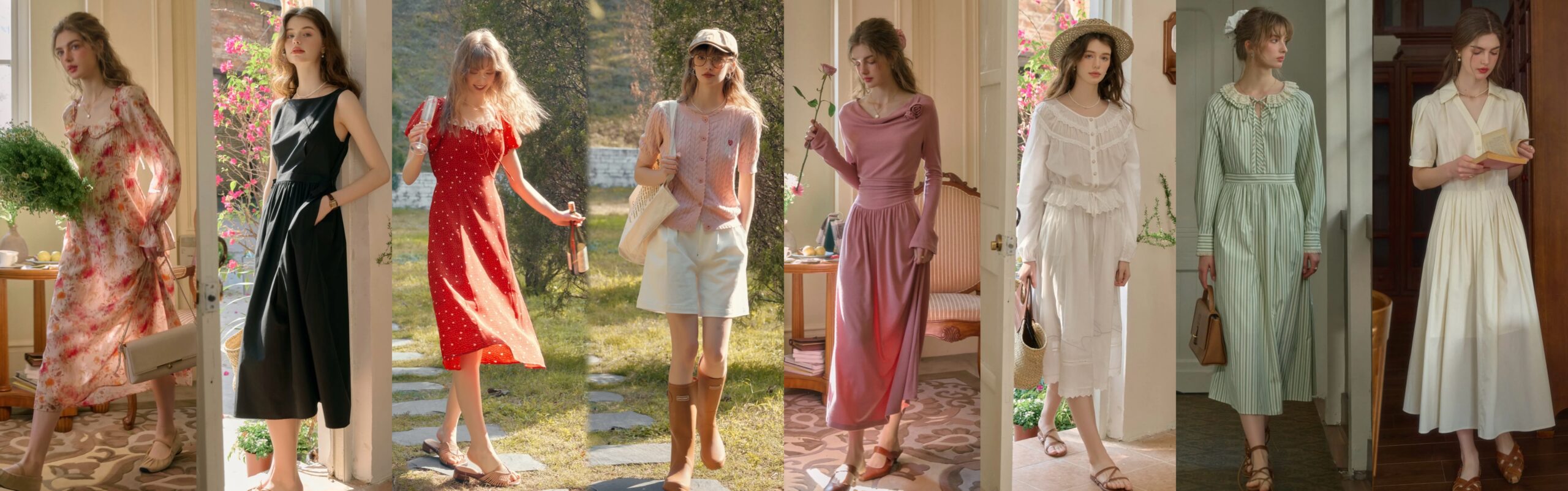
สไตล์ฝรั่งเศส
5. สไตล์มินิมอล
Minimalism นำเสนอแนวทางการออกแบบที่ขจัดองค์ประกอบที่ไม่จำเป็นทั้งหมดออกไป ในขณะที่ยังคงรักษาเฉพาะองค์ประกอบพื้นฐานเท่านั้น การใช้รูปทรงพื้นฐานรวมกับสีและเส้นพื้นฐานและวัสดุทำให้เกิดงานออกแบบที่บริสุทธิ์และสะอาดตา แนวทางแฟชั่นแบบมินิมอลลิสต์นำเสนอตัวเองผ่านการใช้โทนสีกลางๆ ซึ่งครอบงำเสื้อผ้าส่วนใหญ่ ผสมผสานกับการออกแบบที่เรียบง่ายและองค์ประกอบทางโครงสร้าง แฟชั่นสไตล์มินิมอลผสมผสานวัสดุผ้าระดับพรีเมียมเข้ากับรายละเอียดที่ซับซ้อน ซึ่งตอบสนองความต้องการด้านความสวยงามและการใช้งาน
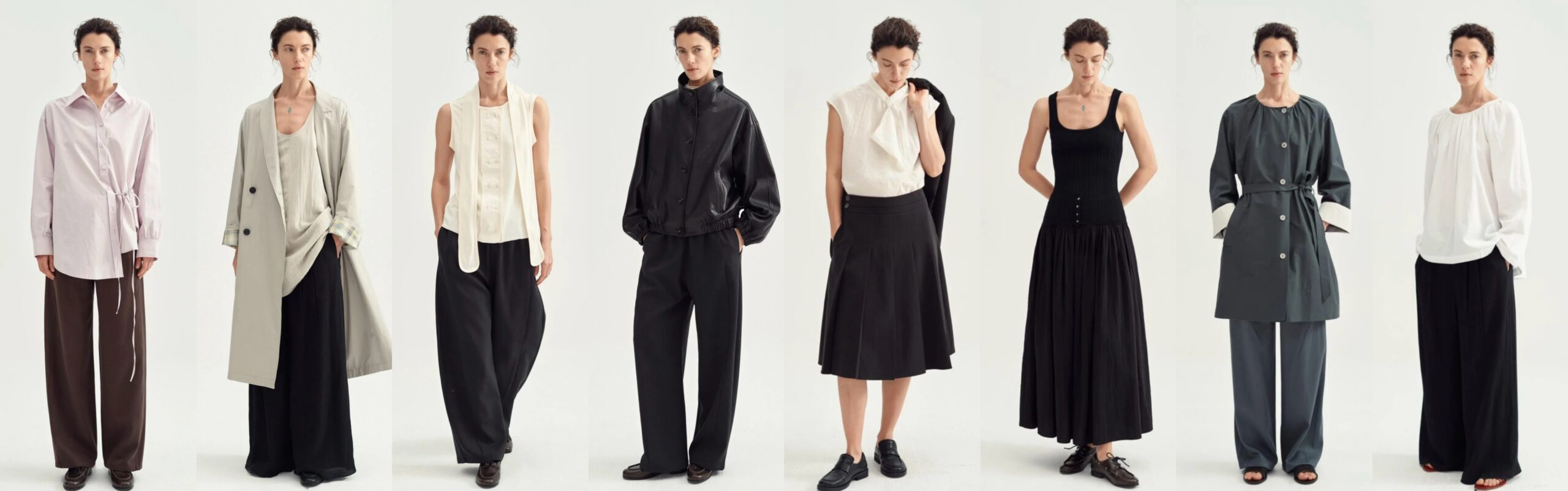
สไตล์มินิมอล
6. สไตล์วินเทจหรือสไตล์ย้อนยุค
ปัจจุบันโลกแฟชั่นเพลิดเพลินกับการฟื้นฟูสไตล์วินเทจที่แข็งแกร่งซึ่งครองรันเวย์ แนวทางด้านแฟชั่นหลีกเลี่ยงการทำซ้ำโดยตรง แต่ยังสำรวจวิธีใหม่ๆ ในการตีความองค์ประกอบแฟชั่นในอดีตใหม่ ตัวเลือกสไตล์นี้เฉลิมฉลองความมีเอกลักษณ์ด้วยการหลีกเลี่ยงความสม่ำเสมอผ่านการจัดเสื้อผ้าที่โดดเด่น รายละเอียดที่จำเป็นสำหรับสไตล์วินเทจ ได้แก่ กระดุมอันละเอียดอ่อนควบคู่ไปกับลายลูกไม้และลวดลายย้อนยุคที่ผสมผสานองค์ประกอบทศวรรษต่างๆ เข้าด้วยกันเพื่อพัฒนาสุนทรียภาพอันเป็นแฟชั่นเหนือกาลเวลา
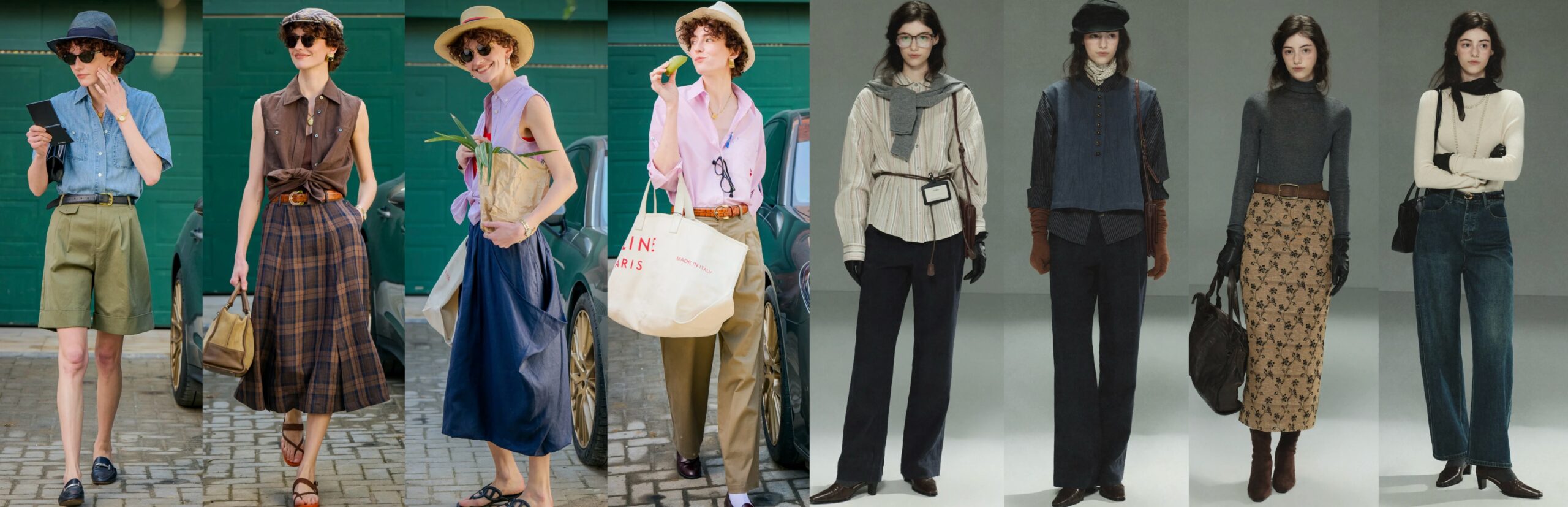
สไตล์วินเทจ
7. สไตล์สปอร์ต
การพัฒนาสไตล์สปอร์ตเริ่มต้นจากนักออกแบบชุดกีฬาที่มุ่งเน้นการผลิตเสื้อผ้ากีฬาที่ใช้งานได้จริงและสวมใส่สบาย การขยายตัวของวัฒนธรรมการกีฬาทำให้เกิดองค์ประกอบด้านกีฬาที่เข้าสู่การใช้แฟชั่นกระแสหลัก การใช้ชีวิตอย่างมีสุขภาพกลายเป็นสิ่งสำคัญในสังคมยุคใหม่ ซึ่งนำแฟชั่นแนวสปอร์ตมาผสมผสานกับเทรนด์แฟชั่นอื่นๆ เสื้อผ้าสไตล์สปอร์ตเน้นความสบายด้วยการใช้ผ้าเนื้อนุ่มยืดหยุ่นซึ่งยังช่วยระบายอากาศอีกด้วย ดีไซน์พื้นฐานของเสื้อผ้าแนวสปอร์ตประกอบด้วยดีไซน์เรียบง่ายไร้การตกแต่งซึ่งนำเสนอรูปลักษณ์ที่ผ่อนคลายอย่างเป็นธรรมชาติ
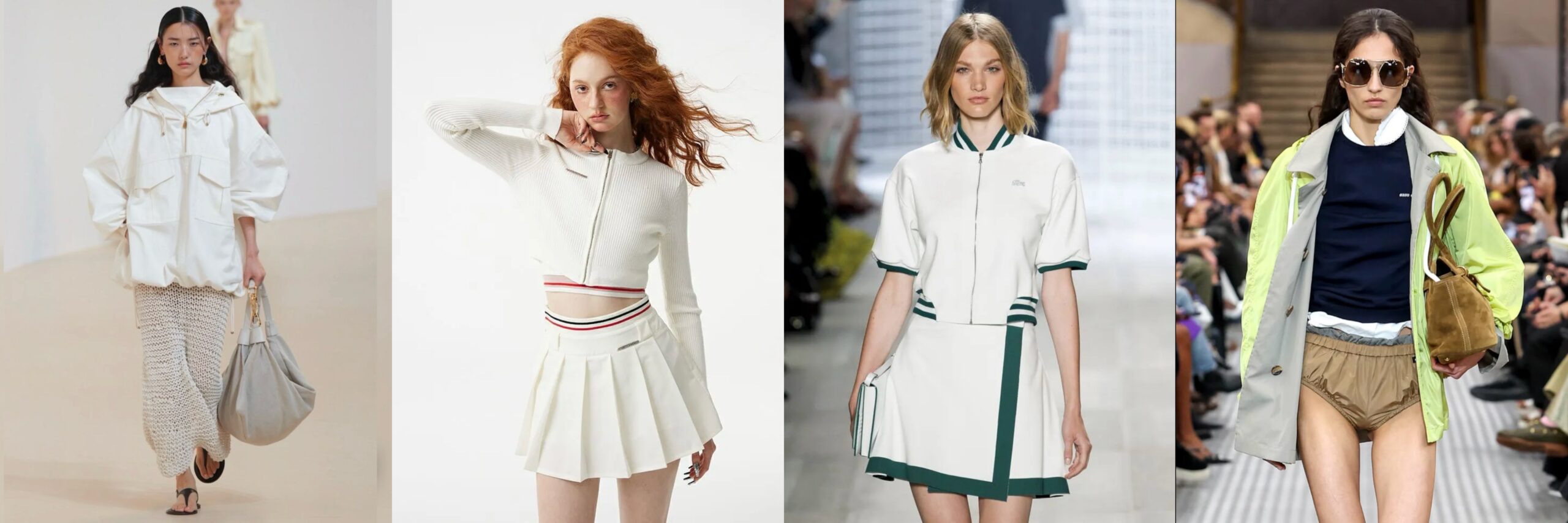
สไตล์สปอร์ต
บทสรุป
การออกแบบบรรลุถึงจิตวิญญาณด้วยการเลือกสีและเงาที่แม่นยำ เนื่องจากสิ่งเหล่านี้ถ่ายทอดบุคลิกที่โดดเด่น สไตล์สามารถกลายเป็นนวัตกรรมได้เมื่อรวมกับเทรนด์แฟชั่นสมัยใหม่ การเย็บตะเข็บแต่ละชิ้นในเสื้อผ้าแสดงถึงปรัชญาส่วนบุคคล เพราะสไตล์แสดงออกผ่านความสง่างามแบบตะวันออกและความเมินเฉยแบบปารีส เช่นเดียวกับความมีเหตุผลแบบมินิมอล และความโรแมนติกแบบวินเทจ บุคลิกของคุณจะเปล่งประกายผ่านทั้งสีที่คุณเลือกและการตัดเย็บเสื้อผ้าที่กำหนดสไตล์ของคุณ เมื่อคุณค้นพบสัญลักษณ์อันเป็นนิรันดร์ของคุณในโลกแฟชั่นที่ไหลลื่นอย่างต่อเนื่อง ทั้งตัวตนและสไตล์ยังคงยืนยงผ่านกาลเวลา
บริการปรับแต่งโดย LYDENIM
🎨 อยากได้ ผ้าเดนิมที่กำหนดเอง หรือ ไม่ซ้ำกัน เสื้อผ้าเดนิมที่กำหนดเอง? LYDENIM เชี่ยวชาญด้านโซลูชันที่ออกแบบเฉพาะเพื่อตอบสนองความต้องการด้านการออกแบบและการผลิตของคุณ
🛍️ สำรวจและหาแรงบันดาลใจกันเถอะ!: เลือกดูผ้าที่เราคัดสรรและค้นพบแนวคิดการออกแบบได้ที่ ลีเดนิม.
🌐 เสื้อผ้ายืดหยุ่น: ตรวจสอบข้อเสนอของเราได้ที่ อาลีบาบาของฉัน. 📩 ติดต่อเรา: ติดต่อได้ที่ Malone@lydenim.com.
สร้างสรรค์ผลงานเดนิมชิ้นเอกของคุณด้วย LYDENIM ซึ่งเป็นพันธมิตรที่คุณไว้วางใจ ผ้ายืด และ โซลูชั่นเดนิมแบบกำหนดเอง.
คำถามที่พบบ่อย
สามารถปรับแต่งให้เหมาะกับแบรนด์หรือคอลเลกชันของฉันได้หรือไม่?
ใช่ ส่งใบสมัคร รูปภาพอ้างอิง คุณภาพเป้าหมาย ปริมาณ และข้อกำหนดของตลาด เพื่อให้ซัพพลายเออร์สามารถแนะนำตัวเลือกผ้า เครื่องแต่งกาย หรือการตกแต่งที่เหมาะสมได้
ฉันควรส่งข้อมูลอะไรบ้างก่อนที่จะขอใบเสนอราคา?
จัดเตรียมประเภทผลิตภัณฑ์ ผ้าหรือเทคนิคเป้าหมาย ทิศทางสี ความต้องการตัวอย่าง ปริมาณ ประเทศปลายทาง และระยะเวลารอคอยสินค้าที่คาดหวัง
ฉันควรขอตัวอย่างก่อนการผลิตจำนวนมากหรือไม่
ใช่ ตัวอย่างและระยะตัวอย่างจะช่วยลดความเสี่ยงก่อนสั่งซื้อจำนวนมาก โดยเฉพาะอย่างยิ่งเมื่อคุณภาพสี ความรู้สึกทางมือ การยืด พื้นผิว หรือการตกแต่งมีความสำคัญ
ฉันจะหลีกเลี่ยงปัญหาด้านคุณภาพในคำสั่งซื้อจำนวนมากได้อย่างไร
อนุมัติมาตรฐานตัวอย่างที่ชัดเจน กำหนดข้อกำหนดในการทดสอบ ยืนยันความคลาดเคลื่อน และเปรียบเทียบผลผลิตจำนวนมากกับตัวอย่างที่ได้รับอนุมัติก่อนจัดส่ง
ต้องการความช่วยเหลือในการเปลี่ยนสิ่งนี้ให้เป็นบรีฟการจัดหาที่พร้อมสำหรับการผลิตหรือไม่
ส่งสินค้าเป้าหมายของคุณ ทิศทางผ้า ปริมาณ และความต้องการตัวอย่าง LY Denim สามารถช่วยเปรียบเทียบตัวเลือกและเตรียมใบเสนอราคาได้