


เสื้อยืดสั่งทำไม่มีขั้นต่ำ: วิธีเปิดตัวและขยายกลุ่มผลิตภัณฑ์เครื่องแต่งกายของคุณด้วยการปรับแต่งที่ยืดหยุ่น
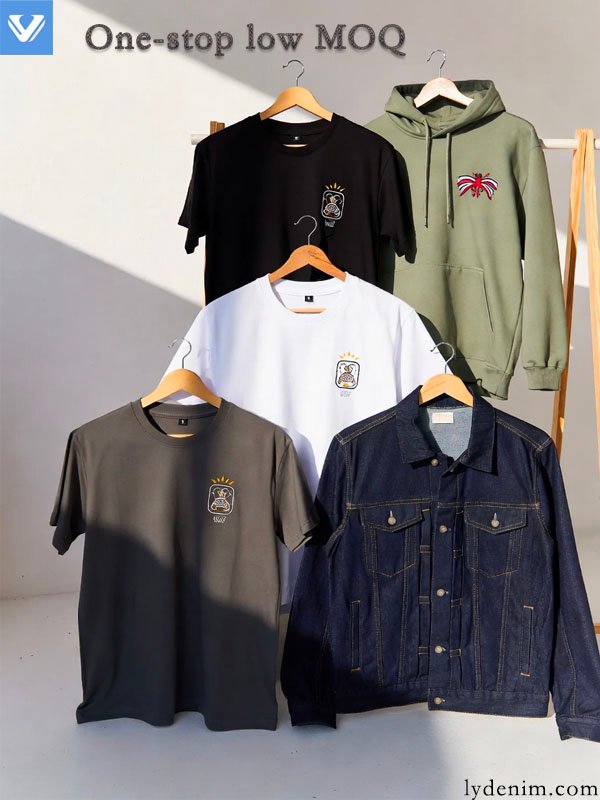
เสื้อยืดสั่งทำไม่มีขั้นต่ำ: วิธีเปิดตัวและขยายกลุ่มผลิตภัณฑ์เครื่องแต่งกายของคุณด้วยการปรับแต่งที่ยืดหยุ่น
เสื้อยืดสั่งทำไม่มีข้อกำหนดปริมาณขั้นต่ำ เหมาะอย่างยิ่งสำหรับสตาร์ทอัพที่กำลังมองหาผู้จัดหาใหม่ ให้เลือกจากผลิตภัณฑ์ที่มีความหนา 190–600 กรัมต่อตารางเซนติเมตร พร้อมบริการพิมพ์และปักลวดลายขั้นสูง ปริมาณสั่งซื้อน้อยแต่ได้คุณภาพสูง และขอราคาอย่างรวดเร็ว
สรุปผู้ซื้อ
สำหรับแบรนด์เครื่องแต่งกายและทีมขนาดเล็ก หัวข้อนี้ควรเชื่อมโยงการตัดสินใจด้านการออกแบบกับการสุ่มตัวอย่าง การผลิต ปริมาณขั้นต่ำ วิธีการตกแต่ง และความพร้อมในการเสนอราคา
- ผู้ซื้อที่เหมาะสมแบรนด์แฟชั่น ทีมจัดหา ผู้ค้าส่ง โรงงานตัดเย็บเสื้อผ้า และผู้พัฒนาผลิตภัณฑ์
- สิ่งที่ต้องยืนยันเป้าหมายผลิตภัณฑ์ ทิศทางของผ้า ผิวสำเร็จ ความต้องการตัวอย่าง ปริมาณ และตลาดการจัดส่ง
- ความเสี่ยงของผู้ซื้อข้อมูลจำเพาะที่ไม่ชัดเจนอาจนำไปสู่ตัวอย่างที่ไม่ถูกต้อง คุณภาพปริมาณมากไม่แน่นอน และการเสนอราคาที่ช้า
- CTA ที่แนะนำขอตัวอย่างหรือใบเสนอราคาตัวอย่างก่อนที่จะดำเนินการผลิตจำนวนมาก
เหตุใดจึงสำคัญสำหรับผู้ซื้อ B2B
ยืนยันเนื้อผ้า โครงสร้าง เทคนิคโลโก้ ความต้องการตัวอย่าง และปริมาณการสั่งซื้อก่อนเปรียบเทียบซัพพลายเออร์
เสื้อยืดสั่งทำไม่มีข้อกำหนดปริมาณขั้นต่ำ เหมาะอย่างยิ่งสำหรับสตาร์ทอัพที่กำลังมองหาผู้จัดหาใหม่ ให้เลือกจากผลิตภัณฑ์ที่มีความหนา 190–600 กรัมต่อตารางเซนติเมตร พร้อมบริการพิมพ์และปักลวดลายขั้นสูง ปริมาณสั่งซื้อน้อยแต่ได้คุณภาพสูง และขอราคาอย่างรวดเร็ว
ตารางข้อมูลจำเพาะสำหรับการจัดหาที่เร็วขึ้น
| จุดตัดสินใจ | ตัวเลือกในการเปรียบเทียบ | ทำไมมันถึงสำคัญ | คำถามของผู้ซื้อ |
|---|---|---|---|
| ประเภทสินค้า | เสื้อฮู้ด เสื้อยืด กางเกงยีนส์ แจ็คเก็ต เครื่องแต่งกายตามสั่ง | ควบคุมการเลือกผ้า ลวดลาย การตกแต่ง และการก่อสร้าง | คุณกำลังพัฒนาผลิตภัณฑ์ใด? |
| การปรับแต่ง | งานปัก งานสกรีน งานพิมพ์พัฟ งานปัก งานซัก | ส่งผลต่อต้นทุนตัวอย่าง ขั้นต่ำ และเวลานำ | คุณมีอาร์ตเวิร์คหรือเทคนิคอ้างอิงหรือไม่? |
| ผ้าและ GSM | ตัวเลือกเบา ปานกลาง หรือเฮฟวี่เวท | กำหนดความรู้สึกมือ ฤดูกาล และตำแหน่งการขายปลีก | คุณต้องการความรู้สึกมือและระดับราคาแบบใด |
| แผนการสั่งซื้อ | ต้นแบบ ชุดเล็ก การผลิตจำนวนมาก | เปลี่ยนแปลงราคา ไทม์ไลน์ และการตั้งค่าการผลิต | คุณต้องการตัวอย่างหรือใบเสนอราคาจำนวนมากก่อนหรือไม่? |
แอปพลิเคชันและตัวเลือกแบบกำหนดเอง
การพัฒนาผลิตภัณฑ์
ใช้คู่มือนี้เพื่อเปลี่ยนแนวคิดการออกแบบให้เป็นข้อกำหนดด้านเนื้อผ้า เครื่องแต่งกาย การตกแต่ง และตัวอย่าง
การเปรียบเทียบซัพพลายเออร์
เปรียบเทียบซัพพลายเออร์ตามการสนับสนุนตัวอย่าง ความชัดเจนทางเทคนิค ความเสถียรของปริมาณรวม และความเร็วในการสื่อสาร
การผลิตจำนวนมาก
ยืนยันมาตรฐานคุณภาพ ตัวอย่างที่ได้รับอนุมัติ และไทม์ไลน์ก่อนสั่งผลิต
จุดควบคุมคุณภาพก่อนสั่งซื้อจำนวนมาก
- OKการอนุมัติตัวอย่าง: ยืนยันผ้า สี ความรู้สึกมือ โครงสร้าง และการตกแต่งก่อนการผลิตจำนวนมาก
- OKความสม่ำเสมอเป็นกลุ่ม: เปรียบเทียบล็อตจำนวนมากกับตัวอย่างที่ได้รับอนุมัติภายใต้แสงและสภาวะการทดสอบเดียวกัน
- OKการทดสอบประสิทธิภาพ: ตรวจสอบการหดตัว ความคงทนของสี การยืดตัวคืนสภาพ หรือความทนทานของการตกแต่งตามที่เกี่ยวข้อง
- OKความชัดเจนของคำพูด: ส่งปริมาณ ปลายทาง ความต้องการบรรจุภัณฑ์ และเวลานำเป้าหมายเพื่อหลีกเลี่ยงการกำหนดราคาที่คลุมเครือ
กระบวนการพัฒนาตัวอย่าง
| ขั้นตอน | ผู้ซื้อจัดให้ | ซัพพลายเออร์ยืนยัน |
|---|---|---|
| 1. บรีฟ | การใช้งาน รูปภาพอ้างอิง คุณภาพและปริมาณเป้าหมาย | ความเป็นไปได้ วัสดุที่แนะนำ และตัวเลือกแบบกำหนดเอง |
| 2. สวอตช์ผ้า | สี สัมผัสมือ รูปแบบ หรือการตอบสนองขั้นสุดท้ายที่ต้องการ | สต็อกที่มีอยู่ ทิศทางที่กำหนดเอง และต้นทุนตัวอย่าง |
| 3. ตัวอย่าง | แผนการทดสอบเสื้อผ้า ขนาด หรือความต้องการระยะ | เส้นเวลาการสุ่มตัวอย่างและความสามารถในการทำซ้ำของการผลิต |
| 4. ใบเสนอราคาจำนวนมาก | ปริมาณการสั่งซื้อ ปลายทางการจัดส่ง และความต้องการบรรจุภัณฑ์ | ราคาต่อหน่วย, ขั้นต่ำ, เวลานำและจุดตรวจควบคุมคุณภาพ |
คู่มือโดยละเอียด
เวลาอ่านโดยประมาณ: ~3 นาที
ในภูมิทัศน์แฟชั่นที่เปลี่ยนแปลงไปอย่างรวดเร็วในปัจจุบัน เสื้อยืดสั่งทำไม่มีขั้นต่ำ คำสั่งซื้อได้กลายเป็นตัวเปลี่ยนเกมสำหรับแบรนด์ต่างๆ ช่วยให้ผู้ประกอบการและสตาร์ทอัพที่จัดตั้งขึ้นสามารถทดสอบการออกแบบที่สร้างสรรค์ เปิดตัวผลิตภัณฑ์ตามฤดูกาล และตอบสนองต่อแนวโน้มของตลาดได้อย่างรวดเร็ว โดยไม่ต้องมีภาระกับสินค้าคงคลังจำนวนมากหรือค่าใช้จ่ายล่วงหน้าที่สูง
สำหรับแบรนด์ที่กำลังเติบโตซึ่งมีรากฐานที่มั่นคงอยู่แล้ว แต่กำลังมองหาซัพพลายเออร์ที่น่าเชื่อถือหรือยืดหยุ่นมากขึ้น การผลิตแบบ "ไม่มีขั้นต่ำ" หรือปริมาณขั้นต่ำที่ต่ำมากจะช่วยขจัดอุปสรรคแบบเดิมๆ คุณสามารถสร้างต้นแบบแนวคิดใหม่ ทำซ้ำตามความคิดเห็นของลูกค้า และปรับขนาดอย่างมีประสิทธิภาพโดยยังคงรักษาคุณภาพที่สม่ำเสมอทั่วทั้งสายงานของคุณ
ซัพพลายเออร์ที่นำเสนอบริการขั้นต่ำอย่างแท้จริง ซึ่งมักจะต่ำเพียง 1-2 ชิ้นสำหรับสินค้าถักแบบกำหนดเองและส่วนต่อขยายผ้าเดนิม ช่วยให้สตาร์ทอัพมีความคล่องตัวต้องการ ด้วยตุ้มน้ำหนักผ้าอเนกประสงค์ตั้งแต่น้ำหนักเบา 190gsm เสื้อยืดระบายอากาศได้ดีถึงปานกลางถึงหนัก 300-600gsm ตัวเลือกที่มีโครงสร้าง คุณสามารถสร้างทุกสิ่งตั้งแต่พื้นฐานที่นุ่มนวลในชีวิตประจำวันไปจนถึงข้อความระดับพรีเมียม แพลตฟอร์มเช่น เหลียงหยวนเท็กซ์ไทล์ รองรับเสื้อถักสั่งทำพิเศษ (เสื้อยืด เสื้อโปโล เสื้อแขนยาว) และจับคู่อย่างไร้รอยต่อกับสินค้าเดนิมที่มีปริมาณขั้นต่ำต่ำ เช่น แจ็กเก็ตผ้าเดนิมเดนิมญี่ปุ่นริมดิบสำหรับผู้ชายที่สั่งทำพิเศษ หรือกางเกงยีนส์ริมผ้าหนาเฮฟวี่เวท 14-16 ออนซ์ (ขั้นต่ำเพียง 1-2 ชิ้น)
คู่มือนี้สำรวจเทคนิคการปรับแต่งยอดนิยมสำหรับเสื้อยืดสั่งทำโดยไม่มีขั้นต่ำ ความท้าทายด้านการออกแบบและการผลิตทั่วไป ความสงสัยจากเจ้าของแบรนด์บ่อยครั้ง และวิธีแก้ปัญหาที่ใช้งานได้จริงเพื่อช่วยให้คุณเป็นพันธมิตรกับผู้ผลิตที่เหมาะสม
ไม่มีขั้นต่ำ ปรับแต่งได้
เหตุใดจึงต้องสั่งทำเสื้อยืดแบบไม่มีขั้นต่ำเพื่อการเติบโตของแบรนด์
การผลิตแบบดั้งเดิมมักต้องการคำสั่งซื้อขั้นต่ำที่สูง ซึ่งขัดขวางความคิดสร้างสรรค์และเพิ่มความเสี่ยงทางการเงิน ในทางตรงกันข้าม เสื้อยืดสั่งทำพิเศษที่ไม่มีขั้นต่ำ (หรือต่ำมาก) ช่วยให้สามารถสร้างต้นแบบได้อย่างรวดเร็ว การทดสอบตลาดที่มีความเสี่ยงต่ำ และทำซ้ำได้เร็วขึ้น ซึ่งจำเป็นสำหรับสตาร์ทอัพที่ต้องการอัปเกรดจากการจำกัดซัพพลายเออร์
ใช้เสื้อยืดสั่งทำพิเศษเป็นผลิตภัณฑ์หลักของคุณ จากนั้นขยายเป็นชิ้นเสริม เช่น เสื้อฮู้ดน้ำหนักปานกลางหรือแจ็คเก็ต/เสื้อเชิ้ตเดนิมที่มีโครงสร้าง สิ่งนี้สร้างคอลเลกชันที่เหนียวแน่นซึ่งเสริมสร้างเอกลักษณ์ของแบรนด์ให้กับกลุ่มเสื้อผ้าลำลอง เสื้อผ้าแนวสตรีท และระดับพรีเมียม
น้ำหนักผ้ามีบทบาทสำคัญในประสิทธิภาพและความรู้สึก:
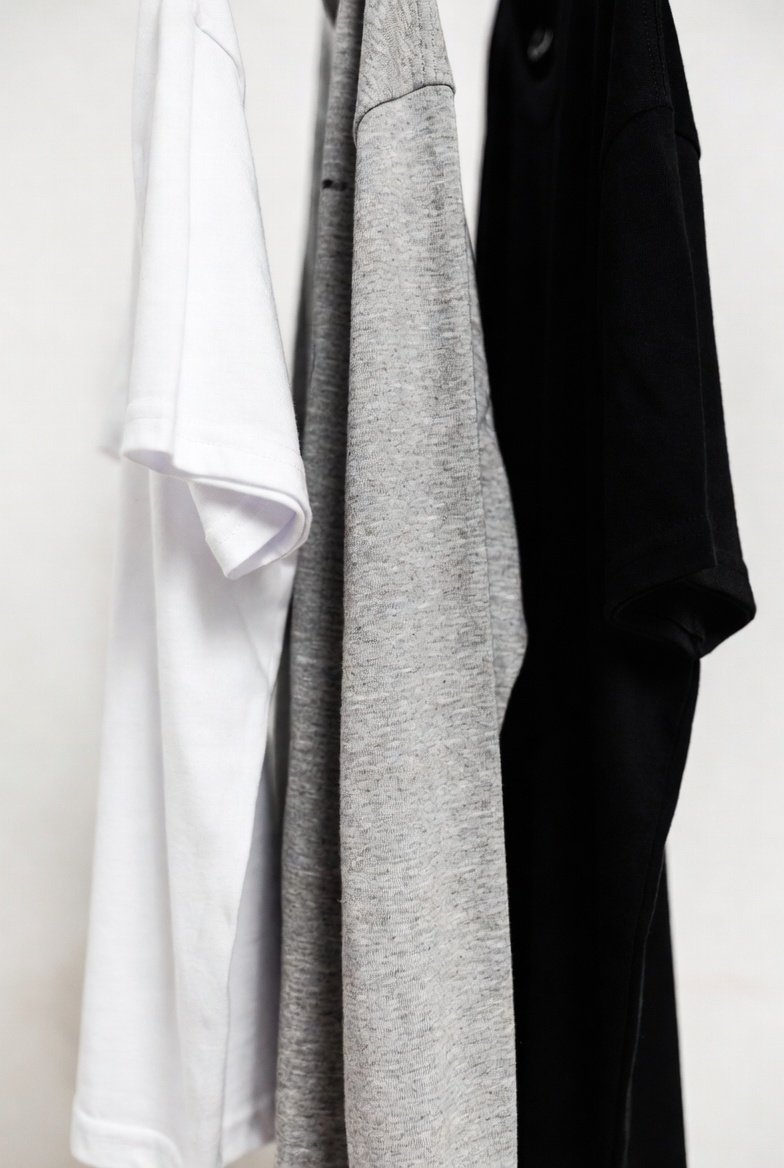
- 190-280gsm: ตัวเลือกที่นุ่มเป็นพิเศษและระบายอากาศได้ดี เหมาะสำหรับเสื้อยืดน้ำหนักเบาในทุกๆ วัน
- 300-450gsm: ผ้าที่มีความหนาปานกลางมีโครงสร้างและความทนทานที่ดีกว่าสำหรับสไตล์พรีเมียมหรือแขนยาว
- Up to 600gsm: ตัวเลือกแบบเฮฟวี่เวทสำหรับเสื้อยืดระดับไฮเอนด์ที่มีน้ำหนักมากซึ่งคงรูปหลังการซัก
ซัพพลายเออร์ที่มีปริมาณขั้นต่ำต่ำ เช่น Liangyuan Textile ทำให้การปรับขนาดง่ายขึ้นโดยการสนับสนุนเสื้อถักสั่งทำควบคู่ไปกับการต่อผ้าเดนิม (เช่น เสื้อเชิ้ตชุดทำงานผ้าเดนิมสโตนวอชสั่งทำพิเศษหรือแจ็คเก็ตผ้าเดนิมริมดิบ ซึ่งมักจะเริ่มต้นที่ 1-2 ชิ้น) แนวทางแบบครบวงจรนี้ช่วยให้แบรนด์ที่มีชื่อเสียงเปลี่ยนซัพพลายเออร์ได้อย่างราบรื่น ในขณะเดียวกันก็รักษาต้นทุนที่จัดการได้และมีคุณภาพสูง
น้ำหนักผ้าที่แตกต่างกัน
เทคนิคการปรับแต่งเสื้อยืดสั่งทำยอดนิยม (ไม่มีขั้นต่ำ)
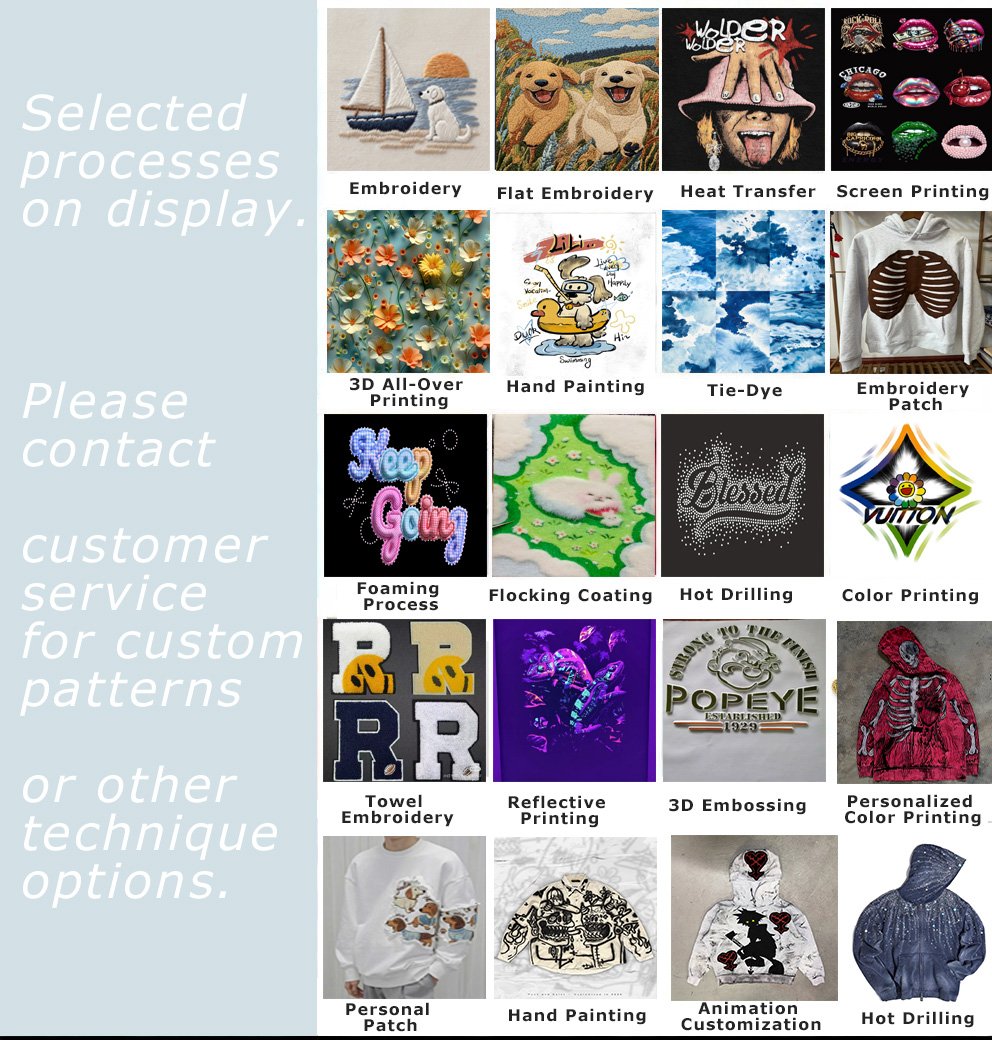
เทคนิคการปรับแต่งที่เหมาะสมขึ้นอยู่กับความซับซ้อนในการออกแบบของคุณ ผ้า GSM ที่เลือก ความทนทานที่ต้องการ และงบประมาณ ต่อไปนี้เป็นวิธีการที่ได้รับการพิสูจน์แล้วซึ่งเหมาะสำหรับการผลิตแบบไม่มีขั้นต่ำหรือจำนวนน้อย:
- DTG (Direct-to-Garment): เหมาะสำหรับการออกแบบหลายสีที่เหมือนภาพถ่ายจริงโดยให้ความรู้สึกนุ่มนวลเมื่อสัมผัสมือบนน้ำหนักเบา 190-300gsm เสื้อยืด
- การพิมพ์สกรีน: คุ้มค่าสำหรับกราฟิกตัวหนาและทึบแสงที่ต้องผ่านการซักหลายครั้ง — ทำงานได้ดีกับทุกน้ำหนัก
- การถ่ายเทความร้อน / DTF: ผลลัพธ์ที่สดใสบนผ้าผสมหรือผ้าน้ำหนักปานกลาง เหมาะสำหรับการไล่ระดับและการวิ่งเล็กๆ
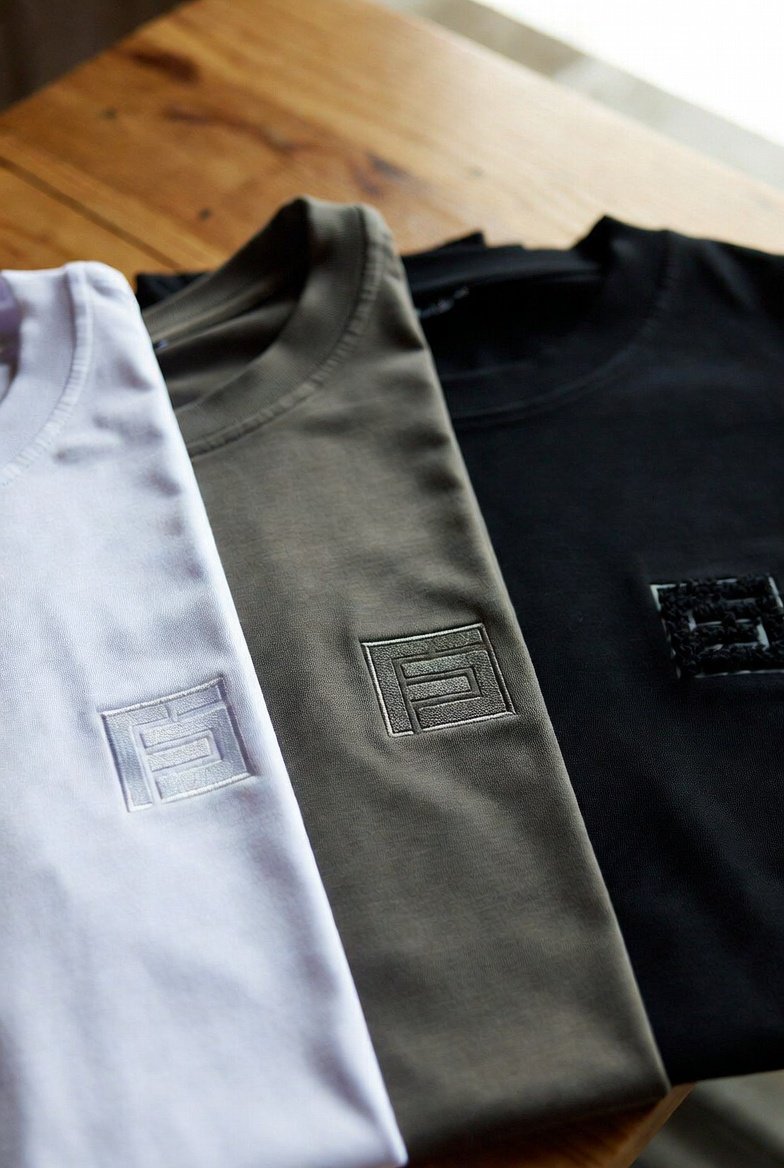
- งานปัก (แบบแบน พัฟ หรือผ้าเชนิลล์): เพิ่มโลโก้พื้นผิวระดับพรีเมียม โดยเฉพาะอย่างยิ่งมีผลกับ 300-600gsm เสื้อยืดที่หนักกว่าเพื่อสัมผัสที่หรูหรา
- เสร็จสิ้นพิเศษ: การมัดย้อมสำหรับลวดลายออร์แกนิก เอฟเฟ็กต์การวาดด้วยมือสำหรับชิ้นงานที่มีเอกลักษณ์ หมึกสะท้อนแสง/ฟลูออเรสเซนต์สำหรับรูปลักษณ์แนวสตรีท เน้นซิลิโคนหรือฝูงแกะสำหรับพื้นผิว และการพิมพ์ทั่วตัวเพื่อการออกแบบที่ดื่มด่ำ
ไฟแช็ก 190-280gsm ผ้าเหมาะกับ DTG ที่ละเอียดอ่อนหรือเทคนิคทางศิลปะ ในขณะที่หนักกว่า 400-600gsm ตัวเลือกที่ยอดเยี่ยมด้วยการปักหรือลายพิมพ์ที่มีโครงสร้างโดยไม่สูญเสียความสะดวกสบาย หลายแบรนด์ขยายเทคนิคที่คล้ายกันไปยังเสื้อมีฮู้ด หรือใช้การฟอกแบบวินเทจกับแจ็คเก็ตเดนิมที่มีปริมาณขั้นต่ำต่ำจากซัพพลายเออร์ เช่น Liangyuan Textile
ประโยชน์สำหรับสตาร์ทอัพ ได้แก่ ความยืดหยุ่นในปริมาณน้อยอย่างแท้จริง การสนับสนุนการออกแบบอย่างมืออาชีพ และการควบคุมคุณภาพที่สม่ำเสมอ ช่วยให้คุณทดสอบแนวคิดได้อย่างมั่นใจก่อนที่จะปรับขนาด
เทคนิคการปรับแต่ง
ความท้าทายทั่วไปในการออกแบบและผลิตเสื้อยืดสั่งทำพิเศษแบบใหม่
แม้แต่แบรนด์ที่มีประสบการณ์ก็ต้องเผชิญกับอุปสรรคในการพัฒนาคอลเลกชั่นเสื้อยืดสั่งทำแบบไม่มีขั้นต่ำ:
- ปัญหาการแปลการออกแบบ: สีอาจเปลี่ยนไปในการพิมพ์แบบ DTG หรือแบบฟลูออเรสเซนต์ รายละเอียดเล็กๆ น้อยๆ อาจหายไปบนเนื้อผ้าที่มีพื้นผิว งานปักอาจเกิดรอยย่นเมื่อไฟแช็ก 190gsm เสื้อยืด
- ผ้าและเทคนิคไม่ตรงกัน: การเลือก GSM ผิด (เบาเกินไปสำหรับการพิมพ์ที่ทนทาน หรือหนักเกินไปสำหรับการสวมใส่ที่ระบายอากาศได้ดีในแต่ละวัน) ทำให้เกิดผลลัพธ์ที่ไม่ดีหรือปัญหาด้านความสะดวกสบาย
- อุปสรรค์ในการผลิต: คุณภาพไม่สอดคล้องกันจากซัพพลายเออร์รายก่อน ระยะเวลารอคอยสินค้านานขึ้น ค่าธรรมเนียมการติดตั้งที่ซ่อนอยู่แม้จะเรียกร้อง "ไม่มีขั้นต่ำ" การหดตัวในส่วนผสมบางอย่าง และความท้าทายในการขยายขนาดเส้นผสม (เสื้อยืด + เสื้อฮู้ด + เดนิม)
- ตัวอย่างโลกแห่งความเป็นจริง: ลายพิมพ์ซีดจางหลังซัก ดีไซน์ไม่ตรงทั้งหมด หรือมีความแข็งในเสื้อยืดรุ่นเฮฟวี่เวท
ผู้ผลิตที่มีความสามารถจัดการปัญหาเหล่านี้ผ่านการสุ่มตัวอย่างก่อนการผลิต การทดสอบความเข้ากันได้ของผ้าและเทคนิคทั่วทั้ง 190-600gsm การควบคุมคุณภาพอย่างเข้มงวด และการสนับสนุนแบบ end-to-end เต็มรูปแบบ ทำให้การเปลี่ยนไปใช้ซัพพลายเออร์ที่ดีกว่าราบรื่นยิ่งขึ้นสำหรับแบรนด์ที่กำลังเติบโต
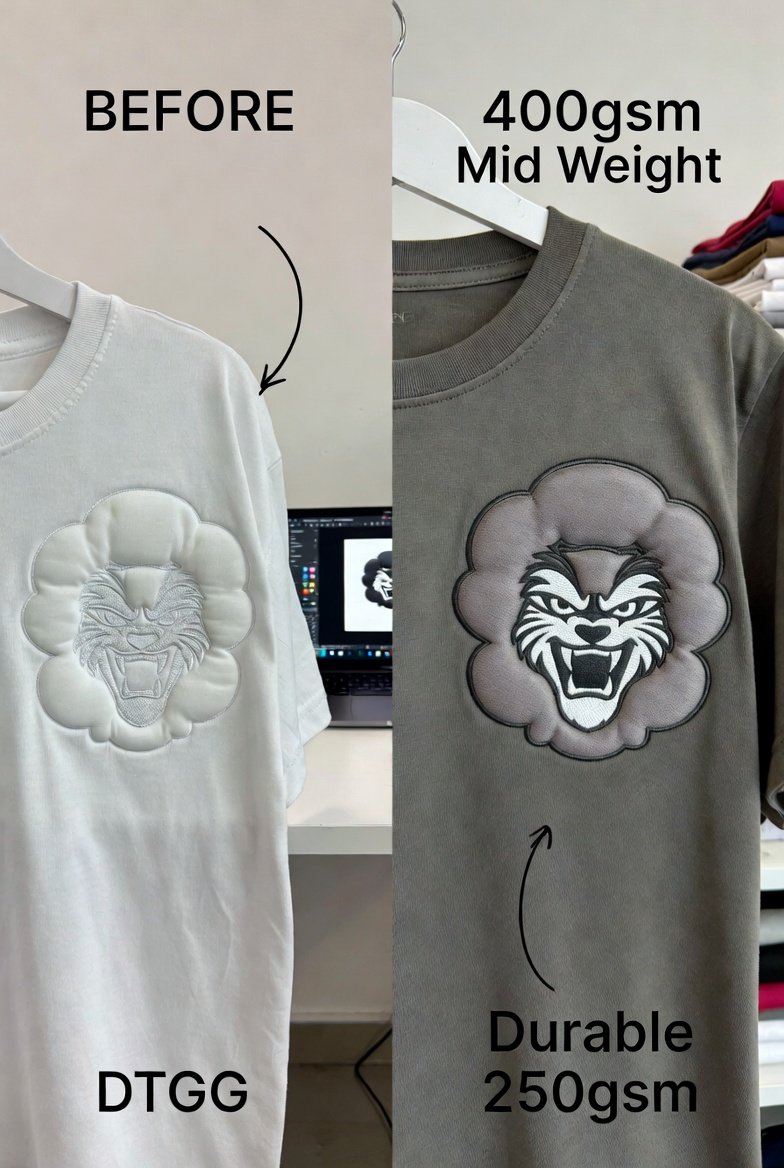
ความท้าทายใน New Custom
ไขข้อสงสัยทั่วไปจากเจ้าของแบรนด์
บริษัทสตาร์ทอัพที่จัดตั้งขึ้นมักถามคำถามเหล่านี้เมื่อสำรวจซัพพลายเออร์รายใหม่สำหรับเสื้อยืดสั่งทำพิเศษโดยไม่มีขั้นต่ำ:
- “การผลิตแบบ 'ไม่มีขั้นต่ำ' เป็นไปได้จริงหรือไม่โดยยังคงรักษาคุณภาพที่ดีเอาไว้?”
- “ค่าใช้จ่ายจะเป็นอย่างไรเมื่อเริ่มต้นจาก 1 ชิ้นและขยายเป็นร้อย”
- “ซัพพลายเออร์รายหนึ่งสามารถจัดการเสื้อยืดควบคู่ไปกับเสื้อมีฮู้ดหรือส่วนต่อขยายผ้าเดนิมได้หรือไม่”
- “ผลิตภัณฑ์ขั้นสุดท้ายจะตรงกับคุณภาพของการผลิตที่มีปริมาณขั้นต่ำ (MOQ) สูงแบบดั้งเดิมหรือไม่”
คำตอบคือใช่ — ด้วยพันธมิตรที่ยืดหยุ่นซึ่งเสนอขั้นต่ำของแท้ (1-2 ชิ้นสำหรับสินค้าถักและผ้าเดนิมหลายแบบ) ตัวเลือกผ้ากว้าง (190-600gsm) และบริการ OEM แบบครบวงจร ข้อกังวลเหล่านี้สามารถจัดการได้ เทคนิคการผสมยังคงราบรื่น ต้นทุนต่อหน่วยยังคงแข่งขันได้แม้ในปริมาณน้อย และกระบวนการคุณภาพที่เข้มงวดช่วยให้มั่นใจได้ถึงผลลัพธ์ระดับมืออาชีพที่ทนทานต่อการซัก
หากซัพพลายเออร์ปัจจุบันของคุณรู้สึกว่ามีข้อจำกัด ข้อสงสัยเหล่านี้ถือเป็นเรื่องปกติ พันธมิตรที่เหมาะสมจะปลดล็อกความคิดสร้างสรรค์ ลดความเสี่ยง และสนับสนุนการเติบโตที่ยั่งยืน
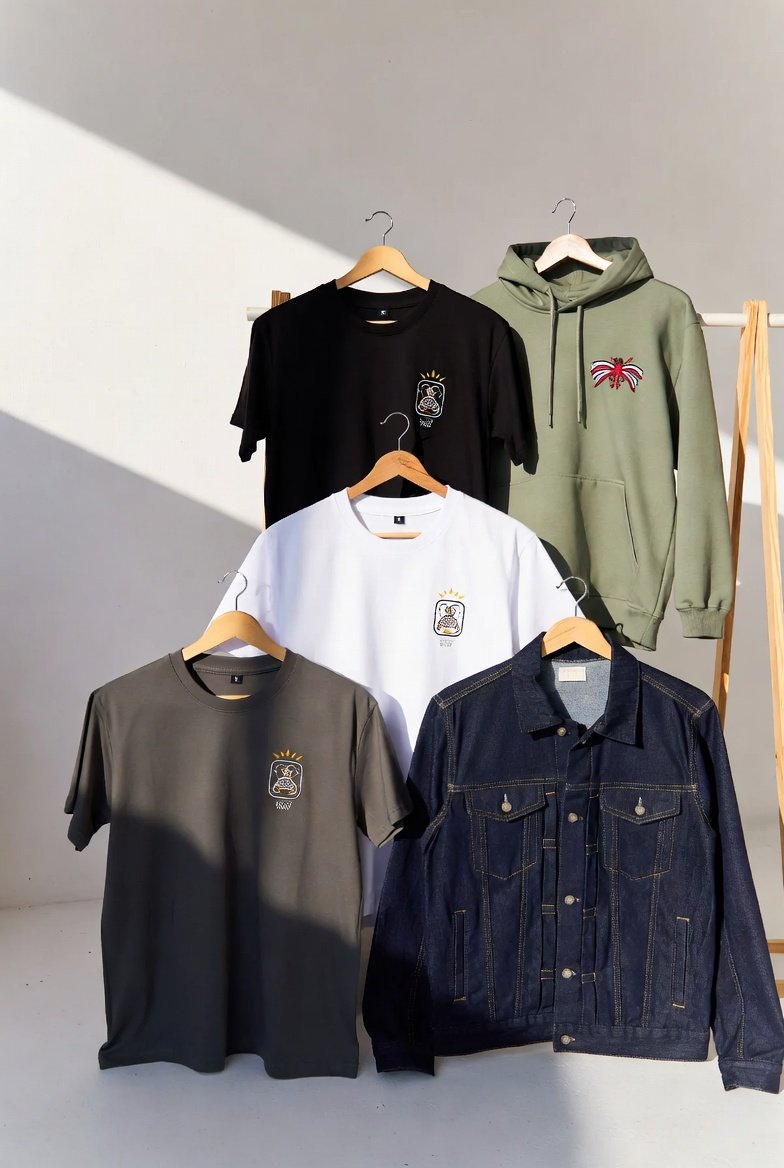
MOQ ต่ำแบบครบวงจร
คำถามที่พบบ่อย
1. “เสื้อยืดสั่งทำไม่มีขั้นต่ำ” ในทางปฏิบัติหมายความว่าอย่างไร โดยทั่วไปหมายถึงขั้นต่ำที่ต่ำมากหรือมีความยืดหยุ่น (มักจะ 1-2 ชิ้นสำหรับการสุ่มตัวอย่างหรือการดำเนินการขนาดเล็ก) ช่วยให้แบรนด์ต่างๆ สามารถทดสอบการออกแบบโดยมีความเสี่ยงน้อยที่สุด แทนที่จะต้องทดสอบหลายร้อยหน่วย
2. น้ำหนักผ้าใด (190-600 แกรม) ที่ดีที่สุดสำหรับเสื้อยืดสไตล์ต่างๆ และเทคนิคการพิมพ์ 190-280 แกรมสำหรับเสื้อยืดที่นุ่มและระบายอากาศได้ทุกวันและลายพิมพ์ที่ละเอียดอ่อน 300-450gsm สำหรับรูปแบบพรีเมี่ยมที่มีโครงสร้าง มากถึง 600 แกรม สำหรับชิ้นงานที่มีน้ำหนักและทนทาน ซึ่งรองรับงานปักได้ดี
3. มีตัวเลือกการปรับแต่งอะไรบ้างสำหรับการสั่งซื้อแบบไม่มีขั้นต่ำ? DTG, การพิมพ์สกรีน, DTF/การถ่ายเทความร้อน, งานปัก (แบบแบน/แบบพอง/แบบเชนิลล์), ผ้ามัดย้อม, หมึกสะท้อนแสง, ส่วนเน้นซิลิโคน และอื่นๆ อีกมากมาย — หลายงานทำงานได้อย่างมีประสิทธิภาพแม้ในปริมาณที่น้อยมาก
4. ฉันสามารถรวมเสื้อยืดกับเสื้อมีฮู้ดหรือผ้าเดนิมภายใต้ซัพพลายเออร์ที่มีปริมาณขั้นต่ำเพียงรายเดียวได้หรือไม่ ใช่ บริการแบบครบวงจรเช่นบริการจาก Liangyuan Textile ช่วยให้สามารถสร้างแบรนด์ที่สอดคล้องกันบนเสื้อถักสั่งทำพิเศษ (เสื้อยืด โปโล แขนยาว) และแจ็คเก็ต/เสื้อเชิ้ตยีนส์ที่มีปริมาณขั้นต่ำ
5. อะไรคือปัญหาด้านการออกแบบหรือคุณภาพที่พบบ่อยที่สุดของเสื้อยืดสั่งทำพิเศษ? การเปลี่ยนสี การสูญเสียรายละเอียด การย่นในการปักบนผ้าเนื้อบาง และปัญหาความทนทานในการซัก ทั้งหมดนี้แก้ไขได้ด้วยการสุ่มตัวอย่างและการทดสอบที่เหมาะสม
6. คุณจะมั่นใจในคุณภาพที่สม่ำเสมอและความทนทานในการซักด้วยคำสั่งซื้อจำนวนน้อยได้อย่างไร? ผ่านการสุ่มตัวอย่างก่อนการผลิต การทดสอบเทคนิคเฉพาะผ้า การเลือกด้าย/หมึกที่มีคุณภาพ และการทดลองซักหลายรอบก่อนดำเนินการผลิตใดๆ
7. การผลิตเสื้อยืดตามสั่งโดยไม่มีต้นทุนขั้นต่ำมีประสิทธิภาพสำหรับแบรนด์ที่กำลังเติบโตหรือไม่? อย่างแน่นอน ช่วยลดความเสี่ยงด้านสินค้าคงคลังและต้นทุนการตั้งค่าในขณะที่สามารถทำซ้ำได้อย่างรวดเร็ว ราคาต่อหน่วยจะมีการแข่งขันกันมากขึ้นเมื่อมีปริมาณเพิ่มขึ้น
8. ฉันควรเตรียมอะไรบ้างเมื่อสอบถามซัพพลายเออร์รายใหม่สำหรับเสื้อยืดสั่งทำพิเศษ? เตรียมไฟล์การออกแบบเวกเตอร์ น้ำหนักผ้าหรือตัวอย่างที่ต้องการ การประมาณปริมาณ (แม้แต่น้อย) ตัวอย่างอ้างอิง หากมี และข้อกำหนดเฉพาะ เช่น มาตรฐานการซักหรือความต้องการด้านความยั่งยืน
บริการปรับแต่งโดย LYDENIM
🎨 การออกแบบเฉพาะตามความต้องการ
ออกแบบคอลเลกชันผ้าหรือเสื้อผ้าของคุณเองด้วยวัสดุระดับพรีเมียมจาก LY Denim ไม่ว่าจะเป็นส่วนผสมฝ้ายหรูหรา หรือผ้าที่เป็นมิตรต่อสิ่งแวดล้อมและมีความสร้างสรรค์ ลองสำรวจสี สไตล์การพันผ้า และเทคนิคการตกแต่งที่เข้ากันได้อย่างลงตัวกับแบรนด์หรือแนวคิดการออกแบบของคุณ รับชมเพิ่มเติมได้ที่ ลีเดนิม เพื่อเรียนรู้เพิ่มเติม
🛍️ โซลูชั่นเสื้อผ้าตัดเย็บตามสั่ง
มอบความเป็นจริงให้กับการออกแบบของคุณผ่านบริการผลิตเสื้อผ้าตามคำสั่งเฉพาะของเรา ไม่ว่าจะเป็นชุดสูทที่ตัดพอดี ชุดเดรสสไตล์หรู หรือเสื้อผ้าทำงานที่ทนทาน เราให้ความมั่นใจในความพอดีอย่างสมบูรณ์ ความสบายระดับพรีเมียม และคุณภาพที่ยั่งยืน สำรวจตัวเลือกการปรับแต่งได้ที่ มายอาลีบาบา
📩 ติดต่อเราได้เลย
คุณมีโครงการใดๆ ที่สนใจไหม? กรุณาติดต่อทีมของเราที่ Malone@lydenim.com เพื่อหารือเกี่ยวกับผ้าที่ออกแบบเฉพาะ การออกแบบเสื้อผ้า หรือแนวทางการผลิตสิ่งทออย่างยั่งยืน
เปลี่ยนไอเดียของคุณให้กลายเป็นความจริงด้วย LY Denim — ผู้ร่วมทางที่เชื่อถือได้ในด้านผ้าคุณภาพสูงที่มีนวัตกรรม และโซลูชันเสื้อผ้าที่ออกแบบเฉพาะตามความต้องการ
คำถามที่พบบ่อย
สามารถปรับแต่งให้เหมาะกับแบรนด์หรือคอลเลกชันของฉันได้หรือไม่?
ใช่ ส่งใบสมัคร รูปภาพอ้างอิง คุณภาพเป้าหมาย ปริมาณ และข้อกำหนดของตลาด เพื่อให้ซัพพลายเออร์สามารถแนะนำตัวเลือกผ้า เครื่องแต่งกาย หรือการตกแต่งที่เหมาะสมได้
ฉันควรส่งข้อมูลอะไรบ้างก่อนที่จะขอใบเสนอราคา?
จัดเตรียมประเภทผลิตภัณฑ์ ผ้าหรือเทคนิคเป้าหมาย ทิศทางสี ความต้องการตัวอย่าง ปริมาณ ประเทศปลายทาง และระยะเวลารอคอยสินค้าที่คาดหวัง
ฉันควรขอตัวอย่างก่อนการผลิตจำนวนมากหรือไม่
ใช่ ตัวอย่างและระยะตัวอย่างจะช่วยลดความเสี่ยงก่อนสั่งซื้อจำนวนมาก โดยเฉพาะอย่างยิ่งเมื่อคุณภาพสี ความรู้สึกทางมือ การยืด พื้นผิว หรือการตกแต่งมีความสำคัญ
ฉันจะหลีกเลี่ยงปัญหาด้านคุณภาพในคำสั่งซื้อจำนวนมากได้อย่างไร
อนุมัติมาตรฐานตัวอย่างที่ชัดเจน กำหนดข้อกำหนดในการทดสอบ ยืนยันความคลาดเคลื่อน และเปรียบเทียบผลผลิตจำนวนมากกับตัวอย่างที่ได้รับอนุมัติก่อนจัดส่ง
ต้องการความช่วยเหลือในการเปลี่ยนสิ่งนี้ให้เป็นบรีฟการจัดหาที่พร้อมสำหรับการผลิตหรือไม่
ส่งสินค้าเป้าหมายของคุณ ทิศทางผ้า ปริมาณ และความต้องการตัวอย่าง LY Denim สามารถช่วยเปรียบเทียบตัวเลือกและเตรียมใบเสนอราคาได้