


ข้อบกพร่องของผ้าเดนิมและรายการตรวจสอบ
ข้อบกพร่องของผ้าเดนิมและรายการตรวจสอบ
รายการตรวจสอบผ้าดีนิมจาก Lydenim แสดงให้เห็นข้อบกพร่อง มาตรฐานการทดสอบ และเคล็ดลับด้านคุณภาพ คุณสามารถเลือกใช้ผ้าดีนิมสั่งทำที่มีความยั่งยืนและคุณภาพสูงได้อย่างมั่นใจ
สิ่งที่ควรรู้ก่อนตัดสินใจเลือก
เริ่มต้นด้วยการเปรียบเทียบรายละเอียดของผ้าที่ส่งผลต่อตัวเสื้อผ้าสำเร็จรูป ได้แก่ องค์ประกอบ น้ำหนัก สัมผัส ความยืดหยุ่น การตกแต่งผิว และความสม่ำเสมอระหว่างตัวอย่างกับชิ้นงานผลิตจริง
- Useful forแบรนด์แฟชั่น ทีมจัดหา ผู้ค้าส่ง โรงงานตัดเย็บเสื้อผ้า และผู้พัฒนาผลิตภัณฑ์
- สิ่งที่ต้องยืนยันเป้าหมายผลิตภัณฑ์ ทิศทางของผ้า ผิวสำเร็จ ความต้องการตัวอย่าง ปริมาณ และตลาดการจัดส่ง
- โปรดติดตามข้อมูลจำเพาะที่ไม่ชัดเจนอาจนำไปสู่ตัวอย่างที่ไม่ถูกต้อง คุณภาพปริมาณมากไม่แน่นอน และการเสนอราคาที่ช้า
- CTA ที่แนะนำขอตัวอย่างหรือใบเสนอราคาตัวอย่างก่อนที่จะดำเนินการผลิตจำนวนมาก
เหตุใดจึงสำคัญก่อนการผลิตตัวอย่างหรือการผลิตจำนวนมาก
ยืนยันการใช้งาน ลักษณะผ้าเป้าหมาย ทิศทางสี และปริมาณจำนวนมากก่อนขอใบเสนอราคา
รายการตรวจสอบผ้าดีนิมจาก Lydenim แสดงให้เห็นข้อบกพร่อง มาตรฐานการทดสอบ และเคล็ดลับด้านคุณภาพ คุณสามารถเลือกใช้ผ้าดีนิมสั่งทำที่มีความยั่งยืนและคุณภาพสูงได้อย่างมั่นใจ


ตารางข้อมูลจำเพาะสำหรับการจัดหาที่เร็วขึ้น
| จุดตัดสินใจ | ตัวเลือกในการเปรียบเทียบ | ทำไมมันถึงสำคัญ | คำถามที่ต้องตัดสิน |
|---|---|---|---|
| ฐานผ้า | ผ้าฝ้าย ผ้าผสม ผ้าเดนิมยืด ผ้าแจ็คการ์ด ผ้าฟล็อคด์ หรือผ้าเดนิมชนิดพิเศษ | ควบคุมความรู้สึกมือ ความทนทาน และตำแหน่งราคา | ผ้าชนิดนี้มีไว้เพื่อผลิตภัณฑ์ประเภทใด? |
| น้ำหนัก | โครงสร้างเบา กลาง หรือหนัก | ส่งผลต่อผ้าม่าน ฤดูกาล ประเภทเสื้อผ้า และค่าขนส่ง | คุณต้องการเสื้อเชิ้ต แจ็คเก็ต กางเกงยีนส์ หรือเสื้อผ้าที่มีโครงสร้างหรือไม่? |
| เสร็จสิ้น | สี ซัก เคลือบ ฟอก แจ็กการ์ด หรือทำให้อ่อนลง | กำหนดลักษณะที่ปรากฏขั้นสุดท้ายและการสัมผัสของลูกค้า | คุณคาดหวังถึงความรู้สึกสัมผัสมือและการซักแบบใด? |
| แผนการจัดหา | สวอตช์, ระยะตัวอย่าง, ล็อตจำนวนมาก | ลดความเสี่ยงก่อนการผลิต | ควรเสนอราคาตลาดปริมาณและการจัดส่งเท่าใด |
แอปพลิเคชันและตัวเลือกแบบกำหนดเอง
การพัฒนาผลิตภัณฑ์
มาตรฐานข้อบกพร่องจะมีประสิทธิภาพสูงสุดเมื่อมีความเฉพาะเจาะจงเพียงพอที่จะนำไปใช้ได้จริงบนโต๊ะตรวจสอบ ควรตกลงเรื่องรูปภาพข้อบกพร่อง เกณฑ์การให้เกรด และวิธีการสุ่มตัวอย่างก่อนเริ่มการผลิตจำนวนมาก
การเปรียบเทียบซัพพลายเออร์
เปรียบเทียบซัพพลายเออร์ตามการสนับสนุนตัวอย่าง ความชัดเจนทางเทคนิค ความเสถียรของปริมาณรวม และความเร็วในการสื่อสาร
การผลิตจำนวนมาก
ยืนยันมาตรฐานคุณภาพ ตัวอย่างที่ได้รับอนุมัติ และไทม์ไลน์ก่อนสั่งผลิต
จุดควบคุมคุณภาพก่อนสั่งซื้อจำนวนมาก
- OKการอนุมัติตัวอย่าง: ยืนยันผ้า สี ความรู้สึกมือ โครงสร้าง และการตกแต่งก่อนการผลิตจำนวนมาก
- OKความสม่ำเสมอเป็นกลุ่ม: เปรียบเทียบล็อตจำนวนมากกับตัวอย่างที่ได้รับอนุมัติภายใต้แสงและสภาวะการทดสอบเดียวกัน
- OKการทดสอบประสิทธิภาพ: ตรวจสอบการหดตัว ความคงทนของสี การยืดตัวคืนสภาพ หรือความทนทานของการตกแต่งตามที่เกี่ยวข้อง
- OKความชัดเจนของคำพูด: ส่งปริมาณ ปลายทาง ความต้องการบรรจุภัณฑ์ และเวลานำเป้าหมายเพื่อหลีกเลี่ยงการกำหนดราคาที่คลุมเครือ
กระบวนการพัฒนาตัวอย่าง
| ขั้นตอน | ผู้ซื้อจัดให้ | ซัพพลายเออร์ยืนยัน |
|---|---|---|
| 1. บรีฟ | การใช้งาน รูปภาพอ้างอิง คุณภาพและปริมาณเป้าหมาย | ความเป็นไปได้ วัสดุที่แนะนำ และตัวเลือกแบบกำหนดเอง |
| 2. สวอตช์ผ้า | สี สัมผัสมือ รูปแบบ หรือการตอบสนองขั้นสุดท้ายที่ต้องการ | สต็อกที่มีอยู่ ทิศทางที่กำหนดเอง และต้นทุนตัวอย่าง |
| 3. ตัวอย่าง | แผนการทดสอบเสื้อผ้า ขนาด หรือความต้องการระยะ | เส้นเวลาการสุ่มตัวอย่างและความสามารถในการทำซ้ำของการผลิต |
| 4. ใบเสนอราคาจำนวนมาก | ปริมาณการสั่งซื้อ ปลายทางการจัดส่ง และความต้องการบรรจุภัณฑ์ | ราคาต่อหน่วย, ขั้นต่ำ, เวลานำและจุดตรวจควบคุมคุณภาพ |
คู่มือโดยละเอียด
บทนำ
In today’s fashion landscape, denim is more than an iconic textile—it embodies quality, sustainability, and consumer experience. LYDenim, a specialist in premium denim production, offers a “Denim Quality Assessment & Purchasing Guide” to help buyers assess fabric through touch, visual standards, and technical criteria. Use the inspection framework below to compare touch, visible defects and technical checks before you approve a sample or bulk lot.
การผลิตผ้าเดนิม
1. ข้อมูลพื้นฐานเกี่ยวกับมาตรฐานและแนวโน้มของอุตสาหกรรม
- ชนิดผ้าได้ที่ ลีเดนิม: นำเสนอผ้าฝ้าย 100% ผ้าฝ้ายผสมสแปนเด็กซ์ พื้นผิวหลากหลายแบบ ตั้งแต่ผ้าเดนิมสีอ่อนไปจนถึงผ้าเดนิมหนัก ซึ่งแต่ละแบบออกแบบมาเพื่อการใช้งานเฉพาะ

- ความต้องการที่เพิ่มขึ้นทั่วโลก: ผู้ซื้อให้ความสำคัญกับความคงทนของสี ประสิทธิภาพหลังการซัก (หดตัว/ซีดจาง) ความปลอดภัยต่อสิ่งแวดล้อม/สารเคมี และการตรวจสอบย้อนกลับมากขึ้นเรื่อยๆ LYDenim เน้นการปฏิบัติตามมาตรฐานคุณภาพระดับสากลและตลาดส่งออกในสหภาพยุโรป / สหรัฐอเมริกา
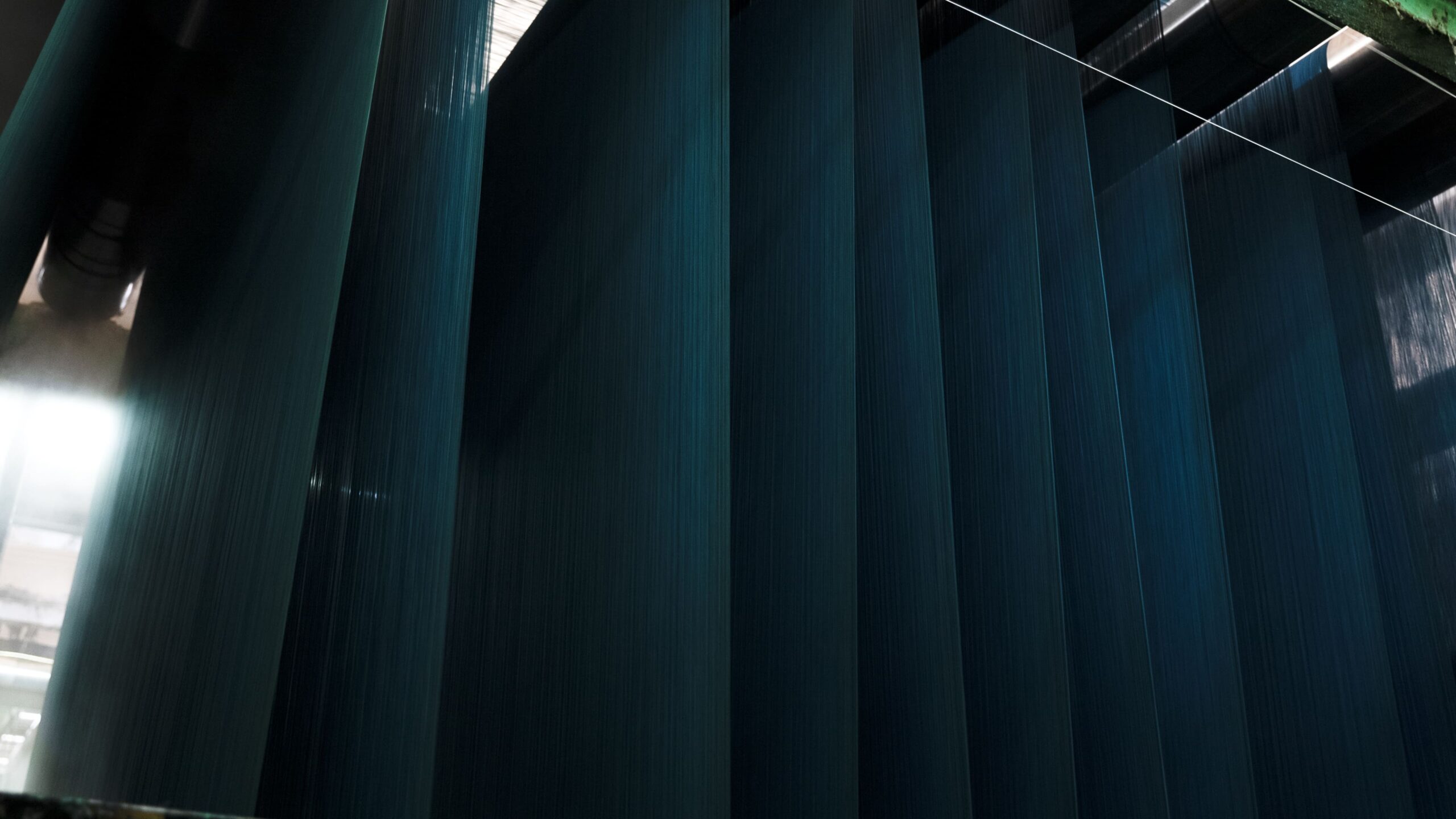
การย้อมสี
- ความคาดหวังเกี่ยวกับการสัมผัสและการเสื่อมสภาพตามอายุ: ผ้าคุณภาพได้รับการประเมินไม่เพียงแต่จากรูปลักษณ์และมือในทันที แต่ยังรวมถึงอายุ การซีดจาง และความรู้สึกเมื่อเวลาผ่านไปด้วย คู่มือของ LYDenim เน้นการประเมินการสัมผัส (ความหนา ความหนาแน่นของลายทอ ความยืดหยุ่น) เพื่อเป็นตัวบ่งชี้อายุยืนยาว
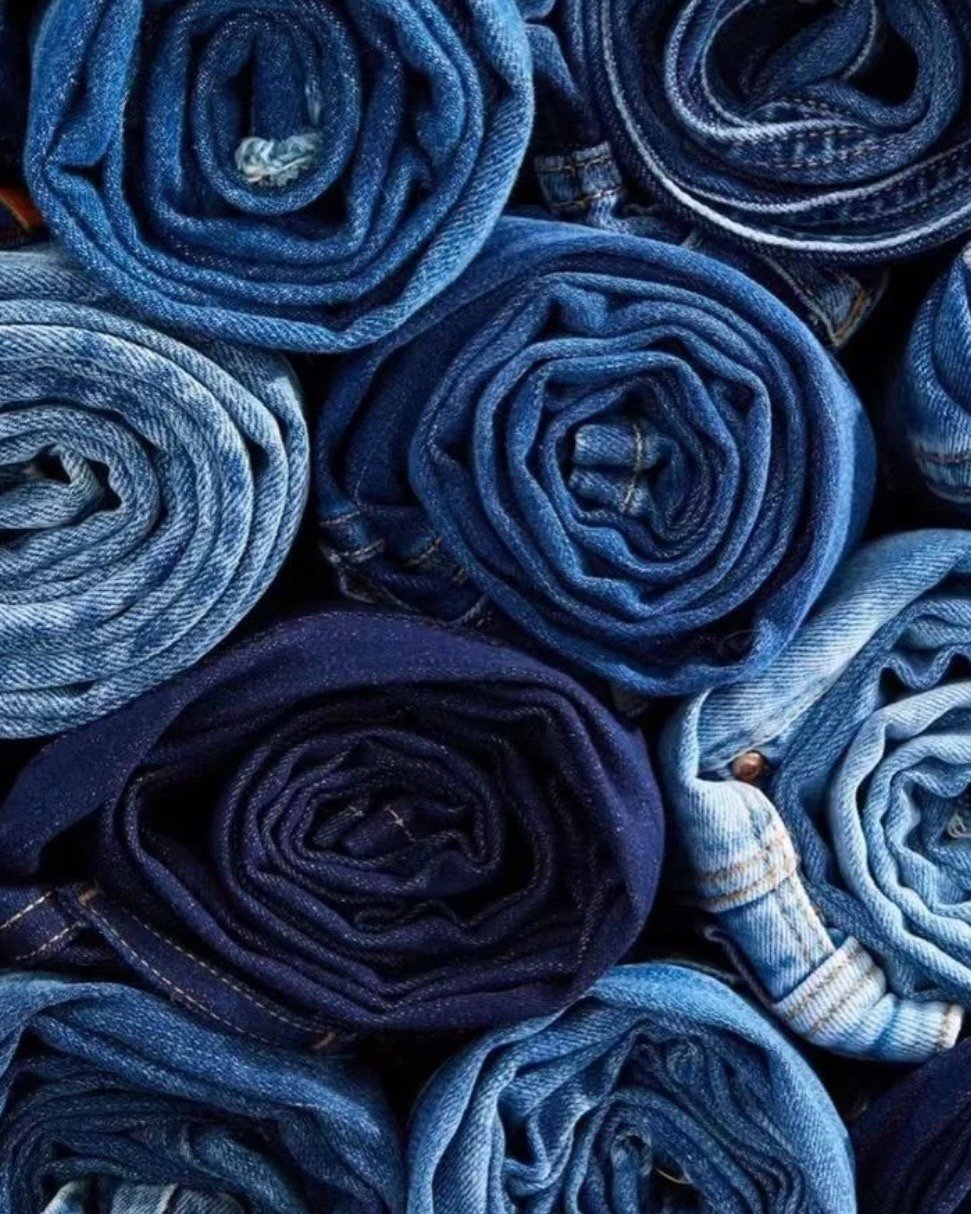
เดนิม
2. กระบวนการตรวจสอบและหน้าที่ความรับผิดชอบ
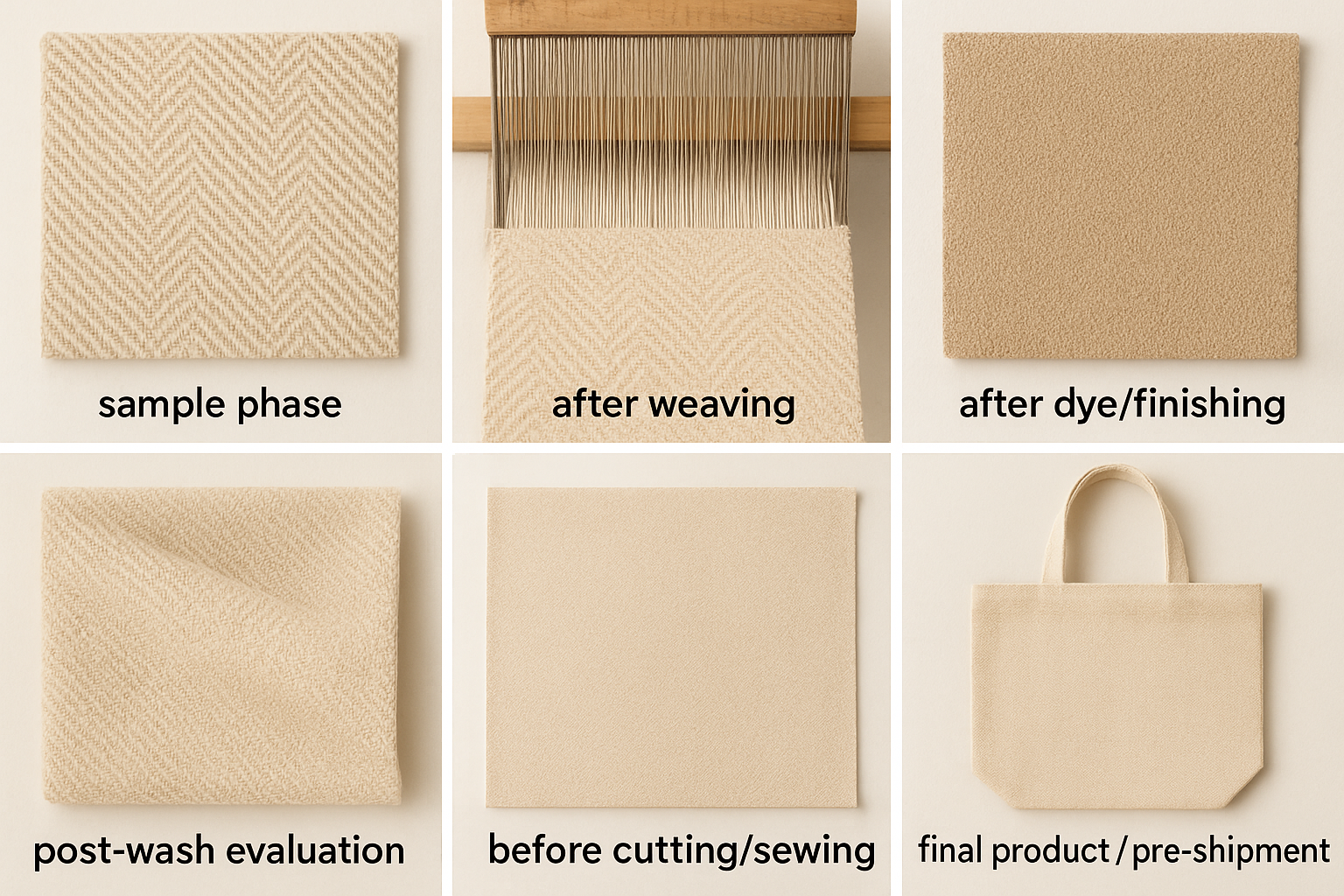
- จุดตรวจ: ขั้นตอนตัวอย่าง → หลังการทอ → หลังการย้อม/การตกแต่งขั้นสุดท้าย → การประเมินหลังการซัก → ก่อนการตัด/การเย็บ → ผลิตภัณฑ์ขั้นสุดท้าย / ก่อนการจัดส่ง
จุดตรวจ
- บทบาท: QC ของซัพพลายเออร์, QC ของผู้ซื้อ, การทดสอบโดยบุคคลที่สามเมื่อจำเป็น (โดยเฉพาะสำหรับคำสั่งซื้อจำนวนมาก/เป็นชุด)
การควบคุมคุณภาพผ้า
- การเก็บตัวอย่างและความถี่: ใช้มาตรฐานตามน้ำหนัก (ออนซ์) ความหนาแน่นของผ้า ความยืดหยุ่น ฯลฯ เพื่อกำหนดขนาดตัวอย่างที่เหมาะสม การประเมินของ LYDenim ใช้ทั้งการตรวจสอบการสัมผัส/การมองเห็น และการทดสอบทางเทคนิค
- ระบบมาตรฐาน: พารามิเตอร์หลัก ได้แก่ น้ำหนักผ้า (ออนซ์ต่อตารางหลาหรือแกรม) ความหนาแน่นของลายทอ % สแปนเด็กซ์ ริมเทียบกับไม่มีริม ประเภทของสีย้อม (คราม ซัลเฟอร์ ปฏิกิริยา) วิธีการตกแต่ง ฯลฯ
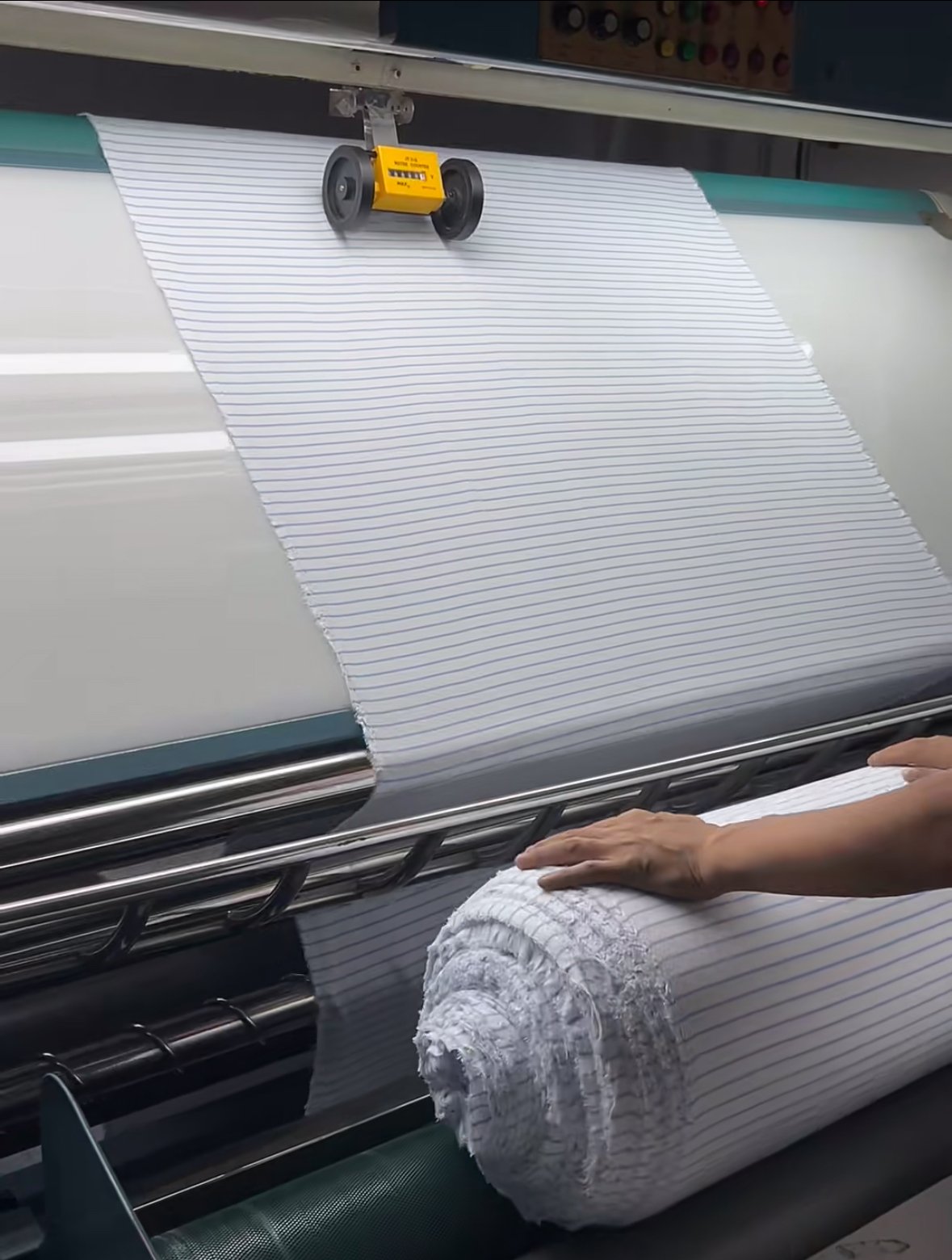

3. การจำแนกข้อบกพร่อง
ต่อไปนี้เป็นประเภทข้อบกพร่องที่มาจากแนวปฏิบัติทางอุตสาหกรรมของ LYDenim + ซึ่งมีประโยชน์สำหรับการตรวจสอบเชิงปฏิบัติ
| หมวดหมู่ | ข้อบกพร่องทั่วไป | เฟสต้นทาง / ผลกระทบ | การตรวจสอบ / ขีดจำกัดที่ยอมรับได้ |
|---|---|---|---|
| การทอผ้า | ด้ายยืน/พุ่งหัก; สลาฟหนา ทอไม่สม่ำเสมอ เครื่องหมายทอผ้า | ขั้นตอนการทอผ้า หากคุณภาพเส้นด้าย/เครื่องทอผ้าไม่ดี | การตรวจด้วยสายตา + กล้องจุลทรรศน์ ข้อบกพร่องต่อเกณฑ์เมตร สำหรับผลิตภัณฑ์ริมผ้ามีความทนทานต่ำมาก |
| การย้อมสีและการเปลี่ยนแปลงระดับความเข้มของสี | การย้อมสีที่ไม่สม่ำเสมอ; สีแบตช์ไม่ตรงกัน ย้อมมีเลือดออกหรือขอบไม่เรียบ ความคงทนของสีเปียก/แห้งไม่ดี | ขั้นตอนการย้อมสี / ออกซิเดชั่น / การล้าง | เปรียบเทียบตัวอย่างมาตรฐาน การทดสอบการถูแบบเปียก/แห้ง วัดความแตกต่างของสีด้วยอุปกรณ์ ตรวจสอบขอบและศูนย์ |
| ขั้นตอนการล้างและการปรับสภาพผิว | การหดตัว; จุดที่ซีดจาง; เครื่องหมายน้ำ รูปร่างบิดเบี้ยวหลังการซัก | การซัก/การบำบัดด้วยสารเคมี/ขั้นตอนการตกแต่ง | ทดสอบตัวอย่างก่อนการซัก; วัดขนาดก่อนและหลังการซัก; ประเมินสภาพพื้นผิวและสีหลังการซัก; ตรวจสอบสารตกค้างทางเคมี (เช่น pH, สารฟอกขาว เป็นต้น) |
| ปัญหาผ้าเดนิมยืด | สูญเสียความยืดหยุ่น / การฟื้นตัวไม่ดี คลื่นตะเข็บ การดัดผมขอบ; เส้นใยยืดที่ถูกเปิดเผยหรือขาด | องค์ประกอบของส่วนผสม การเย็บ และขั้นตอนการซัก | การทดสอบการยืดกล้ามเนื้อ การทดสอบการยืดตัวของจักรเย็บผ้า รอบการซักหลายรอบ ตรวจสอบการตกแต่งขอบ |
| ข้อบกพร่องทางพื้นผิวและโครงสร้าง | อุปสรรค์, ฝอย, รู, รูเข็ม; เอียง/โค้งคำนับ; ขอบไม่เรียบ | ตลอดการผลิต รวมถึงการจัดการ การจัดเก็บ การขนส่ง | ตรวจสอบด้วยตาเปล่าภายใต้แสงปกติ คลายลูกกลิ้งทั้งชุดเพื่อตรวจสอบตำแหน่งกลางและขอบ พร้อมตรวจสอบบรรจุภัณฑ์และการจัดเก็บ |
| คุณภาพการผลิตและองค์ประกอบตกแต่ง | กระทู้หัก ข้ามเย็บ; ปุ่ม / ซิปที่อ่อนแอ / คงที่ไม่ดี; การกัดกร่อนของโลหะ | ขั้นตอนการเย็บ; ระหว่างการสวมใส่และการใช้งาน; การปรับแต่งสุดท้าย | การทดสอบความแข็งแกร่ง ตรวจสอบอุปกรณ์ตกแต่งภายนอกรถ การทดสอบการซักเพื่อการกัดกร่อน ตรวจสอบคุณภาพตะเข็บ |
| ม้วน / การจัดการ / จัดส่ง / จัดเก็บ | ม้วนแน่นเกินไป การเบี่ยงเบนความยาวหรือความกว้าง ความเสียหายระหว่างการขนส่ง ความเสียหายจากความชื้น การปนเปื้อน | การกลิ้ง การบรรจุ การขนส่ง ขั้นตอนการจัดเก็บ | เมื่อมาถึง ให้ตรวจสอบลูกกลิ้ง: คลายบรรจุภัณฑ์และตรวจสอบว่ามีรอยพับหรือรอยขีดข่วนหรือไม่ ตรวจสอบขนาดของลูกกลิ้ง ความชื้นในการเก็บรักษา และคุณภาพของการห่อหุ้ม รวมถึงตรวจสอบฉลากและความละเอียดของข้อมูลล็อตอย่างครบถ้วน |
4. มาตรฐานและเครื่องมือเชิงปริมาณ
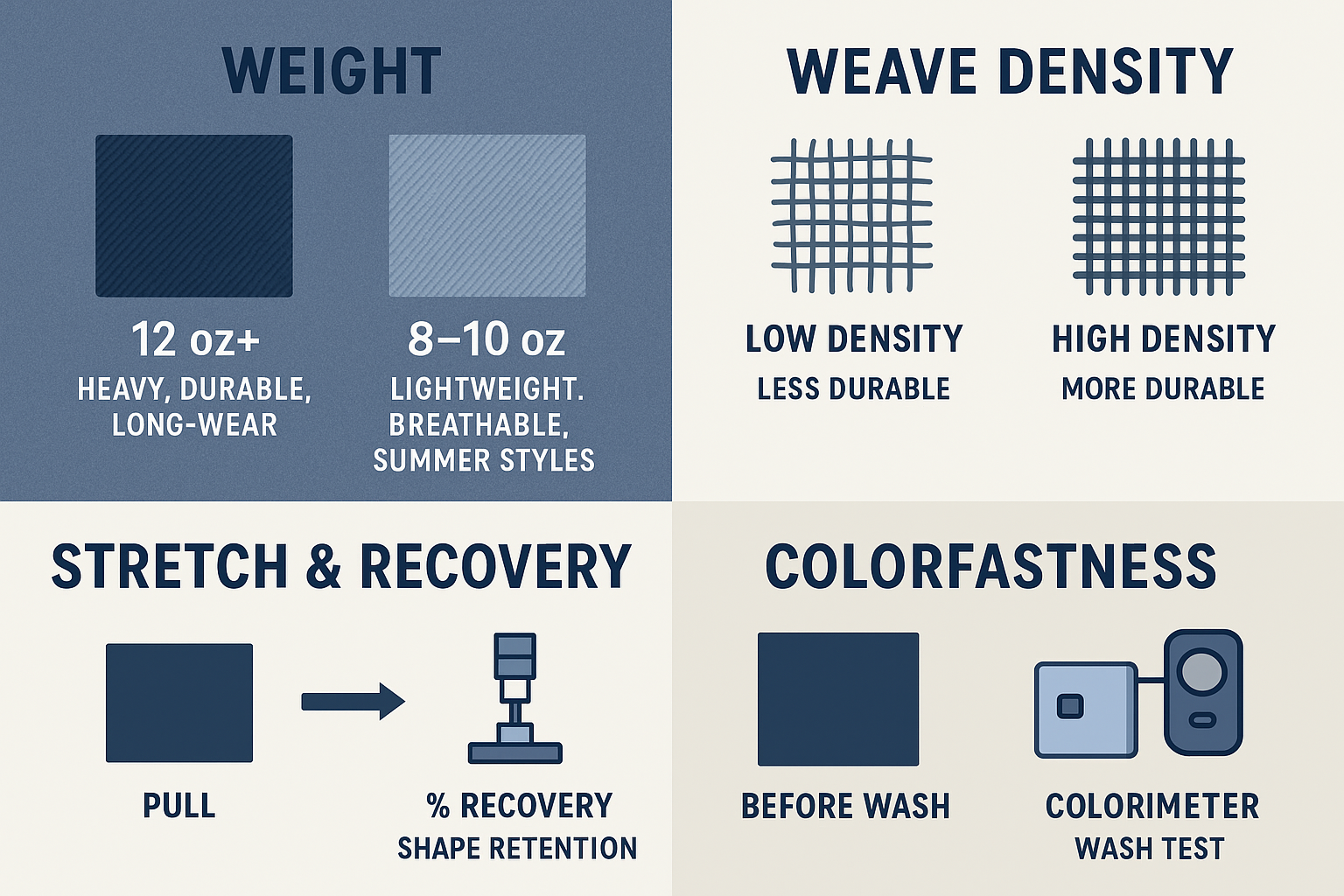
- น้ำหนัก เกณฑ์มาตรฐาน: ผ้าเดนิม ≥12 ออนซ์ สำหรับการใช้งานหนัก/สวมใส่เป็นเวลานาน; ไฟแช็ก (8-10 ออนซ์) สำหรับสภาพอากาศอบอุ่นหรือสไตล์น้ำหนักเบา LYDenim ใช้ความแตกต่างที่คล้ายกัน
- ความหนาแน่นของลายทอ/จำนวนเส้นด้าย: ความหนาแน่นสูงขึ้น = ความบิดเบี้ยวน้อยลง ความทนทานดีขึ้น
- ปริมาณการยืดตัว และเปอร์เซ็นต์การฟื้นตัว: สำหรับผ้าเดนิมยืด ให้ทดสอบว่าผ้าคืนรูปทรงเดิมได้ดีแค่ไหน
- ความทนต่อการเปลี่ยนสีและการเปลี่ยนสีเมื่อซักผ้า: การทดสอบการถูแบบเปียก/แห้ง; การทดสอบการล้างเทียม เปรียบเทียบสีก่อน/หลังโดยใช้คัลเลอริมิเตอร์
- เครื่องมือที่จำเป็น: กล้องจุลทรรศน์หรือแว่นขยาย คัลเลอริมิเตอร์; เครื่องดึง/ยืด; เครื่องซักผ้า (ห้องปฏิบัติการหรืออุตสาหกรรม) สภาวะควบคุมอุณหภูมิ/ความชื้น
มาตรฐานและเครื่องมือสำหรับการวัดเชิงปริมาณ
5. กระบวนการทำงานด้านการควบคุมคุณภาพและการปรับปรุงอย่างต่อเนื่อง
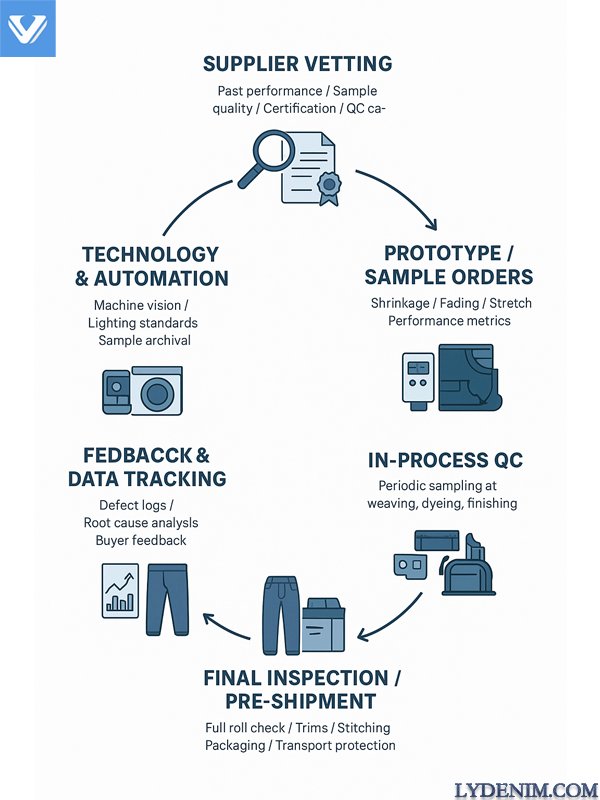
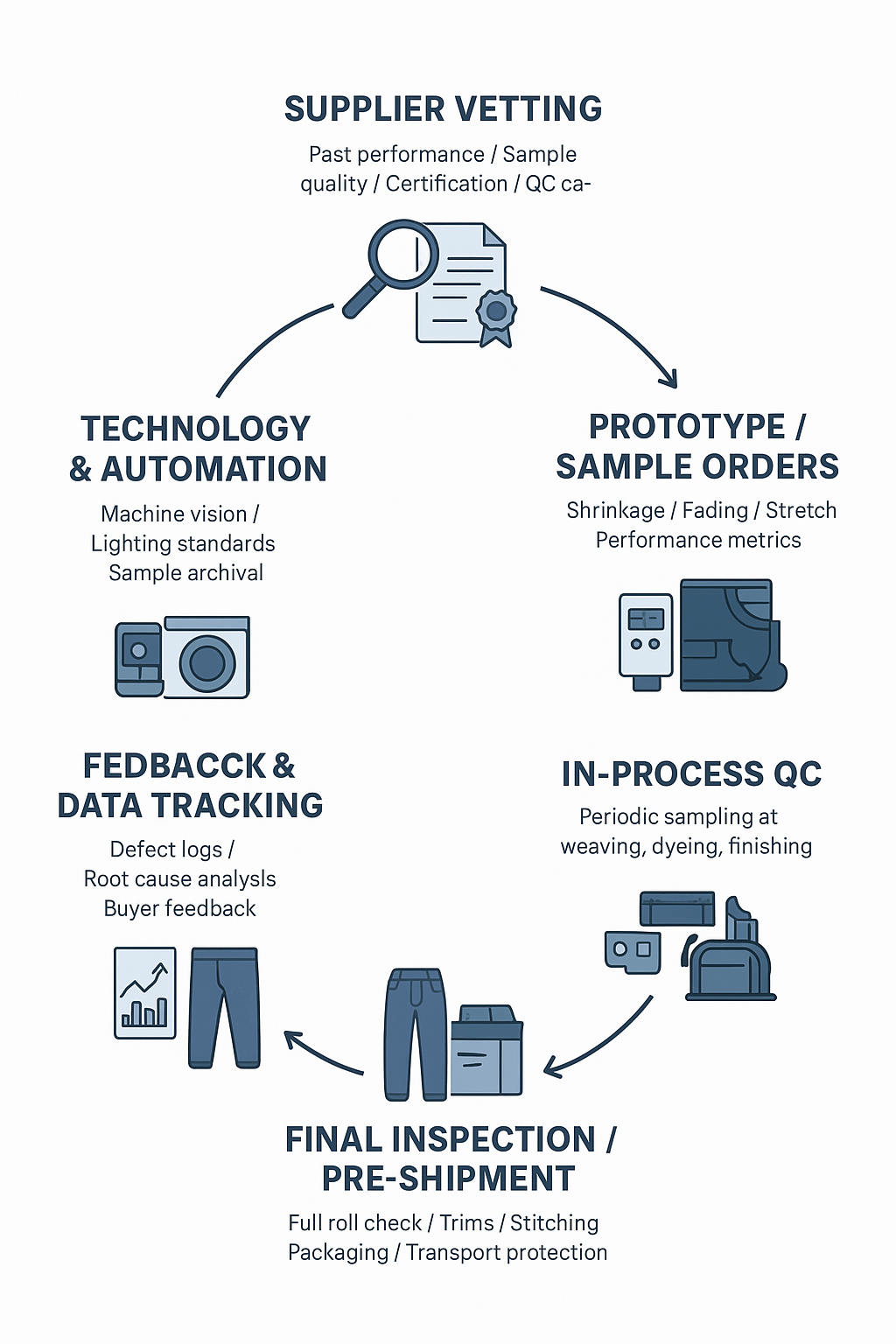
- การตรวจสอบซัพพลายเออร์: ประเมินประสิทธิภาพที่ผ่านมา คุณภาพตัวอย่าง การรับรอง กำลังการผลิต QC
- ต้นแบบ/ตัวอย่างการสั่งซื้อ: ทดสอบตัวชี้วัดประสิทธิภาพที่สำคัญทั้งหมด: การหดตัว การซีดจาง การยืด ฯลฯ
- QC ในกระบวนการ: ในการทอผ้า การย้อม และการตกแต่งขั้นสุดท้าย—การสุ่มตัวอย่างเป็นระยะเพื่อสังเกตแนวโน้มข้อบกพร่อง
- การตรวจสอบขั้นสุดท้าย/ก่อนการจัดส่ง: การตรวจสอบม้วนเต็มและผลิตภัณฑ์ การตัดแต่ง การเย็บ การบรรจุหีบห่อ การป้องกันการขนส่ง
- การรับฟังความคิดเห็นและการติดตามข้อมูล: รักษาบันทึกอัตราข้อบกพร่อง การวิเคราะห์สาเหตุที่แท้จริง การดำเนินการแก้ไข รวมความคิดเห็นของผู้ซื้อ/ผู้ใช้
- เทคโนโลยีและการอัตโนมัติ: ใช้การตรวจสอบด้วยภาพ อาจเป็นวิชันซิสเต็ม / การจดจำรูปภาพสำหรับข้อบกพร่องที่พื้นผิว ตรวจสอบมาตรฐานแสงสว่าง จดหมายเหตุตัวอย่าง
ห้องปฏิบัติการควบคุมคุณภาพ
6. รายการตรวจสอบของผู้ซื้อ (สามารถดำเนินการและวัดผลได้)
| ตรวจสอบรายการ | มาตรฐานคุณภาพ / ขีดจำกัดที่ยอมรับได้ | เครื่องมือ/วิธีการ | ฝ่ายที่รับผิดชอบ |
|---|---|---|---|
| น้ำหนักผ้า | ≥12ออนซ์หรือตามข้อกำหนด | การอ้างอิงมาตราส่วน/มาตรฐาน | ซัพพลายเออร์ + ผู้ซื้อ (ขั้นตอนตัวอย่าง) |
| ความหนาแน่นของสาน | ไม่มีรู/ช่องว่างสานที่มองเห็นได้ ความแปรผันของจำนวนเส้นด้าย ≤ ± ระบุ | กล้องจุลทรรศน์/เกจวัดการทอ | QC ในกระบวนการ |
| ความสม่ำเสมอของสี | สี ΔE ≤ เกณฑ์; การจับคู่สีเป็นชุด; ขอบน้อยที่สุดเทียบกับความแตกต่างตรงกลาง | คัลเลอริมิเตอร์ + ทดสอบแสงภาพ | บ้านย้อม+เช็คผู้ซื้อ |
| การยืดกล้ามเนื้อ | ฟื้นตัว ≥90% หลังจากการยืดที่ระบุ (ตัวอย่าง) | เครื่องยืด/ฟื้นฟู | สั่งผ้ายืด |
| ล้างการหดตัว | ≤เปอร์เซ็นต์ที่ระบุ (เช่น ≤3%) | การล้างในห้องปฏิบัติการ + การวัด | ก่อนจัดส่ง/ผู้ซื้อ |
| ข้อบกพร่องพื้นผิว | ข้อบกพร่องสูงสุดต่อเกณฑ์เมตร (เกลียวขาด ขาด ฯลฯ) | Visual + แว่นขยายภายใต้แสงมาตรฐาน | การตรวจสอบขั้นสุดท้าย |
| คุณภาพของการเย็บและตัดขอบ | ไม่มีการเย็บข้าม ภายนอกข้อมูลรถที่ปลอดภัย ชิ้นส่วนโลหะที่ปราศจากสนิมหลังการซัก | การทดสอบการซัก + การทดสอบโหลด + การตรวจสอบด้วยภาพ | การควบคุมคุณภาพสินค้า |
| สภาพม้วน/บรรจุภัณฑ์ | รูปร่างม้วนสม่ำเสมอ ไม่มีรอยยับหรือความชื้น ฉลากที่ชัดเจน บรรจุภัณฑ์ป้องกัน | การตรวจสอบเมื่อมาถึง | ขั้นตอนการรับของผู้ซื้อ |
บทสรุป
การเลือกผ้าเดนิมคุณภาพสูงถือเป็นความท้าทายในหลายแง่มุม ซึ่งไม่เพียงแต่ไม่เพียงแต่จะดึงดูดสายตาเท่านั้น แต่ยังรวมไปถึงประสิทธิภาพ ความทนทาน ลักษณะการเสื่อมสภาพ และความสมบูรณ์ของห่วงโซ่อุปทาน คู่มือของ LYDenim มอบรากฐานที่แข็งแกร่ง—ครอบคลุมน้ำหนัก การทอ การย้อม และการตกแต่ง—แต่ในทางปฏิบัติ ผู้ซื้อจะต้องปรับมาตรฐานให้สอดคล้องกับตำแหน่งแบรนด์ของตน และสร้างกระบวนการแบบปิดตั้งแต่การจัดหาไปจนถึงการตรวจสอบ การจัดส่ง และคำติชมของผู้บริโภค ด้วยการใช้ประโยชน์จากตัวชี้วัดและเครื่องมือเชิงปริมาณ ผสมผสานกับประสบการณ์และเทคโนโลยี เดนิมที่คุณเลือกสามารถกลายเป็นสิ่งที่สร้างความแตกต่างให้กับผลิตภัณฑ์ของคุณได้อย่างแท้จริง
กำลังพิจารณาเวอร์ชันสั่งผลิตเฉพาะอยู่หรือไม่
ฝันถึงผ้าคุณภาพสูงที่มีเนื้อสัมผัสยอดเยี่ยมและความทนทานเหนือชั้นหรือไม่? LY Denim ผู้เชี่ยวชาญด้านเสื้อผ้าคุณภาพระดับพรีเมียมและโซลูชันการออกแบบเสื้อผ้าตามคำสั่งเฉพาะ เพื่อช่วยให้คุณเปลี่ยนไอเดียสร้างสรรค์ให้กลายเป็นความจริงอย่างแม่นยำและมีสไตล์
🎨 ผ้าพิเศษที่ออกแบบเฉพาะ
ออกแบบคอลเลกชันผ้าของคุณเองด้วยวัสดุระดับพรีเมียมจาก LY Denim ไม่ว่าจะเป็นส่วนผสมฝ้ายหรูหรา หรือผ้าที่เป็นมิตรต่อสิ่งแวดล้อมและมีความสร้างสรรค์ ลองสำรวจสี สไตล์การพันผ้า และเทคนิคการตกแต่งที่เข้ากันได้อย่างลงตัวกับแบรนด์หรือแนวคิดการออกแบบของคุณ รับชมเพิ่มเติมได้ที่ ลีเดนิม เพื่อเรียนรู้เพิ่มเติม
🛍️ โซลูชั่นเสื้อผ้าตัดเย็บตามสั่ง
มอบความเป็นจริงให้กับการออกแบบของคุณผ่านบริการผลิตเสื้อผ้าตามคำสั่งเฉพาะของเรา ไม่ว่าจะเป็นชุดสูทที่ตัดพอดี ชุดเดรสสไตล์หรู หรือเสื้อผ้าทำงานที่ทนทาน เราให้ความมั่นใจในความพอดีอย่างสมบูรณ์ ความสบายระดับพรีเมียม และคุณภาพที่ยั่งยืน สำรวจตัวเลือกการปรับแต่งได้ที่ มายอาลีบาบา
📩 ติดต่อเราได้เลย
คุณมีโครงการใดๆ ที่สนใจไหม? กรุณาติดต่อทีมของเราที่ Malone@lydenim.com เพื่อหารือเกี่ยวกับผ้าที่ออกแบบเฉพาะ การออกแบบเสื้อผ้า หรือแนวทางการผลิตสิ่งทออย่างยั่งยืน
เปลี่ยนไอเดียของคุณให้กลายเป็นความจริงด้วย LY Denim — ผู้ร่วมทางที่เชื่อถือได้ในด้านผ้าคุณภาพสูงที่มีนวัตกรรม และโซลูชันเสื้อผ้าที่ออกแบบเฉพาะตามความต้องการ
คำถามที่พบบ่อย
สามารถปรับแต่งให้เหมาะกับแบรนด์หรือคอลเลกชันของฉันได้หรือไม่?
ใช่ ส่งใบสมัคร รูปภาพอ้างอิง คุณภาพเป้าหมาย ปริมาณ และข้อกำหนดของตลาด เพื่อให้ซัพพลายเออร์สามารถแนะนำตัวเลือกผ้า เครื่องแต่งกาย หรือการตกแต่งที่เหมาะสมได้
ฉันควรส่งข้อมูลอะไรบ้างก่อนที่จะขอใบเสนอราคา?
จัดเตรียมประเภทผลิตภัณฑ์ ผ้าหรือเทคนิคเป้าหมาย ทิศทางสี ความต้องการตัวอย่าง ปริมาณ ประเทศปลายทาง และระยะเวลารอคอยสินค้าที่คาดหวัง
ฉันควรขอตัวอย่างก่อนการผลิตจำนวนมากหรือไม่
ใช่ ตัวอย่างและระยะตัวอย่างจะช่วยลดความเสี่ยงก่อนสั่งซื้อจำนวนมาก โดยเฉพาะอย่างยิ่งเมื่อคุณภาพสี ความรู้สึกทางมือ การยืด พื้นผิว หรือการตกแต่งมีความสำคัญ
ฉันจะหลีกเลี่ยงปัญหาด้านคุณภาพในคำสั่งซื้อจำนวนมากได้อย่างไร
อนุมัติมาตรฐานตัวอย่างที่ชัดเจน กำหนดข้อกำหนดในการทดสอบ ยืนยันความคลาดเคลื่อน และเปรียบเทียบผลผลิตจำนวนมากกับตัวอย่างที่ได้รับอนุมัติก่อนจัดส่ง
ต้องการความช่วยเหลือในการเปลี่ยนสิ่งนี้ให้เป็นบรีฟการจัดหาที่พร้อมสำหรับการผลิตหรือไม่
ส่งสินค้าเป้าหมายของคุณ ทิศทางผ้า ปริมาณ และความต้องการตัวอย่าง LY Denim สามารถช่วยเปรียบเทียบตัวเลือกและเตรียมใบเสนอราคาได้