


วิธีป้องกันการเปลี่ยนเป็นสีเหลืองของกางเกงยีนส์สีอ่อน: คู่มือจากผู้ผลิต
วิธีป้องกันการเปลี่ยนเป็นสีเหลืองของกางเกงยีนส์สีอ่อน: คู่มือจากผู้ผลิต
สำรวจสาเหตุที่ทำให้เกิดสีเหลืองในกางเกงยีนส์เนื้อบาง เช่น สารเคมี รังสียูวี เหงื่อ และค้นพบวิธีแก้ปัญหาของผู้ผลิตสำหรับผ้าเดนิมที่ทนทานและบริสุทธิ์ในคู่มือนี้
สรุปผู้ซื้อ
สำหรับแบรนด์เครื่องแต่งกายและทีมขนาดเล็ก หัวข้อนี้ควรเชื่อมโยงการตัดสินใจด้านการออกแบบกับการสุ่มตัวอย่าง การผลิต ปริมาณขั้นต่ำ วิธีการตกแต่ง และความพร้อมในการเสนอราคา
- ผู้ซื้อที่เหมาะสมแบรนด์แฟชั่น ทีมจัดหา ผู้ค้าส่ง โรงงานตัดเย็บเสื้อผ้า และผู้พัฒนาผลิตภัณฑ์
- สิ่งที่ต้องยืนยันเป้าหมายผลิตภัณฑ์ ทิศทางของผ้า ผิวสำเร็จ ความต้องการตัวอย่าง ปริมาณ และตลาดการจัดส่ง
- ความเสี่ยงของผู้ซื้อข้อมูลจำเพาะที่ไม่ชัดเจนอาจนำไปสู่ตัวอย่างที่ไม่ถูกต้อง คุณภาพปริมาณมากไม่แน่นอน และการเสนอราคาที่ช้า
- CTA ที่แนะนำขอตัวอย่างหรือใบเสนอราคาตัวอย่างก่อนที่จะดำเนินการผลิตจำนวนมาก
เหตุใดจึงสำคัญสำหรับผู้ซื้อ B2B
ยืนยันเนื้อผ้า โครงสร้าง เทคนิคโลโก้ ความต้องการตัวอย่าง และปริมาณการสั่งซื้อก่อนเปรียบเทียบซัพพลายเออร์
สำรวจสาเหตุที่ทำให้เกิดสีเหลืองในกางเกงยีนส์เนื้อบาง เช่น สารเคมี รังสียูวี เหงื่อ และค้นพบวิธีแก้ปัญหาของผู้ผลิตสำหรับผ้าเดนิมที่ทนทานและบริสุทธิ์ในคู่มือนี้
ตารางข้อมูลจำเพาะสำหรับการจัดหาที่เร็วขึ้น
| จุดตัดสินใจ | ตัวเลือกในการเปรียบเทียบ | ทำไมมันถึงสำคัญ | คำถามของผู้ซื้อ |
|---|---|---|---|
| ประเภทสินค้า | เสื้อฮู้ด เสื้อยืด กางเกงยีนส์ แจ็คเก็ต เครื่องแต่งกายตามสั่ง | ควบคุมการเลือกผ้า ลวดลาย การตกแต่ง และการก่อสร้าง | คุณกำลังพัฒนาผลิตภัณฑ์ใด? |
| การปรับแต่ง | งานปัก งานสกรีน งานพิมพ์พัฟ งานปัก งานซัก | ส่งผลต่อต้นทุนตัวอย่าง ขั้นต่ำ และเวลานำ | คุณมีอาร์ตเวิร์คหรือเทคนิคอ้างอิงหรือไม่? |
| ผ้าและ GSM | ตัวเลือกเบา ปานกลาง หรือเฮฟวี่เวท | กำหนดความรู้สึกมือ ฤดูกาล และตำแหน่งการขายปลีก | คุณต้องการความรู้สึกมือและระดับราคาแบบใด |
| แผนการสั่งซื้อ | ต้นแบบ ชุดเล็ก การผลิตจำนวนมาก | เปลี่ยนแปลงราคา ไทม์ไลน์ และการตั้งค่าการผลิต | คุณต้องการตัวอย่างหรือใบเสนอราคาจำนวนมากก่อนหรือไม่? |
แอปพลิเคชันและตัวเลือกแบบกำหนดเอง
การพัฒนาผลิตภัณฑ์
ใช้คู่มือนี้เพื่อเปลี่ยนแนวคิดการออกแบบให้เป็นข้อกำหนดด้านเนื้อผ้า เครื่องแต่งกาย การตกแต่ง และตัวอย่าง
การเปรียบเทียบซัพพลายเออร์
เปรียบเทียบซัพพลายเออร์ตามการสนับสนุนตัวอย่าง ความชัดเจนทางเทคนิค ความเสถียรของปริมาณรวม และความเร็วในการสื่อสาร
การผลิตจำนวนมาก
ยืนยันมาตรฐานคุณภาพ ตัวอย่างที่ได้รับอนุมัติ และไทม์ไลน์ก่อนสั่งผลิต
จุดควบคุมคุณภาพก่อนสั่งซื้อจำนวนมาก
- OKการอนุมัติตัวอย่าง: ยืนยันผ้า สี ความรู้สึกมือ โครงสร้าง และการตกแต่งก่อนการผลิตจำนวนมาก
- OKความสม่ำเสมอเป็นกลุ่ม: เปรียบเทียบล็อตจำนวนมากกับตัวอย่างที่ได้รับอนุมัติภายใต้แสงและสภาวะการทดสอบเดียวกัน
- OKการทดสอบประสิทธิภาพ: ตรวจสอบการหดตัว ความคงทนของสี การยืดตัวคืนสภาพ หรือความทนทานของการตกแต่งตามที่เกี่ยวข้อง
- OKความชัดเจนของคำพูด: ส่งปริมาณ ปลายทาง ความต้องการบรรจุภัณฑ์ และเวลานำเป้าหมายเพื่อหลีกเลี่ยงการกำหนดราคาที่คลุมเครือ
กระบวนการพัฒนาตัวอย่าง
| ขั้นตอน | ผู้ซื้อจัดให้ | ซัพพลายเออร์ยืนยัน |
|---|---|---|
| 1. บรีฟ | การใช้งาน รูปภาพอ้างอิง คุณภาพและปริมาณเป้าหมาย | ความเป็นไปได้ วัสดุที่แนะนำ และตัวเลือกแบบกำหนดเอง |
| 2. สวอตช์ผ้า | สี สัมผัสมือ รูปแบบ หรือการตอบสนองขั้นสุดท้ายที่ต้องการ | สต็อกที่มีอยู่ ทิศทางที่กำหนดเอง และต้นทุนตัวอย่าง |
| 3. ตัวอย่าง | แผนการทดสอบเสื้อผ้า ขนาด หรือความต้องการระยะ | เส้นเวลาการสุ่มตัวอย่างและความสามารถในการทำซ้ำของการผลิต |
| 4. ใบเสนอราคาจำนวนมาก | ปริมาณการสั่งซื้อ ปลายทางการจัดส่ง และความต้องการบรรจุภัณฑ์ | ราคาต่อหน่วย, ขั้นต่ำ, เวลานำและจุดตรวจควบคุมคุณภาพ |
คู่มือโดยละเอียด
เวลาอ่านโดยประมาณ: ~4 นาที
บทนำ
กางเกงยีนส์สีอ่อนกลายเป็นเสื้อผ้าชิ้นสำคัญเนื่องจากทำให้ตู้เสื้อผ้าดูสดใสและใช้งานได้หลากหลาย สีเหลืองของการล้าง สินค้ายังคงเป็นปัญหาในการผลิตที่ลดการอุทธรณ์ของผลิตภัณฑ์และสร้างความไม่พอใจของลูกค้าซึ่งนำไปสู่ความเสียหายต่อแบรนด์ ไมเคิล จิออร์ดาโน จากคำแนะนำของ Levi's ควรแช่กางเกงยีนส์สีขาวในน้ำอุ่นที่ไม่เกิน 85°F (29°C) โดยใช้ผงซักฟอกที่เป็นมิตรต่อสิ่งแวดล้อม ก่อนนำไปอบแห้งกลางแจ้งใต้แสงแดดโดยไม่ใช้สารฟอกขาว นิโคล นาจาฟี สารฟอกขาวตามมาตรฐานอุตสาหกรรมร่วมกับสารทำให้ผ้านุ่ม ถือเป็นภัยคุกคามหลักต่อผ้าเดนิม เนื่องจากส่งผลให้ผ้าเหลืองและเสื่อมสภาพ คู่มือนี้ได้ศึกษาทั้งสาเหตุของการเหลือง ปัญหาด้านคุณภาพที่เกี่ยวข้อง รวมถึงแนวทางแก้ไขที่มีประสิทธิภาพจากผู้ผลิต โดยอิงจากข้อมูลและความรู้เฉพาะทาง
ยีนส์
สาเหตุของอาการเหลือง
สีเหลืองมีต้นกำเนิดมาจาก สารเคมี, สิ่งแวดล้อมและ การใช้งาน ปัจจัย:
สาเหตุของอาการเหลือง
ปัจจัยทางเคมี
- การวางตัวเป็นกลางที่ไม่สมบูรณ์: โพแทสเซียมเปอร์แมงกาเนต (การล้าง PP) หรือสารฟอกขาวที่ตกค้าง หากไม่ทำให้เป็นกลางเต็มที่ จะออกซิไดซ์เมื่อเวลาผ่านไป ทำให้เกิดสีเหลือง การวิจัยของ Cotton Inc. ระบุผลิตภัณฑ์จากการสลายตัวของสีย้อมครามเช่น ไอซาติน และ กรดแอนทรานิลิก เป็นผู้ร้ายหลัก โดยที่อิซาตินจะอพยพไปยังบริเวณที่สว่างกว่าเป็นจุดสีเหลือง
- การสลายตัวของสีย้อม: สีย้อมครามจะสลายตัวในสภาวะออกซิเดชั่น เกิดเป็นสารประกอบสีเหลือง

ปัจจัยทางเคมี
ปัจจัยด้านสิ่งแวดล้อม
- แสงแดดและรังสียูวี: รังสี UV สลายโมเลกุลของสีย้อมเร่งการเกิดสีเหลือง ตาม ISO 105-B02 ผ้าที่ต่ำกว่า a ระดับขนสัตว์สีน้ำเงินระดับ 6 ปรากฏอาการเหลืองอย่างเห็นได้ชัดหลังจากนั้น 40–80 ชั่วโมง ของแสงแดดจำลอง (สัปดาห์ของการสวมใส่กลางแจ้ง)
- มลพิษทางอากาศก๊าซไนโตรเจนออกไซด์ (NOx) จะทำปฏิกิริยากับสารตกค้างในผ้า เช่น สารต้านอนุมูลอิสระ BHT ส่งผลให้เกิดปรากฏการณ์ “การเปลี่ยนสีเป็นเหลืองแบบฟีนอลิก” ระหว่างการจัดเก็บหรือการจัดแสดง
- ความชื้น: ความชื้นสูงจะสร้างฟิล์มน้ำบนผ้า เพิ่มการดูดซับโอโซนและมลพิษ ส่งผลให้สีเหลืองแย่ลง
ปัจจัยด้านสิ่งแวดล้อม
ปัจจัยการใช้งาน
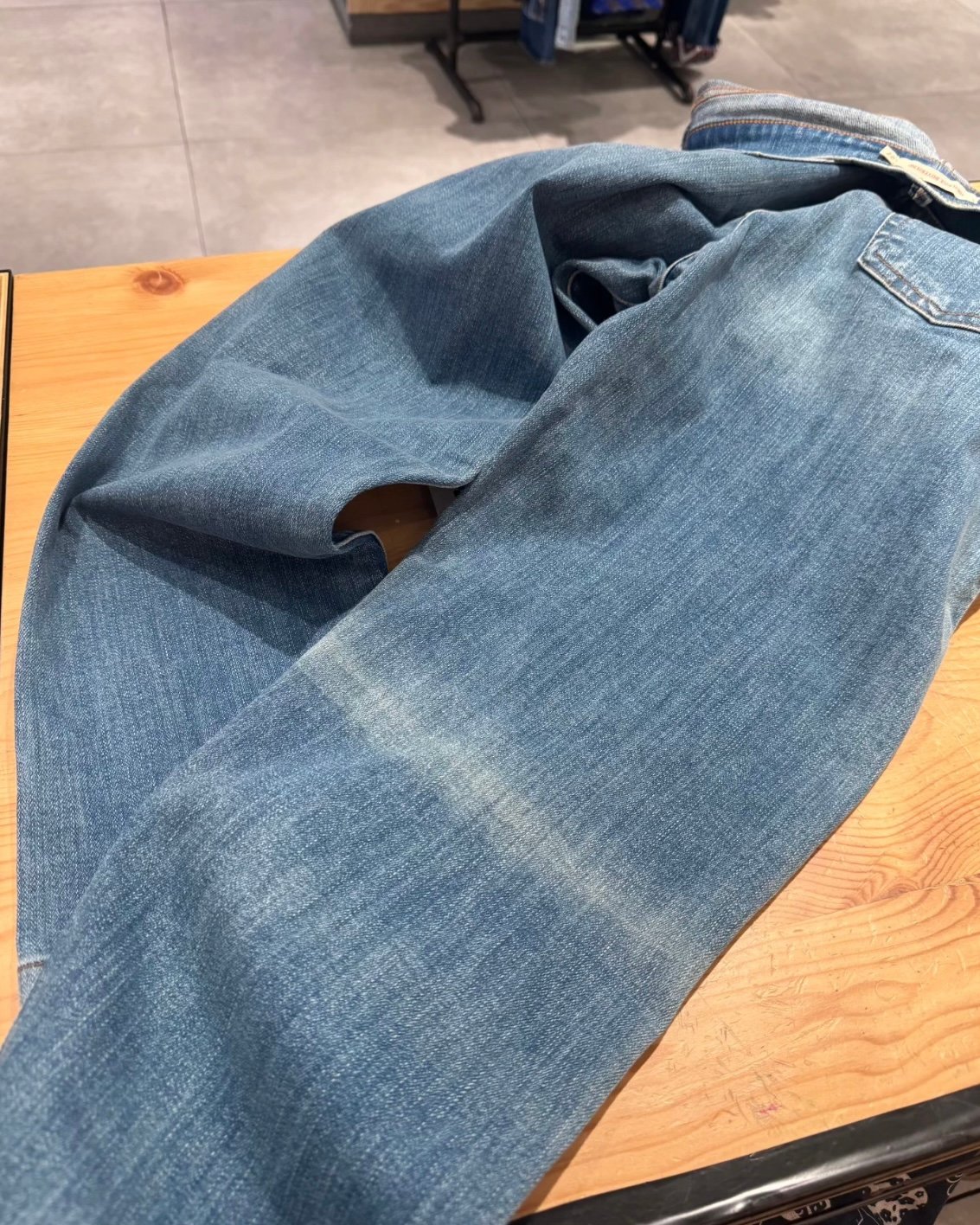
- น้ำมันเหงื่อและผิวกาย: ปฏิกิริยาของเอนไซม์และออกซิเดชั่นจากเหงื่อและน้ำมันโดยเฉพาะบริเวณเอวหรือหว่างขาเพิ่มมากขึ้น b* พิกัดสีเหลือง (Δb* ≥ 2 ส่งสัญญาณเป็นสีเหลือง)
- การซักที่ไม่เหมาะสม: น้ำร้อนหรือผงซักฟอกที่มีฤทธิ์รุนแรงเร่งการสูญเสียสีย้อม ทำให้ได้สีเหลืองตามธรรมชาติของผ้าฝ้าย แร่ธาตุน้ำกระด้าง (แคลเซียม แมกนีเซียม) ยังสามารถสะสมสารตกค้างสีเหลืองได้
ปัจจัยการใช้งาน
ปัญหาคุณภาพนอกเหนือจากสีเหลือง
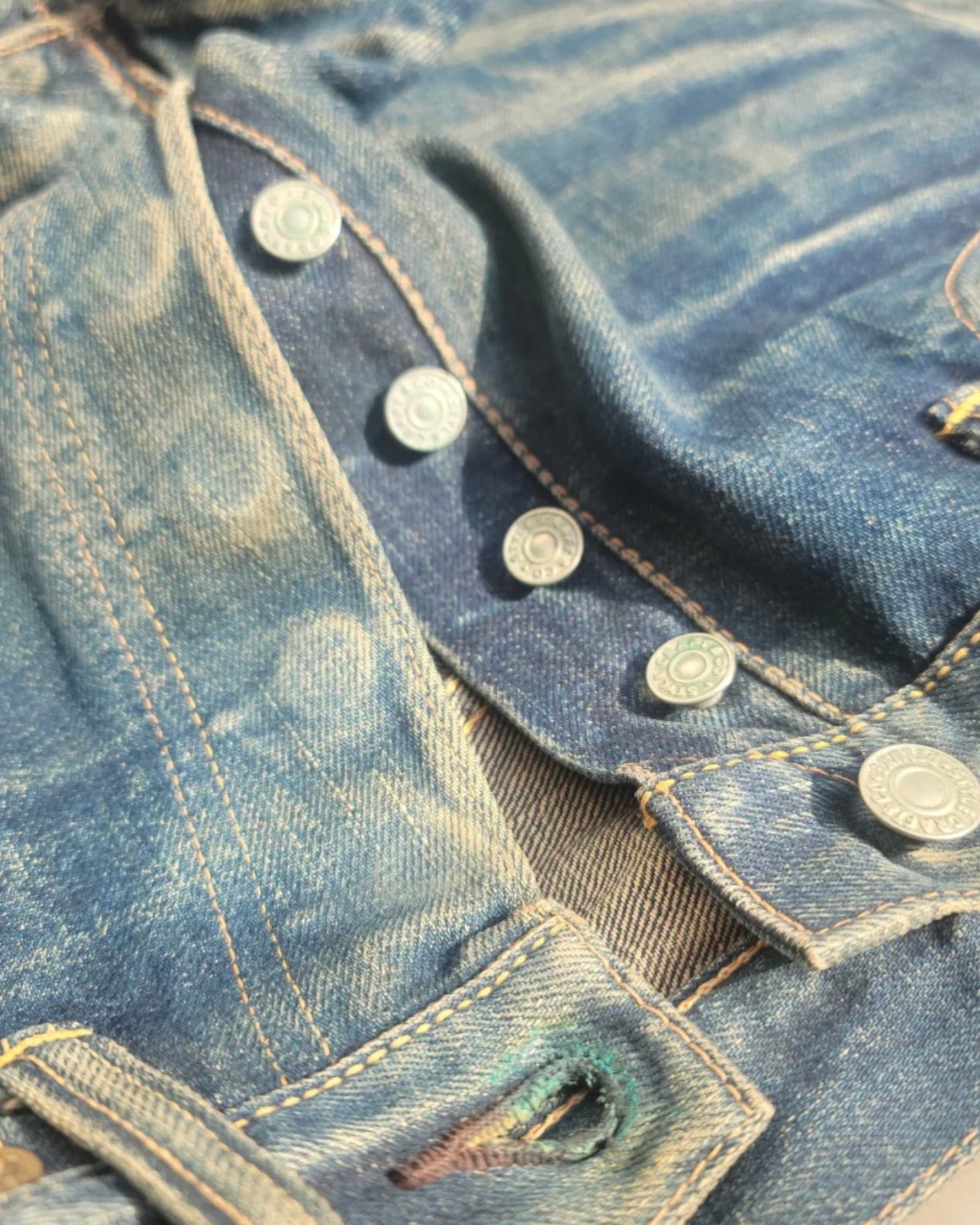
การซักอาจทำให้เกิดปัญหาเพิ่มเติม:
- การหดตัว: การอบแห้งด้วยน้ำร้อนหรือความร้อนสูงจะทำให้ผ้าเดนิมหดตัว
- ซีดจาง: การลอกสีย้อมที่ไม่สม่ำเสมอทำให้เกิดความไม่สอดคล้องกัน
- การสูญเสียรูปร่าง: ผ้าเดนิมยางยืดที่มีสแปนเด็กซ์เสียรูปภายใต้การดูแลที่ไม่เหมาะสม
- คราบ/จุด: คราบผงซักฟอกหรือน้ำยาปรับผ้านุ่มจะทิ้งรอยไว้ ดังที่ระบุไว้ในฟอรัมผู้บริโภคเช่น Reddit
มาตรการป้องกันสำหรับผู้ผลิต
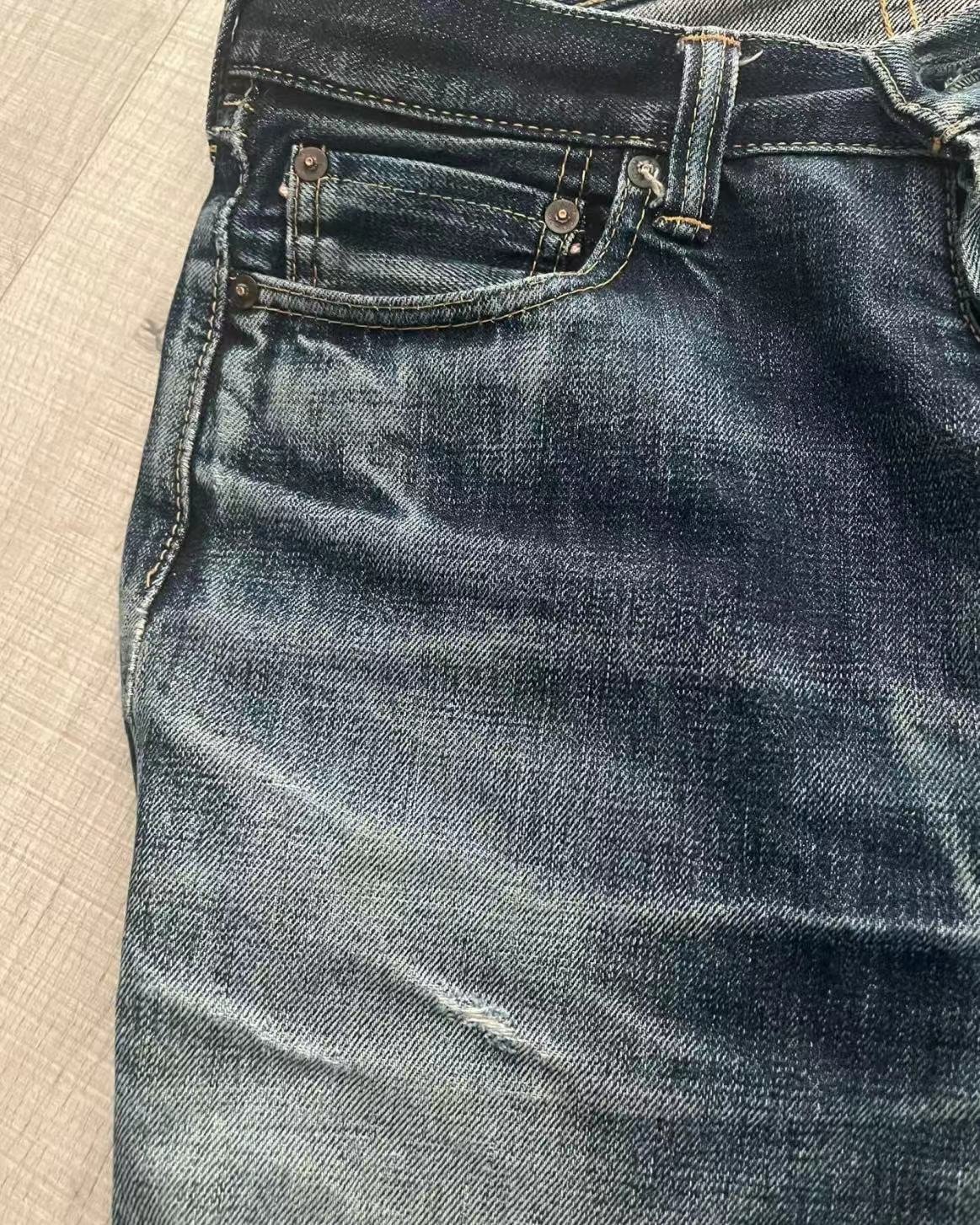
ผู้ผลิตสามารถดำเนินการด้านการผลิต การจัดเก็บ และคำแนะนำสำหรับผู้บริโภคได้:
การปรับปรุงกระบวนการผลิต
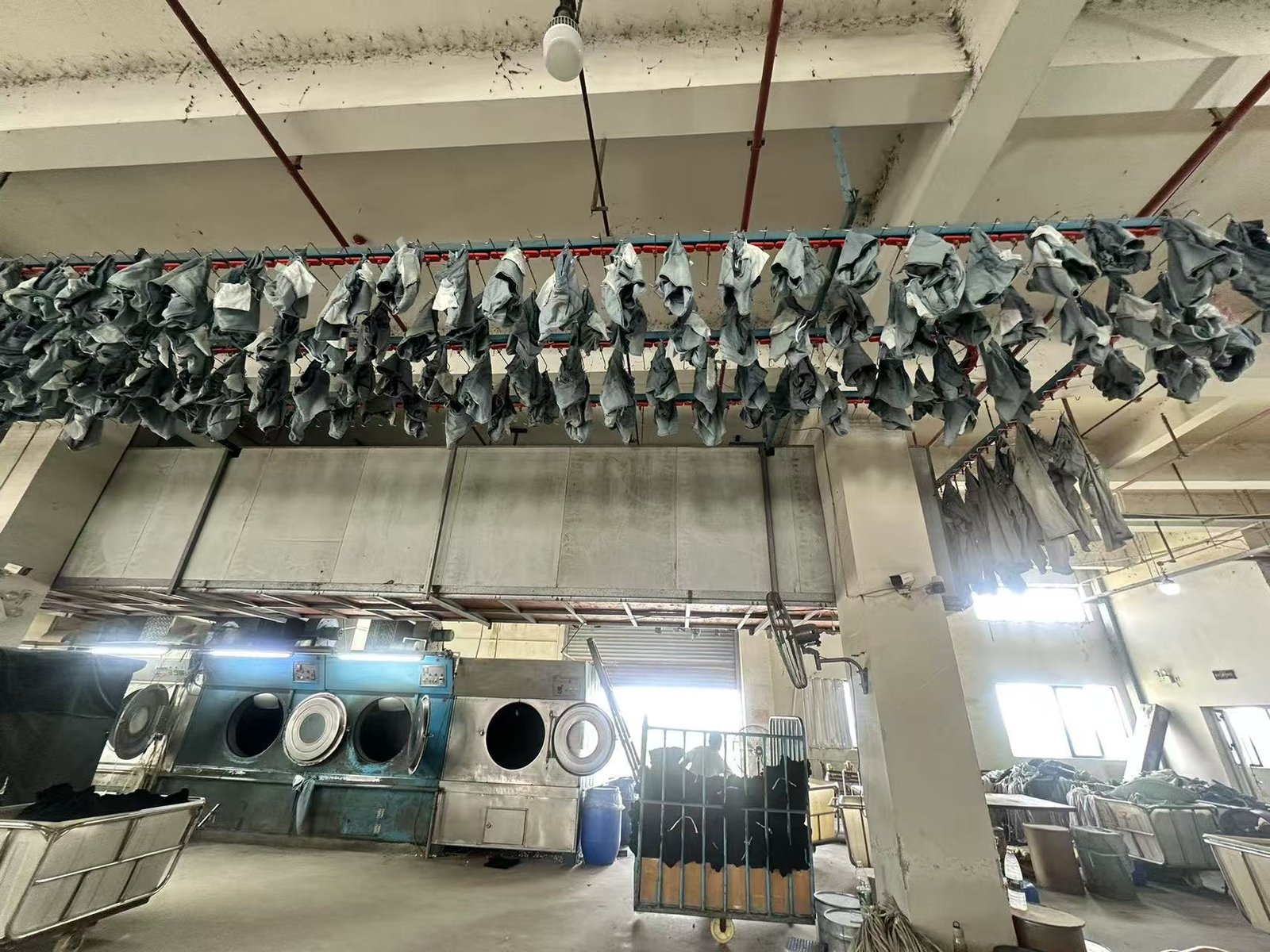
- การล้างอย่างทั่วถึง: การล้างหลังหิน ขจัดผลิตภัณฑ์สีย้อมที่สลายตัว (เช่น ไอซาติน) Cotton Inc. ยืนยันว่าสิ่งนี้มีความจำเป็น
- เอนไซม์ที่เป็นกลาง: ใช้เอนไซม์ที่เป็นกลางแทนเอนไซม์ที่เป็นกรดเพื่อจำกัดการปนเปื้อนของเส้นด้ายสีขาว เสริมด้วยสารป้องกันคราบสกปรก
- การทำให้เป็นกลางโดยสมบูรณ์: หลังการฟอกขาว กำจัดสารตกค้างโดยทำให้เป็นกลางนานขึ้นหรือมีความเข้มข้นของสารสูงขึ้น (เช่น H₂O₂ จากนั้น Na₂S₂O₅)
- เคลือบป้องกันการเกิดสีเหลือง: ใช้การบำบัดป้องกันเพื่อป้องกันโอโซนและมลพิษ
การจัดเก็บและการจัดการ
- สภาพที่เย็น แห้ง และมืด: รักษาความชื้น 45–60%; ใช้ถุงผ้าฝ้ายระบายอากาศ
- การระบายอากาศ: ลดความเข้มข้นของสารมลพิษ (เช่น NOx) ในพื้นที่จัดเก็บ
- ป้องกันรังสียูวี: ใช้สเปรย์หรือฝาครอบป้องกันรังสียูวีระหว่างการแสดงผล
คำแนะนำผู้บริโภค
- ซักผ้า: แนะนำให้ใช้น้ำเย็น (≤85°F/29°C) ด้วยผงซักฟอกสูตรอ่อนโยนและปลอดภัยต่อสี ลดความถี่ให้เหลือน้อยที่สุด
- การอบแห้ง: แนะนำให้ผึ่งลมในที่ร่มเพื่อหลีกเลี่ยงความเสียหายจากรังสี UV และความร้อน
- การดูแลคราบ: แนะนำให้ใช้สารฟอกขาว/น้ำยาปรับผ้านุ่ม โดยเสนอทางเลือกอื่น เช่น แอลกอฮอล์สำหรับใช้หมึก หรือเปอร์ออกไซด์สำหรับไวน์
สรุปมาตรการป้องกัน
| วัด | วัตถุประสงค์ |
|---|---|
| การล้างอย่างทั่วถึง | กำจัดผลิตภัณฑ์ย่อยสลายของสี |
| เอนไซม์ที่เป็นกลาง | จำกัดการปนเปื้อนของเส้นด้ายสีขาว |
| การทำให้เป็นกลางโดยสมบูรณ์ | กำจัดสารฟอกขาวที่ตกค้าง |
| เคลือบป้องกันการเกิดสีเหลือง | บล็อกโอโซนและมลพิษ |
| สภาพการเก็บรักษาที่เหมาะสม | ป้องกันการเกิดสีเหลืองจากสิ่งแวดล้อม |
| การศึกษาผู้บริโภค | แนะนำการดูแลที่เหมาะสมเพื่อลดความเสี่ยงที่จะเกิดสีเหลือง |
ข้อมูลและการทดลอง
หลักฐานสนับสนุนมาตรการเหล่านี้:
- การศึกษาของ Cotton Inc: ยืนยันว่าไอซาตินและกรดแอนทรานิลิกเป็นสารสีเหลือง สามารถถอดออกได้โดยการล้างน้ำออกให้สะอาด
- การทดสอบการทำให้เป็นกลาง: การวางตัวเป็นกลางหลังการฟอกอย่างเหมาะสมจะลดการเกิดออกซิเดชัน
- การทดสอบการจัดเก็บ: เดนิมที่ ความชื้น 80% สีเหลืองเร็วขึ้น 25% กว่าในสภาพแห้งและมืด (GZ Henry Textile)
- การทดสอบโอโซน/แสง: โอโซน 0.1 ppm ที่ 60°C เป็นเวลา 72 ชั่วโมง บวกด้วย UVA/B นาน 8 ชั่วโมง วัดการเปลี่ยนแปลง b* (เป้าหมาย Δb* ≤ 2)
- การจำลองเหงื่อ: เหงื่อที่เป็นกรดที่อุณหภูมิ 37°C เป็นเวลา 7 วันติดตามการสูญเสียสีย้อม (เป้าหมาย Δb* ≤ 1.5)
สรุปผลการทดสอบ
| ทดสอบ | เงื่อนไข | เป้าหมาย |
|---|---|---|
| การทดสอบโอโซน/แสง | โอโซน 0.1 ppm ที่ 60°C เป็นเวลา 72 ชั่วโมง บวก UVA/B 8 ชั่วโมง | ∆ข* ≤ 2 |
| การจำลองเหงื่อ | เหงื่อที่เป็นกรดที่อุณหภูมิ 37°C เป็นเวลา 7 วัน | ∆ข* ≤ 1.5 |
| การทดสอบการจัดเก็บ | ความชื้น 80% เทียบกับสภาวะที่แห้ง | สีเหลืองเร็วขึ้น 25% ที่ความชื้น 80% |
ตัวยึดแผนภูมิ: แผนภูมิแท่งเปรียบเทียบอัตราการเกิดสีเหลืองที่ระดับความชื้นต่างๆ (เช่น ความชื้น 45% เทียบกับ 80%)
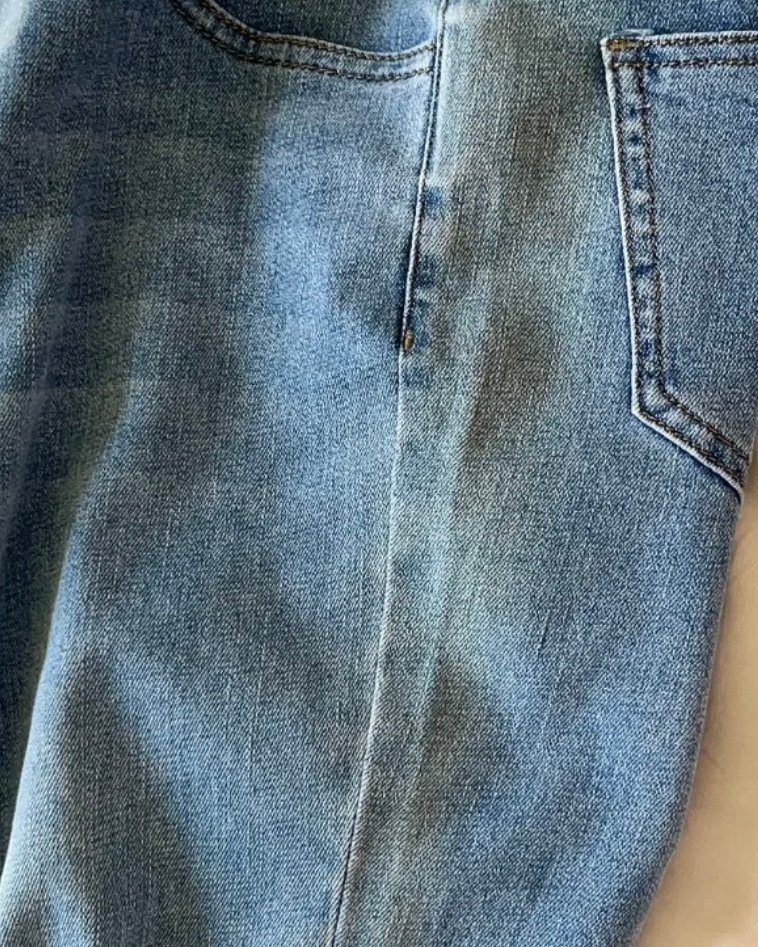
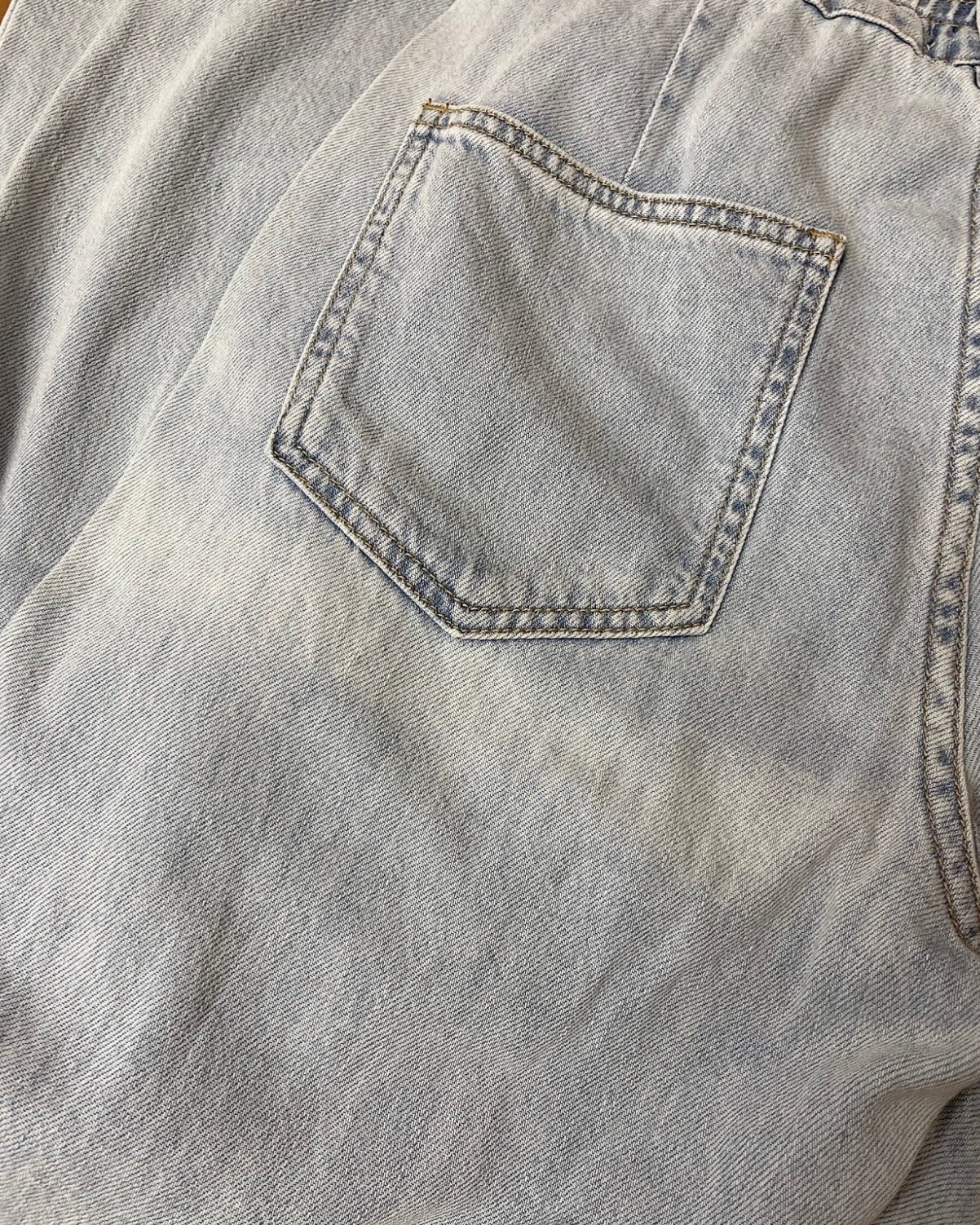
ตัวยึดตำแหน่งรูปภาพ: ภาพถ่ายก่อนและหลังของกางเกงยีนส์สีอ่อนที่แสดงเอฟเฟกต์สีเหลือง
ข้อมูลเชิงลึกจากผู้เชี่ยวชาญ
เสียงจากอุตสาหกรรมตอกย้ำกลยุทธ์เหล่านี้:
- น้ำยาปรับผ้านุ่มป้องกันโอโซน: สร้างฟิล์มป้องกันสีย้อมจากโอโซน (Textile Learner)
- การบำรุงรักษา: การจัดเก็บที่สะอาดและมีอากาศถ่ายเทช่วยลดมลพิษ
- เคล็ดลับผู้บริโภคเลวีสแนะนำให้เลื่อนการซักครั้งแรกออกไป เพื่อให้สีของเสื้อผ้าเปลี่ยนไปอย่างเป็นธรรมชาติ ซึ่งสอดคล้องกับแนวคิด “วะบิ-ซาบิ” ของญี่ปุ่น
บทสรุป
การแก้ปัญหาต้นตอของการเกิดสีเหลือง เช่น สารเคมีตกค้าง การสัมผัสกับสิ่งแวดล้อม และพฤติกรรมการใช้งาน ทำให้ผู้ผลิตสามารถปรับปรุงคุณภาพได้ ขั้นตอนสำคัญ ได้แก่ การควบคุมการผลิตที่เข้มงวด การจัดเก็บที่เหมาะสมที่สุด และคำแนะนำสำหรับผู้บริโภคที่ชัดเจน ด้วยการสนับสนุนจากวิทยาศาสตร์และความเชี่ยวชาญ ความพยายามเหล่านี้รับประกันความทนทานและกางเกงยีนส์ที่บริสุทธิ์ เสริมสร้างความพึงพอใจและความแข็งแกร่งของแบรนด์ในตลาดที่มีการแข่งขัน
บริการปรับแต่งโดย LYDENIM
🎨 อยากได้ ผ้าเดนิมที่กำหนดเอง หรือ ไม่ซ้ำกัน เสื้อผ้าเดนิมที่กำหนดเอง? LYDENIM เชี่ยวชาญด้านโซลูชันที่ออกแบบเฉพาะเพื่อตอบสนองความต้องการด้านการออกแบบและการผลิตของคุณ
🛍️ สำรวจและหาแรงบันดาลใจกันเถอะ!: เลือกดูผ้าที่เราคัดสรรและค้นพบแนวคิดการออกแบบได้ที่ ลีเดนิม.
🌐 เสื้อผ้ายืดหยุ่น: ตรวจสอบข้อเสนอของเราได้ที่ อาลีบาบาของฉัน. 📩 ติดต่อเรา: ติดต่อได้ที่ Malone@lydenim.com.
สร้างสรรค์ผลงานเดนิมชิ้นเอกของคุณด้วย LYDENIM ซึ่งเป็นพันธมิตรที่คุณไว้วางใจ ผ้ายืด และ โซลูชั่นเดนิมแบบกำหนดเอง.
คำถามที่พบบ่อย
สามารถปรับแต่งให้เหมาะกับแบรนด์หรือคอลเลกชันของฉันได้หรือไม่?
ใช่ ส่งใบสมัคร รูปภาพอ้างอิง คุณภาพเป้าหมาย ปริมาณ และข้อกำหนดของตลาด เพื่อให้ซัพพลายเออร์สามารถแนะนำตัวเลือกผ้า เครื่องแต่งกาย หรือการตกแต่งที่เหมาะสมได้
ฉันควรส่งข้อมูลอะไรบ้างก่อนที่จะขอใบเสนอราคา?
จัดเตรียมประเภทผลิตภัณฑ์ ผ้าหรือเทคนิคเป้าหมาย ทิศทางสี ความต้องการตัวอย่าง ปริมาณ ประเทศปลายทาง และระยะเวลารอคอยสินค้าที่คาดหวัง
ฉันควรขอตัวอย่างก่อนการผลิตจำนวนมากหรือไม่
ใช่ ตัวอย่างและระยะตัวอย่างจะช่วยลดความเสี่ยงก่อนสั่งซื้อจำนวนมาก โดยเฉพาะอย่างยิ่งเมื่อคุณภาพสี ความรู้สึกทางมือ การยืด พื้นผิว หรือการตกแต่งมีความสำคัญ
ฉันจะหลีกเลี่ยงปัญหาด้านคุณภาพในคำสั่งซื้อจำนวนมากได้อย่างไร
อนุมัติมาตรฐานตัวอย่างที่ชัดเจน กำหนดข้อกำหนดในการทดสอบ ยืนยันความคลาดเคลื่อน และเปรียบเทียบผลผลิตจำนวนมากกับตัวอย่างที่ได้รับอนุมัติก่อนจัดส่ง
ต้องการความช่วยเหลือในการเปลี่ยนสิ่งนี้ให้เป็นบรีฟการจัดหาที่พร้อมสำหรับการผลิตหรือไม่
ส่งสินค้าเป้าหมายของคุณ ทิศทางผ้า ปริมาณ และความต้องการตัวอย่าง LY Denim สามารถช่วยเปรียบเทียบตัวเลือกและเตรียมใบเสนอราคาได้