


วิธียืดกางเกงยีนส์ของคุณอย่างมีประสิทธิภาพและรักษายีนส์ให้อยู่ในสภาพสมบูรณ์
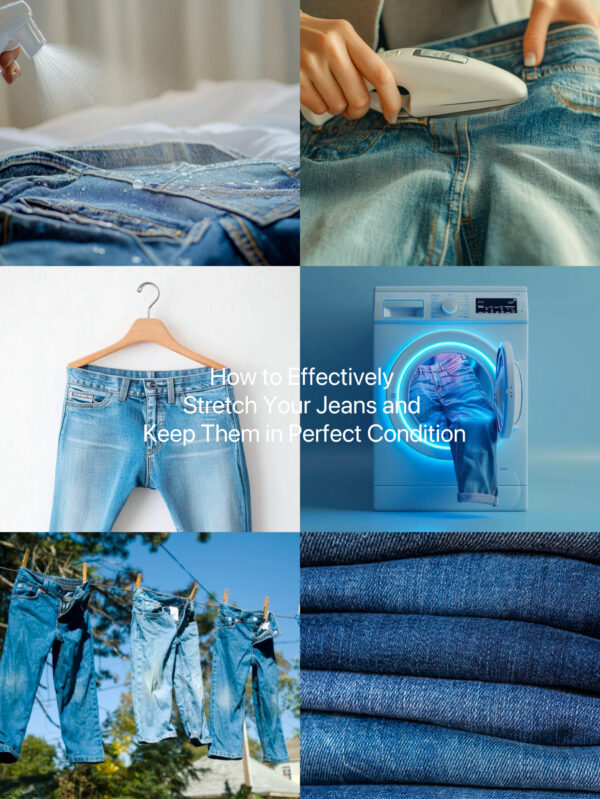
วิธียืดกางเกงยีนส์ของคุณอย่างมีประสิทธิภาพและรักษายีนส์ให้อยู่ในสภาพสมบูรณ์
เวลาอ่านประมาณ: ~6 นาที บทนำ: เสื้อผ้าเดนิมเป็นไอเท็มพื้นฐานในห้องแต่งตัวที่ใช้ได้ทุกโอกาส ไม่ว่าจะเป็นงานสังสรรค์หรืองานทางการ แต่อาจเกิดปัญหาได้หากซักผ้าไม่ถูกวิธี สวมใส่บ่อยครั้ง หรือเนื้อผ้าเปลี่ยนแปลงไป
สรุปผู้ซื้อ
บทความนี้จัดทำขึ้นเพื่อเป็นแนวทางในการจัดหา B2B เพื่อให้ผู้ซื้อสามารถเปลี่ยนจากการค้นคว้าไปสู่คำขอตัวอย่างโดยมีรายละเอียดที่ขาดหายไปน้อยลง
- ผู้ซื้อที่เหมาะสมแบรนด์แฟชั่น ทีมจัดหา ผู้ค้าส่ง โรงงานตัดเย็บเสื้อผ้า และผู้พัฒนาผลิตภัณฑ์
- สิ่งที่ต้องยืนยันเป้าหมายผลิตภัณฑ์ ทิศทางของผ้า ผิวสำเร็จ ความต้องการตัวอย่าง ปริมาณ และตลาดการจัดส่ง
- ความเสี่ยงของผู้ซื้อข้อมูลจำเพาะที่ไม่ชัดเจนอาจนำไปสู่ตัวอย่างที่ไม่ถูกต้อง คุณภาพปริมาณมากไม่แน่นอน และการเสนอราคาที่ช้า
- CTA ที่แนะนำขอตัวอย่างหรือใบเสนอราคาตัวอย่างก่อนที่จะดำเนินการผลิตจำนวนมาก
เหตุใดจึงสำคัญสำหรับผู้ซื้อ B2B
ใช้สรุป ตาราง และรายการตรวจสอบเพื่อเตรียมการซักถามที่ชัดเจนยิ่งขึ้น
เวลาอ่านประมาณ: ~6 นาที บทนำ: เสื้อผ้าเดนิมเป็นไอเท็มพื้นฐานในห้องแต่งตัวที่ใช้ได้ทุกโอกาส ไม่ว่าจะเป็นงานสังสรรค์หรืองานทางการ แต่อาจเกิดปัญหาได้หากซักผ้าไม่ถูกวิธี สวมใส่บ่อยครั้ง หรือเนื้อผ้าเปลี่ยนแปลงไป
ตารางข้อมูลจำเพาะสำหรับการจัดหาที่เร็วขึ้น
| จุดตัดสินใจ | ตัวเลือกในการเปรียบเทียบ | ทำไมมันถึงสำคัญ | คำถามของผู้ซื้อ |
|---|---|---|---|
| เป้าหมายของผู้ซื้อ | การวิจัย การขอตัวอย่าง การพัฒนาผลิตภัณฑ์ การจัดหาจำนวนมาก | ชี้แจงสิ่งที่บทความควรช่วยให้ผู้อ่านดำเนินการต่อไป | ผู้ซื้อต้องตัดสินใจอะไรบ้าง? |
| การประยุกต์ใช้ผลิตภัณฑ์ | กางเกงยีนส์ แจ็คเก็ต เสื้อเชิ้ต กระโปรง สตรีทแวร์ หรือชุดทำงาน | เชื่อมโยงความรู้เข้ากับความต้องการในการผลิตจริง | ผ้าหรือเทคนิคนี้จะใช้ที่ไหน? |
| การปรับแต่ง | สี น้ำหนัก องค์ประกอบ การตกแต่ง ลวดลาย หรือการตกแต่ง | เปลี่ยนการอ่านเป็นการสรุปการจัดหา | ควรปรับแต่งอะไรบ้าง? |
| ขั้นตอนต่อไป | สวอตช์, ระยะตัวอย่าง, ใบเสนอราคา, การยืนยัน QC | ย้ายผู้อ่านไปสู่การสอบถาม | ข้อมูลใดบ้างที่ควรถูกส่งไปยังซัพพลายเออร์? |
แอปพลิเคชันและตัวเลือกแบบกำหนดเอง
การพัฒนาผลิตภัณฑ์
ใช้คู่มือนี้เพื่อเปลี่ยนแนวคิดการออกแบบให้เป็นข้อกำหนดด้านเนื้อผ้า เครื่องแต่งกาย การตกแต่ง และตัวอย่าง
การเปรียบเทียบซัพพลายเออร์
เปรียบเทียบซัพพลายเออร์ตามการสนับสนุนตัวอย่าง ความชัดเจนทางเทคนิค ความเสถียรของปริมาณรวม และความเร็วในการสื่อสาร
การผลิตจำนวนมาก
ยืนยันมาตรฐานคุณภาพ ตัวอย่างที่ได้รับอนุมัติ และไทม์ไลน์ก่อนสั่งผลิต
จุดควบคุมคุณภาพก่อนสั่งซื้อจำนวนมาก
- OKการอนุมัติตัวอย่าง: ยืนยันผ้า สี ความรู้สึกมือ โครงสร้าง และการตกแต่งก่อนการผลิตจำนวนมาก
- OKความสม่ำเสมอเป็นกลุ่ม: เปรียบเทียบล็อตจำนวนมากกับตัวอย่างที่ได้รับอนุมัติภายใต้แสงและสภาวะการทดสอบเดียวกัน
- OKการทดสอบประสิทธิภาพ: ตรวจสอบการหดตัว ความคงทนของสี การยืดตัวคืนสภาพ หรือความทนทานของการตกแต่งตามที่เกี่ยวข้อง
- OKความชัดเจนของคำพูด: ส่งปริมาณ ปลายทาง ความต้องการบรรจุภัณฑ์ และเวลานำเป้าหมายเพื่อหลีกเลี่ยงการกำหนดราคาที่คลุมเครือ
กระบวนการพัฒนาตัวอย่าง
| ขั้นตอน | ผู้ซื้อจัดให้ | ซัพพลายเออร์ยืนยัน |
|---|---|---|
| 1. บรีฟ | การใช้งาน รูปภาพอ้างอิง คุณภาพและปริมาณเป้าหมาย | ความเป็นไปได้ วัสดุที่แนะนำ และตัวเลือกแบบกำหนดเอง |
| 2. สวอตช์ผ้า | สี สัมผัสมือ รูปแบบ หรือการตอบสนองขั้นสุดท้ายที่ต้องการ | สต็อกที่มีอยู่ ทิศทางที่กำหนดเอง และต้นทุนตัวอย่าง |
| 3. ตัวอย่าง | แผนการทดสอบเสื้อผ้า ขนาด หรือความต้องการระยะ | เส้นเวลาการสุ่มตัวอย่างและความสามารถในการทำซ้ำของการผลิต |
| 4. ใบเสนอราคาจำนวนมาก | ปริมาณการสั่งซื้อ ปลายทางการจัดส่ง และความต้องการบรรจุภัณฑ์ | ราคาต่อหน่วย, ขั้นต่ำ, เวลานำและจุดตรวจควบคุมคุณภาพ |
คู่มือโดยละเอียด
เวลาอ่านโดยประมาณ: ~6 นาที
บทนำ
กางเกงยีนส์เป็นไอเทมหลักในตู้เสื้อผ้าเหนือกาลเวลา ใช้งานได้หลากหลายเพื่อให้เหมาะกับทั้งโอกาสลำลองและเป็นทางการ อย่างไรก็ตาม เนื่องจากการซักที่ไม่เหมาะสม การสวมใส่บ่อยครั้ง หรือความตึงของผ้าที่เปลี่ยนแปลง กางเกงยีนส์จึงอาจรัดรูปเกินไปจนส่งผลต่อความสบาย คู่มือฉบับสมบูรณ์นี้รวมข้อมูลเชิงลึกจากหลายแหล่งเพื่อช่วยให้คุณยืดกางเกงยีนส์ได้อย่างมีประสิทธิภาพและรักษากางเกงยีนส์ให้อยู่ในสภาพดีเยี่ยม
1. ทำไมยีนส์ถึงรัดรูป?
แนวทางปฏิบัติในการซักผ้า
ผ้าเดนิมมีความไวต่อความร้อนสูง การซักด้วยน้ำร้อนหรือการอบแห้งด้วยความร้อนสูงอาจทำให้เส้นใยหดตัว ส่งผลให้กางเกงยีนส์ตึงขึ้น
📌 เคล็ดลับ: ซักกางเกงยีนส์ด้วยน้ำเย็นเสมอ และหลีกเลี่ยงการใช้เครื่องอบผ้าที่มีอุณหภูมิสูง
คุณสมบัติของวัสดุ
กางเกงยีนส์ที่เพิ่งซื้อใหม่ โดยเฉพาะผ้าเดนิมดิบ อาจรู้สึกกระชับในช่วงแรก แต่จะหลวมลงตามธรรมชาติเมื่อสวมใส่
นิสัยการสวมใส่
การสวมใส่เป็นเวลานานในสภาพแวดล้อมที่ร้อนหรือชื้นอาจทำให้เส้นใยหดตัว ส่งผลให้กางเกงยีนส์รู้สึกแน่นขึ้นเมื่อเวลาผ่านไป
2. วิธีการยืดกางเกงยีนส์ที่มีประสิทธิภาพ
ต่อไปนี้เป็นวิธีการยืดกางเกงยีนส์ที่ได้รับการพิสูจน์แล้วหลายวิธี ซึ่งแต่ละวิธีได้รับการปรับให้เหมาะกับความต้องการเฉพาะ
2.1. วิธีการยืดน้ำอุ่น
ขั้นตอน:
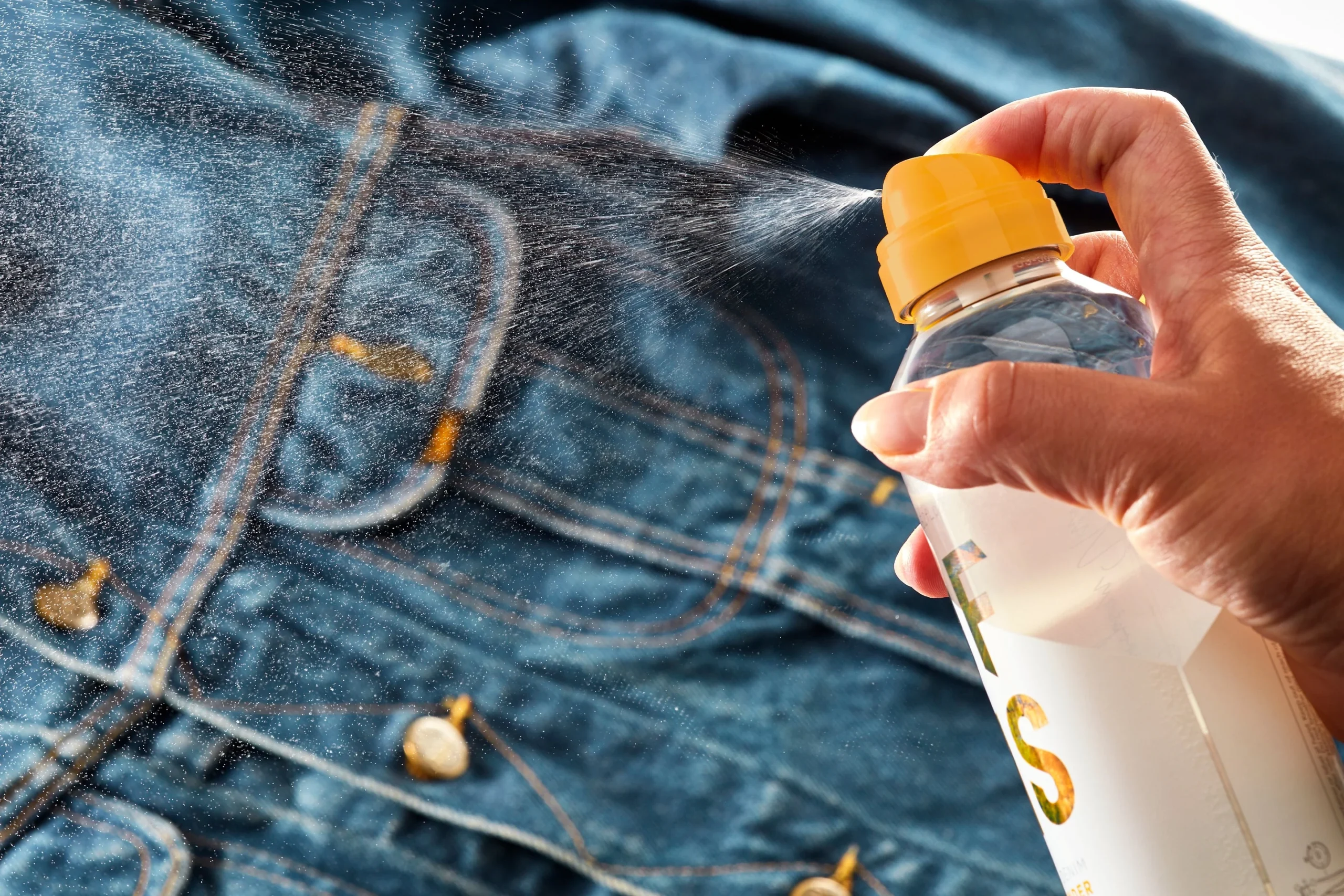
- เติมน้ำอุ่นในขวดสเปรย์แล้วฉีดให้ทั่วบริเวณที่คุณต้องการยืดตัว
- ใช้มือของคุณยืดบริเวณเหล่านั้นหรือสวมกางเกงยีนส์ที่ชื้นแล้วขยับไปรอบๆ เป็นเวลา 10–15 นาที
ดีที่สุดสำหรับ: ปรับบริเวณเฉพาะ เช่น ขอบเอว หรือต้นขา
ยืดกางเกงยีนส์ด้วยน้ำ
2.2. วิธีการแช่และสวม
ขั้นตอน:
- จุ่มกางเกงยีนส์ลงในน้ำอุ่นจนสุด ค่อยๆ บิดออก และสวมใส่ในขณะที่ชื้น
- ออกกำลังกายเบาๆ เช่น สควอทหรือลันจ์ เป็นเวลาประมาณ 30 นาทีจนกระทั่งยีนส์กึ่งแห้ง
สิทธิประโยชน์: ช่วยให้สามารถปรับโดยรวมให้เข้ากับรูปร่างของคุณได้
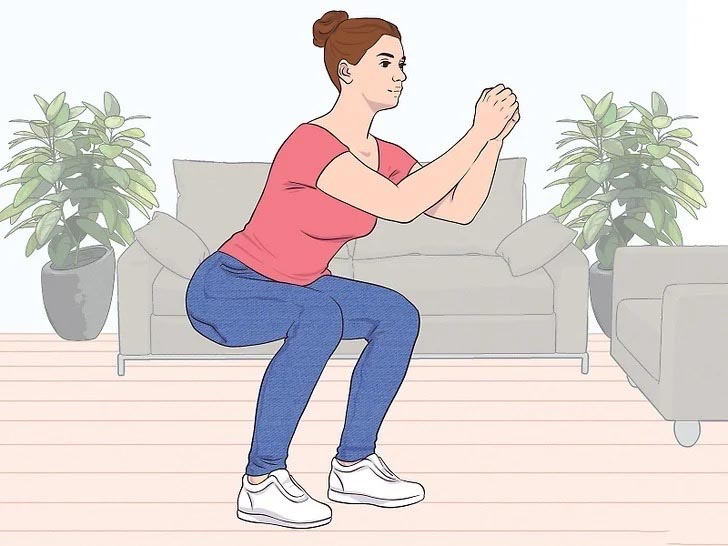
สเปรย์น้ำอุ่นบริเวณที่สำคัญ (เอว ต้นขา) จากนั้นสวมกางเกงยีนส์ที่เปียกหมาดๆ และทำท่าต่างๆ เช่น สควอทหรือลันจ์จนแห้ง วิธีการใช้ความร้อน (เครื่องเป่าผมหรือเครื่องพ่นไอน้ำ) บวกกับการดึงด้วยมือช่วยเพิ่มผลลัพธ์ สำหรับสายรัดเอวเท่านั้น ให้ใช้เปลหามข้ามคืน สิ่งนี้จะผ่อนคลายเส้นใยเดนิมเพื่อให้สวมใส่ได้พอดียิ่งขึ้น — แหล่งที่มา: Cosmopolitan, Mott & Bow
3. วิธีการยืดกล้ามเนื้อโดยใช้ผ้าขนหนูช่วย
ขั้นตอน:
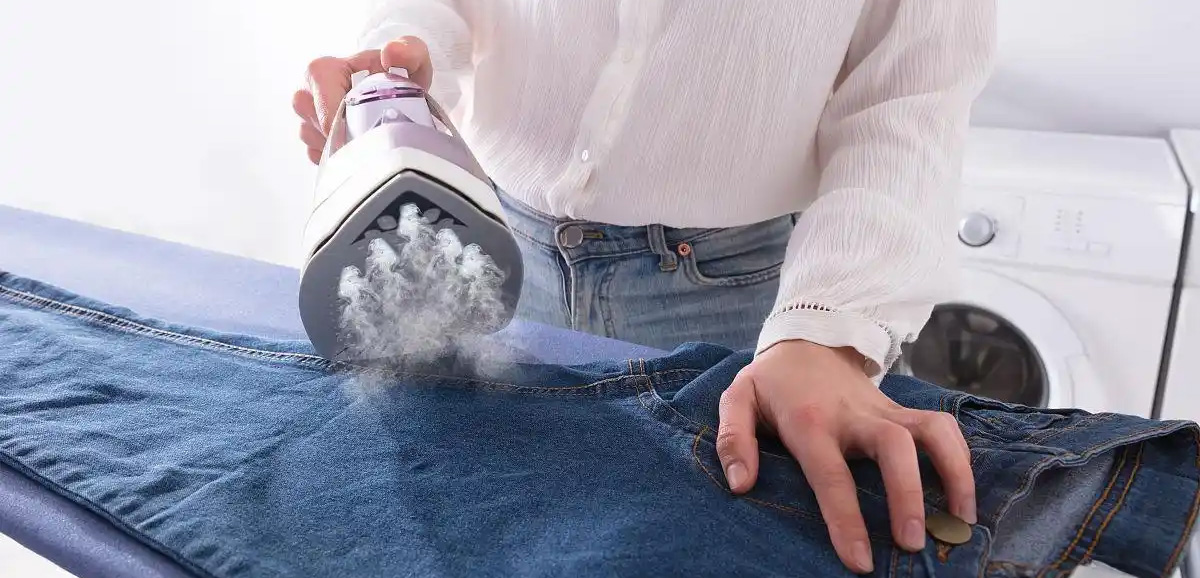
- วางผ้าชุบน้ำหมาดๆ ไว้บนบริเวณที่คุณต้องการยืด
- ใช้เตารีดด้วยไฟปานกลางเพื่อรีดเส้นใยเพื่อความผ่อนคลาย
ดีที่สุดสำหรับ: การปรับเปลี่ยนตามเป้าหมาย เช่น หัวเข่าหรือสะโพก
ใช้ความร้อนในการยืดกางเกงยีนส์
4. เครื่องมือระดับมืออาชีพสำหรับการยืดกล้ามเนื้อ
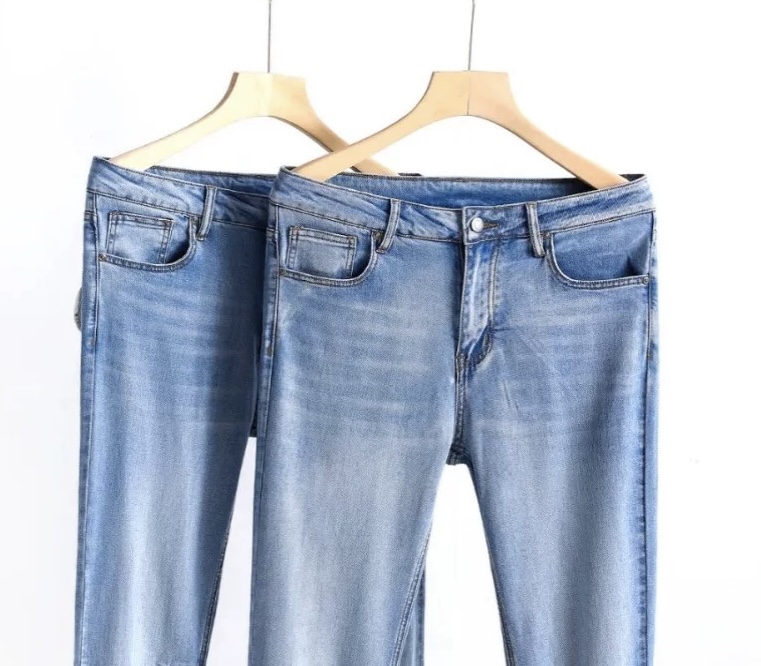
เครื่องมือ: อุปกรณ์ยืดสายคาดเอว ที่หนีบ หรือเปลหาม
ขั้นตอน:
- ติดเครื่องมือเข้ากับพื้นที่เป้าหมายแล้วค่อยๆ ปรับขนาดให้เป็นขนาดที่คุณต้องการ
- ทิ้งไว้ข้ามคืนเพื่อให้เส้นใยยืดตัวตามธรรมชาติ
ดีที่สุดสำหรับ: การแก้ไขด่วนสำหรับภูมิภาคเฉพาะขอบเอวยีนส์ยืด
5. บริการดัดแปลงอย่างมืออาชีพ
สำหรับการปรับขนาดที่สำคัญ ลองไปพบช่างตัดเสื้อที่สามารถเพิ่มแผงผ้าหรือปรับเปลี่ยนได้อย่างแม่นยำเพื่อเพิ่มความสบายและความพอดี

6. เคล็ดลับในการดูแลรักษายีนส์ทุกวัน
เพื่อป้องกันไม่ให้กางเกงยีนส์กลับมารัดแน่นอีกครั้ง การบำรุงรักษาอย่างเหมาะสมจึงเป็นสิ่งสำคัญ
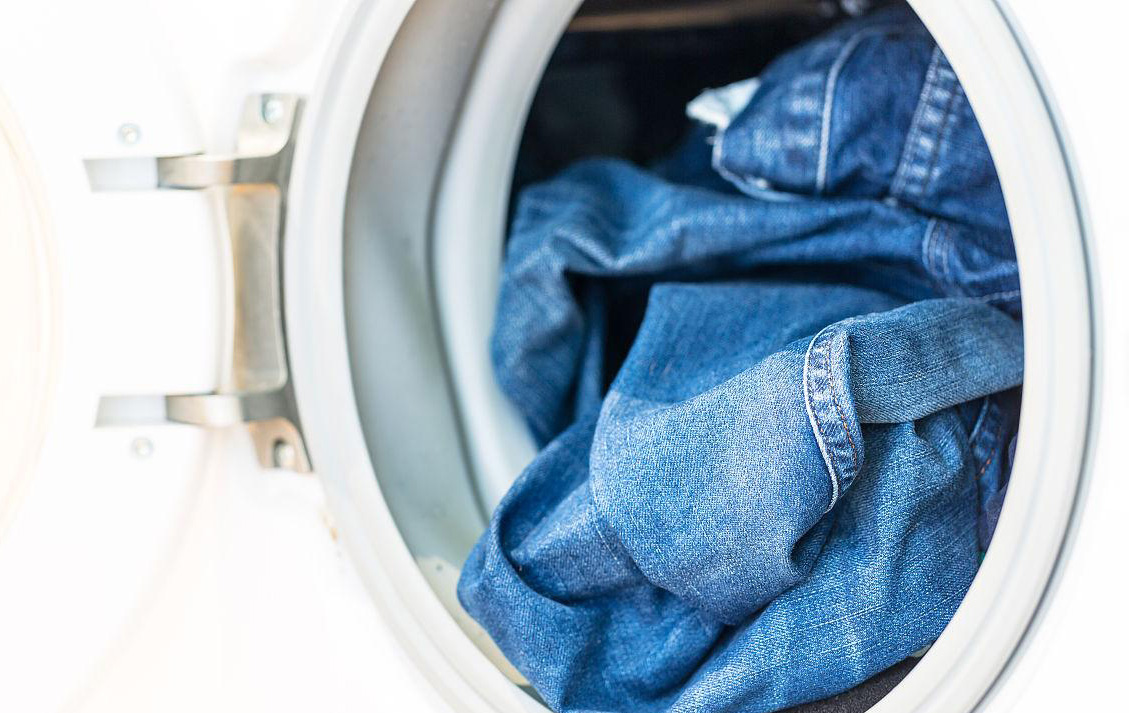
1. เคล็ดลับการซัก
- ใช้น้ำเย็นกับผงซักฟอกสูตรอ่อนโยนเสมอเพื่อปกป้องผ้า
- ซักกางเกงยีนส์เมื่อจำเป็นเท่านั้นเพื่อลดการสึกหรอของเส้นใย
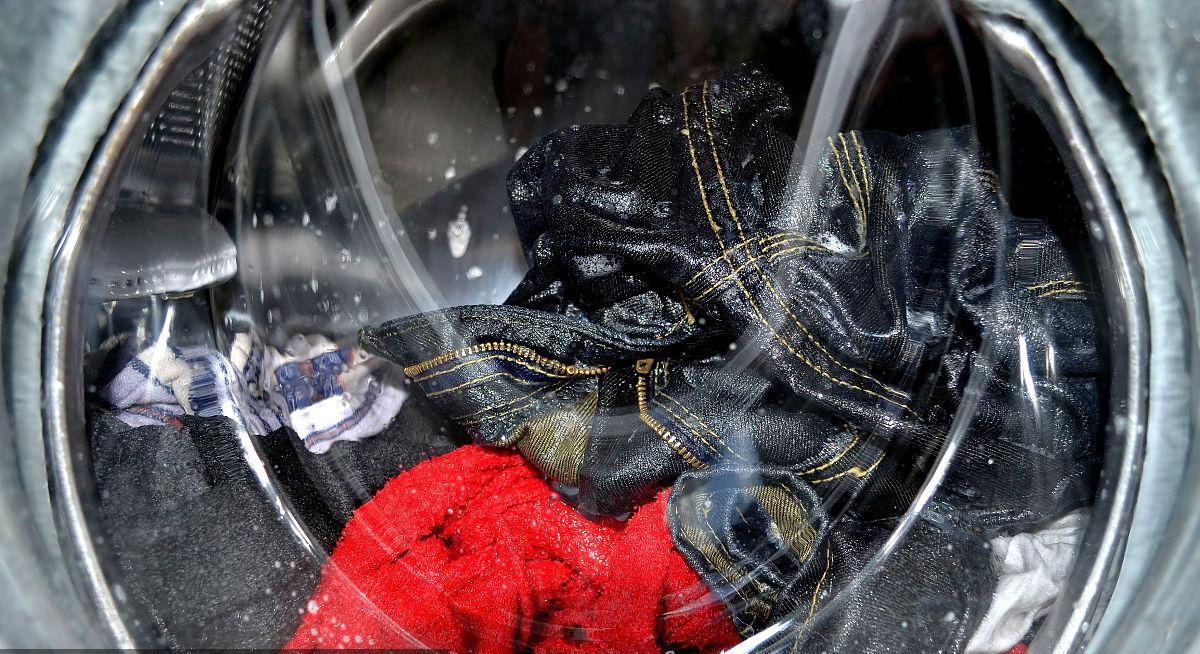
เครื่องซักผ้าเพื่อซักกางเกงยีนส์
2. เทคนิคการอบแห้งที่เหมาะสม
- หลีกเลี่ยงเครื่องอบผ้า ให้ใช้ยีนส์ตากแห้งตามธรรมชาติแทนเพื่อป้องกันการหดตัวของเส้นใย
- เมื่อแขวนกางเกงยีนส์ ให้วางราบเพื่อหลีกเลี่ยงการบิดเบี้ยว

3. การสวมใส่และการจัดเก็บอย่างชาญฉลาด
- ปล่อยให้กางเกงยีนส์ได้พักหลังจากสวมใส่เป็นเวลานานเพื่อให้กลับมามีความยืดหยุ่นอีกครั้ง
- เก็บกางเกงยีนส์ไว้ในที่แห้งและระบายอากาศได้ดีเพื่อป้องกันความชื้นหรือกลิ่น
บทสรุป
เนื่องจากเป็นแฟชั่นหลักที่อยู่เหนือกาลเวลา กางเกงยีนส์จึงต้องได้รับการดูแลอย่างเหมาะสมและการปรับเปลี่ยนเป็นครั้งคราวเพื่อรักษาความสบายและความพอดี เมื่อปฏิบัติตามเทคนิคการยืดและเคล็ดลับการบำรุงรักษาตามที่ระบุไว้ในที่นี้ กางเกงยีนส์ของคุณจะยังคงมีสไตล์และสวมใส่สบายเช่นเคย
บริการปรับแต่งโดย LYDENIM
🎨 อยากได้ ผ้าเดนิมที่กำหนดเอง หรือ ไม่ซ้ำกัน เสื้อผ้าเดนิมที่กำหนดเอง? LYDENIM เชี่ยวชาญด้านโซลูชันที่ออกแบบเฉพาะเพื่อตอบสนองความต้องการด้านการออกแบบและการผลิตของคุณ
🛍️ สำรวจและหาแรงบันดาลใจกันเถอะ!: เลือกดูผ้าที่เราคัดสรรและค้นพบแนวคิดการออกแบบได้ที่ ลีเดนิม.
🌐 เสื้อผ้ายืดหยุ่น: ตรวจสอบข้อเสนอของเราได้ที่ อาลีบาบาของฉัน. 📩 ติดต่อเรา: ติดต่อได้ที่ Malone@lydenim.com.
สร้างสรรค์ผลงานเดนิมชิ้นเอกของคุณด้วย LYDENIM ซึ่งเป็นพันธมิตรที่คุณไว้วางใจ ผ้ายืด และ โซลูชั่นเดนิมแบบกำหนดเอง.
คำถามที่พบบ่อย
สามารถปรับแต่งให้เหมาะกับแบรนด์หรือคอลเลกชันของฉันได้หรือไม่?
ใช่ ส่งใบสมัคร รูปภาพอ้างอิง คุณภาพเป้าหมาย ปริมาณ และข้อกำหนดของตลาด เพื่อให้ซัพพลายเออร์สามารถแนะนำตัวเลือกผ้า เครื่องแต่งกาย หรือการตกแต่งที่เหมาะสมได้
ฉันควรส่งข้อมูลอะไรบ้างก่อนที่จะขอใบเสนอราคา?
จัดเตรียมประเภทผลิตภัณฑ์ ผ้าหรือเทคนิคเป้าหมาย ทิศทางสี ความต้องการตัวอย่าง ปริมาณ ประเทศปลายทาง และระยะเวลารอคอยสินค้าที่คาดหวัง
ฉันควรขอตัวอย่างก่อนการผลิตจำนวนมากหรือไม่
ใช่ ตัวอย่างและระยะตัวอย่างจะช่วยลดความเสี่ยงก่อนสั่งซื้อจำนวนมาก โดยเฉพาะอย่างยิ่งเมื่อคุณภาพสี ความรู้สึกทางมือ การยืด พื้นผิว หรือการตกแต่งมีความสำคัญ
ฉันจะหลีกเลี่ยงปัญหาด้านคุณภาพในคำสั่งซื้อจำนวนมากได้อย่างไร
อนุมัติมาตรฐานตัวอย่างที่ชัดเจน กำหนดข้อกำหนดในการทดสอบ ยืนยันความคลาดเคลื่อน และเปรียบเทียบผลผลิตจำนวนมากกับตัวอย่างที่ได้รับอนุมัติก่อนจัดส่ง
ต้องการความช่วยเหลือในการเปลี่ยนสิ่งนี้ให้เป็นบรีฟการจัดหาที่พร้อมสำหรับการผลิตหรือไม่
ส่งสินค้าเป้าหมายของคุณ ทิศทางผ้า ปริมาณ และความต้องการตัวอย่าง LY Denim สามารถช่วยเปรียบเทียบตัวเลือกและเตรียมใบเสนอราคาได้