


เรื่องราวของฝ้าย-ลักษณะของฝ้าย
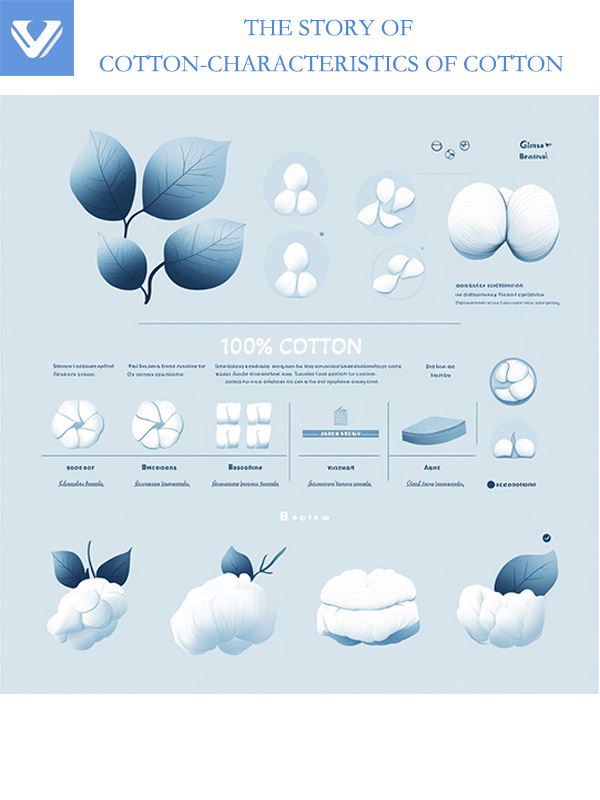
เรื่องราวของฝ้าย-ลักษณะของฝ้าย
เรียนรู้วิธีเลือกผ้าฝ้ายที่ดีที่สุดตามประเภท แหล่งกำเนิด และการใช้งาน จากบริสุทธิ์ไปจนถึงแบบผสม สำรวจตัวเลือกทั้งหมด เวลาในการอ่านโดยประมาณ: ~5 นาที
สรุปผู้ซื้อ
สำหรับผู้ซื้อผ้า B2B หัวข้อนี้ควรช่วยเปรียบเทียบองค์ประกอบ น้ำหนัก สัมผัสมือ การยืด การตกแต่ง ขั้นต่ำ และความเสถียรในการผลิตก่อนสุ่มตัวอย่าง
- ผู้ซื้อที่เหมาะสมแบรนด์แฟชั่น ทีมจัดหา ผู้ค้าส่ง โรงงานตัดเย็บเสื้อผ้า และผู้พัฒนาผลิตภัณฑ์
- สิ่งที่ต้องยืนยันเป้าหมายผลิตภัณฑ์ ทิศทางของผ้า ผิวสำเร็จ ความต้องการตัวอย่าง ปริมาณ และตลาดการจัดส่ง
- ความเสี่ยงของผู้ซื้อข้อมูลจำเพาะที่ไม่ชัดเจนอาจนำไปสู่ตัวอย่างที่ไม่ถูกต้อง คุณภาพปริมาณมากไม่แน่นอน และการเสนอราคาที่ช้า
- CTA ที่แนะนำขอตัวอย่างหรือใบเสนอราคาตัวอย่างก่อนที่จะดำเนินการผลิตจำนวนมาก
เหตุใดจึงสำคัญสำหรับผู้ซื้อ B2B
ยืนยันการใช้งาน ลักษณะผ้าเป้าหมาย ทิศทางสี และปริมาณจำนวนมากก่อนขอใบเสนอราคา
เรียนรู้วิธีเลือกผ้าฝ้ายที่ดีที่สุดตามประเภท แหล่งกำเนิด และการใช้งาน จากบริสุทธิ์ไปจนถึงแบบผสม สำรวจตัวเลือกทั้งหมด เวลาในการอ่านโดยประมาณ: ~5 นาที
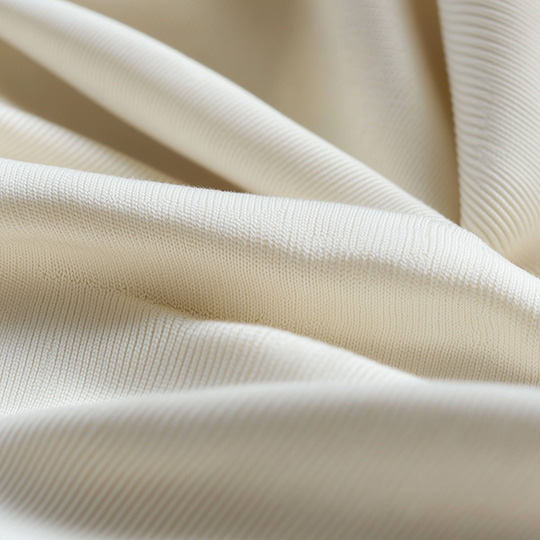
ตารางข้อมูลจำเพาะสำหรับการจัดหาที่เร็วขึ้น
| จุดตัดสินใจ | ตัวเลือกในการเปรียบเทียบ | ทำไมมันถึงสำคัญ | คำถามของผู้ซื้อ |
|---|---|---|---|
| ฐานผ้า | ผ้าฝ้าย ผ้าผสม ผ้าเดนิมยืด ผ้าแจ็คการ์ด ผ้าฟล็อคด์ หรือผ้าเดนิมชนิดพิเศษ | ควบคุมความรู้สึกมือ ความทนทาน และตำแหน่งราคา | ผ้าชนิดนี้มีไว้เพื่อผลิตภัณฑ์ประเภทใด? |
| น้ำหนัก | โครงสร้างเบา กลาง หรือหนัก | ส่งผลต่อผ้าม่าน ฤดูกาล ประเภทเสื้อผ้า และค่าขนส่ง | คุณต้องการเสื้อเชิ้ต แจ็คเก็ต กางเกงยีนส์ หรือเสื้อผ้าที่มีโครงสร้างหรือไม่? |
| เสร็จสิ้น | สี ซัก เคลือบ ฟอก แจ็กการ์ด หรือทำให้อ่อนลง | กำหนดลักษณะที่ปรากฏขั้นสุดท้ายและการสัมผัสของลูกค้า | คุณคาดหวังถึงความรู้สึกสัมผัสมือและการซักแบบใด? |
| แผนการจัดหา | สวอตช์, ระยะตัวอย่าง, ล็อตจำนวนมาก | ลดความเสี่ยงก่อนการผลิต | ควรเสนอราคาตลาดปริมาณและการจัดส่งเท่าใด |
แอปพลิเคชันและตัวเลือกแบบกำหนดเอง
การพัฒนาผลิตภัณฑ์
ใช้คู่มือนี้เพื่อเปลี่ยนแนวคิดการออกแบบให้เป็นข้อกำหนดด้านเนื้อผ้า เครื่องแต่งกาย การตกแต่ง และตัวอย่าง
การเปรียบเทียบซัพพลายเออร์
เปรียบเทียบซัพพลายเออร์ตามการสนับสนุนตัวอย่าง ความชัดเจนทางเทคนิค ความเสถียรของปริมาณรวม และความเร็วในการสื่อสาร
การผลิตจำนวนมาก
ยืนยันมาตรฐานคุณภาพ ตัวอย่างที่ได้รับอนุมัติ และไทม์ไลน์ก่อนสั่งผลิต
จุดควบคุมคุณภาพก่อนสั่งซื้อจำนวนมาก
- OKการอนุมัติตัวอย่าง: ยืนยันผ้า สี ความรู้สึกมือ โครงสร้าง และการตกแต่งก่อนการผลิตจำนวนมาก
- OKความสม่ำเสมอเป็นกลุ่ม: เปรียบเทียบล็อตจำนวนมากกับตัวอย่างที่ได้รับอนุมัติภายใต้แสงและสภาวะการทดสอบเดียวกัน
- OKการทดสอบประสิทธิภาพ: ตรวจสอบการหดตัว ความคงทนของสี การยืดตัวคืนสภาพ หรือความทนทานของการตกแต่งตามที่เกี่ยวข้อง
- OKความชัดเจนของคำพูด: ส่งปริมาณ ปลายทาง ความต้องการบรรจุภัณฑ์ และเวลานำเป้าหมายเพื่อหลีกเลี่ยงการกำหนดราคาที่คลุมเครือ
กระบวนการพัฒนาตัวอย่าง
| ขั้นตอน | ผู้ซื้อจัดให้ | ซัพพลายเออร์ยืนยัน |
|---|---|---|
| 1. บรีฟ | การใช้งาน รูปภาพอ้างอิง คุณภาพและปริมาณเป้าหมาย | ความเป็นไปได้ วัสดุที่แนะนำ และตัวเลือกแบบกำหนดเอง |
| 2. สวอตช์ผ้า | สี สัมผัสมือ รูปแบบ หรือการตอบสนองขั้นสุดท้ายที่ต้องการ | สต็อกที่มีอยู่ ทิศทางที่กำหนดเอง และต้นทุนตัวอย่าง |
| 3. ตัวอย่าง | แผนการทดสอบเสื้อผ้า ขนาด หรือความต้องการระยะ | เส้นเวลาการสุ่มตัวอย่างและความสามารถในการทำซ้ำของการผลิต |
| 4. ใบเสนอราคาจำนวนมาก | ปริมาณการสั่งซื้อ ปลายทางการจัดส่ง และความต้องการบรรจุภัณฑ์ | ราคาต่อหน่วย, ขั้นต่ำ, เวลานำและจุดตรวจควบคุมคุณภาพ |
คู่มือโดยละเอียด
เวลาอ่านโดยประมาณ: ~5 นาที
บทนำ
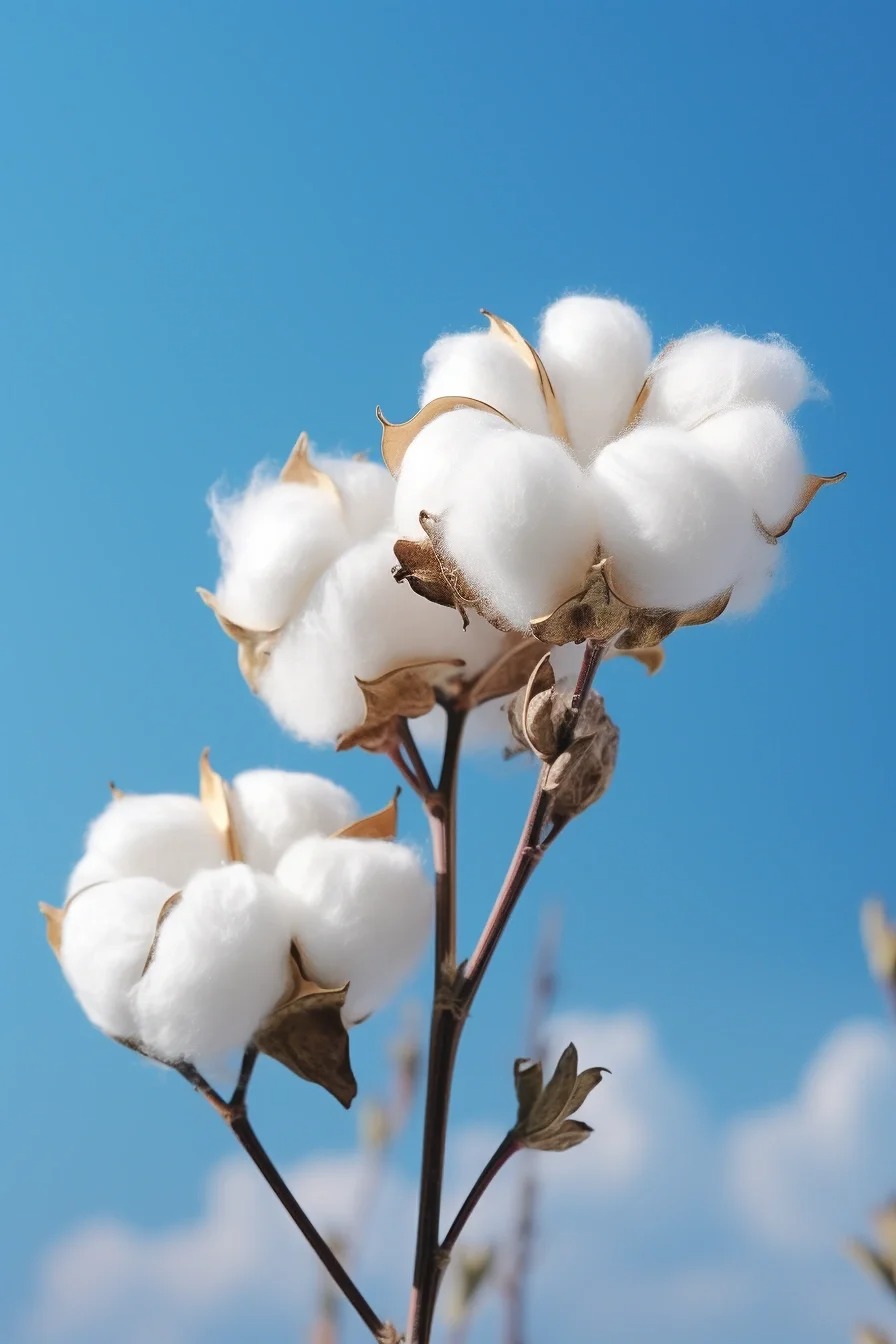
ผ้าฝ้ายซึ่งเป็นเส้นใยธรรมชาติเป็นรากฐานสำคัญของสิ่งทอเนื่องจากความนุ่ม การระบายอากาศ และความสามารถรอบด้าน ตั้งแต่เครื่องแต่งกายในชีวิตประจำวันไปจนถึงชุดเครื่องนอนที่หรูหรา ผ้าฝ้ายตอบสนองความต้องการที่หลากหลาย บทความนี้สำรวจการจำแนกประเภทของฝ้ายตามความบริสุทธิ์ แหล่งกำเนิด การแปรรูป คุณลักษณะของเส้นใย และกระบวนการผลิต โดยให้คำแนะนำโดยละเอียดเพื่อช่วยให้ผู้อ่านตัดสินใจเลือกเสื้อผ้าและสิ่งทอภายในบ้านอย่างมีข้อมูล
จำแนกตามความบริสุทธิ์
ความบริสุทธิ์ของฝ้ายเป็นตัวกำหนดว่าฝ้ายประกอบด้วยเส้นใยฝ้ายทั้งหมดหรือผสมกับวัสดุอื่นๆ
| ประเภท | คำนิยาม | ลักษณะ | การใช้งาน |
|---|---|---|---|
| ผ้าฝ้ายแท้ (ผ้าฝ้าย 100%) | ผ้าทำจากเส้นใยฝ้ายทั้งตัว | ระบายอากาศได้ดี ดูดซับได้ นุ่ม ไม่ก่อให้เกิดภูมิแพ้ | เสื้อยืด ชุดชั้นใน ผ้าปูที่นอน ผ้าเช็ดตัว |
| ผ้าฝ้ายผสม | ผ้าฝ้ายผสมกับเส้นใยเช่นสแปนเด็กซ์หรือโพลีเอสเตอร์ | เพิ่มความยืด ความทนทาน หรือความอบอุ่น | ชุดกีฬาเสื้อกางเกง |
- บริสุทธิ์ ผ้าฝ้าย (ผ้าฝ้าย 100%)
ผ้าฝ้ายบริสุทธิ์ขึ้นชื่อในเรื่องการระบายอากาศ การดูดซับความชื้น และความสบาย เหมาะสำหรับสภาพอากาศอบอุ่นและผิวแพ้ง่าย มักใช้กับเสื้อยืด ชุดชั้นใน ผ้าปูที่นอน และผ้าเช็ดตัว โปรดทราบว่า "ผ้าฝ้ายแท้" หรือ "ผ้าฝ้ายทั้งหมด" ควรหมายถึงผ้าฝ้าย 100% ไม่ใช่ผ้าผสมเช่นผ้าฝ้าย 10% กับโพลีเอสเตอร์ 90% ตรวจสอบฉลากเพื่อดูองค์ประกอบที่แน่นอนเสมอ
- ผ้าฝ้ายผสม
ผ้าฝ้ายผสมผสมผสานผ้าฝ้ายเข้ากับเส้นใยอื่นๆ เพื่อเพิ่มประสิทธิภาพการใช้งาน:- ผ้าฝ้าย-สแปนเด็กซ์ (ไลคร่า): โดยทั่วไปจะเป็นผ้าฝ้าย 95% และสแปนเด็กซ์ 5% ซึ่งให้ความยืดหยุ่นและการคืนตัวสำหรับชุดกีฬาและกางเกงยีนส์เข้ารูป
- ผ้าฝ้าย-โพลีเอสเตอร์: อัตราส่วนทั่วไป เช่น 60/40 หรือ 50/50 ช่วยป้องกันรอยยับและดูแลรักษาง่าย ใช้กับเสื้อเชิ้ตและกางเกง
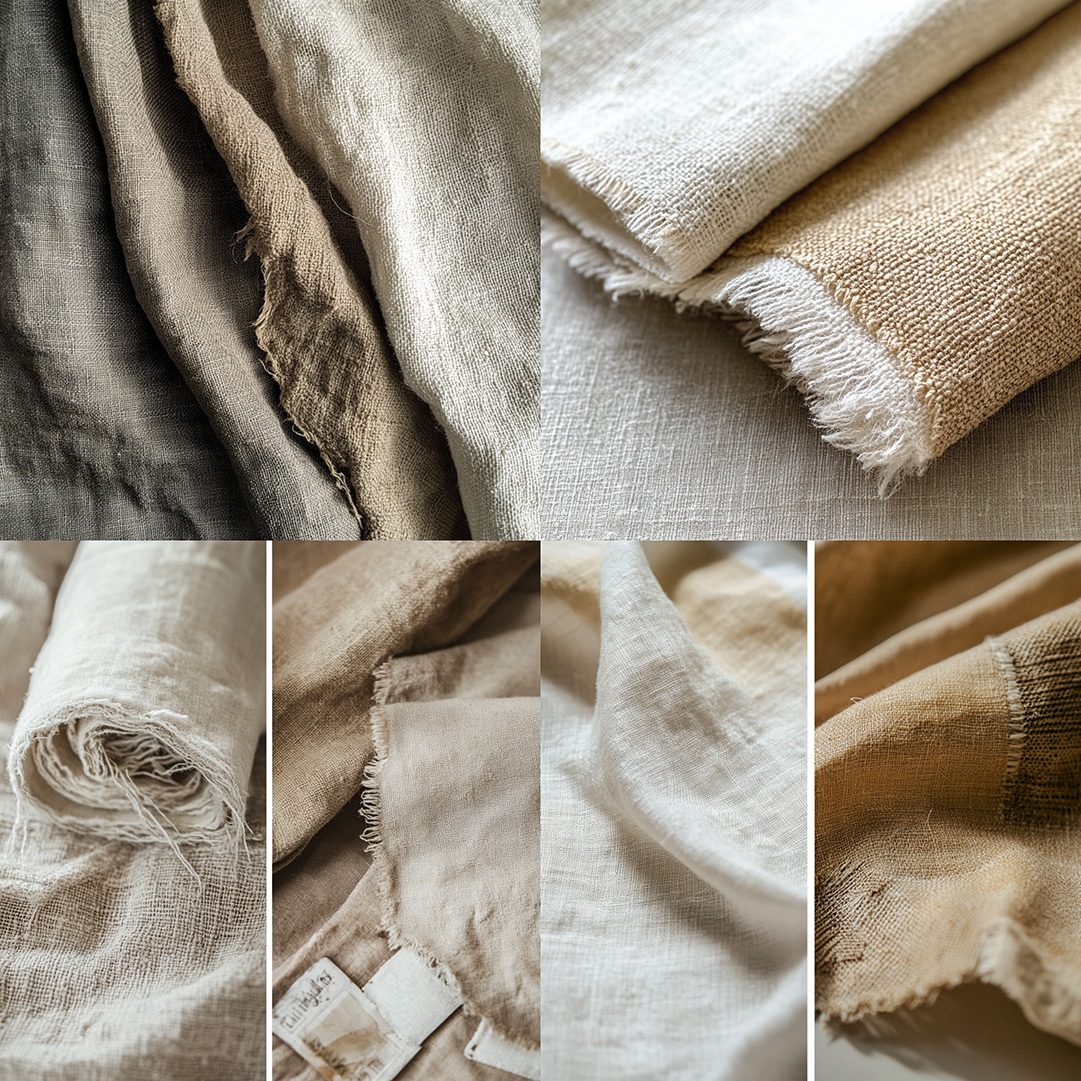
- ส่วนผสมอื่นๆ: สำลี (ให้ความอบอุ่นสำหรับเสื้อสเวตเตอร์), ไหมฝ้าย (หรูหราสำหรับเสื้อเบลาส์), ผ้าฝ้ายลินิน (ระบายอากาศได้, สำหรับสวมใส่ในฤดูร้อน)
จำแนกตามแหล่งกำเนิด
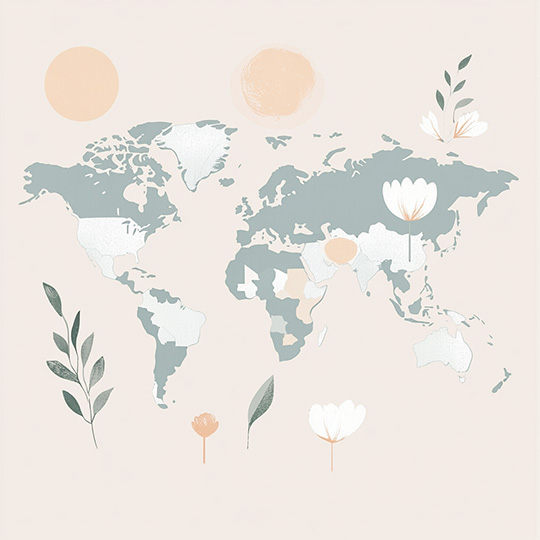
ฝ้ายจากภูมิภาคต่างๆ คุณภาพแตกต่างกันไปตามสภาพอากาศและสภาพดิน
| ประเภท | แหล่งกำเนิด | ลักษณะ | การใช้งาน |
|---|---|---|---|
| U.S. Cotton (ฝ้ายดอน) | สหรัฐอเมริกา อเมริกากลาง แคริบเบียน | เส้นใยยาวปานกลางอเนกประสงค์ | เครื่องแต่งกายในชีวิตประจำวัน สิ่งทอที่บ้าน |
| ผ้าฝ้ายยูเอส (Pima Cotton) | ทางตะวันตกเฉียงใต้ของสหรัฐอเมริกา | เส้นใยยาว นุ่ม ทนทาน | เสื้อหรู ผ้าปูที่นอน ผ้าเช็ดตัว |
| ซินเจียงฝ้าย | ซินเจียง, จีน | เส้นใยยาว นุ่ม คุณภาพสูง | ผ้าปูที่นอน เครื่องแต่งกายระดับพรีเมียม |
| ผ้าฝ้ายอียิปต์ | อียิปต์ (และภูมิภาคหลักยาวอื่นๆ) | เส้นใยยาวเป็นพิเศษ นุ่ม ทนทาน เป็นมันเงา | ผ้าปูที่นอนหรูหรา ผ้าเช็ดตัว เสื้อเชิ้ต |
| ผ้าฝ้ายออสเตรเลีย | ออสเตรเลีย | เส้นใยสม่ำเสมอคุณภาพสูง ยั่งยืน | สิ่งทอเครื่องแต่งกายระดับพรีเมียม |
| ผ้าฝ้ายบราซิล | บราซิล | เลี้ยงฝน คุณภาพสูง เป็นมิตรกับสิ่งแวดล้อม | สิ่งทอ เครื่องแต่งกายต่างๆ |
| ผ้าฝ้ายแอฟริกัน | แอฟริกา (เช่น เบนิน บูร์กินาฟาโซ) | คัดสรรด้วยมือ เป็นมิตรกับสิ่งแวดล้อม คุณภาพแปรผัน | สิ่งทอทั่วไป เครื่องแต่งกาย |
- U.S. Cotton (ฝ้ายดอน)
ซึ่งคิดเป็น 90% ของการผลิตฝ้ายทั่วโลก ผ้าฝ้าย Upland มีความหลากหลายและทนทาน ใช้ในเสื้อยืด กางเกงยีนส์ และสิ่งทอภายในบ้านเนื่องจากมีเส้นใยที่มีความยาวปานกลาง - ผ้าฝ้ายยูเอส (Pima Cotton)
Pima ผ้าฝ้ายเส้นใยยาวจากทางตะวันตกเฉียงใต้ของสหรัฐอเมริกา มีความนุ่ม ทนทาน และหรูหรา เหมาะสำหรับเสื้อเชิ้ต เครื่องนอน และผ้าเช็ดตัวระดับไฮเอนด์ - ซินเจียงฝ้าย
ฝ้ายนี้ปลูกในภูมิภาคซินเจียงของจีน มีคุณค่าในด้านเส้นใยที่ยาวและความนุ่ม เหมาะสำหรับสิ่งทอระดับพรีเมียม ข้อกังวลด้านจริยธรรมเกี่ยวกับหลักปฏิบัติด้านแรงงานอาจส่งผลต่อทางเลือกของผู้บริโภค ดังนั้นควรพิจารณาการจัดหาอย่างยั่งยืน - ผ้าฝ้ายอียิปต์
ผ้าฝ้ายอียิปต์เป็นที่รู้จักในเรื่องเส้นใยลวดเย็บที่ยาวเป็นพิเศษ (มากกว่า 1 นิ้ว) ซึ่งมีความนุ่ม ทนทาน และเป็นมันเงา เป็นตัวเลือกอันดับต้นๆ สำหรับเครื่องนอน ผ้าเช็ดตัว และเสื้อเชิ้ตที่หรูหรา ผ้าฝ้ายเส้นใยยาวที่คล้ายกัน เช่น Pima อาจถูกระบุว่าเป็นผ้าฝ้ายอียิปต์ - ผ้าฝ้ายออสเตรเลีย
ฝ้ายออสเตรเลียมีคุณภาพสูงและยั่งยืน พร้อมด้วยเส้นใยที่สม่ำเสมอและแข็งแรง ผลิตด้วยเทคโนโลยีขั้นสูงเพื่อลดการใช้ยาฆ่าแมลง และส่งออกไปยังเอเชียตะวันออกเฉียงใต้สำหรับเส้นด้ายและสิ่งทอระดับพรีเมียม - ผ้าฝ้ายบราซิล
ด้วยการเพาะปลูกแบบใช้ฝน 92% ฝ้ายบราซิลจึงเป็นมิตรกับสิ่งแวดล้อมและมีคุณภาพสูง ผ่านการทดสอบด้วย High Volume Instrument (HVI) เพื่อความสม่ำเสมอ ใช้ในสิ่งทอต่างๆ และส่งออกไปยังเวียดนามและอินโดนีเซีย - ผ้าฝ้ายแอฟริกัน
ผู้ผลิตฝ้ายรายใหญ่ระดับโลก แอฟริกา (เช่น เบนิน บูร์กินาฟาโซ) ใช้การคัดแยกด้วยมือเพื่อลดมลพิษทางเคมี แม้ว่าคุณภาพอาจแตกต่างกันเนื่องจากการปนเปื้อนก็ตาม ผ้าบาซินและผ้าโคลนของมาลีมีความสำคัญทางวัฒนธรรม ผ้าฝ้ายแอฟริกันเหมาะกับสิ่งทอทั่วไป
การจำแนกประเภทตามการประมวลผล
เทคนิคการประมวลผลช่วยเพิ่มเนื้อสัมผัสและประสิทธิภาพของผ้าฝ้าย
| ประเภท | กระบวนการ | ลักษณะ | การใช้งาน |
|---|---|---|---|
| ผ้าฝ้ายหวี | หวีเพื่อขจัดเส้นใยสั้นและสิ่งสกปรก | เรียบเนียน ทนทาน ไม่เป็นขุยน้อย | เสื้อเชิ้ตระดับไฮเอนด์, เสื้อผ้าเด็ก |
| ผ้าฝ้ายซัก | ซักล่วงหน้าเพื่อขจัดสีย้อมและหดตัวล่วงหน้า | การหดตัวลดลง ความรู้สึกนุ่มนวล "สึกหรอ" | กางเกงยีนส์เดนิมชุดลำลอง |
- ผ้าฝ้ายหวี
ผ้าฝ้ายหวีช่วยขจัดเส้นใยสั้นและสิ่งสกปรก ส่งผลให้เส้นด้ายเรียบเนียนขึ้น แข็งแรงขึ้น โดยมีขุยน้อยลง มันถูกใช้ในเสื้อเชิ้ตระดับไฮเอนด์และเสื้อผ้าเด็กเพื่อเนื้อผ้าที่ประณีต - ผ้าฝ้ายซัก
ผ่านการฟอกเพื่อขจัดสีย้อมส่วนเกินและการหดตัวล่วงหน้า ผ้าฝ้ายที่ผ่านการฟอกแล้วให้ความรู้สึกนุ่มนวล "คงอยู่" โดยมีการหดตัวน้อยที่สุด เป็นที่นิยมในกางเกงยีนส์เดนิมและเครื่องแต่งกายลำลอง
จำแนกตามลักษณะเส้นใย
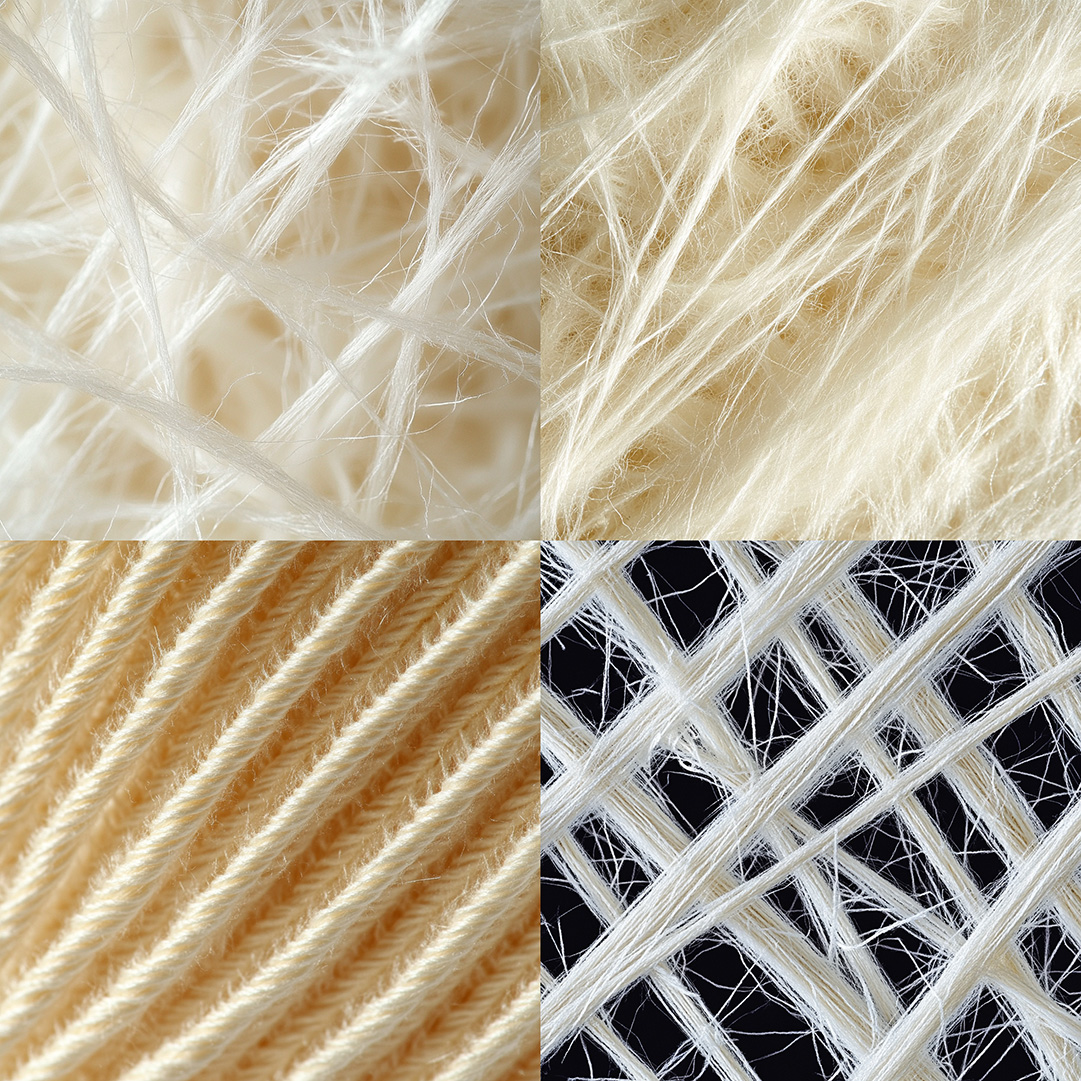
ความยาวและความหยาบของเส้นใยส่งผลต่อเนื้อผ้าและความทนทานของผ้า
| ประเภท | คำนิยาม | ลักษณะ | การใช้งาน |
|---|---|---|---|
| ผ้าฝ้ายเส้นใยยาว | เส้นใยยาวเกิน 1 นิ้ว (2.5 ซม.) | แข็งแรง เรียบเนียน ไม่เป็นขุยน้อย | เครื่องนอนหรูหรา เสื้อเชิ้ต ผ้าเช็ดตัว |
| ผ้าฝ้ายเนื้อดี | เส้นใยละเอียดและมีคุณภาพสูง | นุ่มเนียนคล้ายลวดเย็บกระดาษยาว | สิ่งทอระดับพรีเมียม |
| ผ้าฝ้ายหยาบ | เส้นใยสั้นและหยาบ | ทนทานมีพื้นผิว | เดนิม ผ้าใบ ชุดทำงาน |
- ผ้าฝ้ายเส้นใยยาว
ด้วยเส้นใยที่ยาวเกิน 1 นิ้ว ผ้าฝ้ายเส้นใยยาว (เช่น อียิปต์, พิมา) ผลิตผ้าที่แข็งแรงและเรียบลื่นที่ทนทานต่อการเป็นขุย เหมาะสำหรับเครื่องนอนและเสื้อเชิ้ตที่หรูหรา - ผ้าฝ้ายเนื้อดี
ผ้าฝ้ายเนื้อละเอียดหมายถึงผ้าฝ้ายเส้นใยละเอียดคุณภาพสูง ซึ่งมักจะซ้อนทับกับผ้าฝ้ายเส้นใยยาวที่ใช้ในสิ่งทอระดับพรีเมียม - ผ้าฝ้ายหยาบ
ผ้าฝ้ายหยาบมีเส้นใยสั้นและมีพื้นผิว มีความทนทานและเหมาะสำหรับผ้าที่มีความทนทาน เช่น ผ้าเดนิม ผ้าใบ และชุดทำงาน
จำแนกตามกระบวนการผลิต
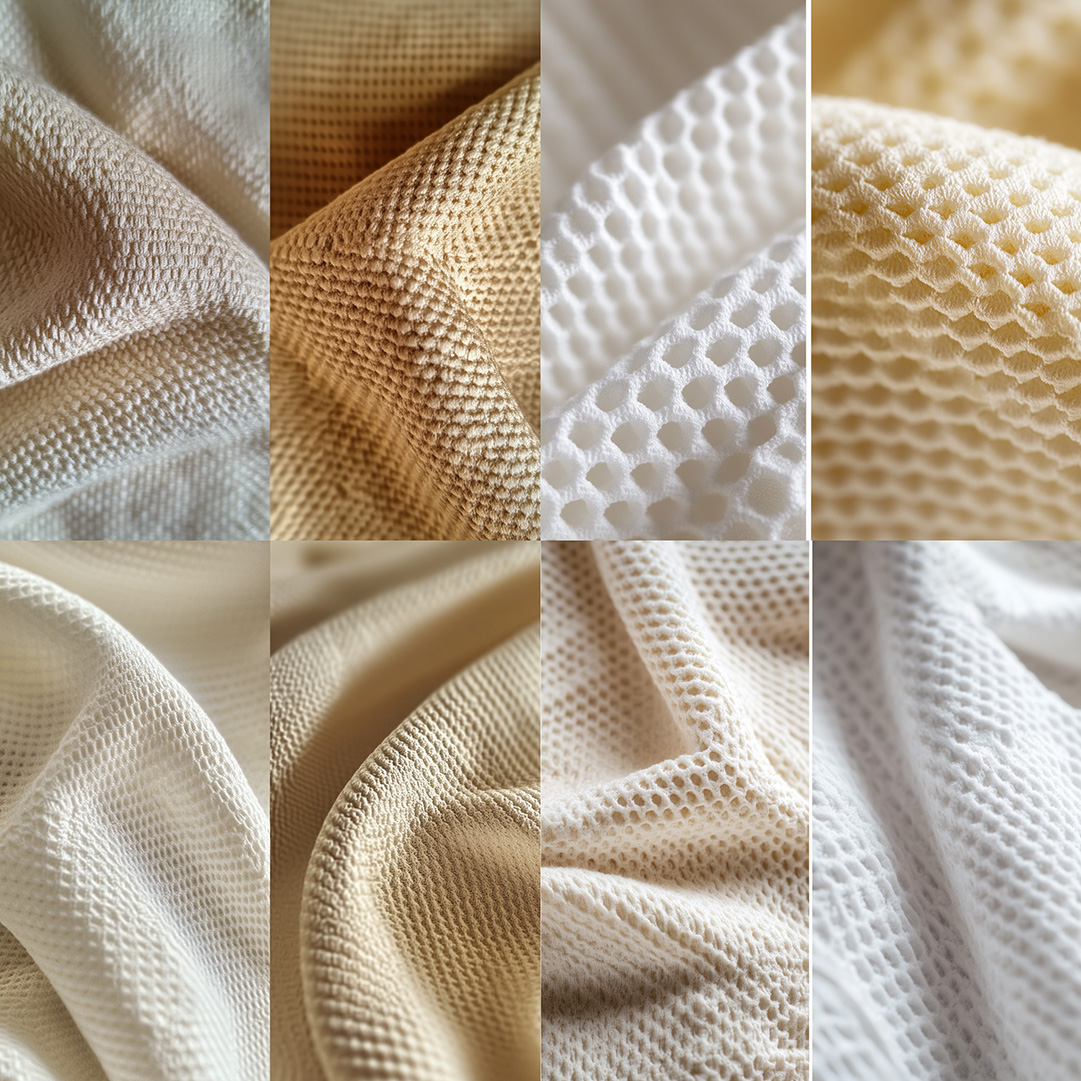
กระบวนการผลิตจะกำหนดลักษณะและการทำงานของผ้า
| ประเภท | กระบวนการ | ลักษณะ | การใช้งาน |
|---|---|---|---|
| ผ้าฝ้ายถัก | ห่วงเส้นด้ายที่เชื่อมต่อกัน | ยืดหยุ่น ใส่สบาย รองรับสรีระร่างกาย | เสื้อยืด เสื้อกันหนาว ถุงเท้า |
| ปิเก้คอตตอน | ถักด้วยเนื้อผ้ารังผึ้งนูนขึ้น | มีเท็กซ์เจอร์ระบายอากาศได้ดี | เสื้อโปโล,เสื้อกอล์ฟ |
| ผ้าฝ้ายต่วน | ทอด้วยเนื้อเนียนละเอียด | นุ่มเป็นมันเงา | เครื่องนอน เบาะ |
- ผ้าฝ้ายถัก
ผ้าฝ้ายถักขึ้นรูปจากห่วงเส้นด้ายที่ประสานกัน มีความยืดหยุ่นและสวมใส่สบาย เหมาะสำหรับเสื้อยืด เสื้อสเวตเตอร์ และชุดชั้นใน - ปิเก้คอตตอน
ผ้าฝ้ายถักที่มีเนื้อผ้าคล้ายรวงผึ้ง ระบายอากาศได้ดี และใช้ในเสื้อโปโลและเสื้อเชิ้ตกอล์ฟ - ผ้าฝ้ายต่วน
ผ้าฝ้ายต่วนทอเพื่อสร้างพื้นผิวเรียบลื่นและมีความนุ่มเป็นมันเงา มักใช้กับเครื่องนอนและเบาะ
วิธีการเลือกประเภทผ้าฝ้ายที่เหมาะสม
การเลือกผ้าฝ้ายที่เหมาะสมขึ้นอยู่กับหลายปัจจัย:
- วัตถุประสงค์: ผ้าฝ้ายแท้เพื่อความสบาย ผ้าฝ้ายผสมเพื่อการใช้งาน เช่น ความยืดหยุ่นหรือความทนทาน
- ความสบาย: ผ้าฝ้ายหวีหรือเส้นใยยาวเพื่อความนุ่ม ผ้าฝ้ายฟอกเพื่อให้สัมผัสก่อนสวมใส่
- งบประมาณ: ผ้าฝ้ายอียิปต์และซินเจียงเป็นผ้าระดับพรีเมียม ในขณะที่ผ้าฝ้ายหยาบและผ้าผสมมีราคาไม่แพงมาก
- ความยั่งยืน: เลือกใช้ฝ้ายออร์แกนิกหรือจากแหล่งที่ยั่งยืน (เช่น ออสเตรเลีย บราซิล) เพื่อลดผลกระทบต่อสิ่งแวดล้อม
บทสรุป
ความสามารถรอบด้านของฝ้ายเกิดจากรูปแบบและการรักษาที่หลากหลาย ตั้งแต่ความสบายของผ้าฝ้ายบริสุทธิ์ไปจนถึงการใช้งานของการผสมผสาน จากความอเนกประสงค์ของผ้าฝ้าย U.S. ไปจนถึงความหรูหราของผ้าฝ้ายอียิปต์ แต่ละประเภทมีคุณประโยชน์ที่แตกต่างกัน การทำความเข้าใจการจำแนกประเภทเหล่านี้ช่วยให้ผู้บริโภคสามารถเลือกผ้าฝ้ายในอุดมคติสำหรับเสื้อผ้าหรือสิ่งทอที่บ้าน โดยรักษาสมดุลระหว่างความสะดวกสบาย คุณภาพ และความยั่งยืน
บริการปรับแต่งโดย LYDENIM
🎨 อยากได้ ผ้าเดนิมที่กำหนดเอง หรือ ไม่ซ้ำกัน เสื้อผ้าเดนิมที่กำหนดเอง? LYDENIM เชี่ยวชาญด้านโซลูชันที่ออกแบบเฉพาะเพื่อตอบสนองความต้องการด้านการออกแบบและการผลิตของคุณ
🛍️ สำรวจและหาแรงบันดาลใจกันเถอะ!: เลือกดูผ้าที่เราคัดสรรและค้นพบแนวคิดการออกแบบได้ที่ ลีเดนิม.
🌐 เสื้อผ้ายืดหยุ่น: ตรวจสอบข้อเสนอของเราได้ที่ อาลีบาบาของฉัน. 📩 ติดต่อเรา: ติดต่อได้ที่ Malone@lydenim.com.
สร้างสรรค์ผลงานเดนิมชิ้นเอกของคุณด้วย LYDENIM ซึ่งเป็นพันธมิตรที่คุณไว้วางใจ ผ้ายืด และ โซลูชั่นเดนิมแบบกำหนดเอง.
คำถามที่พบบ่อย
สามารถปรับแต่งให้เหมาะกับแบรนด์หรือคอลเลกชันของฉันได้หรือไม่?
ใช่ ส่งใบสมัคร รูปภาพอ้างอิง คุณภาพเป้าหมาย ปริมาณ และข้อกำหนดของตลาด เพื่อให้ซัพพลายเออร์สามารถแนะนำตัวเลือกผ้า เครื่องแต่งกาย หรือการตกแต่งที่เหมาะสมได้
ฉันควรส่งข้อมูลอะไรบ้างก่อนที่จะขอใบเสนอราคา?
จัดเตรียมประเภทผลิตภัณฑ์ ผ้าหรือเทคนิคเป้าหมาย ทิศทางสี ความต้องการตัวอย่าง ปริมาณ ประเทศปลายทาง และระยะเวลารอคอยสินค้าที่คาดหวัง
ฉันควรขอตัวอย่างก่อนการผลิตจำนวนมากหรือไม่
ใช่ ตัวอย่างและระยะตัวอย่างจะช่วยลดความเสี่ยงก่อนสั่งซื้อจำนวนมาก โดยเฉพาะอย่างยิ่งเมื่อคุณภาพสี ความรู้สึกทางมือ การยืด พื้นผิว หรือการตกแต่งมีความสำคัญ
ฉันจะหลีกเลี่ยงปัญหาด้านคุณภาพในคำสั่งซื้อจำนวนมากได้อย่างไร
อนุมัติมาตรฐานตัวอย่างที่ชัดเจน กำหนดข้อกำหนดในการทดสอบ ยืนยันความคลาดเคลื่อน และเปรียบเทียบผลผลิตจำนวนมากกับตัวอย่างที่ได้รับอนุมัติก่อนจัดส่ง
ต้องการความช่วยเหลือในการเปลี่ยนสิ่งนี้ให้เป็นบรีฟการจัดหาที่พร้อมสำหรับการผลิตหรือไม่
ส่งสินค้าเป้าหมายของคุณ ทิศทางผ้า ปริมาณ และความต้องการตัวอย่าง LY Denim สามารถช่วยเปรียบเทียบตัวเลือกและเตรียมใบเสนอราคาได้