


ทำความเข้าใจกับผ้าเดนิม: คู่มือฉบับสมบูรณ์
ทำความเข้าใจกับผ้าเดนิม: คู่มือฉบับสมบูรณ์
เวลาอ่านประมาณ: ~6 นาที บทนำ เมื่อคุณเลือกวัสดุดีนัมสำหรับการออกแบบหรือเสื้อผ้า การเข้าใจประเภทต่าง ๆ ของวัสดุดีนัมที่มีอยู่ถือเป็นสิ่งสำคัญอย่างยิ่ง คู่มือนี้จะให้ภาพรวมของวัสดุดีนัมที่ใช้กันโดยทั่วไป...
สรุปผู้ซื้อ
สำหรับผู้ซื้อผ้า B2B หัวข้อนี้ควรช่วยเปรียบเทียบองค์ประกอบ น้ำหนัก สัมผัสมือ การยืด การตกแต่ง ขั้นต่ำ และความเสถียรในการผลิตก่อนสุ่มตัวอย่าง
- ผู้ซื้อที่เหมาะสมแบรนด์แฟชั่น ทีมจัดหา ผู้ค้าส่ง โรงงานตัดเย็บเสื้อผ้า และผู้พัฒนาผลิตภัณฑ์
- สิ่งที่ต้องยืนยันเป้าหมายผลิตภัณฑ์ ทิศทางของผ้า ผิวสำเร็จ ความต้องการตัวอย่าง ปริมาณ และตลาดการจัดส่ง
- ความเสี่ยงของผู้ซื้อข้อมูลจำเพาะที่ไม่ชัดเจนอาจนำไปสู่ตัวอย่างที่ไม่ถูกต้อง คุณภาพปริมาณมากไม่แน่นอน และการเสนอราคาที่ช้า
- CTA ที่แนะนำขอตัวอย่างหรือใบเสนอราคาตัวอย่างก่อนที่จะดำเนินการผลิตจำนวนมาก
เหตุใดจึงสำคัญสำหรับผู้ซื้อ B2B
ยืนยันการใช้งาน ลักษณะผ้าเป้าหมาย ทิศทางสี และปริมาณจำนวนมากก่อนขอใบเสนอราคา
เวลาอ่านประมาณ: ~6 นาที บทนำ เมื่อคุณเลือกวัสดุดีนัมสำหรับการออกแบบหรือเสื้อผ้า การเข้าใจประเภทต่าง ๆ ของวัสดุดีนัมที่มีอยู่ถือเป็นสิ่งสำคัญอย่างยิ่ง คู่มือนี้จะให้ภาพรวมของวัสดุดีนัมที่ใช้กันโดยทั่วไป...
ตารางข้อมูลจำเพาะสำหรับการจัดหาที่เร็วขึ้น
| จุดตัดสินใจ | ตัวเลือกในการเปรียบเทียบ | ทำไมมันถึงสำคัญ | คำถามของผู้ซื้อ |
|---|---|---|---|
| ฐานผ้า | ผ้าฝ้าย ผ้าผสม ผ้าเดนิมยืด ผ้าแจ็คการ์ด ผ้าฟล็อคด์ หรือผ้าเดนิมชนิดพิเศษ | ควบคุมความรู้สึกมือ ความทนทาน และตำแหน่งราคา | ผ้าชนิดนี้มีไว้เพื่อผลิตภัณฑ์ประเภทใด? |
| น้ำหนัก | โครงสร้างเบา กลาง หรือหนัก | ส่งผลต่อผ้าม่าน ฤดูกาล ประเภทเสื้อผ้า และค่าขนส่ง | คุณต้องการเสื้อเชิ้ต แจ็คเก็ต กางเกงยีนส์ หรือเสื้อผ้าที่มีโครงสร้างหรือไม่? |
| เสร็จสิ้น | สี ซัก เคลือบ ฟอก แจ็กการ์ด หรือทำให้อ่อนลง | กำหนดลักษณะที่ปรากฏขั้นสุดท้ายและการสัมผัสของลูกค้า | คุณคาดหวังถึงความรู้สึกสัมผัสมือและการซักแบบใด? |
| แผนการจัดหา | สวอตช์, ระยะตัวอย่าง, ล็อตจำนวนมาก | ลดความเสี่ยงก่อนการผลิต | ควรเสนอราคาตลาดปริมาณและการจัดส่งเท่าใด |
แอปพลิเคชันและตัวเลือกแบบกำหนดเอง
การพัฒนาผลิตภัณฑ์
ใช้คู่มือนี้เพื่อเปลี่ยนแนวคิดการออกแบบให้เป็นข้อกำหนดด้านเนื้อผ้า เครื่องแต่งกาย การตกแต่ง และตัวอย่าง
การเปรียบเทียบซัพพลายเออร์
เปรียบเทียบซัพพลายเออร์ตามการสนับสนุนตัวอย่าง ความชัดเจนทางเทคนิค ความเสถียรของปริมาณรวม และความเร็วในการสื่อสาร
การผลิตจำนวนมาก
ยืนยันมาตรฐานคุณภาพ ตัวอย่างที่ได้รับอนุมัติ และไทม์ไลน์ก่อนสั่งผลิต
จุดควบคุมคุณภาพก่อนสั่งซื้อจำนวนมาก
- OKการอนุมัติตัวอย่าง: ยืนยันผ้า สี ความรู้สึกมือ โครงสร้าง และการตกแต่งก่อนการผลิตจำนวนมาก
- OKความสม่ำเสมอเป็นกลุ่ม: เปรียบเทียบล็อตจำนวนมากกับตัวอย่างที่ได้รับอนุมัติภายใต้แสงและสภาวะการทดสอบเดียวกัน
- OKการทดสอบประสิทธิภาพ: ตรวจสอบการหดตัว ความคงทนของสี การยืดตัวคืนสภาพ หรือความทนทานของการตกแต่งตามที่เกี่ยวข้อง
- OKความชัดเจนของคำพูด: ส่งปริมาณ ปลายทาง ความต้องการบรรจุภัณฑ์ และเวลานำเป้าหมายเพื่อหลีกเลี่ยงการกำหนดราคาที่คลุมเครือ
กระบวนการพัฒนาตัวอย่าง
| ขั้นตอน | ผู้ซื้อจัดให้ | ซัพพลายเออร์ยืนยัน |
|---|---|---|
| 1. บรีฟ | การใช้งาน รูปภาพอ้างอิง คุณภาพและปริมาณเป้าหมาย | ความเป็นไปได้ วัสดุที่แนะนำ และตัวเลือกแบบกำหนดเอง |
| 2. สวอตช์ผ้า | สี สัมผัสมือ รูปแบบ หรือการตอบสนองขั้นสุดท้ายที่ต้องการ | สต็อกที่มีอยู่ ทิศทางที่กำหนดเอง และต้นทุนตัวอย่าง |
| 3. ตัวอย่าง | แผนการทดสอบเสื้อผ้า ขนาด หรือความต้องการระยะ | เส้นเวลาการสุ่มตัวอย่างและความสามารถในการทำซ้ำของการผลิต |
| 4. ใบเสนอราคาจำนวนมาก | ปริมาณการสั่งซื้อ ปลายทางการจัดส่ง และความต้องการบรรจุภัณฑ์ | ราคาต่อหน่วย, ขั้นต่ำ, เวลานำและจุดตรวจควบคุมคุณภาพ |
คู่มือโดยละเอียด
เวลาอ่านโดยประมาณ: ~6 นาที
บทนำ
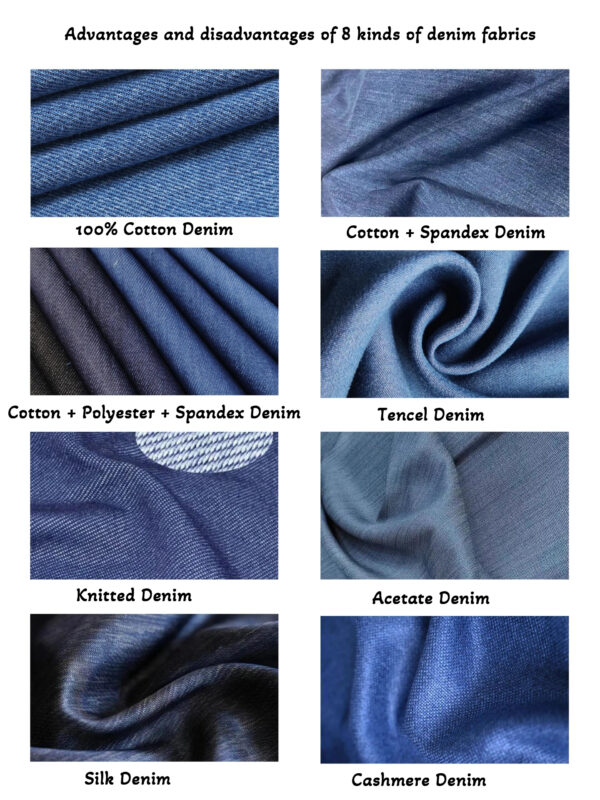
เมื่อเลือกวัสดุดีนัมสำหรับการออกแบบหรือการผลิตเสื้อผ้า สิ่งสำคัญคือต้องเข้าใจประเภทต่าง ๆ ที่มีอยู่ คู่มือนี้จะนำเสนอภาพรวมของประเภทวัสดุดีนัมที่พบบ่อย โดยเน้นลักษณะสำคัญ ข้อดี และข้อเสีย เพื่อช่วยให้คุณสามารถตัดสินใจได้อย่างมีข้อมูลครบถ้วน
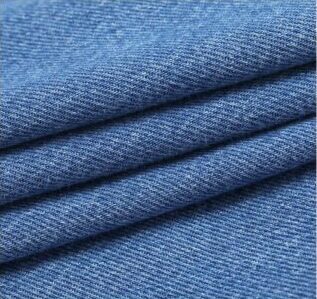
1. 100% ผ้าฝ้าย เดนิม
ข้อดี:
- สะดวกสบาย: ผ้าเดนิมตัวนี้ผลิตจากผ้าฝ้ายธรรมชาติ ระบายอากาศได้ดีและนุ่มสบาย เหมาะสำหรับอากาศอบอุ่น
- Eco-Friendly: ผ้าฝ้ายสามารถย่อยสลายได้ทางชีวภาพ ทำให้ผ้าชนิดนี้เป็นตัวเลือกที่ยั่งยืน
- ทนทาน: ผ้าเดนิมคอตตอนบริสุทธิ์ขึ้นชื่อในด้านความทนทานและความทนทานต่อการสึกหรอ
- เป็นมิตรกับผิว: เหมาะสำหรับผิวที่ไวต่อการเปลี่ยนแปลง เนื่องจากผลิตจากวัสดุธรรมชาติ
- รูปลักษณ์ที่มีโครงสร้าง: ผ้าเดนิมคอตตอนความหนาแน่นสูงเนื้อหนาให้รูปทรงแข็งแรงและมีโครงสร้าง
จุดด้อย:
- หดตัวได้ง่าย: ผ้าเดนิมคอตตอนสามารถหดตัวได้อย่างมากหลังจากการซักหลายครั้ง
- สีซีดจาง: เดนิมคอตตอนแท้มีแนวโน้มที่จะเสียสีเร็วกว่าผ้าผสมสังเคราะห์
- ความรู้สึกแข็ง: ผ้าเดนิมนี้อาจจำกัดการเคลื่อนไหวระหว่างทำกิจกรรมโดยไม่ยืด
ผ้าฝ้ายเดนิม 100%
2. Cotton + สแปนเด็กซ์ เดนิม
ข้อดี:
- พอดียืดหยุ่น: ผ้าสแปนเด็กซ์เพิ่มความยืดหยุ่น เพิ่มความพอดีและความสบาย
- ระบายอากาศได้: ส่วนผสมนี้ช่วยรักษาคุณสมบัติในการดูดซับความชื้นของฝ้ายไว้ได้
จุดด้อย:
- การสูญเสียรูปร่าง: ผ้าสแปนเด็กซ์ที่มากเกินไปอาจทำให้ผ้าบิดเบี้ยวได้
- ราคาแพง: ต้นทุนการผลิตที่สูงขึ้นอาจทำให้ราคาขายปลีกเพิ่มขึ้น
ผ้าฝ้าย + ผ้าเดนิมสแปนเด็กซ์
3. Cotton + โพลีเอสเตอร์ + ผ้าเดนิมสแปนเด็กซ์
ข้อดี:
- ราคาไม่แพง: เส้นใยผสมช่วยลดต้นทุนการผลิต
- ทนทาน: โพลีเอสเตอร์ช่วยเพิ่มความทนทานต่อการเสียดสีและความแข็งแรง
- ทนต่อรอยยับ: ใช้เวลารีดผ้าน้อยลงและคงความเรียบร้อยได้นานกว่า
จุดด้อย:
- ความเสี่ยงจากการถูกกัด: เส้นใยโพลีเอสเตอร์สามารถก่อตัวเป็นเม็ดยาเมื่อเวลาผ่านไป
- การดูดซึมความชื้นจำกัด: ส่วนผสมนี้อาจกักเก็บความชื้น ทำให้เกิดความรู้สึกไม่สบายในสภาวะที่มีความชื้น

ผ้าฝ้าย + โพลีเอสเตอร์ + เดนิมสแปนเด็กซ์
4. เทนเซล เดนิม
ข้อดี:
- การควบคุมความชื้น: Tencel ดูดซับความชื้นได้ดีเยี่ยม ทำให้คุณรู้สึกแห้ง
- นุ่มนวลและเรียบเนียน: ขึ้นชื่อเรื่องสัมผัสที่เนียนนุ่ม เหมาะสำหรับผิวแพ้ง่าย
- Eco-Friendly: Tencel มาจากเยื่อไม้ธรรมชาติและสามารถย่อยสลายได้ทางชีวภาพ
จุดด้อย:
- ราคาแพง: คุณสมบัติพิเศษของเทนเซลมีราคาสูงกว่า
- โครงสร้างที่ละเอียดอ่อน: ลักษณะน้ำหนักเบาอาจจำกัดความทนทาน
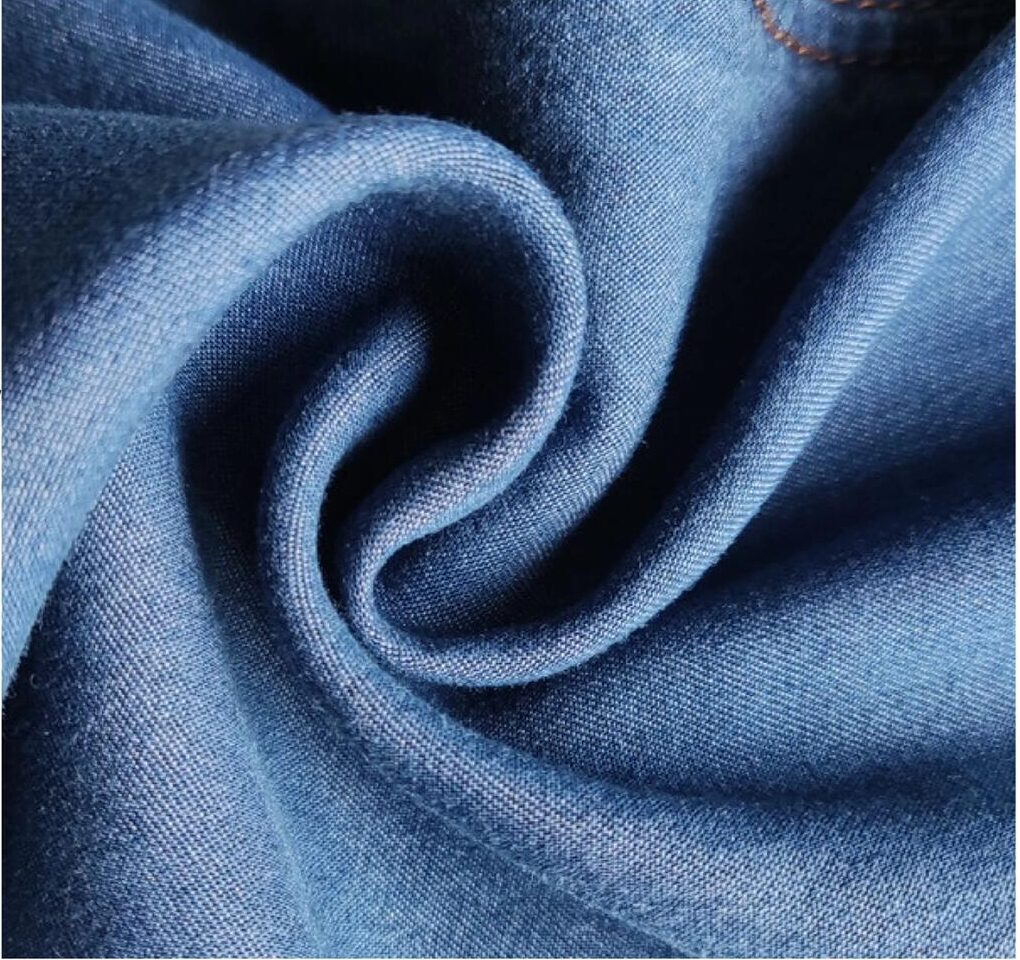
เทนเซล เดนิม
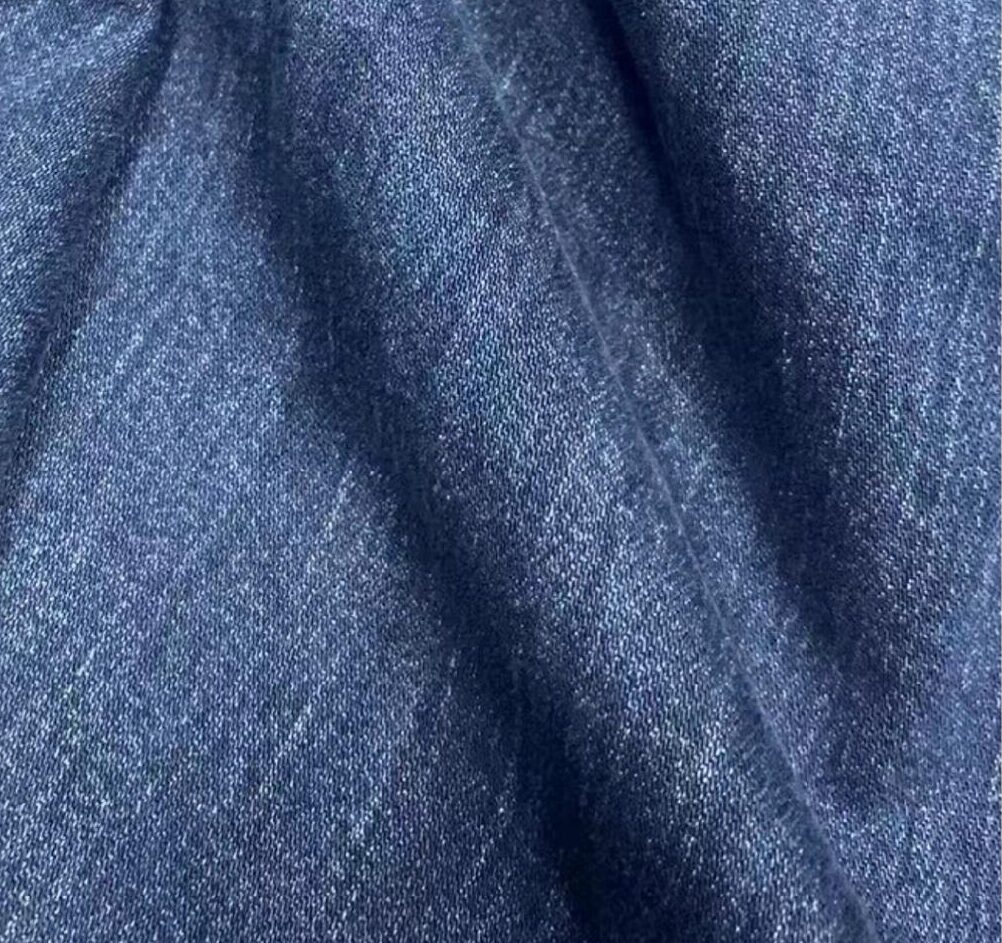
5. เดนิมถัก
ข้อดี:
- มีความยืดหยุ่นสูง: มอบความยืดหยุ่นและความสบายที่เหนือกว่า
- คุณสมบัติพิเศษ: ผ้าเดนิมถักบางชนิดมีคุณสมบัติป้องกันแบคทีเรีย ดูดซับเหงื่อ หรือป้องกันรังสียูวี
จุดด้อย:
- ความไม่แน่นอนของสี: ต้องซักอย่างระมัดระวังเพื่อรักษาความมีชีวิตชีวาของสี
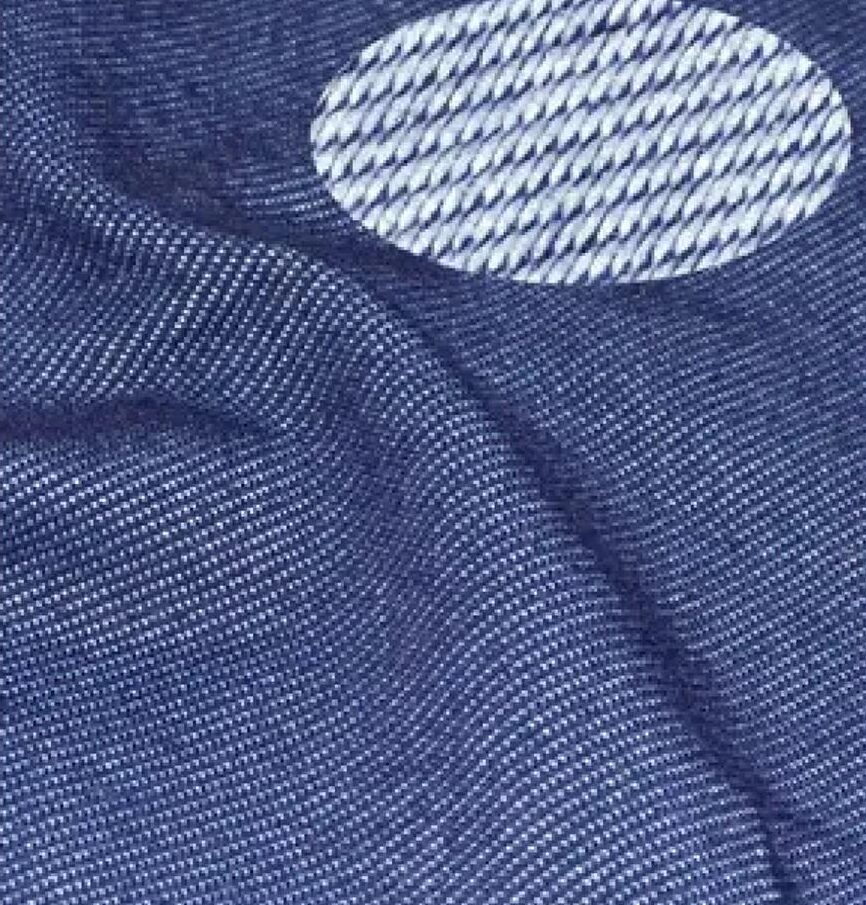
เดนิมถัก
6. เดนิมอะซีเตต
ข้อดี:
- ใส่ใจสิ่งแวดล้อม: เส้นใยอะซิเตทสามารถย่อยสลายได้ทางชีวภาพและเป็นมิตรกับสิ่งแวดล้อม
- เงางาม: มอบความเงางามอย่างเป็นธรรมชาติ
- นุ่มนวลและลื่นไหล: มอบรูปลักษณ์เพรียวบางและเดรปเหมาะสำหรับการออกแบบที่หรูหรา
จุดด้อย:
- ไวต่อความร้อน: อะซิเตทต้องการการซักที่อุณหภูมิต่ำเพื่อป้องกันความเสียหาย
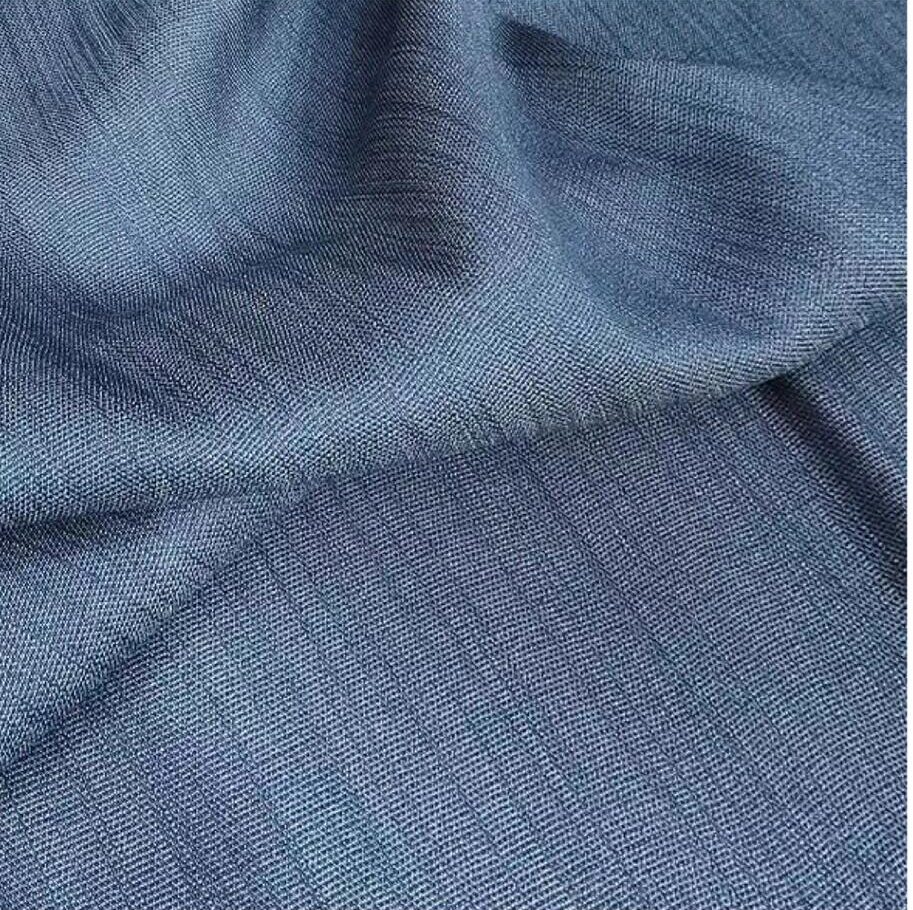
อะซิเตทเดนิม
7. เดนิมไหม
ข้อดี:
- พื้นผิวที่หรูหรา: ผ้าเดนิมไหมให้ความรู้สึกเรียบลื่นและมีน้ำหนักเบาเป็นพิเศษ
- ระบายอากาศได้ดีและเย็นสบาย: เหมาะสำหรับเสื้อผ้าฤดูร้อน
จุดด้อย:
- การบำรุงรักษาสูง: ผ้าไหมต้องได้รับการดูแลอย่างละเอียดอ่อนเพื่อรักษาเนื้อสัมผัสของมัน
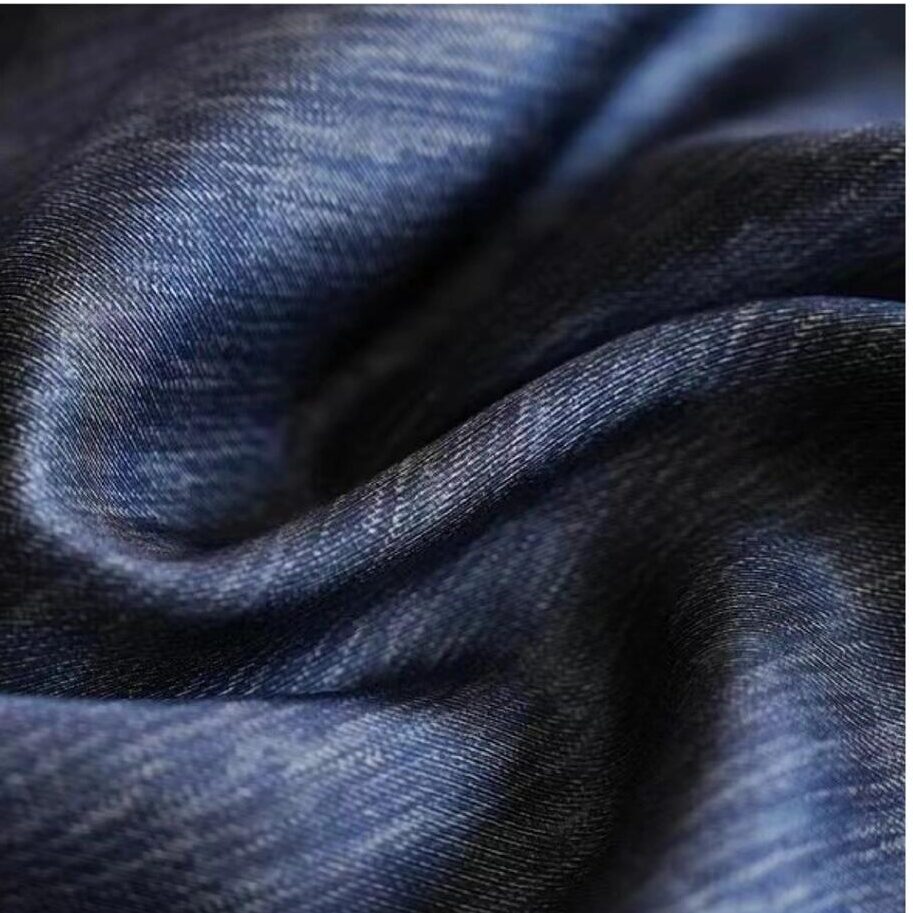
ผ้าไหมเดนิม
8. แคชเมียร์เดนิม
ข้อดี:
- ความอบอุ่นที่เหนือกว่า: เส้นใยแคชเมียร์เป็นฉนวนที่ดีเยี่ยม เหมาะสำหรับแฟชั่นหน้าหนาว
- สัมผัสนุ่ม: ผ้าเดนิมแคชเมียร์ให้ความสบายอย่างไม่มีใครเทียบได้
จุดด้อย:
- ราคาแพง: คุณภาพระดับพรีเมียมของแคมิเชียร์ทำให้ราคาสูงกว่าปกติ
- ความคล่องตัวที่จำกัด: เหมาะที่สุดสำหรับอากาศหนาวเนื่องจากมีความอบอุ่น
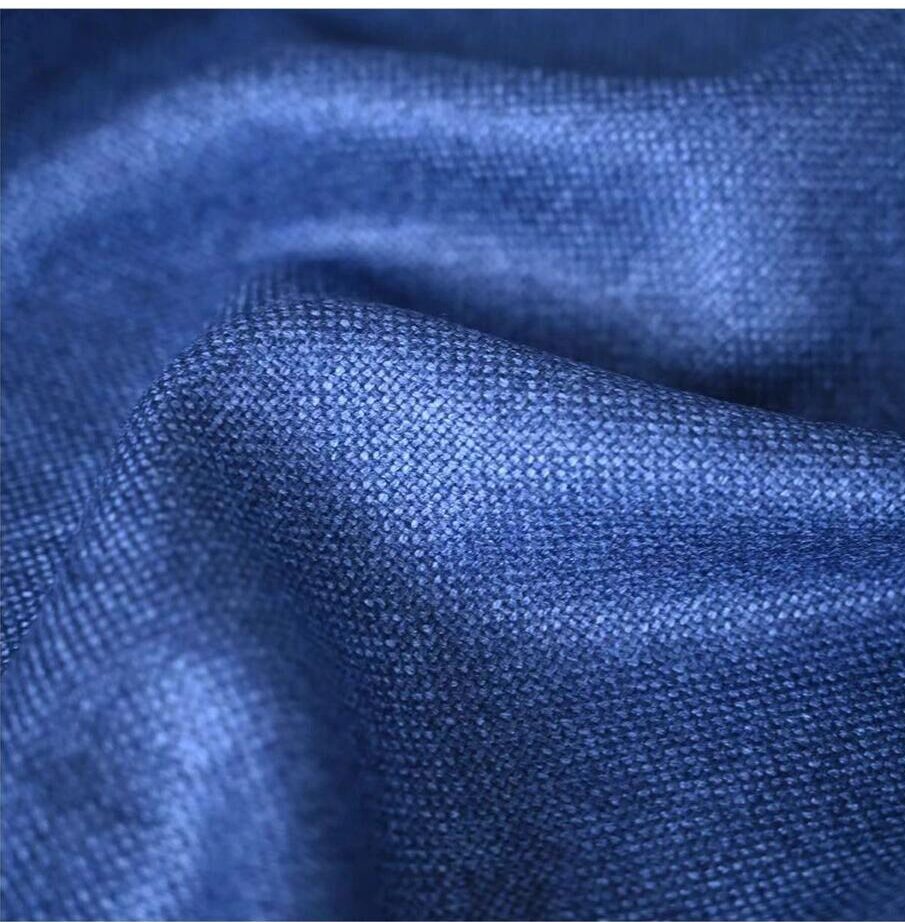
แคชเมียร์เดนิม
การเลือกผ้าเดนิมที่เหมาะกับความต้องการของคุณ
ในการเลือกผ้าเดนิมที่ดีที่สุดสำหรับโครงการของคุณ ให้พิจารณาปัจจัยต่างๆ เช่น ความสบาย ความทนทาน และข้อกำหนดในการดูแลรักษา สำหรับการสวมใส่ลำลองในชีวิตประจำวัน ผ้าฝ้ายผสมหรือผ้าสแปนเด็กซ์ให้ความคล่องตัว สำหรับแฟชั่นสุดหรู ผ้าผ้าเดนิมไหมหรือผ้าแคชเมียร์จะให้สัมผัสที่ประณีต
คำกระตุ้นการตัดสินใจ
พร้อมที่จะยกระดับการออกแบบของคุณด้วยผ้าเดนิมระดับพรีเมียมแล้วหรือยัง? เรียกดู ไลเดนิม.คอม คอลเลกชันพิเศษของวัสดุคุณภาพที่ออกแบบมาสำหรับนักออกแบบแฟชั่น ผู้ผลิตเสื้อผ้า และผู้ขายผ้า สำรวจแคตตาล็อกของเราตอนนี้ เพื่อค้นหาสิ่งที่ลงตัวสำหรับการสร้างสรรค์ครั้งต่อไปของคุณ!
บริการปรับแต่งโดย LYDENIM
🎨 อยากได้ ผ้าเดนิมที่กำหนดเอง หรือ ไม่ซ้ำกัน เสื้อผ้าเดนิมที่กำหนดเอง? LYDENIM เชี่ยวชาญด้านโซลูชันที่ออกแบบเฉพาะเพื่อตอบสนองความต้องการด้านการออกแบบและการผลิตของคุณ
🛍️ สำรวจและหาแรงบันดาลใจกันเถอะ!: เลือกดูผ้าที่เราคัดสรรและค้นพบแนวคิดการออกแบบได้ที่ ลีเดนิม.
🌐 เสื้อผ้ายืดหยุ่น: ตรวจสอบข้อเสนอของเราได้ที่ อาลีบาบาของฉัน. 📩 ติดต่อเรา: ติดต่อได้ที่ Malone@lydenim.com.
สร้างสรรค์ผลงานเดนิมชิ้นเอกของคุณด้วย LYDENIM ซึ่งเป็นพันธมิตรที่คุณไว้วางใจ ผ้ายืด และ โซลูชั่นเดนิมแบบกำหนดเอง.
คำถามที่พบบ่อย
สามารถปรับแต่งให้เหมาะกับแบรนด์หรือคอลเลกชันของฉันได้หรือไม่?
ใช่ ส่งใบสมัคร รูปภาพอ้างอิง คุณภาพเป้าหมาย ปริมาณ และข้อกำหนดของตลาด เพื่อให้ซัพพลายเออร์สามารถแนะนำตัวเลือกผ้า เครื่องแต่งกาย หรือการตกแต่งที่เหมาะสมได้
ฉันควรส่งข้อมูลอะไรบ้างก่อนที่จะขอใบเสนอราคา?
จัดเตรียมประเภทผลิตภัณฑ์ ผ้าหรือเทคนิคเป้าหมาย ทิศทางสี ความต้องการตัวอย่าง ปริมาณ ประเทศปลายทาง และระยะเวลารอคอยสินค้าที่คาดหวัง
ฉันควรขอตัวอย่างก่อนการผลิตจำนวนมากหรือไม่
ใช่ ตัวอย่างและระยะตัวอย่างจะช่วยลดความเสี่ยงก่อนสั่งซื้อจำนวนมาก โดยเฉพาะอย่างยิ่งเมื่อคุณภาพสี ความรู้สึกทางมือ การยืด พื้นผิว หรือการตกแต่งมีความสำคัญ
ฉันจะหลีกเลี่ยงปัญหาด้านคุณภาพในคำสั่งซื้อจำนวนมากได้อย่างไร
อนุมัติมาตรฐานตัวอย่างที่ชัดเจน กำหนดข้อกำหนดในการทดสอบ ยืนยันความคลาดเคลื่อน และเปรียบเทียบผลผลิตจำนวนมากกับตัวอย่างที่ได้รับอนุมัติก่อนจัดส่ง
ต้องการความช่วยเหลือในการเปลี่ยนสิ่งนี้ให้เป็นบรีฟการจัดหาที่พร้อมสำหรับการผลิตหรือไม่
ส่งสินค้าเป้าหมายของคุณ ทิศทางผ้า ปริมาณ และความต้องการตัวอย่าง LY Denim สามารถช่วยเปรียบเทียบตัวเลือกและเตรียมใบเสนอราคาได้