


คำอธิบายวัสดุเดนิม: ด้ายและกระบวนการผลิต
คำอธิบายวัสดุเดนิม: ด้ายและกระบวนการผลิต
สำรวจกระบวนการผ้าเดนิมแบบครบวงจร ตั้งแต่เส้นใยฝ้ายไปจนถึงด้ายยืนย้อมครามและข้อมูลจำเพาะจำนวนเส้นด้าย หนังสือเดนิมที่ผู้ซื้อ นักออกแบบ และผู้ผลิตเดนิมต้องอ่าน
สรุปผู้ซื้อ
สำหรับผู้ซื้อผ้า B2B หัวข้อนี้ควรช่วยเปรียบเทียบองค์ประกอบ น้ำหนัก สัมผัสมือ การยืด การตกแต่ง ขั้นต่ำ และความเสถียรในการผลิตก่อนสุ่มตัวอย่าง
- ผู้ซื้อที่เหมาะสมแบรนด์แฟชั่น ทีมจัดหา ผู้ค้าส่ง โรงงานตัดเย็บเสื้อผ้า และผู้พัฒนาผลิตภัณฑ์
- สิ่งที่ต้องยืนยันเป้าหมายผลิตภัณฑ์ ทิศทางของผ้า ผิวสำเร็จ ความต้องการตัวอย่าง ปริมาณ และตลาดการจัดส่ง
- ความเสี่ยงของผู้ซื้อข้อมูลจำเพาะที่ไม่ชัดเจนอาจนำไปสู่ตัวอย่างที่ไม่ถูกต้อง คุณภาพปริมาณมากไม่แน่นอน และการเสนอราคาที่ช้า
- CTA ที่แนะนำขอตัวอย่างหรือใบเสนอราคาตัวอย่างก่อนที่จะดำเนินการผลิตจำนวนมาก
เหตุใดจึงสำคัญสำหรับผู้ซื้อ B2B
ยืนยันการใช้งาน ลักษณะผ้าเป้าหมาย ทิศทางสี และปริมาณจำนวนมากก่อนขอใบเสนอราคา
สำรวจกระบวนการผ้าเดนิมแบบครบวงจร ตั้งแต่เส้นใยฝ้ายไปจนถึงด้ายยืนย้อมครามและข้อมูลจำเพาะจำนวนเส้นด้าย หนังสือเดนิมที่ผู้ซื้อ นักออกแบบ และผู้ผลิตเดนิมต้องอ่าน
ตารางข้อมูลจำเพาะสำหรับการจัดหาที่เร็วขึ้น
| จุดตัดสินใจ | ตัวเลือกในการเปรียบเทียบ | ทำไมมันถึงสำคัญ | คำถามของผู้ซื้อ |
|---|---|---|---|
| ฐานผ้า | ผ้าฝ้าย ผ้าผสม ผ้าเดนิมยืด ผ้าแจ็คการ์ด ผ้าฟล็อคด์ หรือผ้าเดนิมชนิดพิเศษ | ควบคุมความรู้สึกมือ ความทนทาน และตำแหน่งราคา | ผ้าชนิดนี้มีไว้เพื่อผลิตภัณฑ์ประเภทใด? |
| น้ำหนัก | โครงสร้างเบา กลาง หรือหนัก | ส่งผลต่อผ้าม่าน ฤดูกาล ประเภทเสื้อผ้า และค่าขนส่ง | คุณต้องการเสื้อเชิ้ต แจ็คเก็ต กางเกงยีนส์ หรือเสื้อผ้าที่มีโครงสร้างหรือไม่? |
| เสร็จสิ้น | สี ซัก เคลือบ ฟอก แจ็กการ์ด หรือทำให้อ่อนลง | กำหนดลักษณะที่ปรากฏขั้นสุดท้ายและการสัมผัสของลูกค้า | คุณคาดหวังถึงความรู้สึกสัมผัสมือและการซักแบบใด? |
| แผนการจัดหา | สวอตช์, ระยะตัวอย่าง, ล็อตจำนวนมาก | ลดความเสี่ยงก่อนการผลิต | ควรเสนอราคาตลาดปริมาณและการจัดส่งเท่าใด |
แอปพลิเคชันและตัวเลือกแบบกำหนดเอง
การพัฒนาผลิตภัณฑ์
ใช้คู่มือนี้เพื่อเปลี่ยนแนวคิดการออกแบบให้เป็นข้อกำหนดด้านเนื้อผ้า เครื่องแต่งกาย การตกแต่ง และตัวอย่าง
การเปรียบเทียบซัพพลายเออร์
เปรียบเทียบซัพพลายเออร์ตามการสนับสนุนตัวอย่าง ความชัดเจนทางเทคนิค ความเสถียรของปริมาณรวม และความเร็วในการสื่อสาร
การผลิตจำนวนมาก
ยืนยันมาตรฐานคุณภาพ ตัวอย่างที่ได้รับอนุมัติ และไทม์ไลน์ก่อนสั่งผลิต
จุดควบคุมคุณภาพก่อนสั่งซื้อจำนวนมาก
- OKการอนุมัติตัวอย่าง: ยืนยันผ้า สี ความรู้สึกมือ โครงสร้าง และการตกแต่งก่อนการผลิตจำนวนมาก
- OKความสม่ำเสมอเป็นกลุ่ม: เปรียบเทียบล็อตจำนวนมากกับตัวอย่างที่ได้รับอนุมัติภายใต้แสงและสภาวะการทดสอบเดียวกัน
- OKการทดสอบประสิทธิภาพ: ตรวจสอบการหดตัว ความคงทนของสี การยืดตัวคืนสภาพ หรือความทนทานของการตกแต่งตามที่เกี่ยวข้อง
- OKความชัดเจนของคำพูด: ส่งปริมาณ ปลายทาง ความต้องการบรรจุภัณฑ์ และเวลานำเป้าหมายเพื่อหลีกเลี่ยงการกำหนดราคาที่คลุมเครือ
กระบวนการพัฒนาตัวอย่าง
| ขั้นตอน | ผู้ซื้อจัดให้ | ซัพพลายเออร์ยืนยัน |
|---|---|---|
| 1. บรีฟ | การใช้งาน รูปภาพอ้างอิง คุณภาพและปริมาณเป้าหมาย | ความเป็นไปได้ วัสดุที่แนะนำ และตัวเลือกแบบกำหนดเอง |
| 2. สวอตช์ผ้า | สี สัมผัสมือ รูปแบบ หรือการตอบสนองขั้นสุดท้ายที่ต้องการ | สต็อกที่มีอยู่ ทิศทางที่กำหนดเอง และต้นทุนตัวอย่าง |
| 3. ตัวอย่าง | แผนการทดสอบเสื้อผ้า ขนาด หรือความต้องการระยะ | เส้นเวลาการสุ่มตัวอย่างและความสามารถในการทำซ้ำของการผลิต |
| 4. ใบเสนอราคาจำนวนมาก | ปริมาณการสั่งซื้อ ปลายทางการจัดส่ง และความต้องการบรรจุภัณฑ์ | ราคาต่อหน่วย, ขั้นต่ำ, เวลานำและจุดตรวจควบคุมคุณภาพ |
คู่มือโดยละเอียด
เวลาอ่านโดยประมาณ: ~2 นาที
รู้เบื้องต้นเกี่ยวกับผ้าเดนิม
เดนิมมีอยู่นอกเหนือจากสถานะผ้า เนื่องจากเป็นตัวแทนทั้งไลฟ์สไตล์แฟชั่นและเอกลักษณ์ทางแฟชั่น และทำหน้าที่เป็นองค์ประกอบพื้นฐานของสไตล์ คุณเคยคิดเกี่ยวกับองค์ประกอบของผ้าเดนิมหรือกระบวนการผลิตเดนิมบ้างไหม? โพสต์นี้จะสำรวจโลกอันน่าทึ่งของเดนิมโดยอธิบายส่วนประกอบและอธิบายจำนวนเส้นด้าย และแสดงขั้นตอนการผลิตที่สร้างวัสดุอันเป็นเอกลักษณ์นี้
ผ้าเดนิมทำมาจากอะไร?
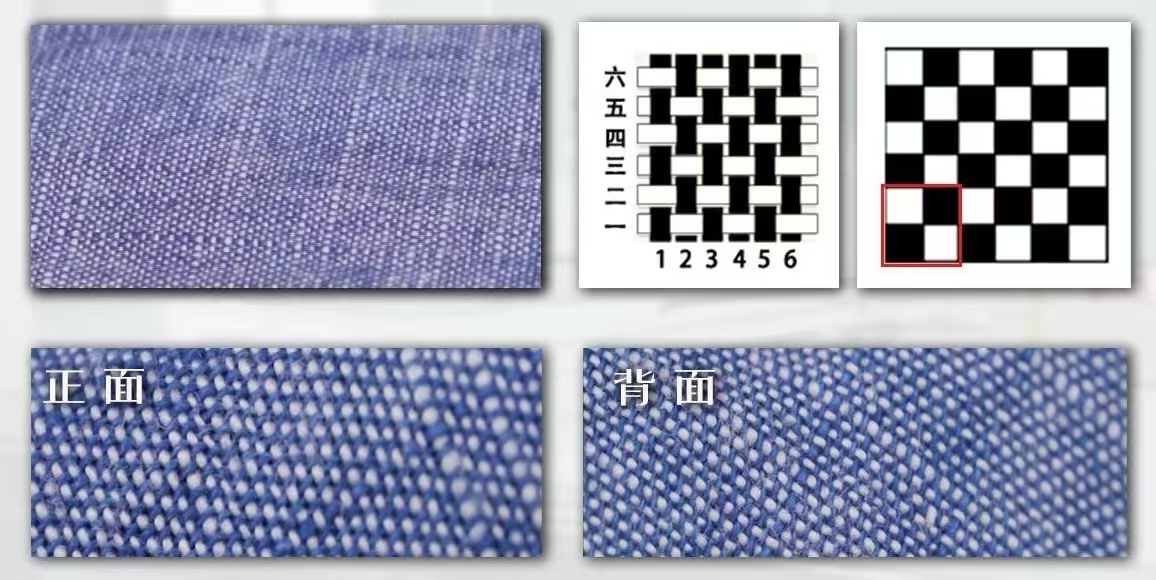
พื้นเดนิมประกอบด้วยผ้าฝ้าย แต่ผลิตภัณฑ์เดนิมสมัยใหม่บางประเภทผสมผสานวัสดุนี้กับโพลีเอสเตอร์หรืออีลาสเทนเพื่อให้ใช้งานได้อย่างยืดหยุ่น ผ้าเดนิมมีความแข็งแกร่งที่โดดเด่นผ่านโครงสร้างทอลายทแยง โดยเส้นด้ายยืน (โดยปกติจะเป็นสีครามย้อม) พาดผ่านเส้นด้ายพุ่งสองเส้นขึ้นไป (มักปล่อยทิ้งไว้โดยไม่ย้อม) เพื่อสร้างลวดลายแนวทแยง การผสมผสานระหว่างความแข็งแกร่งและเนื้อผ้าในผ้าเดนิมทำให้เป็นวัสดุยอดนิยมสำหรับกางเกงยีนส์ควบคู่ไปกับแจ็คเก็ตและเบาะผ้า
ผ้าเรียบ
บทบาทของการนับเส้นด้ายในเดนิม
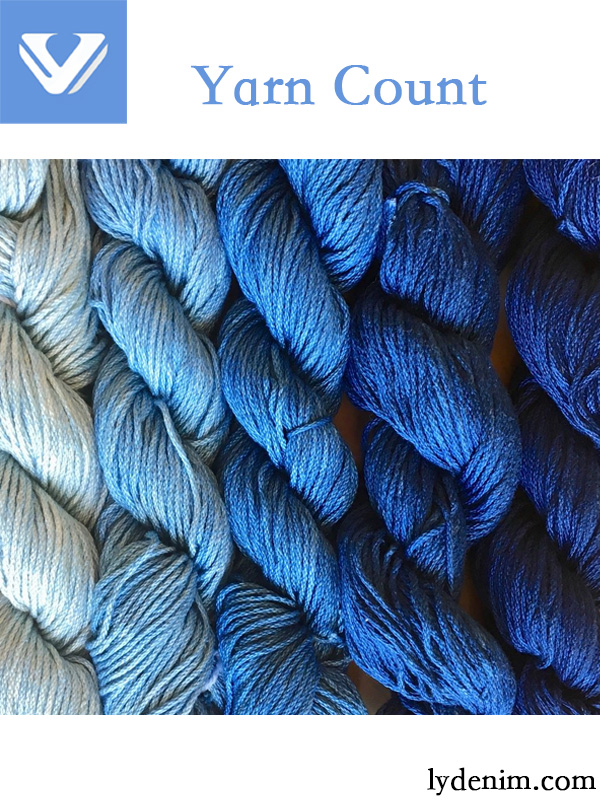
อุตสาหกรรมนี้กำหนดจำนวนเส้นใยของเส้นด้ายโดยการวัดความหนาของเส้นด้าย เพื่อคำนวณมวลต่อหน่วยความยาว อุตสาหกรรมการสปินนิ่งใช้ระบบการนับเส้นใยฝ้ายแบบอังกฤษ ซึ่งเรียกว่า “เน” (Ne) โดยระบบนี้กำหนดความละเอียดของเส้นด้ายตามค่า Ne ที่สูงขึ้น การผลิตผ้าเดนิมใช้จำนวนเส้นใยในช่วง Ne 4 สำหรับเส้นด้ายที่หนาและหนัก และ Ne 20 สำหรับเส้นด้ายที่บาง ส่วนผู้ผลิตใช้เส้นด้ายที่มีค่า Ne ถึง 200 สำหรับการผลิตเส้นด้ายที่มีความละเอียดสูงมาก
ป้ายกำกับบนผ้าดีนิมที่ระบุว่า “7×7” หรือ “6×6” หมายถึงจำนวนเส้นของเส้นด้ายแนวตั้งและเส้นด้ายแนวนอนตามลำดับ ผ้าดีนิมที่ผลิตจากเส้นด้าย Ne 4 จะให้ผ้าหนาทนทาน เหมาะสำหรับยีนส์สไตล์แข็งแกร่ง ในขณะที่เส้นด้าย Ne 20 จะให้ผ้าเบาบาง เหมาะสำหรับชุดเดรสและเสื้อผ้าในฤดูร้อน จำนวนเส้นของเส้นด้ายมีผลโดยตรงต่อความทนทานและลักษณะการสวมใส่ของผลิตภัณฑ์ดีนิม อย่างไรก็ตาม แบรนด์ส่วนใหญ่มักไม่เปิดเผยข้อมูลนี้
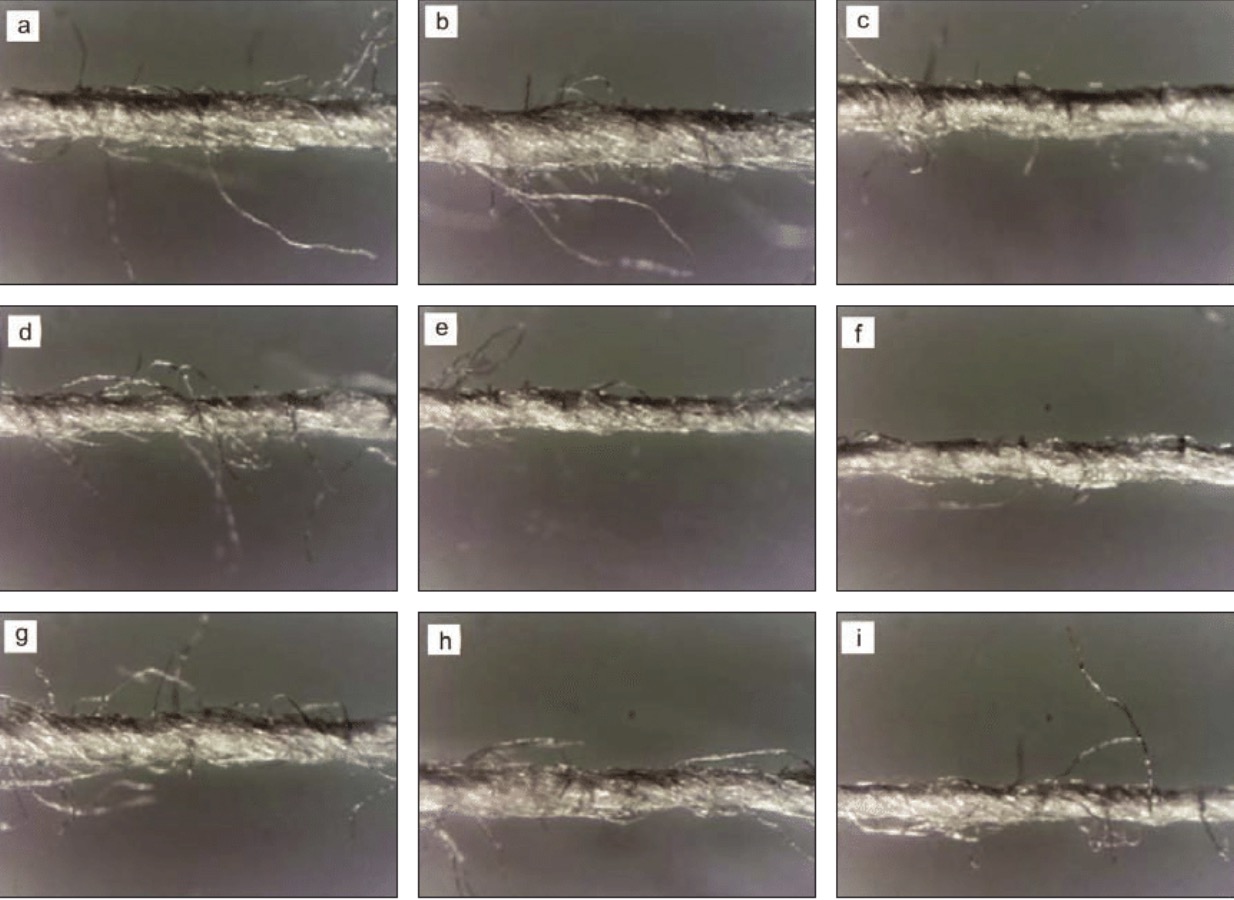
ตัวอย่างเส้นด้ายปั่นด้วยจำนวนและแรงดันหัวฉีดที่แตกต่างกัน
เดนิมทำขึ้นมาได้อย่างไร? กระบวนการปั่น
ขั้นตอนแรกของการผลิตเดนิมเกิดขึ้นในแผนกปั่นด้าย ต่อไปนี้เป็นรายละเอียดแบบง่าย
- การเตรียมผ้าฝ้าย: ขั้นตอนการเตรียมฝ้ายเบื้องต้นเกี่ยวข้องกับการทำความสะอาดฝ้ายดิบซึ่งจะถูกสางเป็นเศษไม้ที่มีลักษณะคล้ายเชือกยาว
- ปั่น: กระบวนการปั่นด้ายจะเปลี่ยนเศษไม้ให้เป็นเส้นด้ายโดยใช้เทคนิคการปั่นแบบวงแหวนซึ่งจะสร้างเส้นด้ายที่มีความแข็งแรงสม่ำเสมอซึ่งเหมาะสำหรับการผลิตผ้าเดนิม การนับเส้นด้ายจะได้รับจุดกำหนดในขั้นตอนการผลิตนี้
- การย้อมสี: เส้นด้ายยืนได้รับกระบวนการย้อมด้วยสีคราม แต่เส้นด้ายพุ่งจะไม่มีการย้อม
- การทอผ้า: เส้นด้ายยืนย้อมครามจะถูกทอด้วยเส้นด้ายพุ่งที่ไม่ย้อมโดยใช้เครื่องทอลายทแยง
กระบวนการผลิตส่งผลให้ผ้าเดนิมมีลักษณะเป็นสีน้ำเงินขาวและมีเนื้อผ้าหนาแน่น ทำให้เกิดรูปลักษณ์ที่โดดเด่นไม่ว่าจะขายเป็นผ้าดิบหรือเป็นผลิตภัณฑ์สำเร็จรูป
เหตุใดการนับเส้นด้ายจึงมีความสำคัญ
การเลือกจำนวนเส้นด้ายเป็นตัวกำหนดมากกว่าน้ำหนัก เนื่องจากกำหนดทั้งระดับความสบายและความทนทานควบคู่ไปกับผลลัพธ์ของสไตล์ ตัวอย่างเช่น:
- เฮฟวีเดนิม (Ne 4–10): เหมาะสำหรับแจ็คเก็ตที่มีโครงสร้างหรือกางเกงยีนส์สไตล์วินเทจ
- ไลท์เดนิม (Ne 12–20): เหมาะสำหรับเสื้อผ้าที่นุ่มและระบายอากาศได้ดี เช่น กระโปรงหรือผ้าเดนิม เพื่อขายในงานสร้างสรรค์
การเลือกผ้าเดนิมสำหรับโปรเจ็กต์ DIY ของคุณหรือการซื้อจะง่ายขึ้นเมื่อคุณเข้าใจข้อมูลการนับเส้นด้าย
บทสรุป
ผ้าเดนิมถือกำเนิดจากแหล่งฝ้ายแบบดั้งเดิม ในขณะที่กระบวนการปั่นและทอสร้างคุณลักษณะที่โดดเด่นผ่านวิธีการผลิตสมัยใหม่ ครั้งต่อไปที่คุณมองหาผ้าเดนิมตามสนามหญ้า หรือต้องการทำความเข้าใจผ้าเดนิม ให้พิจารณาจำนวนเส้นด้ายและวิธีการผลิตที่เกี่ยวข้องให้ดียิ่งขึ้น
คำถามที่พบบ่อย
สามารถปรับแต่งให้เหมาะกับแบรนด์หรือคอลเลกชันของฉันได้หรือไม่?
ใช่ ส่งใบสมัคร รูปภาพอ้างอิง คุณภาพเป้าหมาย ปริมาณ และข้อกำหนดของตลาด เพื่อให้ซัพพลายเออร์สามารถแนะนำตัวเลือกผ้า เครื่องแต่งกาย หรือการตกแต่งที่เหมาะสมได้
ฉันควรส่งข้อมูลอะไรบ้างก่อนที่จะขอใบเสนอราคา?
จัดเตรียมประเภทผลิตภัณฑ์ ผ้าหรือเทคนิคเป้าหมาย ทิศทางสี ความต้องการตัวอย่าง ปริมาณ ประเทศปลายทาง และระยะเวลารอคอยสินค้าที่คาดหวัง
ฉันควรขอตัวอย่างก่อนการผลิตจำนวนมากหรือไม่
ใช่ ตัวอย่างและระยะตัวอย่างจะช่วยลดความเสี่ยงก่อนสั่งซื้อจำนวนมาก โดยเฉพาะอย่างยิ่งเมื่อคุณภาพสี ความรู้สึกทางมือ การยืด พื้นผิว หรือการตกแต่งมีความสำคัญ
ฉันจะหลีกเลี่ยงปัญหาด้านคุณภาพในคำสั่งซื้อจำนวนมากได้อย่างไร
อนุมัติมาตรฐานตัวอย่างที่ชัดเจน กำหนดข้อกำหนดในการทดสอบ ยืนยันความคลาดเคลื่อน และเปรียบเทียบผลผลิตจำนวนมากกับตัวอย่างที่ได้รับอนุมัติก่อนจัดส่ง
ต้องการความช่วยเหลือในการเปลี่ยนสิ่งนี้ให้เป็นบรีฟการจัดหาที่พร้อมสำหรับการผลิตหรือไม่
ส่งสินค้าเป้าหมายของคุณ ทิศทางผ้า ปริมาณ และความต้องการตัวอย่าง LY Denim สามารถช่วยเปรียบเทียบตัวเลือกและเตรียมใบเสนอราคาได้