


Tips for Prevent Stretch Denim Fabric Failures

Estimated reading time: ~3 minutes
If you once slid into soft, stretchy jeans that hugged just right, yet soon drooped with every rinse, you’re part of a crowd. From tight fits on women to loose-laid looks for guys, stretch denim now fills shelves everywhere. Comfort meets fashion, quietly allowing motion while staying put – no awkward pulls or baggy ends. Still, that awesome stretch? It has a habit of unraveling fast when pressure builds up. Picture this: fabric that snaps back like magic might snap under strain without care. Herein lies the rub – what gives it life could kill it if timing slips or materials waver. Think of it as momentum turning hollow. Spandex hums through denim quiet until fibers quit listening. Production stumbles show up unannounced, each mistake leaving a mark. Even stars shining bright on runways can’t hide worn-out cloth beneath.
Starts with numbers – who ignores stats when they help tell a story? By 2024, the world’s denim fabric market reached roughly $21.5 billion, data shows. It’s headed toward $31.67 billion by 2033, one trend standing out: stretch materials leading the way. Comfort matters, so people want garments that fit close. That pull for soft, stretchy fabrics is what pushes growth here. Not everywhere sees it, though – take North America. There, stretch denim fabric hit $1.2 billion in 2023. From that base, numbers keep rising because increasingly, men are trying out stretchier versions themselves. Stretching big means carrying more weight – unless stretch fades out fast when things go too far.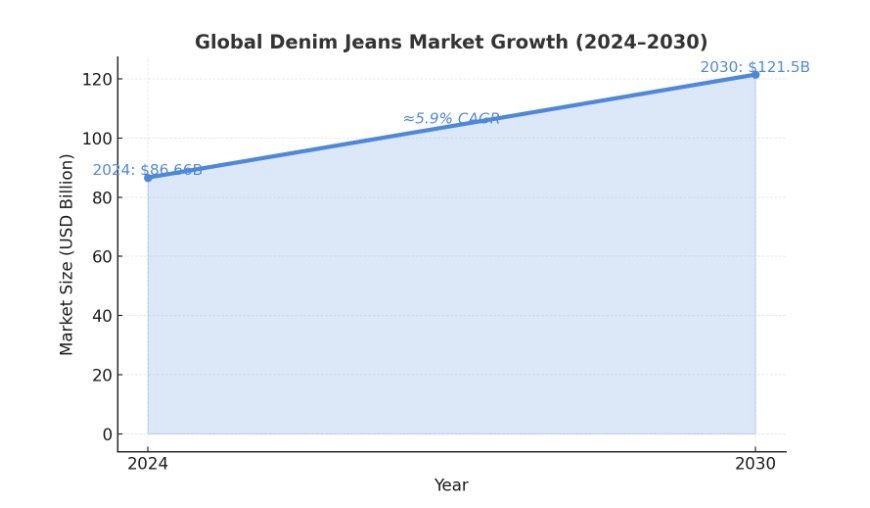
Why Does Stretch Denim Fabric Lose Its Elasticity?
What happens when your go-to jeans stop holding their shape? Blame might shift to spandex woven into denim, the material responsible for flexibility. This stretch component shows up in various weights – ranging from lightweight 20D to stronger versions such as 40D or full-power 70D. Delicate types, say 20D, tend to fray fast under wear. When they wear out like this, fabric weakens, and fabric drags down. That loose hang appears sooner than expected. That moment shows up more times than I expected, working closely with textiles.

Denim Stretch
One big issue starts with the spandex yarn itself. Not all spandex is created equal – brands and mills vary in quality, from elasticity ratings to how it’s wrapped in cotton. If the wrapping is uneven or too loose, the spandex can poke out during washing and get damaged. Picture this: you’re inspecting a batch of fabric, and you spot those tiny inconsistencies. Skip the checks, and boom – elasticity loss down the line. For top-notch options, check out high-stretch denim fabrics from reliable sources like Lydenim’s high stretch collection, which focuses on durable spandex blends.
After that comes the weaving process. Sometimes, factory teams skip key checks during material pulls. Broken strands often avoid early detection. Even though clear flaws show up later, tiny issues slip past entirely. After washing, they appear, causing big expenses for companies. A past job stands out – the client dismissed these issues entirely. Suddenly, one full batch lay flat, ruined without warning. What seemed minor turned disastrous overnight.
Fabric damage and structure play a role too. When developing super-soft or knit-like stretch denim, poor communication between teams can lead to weak spots. It’s all about balancing hand-feel with durability. If you’re into the nitty-gritty, Lydenim has a great read on spandex in denim revolutionizing comfort that echoes these points.

Comfort Stretch Denim
Smart Solutions to Keep Your Stretch Denim Fabric Bouncy
Fine. That stuff needs changing. When picking fabrics, choose high-quality spandex threads – ones from reliable makers tend to reduce problems. Testing every piece carefully matters a lot; watch how tightly it wraps, plus whether it stretches like it should, only then move forward into weaving. Putting in the work at the start clears a huge path forward.
Inside the garment factory, small things count. When cutting, keep wearing less than ninety degrees, let fabric rest for twenty four hours after shrinking. Heavy layers on top? That messes up the shape, especially with stretch materials. When sewing, switch to 12 to 16 gauge round-head needles. Threads should stay tight, less than 606 in width. Needles wear out fast, change them regularly. Heat doesn’t belong here – use heat-resistant ones on overlock machines. For five-thread seams, space threads at least 1.1 cm apart before washing to keep each strand in place.
Washing is where many go wrong. Stick to the process: pH between 5-7 for chemicals, no extreme temps in drying, and thorough rinsing after bleaching. Record every agent used – it’s like keeping a diary to spot patterns. If you’re sourcing custom pieces, sites like Alibaba’s denim suppliers often have stretch options with good spandex specs, though always verify.
If you want to keep that stretch going, check out our related piece on how to care for denim or what’s new in eco-friendly denim styles – it has useful ideas you can use inside the team.
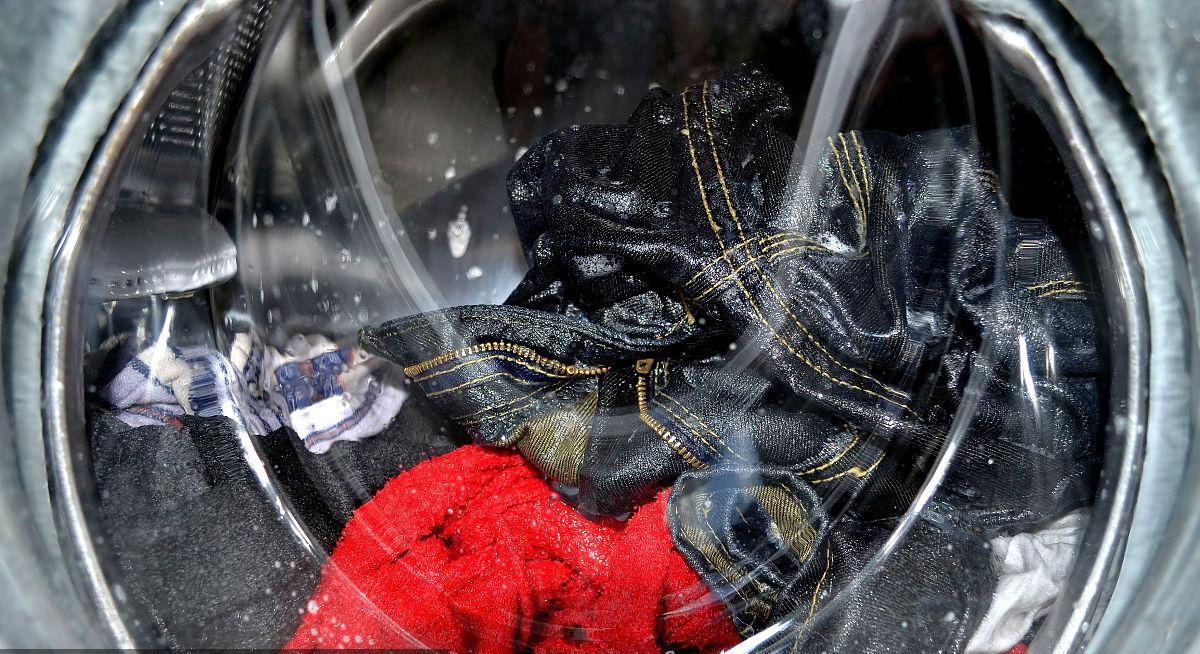
Washing machine to wash jeans
Fashion Cases: Celebs Rocking Stretch Denim
Picture Hailey Bieber wearing tight-fitting stretch jeans that follow every curve just right. She often wears them with short shirts, giving off a relaxed, California feel. Spotting her like that does wonders for the fabric’s reputation. Meanwhile, Kendall Jenner reaches for mid-stretch skinny legs whenever she’s working hard on set. Her go-to choice? It keeps pace without sagging or losing shape. Each time they step out like this, the material gains real-world proof. Beyonce wears loose stretch jeans on tour, blending ease with sharp style. You will also find Katie Holmes in black stretch jeans, walking through city streets – soft but put together. These women prove the look works anywhere, even under glitter or just around town.

Hailey Bieber wearing tight-fitting stretch jeans
FAQ: Your Burning Questions on Stretch Denim Fabric
Q: How can I tell if my jeans have good spandex in denim? A: Look for labels mentioning 20D-70D spandex and test the pull – it should snap back without sagging.
Q: What’s the best way to wash stretch denim to avoid elasticity loss? A: Cold water, inside out, air dry. Skip the dryer to prevent heat damage.
Q: Are there denim weaving issues I should watch for when buying? A: Check for even texture; uneven weaves often signal potential breaks.
Q: Any sewing tips for denim at home? A: Use sharp needles and go slow – it prevents puckering.
Q: How does the washing process for denim affect stretch? A: Harsh chemicals or high heat can degrade spandex, so gentle cycles are key.
There you have it – stretch denim fabric doesn’t have to be a gamble. With these insights, you’ll keep your wardrobe fresh and fitted. Got your own horror stories or wins? Drop a comment below!
Customization Services by LYDENIM
Dreaming of premium fabrics with outstanding texture and durability? LYDENIM specializes in high-quality textiles and bespoke garment solutions, helping you turn creative ideas into reality with precision and style.
🎨 Custom Fabrics
Design your own fabric collection with LYDENIM’s premium materials. From luxurious cotton blends to innovative eco-friendly textiles, explore colors, weaves, and finishes that perfectly match your brand or design vision. Visit LYDENIM to learn more.
🛍️ Tailored Garment Solutions
Bring your designs to life with our custom garment services. Whether it’s tailored suits, stylish dresses, or durable workwear, we ensure perfect fit, superior comfort, and lasting quality. Explore customization options on Myalibaba.
📩 Get in Touch
Have a project in mind? Contact our team at malone@lydenim.com to discuss custom fabrics, garment design, or sustainable textile solutions.
Transform your ideas into reality with LYDENIM—your trusted partner for innovative, high-quality fabrics and bespoke apparel solutions.