


Denim Fabric Supplier
Looking for denim fabric that matches a real garment plan, not just a nice swatch photo? LY Denim helps brands and garment makers talk through fabric feel, wash idea, color, texture and sample needs in plain sourcing language.
You do not need a perfect technical sheet to begin. A garment photo, swatch or wash reference can help us narrow the fabric family first, then confirm the details that need sampling.
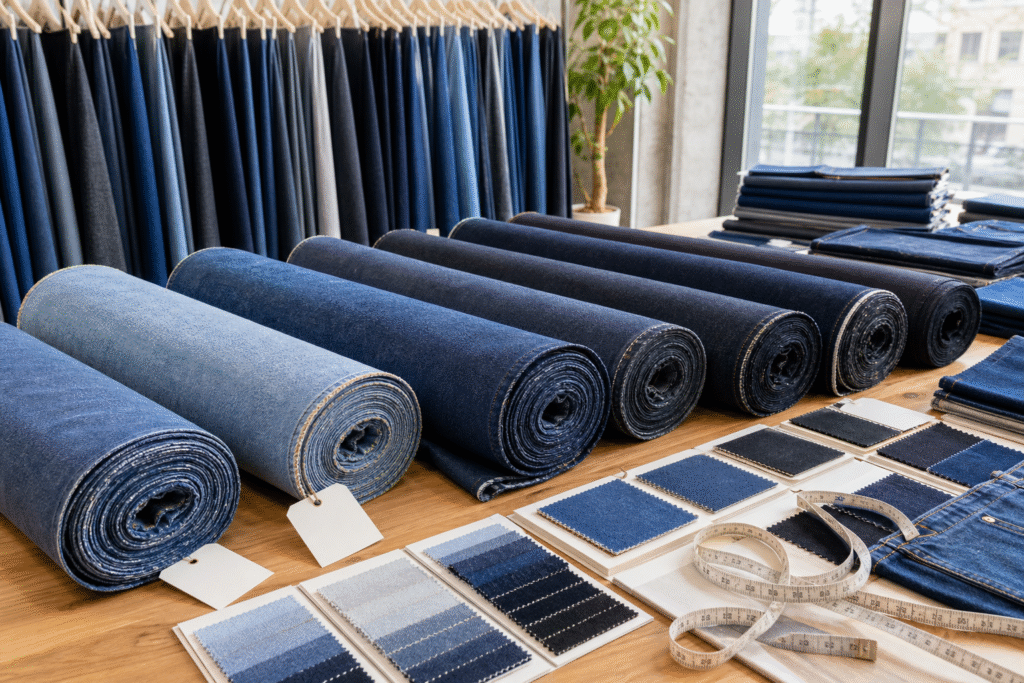
Stretch, texture, color and effect fabrics each need a different first sample path.
A garment photo, swatch and wash idea are enough to start a useful sourcing conversation.
Feel, shade and wash response are easier to judge with fabric in hand than from a product title alone.
Keep the early checks close to hand feel, width, wash response and sample-to-bulk consistency.
For denim brands, factories and sourcing teams
Built for denim brands, apparel factories and sourcing teams choosing fabric for jeans, jackets, shirts, skirts, uniforms or seasonal collections.
If you already have a swatch, photo or tech pack, send it with your request. If you are still early, start with the fabric families below and pick the one closest to your garment idea.
- One fabric family that matches the garment goal without jumping through too many unrelated options.
- A sample path that makes it easier to judge feel, surface and wash direction in hand.
- A cleaner RFQ start so the first reply is shaped by the actual garment, not guesswork.
Start With The Fabric Direction
The fastest way to talk with a denim supplier is to start from the fabric direction, then narrow the weight, wash, color, and order plan. These product paths help your team begin with something concrete.
- High stretch denim fabric if the garment needs comfort, movement, and strong recovery.
- Slub denim fabric if you want a more natural yarn texture or vintage surface.
- Jacquard denim options if the pattern should be woven into the fabric instead of printed later.
- Colored denim fabric if shade matching, wash behavior, and bulk color control are the key concerns.
- Specialty fabric if the project needs coating, flocking, burnout, or another surface effect.
- Custom denim fabric development if an existing fabric is close, but the handfeel, construction, or finish needs adjustment.
Start with a short sourcing note
A short message is enough to begin: garment type, fabric photo or swatch, target feel, color or wash idea, and what you want to make next.
That makes it easier to suggest whether you should begin with an existing sample path or move into a more tailored development discussion.
Keep the early checks practical
The first sample discussion usually works best when the team stays with touch, shade, wash feel, width and stretch response instead of trying to over-specify everything at once.
For patterned or effect fabrics, it also helps to note where seams, pockets or panel breaks may affect what the garment finally looks like.
Bring a few useful details
- Garment type and target market
- Reference photo, swatch or tech pack if you already have one
- Target feel, color direction or wash idea
- Whether the next step is sampling, line review or a fuller RFQ discussion
Clear answers before you send an RFQ
- What if I do not know the fabric specification? Send the garment idea and a few style photos. LY Denim can help narrow the fabric family first.
- Should I pick from existing fabrics or develop a new one? Existing fabrics are easier when you need swatches quickly. Custom development makes more sense when color, texture, stretch or surface effect must follow your brand idea.
- What makes the first reply faster? A garment photo, target feel, color or wash idea, and sample purpose. Even rough information is better than a blank RFQ.
- Can one fabric work for every denim garment? Not usually. The same swatch can feel right for one product line and wrong for another, so the garment plan matters early.
Start a fabric request
Send your fabric note through the LY Denim fabric RFQ form. This gives the team enough context to suggest a practical next sample step without inventing details that are not in your brief.