Market

The Manufacturing Process of Denim Fabric: From Raw Material to Finished Product

Scaled for LY Denim B2B sourcing projects
Denim Fabric Sourcing / Market

The Manufacturing Process of Denim Fabric: From Raw Material to Finished Product

Estimated reading time: ~5 minutes Introduction to Denim Fabric Production Denim fabric production crafts one of the world’s most iconic textiles, celebrated for its durability, comfort, and timeless appeal. From rugged…

The Manufacturing Process of Denim Fabric: From Raw Material to Finished Product

B2Bsourcing guide
Customsample to bulk
Quoteready checklist

Best forBrands, designers, wholesalers and garment factories
Main valueTurn research into a clearer sourcing brief
What to prepareApplication, quantity, target quality and sample needs
Next actionSend requirements for swatches or quotation

Buyer Summary

For B2B fabric buyers, this topic should help compare composition, weight, handfeel, stretch, finish, MOQ and production stability before sampling.

  • Suitable buyersFashion brands, sourcing teams, wholesalers, garment factories and product developers.
  • What to confirmTarget product, fabric direction, finish, sample needs, quantity and delivery market.
  • Buyer riskUnclear specs can lead to wrong samples, unstable bulk quality and slow quotations.
  • Recommended CTARequest swatches or a sample quote before committing to bulk production.

Why This Matters for B2B Buyers

Confirm the application, target fabric character, color direction and bulk quantity before asking for a quote.

Estimated reading time: ~5 minutes Introduction to Denim Fabric Production Denim fabric production crafts one of the world’s most iconic textiles, celebrated for its durability, comfort, and timeless appeal. From rugged…

The Manufacturing Process of Denim Fabric: From Raw Material to Finished Product sample detail
Use product visuals with sourcing notes so readers can connect ideas to real development requirements.
The Manufacturing Process of Denim Fabric: From Raw Material to Finished Product application reference
Pair inspiration with practical quote details such as weight, finish, handfeel and quantity.

Specification Table for Faster Sourcing

Decision point Options to compare Why it matters Buyer question
Fabric base Cotton, blends, stretch denim, jacquard, flocked or specialty denim Controls handfeel, durability and price position What product category is this fabric for?
Weight Light, medium or heavy construction Affects drape, season, garment type and shipping cost Do you need shirts, jackets, jeans or structured pieces?
Finish Color, wash, coating, flocking, jacquard or softening Determines final appearance and customer touch What handfeel and wash effect do you expect?
Supply plan Swatches, sample yardage, bulk lots Reduces risk before production What quantity and delivery market should be quoted?

Applications and Custom Options

1

Product Development

Use this guide to turn design ideas into fabric, garment, finish and sample requirements.

2

Supplier Comparison

Compare suppliers by sample support, technical clarity, bulk stability and communication speed.

3

Bulk Production

Confirm quality standards, approved samples and timeline before placing production orders.

Quality Control Points Before Bulk Order

  • OKSample approval: confirm fabric, color, handfeel, construction and finish before bulk production.
  • OKBulk consistency: compare bulk lots against the approved sample under the same light and test conditions.
  • OKPerformance testing: check shrinkage, colorfastness, stretch recovery or decoration durability where relevant.
  • OKQuote clarity: send quantity, destination, packaging needs and target lead time to avoid vague pricing.

Sample Development Process

Step Buyer provides Supplier confirms
1. Brief Application, reference images, target quality and quantity Feasibility, recommended material and custom options
2. Swatch Preferred color, handfeel, pattern or finish feedback Available stock, custom direction and sample cost
3. Sample Garment test plan, size or yardage needs Sampling timeline and production repeatability
4. Bulk quote Order quantity, delivery destination and packaging needs Unit price, MOQ, lead time and QC checkpoints

Detailed Guide

Estimated reading time: ~5 minutes

Introduction to Denim Fabric Production

Denim fabric production crafts one of the world’s most iconic textiles, celebrated for its durability, comfort, and timeless appeal. From rugged workwear to high-fashion staples, denim’s unique charm stems from a meticulous process that transforms raw cotton into stylish garments. This guide explores the five key stages of denim fabric production—cotton selection, spinning and dyeing, weaving, post-treatment, and finishing—revealing how each step contributes to denim’s enduring legacy. Whether you’re a designer or enthusiast, understanding this process unlocks the secrets behind denim’s versatility.

Raw Material Selection

Choosing High-Quality Cotton

The foundation of denim fabric production lies in selecting high-quality cotton. Long-staple cotton is preferred for its longer fibers, which create a smoother, tighter weave, enhancing the fabric’s feel and durability. According to LYDenim’s fabric guide, premium cotton ensures superior strength and comfort. Many brands opt for organic cotton to reduce environmental impact, aligning with sustainable practices while maintaining quality.

Cotton

Cotton

Yarn

Yarn

Spinning and Dyeing

Creating Indigo Denim

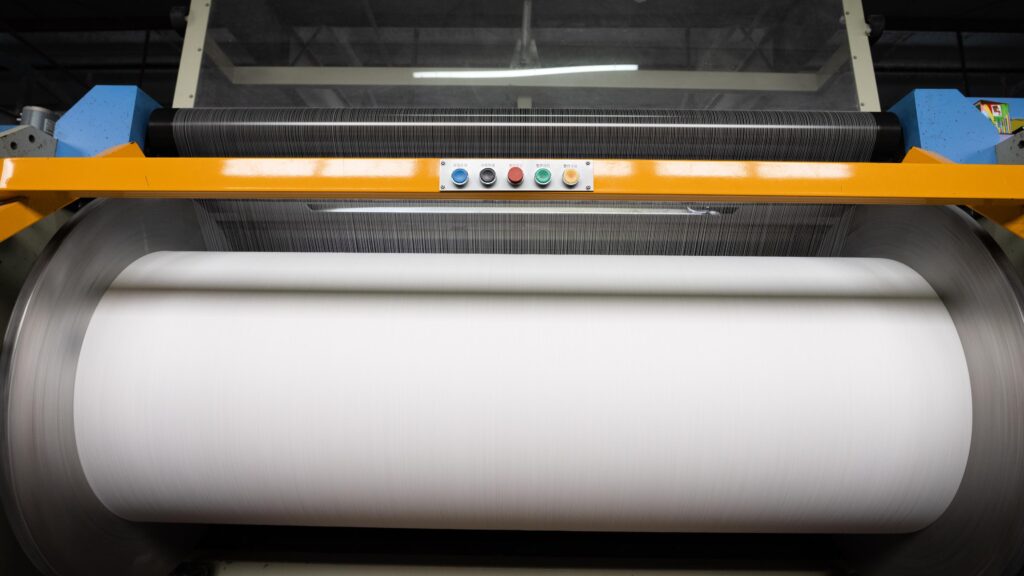
The dyeing process defines denim’s iconic look. Indigo dyeing gives denim its signature blue hue, achieved by dyeing the yarns rather than the woven fabric. Cotton fibers are spun into yarn, then immersed in indigo baths. This method, as noted in LYDenim’s weave guide, creates a darker surface with lighter inner fibers, allowing for natural fading over time. The result is denim’s characteristic depth and versatility, perfect for unique, worn-in aesthetics.

Preparation for dyeing

Preparation for dyeing

Dyeing

Dyeing

Weaving

The Classic Twill Structure

Denim’s distinctive texture comes from its twill weave, where fewer warp (vertical) yarns interlace with more weft (horizontal) yarns, forming diagonal lines. This structure, detailed in LYDenim’s weave guide, enhances durability and flexibility while giving denim its recognizable appearance. The 3/1 twill is standard, balancing strength and drape, making it ideal for jeans and jackets.

Weaving

Weaving

Post-Treatment

Softening and Styling

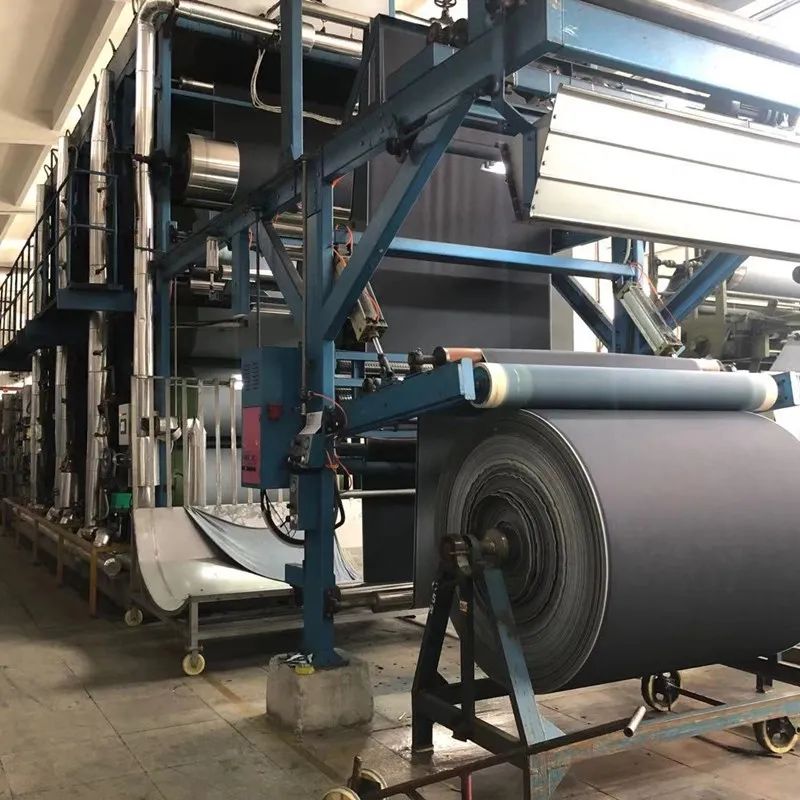
After weaving, denim undergoes post-treatment to achieve its desired feel and look. Processes like washing, brushing, and bleaching soften the fabric and enhance moisture-wicking properties. The stone-wash technique, described in LYDenim’s shrinkage guide, uses pumice stones to create a naturally faded, vintage appearance, boosting comfort and style. These treatments transform rough denim into a soft, wearable textile.

Post-Treatment

Post-Treatment

Finishing

Crafting Denim Garments

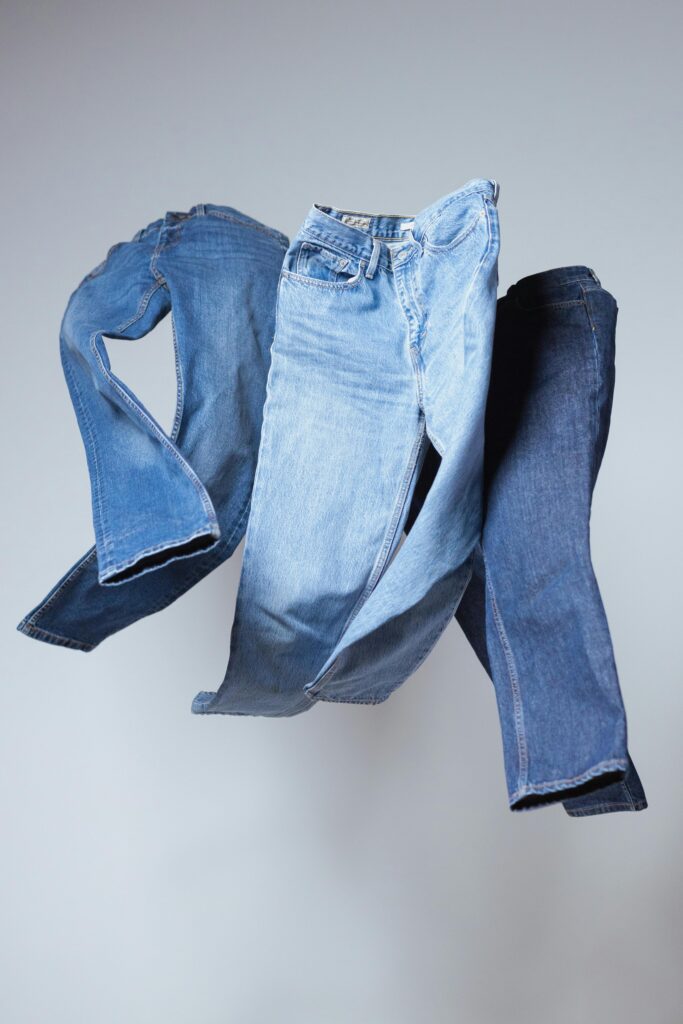
The final stage of denim fabric production involves garment finishing. Designers cut and sew denim into jeans, jackets, skirts, and more, incorporating details like rivets or stitching to align with fashion trends. This step blends craftsmanship with creativity, ensuring denim meets consumer preferences for both style and functionality, as highlighted in LYDenim’s fabric guide.

Garments

Garments

Conclusion

Denim fabric production is a blend of tradition and innovation, transforming high-quality cotton into a versatile, durable textile. From indigo dyeing to twill weaving and stone-washing, each step crafts denim’s iconic charm. Understanding this process empowers designers and consumers to appreciate denim’s timeless appeal. For more insights, explore our guides on Denim Care Tips or Textile Design Guide.

Customization Services by LYDENIM

🎨 Want custom denim fabrics or  unique custom denim garment? LYDENIM specializes in tailor-made solutions to meet your design and production needs.

🛍️ Explore & Get Inspired: Browse our fabric selections and discover design ideas on LYDenim.

🌐 Elastic Clothing: Check out our offerings on MyAlibaba. 📩 Contact Us: Reach out at malone@lydenim.com.

Create your denim masterpiece with LYDENIM—your trusted partner for stretch fabric and custom denim solutions.

FAQ

Can this be customized for my brand or collection?

Yes. Send your application, reference images, target quality, quantity and market requirements so the supplier can recommend suitable fabric, garment or finishing options.

What information should I send before asking for a quote?

Prepare product type, target fabric or technique, color direction, sample needs, quantity, destination country and expected lead time.

Should I request swatches before bulk production?

Yes. Swatches and sample yardage reduce risk before bulk orders, especially when color, handfeel, stretch, finish or decoration quality matters.

How can I avoid quality problems in bulk orders?

Approve a clear sample standard, define test requirements, confirm tolerances and compare bulk output against the approved sample before shipment.

Need help turning this into a production-ready sourcing brief?

Send your target product, fabric direction, quantity and sample needs. LY Denim can help compare options and prepare a quote.

Get A Quote