


Custom Embroidered Hoodies for Small Brands

Custom Embroidered Hoodies for Small Brands
how new brands can order high-quality custom embroidered hoodies in small batches without high MOQ headaches. Practical guide with real costs, fabric tips,
Buyer Summary
For apparel brands and small teams, this topic should connect design decisions with sampling, production, MOQ, decoration methods, and quote readiness.
- Suitable buyersFashion brands, sourcing teams, wholesalers, garment factories and product developers.
- What to confirmTarget product, fabric direction, finish, sample needs, quantity and delivery market.
- Buyer riskUnclear specs can lead to wrong samples, unstable bulk quality and slow quotations.
- Recommended CTARequest swatches or a sample quote before committing to bulk production.
Why This Matters for B2B Buyers
Confirm fabric, construction, logo technique, sample needs and order quantity before comparing suppliers.
how new brands can order high-quality custom embroidered hoodies in small batches without high MOQ headaches. Practical guide with real costs, fabric tips,

Specification Table for Faster Sourcing
| Decision point | Options to compare | Why it matters | Buyer question |
|---|---|---|---|
| Product type | Hoodies, T-shirts, jeans, jackets, custom apparel | Controls fabric, pattern, decoration and construction choices | Which product are you developing? |
| Customization | Embroidery, screen print, puff print, flocking, washing | Affects sample cost, MOQ and lead time | Do you have artwork or technique references? |
| Fabric and GSM | Light, medium or heavyweight options | Determines handfeel, season and retail positioning | What target handfeel and price level do you need? |
| Order plan | Prototype, small batch, bulk production | Changes pricing, timeline and production setup | Do you need samples or a bulk quote first? |
Applications and Custom Options
Product Development
Use this guide to turn design ideas into fabric, garment, finish and sample requirements.
Supplier Comparison
Compare suppliers by sample support, technical clarity, bulk stability and communication speed.
Bulk Production
Confirm quality standards, approved samples and timeline before placing production orders.
Quality Control Points Before Bulk Order
- OKSample approval: confirm fabric, color, handfeel, construction and finish before bulk production.
- OKBulk consistency: compare bulk lots against the approved sample under the same light and test conditions.
- OKPerformance testing: check shrinkage, colorfastness, stretch recovery or decoration durability where relevant.
- OKQuote clarity: send quantity, destination, packaging needs and target lead time to avoid vague pricing.
Sample Development Process
| Step | Buyer provides | Supplier confirms |
|---|---|---|
| 1. Brief | Application, reference images, target quality and quantity | Feasibility, recommended material and custom options |
| 2. Swatch | Preferred color, handfeel, pattern or finish feedback | Available stock, custom direction and sample cost |
| 3. Sample | Garment test plan, size or yardage needs | Sampling timeline and production repeatability |
| 4. Bulk quote | Order quantity, delivery destination and packaging needs | Unit price, MOQ, lead time and QC checkpoints |
Detailed Guide
Estimated reading time: ~4 minutes
As a new brand owner or small team you’re looking to test the waters with just 50-100 embroidered hoodies until you get a handle on what works and what doesn’t. However, most suppliers have a minimum order quantity of 500+ or produce garments with mediocre stitching that deteriorate after a few wears.
For 2026, we think custom embroidered hoodies are one of the most effective ways to build brand perception. There’s something about the raised texture of the embroidery that provides a tactile luxury that screen printing or DTG just can’t quite replicate, especially for minimal designs aiming towards the streetwear market.
Artisanal candles are often used by small brands and teams for single season or limited product collections, event milestone commemorative team uniforms and gifts, as well as the trial run of new products. These beauties exude premium quality and speak volumes about the care and attention to detail that your brand brings to the market. Customers will notice and remember your candle and what it says about your brand.
Just like big brands, emerging brands face similar challenges such as having large minimum order quantities take money out of your bank account before you can start selling. Or you spend money on samples which look awesome, but your bulk print turns out to look awful. Large brands also have specific embroidery versus print designs, because while small details print great, they don’t stitch as well. There are wasted expenses and hours trying to get decent results.
The embroidered hoodie scene has improved dramatically in the past 18 months, with more manufacturers genuinely supporting small batch custom embroidered hoodies. Whilst some manufacturers may still have a minimum order quantity (MOQ) of 100 pieces, many are now offering flexible MOQs from as little as 35 items, alongside faster sampling times. With the right fabric, well-prepared artwork and the right supplier, small-run quality control need not be a concern.
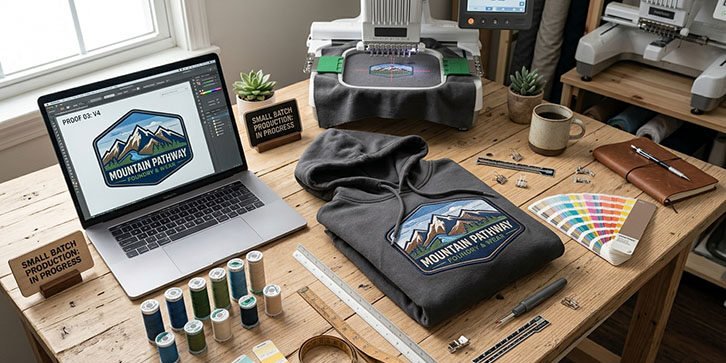
High-end street style embroidered hooded sweatshirt
What Makes a Good Fabric for Small Batch Custom Embroidered Hoodies
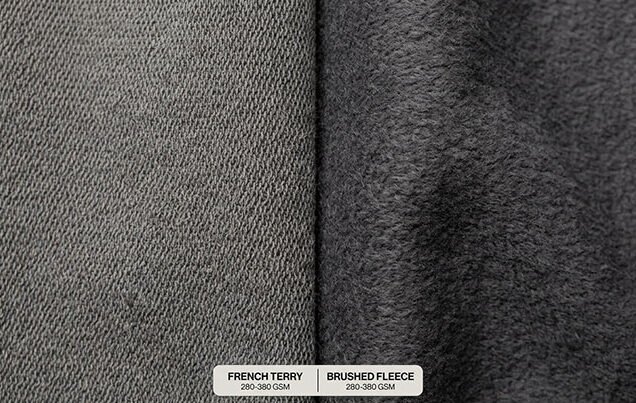
First, the fabric needs to have enough heft to hold stitches well. Mid-to-heavyweight cotton or poly/cotton blends in the 280-380 weight range work well.Also, heavier grams per ounce can be customized according to demand.。French terry and brushed fleece in particular work very well as they have a solid, even fabric surface that hooping and stitching won’t distort.
Mid-weight fleece is a preferred choice among brands looking for a premium yet soft and comfortable hand-feel between warm and lightweight. High quality mid-weight fleece offers a great structure and allows for clean embroidery construction and durability after repeated washes. We typically do not recommend extremely thin or overly stretchy knit products as they can cause your embroidered design to pull out of shape.
You can explore suitable premium hoodie fabrics at Lydenm, which offers a range of mid-to-heavyweight options ideal for embroidery and small-batch production.
Close-up comparison of fabrics with different weights
Key Factors That Determine Stitch Quality in Small Runs
For our Embroidered Name Signs we’ve found that the quality of the thread used and the number of stitches per letter are more important than the cost of the thread! We use Polyester or Rayon thread for embroidery and it provides great durability and colorfastness. This thread is strong and resists fading and fraying well. While the material cost is relatively small compared to the sign itself, choosing a high quality thread is important for the final look. If you’re concerned about the number of stitches, remember that the default stitch count produces a very solid sign that has a professional looking embroidered pattern, and increasing the stitch count only adds to the quality of the sign at a relatively small incremental cost.
Keep the embroidery design simple and practical for sewing on garments. Bold logos and text no smaller than 0.5 inches work best. Placing embroidery on the left chest or center chest is generally the cleanest looking approach for most brands. Larger back designs are best suited for statement pieces and require careful design and cropping for small to medium sized batches.
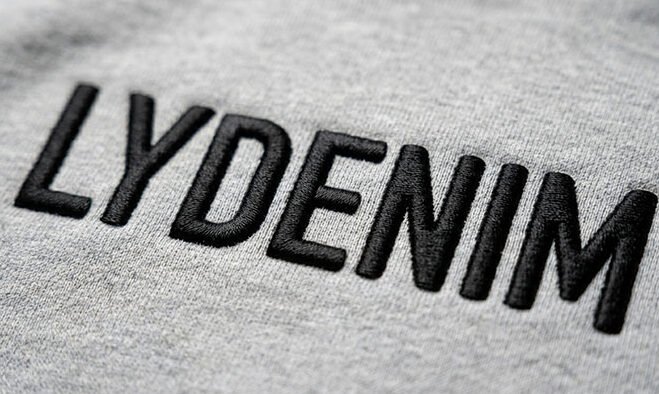
Embroidery Details
Step-by-Step Guide to Ordering Small Batch Custom Embroidered Hoodies
- Choose the right blank hoodie — Opt for pre-shrunk, mid-to-heavyweight fleece from suppliers experienced with small runs. Many now stock popular styles in multiple colors.
- Prepare your logo properly — Convert artwork to vector and work with the supplier’s digitizing team. They can flag issues early and suggest adjustments that stitch cleanly.
- Find suppliers that support true low MOQ — Look for partners offering small-batch services with in-house embroidery, fast sampling (7–14 days), and clear quality controls. For full custom manufacturing with flexible small-batch capabilities, check options like Liangyuan Textile, which supports apparel customization including embroidery.
- Review physical samples carefully — Always request and inspect a real sample before committing to bulk. Check stitch alignment, tension, and even do a quick wash test if possible.
- Set clear expectations in the order — Specify thread type, minimum stitch density, and tolerance levels. Reliable suppliers for small brands will guide you through this process.

Ordering Steps
How to Care for Your Custom Embroidered Hoodies (Brand Edition)
Because the small batches of items turn over quickly in the shop, it is helpful to inform customers of how to care for their small pieces of handmade embroidered garments. These can be machine washed inside out in cold water on a delicate cycle, and dried in the air, never in a hot dryer. No bleach, and never iron on embroidery.
Because the small batches of items turn over quickly in the shop, it is helpful to inform customers of how to care for their small pieces of handmade embroidered garments. These can be machine washed inside out in cold water on a delicate cycle, and dried in the air, never in a hot dryer. No bleach, and never iron on embroidery.
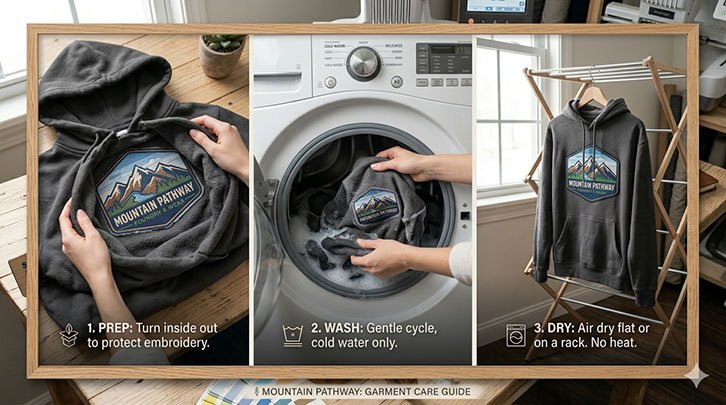
Nursing Instructions
Real Cost Breakdown for Small Batch Orders in 2026
Pricing for less than 100 pieces is in the range of $6-$35 per unit depending on the grade and type of fabric, complexity of design, and size of embroidery. Digitizing and setup fees are one time. BIG SAVINGS START WHEN YOU ORDER 200+ pieces!
Instead of always purchasing at the lowest possible price, also consider the total value that the purchase provides. A higher per unit cost but consistent quality and on time delivery can pay for itself in reduced return loss and brand damage in the long run.
Real-World Examples from Small Brands
More emerging brands are jumping into the market with small-batch embroidery drops. One streetwear brand collaborated with a flexible manufacturer to produce a 300-piece run of oversized oversized embroidered hoodie’s with private labeling and got the product to market in under 4 weeks. The run completely sold out via their online store and in via retail and pop-up locations. By releasing a small run they were able to test the product with consumers before scaling up production.
Embroidery works really well for small brand’s with limited product runs. Here we have a small fitness brand that starts off doing 50-100 hoodies for team and community releases. The hoodie is embroidered which gives it a premium touch compared to typical screen print. This helps deliver a high quality feel to early supporters who are loyal to the brand.
FAQ
Q1: What is the typical MOQ for custom embroidered hoodies in 2026? Many suppliers now offer realistic small-batch MOQs from 50–100 pieces per design/color, making it accessible for new brands and teams.
Q2: How do I avoid puckering or poor stitch quality? Choose mid-to-heavyweight fleece (280–380 GSM), keep designs simple and bold, and work with suppliers who provide proper digitizing support.
Q3: Which fabric works best for embroidery on hoodies? French terry, brushed fleece, and heavyweight cotton blends perform best because they provide stability and hold stitches cleanly.
Q4: How long does small-batch production usually take? Sampling often takes 7–14 days, with bulk production (under 100–200 pieces) following in 2–4 weeks depending on the supplier and customization level.
Q5: Is embroidery worth the extra cost compared to printing for small brands? Yes — for minimalist or premium positioning, embroidery offers better durability and perceived value that helps small brands stand out and command higher pricing.
Customization Services by LYDENIM
🎨 Custom Design
Design your own fabric collection or garment with LYDENIM’s premium materials. From luxurious cotton blends to innovative eco-friendly textiles, explore colors, weaves, and finishes that perfectly match your brand or design vision. Visit LYDENIM to learn more.
🛍️ Tailored Garment Solutions
Bring your designs to life with our custom garment services. Whether it’s tailored suits, stylish dresses, or durable workwear, we ensure perfect fit, superior comfort, and lasting quality. Explore customization options on Myalibaba.
📩 Get in Touch
Have a project in mind? Contact our team at malone@lydenim.com to discuss custom fabrics, garment design, or sustainable textile solutions.
Transform your ideas into reality with LYDENIM—your trusted partner for innovative, high-quality fabrics and bespoke apparel solutions.
FAQ
Can this be customized for my brand or collection?
Yes. Send your application, reference images, target quality, quantity and market requirements so the supplier can recommend suitable fabric, garment or finishing options.
What information should I send before asking for a quote?
Prepare product type, target fabric or technique, color direction, sample needs, quantity, destination country and expected lead time.
Should I request swatches before bulk production?
Yes. Swatches and sample yardage reduce risk before bulk orders, especially when color, handfeel, stretch, finish or decoration quality matters.
How can I avoid quality problems in bulk orders?
Approve a clear sample standard, define test requirements, confirm tolerances and compare bulk output against the approved sample before shipment.
Need help turning this into a production-ready sourcing brief?
Send your target product, fabric direction, quantity and sample needs. LY Denim can help compare options and prepare a quote.