


17 Custom Apparel Printing & Embroidery Techniques Explained for Brands and Buyers
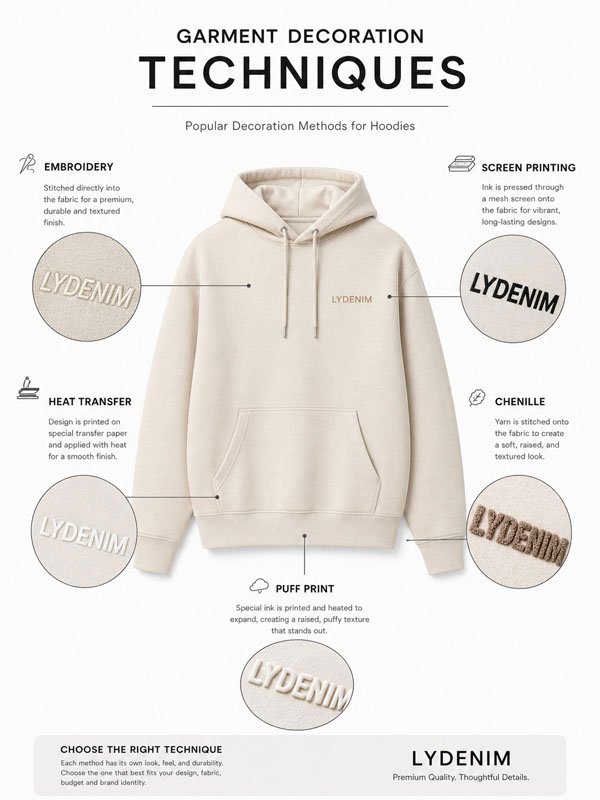
17 Custom Apparel Printing & Embroidery Techniques Explained for Brands and Buyers
Explore 17 custom apparel printing and embroidery techniques for fashion brands. Compare embroidery, screen printing, puff printing, chenille, silicone printing, and more.
Buyer Summary
For apparel brands and small teams, this topic should connect design decisions with sampling, production, MOQ, decoration methods, and quote readiness.
- Suitable buyersFashion brands, sourcing teams, wholesalers, garment factories and product developers.
- What to confirmTarget product, fabric direction, finish, sample needs, quantity and delivery market.
- Buyer riskUnclear specs can lead to wrong samples, unstable bulk quality and slow quotations.
- Recommended CTARequest swatches or a sample quote before committing to bulk production.
Why This Matters for B2B Buyers
Confirm fabric, construction, logo technique, sample needs and order quantity before comparing suppliers.
Explore 17 custom apparel printing and embroidery techniques for fashion brands. Compare embroidery, screen printing, puff printing, chenille, silicone printing, and more.
Specification Table for Faster Sourcing
| Decision point | Options to compare | Why it matters | Buyer question |
|---|---|---|---|
| Product type | Hoodies, T-shirts, jeans, jackets, custom apparel | Controls fabric, pattern, decoration and construction choices | Which product are you developing? |
| Customization | Embroidery, screen print, puff print, flocking, washing | Affects sample cost, MOQ and lead time | Do you have artwork or technique references? |
| Fabric and GSM | Light, medium or heavyweight options | Determines handfeel, season and retail positioning | What target handfeel and price level do you need? |
| Order plan | Prototype, small batch, bulk production | Changes pricing, timeline and production setup | Do you need samples or a bulk quote first? |
Applications and Custom Options
Product Development
Use this guide to turn design ideas into fabric, garment, finish and sample requirements.
Supplier Comparison
Compare suppliers by sample support, technical clarity, bulk stability and communication speed.
Bulk Production
Confirm quality standards, approved samples and timeline before placing production orders.
Quality Control Points Before Bulk Order
- OKSample approval: confirm fabric, color, handfeel, construction and finish before bulk production.
- OKBulk consistency: compare bulk lots against the approved sample under the same light and test conditions.
- OKPerformance testing: check shrinkage, colorfastness, stretch recovery or decoration durability where relevant.
- OKQuote clarity: send quantity, destination, packaging needs and target lead time to avoid vague pricing.
Sample Development Process
| Step | Buyer provides | Supplier confirms |
|---|---|---|
| 1. Brief | Application, reference images, target quality and quantity | Feasibility, recommended material and custom options |
| 2. Swatch | Preferred color, handfeel, pattern or finish feedback | Available stock, custom direction and sample cost |
| 3. Sample | Garment test plan, size or yardage needs | Sampling timeline and production repeatability |
| 4. Bulk quote | Order quantity, delivery destination and packaging needs | Unit price, MOQ, lead time and QC checkpoints |
Detailed Guide
Estimated reading time: ~4 minutes
In modern apparel manufacturing, fabric alone is no longer enough to create product differentiation.
For fashion brands, streetwear labels, and custom clothing businesses, decoration techniques play a major role in defining product identity, perceived value, and customer experience.
Different techniques create completely different visual effects, textures, durability levels, and production costs. Some methods are ideal for premium branding, while others are better for mass production or highly personalized collections.
This guide explains the most widely used custom apparel printing techniques and embroidery methods, helping brands and buyers choose the right solution based on design goals, budget, order quantity, and target market.
Why Decoration Techniques Matter in Apparel Production
Choosing the right decoration method affects more than appearance.
It directly impacts:
- Product positioning
- Production cost
- Durability
- Customer perception
- Manufacturing efficiency
For example:
- A luxury streetwear hoodie may use chenille embroidery or 3D embossing for texture and exclusivity.
- A promotional T-shirt brand may prefer screen printing for lower bulk costs.
- A startup testing new designs may use heat transfer printing because of low setup cost.
Understanding the strengths and limitations of each method helps avoid costly production mistakes.
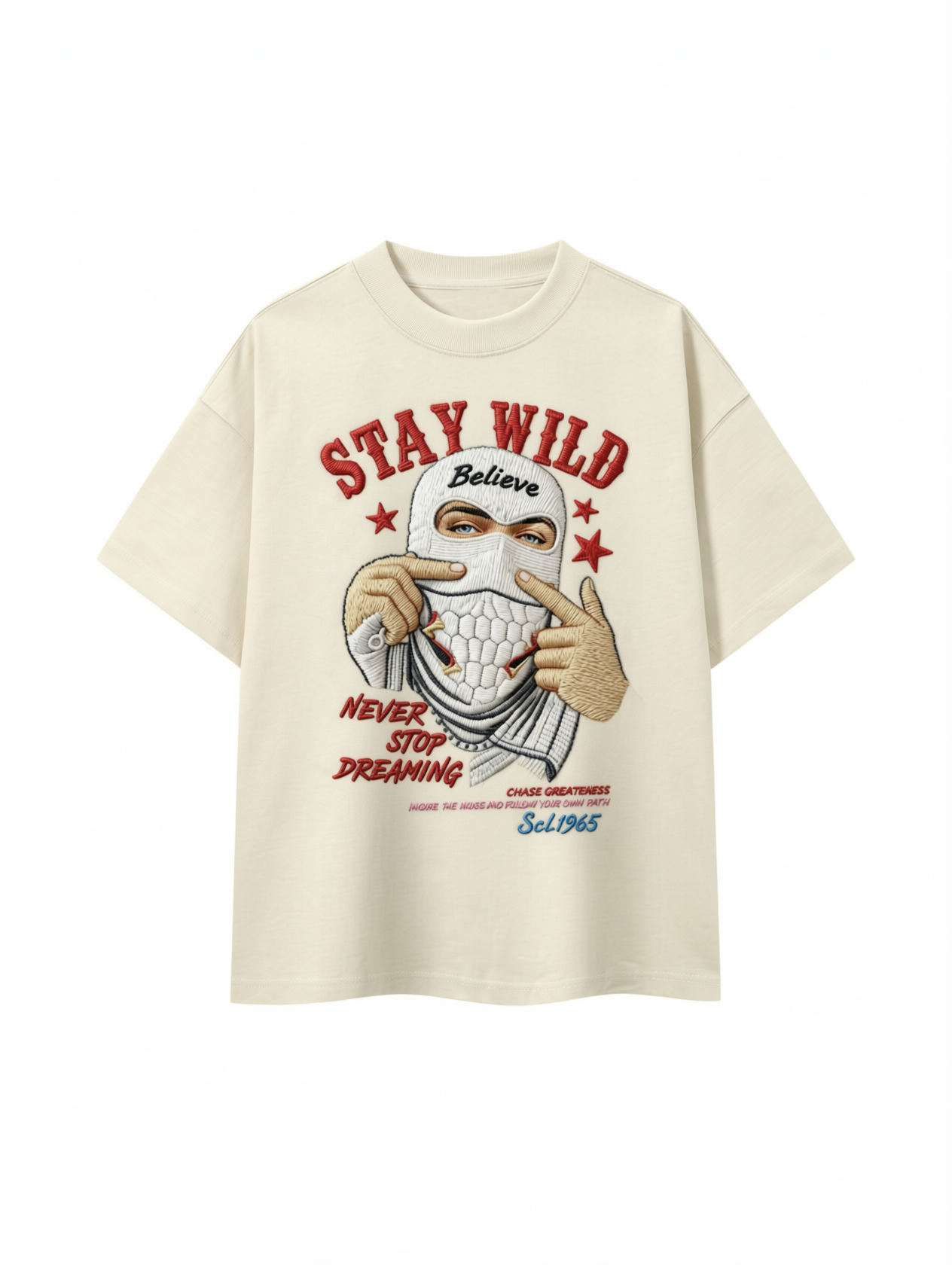
1. Embroidery (Machine Embroidery)
Features
Embroidery uses threads stitched directly into fabric through computerized embroidery machines or manual stitching methods. Common styles include satin stitch, chain stitch, and layered stitching.
Best used for:
- Logos
- Brand names
- Small decorative graphics
Advantages
- Premium and luxurious appearance
- Excellent durability (50+ washes)
- Rich texture and layered effect
- Strong brand perception
Limitations
- Higher production cost
- Not suitable for very large graphics
- Complex gradients are difficult
Best For
Premium hoodies, polo shirts, jackets, uniforms.
Embroidery Process
2. Flat Embroidery
Features
Flat embroidery uses standard stitching without raised texture. It creates a clean and professional appearance.
Advantages
- Lower cost than 3D embroidery
- Faster production speed
- Stable and clean results
Limitations
- Less dimensional effect
- Simpler visual appearance
Best For
Corporate apparel, minimalist branding, bulk production.
Flat Embroidery
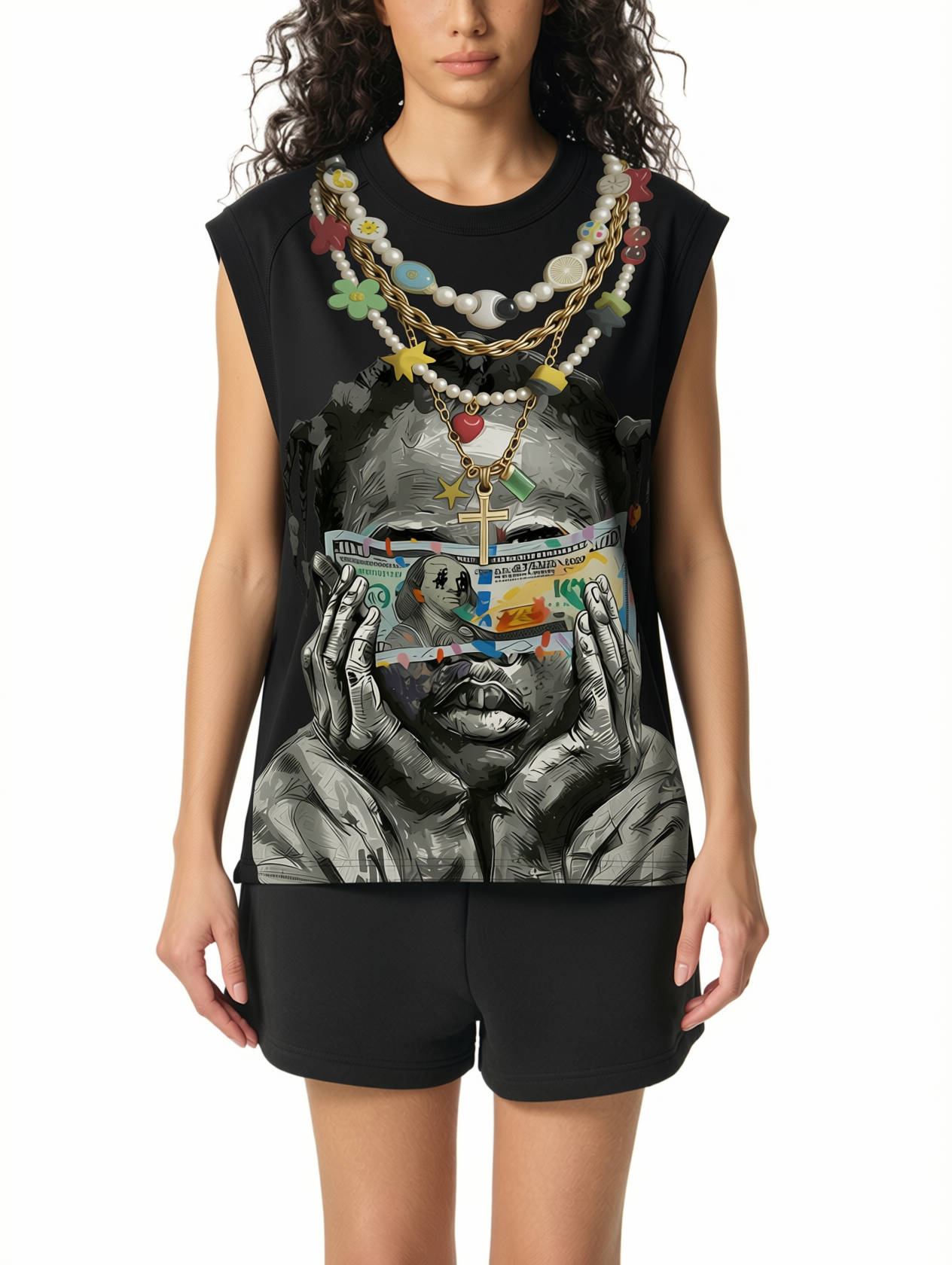
3. Heat Transfer Printing
Features
Designs are first printed onto transfer film or paper and then applied onto fabric using heat and pressure.
Common types:
- DTF
- HTV
- Sublimation transfer
Advantages
- Excellent for small orders
- Full-color and photo-quality graphics
- Low setup cost
Limitations
- Slight plastic-like feel
- Less breathable
- May crack after repeated washing
Best For
Small-batch production, startups, customized apparel.
Heat Transfer
4. Screen Printing
Features
Ink is pushed through mesh screens onto fabric. Each color requires a separate screen.
Advantages
- Very durable
- Vibrant colors
- Natural fabric feel
- Cost-effective for bulk production
Limitations
- High setup cost for small orders
- Limited color complexity
- Not ideal for photo-level detail
Best For
T-shirts, hoodies, promotional apparel, large-volume orders.
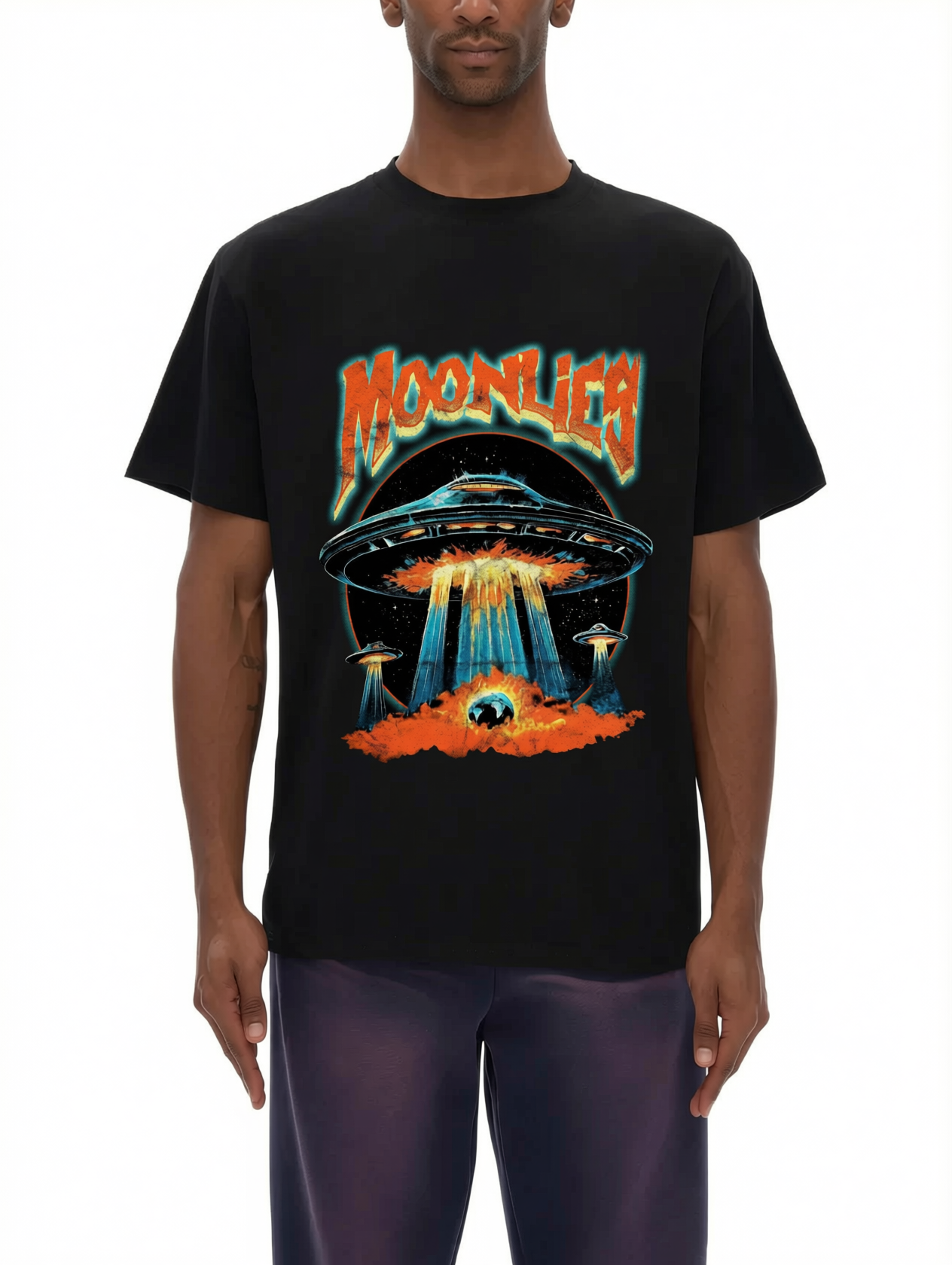
Screen Printing
5. 3D Full Printing (High-Density Printing)
Features
Multiple ink layers create raised 3D surfaces with strong texture and visual impact.
Advantages
- Bold 3D appearance
- Premium streetwear look
- Strong tactile effect
Limitations
- Higher cost
- Fine details may deform
- Reduced breathability in large areas
Best For
Streetwear, sportswear, oversized graphics.
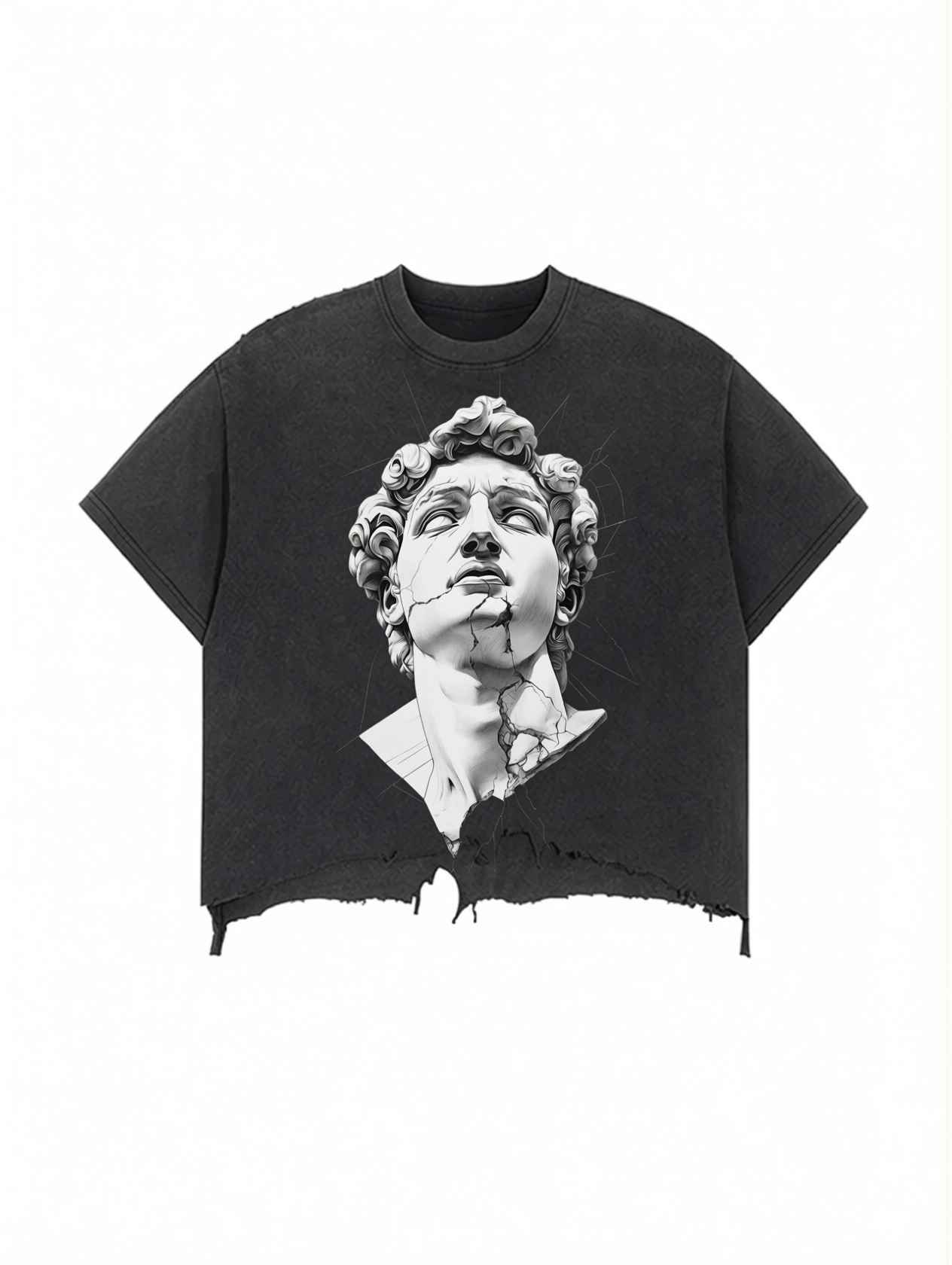
3D Full Printing
6. Hand Painting
Features
Artwork is painted directly onto garments using textile paints or fabric markers.
Advantages
- Unique one-of-one appearance
- Artistic and handcrafted feel
- Natural color transitions
Limitations
- Not scalable for mass production
- Higher labor cost
- Requires color fixing for durability
Best For
Limited editions, artistic fashion collections.
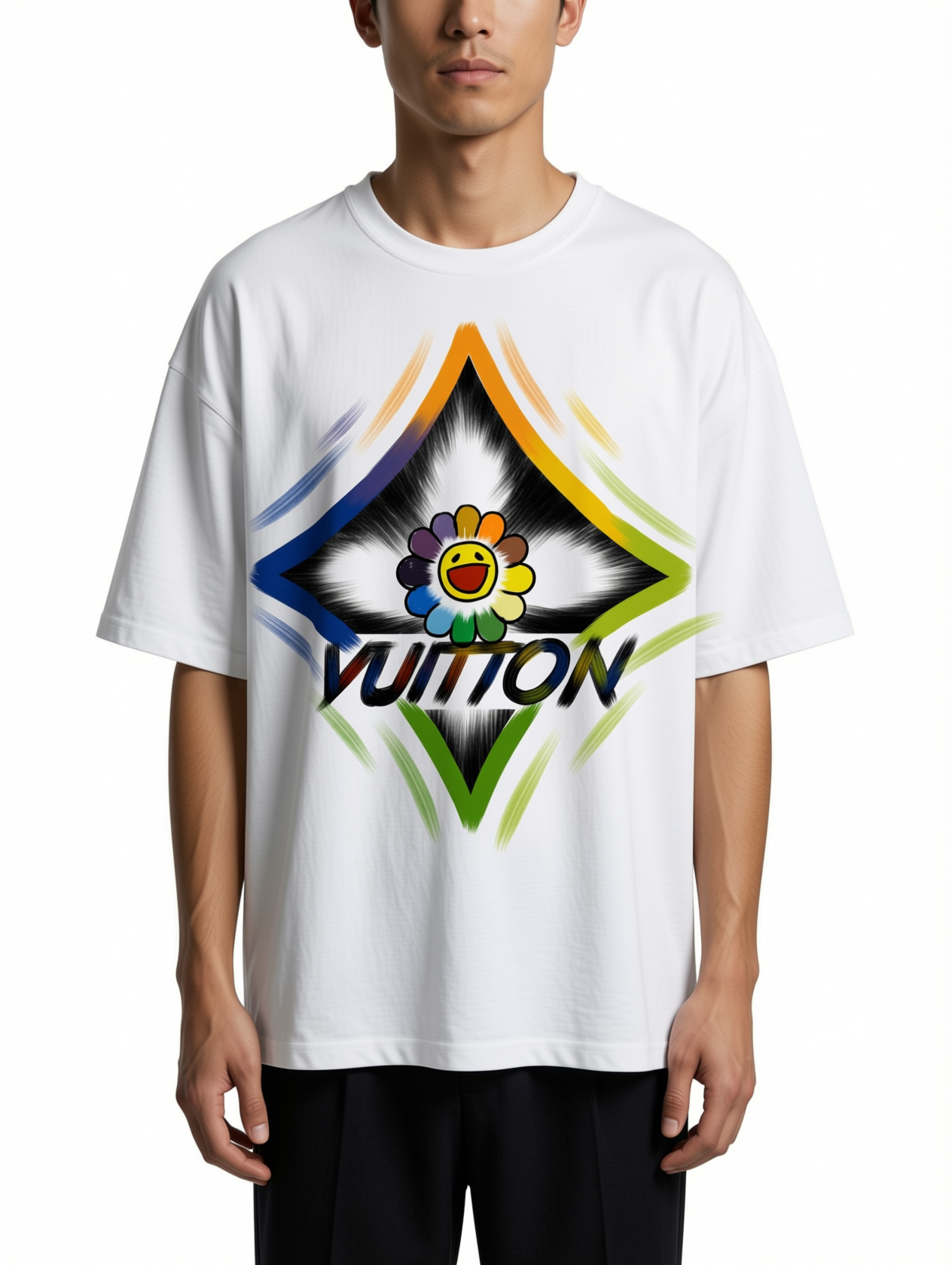
Hand Painting
7. Tie-Dye
Features
Fabric is folded and tied before dyeing to create random patterns and gradients.
Advantages
- Vintage aesthetic
- Soft and natural look
- Lower equipment requirement
Limitations
- Patterns are inconsistent
- Hard to control exact results
- Possible fading over time
Best For
Casualwear, summer collections, retro fashion.
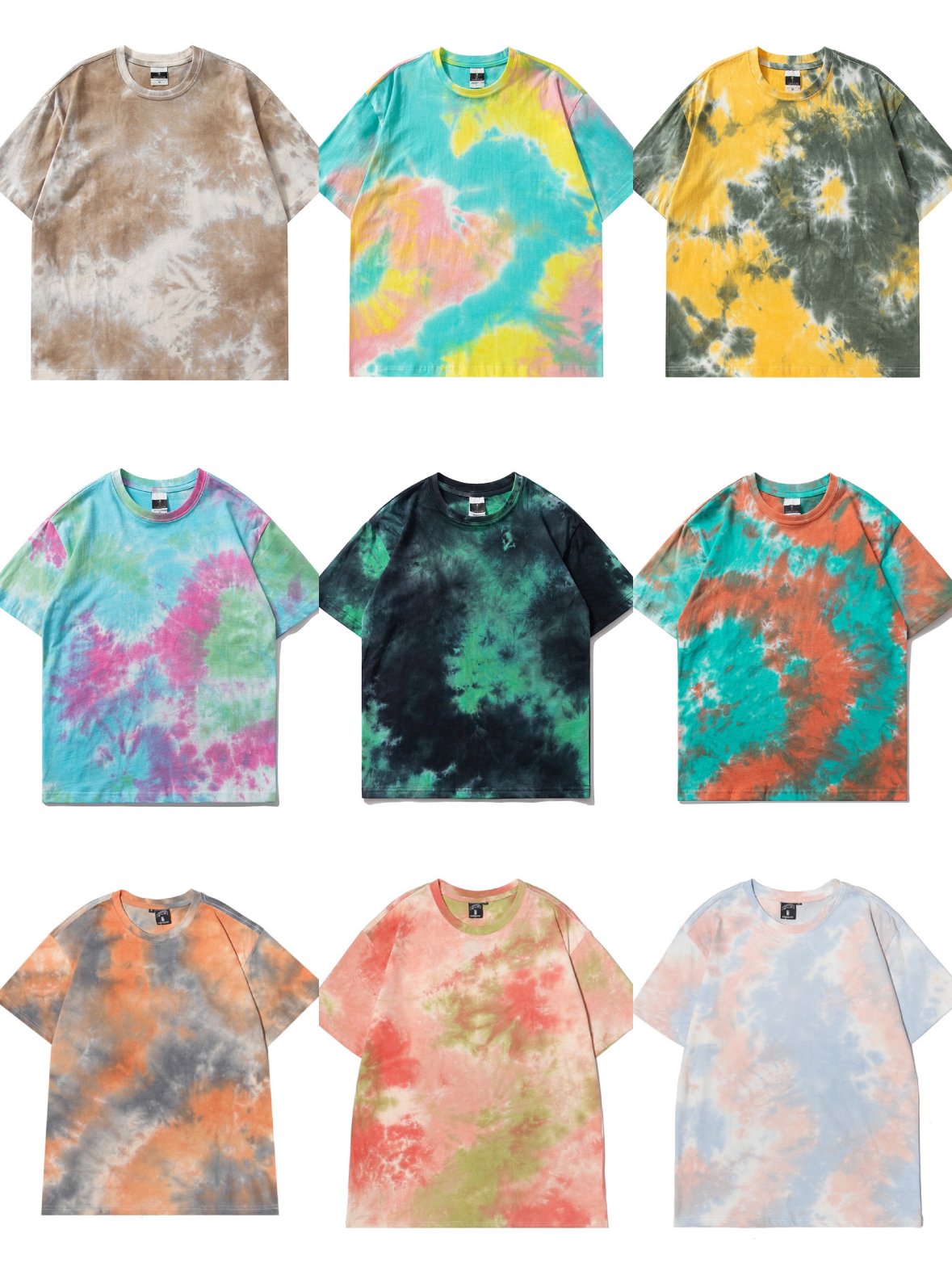
Tie-Dye
8. Embroidered Patch
Features
Separate embroidered patches are attached through sewing or heat pressing.
Advantages
- Replaceable and flexible
- Easy for branding updates
- Good dimensional effect
Limitations
- Visible patch edges
- Heat-applied versions may peel
Best For
Varsity jackets, workwear, tactical apparel.
Embroidered Patches
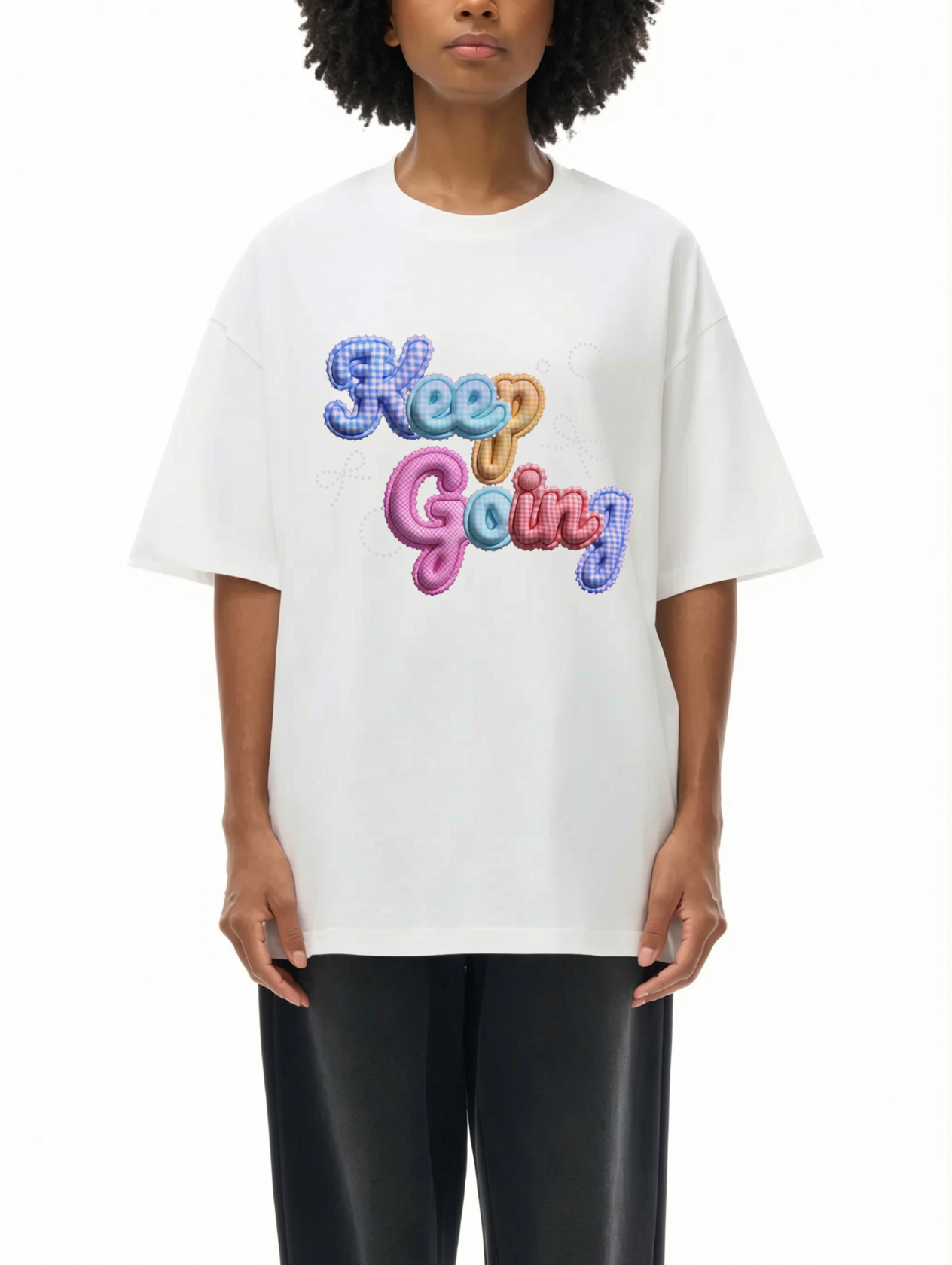
9. Puff Printing
Features
Foaming agents inside ink expand under heat to create raised effects.
Advantages
- Soft 3D texture
- Eye-catching appearance
- Moderate cost
Limitations
- Can flatten over time
- Not ideal for highly detailed artwork
Best For
Streetwear logos and typography.
Puff Printing
10. Silicone Printing
Features
Silicone-based inks create flexible and soft raised graphics.
Advantages
- Excellent elasticity
- Wash-resistant
- Comfortable touch
Limitations
- Higher production cost
- Requires specialized equipment
Best For
Sportswear and performance apparel.
Silicone Printing
11. Flocking
Features
Velvet-like fibers are electrostatically applied onto adhesive surfaces.
Advantages
- Soft and luxurious texture
- Strong visual depth
- Warm appearance
Limitations
- Fibers may shed
- Lower wash durability
Best For
Premium branding and decorative fashion.
12. Rhinestone Heat Transfer
Features
Rhinestones are pre-arranged and heat pressed onto garments.
Advantages
- Luxurious shine
- High visual impact
- Strong decorative effect
Limitations
- Stones may fall off
- Less practical for daily wear
Best For
Fashion collections, stagewear, women’s apparel.
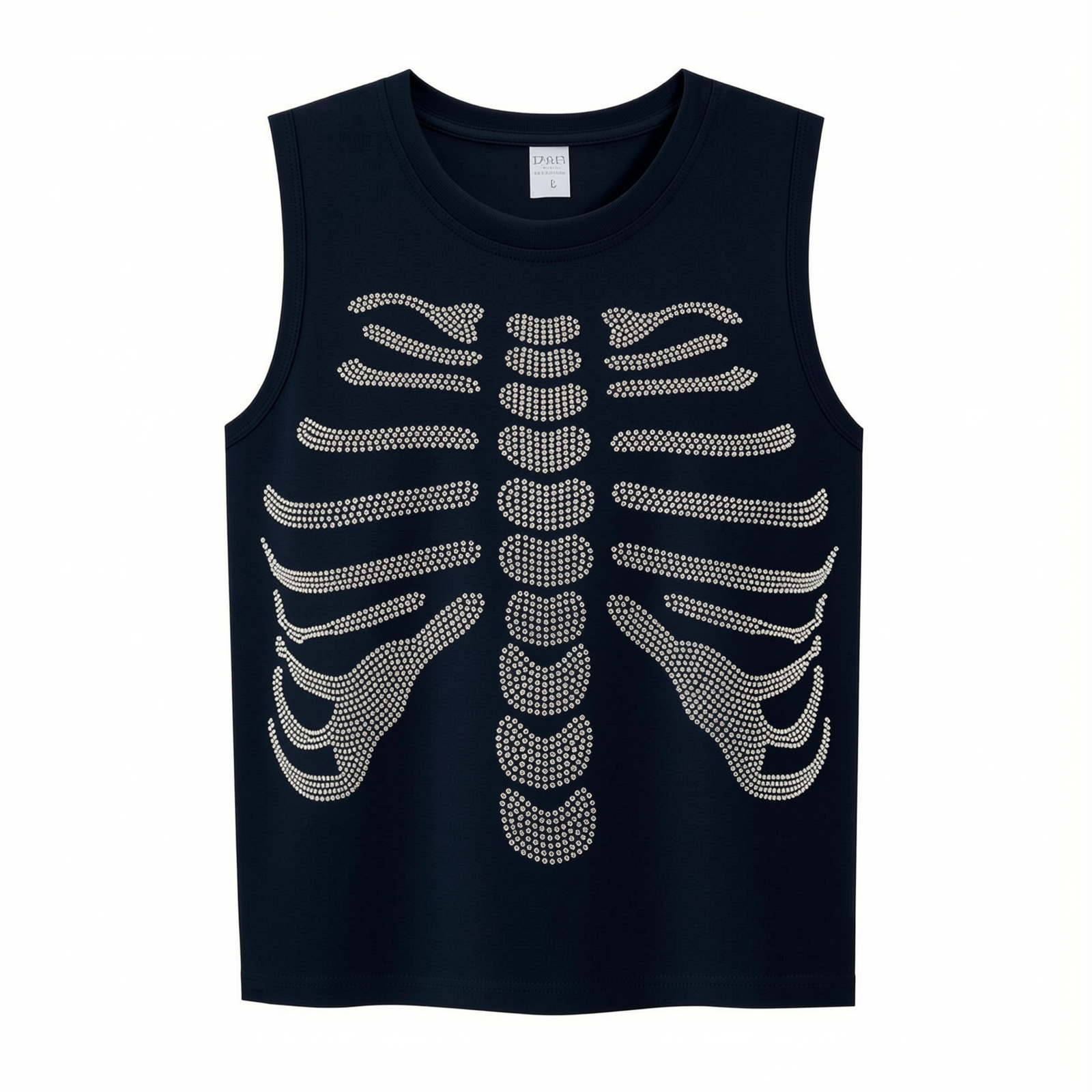
Rhinestone Transfer
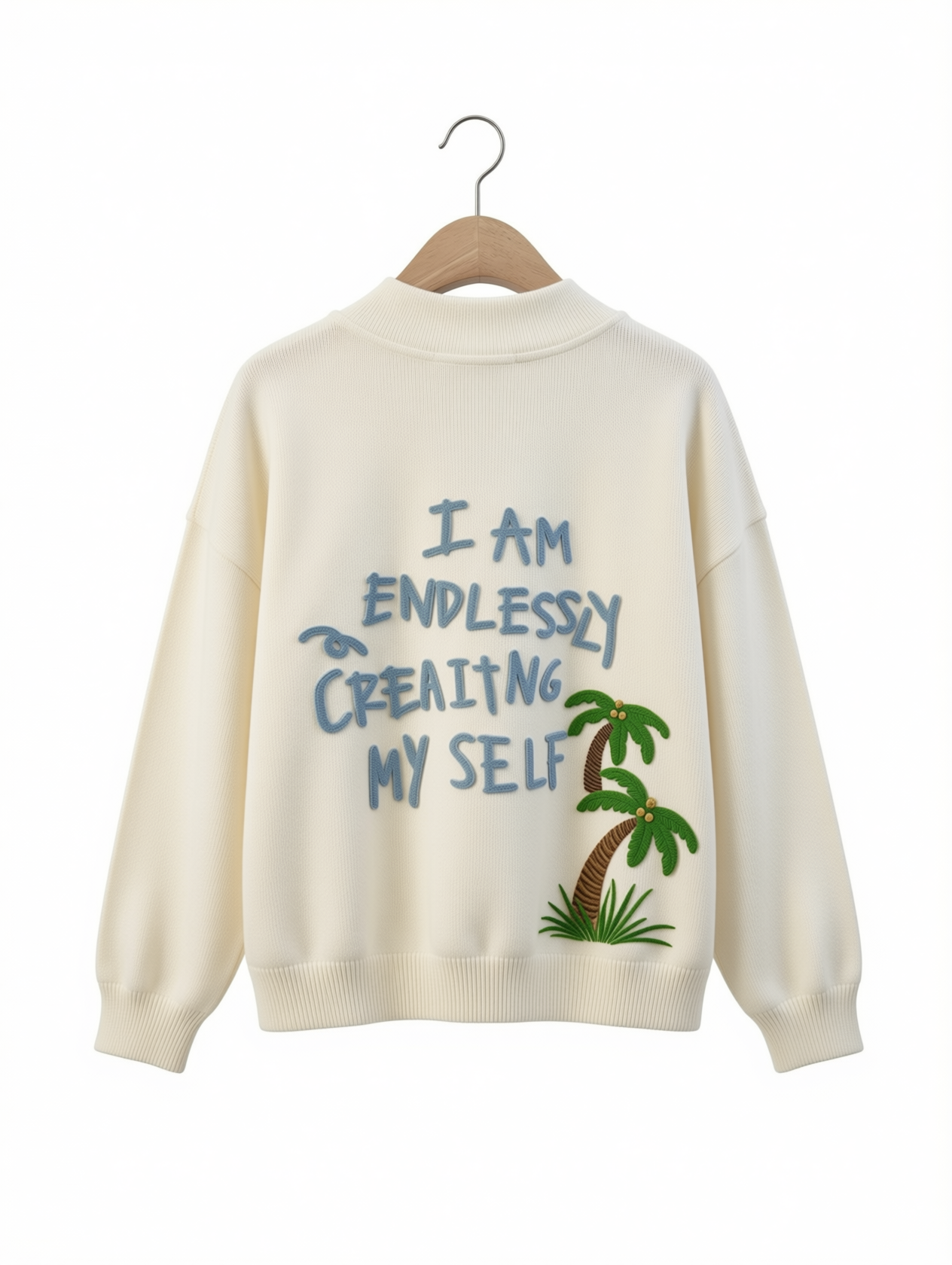
13. Chenille Embroidery
Features
Looped yarn creates towel-like raised embroidery.
Advantages
- Thick and soft texture
- Premium vintage aesthetic
- Strong visual identity
Limitations
- Requires careful washing
- Higher production cost
Best For
Varsity jackets, hoodies, luxury streetwear.
14. Reflective & Fluorescent Printing
Features
Reflective inks shine under light; fluorescent inks glow or appear highly vivid.
Advantages
- Functional visibility
- Fashion-forward appearance
- Excellent for nighttime use
Limitations
- Reflective textures may feel stiff
- Fluorescent colors may fade faster
Best For
Sportswear, cycling apparel, festival clothing.
15. Digital Embroidery
Features
Computerized embroidery machines produce complex patterns with precision.
Advantages
- High efficiency
- Suitable for small custom runs
- Consistent quality
Limitations
- Higher machine cost
- Still limited compared to photo printing
Best For
Modern custom embroidery projects.
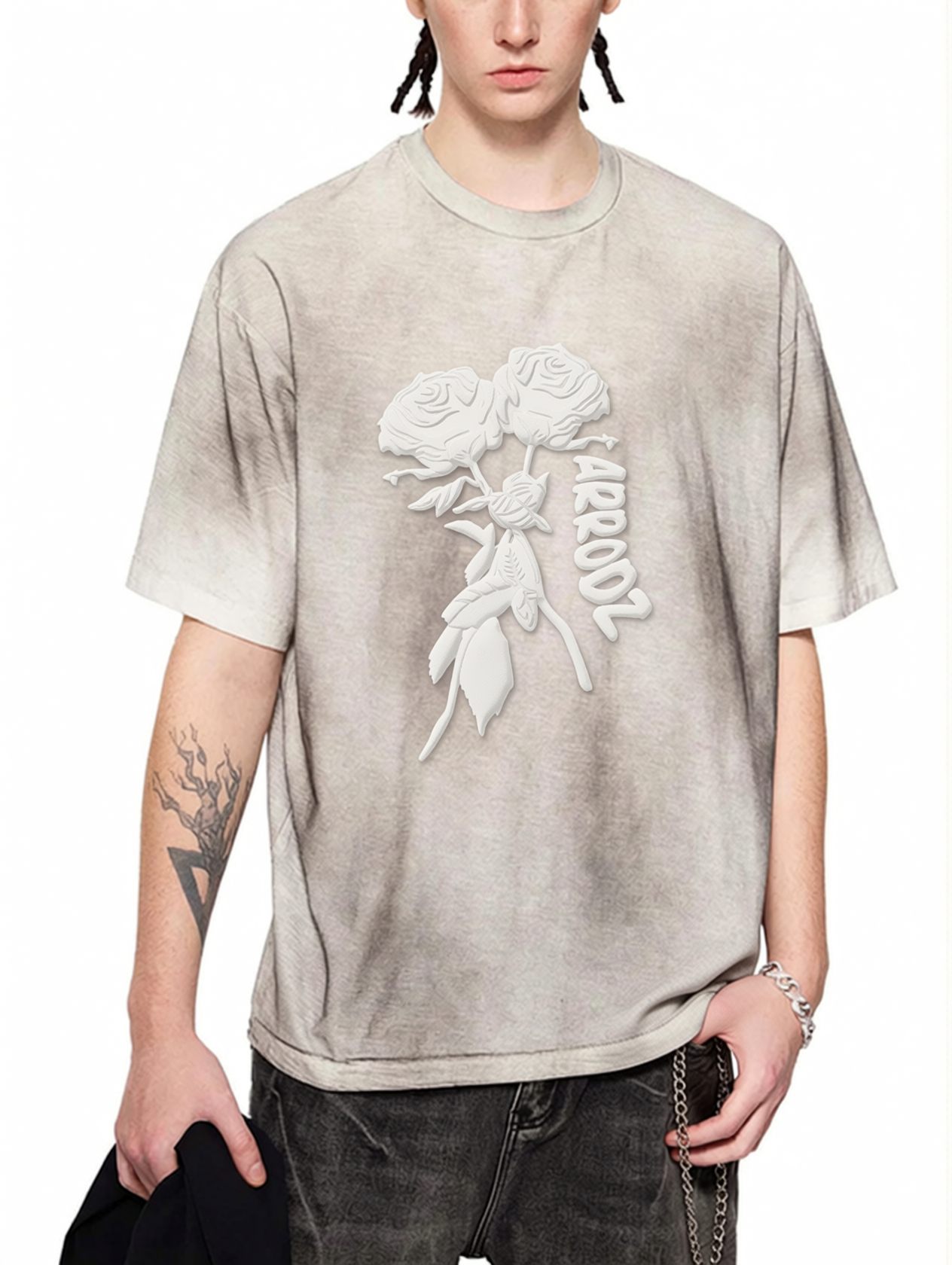
16. 3D Embossing
Features
Heat and pressure molds create raised textures directly on fabric.
Advantages
- Premium tactile effect
- No ink or glue feel
- Elegant minimalist appearance
Limitations
- Requires molds
- Higher development cost
Best For
Luxury branding and minimalist apparel.
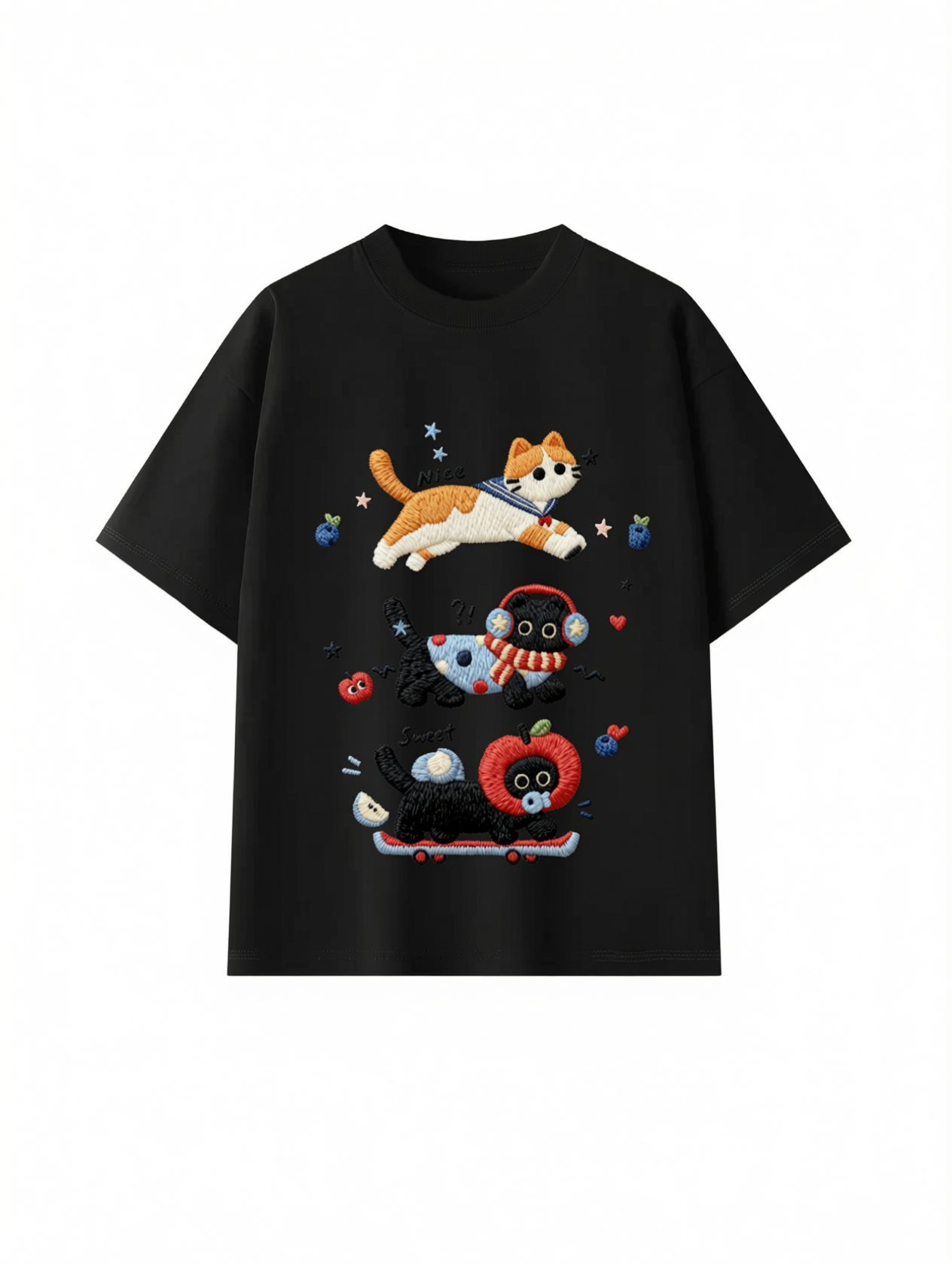
3D Embossing
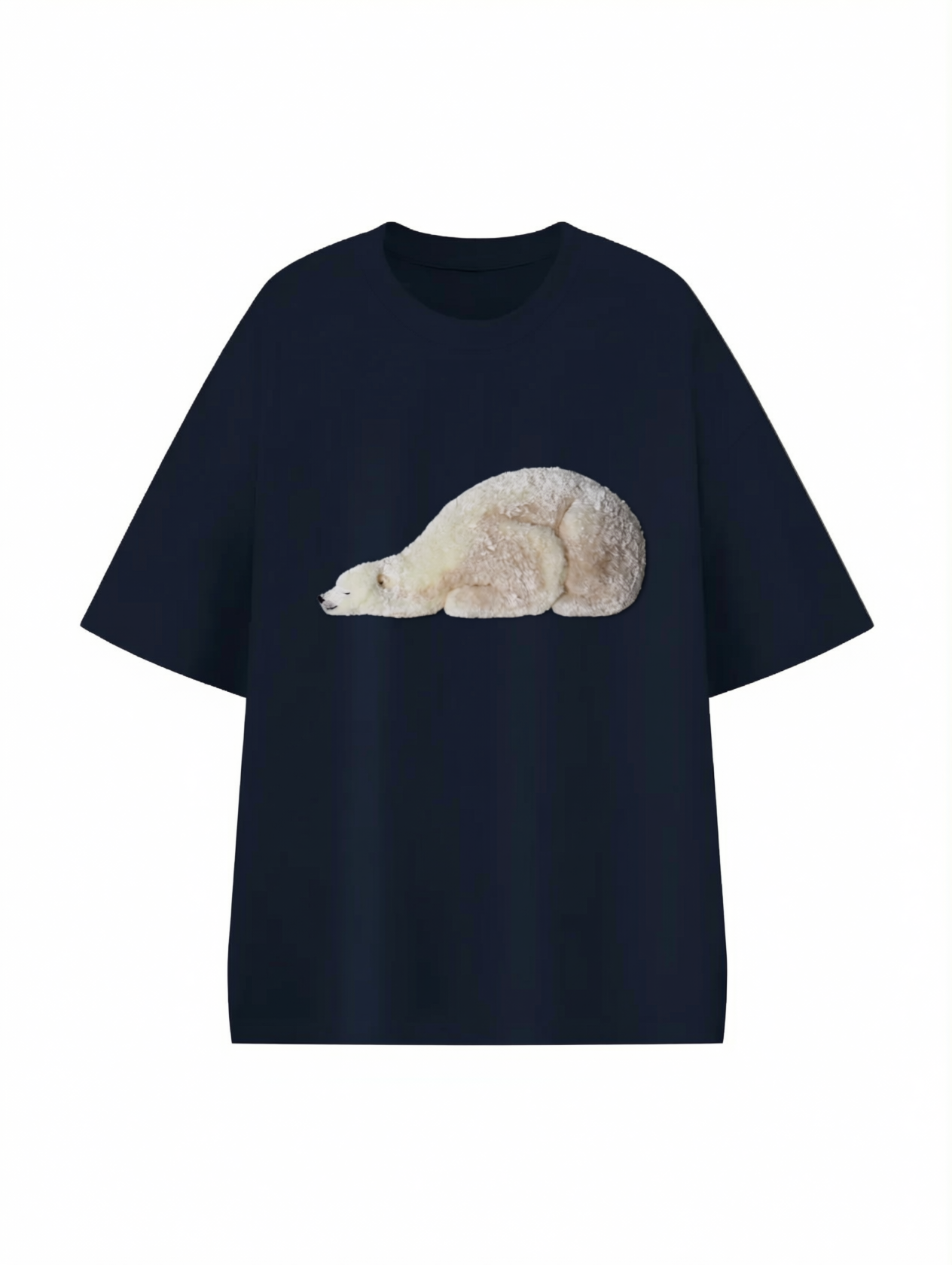
17. Toothbrush Embroidery
Features
Special cut-thread embroidery creates brush-like raised textures.
Advantages
- Unique fuzzy texture
- Strong decorative depth
Limitations
- Complex production
- Threads may snag easily
Best For
Fashion-forward collections and textured branding.
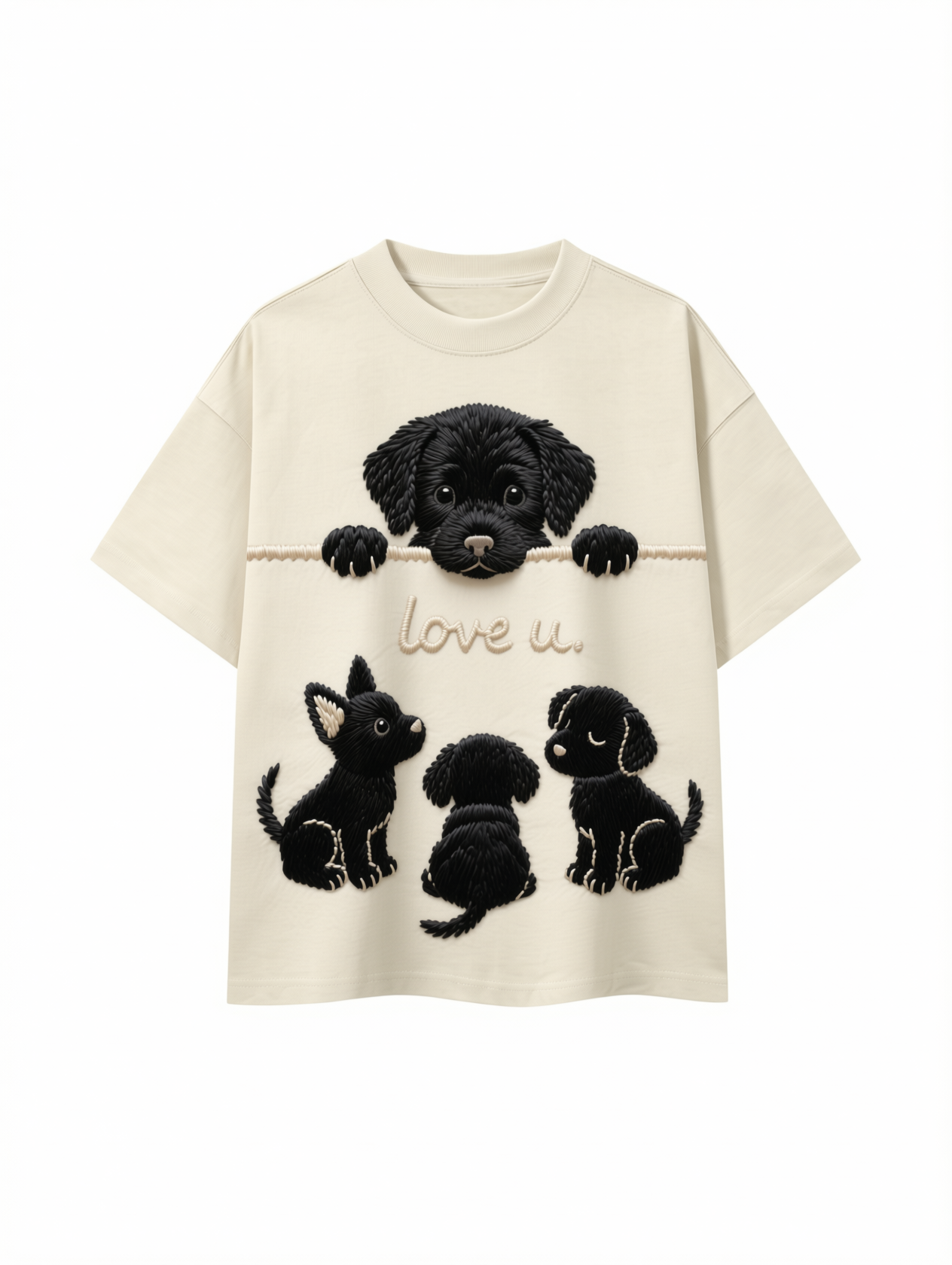
Toothbrush Embroidery
Practical Recommendations for Buyers
Small Batch & Custom Projects
Recommended:
- Heat transfer printing
- Digital embroidery
- Hand painting
- Rhinestone transfer
Large-Scale Production
Recommended:
- Screen printing
- Flat embroidery
- Silicone printing
Premium & High-End Texture
Recommended:
- Chenille embroidery
- Toothbrush embroidery
- 3D embossing
- Flocking
Functional & Special Effects
Recommended:
- Reflective printing
- Tie-dye
- Embroidered patches
Conclusion
There is no single “best” decoration method in apparel manufacturing.
The right choice depends on:
- Product positioning
- Order quantity
- Budget
- Brand identity
- Desired texture and durability
Understanding these techniques helps brands create products that are visually stronger, more marketable, and better aligned with customer expectations.
❓ FAQ: Custom Apparel Decoration Techniques
Which printing method is best for beginners?
Heat transfer printing is usually the easiest and most cost-effective for small orders.
What is the most durable decoration technique?
Embroidery and screen printing are among the most durable options.
Which technique creates the strongest 3D effect?
Puff printing, chenille embroidery, and 3D embossing create strong dimensional effects.
Is screen printing better than heat transfer?
For bulk production and durability, yes. For small custom runs, heat transfer is more flexible.
Which techniques are best for premium streetwear?
Chenille embroidery, puff printing, silicone printing, and 3D embossing are widely used in premium streetwear.
Customization Services by LYDENIM
🎨 Custom Design
Design your own fabric collection or garment with LYDENIM’s premium materials. From luxurious cotton blends to innovative eco-friendly textiles, explore colors, weaves, and finishes that perfectly match your brand or design vision. Visit LYDENIM to learn more.
🛍️ Tailored Garment Solutions
Bring your designs to life with our custom garment services. Whether it’s tailored suits, stylish dresses, or durable workwear, we ensure perfect fit, superior comfort, and lasting quality. Explore customization options on Myalibaba.
📩 Get in Touch
Have a project in mind? Contact our team at malone@lydenim.com to discuss custom fabrics, garment design, or sustainable textile solutions.
Transform your ideas into reality with LYDENIM—your trusted partner for innovative, high-quality fabrics and bespoke apparel solutions.
FAQ
Can this be customized for my brand or collection?
Yes. Send your application, reference images, target quality, quantity and market requirements so the supplier can recommend suitable fabric, garment or finishing options.
What information should I send before asking for a quote?
Prepare product type, target fabric or technique, color direction, sample needs, quantity, destination country and expected lead time.
Should I request swatches before bulk production?
Yes. Swatches and sample yardage reduce risk before bulk orders, especially when color, handfeel, stretch, finish or decoration quality matters.
How can I avoid quality problems in bulk orders?
Approve a clear sample standard, define test requirements, confirm tolerances and compare bulk output against the approved sample before shipment.
Need help turning this into a production-ready sourcing brief?
Send your target product, fabric direction, quantity and sample needs. LY Denim can help compare options and prepare a quote.