


คู่มือที่ครอบคลุมเกี่ยวกับเทคนิคการแปรรูปสิ่งทอและการตกแต่งขั้นสุดท้าย

คู่มือที่ครอบคลุมเกี่ยวกับเทคนิคการแปรรูปสิ่งทอและการตกแต่งขั้นสุดท้าย
เรียนรู้เทคนิคการแปรรูปสิ่งทอและการตกแต่งขั้นสุดท้ายที่สำคัญซึ่งเปลี่ยนผ้าดิบให้เป็นเสื้อผ้า เพิ่มความสบาย การใช้งาน และประสิทธิภาพเชิงนิเวศน์
สรุปผู้ซื้อ
สำหรับแบรนด์เครื่องแต่งกายและทีมขนาดเล็ก หัวข้อนี้ควรเชื่อมโยงการตัดสินใจด้านการออกแบบกับการสุ่มตัวอย่าง การผลิต ปริมาณขั้นต่ำ วิธีการตกแต่ง และความพร้อมในการเสนอราคา
- ผู้ซื้อที่เหมาะสมแบรนด์แฟชั่น ทีมจัดหา ผู้ค้าส่ง โรงงานตัดเย็บเสื้อผ้า และผู้พัฒนาผลิตภัณฑ์
- สิ่งที่ต้องยืนยันเป้าหมายผลิตภัณฑ์ ทิศทางของผ้า ผิวสำเร็จ ความต้องการตัวอย่าง ปริมาณ และตลาดการจัดส่ง
- ความเสี่ยงของผู้ซื้อข้อมูลจำเพาะที่ไม่ชัดเจนอาจนำไปสู่ตัวอย่างที่ไม่ถูกต้อง คุณภาพปริมาณมากไม่แน่นอน และการเสนอราคาที่ช้า
- CTA ที่แนะนำขอตัวอย่างหรือใบเสนอราคาตัวอย่างก่อนที่จะดำเนินการผลิตจำนวนมาก
เหตุใดจึงสำคัญสำหรับผู้ซื้อ B2B
ยืนยันเนื้อผ้า โครงสร้าง เทคนิคโลโก้ ความต้องการตัวอย่าง และปริมาณการสั่งซื้อก่อนเปรียบเทียบซัพพลายเออร์
เรียนรู้เทคนิคการแปรรูปสิ่งทอและการตกแต่งขั้นสุดท้ายที่สำคัญซึ่งเปลี่ยนผ้าดิบให้เป็นเสื้อผ้า เพิ่มความสบาย การใช้งาน และประสิทธิภาพเชิงนิเวศน์
ตารางข้อมูลจำเพาะสำหรับการจัดหาที่เร็วขึ้น
| จุดตัดสินใจ | ตัวเลือกในการเปรียบเทียบ | ทำไมมันถึงสำคัญ | คำถามของผู้ซื้อ |
|---|---|---|---|
| ประเภทสินค้า | เสื้อฮู้ด เสื้อยืด กางเกงยีนส์ แจ็คเก็ต เครื่องแต่งกายตามสั่ง | ควบคุมการเลือกผ้า ลวดลาย การตกแต่ง และการก่อสร้าง | คุณกำลังพัฒนาผลิตภัณฑ์ใด? |
| การปรับแต่ง | งานปัก งานสกรีน งานพิมพ์พัฟ งานปัก งานซัก | ส่งผลต่อต้นทุนตัวอย่าง ขั้นต่ำ และเวลานำ | คุณมีอาร์ตเวิร์คหรือเทคนิคอ้างอิงหรือไม่? |
| ผ้าและ GSM | ตัวเลือกเบา ปานกลาง หรือเฮฟวี่เวท | กำหนดความรู้สึกมือ ฤดูกาล และตำแหน่งการขายปลีก | คุณต้องการความรู้สึกมือและระดับราคาแบบใด |
| แผนการสั่งซื้อ | ต้นแบบ ชุดเล็ก การผลิตจำนวนมาก | เปลี่ยนแปลงราคา ไทม์ไลน์ และการตั้งค่าการผลิต | คุณต้องการตัวอย่างหรือใบเสนอราคาจำนวนมากก่อนหรือไม่? |
แอปพลิเคชันและตัวเลือกแบบกำหนดเอง
การพัฒนาผลิตภัณฑ์
ใช้คู่มือนี้เพื่อเปลี่ยนแนวคิดการออกแบบให้เป็นข้อกำหนดด้านเนื้อผ้า เครื่องแต่งกาย การตกแต่ง และตัวอย่าง
การเปรียบเทียบซัพพลายเออร์
เปรียบเทียบซัพพลายเออร์ตามการสนับสนุนตัวอย่าง ความชัดเจนทางเทคนิค ความเสถียรของปริมาณรวม และความเร็วในการสื่อสาร
การผลิตจำนวนมาก
ยืนยันมาตรฐานคุณภาพ ตัวอย่างที่ได้รับอนุมัติ และไทม์ไลน์ก่อนสั่งผลิต
จุดควบคุมคุณภาพก่อนสั่งซื้อจำนวนมาก
- OKการอนุมัติตัวอย่าง: ยืนยันผ้า สี ความรู้สึกมือ โครงสร้าง และการตกแต่งก่อนการผลิตจำนวนมาก
- OKความสม่ำเสมอเป็นกลุ่ม: เปรียบเทียบล็อตจำนวนมากกับตัวอย่างที่ได้รับอนุมัติภายใต้แสงและสภาวะการทดสอบเดียวกัน
- OKการทดสอบประสิทธิภาพ: ตรวจสอบการหดตัว ความคงทนของสี การยืดตัวคืนสภาพ หรือความทนทานของการตกแต่งตามที่เกี่ยวข้อง
- OKความชัดเจนของคำพูด: ส่งปริมาณ ปลายทาง ความต้องการบรรจุภัณฑ์ และเวลานำเป้าหมายเพื่อหลีกเลี่ยงการกำหนดราคาที่คลุมเครือ
กระบวนการพัฒนาตัวอย่าง
| ขั้นตอน | ผู้ซื้อจัดให้ | ซัพพลายเออร์ยืนยัน |
|---|---|---|
| 1. บรีฟ | การใช้งาน รูปภาพอ้างอิง คุณภาพและปริมาณเป้าหมาย | ความเป็นไปได้ วัสดุที่แนะนำ และตัวเลือกแบบกำหนดเอง |
| 2. สวอตช์ผ้า | สี สัมผัสมือ รูปแบบ หรือการตอบสนองขั้นสุดท้ายที่ต้องการ | สต็อกที่มีอยู่ ทิศทางที่กำหนดเอง และต้นทุนตัวอย่าง |
| 3. ตัวอย่าง | แผนการทดสอบเสื้อผ้า ขนาด หรือความต้องการระยะ | เส้นเวลาการสุ่มตัวอย่างและความสามารถในการทำซ้ำของการผลิต |
| 4. ใบเสนอราคาจำนวนมาก | ปริมาณการสั่งซื้อ ปลายทางการจัดส่ง และความต้องการบรรจุภัณฑ์ | ราคาต่อหน่วย, ขั้นต่ำ, เวลานำและจุดตรวจควบคุมคุณภาพ |
คู่มือโดยละเอียด
เวลาอ่านโดยประมาณ: ~4 นาที
บทนำ
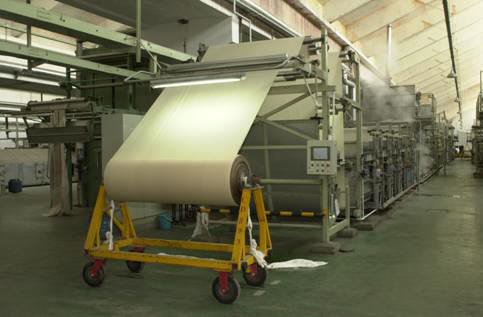
การแปรรูปสิ่งทอและการตกแต่งขั้นสุดท้ายถือเป็นการดำเนินงานขั้นพื้นฐานที่เปลี่ยนวัตถุดิบผ้าให้เป็นเสื้อผ้าสำเร็จรูปที่ตรงตามข้อกำหนดด้านการออกแบบและมาตรฐานการปฏิบัติงาน ผ้าผ่านการบำบัดต่างๆ เพื่อปรับปรุงสีและเนื้อผ้า ตลอดจนความทนทานและคุณภาพรูปลักษณ์ ผลิตภัณฑ์ขั้นสุดท้ายต้องใช้แต่ละขั้นตอนที่สำคัญตั้งแต่การล้างสีไปจนถึงการย้อมและทำให้อ่อนตัว ตลอดจนการสร้างหนวดและรูเพื่อให้ได้คุณภาพตามที่ต้องการ
บทความนี้จะตรวจสอบวิธีการแปรรูปสิ่งทอและการตกแต่งขั้นสุดท้ายต่างๆ ควบคู่ไปกับการใช้งานทางอุตสาหกรรมในการผลิตเสื้อผ้าสำเร็จรูป
กระบวนการบำบัดก่อน
การลดขนาด
-
คำอธิบาย: วัสดุปรับขนาดที่ใช้เพื่อปกป้องเส้นด้ายระหว่างการทอจะถูกกำจัดออกโดยผ่านกระบวนการแยกขนาด
-
ความสำคัญ: กระบวนการนี้ช่วยให้สามารถเตรียมผ้าสำหรับขั้นตอนการผลิตเพิ่มเติมโดยปรับปรุงการดูดซับสีย้อมและความสามารถในการรับสีย้อม

การลดขนาด
กำลังล้าง
-
คำอธิบาย: ผ้าผ่านการล้างด้วยน้ำเพื่อกำจัดสารเคมีและสิ่งสกปรกที่เหลืออยู่ทั้งหมดตามขั้นตอนการบำบัดต่างๆ
-
ความสำคัญ: กระบวนการนี้จะทำความสะอาดผ้าเพื่อให้เหมาะสมกับขั้นตอนต่อไปโดยกำจัดวัสดุที่รบกวนทั้งหมด
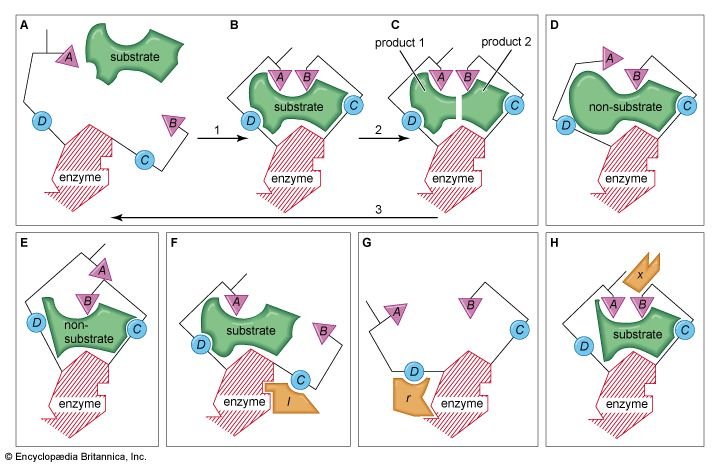
เอนไซม์ ซักผ้า
-
คำอธิบาย: การประมวลผลแบบเอนไซม์จะสลายสิ่งสกปรกบนผ้าและทำให้วัสดุนิ่มลงในระหว่างการประมวลผลผ้าเดนิมเป็นหลัก
-
ความสำคัญ: กระบวนการนี้ให้ทั้งประสิทธิภาพที่อ่อนโยนและรูปลักษณ์ที่สึกหรอด้วยวิธีการที่ปราศจากสารเคมี
เอนไซม์
การย้อมสีและการระบายสี
การฟอกสี
-
คำอธิบาย: ผ้าจะกลายเป็นสีขาวโดยการใช้สารฟอกขาว รวมถึงไฮโดรเจนเปอร์ออกไซด์หรือโซเดียมไฮโปคลอไรต์
-
ความสำคัญ: การเตรียมผ้าสำหรับการย้อมเริ่มต้นด้วยการฟอกสีเพื่อขจัดสีธรรมชาติพร้อมกับสิ่งเจือปน
การวางตัวเป็นกลาง
-
คำอธิบาย: ค่า pH ของผ้าจำเป็นต้องปรับหลังจากการฟอกสีเพื่อกำจัดสารเคมีตกค้าง
-
ความสำคัญ: ผ้าต้องใช้ขั้นตอนนี้เพื่อป้องกันตัวเองจากความเสียหายขณะพร้อมสำหรับการย้อม
การทำความสะอาดเปอร์ออกไซด์
-
คำอธิบาย: กระบวนการทำความสะอาดและฟอกขาวใช้ไฮโดรเจนเปอร์ออกไซด์โดยเฉพาะในวิธีการผลิตที่เป็นมิตรต่อสิ่งแวดล้อม
-
ความสำคัญ: เสนอทางเลือกที่ยั่งยืนแทนวิธีการฟอกสีแบบดั้งเดิม
การซักด้วยกรด
-
คำอธิบาย: การใช้กรดส่งผลให้ผ้าเดนิมมีสีซีดจางหรือเป็นรอยด่าง
-
ความสำคัญ: เทคนิคนี้ช่วยให้ผู้ผลิตสามารถบรรลุถึงเนื้อผ้าที่เก่าหรือเสียหายในกางเกงยีนส์ได้

ECO การฟอกสี
-
คำอธิบาย: กระบวนการฟอกขาวใช้วิธีการที่เป็นมิตรต่อสิ่งแวดล้อมซึ่งช่วยลดการใช้น้ำควบคู่ไปกับข้อกำหนดทางเคมี
-
ความสำคัญ: ส่งเสริมความยั่งยืนในการแปรรูปสิ่งทอ
กระบวนการตกแต่ง
อ่อนลง
-
คำอธิบาย: ใช้สารเคมีหรือกระบวนการทางกลเพื่อทำให้ผ้านุ่มและสบายยิ่งขึ้น
-
ความสำคัญ: เพิ่มความรู้สึกสัมผัสของเสื้อผ้า ทำให้ดึงดูดผู้บริโภคมากขึ้น
การอบแห้ง
-
คำอธิบาย: กำจัดความชื้นจากผ้าหลังการแปรรูปแบบเปียก
-
ความสำคัญ: เตรียมผ้าสำหรับขั้นตอนต่อไปหรือสำหรับบรรจุภัณฑ์
การใช้งานเรซิน
-
คำอธิบาย: ใช้เรซินกับเนื้อผ้าเพื่อปรับปรุงคุณสมบัติ เช่น การกันน้ำหรือความทนทาน
-
ความสำคัญ: เพิ่มคุณประโยชน์ด้านการใช้งานให้กับเนื้อผ้าทำให้เหมาะสมกับการใช้งานต่างๆ
เทคนิคพิเศษ
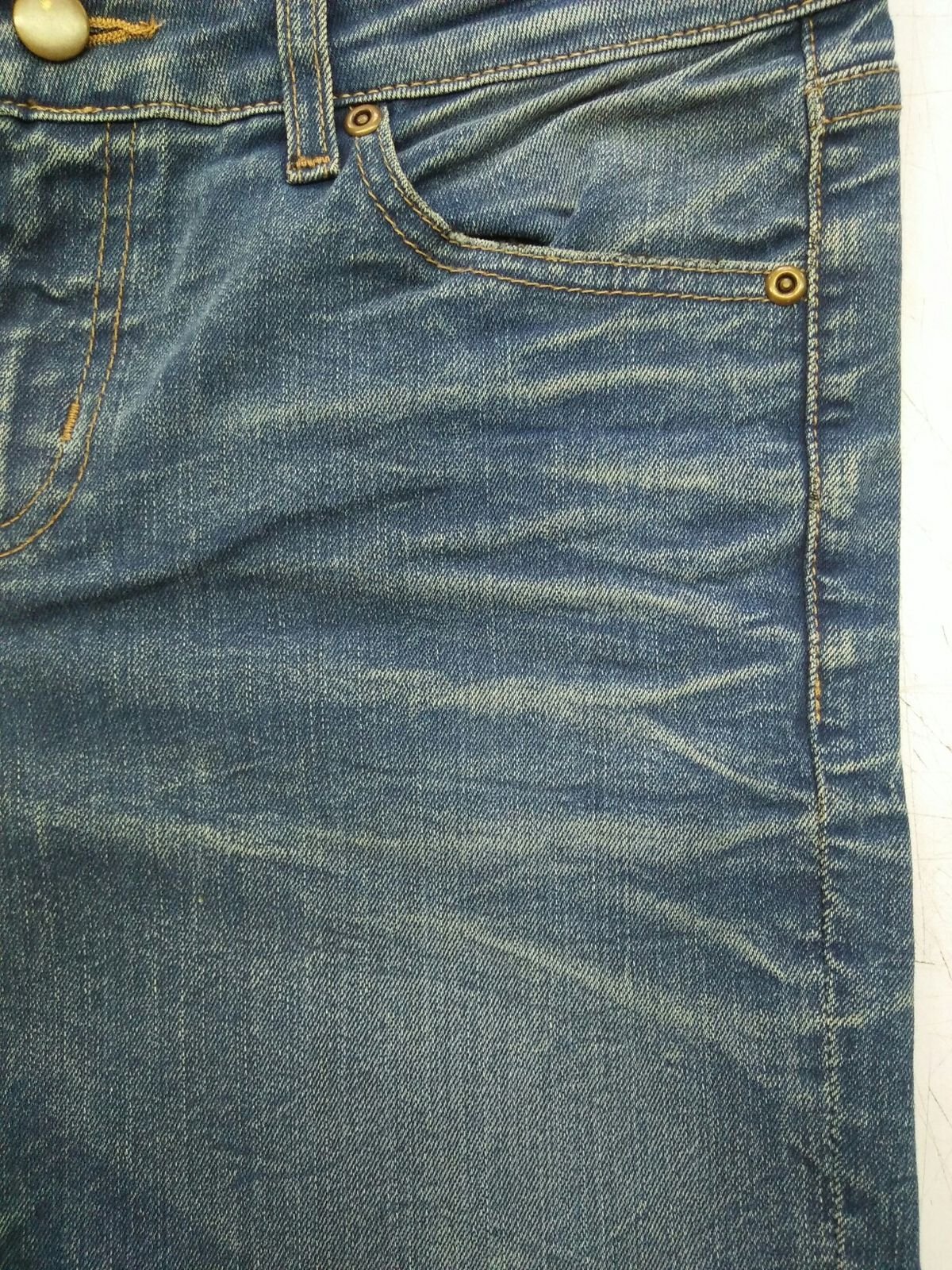
ขนเล็ก (3 มิติ ขนบริเวณหัวเข่า และขนบริเวณหลังเข่า)
-
คำอธิบาย: สร้างเส้นหรือลวดลายจางๆ บนผ้าเดนิมเพื่อจำลองการสึกหรอ
-
ความสำคัญ: เพิ่มลุควินเทจให้กับกางเกงยีนส์ซึ่งมีความทันสมัยอย่างมาก
บั้ง
-
คำอธิบาย: สร้างลวดลายคล้ายลูกศรบนผ้า มักอยู่ด้านใน
-
ความสำคัญ: เพิ่มองค์ประกอบการออกแบบที่เป็นเอกลักษณ์ให้กับเสื้อผ้า
หลุมทำลาย
-
คำอธิบาย: จงใจทำให้ผ้าเป็นรูหรือขาด
-
ความสำคัญ: เป็นที่นิยมในแฟชั่นเพื่อสร้างลุคที่ดูโฉบเฉี่ยว
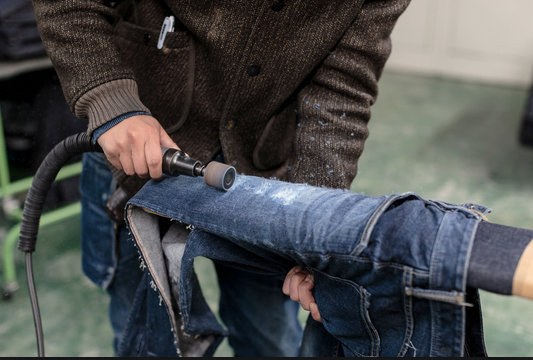
เครื่องเจียร (มือบด)
-
คำอธิบาย: ใช้เครื่องมือขัดเพื่อทำให้ผ้าสึกหรอ ทำให้เกิดรอยตำหนิ
-
ความสำคัญ: ให้ผิวดูโทรมโดยไม่ต้องใช้สารเคมี
บรรจุภัณฑ์และการติดฉลาก
ถุงตาข่าย (ใส่ลงในถุงตาข่าย)
-
คำอธิบาย: ใส่เสื้อผ้าลงในถุงตาข่ายเพื่อซักหรือแปรรูป
-
ความสำคัญ: ปกป้องเสื้อผ้าในระหว่างการซักและช่วยให้มั่นใจว่าได้รับการจัดการอย่างเหมาะสม
แผงผูก (แผงผูก)
-
คำอธิบาย: ผูกส่วนของผ้าไว้ด้วยกัน อาจใช้สำหรับย้อมหรือพิมพ์
-
ความสำคัญ: ช่วยให้ได้ผลลัพธ์การย้อมสีหรือการพิมพ์ที่สม่ำเสมอ
การแนบแท็ก (แท็ก Dennison)
-
คำอธิบาย: ติดแท็กกาวหรือฉลากบนเสื้อผ้าเพื่อแสดงแบรนด์หรือคำแนะนำในการดูแลรักษา
-
ความสำคัญ: ให้ข้อมูลที่จำเป็นแก่ผู้บริโภคและเพิ่มความเป็นมืออาชีพให้กับผลิตภัณฑ์
บทสรุป
การผลิตเสื้อผ้าสำเร็จรูปจำเป็นต้องมีการแปรรูปสิ่งทอและการตกแต่งขั้นสุดท้ายอย่างละเอียดซึ่งเป็นรากฐานที่สำคัญ กระบวนการผลิตประกอบด้วยการออกแบบและปิดท้ายด้วยการติดแท็กเพื่อสร้างผลิตภัณฑ์ที่มีคุณภาพขั้นสุดท้ายและคุณสมบัติทางการตลาด บุคลากรทุกคนที่ทำงานในอุตสาหกรรมสิ่งทอจำเป็นต้องเข้าใจกระบวนการผลิตเหล่านี้ เนื่องจากต้องพิจารณาทั้งคุณภาพของผลิตภัณฑ์และรูปลักษณ์ขั้นสุดท้าย การเรียนรู้วิธีเหล่านี้ทำให้สามารถพัฒนาเสื้อผ้าที่ผสมผสานความน่าดึงดูดใจเข้ากับการใช้งานได้จริงและความรับผิดชอบต่อสิ่งแวดล้อม
คู่มือนี้ประกอบด้วยข้อมูลโดยละเอียดเกี่ยวกับเทคนิคการประมวลผลสิ่งทอขั้นพื้นฐานและวิธีการตกแต่งขั้นสุดท้ายซึ่งมีความสำคัญอย่างยิ่งต่ออุตสาหกรรมตัดเย็บเสื้อผ้า การทำความเข้าใจแนวคิดเกี่ยวกับสิ่งทอเหล่านี้ช่วยให้ทุกคนที่สนใจในสิ่งทอสามารถรับรู้ถึงกระบวนการที่ซับซ้อนซึ่งเปลี่ยนวัตถุดิบให้เป็นเสื้อผ้าประจำวันที่เราสวมใส่
บริการปรับแต่งโดย LYDENIM
🎨 อยากได้ ผ้าเดนิมที่กำหนดเอง หรือ ไม่ซ้ำกัน เสื้อผ้าเดนิมที่กำหนดเอง? LYDENIM เชี่ยวชาญด้านโซลูชันที่ออกแบบเฉพาะเพื่อตอบสนองความต้องการด้านการออกแบบและการผลิตของคุณ
🛍️ สำรวจและหาแรงบันดาลใจกันเถอะ!: เลือกดูผ้าที่เราคัดสรรและค้นพบแนวคิดการออกแบบได้ที่ ลีเดนิม.
🌐 เสื้อผ้ายืดหยุ่น: ตรวจสอบข้อเสนอของเราได้ที่ อาลีบาบาของฉัน. 📩 ติดต่อเรา: ติดต่อได้ที่ Malone@lydenim.com.
สร้างสรรค์ผลงานเดนิมชิ้นเอกของคุณด้วย LYDENIM ซึ่งเป็นพันธมิตรที่คุณไว้วางใจ ผ้ายืด และ โซลูชั่นเดนิมแบบกำหนดเอง.
คำถามที่พบบ่อย
สามารถปรับแต่งให้เหมาะกับแบรนด์หรือคอลเลกชันของฉันได้หรือไม่?
ใช่ ส่งใบสมัคร รูปภาพอ้างอิง คุณภาพเป้าหมาย ปริมาณ และข้อกำหนดของตลาด เพื่อให้ซัพพลายเออร์สามารถแนะนำตัวเลือกผ้า เครื่องแต่งกาย หรือการตกแต่งที่เหมาะสมได้
ฉันควรส่งข้อมูลอะไรบ้างก่อนที่จะขอใบเสนอราคา?
จัดเตรียมประเภทผลิตภัณฑ์ ผ้าหรือเทคนิคเป้าหมาย ทิศทางสี ความต้องการตัวอย่าง ปริมาณ ประเทศปลายทาง และระยะเวลารอคอยสินค้าที่คาดหวัง
ฉันควรขอตัวอย่างก่อนการผลิตจำนวนมากหรือไม่
ใช่ ตัวอย่างและระยะตัวอย่างจะช่วยลดความเสี่ยงก่อนสั่งซื้อจำนวนมาก โดยเฉพาะอย่างยิ่งเมื่อคุณภาพสี ความรู้สึกทางมือ การยืด พื้นผิว หรือการตกแต่งมีความสำคัญ
ฉันจะหลีกเลี่ยงปัญหาด้านคุณภาพในคำสั่งซื้อจำนวนมากได้อย่างไร
อนุมัติมาตรฐานตัวอย่างที่ชัดเจน กำหนดข้อกำหนดในการทดสอบ ยืนยันความคลาดเคลื่อน และเปรียบเทียบผลผลิตจำนวนมากกับตัวอย่างที่ได้รับอนุมัติก่อนจัดส่ง
ต้องการความช่วยเหลือในการเปลี่ยนสิ่งนี้ให้เป็นบรีฟการจัดหาที่พร้อมสำหรับการผลิตหรือไม่
ส่งสินค้าเป้าหมายของคุณ ทิศทางผ้า ปริมาณ และความต้องการตัวอย่าง LY Denim สามารถช่วยเปรียบเทียบตัวเลือกและเตรียมใบเสนอราคาได้