


ผ้าเดนิมบอนด์คืออะไร?
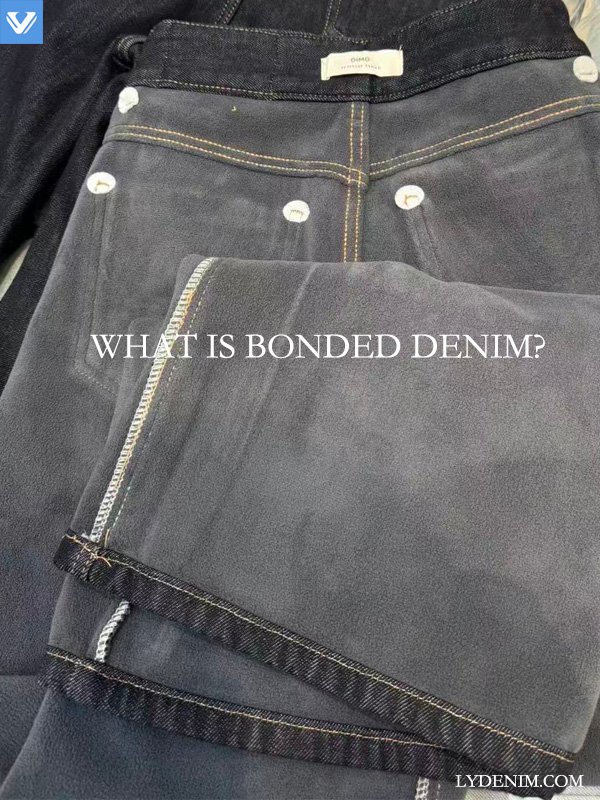
ผ้าเดนิมบอนด์คืออะไร?
เรียนรู้ว่าผ้าเดนิมบอนด์ผสมผสานกางเกงยีนส์แบบดั้งเดิมเข้ากับวัสดุสมัยใหม่ได้อย่างไร โดยนำเสนอตัวเลือกที่ทนทาน มีสไตล์ และใช้งานได้จริงสำหรับทุกฤดูกาล
สรุปผู้ซื้อ
สำหรับแบรนด์เครื่องแต่งกายและทีมขนาดเล็ก หัวข้อนี้ควรเชื่อมโยงการตัดสินใจด้านการออกแบบกับการสุ่มตัวอย่าง การผลิต ปริมาณขั้นต่ำ วิธีการตกแต่ง และความพร้อมในการเสนอราคา
- ผู้ซื้อที่เหมาะสมแบรนด์แฟชั่น ทีมจัดหา ผู้ค้าส่ง โรงงานตัดเย็บเสื้อผ้า และผู้พัฒนาผลิตภัณฑ์
- สิ่งที่ต้องยืนยันเป้าหมายผลิตภัณฑ์ ทิศทางของผ้า ผิวสำเร็จ ความต้องการตัวอย่าง ปริมาณ และตลาดการจัดส่ง
- ความเสี่ยงของผู้ซื้อข้อมูลจำเพาะที่ไม่ชัดเจนอาจนำไปสู่ตัวอย่างที่ไม่ถูกต้อง คุณภาพปริมาณมากไม่แน่นอน และการเสนอราคาที่ช้า
- CTA ที่แนะนำขอตัวอย่างหรือใบเสนอราคาตัวอย่างก่อนที่จะดำเนินการผลิตจำนวนมาก
เหตุใดจึงสำคัญสำหรับผู้ซื้อ B2B
ยืนยันเนื้อผ้า โครงสร้าง เทคนิคโลโก้ ความต้องการตัวอย่าง และปริมาณการสั่งซื้อก่อนเปรียบเทียบซัพพลายเออร์
เรียนรู้ว่าผ้าเดนิมบอนด์ผสมผสานกางเกงยีนส์แบบดั้งเดิมเข้ากับวัสดุสมัยใหม่ได้อย่างไร โดยนำเสนอตัวเลือกที่ทนทาน มีสไตล์ และใช้งานได้จริงสำหรับทุกฤดูกาล
ตารางข้อมูลจำเพาะสำหรับการจัดหาที่เร็วขึ้น
| จุดตัดสินใจ | ตัวเลือกในการเปรียบเทียบ | ทำไมมันถึงสำคัญ | คำถามของผู้ซื้อ |
|---|---|---|---|
| ประเภทสินค้า | เสื้อฮู้ด เสื้อยืด กางเกงยีนส์ แจ็คเก็ต เครื่องแต่งกายตามสั่ง | ควบคุมการเลือกผ้า ลวดลาย การตกแต่ง และการก่อสร้าง | คุณกำลังพัฒนาผลิตภัณฑ์ใด? |
| การปรับแต่ง | งานปัก งานสกรีน งานพิมพ์พัฟ งานปัก งานซัก | ส่งผลต่อต้นทุนตัวอย่าง ขั้นต่ำ และเวลานำ | คุณมีอาร์ตเวิร์คหรือเทคนิคอ้างอิงหรือไม่? |
| ผ้าและ GSM | ตัวเลือกเบา ปานกลาง หรือเฮฟวี่เวท | กำหนดความรู้สึกมือ ฤดูกาล และตำแหน่งการขายปลีก | คุณต้องการความรู้สึกมือและระดับราคาแบบใด |
| แผนการสั่งซื้อ | ต้นแบบ ชุดเล็ก การผลิตจำนวนมาก | เปลี่ยนแปลงราคา ไทม์ไลน์ และการตั้งค่าการผลิต | คุณต้องการตัวอย่างหรือใบเสนอราคาจำนวนมากก่อนหรือไม่? |
แอปพลิเคชันและตัวเลือกแบบกำหนดเอง
การพัฒนาผลิตภัณฑ์
ใช้คู่มือนี้เพื่อเปลี่ยนแนวคิดการออกแบบให้เป็นข้อกำหนดด้านเนื้อผ้า เครื่องแต่งกาย การตกแต่ง และตัวอย่าง
การเปรียบเทียบซัพพลายเออร์
เปรียบเทียบซัพพลายเออร์ตามการสนับสนุนตัวอย่าง ความชัดเจนทางเทคนิค ความเสถียรของปริมาณรวม และความเร็วในการสื่อสาร
การผลิตจำนวนมาก
ยืนยันมาตรฐานคุณภาพ ตัวอย่างที่ได้รับอนุมัติ และไทม์ไลน์ก่อนสั่งผลิต
จุดควบคุมคุณภาพก่อนสั่งซื้อจำนวนมาก
- OKการอนุมัติตัวอย่าง: ยืนยันผ้า สี ความรู้สึกมือ โครงสร้าง และการตกแต่งก่อนการผลิตจำนวนมาก
- OKความสม่ำเสมอเป็นกลุ่ม: เปรียบเทียบล็อตจำนวนมากกับตัวอย่างที่ได้รับอนุมัติภายใต้แสงและสภาวะการทดสอบเดียวกัน
- OKการทดสอบประสิทธิภาพ: ตรวจสอบการหดตัว ความคงทนของสี การยืดตัวคืนสภาพ หรือความทนทานของการตกแต่งตามที่เกี่ยวข้อง
- OKความชัดเจนของคำพูด: ส่งปริมาณ ปลายทาง ความต้องการบรรจุภัณฑ์ และเวลานำเป้าหมายเพื่อหลีกเลี่ยงการกำหนดราคาที่คลุมเครือ
กระบวนการพัฒนาตัวอย่าง
| ขั้นตอน | ผู้ซื้อจัดให้ | ซัพพลายเออร์ยืนยัน |
|---|---|---|
| 1. บรีฟ | การใช้งาน รูปภาพอ้างอิง คุณภาพและปริมาณเป้าหมาย | ความเป็นไปได้ วัสดุที่แนะนำ และตัวเลือกแบบกำหนดเอง |
| 2. สวอตช์ผ้า | สี สัมผัสมือ รูปแบบ หรือการตอบสนองขั้นสุดท้ายที่ต้องการ | สต็อกที่มีอยู่ ทิศทางที่กำหนดเอง และต้นทุนตัวอย่าง |
| 3. ตัวอย่าง | แผนการทดสอบเสื้อผ้า ขนาด หรือความต้องการระยะ | เส้นเวลาการสุ่มตัวอย่างและความสามารถในการทำซ้ำของการผลิต |
| 4. ใบเสนอราคาจำนวนมาก | ปริมาณการสั่งซื้อ ปลายทางการจัดส่ง และความต้องการบรรจุภัณฑ์ | ราคาต่อหน่วย, ขั้นต่ำ, เวลานำและจุดตรวจควบคุมคุณภาพ |
คู่มือโดยละเอียด
เวลาอ่านโดยประมาณ: ~7 นาที
บทนำ
ผ้าเดนิมบอนด์เป็นผ้านวัตกรรมใหม่ที่ผสมผสานผ้าเดนิมแบบดั้งเดิมเข้ากับวัสดุอื่นๆ ทำให้เกิดตัวเลือกที่หลากหลายสำหรับเสื้อผ้าที่สมดุลระหว่างการใช้งานและความสวยงาม ผ้าชนิดนี้ใช้กันอย่างแพร่หลายในกางเกงยีนส์ เสื้อแจ็คเก็ต กระโปรง และอื่นๆ อีกมากมาย โดยได้รับความนิยมในอุตสาหกรรมแฟชั่นเนื่องจากมีคุณสมบัติเฉพาะตัว บทความนี้จะเจาะลึกคำจำกัดความ ต้นกำเนิด การใช้งาน เคล็ดลับการจัดแต่งทรงผม ข้อดีและข้อเสียของผ้าเดนิมบอนด์ โดยให้คำแนะนำที่ครอบคลุมสำหรับผู้บริโภคที่ต้องการนำผ้าเดนิมมาใส่ในตู้เสื้อผ้าของตน
ถูกผูกมัด
คำนิยาม
ผ้าเดนิมบอนด์หมายถึงผ้าคอมโพสิตที่สร้างขึ้นโดยการเชื่อมผ้าเดนิมแบบดั้งเดิมเข้ากับวัสดุอื่น เช่น หนัง เส้นใยสังเคราะห์ (เช่น ไนลอนหรือโพลีเอสเตอร์) หรือเส้นใยธรรมชาติ (เช่น ผ้าฝ้ายหรือลินิน) โดยใช้กาว การอัดความร้อน หรือการเชื่อมด้วยอัลตราโซนิก กระบวนการนี้ยังคงรักษารูปลักษณ์และความรู้สึกคลาสสิกของเดนิม ในขณะเดียวกันก็ปรับปรุงการใช้งานหรือความสวยงาม ตัวอย่างเช่น ผ้าเดนิมผูกด้วยหนังเพิ่มความหรูหรา ในขณะที่ผ้าเดนิมผูกด้วยเส้นใยสังเคราะห์ช่วยเพิ่มการกันน้ำและความทนทาน
แหล่งกำเนิดสินค้าและกระบวนการผลิต
แหล่งกำเนิด
ต้นกำเนิดของผ้าเดนิมบอนด์สามารถสืบย้อนไปถึงการแสวงหาผ้าอเนกประสงค์อย่างต่อเนื่องของอุตสาหกรรมสิ่งทอ แม้ว่าบันทึกทางประวัติศาสตร์ที่เฉพาะเจาะจงจะหายาก แต่เทคนิคการเชื่อมสัมพันธ์ได้รับความสนใจในช่วงปลายศตวรรษที่ 20 ด้วยการเพิ่มขึ้นของแฟชั่นที่รวดเร็วและเครื่องแต่งกายที่ใช้งานได้จริง เดนิมซึ่งขึ้นชื่อในด้านความทนทาน กลายเป็นฐานในอุดมคติสำหรับการยึดเกาะ ช่วยให้นักออกแบบสามารถตอบสนองความต้องการของผู้บริโภคทั้งในด้านสไตล์และการใช้งานจริง
กระบวนการผลิต
การผลิตผ้าเดนิมบอนด์มีขั้นตอนดังต่อไปนี้:
- การเลือกใช้วัสดุ: เดนิมถูกเลือกเป็นผ้าหลัก โดยจับคู่กับวัสดุรอง เช่น หนัง (ธรรมชาติหรือสังเคราะห์) เส้นใยสังเคราะห์ (ไนลอน โพลีเอสเตอร์) หรือเส้นใยธรรมชาติ (ผ้าฝ้าย ลินิน)

วัสดุ
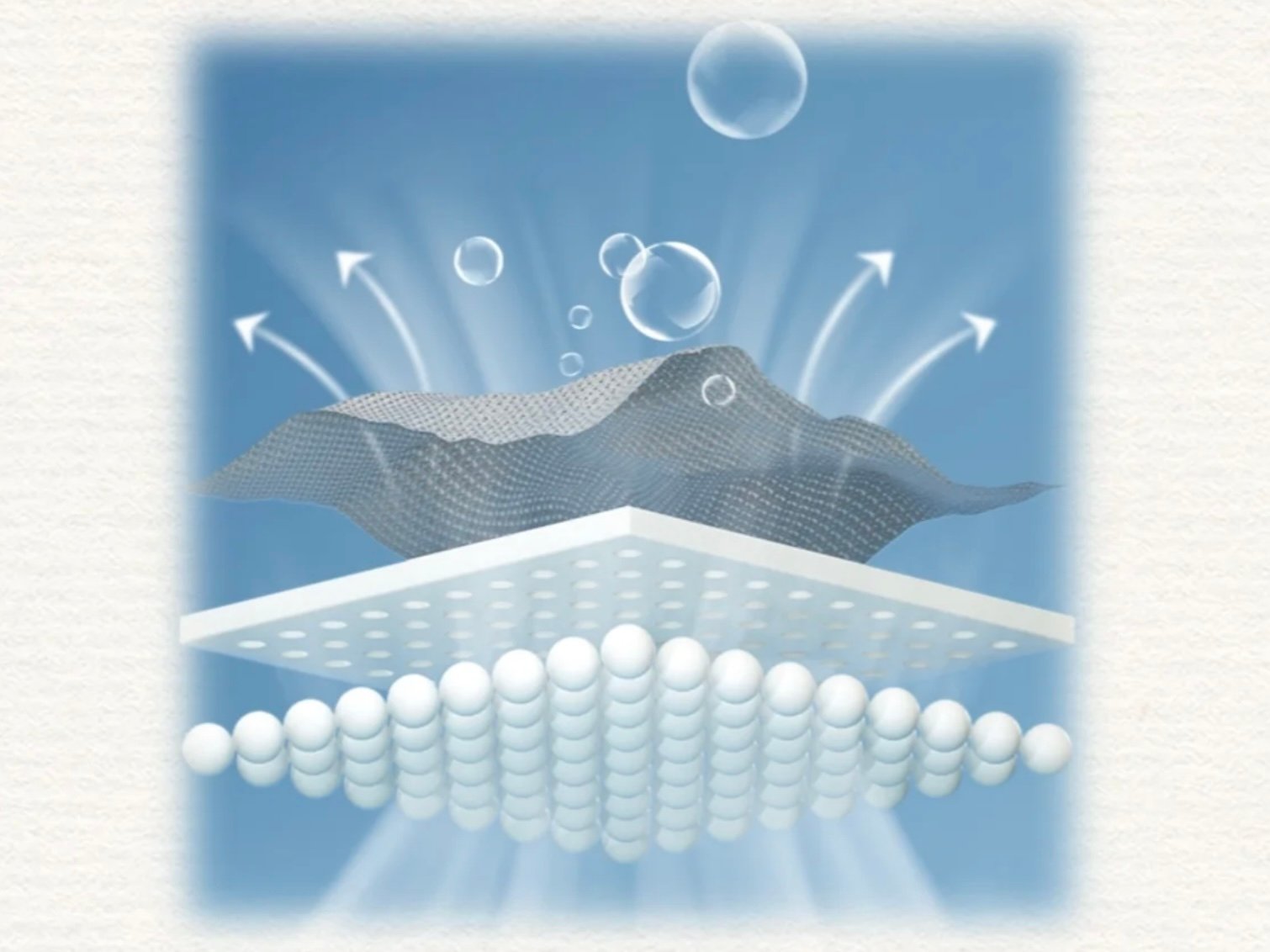
- เทคนิคการติด: วัสดุทั้งสองถูกหลอมโดยใช้กาว การอัดความร้อน หรือการเชื่อมด้วยอัลตราโซนิก กาวช่วยให้มั่นใจได้ถึงการยึดเกาะที่แข็งแกร่ง ในขณะที่การรีดความร้อนช่วยเพิ่มความสมบูรณ์ของโครงสร้างของผ้า
ถูกผูกมัด
- จบ: ผ้าอาจผ่านการย้อมสี การซัก หรือการปรับสภาพพื้นผิวเพื่อปรับเนื้อผ้าและรูปลักษณ์ให้เหมาะสม ทั้งนี้ขึ้นอยู่กับการออกแบบ
เสร็จสิ้น
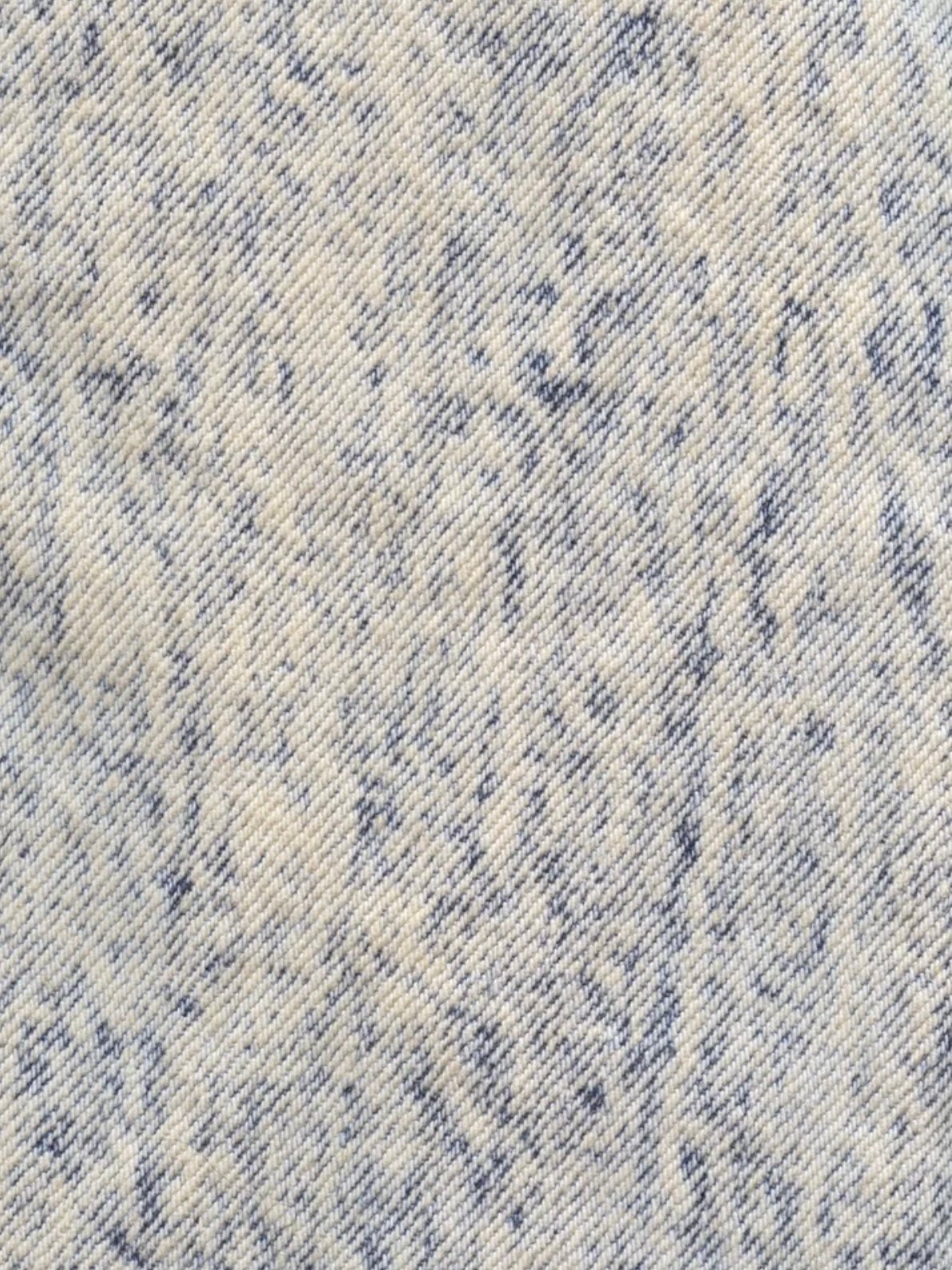
ประเภทผ้าเดนิมบอนด์ทั่วไป
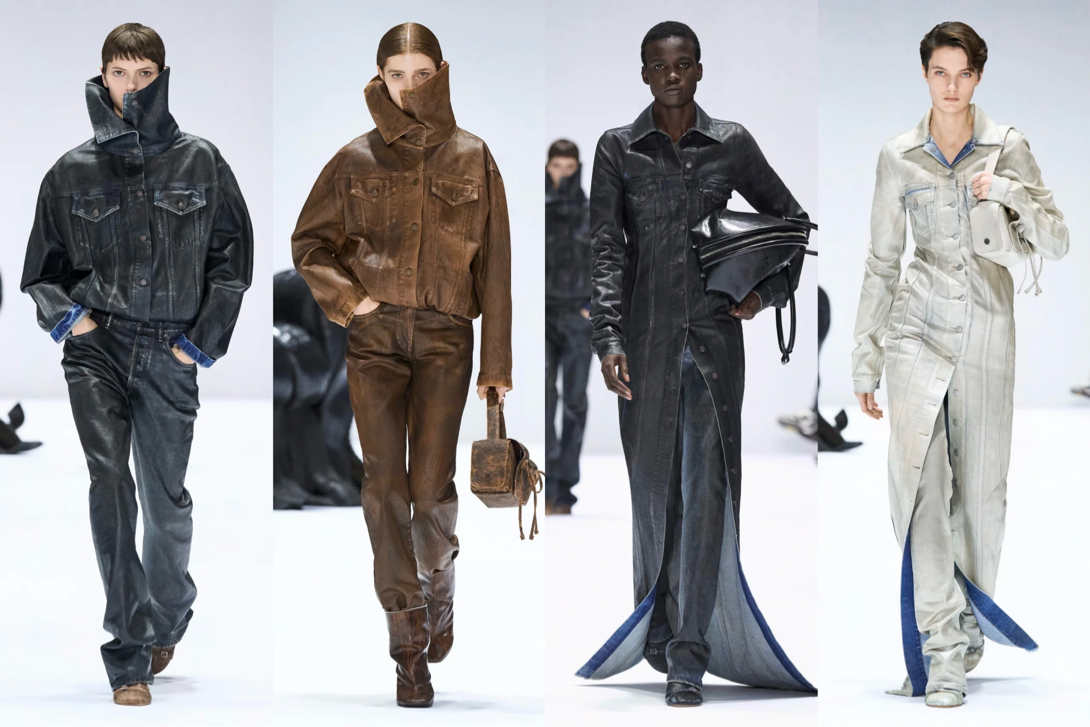
- หนังเดนิมบอนด์: ผสมผสานหนังเข้ากับผ้าเดนิมเพื่อเพิ่มความทนทานและรูปลักษณ์ระดับพรีเมียม มักใช้ในเครื่องแต่งกายมอเตอร์ไซค์หรือสินค้าแฟชั่นชั้นสูง
เดนิมบอนด์
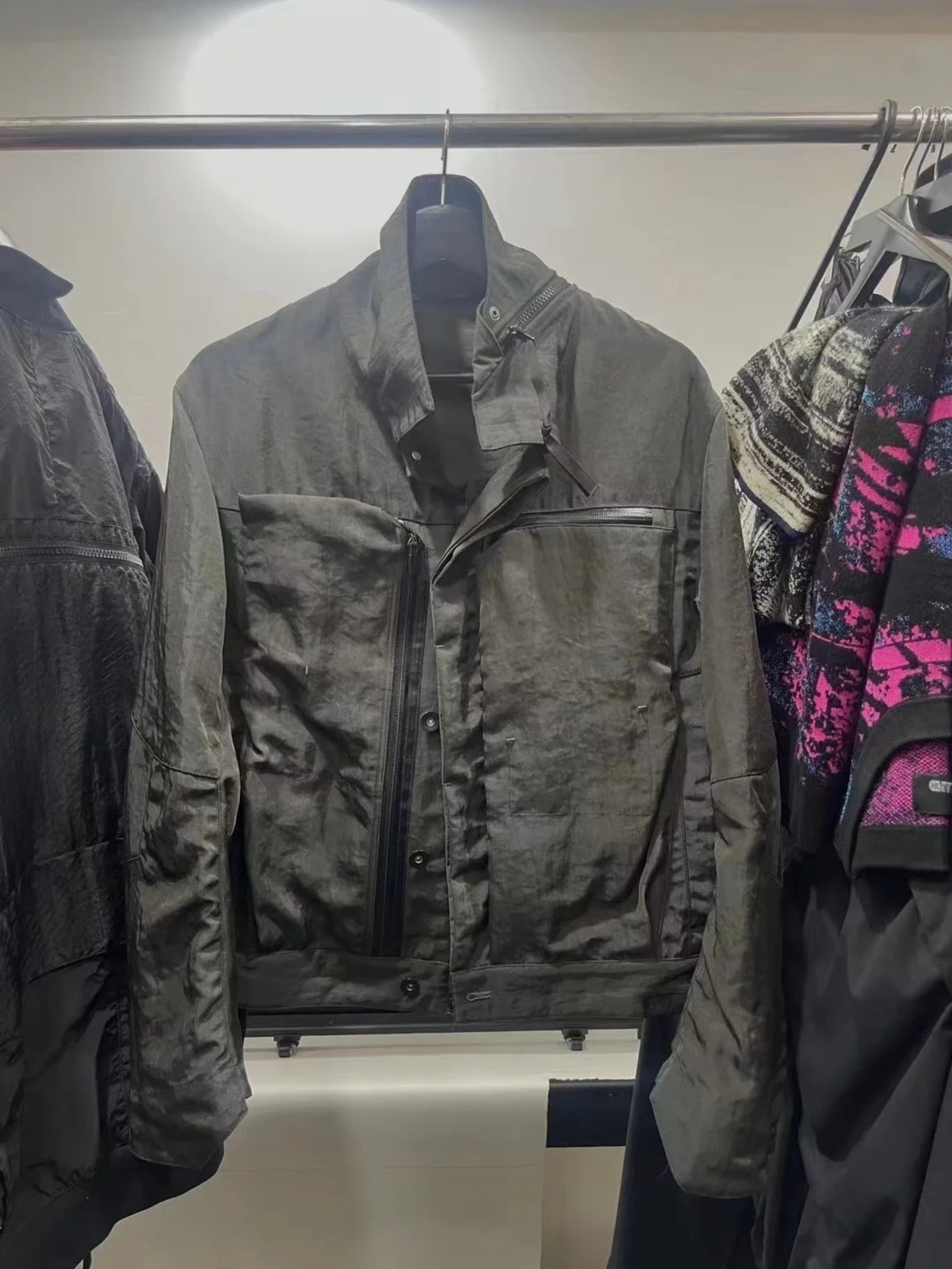
- ผ้าเดนิมผสมใยสังเคราะห์: ผสมผสานไนลอนหรือโพลีเอสเตอร์เพื่อเพิ่มการกันน้ำและความทนทาน เหมาะสำหรับชุดกลางแจ้งหรือชุดออกกำลังกาย
ภาพหน้าจอ
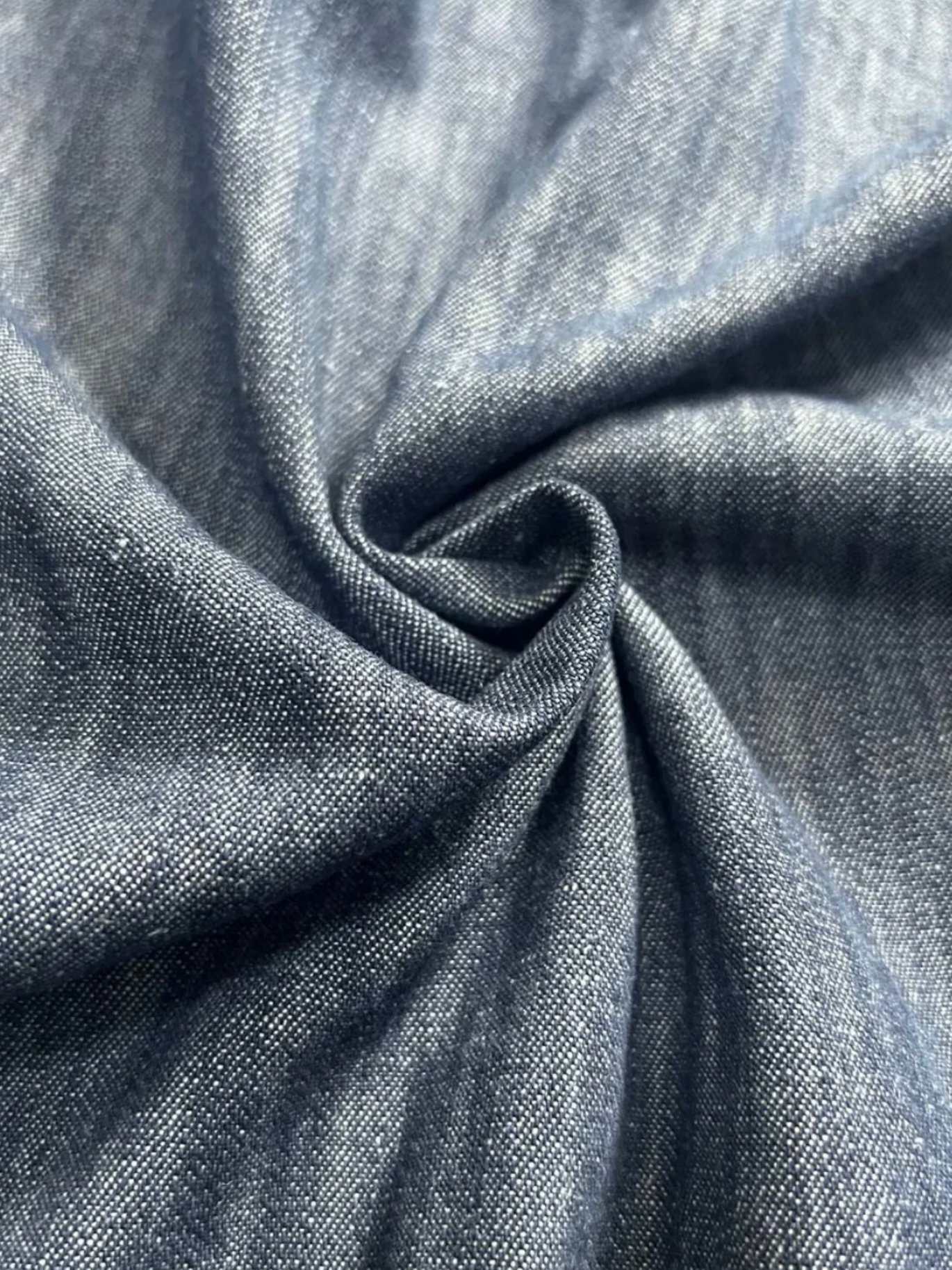
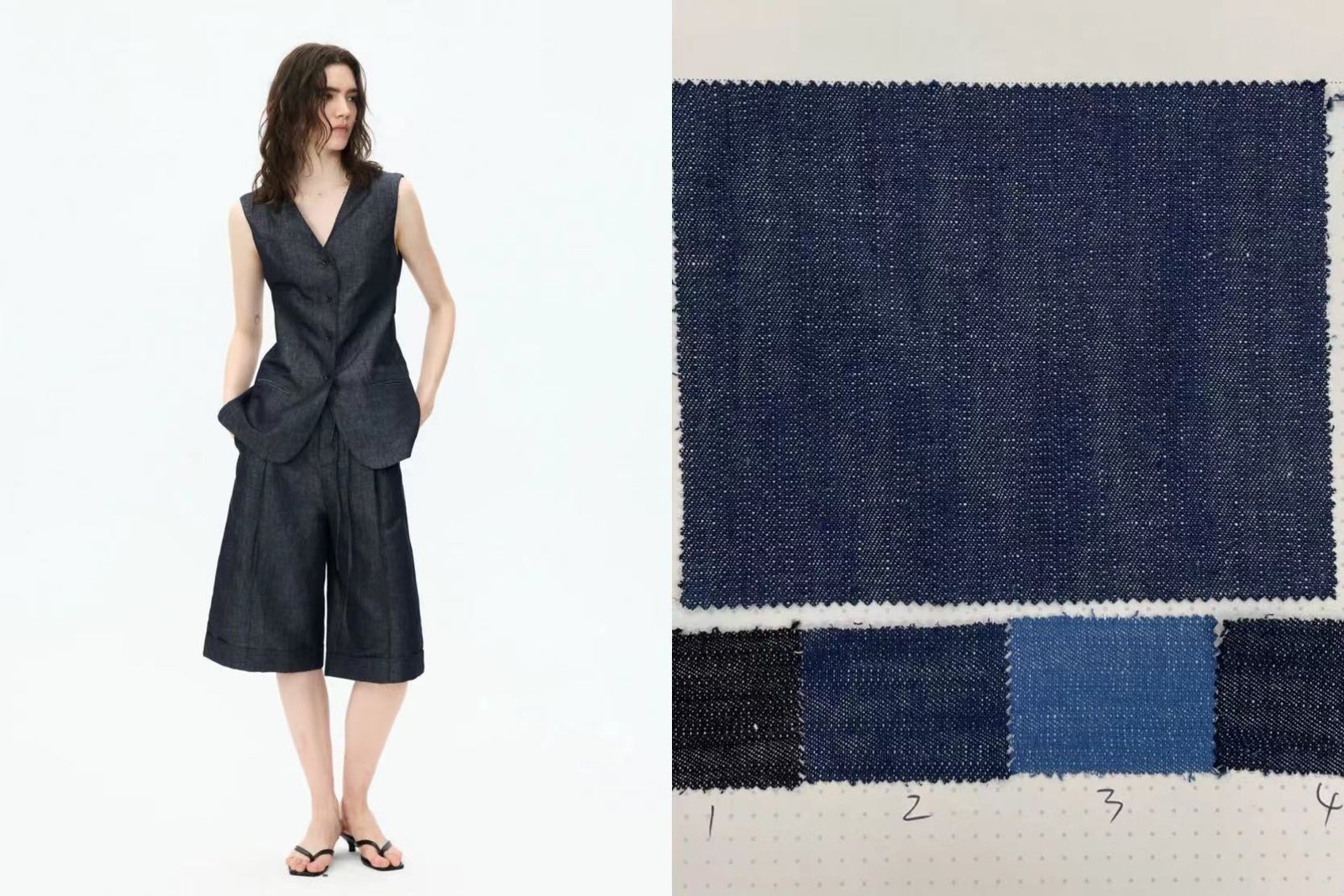
- ผ้าผ้าเดนิมฝ้ายหรือลินิน: เพิ่มความนุ่ม ระบายอากาศ เหมาะสำหรับใส่ลำลองในชีวิตประจำวัน
การใช้และคุณประโยชน์ในชีวิตประจำวัน
คุณสมบัติพิเศษของเดนิมบอนด์ทำให้มีความอเนกประสงค์สูงสำหรับการใช้งานในแต่ละวัน:
ความอบอุ่น
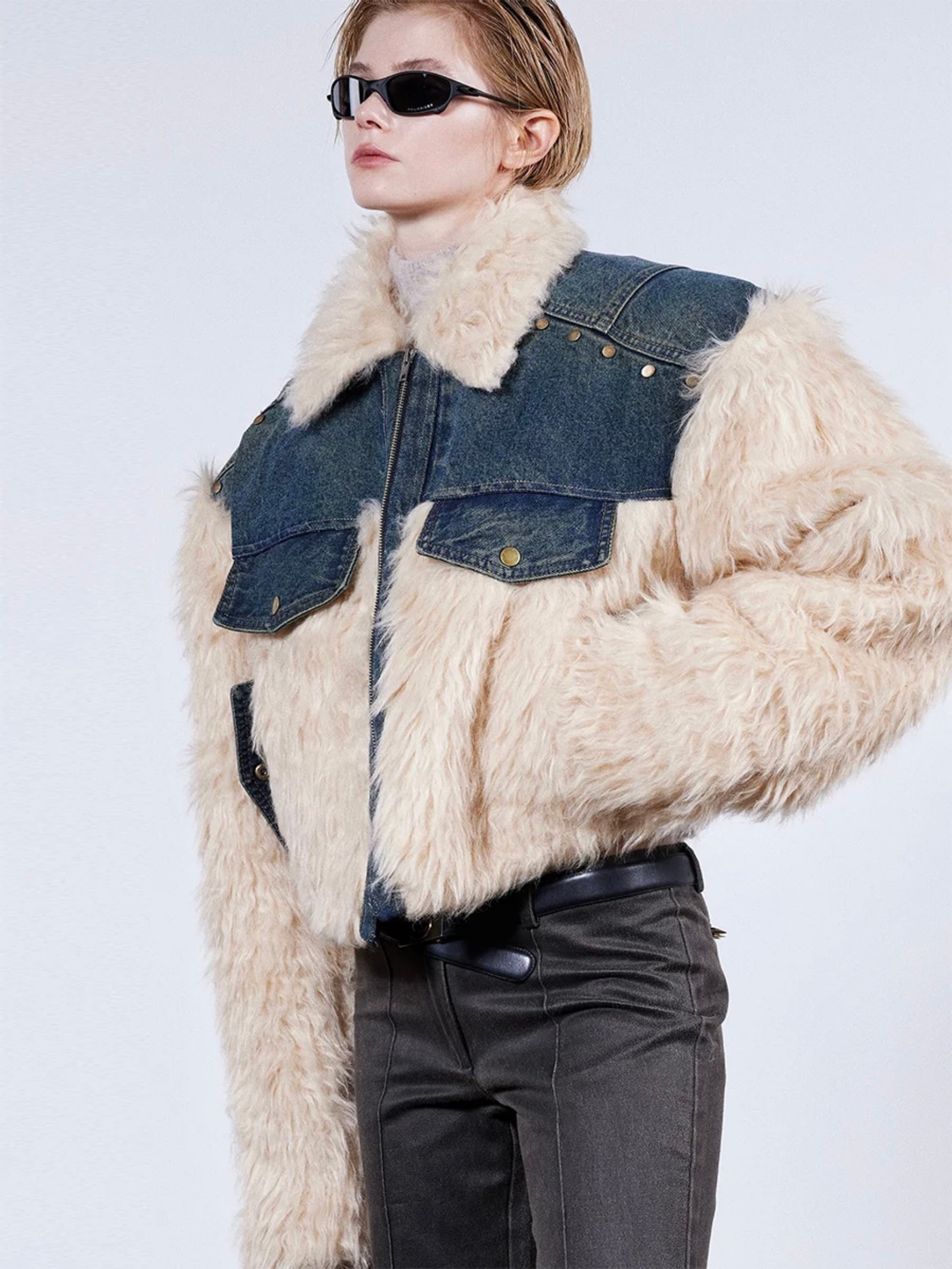
ด้วยการยึดผ้าเดนิมเข้ากับวัสดุฉนวน เช่น ขนสัตว์หรือเส้นใยสังเคราะห์ ผ้าเดนิมเชื่อมจึงช่วยเพิ่มความอบอุ่น ทำให้เหมาะสำหรับฤดูใบไม้ร่วงและฤดูหนาว ตัวอย่างเช่น เสื้อแจ็คเก็ตเดนิมบุขนบุด้วยผ้าขนสัตว์ให้ฉนวนที่อุ่นสบาย ขณะเดียวกันก็รักษาความสวยงามของเดนิมคลาสสิกไว้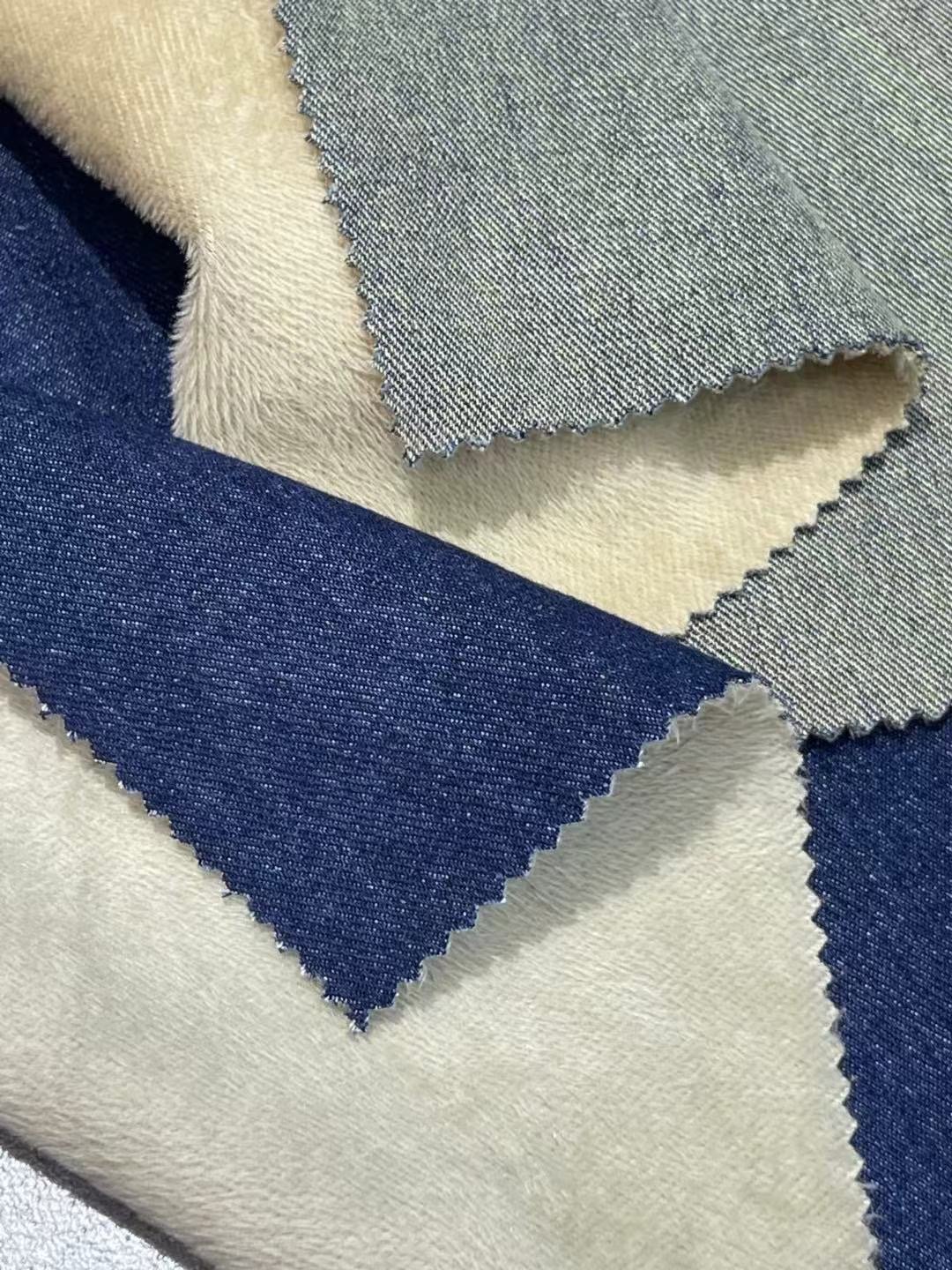
ความหนาและความทนทาน
กระบวนการติดกาวจะเพิ่มความหนาของผ้าและความทนทานต่อการสึกหรอ ช่วยยืดอายุการใช้งานของเสื้อผ้า ตัวอย่างเช่น ผ้าเดนิมเคลือบหนังมีความทนทานต่อการฉีกขาดและการเสียดสีสูง ทำให้เหมาะสำหรับชุดทำงานหรืออุปกรณ์ขี่มอเตอร์ไซค์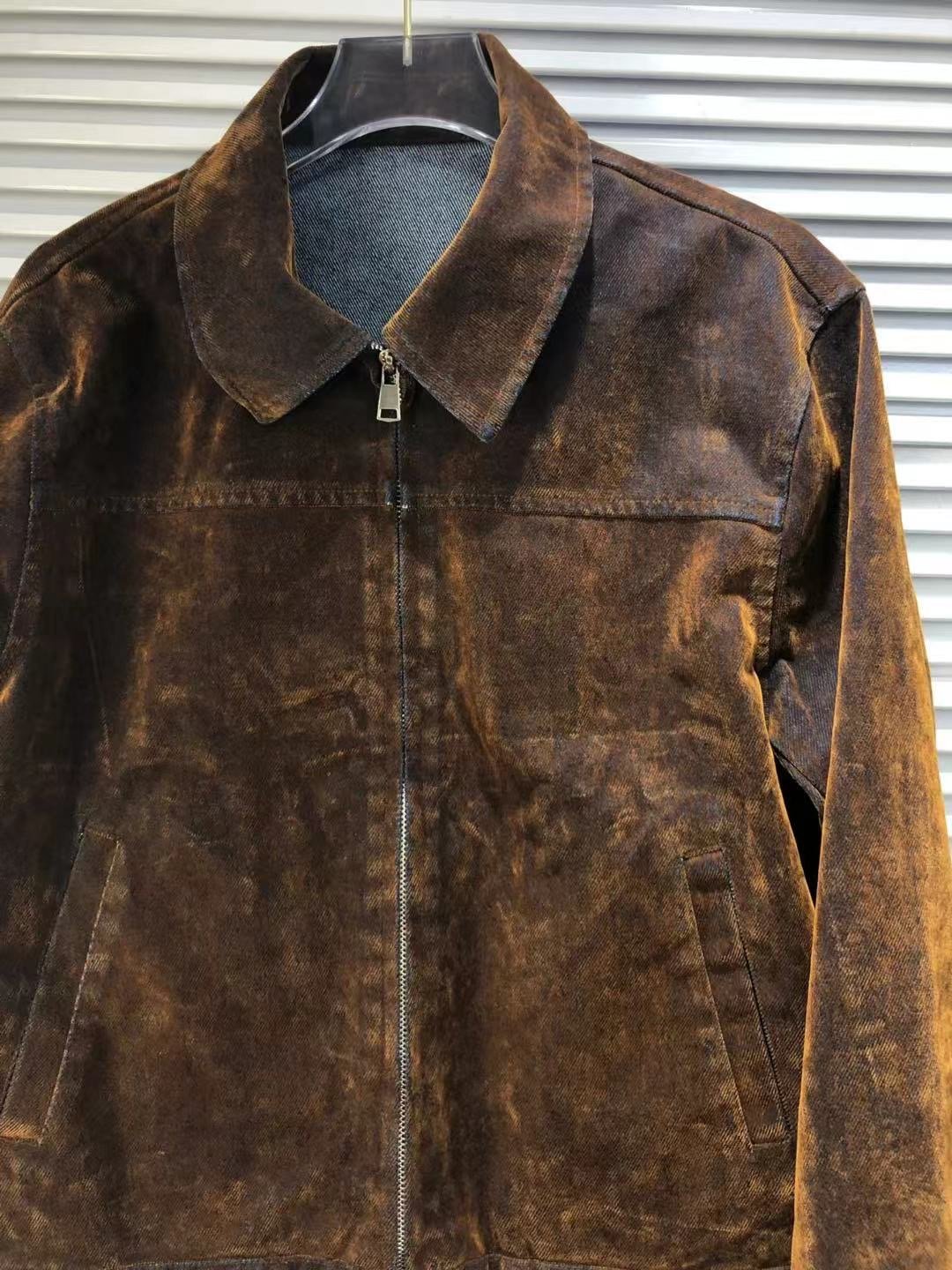
อุทธรณ์แฟชั่น
พื้นผิวและพื้นผิวที่แตกต่างของผ้าเดนิมบอนด์ทำให้เป็นที่ชื่นชอบในโลกแฟชั่น นักออกแบบใช้วัสดุยึดติดที่แตกต่างกันเพื่อสร้างเอฟเฟ็กต์ภาพที่หลากหลาย เช่น ความแวววาวหรูหราของผ้าเดนิมผสมหนัง หรือเสน่ห์ทางศิลปะของผ้าเดนิมแบบเย็บปะติดปะต่อกัน
แฟชั่นผูกมัด
ความคล่องตัวในการออกแบบ
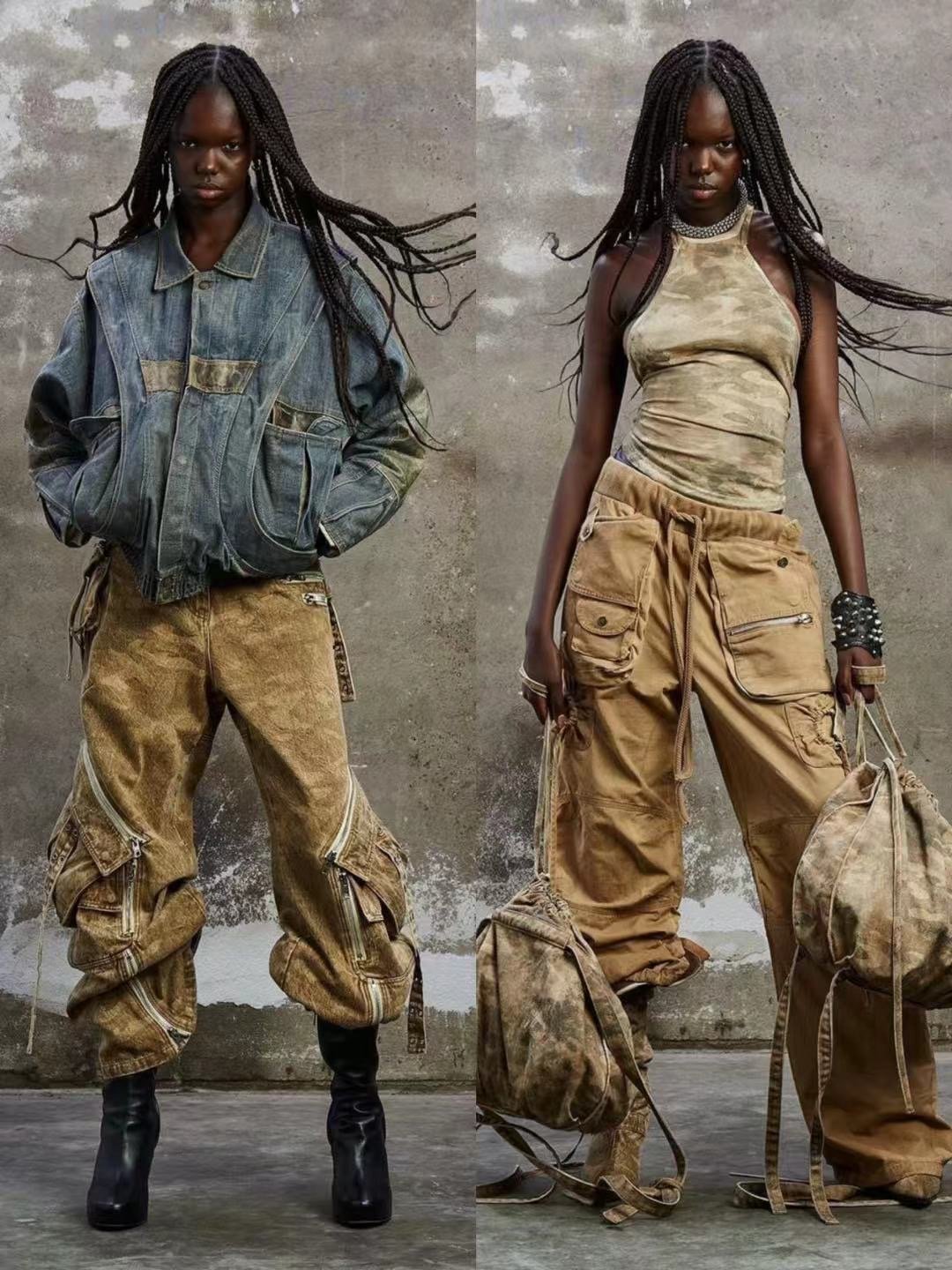
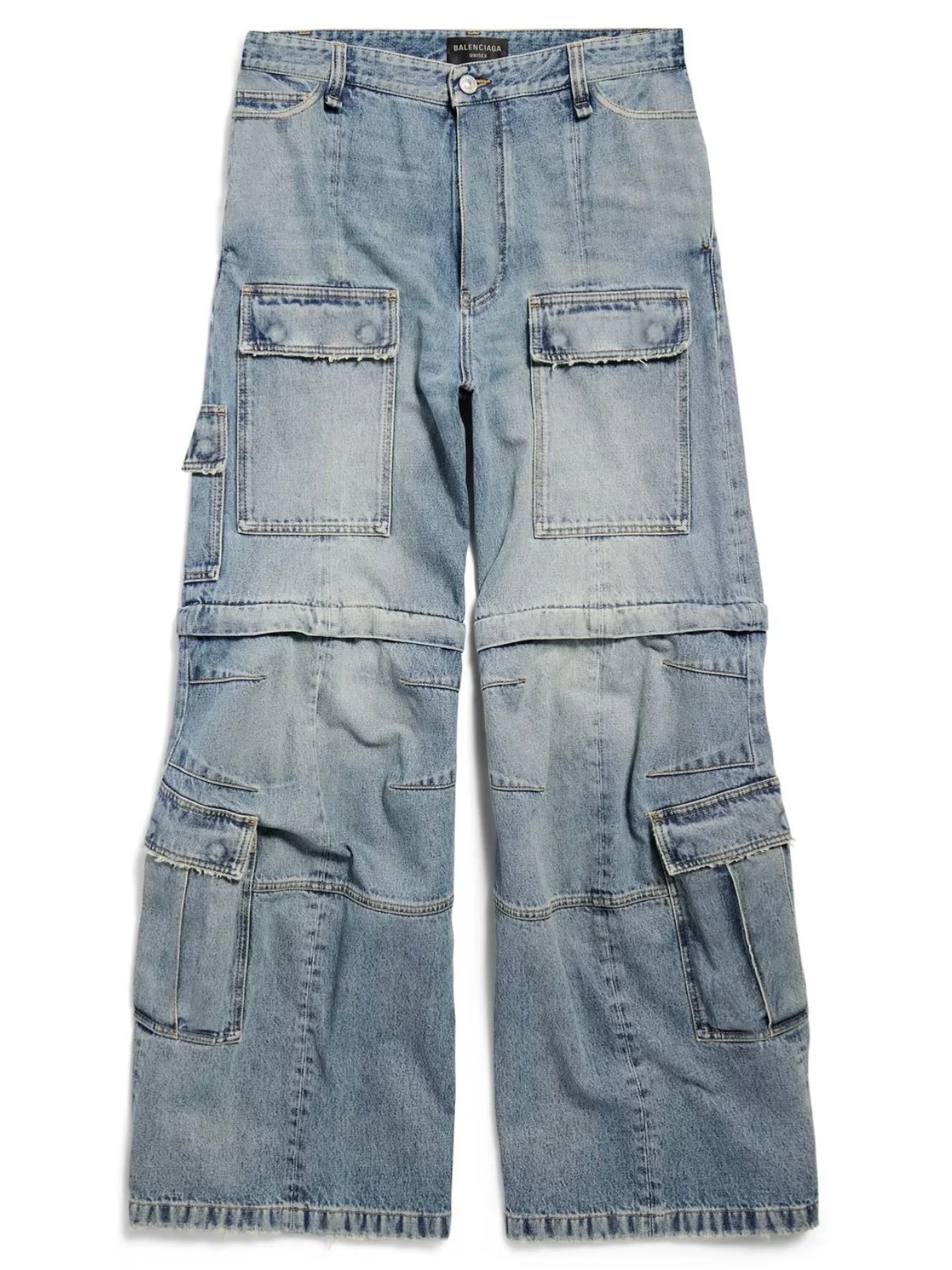
ผ้าเดนิมบอนด์ถูกนำมาใช้กับเสื้อผ้าหลายประเภท รวมถึงกางเกงยีนส์ แจ็คเก็ต กระโปรง และเดรส ทำให้สามารถปรับให้เข้ากับโอกาสต่างๆ ได้ ตั้งแต่การออกไปเที่ยวแบบสบายๆ ไปจนถึงงานกึ่งทางการ ตัวอย่างเช่น กางเกงยีนส์ผ้าเดนิมผสมใยสังเคราะห์เหมาะสำหรับกิจกรรมกลางแจ้ง ในขณะที่กระโปรงผ้าผ้าเดนิมฝ้ายผสมลินินเหมาะกับลุคสบายๆ ในฤดูร้อน
สถานการณ์การใช้งาน
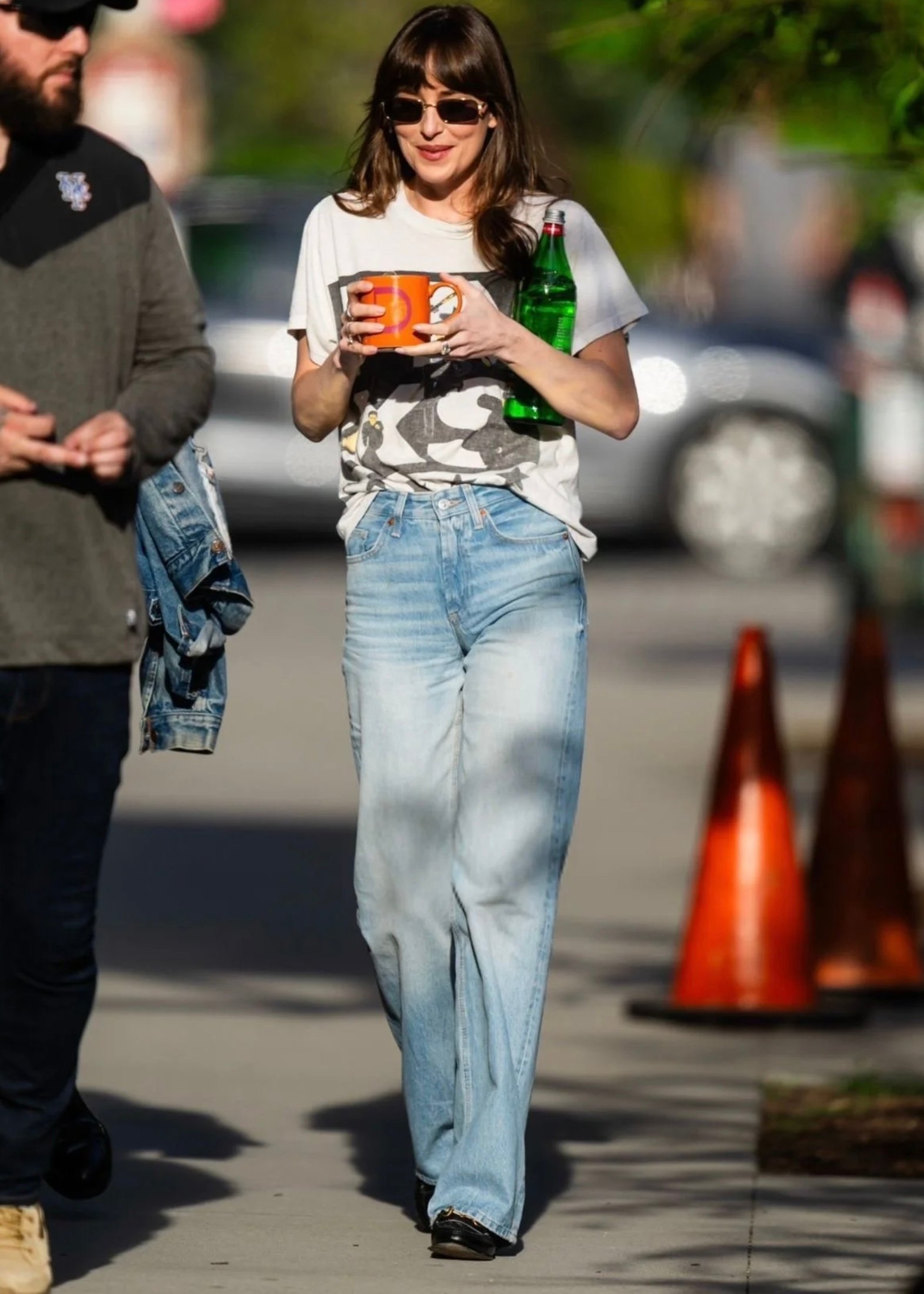
- เสื้อผ้าลำลอง: กางเกงยีนส์ผ้าเดนิมเชื่อมคู่กับเสื้อยืดและรองเท้าผ้าใบในสไตล์สตรีทสบายๆ
เสื้อผ้าลำลอง
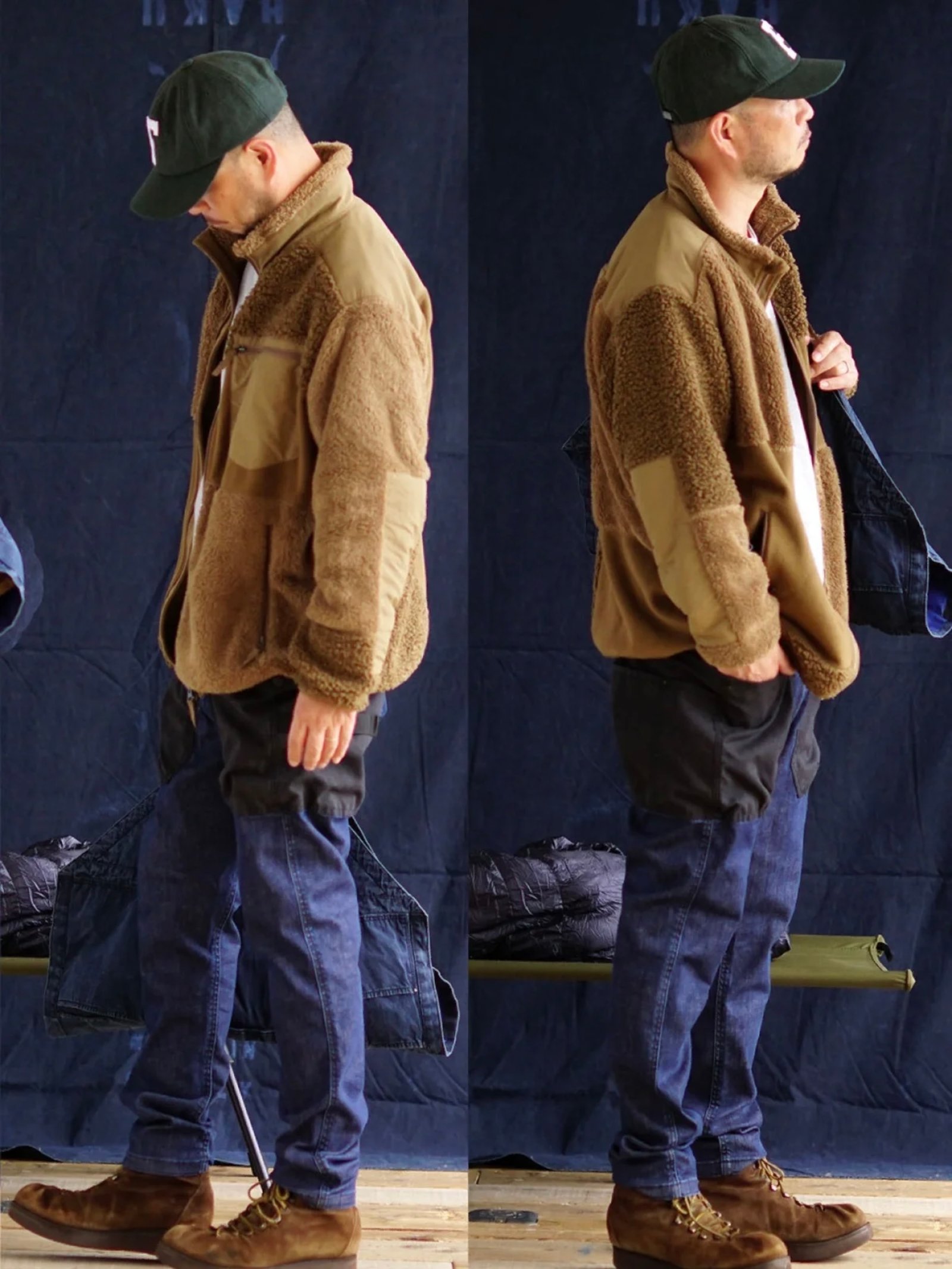
- กิจกรรมกลางแจ้ง: กางเกงยีนส์ผ้าบอนด์กันน้ำหรือทนทานที่จับคู่กับรองเท้าที่ใช้งานได้จริงและเสื้อเรียบง่ายสำหรับการเดินป่าหรือปั่นจักรยาน
กิจกรรมกลางแจ้งผ้าเดนิมบอนด์
- การตั้งค่าส่งต่อแฟชั่น: แจ็คเก็ตยีนส์เคลือบหนังพร้อมเสื้อเข้ารูปและรองเท้าบูทหุ้มข้อสำหรับสถานบันเทิงยามค่ำคืนหรืองานปาร์ตี้
แฟชั่นส่งต่อ
- ชุดทำงาน: กางเกงยีนส์หรือแจ็กเก็ตผ้าบอนด์ที่ทนทานสำหรับสภาพแวดล้อมที่มีการสึกหรอสูง เช่น การก่อสร้างหรือการทำงานกลางแจ้ง
ชุดทำงาน
เคล็ดลับการจัดแต่งทรงผมและข้อดีข้อเสีย
เคล็ดลับการจัดแต่งทรงผม
สไตล์ของผ้าเดนิมบอนด์จะแตกต่างกันไปขึ้นอยู่กับวัสดุที่ถูกบอนด์:
- หนังเดนิมบอนด์: เหมาะสำหรับลุคแหวกแนวและดื้อรั้น จับคู่กับเสื้อสีดำหรือสีเข้ม (เช่น แจ็กเก็ตหนังหรือเสื้อเชิ้ตเข้ารูป) และรองเท้าบูทคอมแบทเพื่อเพิ่มความสวยงาม
- ผ้าเดนิมผสมใยสังเคราะห์: เหมาะสำหรับกิจกรรมกลางแจ้งหรือแอคทีฟ จับคู่กับรองเท้าที่ใช้งานได้จริง (เช่น รองเท้าเดินป่าหรือรองเท้าผ้าใบ) และเสื้อยืดสไตล์มินิมอลเพื่อเน้นการใช้งานจริง
- ผ้าผ้าเดนิมฝ้ายหรือลินิน: เหมาะสำหรับสวมใส่ในชีวิตประจำวัน จับคู่กับเสื้อเบลาส์หลวมหรือเสื้อสเวตเตอร์ถักเพื่อให้สวมใส่สบาย ดูเป็นธรรมชาติ เหมาะสำหรับฤดูใบไม้ผลิหรือฤดูร้อน
- เทคนิคการจัดแต่งทรงผม:
- ใช้เสื้อเข้ารูปเพื่อปรับสมดุลของทรงเดนิมที่มีน้ำหนักมากขึ้น
- เลือกใช้เครื่องประดับสไตล์มินิมอล (เช่น เข็มขัดหรือนาฬิกา) เพื่อเน้นเนื้อผ้าที่เป็นเอกลักษณ์ของผ้า
- เลือกรองเท้าตามโอกาส เช่น รองเท้าผ้าใบสำหรับลุคลำลอง รองเท้าบูทหุ้มข้อสำหรับเสื้อผ้าที่นำสมัย
การวิเคราะห์ข้อดีข้อเสีย
| ด้าน | ข้อดี | ข้อเสีย |
|---|---|---|
| ความทนทาน | เพิ่มความทนทานต่อการสึกหรอ ยืดอายุการใช้งานของเสื้อผ้า | อาจหนักกว่าเนื่องจากการผสมผสานวัสดุส่งผลต่อความสบาย |
| ความอบอุ่น | ให้ฉนวนกันความร้อนเหมาะสำหรับอากาศหนาวเย็น | ระบายอากาศได้น้อยในช่วงอากาศร้อน |
| อุทธรณ์แฟชั่น | พื้นผิวและการตกแต่งที่เป็นเอกลักษณ์สำหรับสไตล์ที่หลากหลาย | การออกแบบอาจดูหนาเกินไปสำหรับการตั้งค่าแบบอนุรักษ์นิยม |
| ฟังก์ชั่นการทำงาน | คุณสมบัติกันน้ำหรือกันลมสำหรับใช้กลางแจ้ง | อาจต้องได้รับการดูแลเป็นพิเศษหรือวิธีการทำความสะอาด |
| ราคา | – | ต้นทุนที่สูงขึ้นเนื่องจากการผลิตที่ซับซ้อน |
ข้อมูลเชิงลึกจากผู้เชี่ยวชาญ
ผู้เชี่ยวชาญด้านสิ่งทอเน้นย้ำถึงความสามารถของผ้าเดนิมในการผสานความทนทานของผ้าเดนิมแบบดั้งเดิมเข้ากับการใช้วัสดุสมัยใหม่ Grace Na ผู้ก่อตั้ง Pistola Denim กล่าวว่า “ผ้าเดนิมบอนด์มอบความเป็นไปได้ไม่รู้จบแก่นักออกแบบ โดยสร้างความสมดุลระหว่างประโยชน์ใช้สอยและความสวยงาม” Caroline Maguire ผู้อำนวยการฝ่ายแฟชั่นของ Shopbop กล่าวเสริมว่า “ผู้บริโภคสนใจผ้าที่ใช้งานได้จริงและแสดงออกได้มากขึ้น และผ้าเดนิมแบบบอนด์ก็เข้ากับเทรนด์นี้อย่างสมบูรณ์แบบ”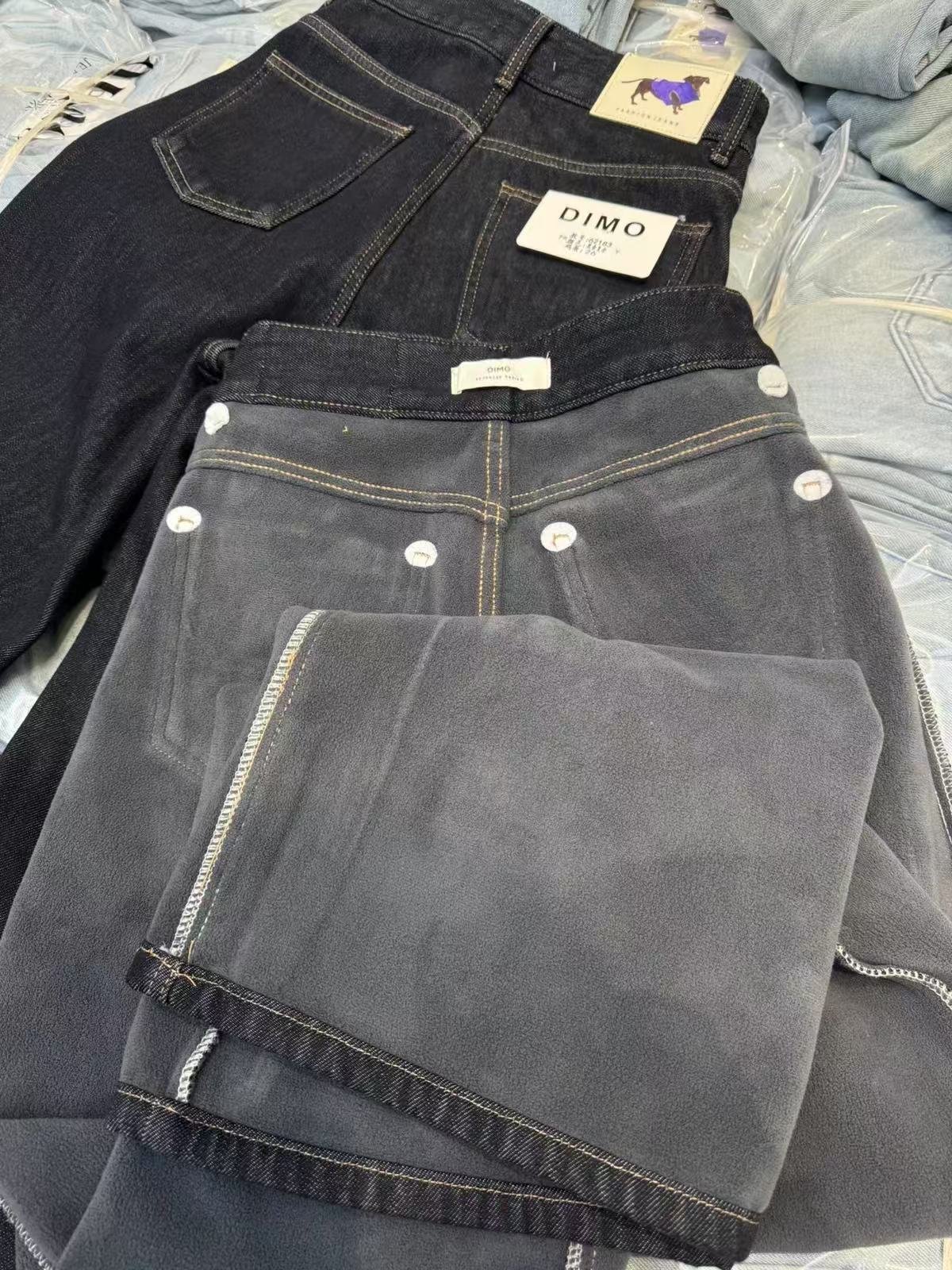
บทสรุป
ผ้าเดนิมบอนด์เป็นผ้านวัตกรรมใหม่ที่ผสมผสานเสน่ห์เหนือกาลเวลาของเดนิมเข้ากับคุณสมบัติที่เพิ่มขึ้นของวัสดุอื่นๆ ให้ความอบอุ่น ความทนทาน และความหลากหลายที่ก้าวล้ำนำสมัย การใช้งานมีตั้งแต่ชุดลำลองไปจนถึงอุปกรณ์กลางแจ้งและสินค้าแฟชั่นชั้นสูง แม้ว่าอาจมีข้อจำกัด เช่น น้ำหนักหรือราคา แต่สไตล์และการเลือกสรรอย่างพิถีพิถันสามารถทำให้ผ้าเดนิมติดเป็นส่วนประกอบเสริมที่โดดเด่นสำหรับตู้เสื้อผ้า โดยให้ทั้งการใช้งานจริงและมีสไตล์
บริการปรับแต่งโดย LYDENIM
🎨 อยากได้ ผ้าเดนิมที่กำหนดเอง หรือ ไม่ซ้ำกัน เสื้อผ้าเดนิมที่กำหนดเอง? LYDENIM เชี่ยวชาญด้านโซลูชันที่ออกแบบเฉพาะเพื่อตอบสนองความต้องการด้านการออกแบบและการผลิตของคุณ
🛍️ สำรวจและหาแรงบันดาลใจกันเถอะ!: เลือกดูผ้าที่เราคัดสรรและค้นพบแนวคิดการออกแบบได้ที่ ลีเดนิม.
🌐 เสื้อผ้ายืดหยุ่น: ตรวจสอบข้อเสนอของเราได้ที่ อาลีบาบาของฉัน. 📩 ติดต่อเรา: ติดต่อได้ที่ Malone@lydenim.com.
สร้างสรรค์ผลงานเดนิมชิ้นเอกของคุณด้วย LYDENIM ซึ่งเป็นพันธมิตรที่คุณไว้วางใจ ผ้ายืด และ โซลูชั่นเดนิมแบบกำหนดเอง.
คำถามที่พบบ่อย
สามารถปรับแต่งให้เหมาะกับแบรนด์หรือคอลเลกชันของฉันได้หรือไม่?
ใช่ ส่งใบสมัคร รูปภาพอ้างอิง คุณภาพเป้าหมาย ปริมาณ และข้อกำหนดของตลาด เพื่อให้ซัพพลายเออร์สามารถแนะนำตัวเลือกผ้า เครื่องแต่งกาย หรือการตกแต่งที่เหมาะสมได้
ฉันควรส่งข้อมูลอะไรบ้างก่อนที่จะขอใบเสนอราคา?
จัดเตรียมประเภทผลิตภัณฑ์ ผ้าหรือเทคนิคเป้าหมาย ทิศทางสี ความต้องการตัวอย่าง ปริมาณ ประเทศปลายทาง และระยะเวลารอคอยสินค้าที่คาดหวัง
ฉันควรขอตัวอย่างก่อนการผลิตจำนวนมากหรือไม่
ใช่ ตัวอย่างและระยะตัวอย่างจะช่วยลดความเสี่ยงก่อนสั่งซื้อจำนวนมาก โดยเฉพาะอย่างยิ่งเมื่อคุณภาพสี ความรู้สึกทางมือ การยืด พื้นผิว หรือการตกแต่งมีความสำคัญ
ฉันจะหลีกเลี่ยงปัญหาด้านคุณภาพในคำสั่งซื้อจำนวนมากได้อย่างไร
อนุมัติมาตรฐานตัวอย่างที่ชัดเจน กำหนดข้อกำหนดในการทดสอบ ยืนยันความคลาดเคลื่อน และเปรียบเทียบผลผลิตจำนวนมากกับตัวอย่างที่ได้รับอนุมัติก่อนจัดส่ง
ต้องการความช่วยเหลือในการเปลี่ยนสิ่งนี้ให้เป็นบรีฟการจัดหาที่พร้อมสำหรับการผลิตหรือไม่
ส่งสินค้าเป้าหมายของคุณ ทิศทางผ้า ปริมาณ และความต้องการตัวอย่าง LY Denim สามารถช่วยเปรียบเทียบตัวเลือกและเตรียมใบเสนอราคาได้