


ผ้าริมผ้าเดนิมเทียบกับผ้าเดนิมธรรมดา

ผ้าริมผ้าเดนิมเทียบกับผ้าเดนิมธรรมดา
เวลาการอ่านประมาณ: ~6 นาที บทนำ: ประชาชนมักสับสนระหว่างผ้าเดนิมแบบเซลเวจกับผ้าเดนิมธรรมดา ทั้งที่ผ้าทั้งสองชนิดนี้มีลักษณะการทอที่แตกต่างกันโดยสิ้นเชิง คู่มือนี้จะกล่าวถึงผ้าเดนิมแบบเซลเวจอย่างละเอียด...
สรุปผู้ซื้อ
สำหรับแบรนด์เครื่องแต่งกายและทีมขนาดเล็ก หัวข้อนี้ควรเชื่อมโยงการตัดสินใจด้านการออกแบบกับการสุ่มตัวอย่าง การผลิต ปริมาณขั้นต่ำ วิธีการตกแต่ง และความพร้อมในการเสนอราคา
- ผู้ซื้อที่เหมาะสมแบรนด์แฟชั่น ทีมจัดหา ผู้ค้าส่ง โรงงานตัดเย็บเสื้อผ้า และผู้พัฒนาผลิตภัณฑ์
- สิ่งที่ต้องยืนยันเป้าหมายผลิตภัณฑ์ ทิศทางของผ้า ผิวสำเร็จ ความต้องการตัวอย่าง ปริมาณ และตลาดการจัดส่ง
- ความเสี่ยงของผู้ซื้อข้อมูลจำเพาะที่ไม่ชัดเจนอาจนำไปสู่ตัวอย่างที่ไม่ถูกต้อง คุณภาพปริมาณมากไม่แน่นอน และการเสนอราคาที่ช้า
- CTA ที่แนะนำขอตัวอย่างหรือใบเสนอราคาตัวอย่างก่อนที่จะดำเนินการผลิตจำนวนมาก
เหตุใดจึงสำคัญสำหรับผู้ซื้อ B2B
ยืนยันเนื้อผ้า โครงสร้าง เทคนิคโลโก้ ความต้องการตัวอย่าง และปริมาณการสั่งซื้อก่อนเปรียบเทียบซัพพลายเออร์
เวลาการอ่านประมาณ: ~6 นาที บทนำ: ประชาชนมักสับสนระหว่างผ้าเดนิมแบบเซลเวจกับผ้าเดนิมธรรมดา ทั้งที่ผ้าทั้งสองชนิดนี้มีลักษณะการทอที่แตกต่างกันโดยสิ้นเชิง คู่มือนี้จะกล่าวถึงผ้าเดนิมแบบเซลเวจอย่างละเอียด...
ตารางข้อมูลจำเพาะสำหรับการจัดหาที่เร็วขึ้น
| จุดตัดสินใจ | ตัวเลือกในการเปรียบเทียบ | ทำไมมันถึงสำคัญ | คำถามของผู้ซื้อ |
|---|---|---|---|
| ประเภทสินค้า | เสื้อฮู้ด เสื้อยืด กางเกงยีนส์ แจ็คเก็ต เครื่องแต่งกายตามสั่ง | ควบคุมการเลือกผ้า ลวดลาย การตกแต่ง และการก่อสร้าง | คุณกำลังพัฒนาผลิตภัณฑ์ใด? |
| การปรับแต่ง | งานปัก งานสกรีน งานพิมพ์พัฟ งานปัก งานซัก | ส่งผลต่อต้นทุนตัวอย่าง ขั้นต่ำ และเวลานำ | คุณมีอาร์ตเวิร์คหรือเทคนิคอ้างอิงหรือไม่? |
| ผ้าและ GSM | ตัวเลือกเบา ปานกลาง หรือเฮฟวี่เวท | กำหนดความรู้สึกมือ ฤดูกาล และตำแหน่งการขายปลีก | คุณต้องการความรู้สึกมือและระดับราคาแบบใด |
| แผนการสั่งซื้อ | ต้นแบบ ชุดเล็ก การผลิตจำนวนมาก | เปลี่ยนแปลงราคา ไทม์ไลน์ และการตั้งค่าการผลิต | คุณต้องการตัวอย่างหรือใบเสนอราคาจำนวนมากก่อนหรือไม่? |
แอปพลิเคชันและตัวเลือกแบบกำหนดเอง
การพัฒนาผลิตภัณฑ์
ใช้คู่มือนี้เพื่อเปลี่ยนแนวคิดการออกแบบให้เป็นข้อกำหนดด้านเนื้อผ้า เครื่องแต่งกาย การตกแต่ง และตัวอย่าง
การเปรียบเทียบซัพพลายเออร์
เปรียบเทียบซัพพลายเออร์ตามการสนับสนุนตัวอย่าง ความชัดเจนทางเทคนิค ความเสถียรของปริมาณรวม และความเร็วในการสื่อสาร
การผลิตจำนวนมาก
ยืนยันมาตรฐานคุณภาพ ตัวอย่างที่ได้รับอนุมัติ และไทม์ไลน์ก่อนสั่งผลิต
จุดควบคุมคุณภาพก่อนสั่งซื้อจำนวนมาก
- OKการอนุมัติตัวอย่าง: ยืนยันผ้า สี ความรู้สึกมือ โครงสร้าง และการตกแต่งก่อนการผลิตจำนวนมาก
- OKความสม่ำเสมอเป็นกลุ่ม: เปรียบเทียบล็อตจำนวนมากกับตัวอย่างที่ได้รับอนุมัติภายใต้แสงและสภาวะการทดสอบเดียวกัน
- OKการทดสอบประสิทธิภาพ: ตรวจสอบการหดตัว ความคงทนของสี การยืดตัวคืนสภาพ หรือความทนทานของการตกแต่งตามที่เกี่ยวข้อง
- OKความชัดเจนของคำพูด: ส่งปริมาณ ปลายทาง ความต้องการบรรจุภัณฑ์ และเวลานำเป้าหมายเพื่อหลีกเลี่ยงการกำหนดราคาที่คลุมเครือ
กระบวนการพัฒนาตัวอย่าง
| ขั้นตอน | ผู้ซื้อจัดให้ | ซัพพลายเออร์ยืนยัน |
|---|---|---|
| 1. บรีฟ | การใช้งาน รูปภาพอ้างอิง คุณภาพและปริมาณเป้าหมาย | ความเป็นไปได้ วัสดุที่แนะนำ และตัวเลือกแบบกำหนดเอง |
| 2. สวอตช์ผ้า | สี สัมผัสมือ รูปแบบ หรือการตอบสนองขั้นสุดท้ายที่ต้องการ | สต็อกที่มีอยู่ ทิศทางที่กำหนดเอง และต้นทุนตัวอย่าง |
| 3. ตัวอย่าง | แผนการทดสอบเสื้อผ้า ขนาด หรือความต้องการระยะ | เส้นเวลาการสุ่มตัวอย่างและความสามารถในการทำซ้ำของการผลิต |
| 4. ใบเสนอราคาจำนวนมาก | ปริมาณการสั่งซื้อ ปลายทางการจัดส่ง และความต้องการบรรจุภัณฑ์ | ราคาต่อหน่วย, ขั้นต่ำ, เวลานำและจุดตรวจควบคุมคุณภาพ |
คู่มือโดยละเอียด
เวลาอ่านโดยประมาณ: ~6 นาที
บทนำ
ประชาชนมักผิดพลาด ยีนส์ขอบพิเศษ สำหรับ ผ้าเดนิมปกติ แม้ว่าผ้าทั้งสองชนิดนี้จะมีลักษณะการทอที่แยกจากกันก็ตาม คู่มือจะเจาะลึกลงไป ยีนส์ขอบพิเศษ เทียบกับ ผ้าเดนิมปกติ ผ่านกระบวนการทอผ้าและการตกแต่งขอบ ตลอดจนระดับความทนทาน ปัจจัยด้านต้นทุน และความแตกต่างด้านสไตล์ ผู้ที่เลือกซื้อกางเกงยีนส์หรือผู้ที่ชื่นชอบผ้าเดนิมควรอ่านข้อมูลนี้เพื่อเลือกกางเกงยีนส์ที่เหมาะสมตามความต้องการของตน
ยีนส์ขอบพิเศษ
คืออะไร ยีนส์ขอบพิเศษ?
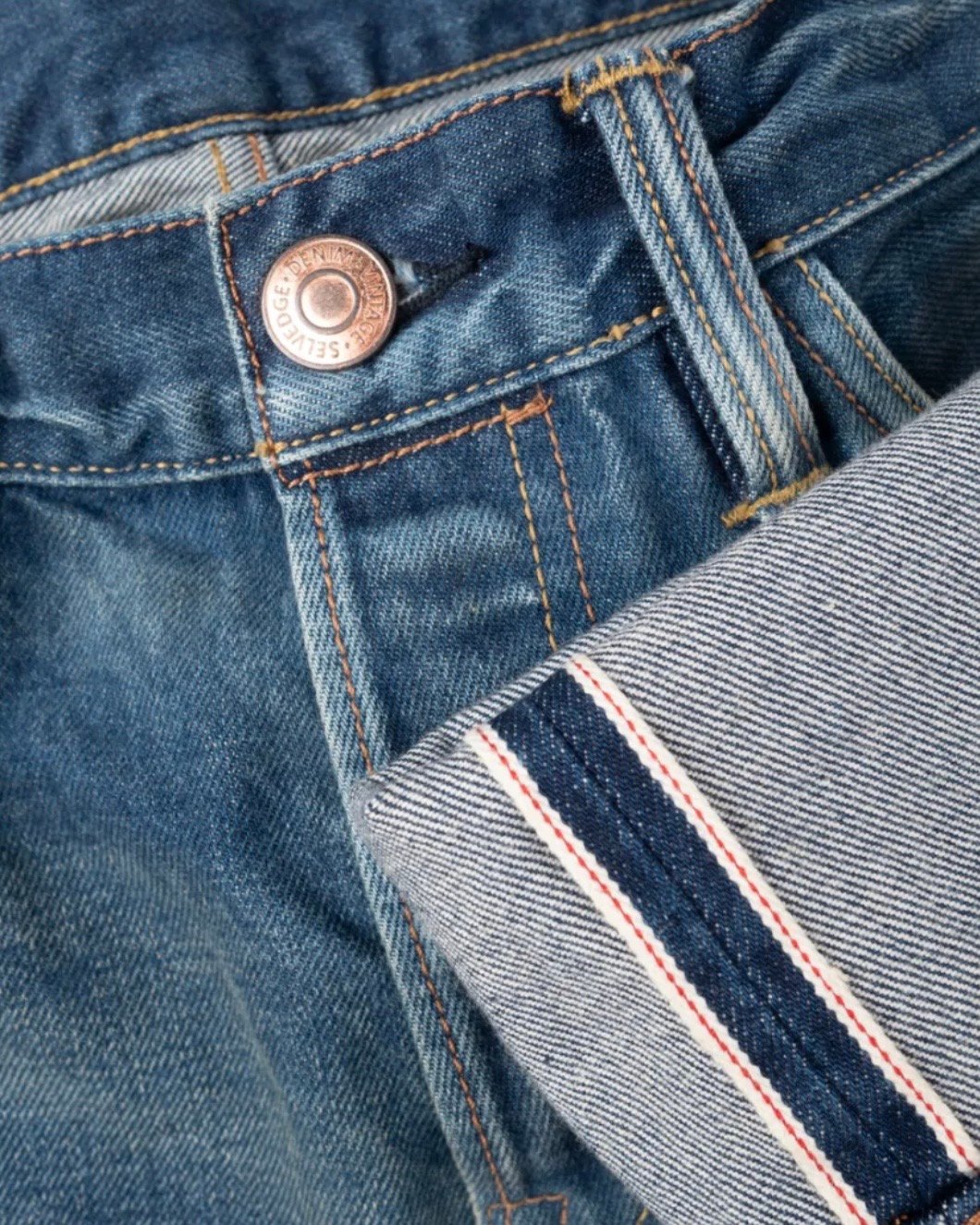
ยีนส์ขอบพิเศษ ได้ชื่อมาจาก ขอบตนเอง เพราะมันเกิดขึ้นจากแบบดั้งเดิม เครื่องทอผ้ากระสวย. กระบวนการผลิตเครื่องทอผ้าเหล่านี้ส่งผลให้มีแถบผ้าบางๆ (กว้าง 28–36 นิ้ว) โดยมีขอบที่ปิดสนิทเพื่อไม่ให้หลุดลุ่ย เส้นสีแดงปรากฏบนขอบกางเกงยีนส์ขาพับจากผ้าเดนิมริมผ้า ในขณะที่สีอื่นๆ เช่น สีส้มหรือสีน้ำเงินก็ได้ กระบวนการผลิตจะสร้างผ้าที่มีน้ำหนักมากขึ้นโดยมีองค์ประกอบพื้นผิวออร์แกนิกที่เรียกว่า สลาฟ.
สลับด้ายขุง
คืออะไร ผ้าเดนิมปกติ?
ผ้าเดนิมปกติ ได้ชื่อมาจากผ้าเดนิมไม่มีริมเนื่องจากการผลิตใช้ความทันสมัย เครื่องทอผ้าแบบไม่มีกระสวย เรียกอีกอย่างว่าเครื่องทอผ้าแบบโพรเจกไทล์ กระบวนการผลิตทำให้ได้ม้วนผ้าที่กว้างขวาง (60–75 นิ้ว) ในขณะที่ดำเนินการอย่างรวดเร็วเพื่อการดำเนินงานที่คุ้มต้นทุน ผ้าเดนิมทั่วไปจำเป็นต้องมีการเย็บแบบโอเวอร์ล็อคเพื่อป้องกันไม่ให้ขอบดิบหลุดออกเนื่องจากขาด ขอบสำเร็จรูปด้วยตนเอง ลักษณะของยีนส์ริมผ้า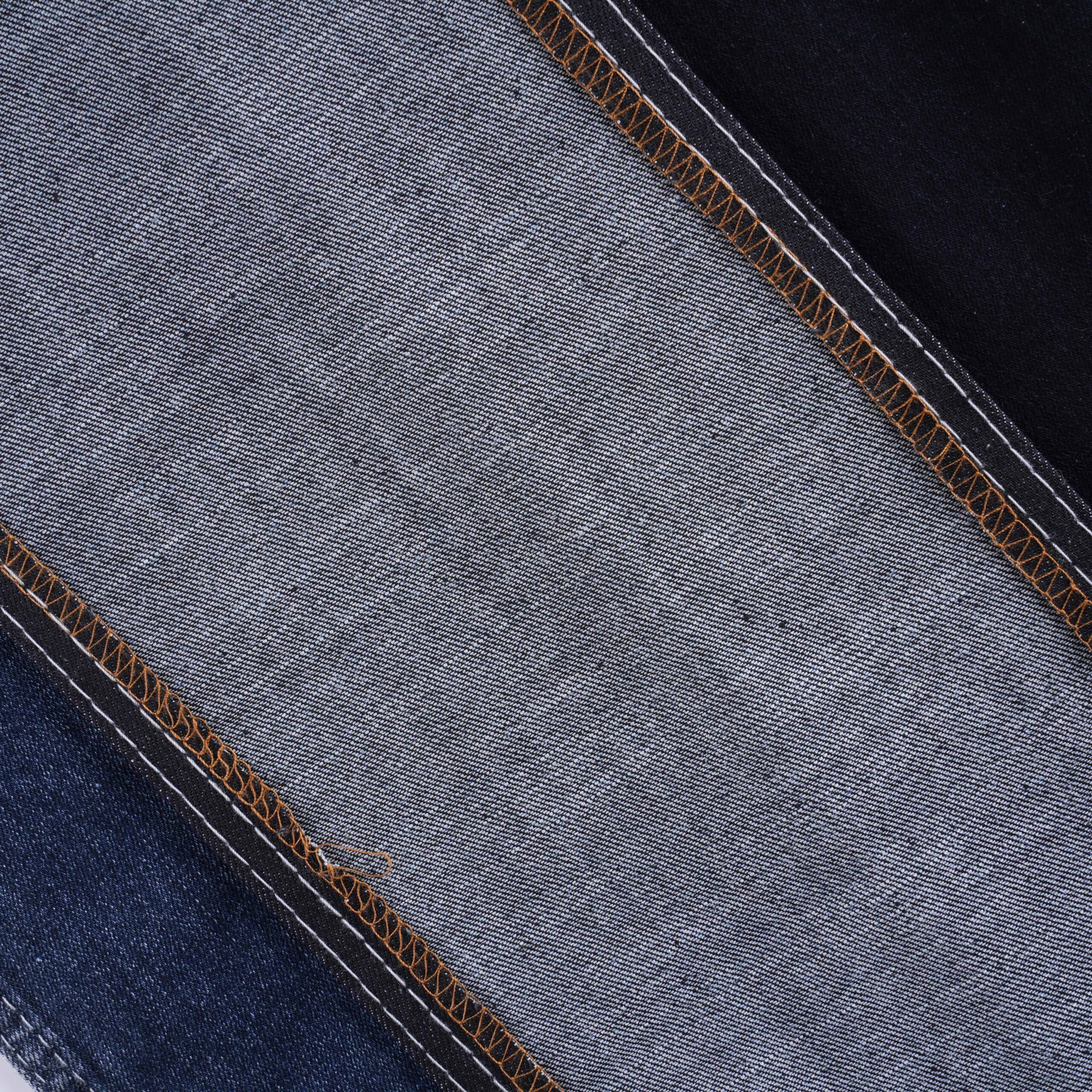
ความแตกต่างที่สำคัญระหว่าง ยีนส์ขอบพิเศษ และ ผ้าเดนิมปกติ
| คุณสมบัติ | ยีนส์ขอบพิเศษ | ผ้าเดนิมปกติ |
|---|---|---|
| วิธีการทอผ้า | เครื่องทอผ้ากระสวย, ช้า, แคบ (28–36 นิ้ว) | เครื่องทอผ้าแบบไม่มีกระสวย, เร็ว, กว้าง (60–75 นิ้ว) |
| ขอบเสร็จสิ้น | ทำเองเสร็จ, เส้นสี | ขอบดิบต้องใช้ เย็บ overlock |
| ความกว้างของผ้า | ~28–36 นิ้ว (90 ซม.) | ~60–75 นิ้ว (190 ซม.) |
| ประสิทธิภาพ | ต่ำและใช้เวลามาก | สูง คุ้มราคา |
| ความทนทาน | ทอแน่นและทนทานกว่า | ขึ้นอยู่กับคุณภาพเส้นด้ายและน้ำหนัก |
| รูปลักษณ์และสไตล์ | วินเทจ ขอบตนเอง เมื่อถูกใส่กุญแจมือ | ไม่ ขอบตนเอง, เคลือบสารพัดประโยชน์ |
| ช่วงราคา | กางเกงยีนส์ $120–$400+ | กางเกงยีนส์ $40–$120 |
| ผู้ชม | ผู้ที่ชื่นชอบยีนส์และนักสะสม | ผู้บริโภคกระแสหลัก |
การเปรียบเทียบโดยละเอียดของ ยีนส์ขอบพิเศษ เทียบกับ ผ้าเดนิมปกติ
1. วิธีการทอผ้า
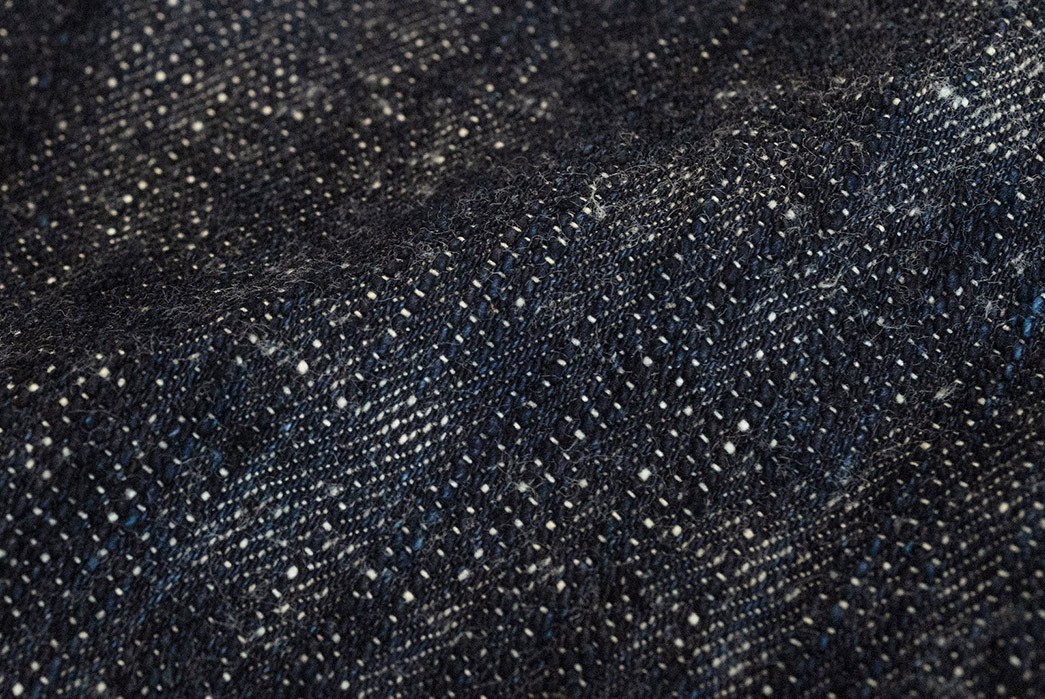
- ยีนส์ขอบพิเศษ: Selvedge Denim มีลักษณะเฉพาะที่โดดเด่นผ่านเครื่องทอผ้าแบบวินเทจที่ใช้ระบบเส้นด้ายพุ่งเพื่อผลิตผ้าแคบแคบพร้อมตกแต่งขอบในตัว กระบวนการผลิตในอัตราที่ช้าลงทำให้เกิดเนื้อผ้าที่โดดเด่นขณะเดียวกันก็สร้างสลาฟตามธรรมชาติ

การทอผ้าริม
- ผ้าเดนิมปกติ: ผลิตโดยใช้เครื่องทอผ้าแบบไม่มีกระสวยที่ทันสมัย ซึ่งยิงเส้นด้ายพุ่งผ่านอย่างรวดเร็ว ทำให้เกิดสลักเกลียวผ้าที่กว้างขึ้น เทคนิคการผลิตช่วยให้ได้การผลิตที่รวดเร็ว แต่สร้างขอบผ้าที่ยังไม่ผ่านกระบวนการซึ่งจำเป็นต้องเย็บ


2. ขอบเสร็จสิ้น
- ยีนส์ขอบพิเศษ: โดดเด่นด้วยขอบตกแต่งเองพร้อมแถบสีแดงที่แสดงเมื่อมีการพับกางเกงยีนส์ ขอบคงความสมบูรณ์โดยไม่ต้องเย็บเพิ่มเติมเพราะมีคุณสมบัติตกแต่งเอง
ขอบริมเสร็จสิ้น
- ผ้าเดนิมปกติ: ต้องใช้การเย็บแบบโอเวอร์ล็อคเพื่อป้องกันไม่ให้ขอบตัดดิบหลุดออก ในขณะที่ไม่มีคุณภาพขอบในตัวที่สวยงาม


3. ความกว้างของผ้าและปริมาณเสีย
- ยีนส์ขอบพิเศษ: ม้วนมีความกว้างถึง 30 นิ้ว เนื่องจากขอบที่ตกแต่งเองกลายเป็นส่วนหนึ่งของการตัดลวดลายในการผลิตยีนส์
ความกว้างริม
- ผ้าเดนิมปกติ: ได้ประโยชน์จากการผลิตม้วนกว้าง 60–75 นิ้ว แต่ม้วนเหล่านี้สร้างขยะเพิ่มเติมเมื่อจำเป็นต้องตัดแต่ง
ความกว้างของเดนิมปกติ


4. คุณภาพและความทนทาน
- ยีนส์ขอบพิเศษ: มักใช้คุณภาพสูง ผ้าฝ้ายปั่นวงแหวน และผู้เชี่ยวชาญการย้อมสีทำให้มีชื่อเสียงในด้านความทนทาน หนัก ยีนส์ขอบพิเศษ (12–21 ออนซ์) สามารถอยู่ได้นาน 5–10 ปีด้วยการดูแลที่เหมาะสม ทำให้เกิดรูปแบบการซีดจางที่เป็นเอกลักษณ์
- ผ้าเดนิมปกติ: ความทนทานขึ้นอยู่กับคุณภาพและน้ำหนักของเส้นด้าย ไม่ใช่วิธีการทอ มีคุณภาพสูง ผ้าเดนิมปกติ สามารถจับคู่ได้ ยีนส์ขอบพิเศษ มีความแข็งแรง แต่ผ้าที่เบากว่าอาจเสื่อมสภาพเร็วกว่า
การเปรียบเทียบคุณภาพ

5. ราคา
- ยีนส์ขอบพิเศษ: มีราคาแพงกว่าเนื่องจากใช้แรงงานเข้มข้น เครื่องทอรถรับส่ง กระบวนการและการดำเนินการผลิตที่น้อยลง โดยทั่วไปราคาจะอยู่ระหว่าง $120–$400+ (เช่น หัวใจเหล็ก: $300–$450, ริมผ้าเดนิม Levi's Vintage: $180–$250).
- ผ้าเดนิมปกติ: ผลิตจำนวนมากและคุ้มต้นทุน โดยมีราคาตั้งแต่ $40–$120 (เช่น ลีวายส์ 501 เรกูลาร์: $50–$100).
ต้นทุนคุณภาพ

6. สไตล์และความงาม
- ยีนส์ขอบพิเศษ: ได้รับรางวัลจากการอุทธรณ์มรดกและ ขอบสำเร็จรูปด้วยตนเองซึ่งเพิ่มสัมผัสอันเป็นเอกลักษณ์เมื่อสวมข้อมือ การทอแบบไม่สม่ำเสมอสร้างเอกลักษณ์เฉพาะตัว รูปแบบจางหายไป เมื่อเวลาผ่านไป โดยเฉพาะใน ผ้าเดนิมริมดิบ.
สไตล์ริมทาง
- ผ้าเดนิมปกติ: เสนอความพอดี ซัก และตกแต่งได้หลากหลาย (เช่น ผอม, ผ่อนคลาย, ยืด, ยืด) มันขาด ขอบตนเอง แต่มีความหลากหลายมากกว่าสำหรับสไตล์กระแสหลัก
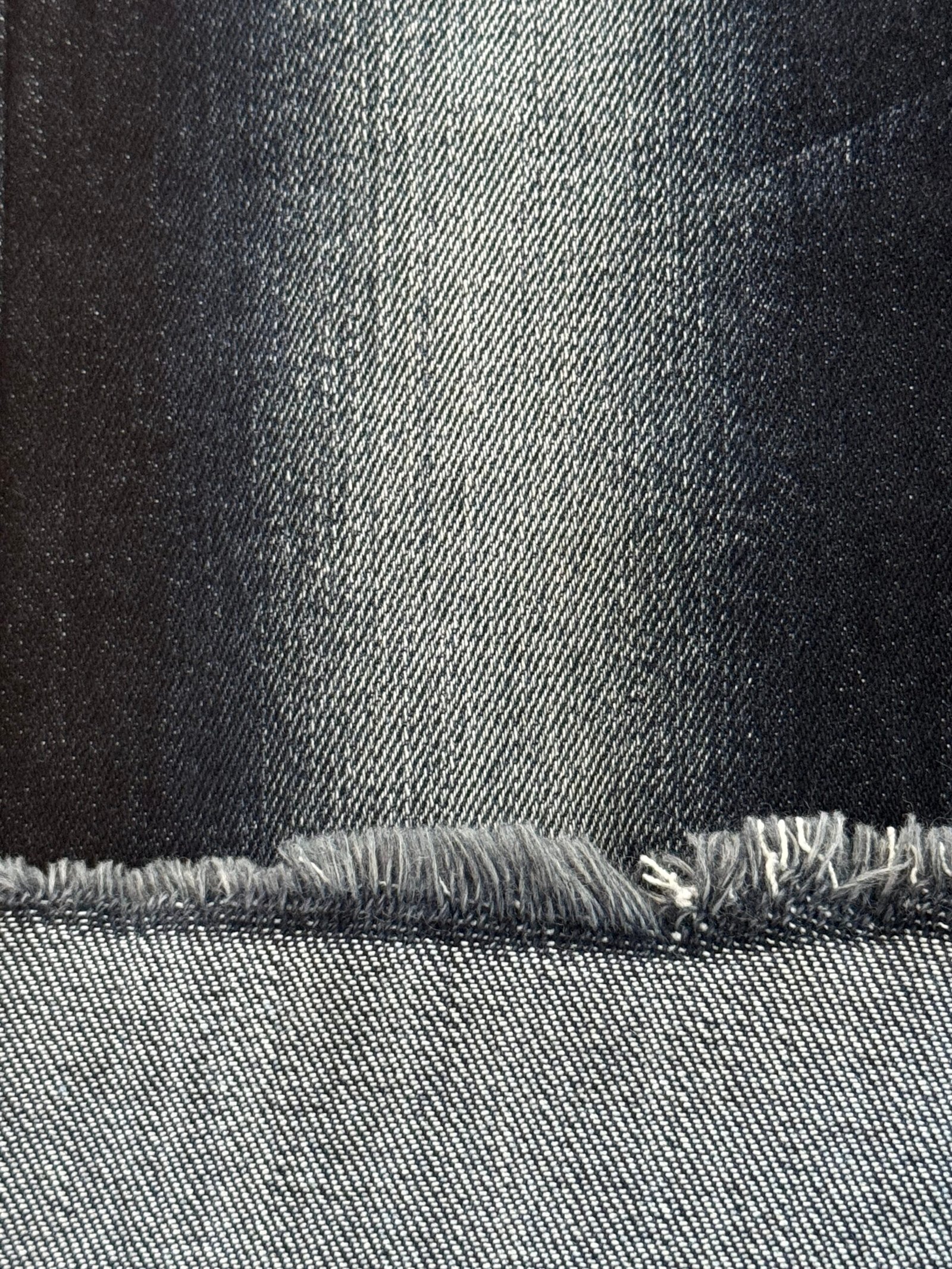
4-Harness

7. Raw Denim vs Selvedge Denim: ขจัดความเข้าใจผิด
- ผ้าเดนิมดิบ หมายถึงผ้าเดนิมที่ยังไม่ได้ซัก ไม่ว่าจะเป็นผ้าเดนิมก็ตาม ริม หรือ ไม่ใช่ริม. ยีนส์ขอบพิเศษ อธิบายวิธีการทอและการตกแต่งขอบ คุณสามารถมีได้ ผ้าเดนิมริมดิบ, ผ้าเดนิมริมฟอก, ผ้าเดนิมดิบธรรมดาหรือ ซักผ้าเดนิมปกติ
ข้อดีข้อเสียของ ยีนส์ขอบพิเศษ และ ผ้าเดนิมปกติ
ยีนส์ขอบพิเศษ ข้อดี
- การอุทธรณ์มรดก: เดอะ ขอบสำเร็จรูปด้วยตนเอง มีเส้นสีเป็นสัญลักษณ์แห่งงานฝีมือ
- สานแน่นยิ่งขึ้น: ทำให้ผ้ามีความหนาแน่นมากขึ้น ทนทาน มีเอกลักษณ์เฉพาะตัว รูปแบบจางหายไป.
- มูลค่าของนักสะสม: วิ่งจำกัดจากโรงสีเช่น คูราโบ หรือ คุโรกิ (ประเทศญี่ปุ่น) เป็นที่ต้องการอย่างมาก
- อายุการใช้งานยาวนาน: หนัก ยีนส์ขอบพิเศษ (14–21 ออนซ์) สามารถอยู่ได้ 5–10 ปี โดยมีสีซีดจางสวยงาม
ยีนส์ขอบพิเศษ ข้อเสีย
- ราคาแพง: มักจะ 2–4× ต้นทุนของ ผ้าเดนิมปกติ.
- แข็งในช่วงแรก: ต้องมีระยะเวลาพักเพื่อความสะดวกสบาย
- สไตล์ที่จำกัด: ความกว้างของผ้าที่แคบจำกัดการออกแบบให้ใช้การตัดแบบคลาสสิกหรือแบบตรง
กางเกงยีนส์ริม

ผ้าเดนิมปกติ ข้อดี
- ราคาไม่แพง: มีวางจำหน่ายทั่วไปในราคา $40–$100
- อเนกประสงค์: มีตัวเลือกความพอดี ซัก และยืดได้หลากหลายเพื่อความสบาย
- ตัวเลือกที่เป็นมิตรกับสิ่งแวดล้อม: โรงงานหลายแห่งใช้การซักและการตกแต่งด้วยเลเซอร์อย่างยั่งยืน
- สะดวกสบาย: ผ้าเดนิมยืดผสมอีลาสเทนมีอยู่ทั่วไปค่ะ ผ้าเดนิมปกติ.
ผ้าเดนิมปกติ ข้อเสีย
- ขาดเอกลักษณ์: ไม่ ขอบสำเร็จรูปด้วยตนเอง หรือการอุทธรณ์มรดก
- ตัวละครจางลงน้อยลง: ผ้าที่ผ่านการฟอกแล้วจะไม่มีสีซีดจางเฉพาะตัว ผ้าเดนิมดิบ.
- ความทนทานที่เปลี่ยนแปลงได้: ผ้าที่เบากว่าอาจเสื่อมสภาพเร็วกว่า
กางเกงยีนส์ขาตรง

ใครควรเลือก ยีนส์ขอบพิเศษ เทียบกับ ผ้าเดนิมปกติ?
- เลือกผ้าเดนิมริมผ้า ถ้าคุณ:
- คุณค่าของงานฝีมือและมรดก
- ต้องการกางเกงยีนส์ที่ทนทานมีเอกลักษณ์เฉพาะตัว รูปแบบจางหายไป.
- ยินดีลงทุนในผ้าเดนิมระดับพรีเมียม ($120–$400+)
- เพลิดเพลินกับสไตล์คลาสสิกหรือทรงตรง
- เลือกเดนิมปกติ ถ้าคุณ:
- จัดลำดับความสำคัญของความสามารถในการจ่าย ($40–$120)
- เลือกทรงที่พอดีตัว ซัก และยืดได้หลายแบบ
- ต้องการกางเกงยีนส์ที่สวมใส่สบายโดยไม่มีช่วงพักตัว
- ต้องการสไตล์ที่หลากหลายสำหรับการสวมใส่ในชีวิตประจำวัน
ราคาและข้อมูลเชิงลึกของผู้บริโภค
- ยีนส์ขอบพิเศษ: ผลิตในโรงงานขนาดเล็ก (เช่น ญี่ปุ่น อิตาลี สหรัฐอเมริกา) มุ่งเป้าไปที่ผู้ชื่นชอบผ้าเดนิมและนักสะสม ราคาอยู่ระหว่าง $120–$400+ (เช่น หัวใจเหล็ก: $300–$450, ริมผ้าเดนิม Levi's Vintage: $180–$250).
- ผ้าเดนิมปกติ: ผลิตจำนวนมากทั่วโลกเพื่อผู้บริโภคกระแสหลัก ราคาอยู่ระหว่าง $40–$120 (เช่น ลีวายส์ 501 เรกูลาร์: $50–$100).
อ่านต่อ
หากต้องการข้อมูลเชิงลึกเพิ่มเติม โปรดสำรวจแหล่งข้อมูลเหล่านี้:
- คำแนะนำของ LY Denim เกี่ยวกับ Raw และ Selvedge Denim
- สไตล์และพื้นผิวเดนิมของ LY Denim
- คู่มือริมผ้าเดนิม Levi's
- ภาพรวมผ้าเดนิมริมผ้าของ Denimhunters
บทสรุป
ที่ ยีนส์ขอบพิเศษ เทียบกับ ผ้าเดนิมปกติ การอภิปรายขึ้นอยู่กับลำดับความสำคัญของคุณ ยีนส์ขอบพิเศษ เสนอ ขอบสำเร็จรูปด้วยตนเองงานฝีมือระดับพรีเมี่ยม และการซีดจางอันเป็นเอกลักษณ์ เหมาะสำหรับผู้ที่ชื่นชอบการยอมจ่ายแบบพรีเมียม ผ้าเดนิมปกติ มีราคาไม่แพง ใช้งานได้หลากหลาย และสบายตัว เหมาะอย่างยิ่งสำหรับการสวมใส่ในชีวิตประจำวัน ทั้งสองแบบไม่ได้ดีกว่ากันโดยธรรมชาติ แต่แต่ละแบบตอบสนองความต้องการที่แตกต่างกัน ควรเลือกตามความต้องการของตนเอง ยีนส์ขอบพิเศษ เพื่อมรดกและความทนทานหรือ ผ้าเดนิมปกติ เพื่อการใช้งานจริงและความหลากหลาย
บริการปรับแต่งโดย LYDENIM
ฝันถึงผ้าเดนิมริมแดงระดับพรีเมียมที่มีขอบสีแดงอันโดดเด่นอยู่หรือเปล่า? LYDENIM เชี่ยวชาญในการประดิษฐ์ผ้าและเสื้อผ้าเดนิมตามสั่ง นำวิสัยทัศน์ที่เป็นเอกลักษณ์ของคุณมาสู่ชีวิตด้วยคุณภาพและความสะดวกสบายที่ไม่มีใครเทียบได้
🎨 ผ้าริมผ้าแบบกำหนดเอง
ออกแบบผ้าเดนิมริมผ้าของคุณเองด้วยคอลเลกชันผ้าริมผ้าระดับพรีเมียมของเรา เลือกจากสีสันสดใส รูปแบบที่สลับซับซ้อน และพื้นผิวที่หรูหราที่ปรับแต่งให้เหมาะกับสไตล์ของคุณ สำรวจข้อเสนอของเราได้ที่ ไลเดนิม.คอม
🛍️ เครื่องแต่งกายเดนิมสั่งทำพิเศษ
สร้างชิ้นที่โดดเด่นด้วยผ้าเดนิมริมผ้าอันเป็นเอกลักษณ์ของเรา ซึ่งขึ้นชื่อในด้านความสบายและความทนทานเป็นพิเศษ ตั้งแต่กางเกงยีนส์สั่งตัดไปจนถึงเสื้อแจ็คเก็ตหรูหรา ปรับแต่งความพอดี สี และสไตล์ของคุณได้ อาลีบาบาของฉัน.
📩 ได้รับการติดต่อ
มีวิสัยทัศน์เกี่ยวกับผ้าเดนิมริมผ้าที่สมบูรณ์แบบของคุณบ้างไหม? ติดต่อทีมงานเราได้ที่ Malone@lydenim.com เพื่อหารือเกี่ยวกับรูปแบบการทอแบบกำหนดเอง การผสมผสานที่เป็นมิตรกับสิ่งแวดล้อม หรือแนวคิดอื่นๆ
เปลี่ยนความคิดของคุณให้กลายเป็นความจริงด้วย LYDENIM ซึ่งเป็นพันธมิตรที่เชื่อถือได้ของคุณสำหรับโซลูชั่นเดนิมขอบแดงที่เป็นนวัตกรรม สะดวกสบาย และเป็นส่วนตัว
คำถามที่พบบ่อย
สามารถปรับแต่งให้เหมาะกับแบรนด์หรือคอลเลกชันของฉันได้หรือไม่?
ใช่ ส่งใบสมัคร รูปภาพอ้างอิง คุณภาพเป้าหมาย ปริมาณ และข้อกำหนดของตลาด เพื่อให้ซัพพลายเออร์สามารถแนะนำตัวเลือกผ้า เครื่องแต่งกาย หรือการตกแต่งที่เหมาะสมได้
ฉันควรส่งข้อมูลอะไรบ้างก่อนที่จะขอใบเสนอราคา?
จัดเตรียมประเภทผลิตภัณฑ์ ผ้าหรือเทคนิคเป้าหมาย ทิศทางสี ความต้องการตัวอย่าง ปริมาณ ประเทศปลายทาง และระยะเวลารอคอยสินค้าที่คาดหวัง
ฉันควรขอตัวอย่างก่อนการผลิตจำนวนมากหรือไม่
ใช่ ตัวอย่างและระยะตัวอย่างจะช่วยลดความเสี่ยงก่อนสั่งซื้อจำนวนมาก โดยเฉพาะอย่างยิ่งเมื่อคุณภาพสี ความรู้สึกทางมือ การยืด พื้นผิว หรือการตกแต่งมีความสำคัญ
ฉันจะหลีกเลี่ยงปัญหาด้านคุณภาพในคำสั่งซื้อจำนวนมากได้อย่างไร
อนุมัติมาตรฐานตัวอย่างที่ชัดเจน กำหนดข้อกำหนดในการทดสอบ ยืนยันความคลาดเคลื่อน และเปรียบเทียบผลผลิตจำนวนมากกับตัวอย่างที่ได้รับอนุมัติก่อนจัดส่ง
ต้องการความช่วยเหลือในการเปลี่ยนสิ่งนี้ให้เป็นบรีฟการจัดหาที่พร้อมสำหรับการผลิตหรือไม่
ส่งสินค้าเป้าหมายของคุณ ทิศทางผ้า ปริมาณ และความต้องการตัวอย่าง LY Denim สามารถช่วยเปรียบเทียบตัวเลือกและเตรียมใบเสนอราคาได้