Market

Top 10 Global Denim Fabric Suppliers

Denim Fabric Suppliers for B2B denim fabric sourcing
Denim Fabric Sourcing / Market

Top 10 Global Denim Fabric Suppliers

Discover the top 10 global denim fabric suppliers , their locations, pros, cons, pricing, and why LYDENIM excels in fast, cost-effective solutions.

Top 10 Global Denim Fabric Suppliers

B2Bsourcing guide
Customsample to bulk
Quoteready checklist

Best forBrands, designers, wholesalers and garment factories
Main valueTurn research into a clearer sourcing brief
What to prepareApplication, quantity, target quality and sample needs
Next actionSend requirements for swatches or quotation

Buyer Summary

For B2B fabric buyers, this topic should help compare composition, weight, handfeel, stretch, finish, MOQ and production stability before sampling.

  • Suitable buyersFashion brands, sourcing teams, wholesalers, garment factories and product developers.
  • What to confirmTarget product, fabric direction, finish, sample needs, quantity and delivery market.
  • Buyer riskUnclear specs can lead to wrong samples, unstable bulk quality and slow quotations.
  • Recommended CTARequest swatches or a sample quote before committing to bulk production.

Why This Matters for B2B Buyers

Confirm the application, target fabric character, color direction and bulk quantity before asking for a quote.

Discover the top 10 global denim fabric suppliers , their locations, pros, cons, pricing, and why LYDENIM excels in fast, cost-effective solutions.

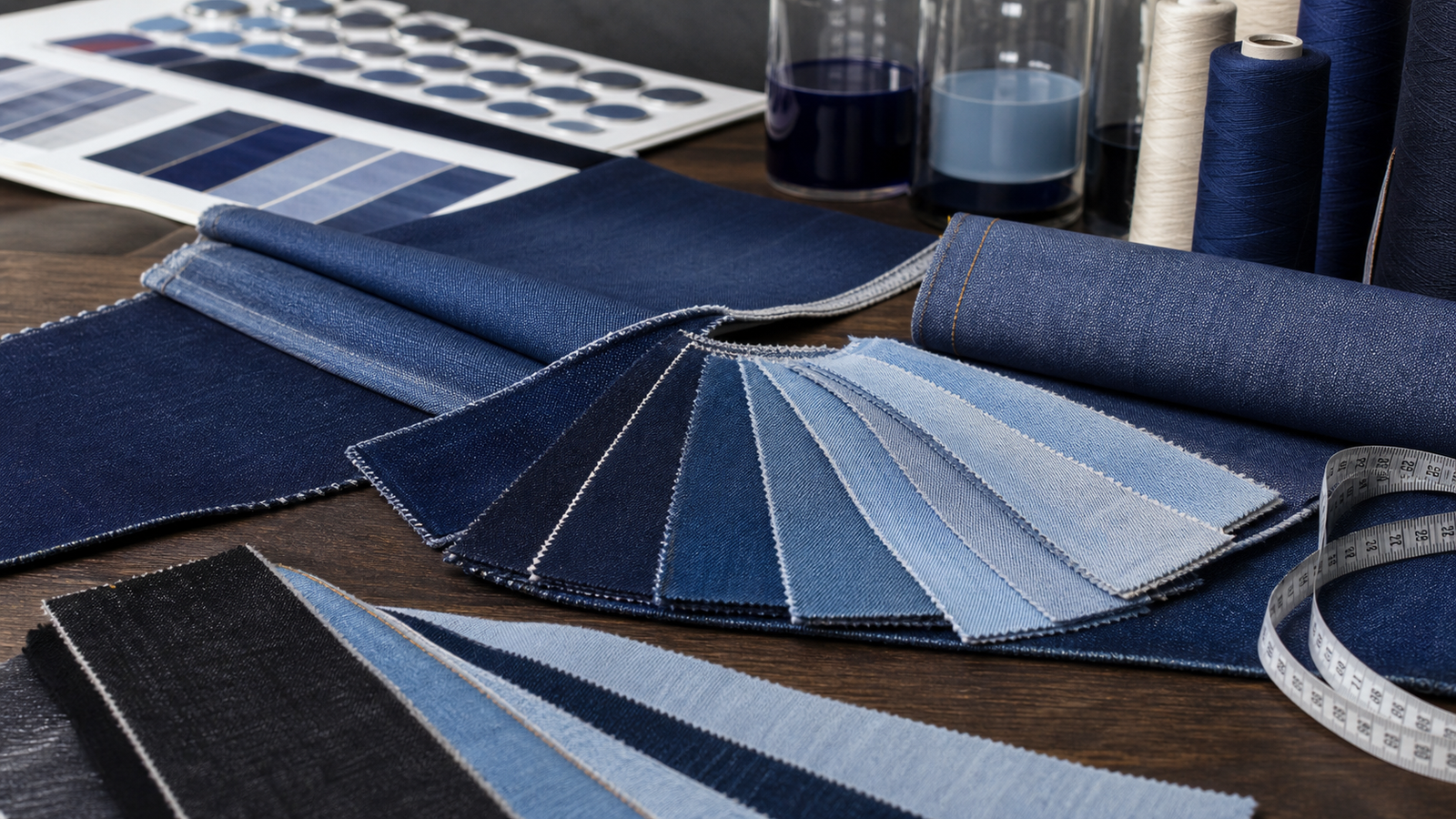
Top 10 Global Denim Fabric Suppliers sample detail
Use product visuals with sourcing notes so readers can connect ideas to real development requirements.
Top 10 Global Denim Fabric Suppliers application reference
Pair inspiration with practical quote details such as weight, finish, handfeel and quantity.

Specification Table for Faster Sourcing

Decision point Options to compare Why it matters Buyer question
Fabric base Cotton, blends, stretch denim, jacquard, flocked or specialty denim Controls handfeel, durability and price position What product category is this fabric for?
น้ำหนัก Light, medium or heavy construction Affects drape, season, garment type and shipping cost Do you need shirts, jackets, jeans or structured pieces?
Finish Color, wash, coating, flocking, jacquard or softening Determines final appearance and customer touch What handfeel and wash effect do you expect?
Supply plan Swatches, sample yardage, bulk lots Reduces risk before production What quantity and delivery market should be quoted?

Applications and Custom Options

1

Product Development

Use this guide to turn design ideas into fabric, garment, finish and sample requirements.

2

Supplier Comparison

Compare suppliers by sample support, technical clarity, bulk stability and communication speed.

3

Bulk Production

Confirm quality standards, approved samples and timeline before placing production orders.

Quality Control Points Before Bulk Order

  • OKSample approval: confirm fabric, color, handfeel, construction and finish before bulk production.
  • OKBulk consistency: compare bulk lots against the approved sample under the same light and test conditions.
  • OKPerformance testing: check shrinkage, colorfastness, stretch recovery or decoration durability where relevant.
  • OKQuote clarity: send quantity, destination, packaging needs and target lead time to avoid vague pricing.

Sample Development Process

Step Buyer provides Supplier confirms
1. Brief Application, reference images, target quality and quantity Feasibility, recommended material and custom options
2. Swatch Preferred color, handfeel, pattern or finish feedback Available stock, custom direction and sample cost
3. Sample Garment test plan, size or yardage needs Sampling timeline and production repeatability
4. Bulk quote Order quantity, delivery destination and packaging needs Unit price, MOQ, lead time and QC checkpoints

Detailed Guide

Estimated Reading Time: ~12 minutes

Introduction

Denim as a fundamental element of worldwide fashion depends on premium fabric producers to support a market forecasted to achieve $121.5 billion by 2030. The global denim fabric industry advances because of the top 10 suppliers who offer sustainable materials and innovative fabric designs. This guide explains who these suppliers are, where they operate, their advantages and disadvantages, price variations, and why LYDENIM functions as a flexible solution that suits global brands. The analysis provides retailers and designers with essential information for selecting their best denim supplier.

Top 10 Global Denim Fabric Suppliers

The following suppliers are key players in the denim industry, offering คุณภาพ and variety:

  • Prosperity Textile (China): The company produces TENCEL™ Lyocell and REPREVE® recycled polyester denim among its product range.

  • Cone Denim (USA): The company has operated since 1891 and maintains its heritage White Oak® selvedge along with its commitment to eco-friendly solutions.

  • Isko (Turkey): The company produces 300 million meters of denim annually and focuses on stretch technology innovations.

  • Candiani Denim (Italy): As a family business since 1938, they have built their reputation through premium sustainable fabric production.

  • Artistic Fabric Mills (AFM, Pakistan): Vertically integrated, offering eco-friendly RE:VIVE lines.

  • Orta Anadolu (Turkey): Orta Anadolu leads sustainable denim production through its organic and recycled cotton materials.

  • Kuroki (Japan): The company produces artisanal selvedge denim using traditional rope-dyeing methods.

  • Tejidos Royo (Spain): The company implements Dry Indigo® technology as part of its water-saving manufacturing approach.

  • Advance Denim (China): The company specializes in Greencore® fabric products while concentrating on reducing water usage in their production processes.

  • Nandan Denim (India): Through its Advance Sico unit in Vietnam, Nandan Denim focuses on environmentally responsible manufacturing practices.

    Denim Fabric Suppliers

Where Are These Suppliers Located?

The suppliers have established operations in vital textile areas to take advantage of regional benefits:

  • China (Prosperity Textile, Advance Denim): They operate in Guangdong, Zhejiang, and Shandong regions, which provide advantages of large-scale manufacturing and cost-effective production.

  • USA (Cone Denim): The company has its base in Greensboro, North Carolina, and operates facilities in Mexico and China, which positions it well for North American market demand.

  • Turkey (Isko, Orta Anadolu): The EU and MENA market proximity enables the company to provide fast shipping while minimizing environmental emissions.

  • Italy (Candiani Denim): The company operates from Milan while concentrating on high-end and environmentally responsible textile finishes.

  • Pakistan (Artistic Fabric Mills): The company operates from Karachi with complete manufacturing facilities for increased production capacity.

  • Japan (Kuroki): The Okayama region functions as a denim production center that focuses on creating small quantities of high-quality denim products.

  • Spain (Tejidos Royo): The company operates in Europe as a prominent manufacturer of innovative sustainable products.

  • India (Nandan Denim): The manufacturing facilities of Nandan Denim operate in Gujarat and Vietnam while using local cotton resources and taking advantage of cost-effective advantages.

    Suppliers

Pros, Cons, and Pricing Comparison

All suppliers present distinctive benefits together with certain drawbacks. The following information presents supplier details together with price ranges (approximately $2.50–$4.00 per meter) based on 2024 data:

Prosperity Textile

  • Pros: The company provides TENCEL™ and REPREVE® sustainable materials to customers at competitive prices between $2.50 and $4.00.

  • Cons: The company sets very high minimum order quantities (10,000+ yards) that make it difficult for small brands to do business.

  • Development: The company has developed sustainable finishing techniques through its moderate research and development activities.

Cone Denim

  • Pros: Heritage quality, eco-innovations like waterless dyeing, premium selvedge ($4.00–$7.00).

  • Cons: Higher labor costs reduce cost-effectiveness for mass production.

  • Development: Collaborates with designers for innovative fabrics.

Isko

  • Pros: Large scale, patented stretch technologies, eco-certifications ($3.00–$5.50).

  • Cons: High MOQs (5,000–10,000 yards) less ideal for startups.

  • Development: Leader in stretch and performance denim.

Candiani Denim

  • Pros: Premium quality, Kitotex® biodegradable sizing, luxury appeal ($5.00–$8.00).

  • Cons: Expensive, limited scalability for mass markets.

  • Development: Strong in fashion-forward, eco-friendly finishes.

Artistic Fabric Mills

  • Pros: Sustainable RE:VIVE line, competitive pricing ($2.80–$4.50), flexible MOQs.

  • Cons: Quality consistency varies for large orders.

  • Development: Robust custom fabric design capabilities.

Orta Anadolu

  • Pros: GOTS-certified organic denim, eco-friendly practices ($3.50–$6.00).

  • Cons: Higher costs than Asian competitors.

  • Development: Focuses on sustainable, transparent production.

Kuroki

  • Pros: Artisanal selvedge, rope-dyeing for unique fading ($6.00–$10.00).

  • Cons: High cost, low volume limits scalability.

  • Development: Excels in small-batch, high-value innovation.

Tejidos Royo

  • Pros: Dry Indigo® technology, eco-efficient ($4.00–$6.50).

  • Cons: Limited style range compared to larger mills.

  • Development: Innovates in water-saving techniques.

Advance Denim

  • Pros: C2C-certified fabrics, cost-effective ($2.50–$4.50).

  • Cons: Limited focus on premium selvedge.

  • Development: Competent in sustainable, large-scale production.

Nandan Denim

  • Pros: Access to organic cotton, cost-efficient ($2.80–$4.50).

  • Cons: The company lacks the same level of brand recognition as Western mills do.

  • Development: The company aims to develop sustainable dyeing operations throughout Vietnam.

Other Types of Denim Shops (e.g., LYDENIM)

LYDENIM operates as a specialized store that caters to specific market segments.

  • LYDENIM operates as a China-based supplier that delivers custom denim fabrics together with selvedge, stretch, and organic product lines. The low MOQs (1,000 yards) along with fast prototyping at LYDENIM make it suitable for small brands and startups. Their eco-friendly dyeing and global shipping make them a top choice for bespoke needs.

  • Core Fabrics provides premium deadstock and eco-friendly denim through Cone Mills and Japanese artisanal fabrics but operates with smaller retail quantity sales.

  • The company provides Japanese and organic denim materials together with sewing supplies to DIY designers, although it does not allow extensive customization.

  • Fabric Godmother provides boutique brands with designer denim and eco-friendly blends, yet its production capacity remains below LYDENIM.

  • LYDENIM connects the needs of large production facilities to individual customers through its commitment to customization combined with sustainability and cost-effectiveness.

    LYDENIM

Why Choose LYDENIM for Denim Purchases?

LYDENIM provides attractive benefits to brands that want premium products together with adaptable solutions.

  • The company delivers fabric samples to all destinations through express courier services within days while using sea freight for bulk order worldwide distribution to maintain cost efficiency.

  • The fabric prices at LYDENIM start at $2.00 per meter and reach $5.00 per meter, thus offering competitive rates similar to large mills but with smaller minimum order quantities.

  • The company provides dependable logistics solutions that include precise documentation services, which serve customers across North America, Europe, and Asia without interruption.

  • The company provides quick sampling service through its swatch delivery within 7 days for market trend testing.

  • Small Batch Production: Supports MOQs as low as 1,000 yards, ideal for startups and niche brands.

  • The company provides fabrics that are certified by GOTS and OEKO-TEX, which align with the sustainability preferences of 68% of consumers who will choose eco-friendly clothing in 2024.

Visit lydenim.com or contact malone@lydenim.com to discover customized denim products suitable for your brand.

lydenim

Choosing the Right Supplier

Your denim supplier selection depends on the specific objectives of your brand.

  • Mass-Market Brands: Isko or Artistic Fabric Mills offer scale and cost efficiency.

  • Premium Brands: Candiani or Kuroki excel in high-end, artisanal fabrics.

  • Sustainable Focus: Orta Anadolu or Tejidos Royo prioritize eco-certifications.

  • LYDENIM serves small brands and startups by providing low MOQs, quick sampling, and global shipping services, which help new designs with minimal investment.

Before making a purchase, confirm the product certifications (GOTS, OEKO-TEX) by getting samples to check the คุณภาพ. The rising global demand for denim requires partnership with suppliers such as LYDENIM to achieve flexible production and innovative products.

Conclusion

The leading global denim fabric suppliers, ranging from Cone Denim to Isko, provide various choices for brand customers. Your search for the ideal supplier will succeed through knowledge about their business locations, pricing structures, and core competencies. LYDENIM stands out because it provides quick sustainable denim fabric solutions at affordable prices, which suit custom design requirements. You can find tailored fabrics for your denim creations through lydenim.com or by contacting malone@lydenim.com.

Customization Services

📩 Contact: malone@lydenim.com
🌐 Website Fabric: www.lydenim.com
🛍️ Explore customization: Browse selections and get design inspiration on MyAlibaba.
🎨 Create your denim masterpiece with LYDENIM.

FAQ

Can this be customized for my brand or collection?

Yes. Send your application, reference images, target quality, quantity and market requirements so the supplier can recommend suitable fabric, garment or finishing options.

What information should I send before asking for a quote?

Prepare product type, target fabric or technique, color direction, sample needs, quantity, destination country and expected lead time.

Should I request swatches before bulk production?

Yes. Swatches and sample yardage reduce risk before bulk orders, especially when color, handfeel, stretch, finish or decoration quality matters.

How can I avoid quality problems in bulk orders?

Approve a clear sample standard, define test requirements, confirm tolerances and compare bulk output against the approved sample before shipment.

Need help turning this into a production-ready sourcing brief?

Send your target product, fabric direction, quantity and sample needs. LY Denim can help compare options and prepare a quote.

Get A Quote