


ผ้าเดนิมผสมผ้าฝ้ายลินินคืออะไร
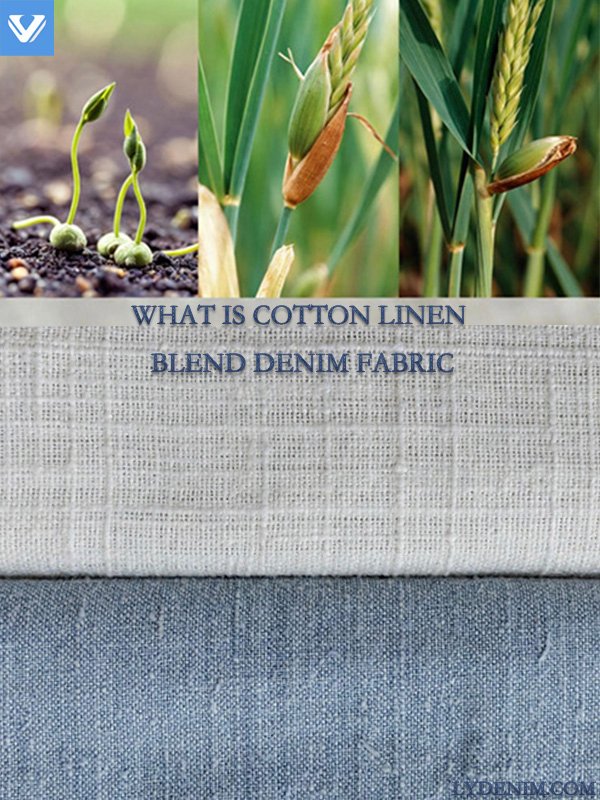
ผ้าเดนิมผสมผ้าฝ้ายลินินคืออะไร
สำรวจผ้าเดนิมผสมผ้าฝ้ายลินินเพื่อการระบายอากาศและความสบายสูงสุด เรียนรู้คุณสมบัติ คุณประโยชน์ ตัวเลือกแบบยืดหยุ่น/ไม่ยืดแบบกำหนดเอง
สรุปผู้ซื้อ
สำหรับผู้ซื้อผ้า B2B หัวข้อนี้ควรช่วยเปรียบเทียบองค์ประกอบ น้ำหนัก สัมผัสมือ การยืด การตกแต่ง ขั้นต่ำ และความเสถียรในการผลิตก่อนสุ่มตัวอย่าง
- ผู้ซื้อที่เหมาะสมแบรนด์แฟชั่น ทีมจัดหา ผู้ค้าส่ง โรงงานตัดเย็บเสื้อผ้า และผู้พัฒนาผลิตภัณฑ์
- สิ่งที่ต้องยืนยันเป้าหมายผลิตภัณฑ์ ทิศทางของผ้า ผิวสำเร็จ ความต้องการตัวอย่าง ปริมาณ และตลาดการจัดส่ง
- ความเสี่ยงของผู้ซื้อข้อมูลจำเพาะที่ไม่ชัดเจนอาจนำไปสู่ตัวอย่างที่ไม่ถูกต้อง คุณภาพปริมาณมากไม่แน่นอน และการเสนอราคาที่ช้า
- CTA ที่แนะนำขอตัวอย่างหรือใบเสนอราคาตัวอย่างก่อนที่จะดำเนินการผลิตจำนวนมาก
เหตุใดจึงสำคัญสำหรับผู้ซื้อ B2B
ยืนยันการใช้งาน ลักษณะผ้าเป้าหมาย ทิศทางสี และปริมาณจำนวนมากก่อนขอใบเสนอราคา
สำรวจผ้าเดนิมผสมผ้าฝ้ายลินินเพื่อการระบายอากาศและความสบายสูงสุด เรียนรู้คุณสมบัติ คุณประโยชน์ ตัวเลือกแบบยืดหยุ่น/ไม่ยืดแบบกำหนดเอง
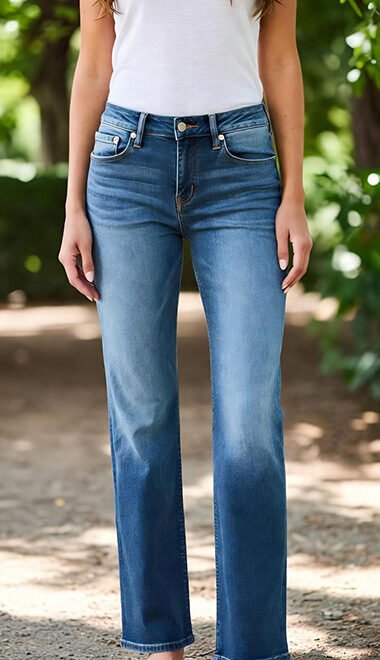
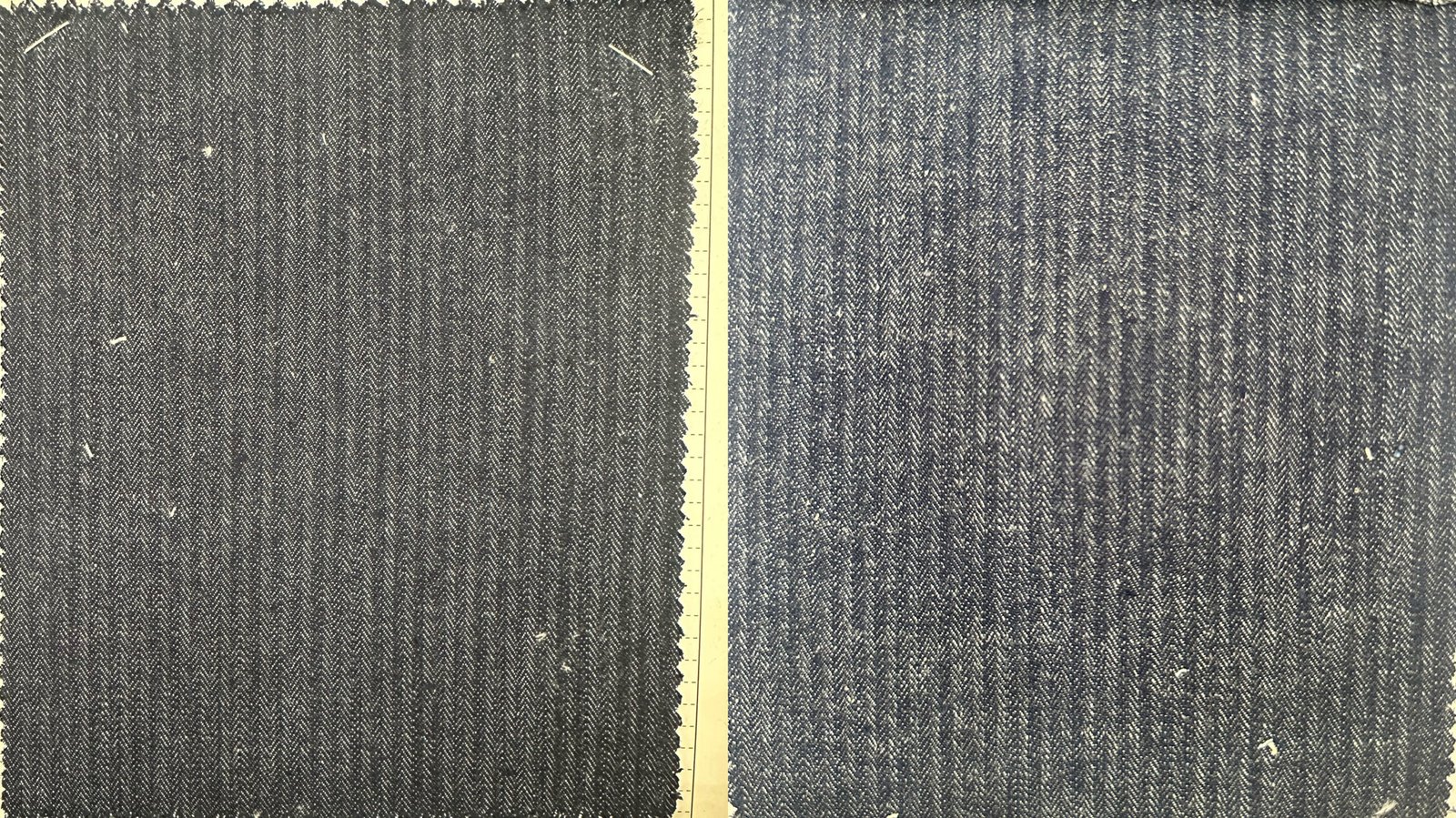
ตารางข้อมูลจำเพาะสำหรับการจัดหาที่เร็วขึ้น
| จุดตัดสินใจ | ตัวเลือกในการเปรียบเทียบ | ทำไมมันถึงสำคัญ | คำถามของผู้ซื้อ |
|---|---|---|---|
| ฐานผ้า | ผ้าฝ้าย ผ้าผสม ผ้าเดนิมยืด ผ้าแจ็คการ์ด ผ้าฟล็อคด์ หรือผ้าเดนิมชนิดพิเศษ | ควบคุมความรู้สึกมือ ความทนทาน และตำแหน่งราคา | ผ้าชนิดนี้มีไว้เพื่อผลิตภัณฑ์ประเภทใด? |
| น้ำหนัก | โครงสร้างเบา กลาง หรือหนัก | ส่งผลต่อผ้าม่าน ฤดูกาล ประเภทเสื้อผ้า และค่าขนส่ง | คุณต้องการเสื้อเชิ้ต แจ็คเก็ต กางเกงยีนส์ หรือเสื้อผ้าที่มีโครงสร้างหรือไม่? |
| เสร็จสิ้น | สี ซัก เคลือบ ฟอก แจ็กการ์ด หรือทำให้อ่อนลง | กำหนดลักษณะที่ปรากฏขั้นสุดท้ายและการสัมผัสของลูกค้า | คุณคาดหวังถึงความรู้สึกสัมผัสมือและการซักแบบใด? |
| แผนการจัดหา | สวอตช์, ระยะตัวอย่าง, ล็อตจำนวนมาก | ลดความเสี่ยงก่อนการผลิต | ควรเสนอราคาตลาดปริมาณและการจัดส่งเท่าใด |
แอปพลิเคชันและตัวเลือกแบบกำหนดเอง
การพัฒนาผลิตภัณฑ์
ใช้คู่มือนี้เพื่อเปลี่ยนแนวคิดการออกแบบให้เป็นข้อกำหนดด้านเนื้อผ้า เครื่องแต่งกาย การตกแต่ง และตัวอย่าง
การเปรียบเทียบซัพพลายเออร์
เปรียบเทียบซัพพลายเออร์ตามการสนับสนุนตัวอย่าง ความชัดเจนทางเทคนิค ความเสถียรของปริมาณรวม และความเร็วในการสื่อสาร
การผลิตจำนวนมาก
ยืนยันมาตรฐานคุณภาพ ตัวอย่างที่ได้รับอนุมัติ และไทม์ไลน์ก่อนสั่งผลิต
จุดควบคุมคุณภาพก่อนสั่งซื้อจำนวนมาก
- OKการอนุมัติตัวอย่าง: ยืนยันผ้า สี ความรู้สึกมือ โครงสร้าง และการตกแต่งก่อนการผลิตจำนวนมาก
- OKความสม่ำเสมอเป็นกลุ่ม: เปรียบเทียบล็อตจำนวนมากกับตัวอย่างที่ได้รับอนุมัติภายใต้แสงและสภาวะการทดสอบเดียวกัน
- OKการทดสอบประสิทธิภาพ: ตรวจสอบการหดตัว ความคงทนของสี การยืดตัวคืนสภาพ หรือความทนทานของการตกแต่งตามที่เกี่ยวข้อง
- OKความชัดเจนของคำพูด: ส่งปริมาณ ปลายทาง ความต้องการบรรจุภัณฑ์ และเวลานำเป้าหมายเพื่อหลีกเลี่ยงการกำหนดราคาที่คลุมเครือ
กระบวนการพัฒนาตัวอย่าง
| ขั้นตอน | ผู้ซื้อจัดให้ | ซัพพลายเออร์ยืนยัน |
|---|---|---|
| 1. บรีฟ | การใช้งาน รูปภาพอ้างอิง คุณภาพและปริมาณเป้าหมาย | ความเป็นไปได้ วัสดุที่แนะนำ และตัวเลือกแบบกำหนดเอง |
| 2. สวอตช์ผ้า | สี สัมผัสมือ รูปแบบ หรือการตอบสนองขั้นสุดท้ายที่ต้องการ | สต็อกที่มีอยู่ ทิศทางที่กำหนดเอง และต้นทุนตัวอย่าง |
| 3. ตัวอย่าง | แผนการทดสอบเสื้อผ้า ขนาด หรือความต้องการระยะ | เส้นเวลาการสุ่มตัวอย่างและความสามารถในการทำซ้ำของการผลิต |
| 4. ใบเสนอราคาจำนวนมาก | ปริมาณการสั่งซื้อ ปลายทางการจัดส่ง และความต้องการบรรจุภัณฑ์ | ราคาต่อหน่วย, ขั้นต่ำ, เวลานำและจุดตรวจควบคุมคุณภาพ |
คู่มือโดยละเอียด
เวลาอ่านโดยประมาณ: ~5 นาที
เดนิมยังคงเป็นตัวเลือกที่ฉันชอบเพราะมันมีทั้งรูปลักษณ์ที่แข็งแกร่งและการใช้งานจริง แต่ฉันพบว่าผ้าฝ้ายทั่วไปร้อนเกินกว่าจะสวมใส่ในช่วงฤดูร้อน ฉันเลือก ผ้าฝ้ายผสมลินินผ้าเดนิม การผสมผสานนี้มอบคุณสมบัติที่ดีที่สุดจากฝ้ายและผ้าลินิน ได้แก่ ความนุ่มนวลของฝ้าย และเนื้อสัมผัสที่เบาสบายและระบายอากาศได้ดีของผ้าลินิน กางเกงยีนส์รุ่นใหม่นี้ให้การระบายอากาศที่ดีกว่ากางเกงยีนส์ปัจจุบันของฉัน จึงเหมาะอย่างยิ่งสำหรับวันฤดูร้อนที่อากาศร้อนตลอดทั้งวัน ผลิตภัณฑ์มีทั้งแบบยืดหยุ่นและแบบไม่ยืดหยุ่น เพื่อให้ผู้ใช้สามารถเลือกรูปทรงที่เหมาะสมกับความต้องการได้
ผ้าเดนิมผสมผ้าฝ้ายลินินคืออะไร
ผ้าเดนิมผสมผ้าฝ้ายลินินคืออะไร?
ผ้าผสมชนิดไฮบริดที่เรียกว่าผ้าเดนิมผสมฝ้ายและลินน์ ผลิตขึ้นจากการทอแบบไทรวิลแบบดั้งเดิม โดยใช้เส้นใยฝ้ายและลินน์ผสมกัน โดยสัดส่วนของลินน์อยู่ที่ 20–50% ของส่วนผสมทั้งหมด เพื่อเพิ่มความเนียนนุ่มตามธรรมชาติให้กับพื้นฐานจากฝ้ายที่ทนทาน พืชฟลาคซ์เป็นต้นกำเนิดของลินน์ เนื่องจากมีเส้นใยยาวที่ทำให้มีความแข็งแรง ในขณะที่ฝ้ายให้วัสดุที่ช่วยสร้างผ้าที่นุ่มสบายและดูดซับสีได้ดี จึงให้ลักษณะเฉพาะของผ้าเดนิม
ผ้าฝ้ายผสมลินินผ้าเดนิม
กระบวนการผลิตผ้านี้เป็นไปตามวิธีการผลิตผ้าเดนิมเพื่อสร้างวัสดุน้ำหนักเบาซึ่งมีน้ำหนักระหว่าง 8-12 ออนซ์ต่อตารางหลา และเหมาะกับสภาพอากาศร้อน แบรนด์ต่างๆ เริ่มใช้วัสดุเหล่านี้เนื่องจากเป็นทางเลือกที่ยั่งยืน เนื่องจากเส้นใยทั้งสองมีอยู่ตามธรรมชาติและจะสลายตัวหลังการใช้งาน ที่ คอลเลกชันผ้าเดนิม จาก LYDenim นำเสนอตัวเลือกเนื้อผ้าที่เป็นนวัตกรรมซึ่งมีความคล้ายคลึงกับการผสมผสานเนื้อผ้าน้ำหนักเบานี้
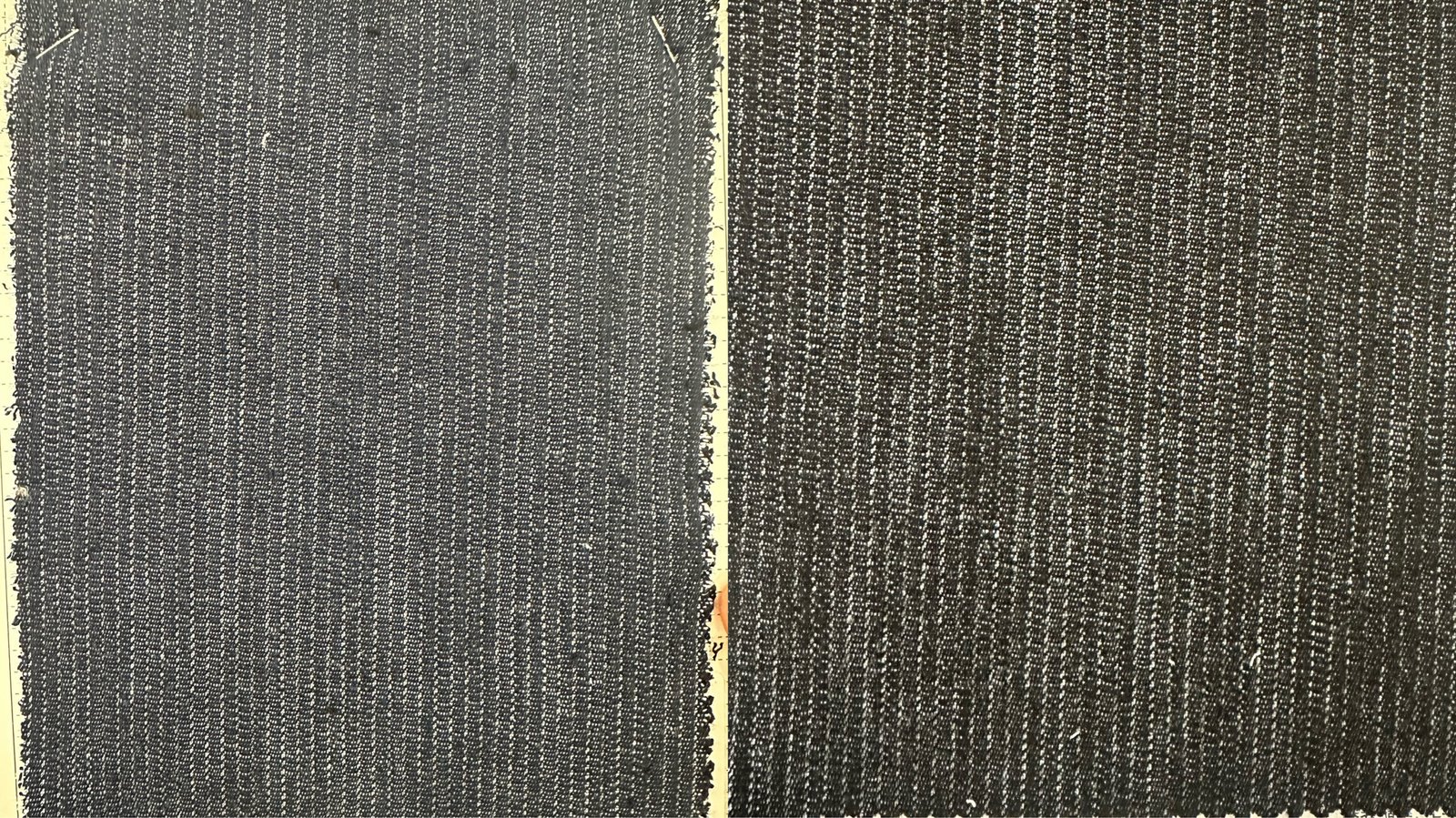
ผ้าฝ้ายผสมลินินผ้าเดนิม
คุณสมบัติของผ้าฝ้ายผสมลินินและผลกระทบ
ผ้าเดนิมผสมผ้าฝ้ายลินินสร้างความมหัศจรรย์ผ่านการทำงานร่วมกันของเส้นใยต่างๆ เพื่อสร้างเนื้อผ้าที่สมบูรณ์ คุณสมบัติการดูดซับของผ้าฝ้ายผสมผสานกับความรู้สึกสบายทำให้เหมาะสำหรับการดูดซับน้ำ เนื่องจากสามารถดูดซับน้ำได้ 27 เท่าของน้ำหนักตัวมันเอง ผ้าลินินโดดเด่นด้วยคุณสมบัติระบายอากาศและความทนทานเป็นเลิศ เนื่องจากมีความแข็งแรงมากกว่าผ้าฝ้ายถึงสามเท่า วัสดุทั้งสองทำงานร่วมกันเพื่อสร้างเนื้อผ้าที่ดึงความชื้นออกจากผิวหนังได้อย่างมีประสิทธิภาพ เนื่องจากเส้นใยลินินมีพื้นที่ว่างที่ช่วยให้อากาศไหลเวียนได้ในขณะที่ดูดซับเหงื่อเพื่อสร้างความรู้สึกเย็นที่ทำให้ผ้ารู้สึกเย็นกว่าผ้าฝ้าย 3-4 องศาในสภาพอากาศที่อบอุ่น
การผสมผสานนี้ให้คุณสมบัติต้านจุลชีพจากผ้าลินิน ซึ่งช่วยควบคุมการเกิดกลิ่นในเสื้อผ้าที่สวมใส่อย่างต่อเนื่อง ส่งผลให้ได้เสื้อผ้าเดนิมที่รักษาความสดใหม่ได้นานขึ้น พร้อมทั้งให้ความสบายในการสวมใส่ โดยมีลักษณะคลุมตัวแทนที่จะแน่นหนาติดตัว แนวโน้มตามธรรมชาติของผ้าลินินที่มักเกิดริ้วรอยถูกชดเชยด้วยเนื้อผ้าฝ้ายที่เรียบเนียน ทำให้ได้ผ้าที่มีความกระชับดีกว่าผ้าฝ้าย แต่มีริ้วรอยลึกน้อยกว่าผ้าลินินผลการทดสอบแสดงให้เห็นว่าเสื้อผ้าผสมฝ้ายกับลินน์แห้งได้เร็วกว่าเสื้อเดนิมธรรมดาถึง 50% จึงเหมาะอย่างยิ่งสำหรับการเดินทางและใช้ในสภาพอากาศร้อนชื้น
ผู้คนมักถามตัวเองว่าเหตุใดกางเกงยีนส์ในช่วงฤดูร้อนจึงแข็งทื่อในช่วงที่อากาศร้อน การผสมผสานนี้ช่วยให้อากาศไหลเวียนได้ดีขึ้นผ่านวัสดุที่ยั่งยืน ซึ่งรวมถึงต้นลินินที่เป็นมิตรต่อสิ่งแวดล้อมซึ่งต้องการน้ำเพียงเล็กน้อยในการเจริญเติบโต และฝ้ายอเนกประสงค์เพื่อความยั่งยืนด้านแฟชั่น
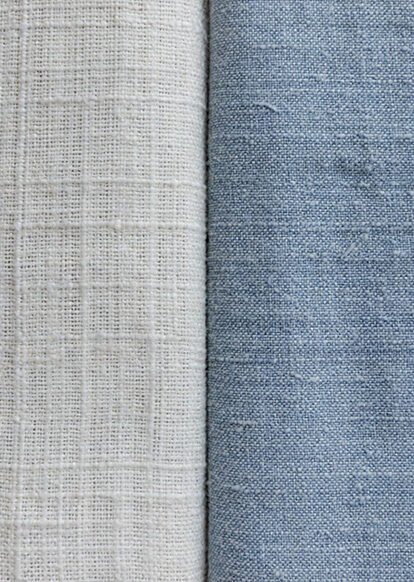
เปรียบเทียบผ้าผสม
คุณสมบัติหลักที่ทำให้โดดเด่น
- เพิ่มการระบายอากาศโครงสร้างของผ้าลินเอนช่วยส่งเสริมการไหลเวียนของอากาศ ทำให้คุณรู้สึกเย็นสบาย
- การจัดการความชื้น: ระบบผ้าทำงานเพื่อควบคุมความชื้นโดยทั้งดูดซับเหงื่อแล้วใช้การระเหยเพื่อสร้างความรู้สึกแห้ง
- น้ำหนักเบามีความแข็งแรง: วัสดุมีความแข็งแรงดีกว่าผ้าฝ้ายตามธรรมชาติโดยไม่มีการเพิ่มน้ำหนักจากวัสดุที่เติม
- เนื้อสัมผัสเป็นธรรมชาติ: ผ้าประกอบด้วยเนื้อผ้าสลาฟลินินขนาดเล็กซึ่งสร้างรูปลักษณ์ที่ดึงดูดสายตาและให้เนื้อสัมผัสที่หรูหรา
- อุทธรณ์เชิงนิเวศ: เส้นใยทั้งสองชนิดสามารถนำกลับมาใช้ใหม่ได้ สอดคล้องกับเทรนด์สีเขียว
การผสมผสานระหว่างเนื้อผ้าจะปรากฏอยู่ในเสื้อผ้าแนวผ่อนคลาย ซึ่งรวมถึงกางเกงขากว้างและแจ็คเก็ตน้ำหนักเบาที่แบรนด์ผ้าเดนิมที่ยั่งยืนรวมอยู่ในคอลเลกชันของพวกเขา
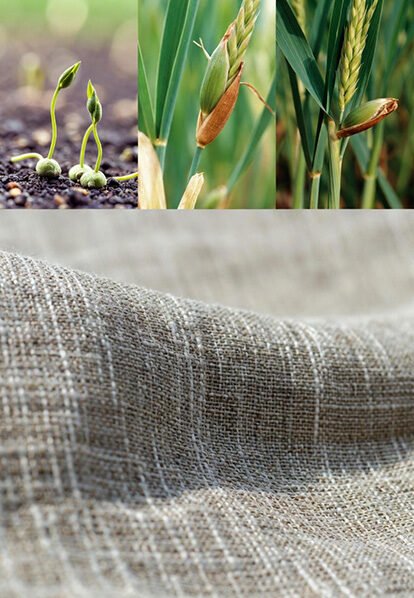
ผ้าผสม
ข้อดีและข้อเสีย: การพังทลายอย่างซื่อสัตย์
ข้อดี:
- เนื้อผ้าให้การระบายอากาศที่โดดเด่นซึ่งช่วยให้ผู้คนรู้สึกเย็นสบายตลอดช่วงฤดูร้อน
- คุณสมบัติของวัสดุลินินเดนิมทำให้มีความแข็งแรงดีขึ้นและมีอายุการใช้งานยาวนานขึ้น
- ผ้าให้รอยพับที่ผ่อนคลายมากขึ้น ซึ่งให้ความพอดีได้ดีกว่าผ้าลินินมาตรฐาน
- การออกแบบช่วยให้ผู้ใช้สามารถเลือกระหว่างผ้ายืดหยุ่นที่มีคุณสมบัติเป็นสแปนเด็กซ์และวัสดุที่ไม่ยืดสำหรับเสื้อผ้า
- ยั่งยืนและไม่แพ้ง่าย
จุดด้อย:
- สามารถเกิดรอยยับได้มากกว่าส่วนผสมสังเคราะห์
- ต้นทุนการผลิตผ้าลินินสูงกว่าผ้าฝ้ายประมาณ 10-15% เนื่องจากความต้องการวัสดุผ้าลินิน
- วัสดุต้องใช้เวลาความแข็งในช่วงแรกก่อนที่จะถึงสภาวะยืดหยุ่นได้เต็มที่
ผลิตภัณฑ์นี้มอบคุณค่าที่ยอดเยี่ยมให้กับลูกค้าที่ต้องการทั้งความสะดวกสบายและคุณสมบัติที่รับผิดชอบต่อสิ่งแวดล้อม
ตัวเลือกที่กำหนดเอง: ผ้าเดนิมฝ้ายผสมลินินแบบยืดหยุ่นและไม่ยืด
ผ้าเดนิมผสมผ้าลินินจากฝ้ายมีความน่าสนใจเพิ่มขึ้นด้วยตัวเลือกในการปรับแต่งได้อย่างหลากหลาย รุ่นที่ไม่ยืดตัวยังคงรักษารูปทรงที่เป็นระเบียบไว้ได้ เนื่องจากเข้ากันได้ดีกับกางเกงยีนส์ขาตรงและกางเกงขาสั้น โดยได้รับประโยชน์จากคุณสมบัติของผ้าลินินที่ต้านทานการยืดตัวได้ดี ผลิตภัณฑ์นี้ไม่มีสารเติมแต่งสังเคราะห์ใดๆ เนื่องจากยังคงองค์ประกอบตามธรรมชาติครบถ้วน จึงเหมาะอย่างยิ่งสำหรับผู้ที่ต้องการใช้วัตถุดิบที่มาจากธรรมชาติเท่านั้น
การเพิ่มวัสดุสแปนเด็กซ์ 2-4% จะสร้างคุณสมบัติยืดหยุ่น ซึ่งส่งผลให้เสื้อผ้าเป็นไปตามการเคลื่อนไหวของร่างกาย ในขณะเดียวกันก็ให้การสวมใส่ที่คล่องตัวและช่วยให้รูปร่างผอมเพรียว ทีมงานของเราทำงานร่วมกันในการพัฒนาตัวอย่างเพื่อปรับการผสมผสานของส่วนผสมและพารามิเตอร์การประมวลผลซึ่งจะตรงกับความต้องการของแบรนด์ของคุณ
ที่ กางเกงยีนส์ผ้าฝ้ายผสมลินินสั่งทำพิเศษจาก Liangyuan Textile ถือเป็นแรงบันดาลใจในการออกแบบเสื้อผ้าได้อย่างลงตัว เนื่องจากเข้ากันได้อย่างลงตัวกับเนื้อผ้าที่ระบายอากาศได้ดี
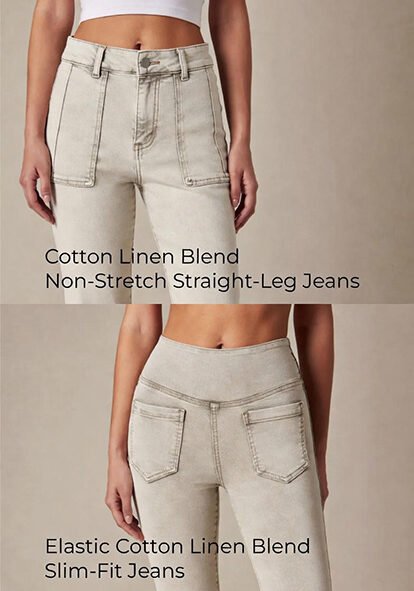
ตัวเลือกที่กำหนดเองผ้าฝ้ายผสมลินินเดนิม
คำถามที่พบบ่อยทั่วไปเกี่ยวกับผ้าเดนิมผสมผ้าฝ้ายลินิน
ผู้คนมักถามคำถามเหล่านี้บ่อยครั้ง นี่คือสิ่งที่ฉันได้เรียนรู้มา:
คำถามที่ 1: ผ้าเดนิมผสมคอตตอนลินินระบายอากาศได้ดีแค่ไหนเมื่อเทียบกับผ้าเดนิมทั่วไป ตอบ: มีคุณสมบัติอื่นๆ อีกมากมาย เช่น ผ้าลินินช่วยเพิ่มการไหลเวียนของอากาศ ทำให้รู้สึกเย็นขึ้นและไม่เหนียวเหนอะหนะเมื่อโดนความร้อน
Q2: มีรอยยับมากไหม? ตอบ: ฝ้ายจะน้อยกว่าผ้าลินินแท้ แต่คาดว่าจะมีรอยยับตามธรรมชาติบ้าง การนึ่งช่วยได้
คำถามที่ 3: ฉันสามารถรับเวอร์ชันยืดหยุ่นได้หรือไม่ ตอบ: ได้ การใช้ผ้าสแปนเด็กซ์ผสมกันทำให้เกิดตัวเลือกที่ยืดหยุ่น ในขณะเดียวกันก็รักษาผ้าเดนิมผสมที่ระบายอากาศได้ดีไว้เหมือนเดิม
Q4: เหมาะสำหรับผิวแพ้ง่ายหรือไม่? แน่นอนครับ — ไฟเบอร์ทั้งสองชนิดล้วนเป็นวัสดุธรรมชาติและไม่ก่อให้เกิดอาการแพ้ โดยเฉพาะผ้าลินินที่มีคุณสมบัติต้านจุลชีพอีกด้วย
Q5: ผ้านี้มีความยั่งยืนแค่ไหน? ตอบ: มาก; ผ้าลินินสำหรับผ้าลินินต้องใช้น้ำเพียงเล็กน้อย และผ้าฝ้ายอาจเป็นสารอินทรีย์ จึงช่วยลดผลกระทบต่อสิ่งแวดล้อม
คำถามที่ 6: ชุดสำหรับฤดูร้อนมีน้ำหนักประมาณเท่าไหร่? ตอบ: น้ำหนักเบาเพียง 8-10 ออนซ์ เบากว่าผ้าเดนิมมาตรฐานเพื่อสไตล์ที่สบายๆ และโปร่งสบาย
อนาคต: การผสมผสานที่ระบายอากาศได้เพิ่มขึ้น
ในขณะที่เราก้าวเข้าสู่ปี 2026 ความยั่งยืนได้ขับเคลื่อนนวัตกรรมผ้าเดนิม และผ้าเดนิมผสมผ้าฝ้ายลินินก็เป็นผู้นำในด้านลักษณะที่เป็นธรรมชาติและมีผลกระทบต่ำ ด้วยตลาดแฟชั่นที่ยั่งยืนทั่วโลกกำลังเติบโต (คาดว่าจะมีมูลค่า 15 พันล้านดอลลาร์ภายในปี 2569) คาดว่าจะมีการผสมผสานที่ผสมผสานระหว่างผ้าลินินรีไซเคิลหรือผ้าฝ้ายออร์แกนิกมากขึ้นเพื่อทางเลือกที่เป็นมิตรกับสิ่งแวดล้อมยิ่งขึ้น
หากต้องการข้อมูลเพิ่มเติมเกี่ยวกับส่วนผสม โปรดอ่านคู่มือจาก LYDenim ทำความเข้าใจพื้นผิวผ้าเดนิม.
บริการปรับแต่งโดย LYDENIM
ฝันถึงผ้าคุณภาพสูงที่มีเนื้อสัมผัสยอดเยี่ยมและความทนทานเหนือชั้นหรือไม่? LY Denim ผู้เชี่ยวชาญด้านเสื้อผ้าคุณภาพระดับพรีเมียมและโซลูชันการออกแบบเสื้อผ้าตามคำสั่งเฉพาะ เพื่อช่วยให้คุณเปลี่ยนไอเดียสร้างสรรค์ให้กลายเป็นความจริงอย่างแม่นยำและมีสไตล์
🎨 ผ้าพิเศษที่ออกแบบเฉพาะ
ออกแบบคอลเลกชันผ้าของคุณเองด้วยวัสดุระดับพรีเมียมจาก LY Denim ไม่ว่าจะเป็นส่วนผสมฝ้ายหรูหรา หรือผ้าที่เป็นมิตรต่อสิ่งแวดล้อมและมีความสร้างสรรค์ ลองสำรวจสี สไตล์การพันผ้า และเทคนิคการตกแต่งที่เข้ากันได้อย่างลงตัวกับแบรนด์หรือแนวคิดการออกแบบของคุณ รับชมเพิ่มเติมได้ที่ ลีเดนิม เพื่อเรียนรู้เพิ่มเติม
🛍️ โซลูชั่นเสื้อผ้าตัดเย็บตามสั่ง
มอบความเป็นจริงให้กับการออกแบบของคุณผ่านบริการผลิตเสื้อผ้าตามคำสั่งเฉพาะของเรา ไม่ว่าจะเป็นชุดสูทที่ตัดพอดี ชุดเดรสสไตล์หรู หรือเสื้อผ้าทำงานที่ทนทาน เราให้ความมั่นใจในความพอดีอย่างสมบูรณ์ ความสบายระดับพรีเมียม และคุณภาพที่ยั่งยืน สำรวจตัวเลือกการปรับแต่งได้ที่ มายอาลีบาบา
📩 ติดต่อเราได้เลย
คุณมีโครงการใดๆ ที่สนใจไหม? กรุณาติดต่อทีมของเราที่ Malone@lydenim.com เพื่อหารือเกี่ยวกับผ้าที่ออกแบบเฉพาะ การออกแบบเสื้อผ้า หรือแนวทางการผลิตสิ่งทออย่างยั่งยืน
เปลี่ยนไอเดียของคุณให้กลายเป็นความจริงด้วย LY Denim — ผู้ร่วมทางที่เชื่อถือได้ในด้านผ้าคุณภาพสูงที่มีนวัตกรรม และโซลูชันเสื้อผ้าที่ออกแบบเฉพาะตามความต้องการ
คำถามที่พบบ่อย
สามารถปรับแต่งให้เหมาะกับแบรนด์หรือคอลเลกชันของฉันได้หรือไม่?
ใช่ ส่งใบสมัคร รูปภาพอ้างอิง คุณภาพเป้าหมาย ปริมาณ และข้อกำหนดของตลาด เพื่อให้ซัพพลายเออร์สามารถแนะนำตัวเลือกผ้า เครื่องแต่งกาย หรือการตกแต่งที่เหมาะสมได้
ฉันควรส่งข้อมูลอะไรบ้างก่อนที่จะขอใบเสนอราคา?
จัดเตรียมประเภทผลิตภัณฑ์ ผ้าหรือเทคนิคเป้าหมาย ทิศทางสี ความต้องการตัวอย่าง ปริมาณ ประเทศปลายทาง และระยะเวลารอคอยสินค้าที่คาดหวัง
ฉันควรขอตัวอย่างก่อนการผลิตจำนวนมากหรือไม่
ใช่ ตัวอย่างและระยะตัวอย่างจะช่วยลดความเสี่ยงก่อนสั่งซื้อจำนวนมาก โดยเฉพาะอย่างยิ่งเมื่อคุณภาพสี ความรู้สึกทางมือ การยืด พื้นผิว หรือการตกแต่งมีความสำคัญ
ฉันจะหลีกเลี่ยงปัญหาด้านคุณภาพในคำสั่งซื้อจำนวนมากได้อย่างไร
อนุมัติมาตรฐานตัวอย่างที่ชัดเจน กำหนดข้อกำหนดในการทดสอบ ยืนยันความคลาดเคลื่อน และเปรียบเทียบผลผลิตจำนวนมากกับตัวอย่างที่ได้รับอนุมัติก่อนจัดส่ง
ต้องการความช่วยเหลือในการเปลี่ยนสิ่งนี้ให้เป็นบรีฟการจัดหาที่พร้อมสำหรับการผลิตหรือไม่
ส่งสินค้าเป้าหมายของคุณ ทิศทางผ้า ปริมาณ และความต้องการตัวอย่าง LY Denim สามารถช่วยเปรียบเทียบตัวเลือกและเตรียมใบเสนอราคาได้