


ผ้าวูลเบลนด์เดนิมคืออะไร
ผ้าวูลเบลนด์เดนิมคืออะไร
ค้นพบผ้าเดนิมผสมขนสัตว์ที่ผสมผสานผ้าฝ้ายและขนแกะเพื่อความอบอุ่นที่เหนือกว่า สำรวจคุณสมบัติ ตัวเลือกแบบยืดหยุ่น/ไม่ยืดแบบกำหนดเอง ข้อดี/ข้อเสีย
สรุปผู้ซื้อ
สำหรับผู้ซื้อผ้า B2B หัวข้อนี้ควรช่วยเปรียบเทียบองค์ประกอบ น้ำหนัก สัมผัสมือ การยืด การตกแต่ง ขั้นต่ำ และความเสถียรในการผลิตก่อนสุ่มตัวอย่าง
- ผู้ซื้อที่เหมาะสมแบรนด์แฟชั่น ทีมจัดหา ผู้ค้าส่ง โรงงานตัดเย็บเสื้อผ้า และผู้พัฒนาผลิตภัณฑ์
- สิ่งที่ต้องยืนยันเป้าหมายผลิตภัณฑ์ ทิศทางของผ้า ผิวสำเร็จ ความต้องการตัวอย่าง ปริมาณ และตลาดการจัดส่ง
- ความเสี่ยงของผู้ซื้อข้อมูลจำเพาะที่ไม่ชัดเจนอาจนำไปสู่ตัวอย่างที่ไม่ถูกต้อง คุณภาพปริมาณมากไม่แน่นอน และการเสนอราคาที่ช้า
- CTA ที่แนะนำขอตัวอย่างหรือใบเสนอราคาตัวอย่างก่อนที่จะดำเนินการผลิตจำนวนมาก
เหตุใดจึงสำคัญสำหรับผู้ซื้อ B2B
ยืนยันการใช้งาน ลักษณะผ้าเป้าหมาย ทิศทางสี และปริมาณจำนวนมากก่อนขอใบเสนอราคา
ค้นพบผ้าเดนิมผสมขนสัตว์ที่ผสมผสานผ้าฝ้ายและขนแกะเพื่อความอบอุ่นที่เหนือกว่า สำรวจคุณสมบัติ ตัวเลือกแบบยืดหยุ่น/ไม่ยืดแบบกำหนดเอง ข้อดี/ข้อเสีย

ตารางข้อมูลจำเพาะสำหรับการจัดหาที่เร็วขึ้น
| จุดตัดสินใจ | ตัวเลือกในการเปรียบเทียบ | ทำไมมันถึงสำคัญ | คำถามของผู้ซื้อ |
|---|---|---|---|
| ฐานผ้า | ผ้าฝ้าย ผ้าผสม ผ้าเดนิมยืด ผ้าแจ็คการ์ด ผ้าฟล็อคด์ หรือผ้าเดนิมชนิดพิเศษ | ควบคุมความรู้สึกมือ ความทนทาน และตำแหน่งราคา | ผ้าชนิดนี้มีไว้เพื่อผลิตภัณฑ์ประเภทใด? |
| น้ำหนัก | โครงสร้างเบา กลาง หรือหนัก | ส่งผลต่อผ้าม่าน ฤดูกาล ประเภทเสื้อผ้า และค่าขนส่ง | คุณต้องการเสื้อเชิ้ต แจ็คเก็ต กางเกงยีนส์ หรือเสื้อผ้าที่มีโครงสร้างหรือไม่? |
| เสร็จสิ้น | สี ซัก เคลือบ ฟอก แจ็กการ์ด หรือทำให้อ่อนลง | กำหนดลักษณะที่ปรากฏขั้นสุดท้ายและการสัมผัสของลูกค้า | คุณคาดหวังถึงความรู้สึกสัมผัสมือและการซักแบบใด? |
| แผนการจัดหา | สวอตช์, ระยะตัวอย่าง, ล็อตจำนวนมาก | ลดความเสี่ยงก่อนการผลิต | ควรเสนอราคาตลาดปริมาณและการจัดส่งเท่าใด |
แอปพลิเคชันและตัวเลือกแบบกำหนดเอง
การพัฒนาผลิตภัณฑ์
ใช้คู่มือนี้เพื่อเปลี่ยนแนวคิดการออกแบบให้เป็นข้อกำหนดด้านเนื้อผ้า เครื่องแต่งกาย การตกแต่ง และตัวอย่าง
การเปรียบเทียบซัพพลายเออร์
เปรียบเทียบซัพพลายเออร์ตามการสนับสนุนตัวอย่าง ความชัดเจนทางเทคนิค ความเสถียรของปริมาณรวม และความเร็วในการสื่อสาร
การผลิตจำนวนมาก
ยืนยันมาตรฐานคุณภาพ ตัวอย่างที่ได้รับอนุมัติ และไทม์ไลน์ก่อนสั่งผลิต
จุดควบคุมคุณภาพก่อนสั่งซื้อจำนวนมาก
- OKการอนุมัติตัวอย่าง: ยืนยันผ้า สี ความรู้สึกมือ โครงสร้าง และการตกแต่งก่อนการผลิตจำนวนมาก
- OKความสม่ำเสมอเป็นกลุ่ม: เปรียบเทียบล็อตจำนวนมากกับตัวอย่างที่ได้รับอนุมัติภายใต้แสงและสภาวะการทดสอบเดียวกัน
- OKการทดสอบประสิทธิภาพ: ตรวจสอบการหดตัว ความคงทนของสี การยืดตัวคืนสภาพ หรือความทนทานของการตกแต่งตามที่เกี่ยวข้อง
- OKความชัดเจนของคำพูด: ส่งปริมาณ ปลายทาง ความต้องการบรรจุภัณฑ์ และเวลานำเป้าหมายเพื่อหลีกเลี่ยงการกำหนดราคาที่คลุมเครือ
กระบวนการพัฒนาตัวอย่าง
| ขั้นตอน | ผู้ซื้อจัดให้ | ซัพพลายเออร์ยืนยัน |
|---|---|---|
| 1. บรีฟ | การใช้งาน รูปภาพอ้างอิง คุณภาพและปริมาณเป้าหมาย | ความเป็นไปได้ วัสดุที่แนะนำ และตัวเลือกแบบกำหนดเอง |
| 2. สวอตช์ผ้า | สี สัมผัสมือ รูปแบบ หรือการตอบสนองขั้นสุดท้ายที่ต้องการ | สต็อกที่มีอยู่ ทิศทางที่กำหนดเอง และต้นทุนตัวอย่าง |
| 3. ตัวอย่าง | แผนการทดสอบเสื้อผ้า ขนาด หรือความต้องการระยะ | เส้นเวลาการสุ่มตัวอย่างและความสามารถในการทำซ้ำของการผลิต |
| 4. ใบเสนอราคาจำนวนมาก | ปริมาณการสั่งซื้อ ปลายทางการจัดส่ง และความต้องการบรรจุภัณฑ์ | ราคาต่อหน่วย, ขั้นต่ำ, เวลานำและจุดตรวจควบคุมคุณภาพ |
คู่มือโดยละเอียด
เวลาอ่านโดยประมาณ: ~5 นาที
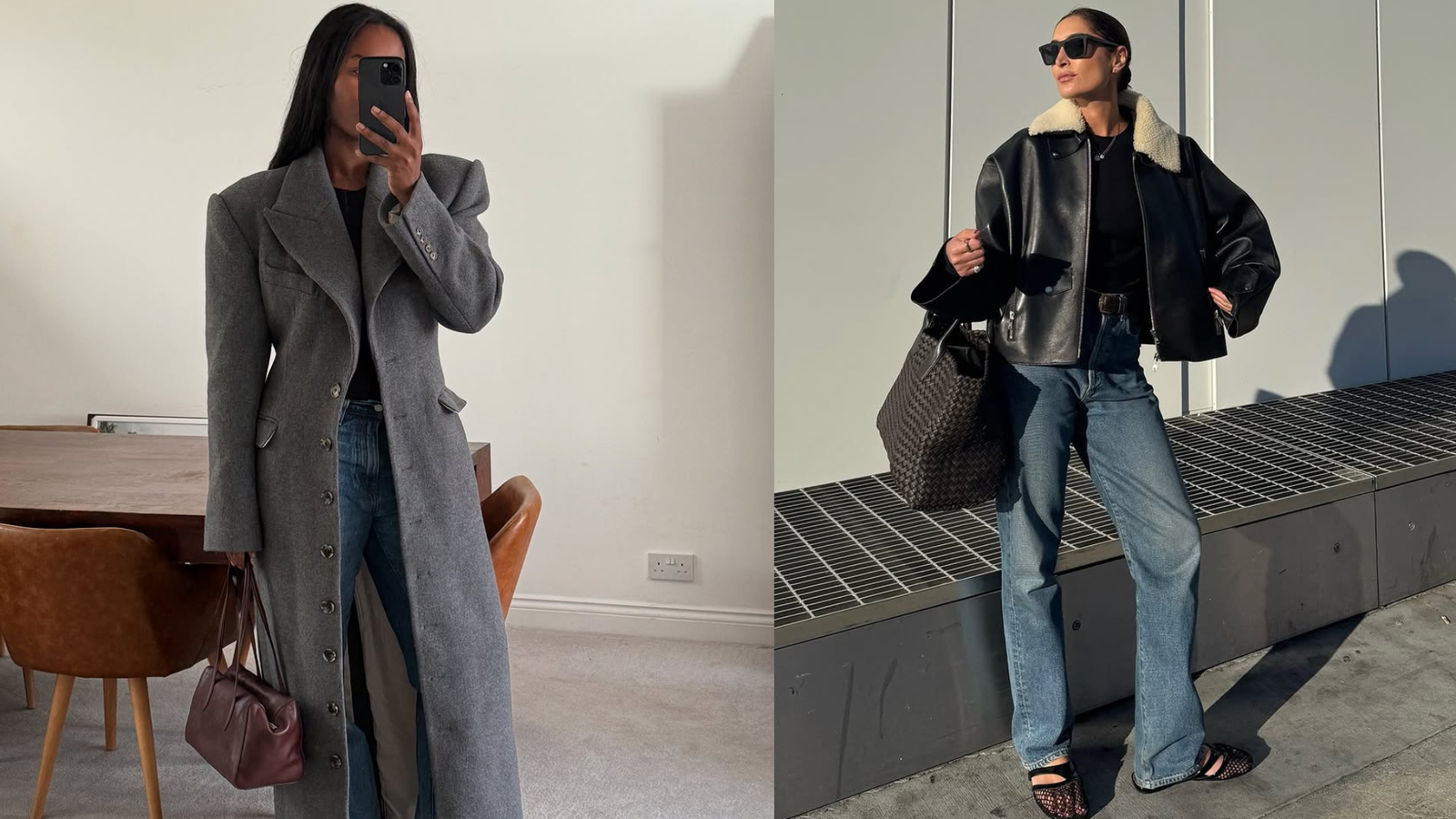
เดนิมคือสิ่งที่ขาดไม่ได้ในตู้เสื้อผ้าของฉันมาโดยตลอด เพราะมันทำให้ฉันมีทั้งความแข็งแกร่งและมีหลายสไตล์ให้เลือก อุณหภูมิจะลดลงในช่วงฤดูหนาว ซึ่งทำให้ผ้าคอตตอนเดนิมมาตรฐานรู้สึกหนาวเกินกว่าจะสวมใส่ได้ ผ้าเดนิมผสมวูล ทำหน้าที่เป็นโซลูชั่นที่รวมขนแกะเข้ากับผ้าฝ้ายเพื่อสร้างผ้าที่ให้ทั้งความอบอุ่นและความสบาย ผลิตภัณฑ์นี้ช่วยให้ผู้ใช้สามารถเปลี่ยนกางเกงยีนส์ธรรมดาให้เป็นเสื้อผ้าตามฤดูกาลซึ่งจะกลายเป็นเสื้อผ้าโปรดตลอดทั้งปี ผู้ใช้สามารถเลือกระหว่างแบบยืดและไม่ยืดได้เพื่อให้ได้ลุคแฟชั่นที่ต้องการ
สไตล์วูลผสมผสาน
ผ้าเดนิมวูลผสมคืออะไร?
ผ้าเดนิมผสมขนแกะเป็นวัสดุผสมที่รวมความทนทานสูงของเดนิมฝ้ายแบบดั้งเดิมเข้ากับความอบอุ่นและเนื้อสัมผัสที่นุ่มนวลตามธรรมชาติของขนแกะ ผ้าชนิดนี้มีลวดลายแบบไทร์ลที่ผสมเส้นใยขนแกะซึ่งคิดเป็นร้อยละ 20–40 เข้ากับเส้นด้ายฝ้าย โดยรูปแบบการทอแนวทแยงช่วยรักษาลักษณะเฉพาะของผ้าเดนิมไว้ ขณะเดียวกันก็เพิ่มความอบอุ่นและความรู้สึกนุ่มลื่นเหมือนขนแกะให้กับผ้า
ผ้าเดนิมผสมวูลสีน้ำเงิน
กระบวนการปั่นด้ายและทอประกอบด้วยกระบวนการปั่นซึ่งกระจายวัสดุให้ทั่วถึงทั่วทั้งเนื้อผ้า ผ้าวูลนำสัมผัสแห่งความหรูหรามาสู่เดนิม เนื่องจากให้สัมผัสที่แตกต่างจากผ้าเดนิมฝ้ายแท้ ซึ่งมักจะให้ความรู้สึกแข็งและเย็นเมื่อสัมผัส ขณะนี้แบรนด์ต่างๆ ให้ลูกค้าสามารถปรับแต่งผลิตภัณฑ์ของตนผ่านการปรับเปอร์เซ็นต์ผ้าขนสัตว์ ซึ่งช่วยให้ผู้ใช้ค้นพบส่วนผสมที่ลงตัวสำหรับความต้องการของพวกเขา รวมถึงความต้องการเสื้อผ้าฤดูหนาวด้วย

ผ้าเดนิมวูลผสมสีดำ
สำหรับส่วนผสมนวัตกรรมที่คล้ายกัน ลองดูผลิตภัณฑ์จาก LYDenim ได้เลย คอลเลกชันผ้าเดนิมซึ่งมักจะมีตัวเลือกที่เพิ่มประสิทธิภาพซึ่งสอดคล้องกับแนวคิดที่ผสมผสานขนสัตว์
คุณสมบัติของขนแกะและผลกระทบจากความอบอุ่น
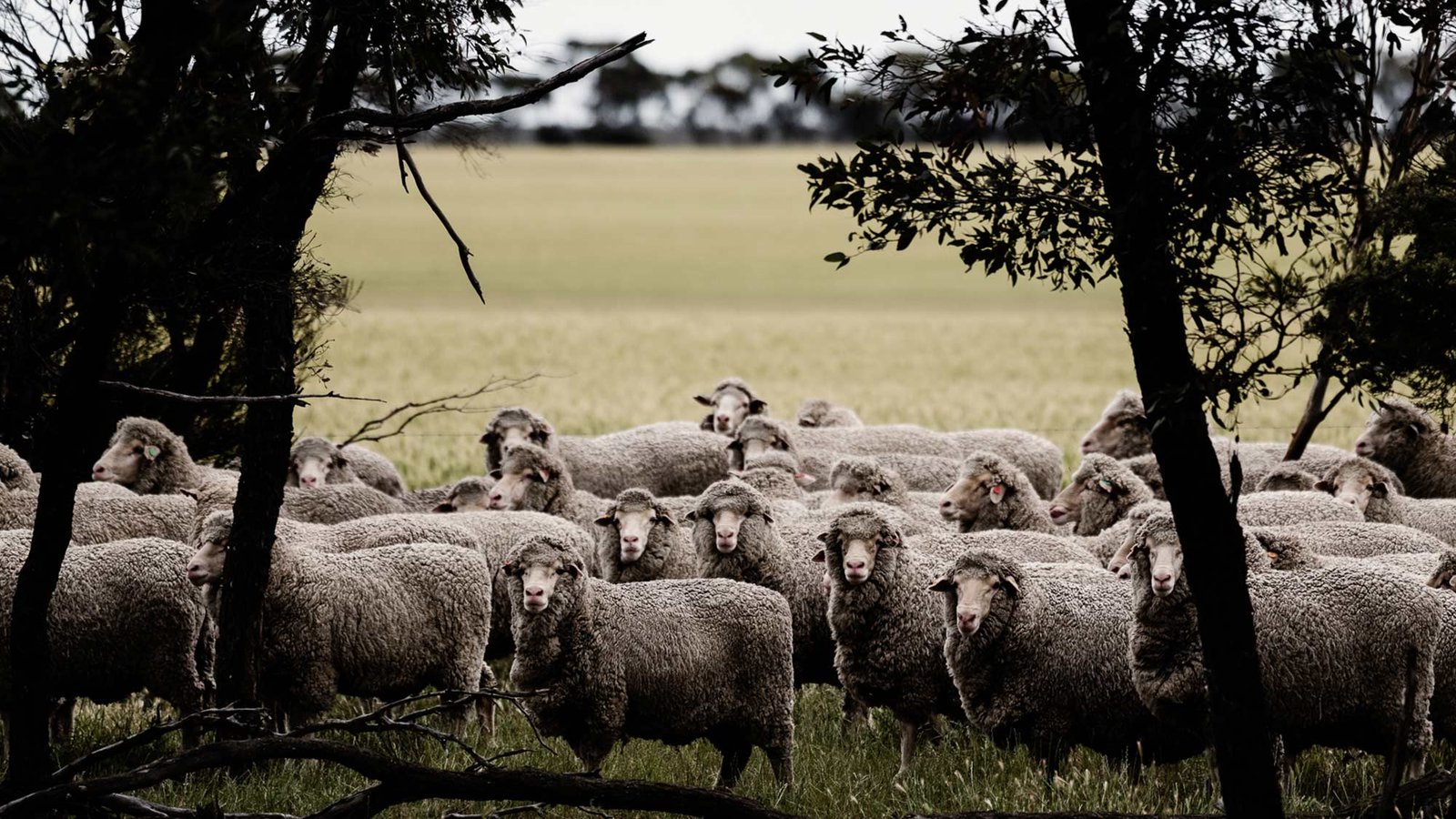
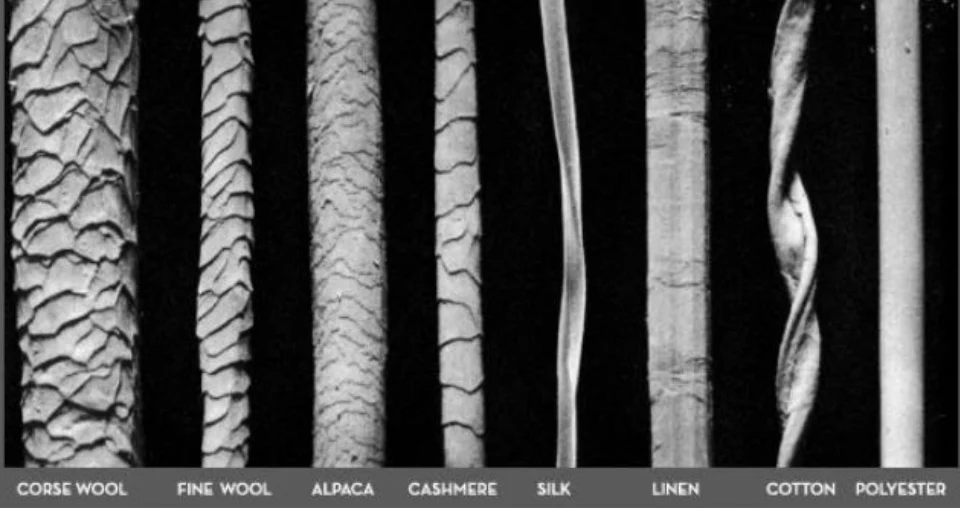
ขนแกะทำหน้าที่เป็นวัสดุฉนวนธรรมชาติซึ่งนำคุณประโยชน์ที่สำคัญมาสู่เดนิมผ่านคุณลักษณะเฉพาะที่เป็นเอกลักษณ์ การจีบตามธรรมชาติของเส้นใยขนสัตว์จะสร้างช่องอากาศเล็กๆ ที่ช่วยรักษาความร้อนในร่างกายผ่านกลไกที่คล้ายกับขนเป็ดในเสื้อแจ็คเก็ต โครงสร้างการออกแบบช่วยควบคุมอุณหภูมิได้อย่างดีเยี่ยม เนื่องจากช่วยรักษาความร้อนในร่างกายในช่วงอุณหภูมิเยือกแข็ง ในขณะเดียวกันก็ช่วยขจัดเหงื่อเพื่อป้องกันไม่ให้ผิวหนังชื้น
ขนสัตว์
ผ้าขนสัตว์ให้การระบายอากาศตามธรรมชาติเนื่องจากสามารถดูดซับน้ำได้ถึง 30% ของน้ำหนักโดยไม่แสดงความชื้น ซึ่งช่วยรักษาความร้อนในร่างกาย วัสดุนี้ทนทานต่อความเสียหาย เนื่องจากเส้นใยขนสัตว์สามารถทนต่อการดัดงอได้มากกว่า 20,000 รอบก่อนที่จะล้มเหลว ซึ่งทำให้ส่วนผสมมีความยืดหยุ่นและใช้งานได้ยาวนานขึ้น ผลิตภัณฑ์เดนิมที่ตั้งตรงและคงรูปทรงไว้ผ่านการซักหลายรอบถือเป็นเทคโนโลยีนี้
ความแข็งแรงของเนื้อผ้าของผ้าฝ้ายผสมผสานกับผ้าเดนิมผสมวูลเพื่อให้ประสิทธิภาพที่เหนือกว่าในสภาพอากาศหนาวเย็น การผสมผสานระหว่างวัสดุด้านในที่อ่อนนุ่มและดีไซน์ด้านนอกที่ทนทานของกางเกงยีนส์เหล่านี้ทำให้เกิดผลงานแฟชั่นฤดูใบไม้ร่วงและฤดูหนาวที่สมบูรณ์แบบซึ่งใช้ได้ดีสำหรับทั้งกิจกรรมกลางแจ้งและการใช้ชีวิตในเมือง
การเปรียบเทียบเส้นใย
คุณสมบัติหลักที่ทำให้แตกต่าง
- ความอบอุ่นไม่มีเทอะทะ: กระเป๋าบุฉนวนขนสัตว์สร้างความอบอุ่นด้วยดีไซน์ไร้น้ำหนัก ซึ่งให้ความสบายโดยไม่ต้องสวมเสื้อผ้าเพิ่ม
- การจัดการความชื้น: ระบบการจัดการความชื้นของเนื้อผ้าทำหน้าที่ดึงเหงื่อออกจากร่างกายพร้อมเร่งกระบวนการอบแห้งให้สบายตัวตลอดทั้งวัน
- ความยืดหยุ่นตามธรรมชาติ: ผ้าวูลให้ความยืดหยุ่นเล็กน้อยแม้ในรุ่นที่ไม่ยืดหยุ่น
- ความยั่งยืน: ขนแกะสามารถนำกลับมาใช้ใหม่ได้และย่อยสลายได้ทางชีวภาพ จึงเป็นที่สนใจของลูกค้าที่ใส่ใจสิ่งแวดล้อม
- สุนทรียศาสตร์ที่หลากหลาย: ผ้ายอมรับสีย้อมได้อย่างมีประสิทธิภาพทำให้สามารถสร้างรูปลักษณ์ที่มีสไตล์ที่แตกต่างกันผ่านความสามารถในการยอมรับเฉดสีต่างๆ
ผ้าวูลผสมปรากฏในคอลเลกชั่นแฟชั่นระดับไฮเอนด์ผ่านทางเสื้อผ้าฤดูหนาว ซึ่งรวมถึงแจ็คเก็ตและกางเกงสั่งตัด นักออกแบบที่เข้าร่วมในงาน Paris Fashion Week ได้ใช้ผ้าเดนิมขนสัตว์เพื่อนำเสนอคุณภาพผ้าระดับสูงและดีไซน์ที่สวมใส่สบาย
ข้อดีและข้อเสีย: รูปลักษณ์ที่สมจริง
ข้อดี:
- ระบบให้ความร้อนที่ดีเยี่ยมในช่วงฤดูหนาว
- คุณสมบัติของขนแกะให้ประโยชน์สองประการซึ่งช่วยเพิ่มทั้งความสบายและความนุ่มนวลของวัสดุ
- ทนทานและต้านทานริ้วรอยได้ดีขึ้น
- การออกแบบช่วยให้ผู้ใช้สามารถเลือกระหว่างผ้ายืดหยุ่นที่มีคุณสมบัติสแปนเด็กซ์และวัสดุที่ไม่ยืด
- อุทธรณ์เป็นมิตรกับสิ่งแวดล้อม
จุดด้อย:
- ต้นทุนการจัดหาขนสัตว์ทำให้วัสดุนี้มีราคาแพงกว่าเนื่องจากราคาจะเพิ่มขึ้น 10-20% เมื่อเทียบกับฝ้ายแท้
- ผ้าจำเป็นต้องซักอย่างละเอียดเนื่องจากจะหดตัวระหว่างการทำความสะอาด แต่วัสดุที่ผสมจะช่วยลดความเสี่ยงนี้ได้
- น้ำหนักผ้าจะเพิ่มขึ้นเมื่อมีขนสัตว์ถึงระดับที่สูงขึ้น
คนส่วนใหญ่พบว่าการรวมกันของความร้อนที่ปล่อยออกมาและอายุการใช้งานที่ยาวนานขึ้นเป็นเหตุผลเพียงพอที่จะเสียเงินซื้อผลิตภัณฑ์นี้
ตัวเลือกแบบกำหนดเอง: ผ้าเดนิมวูลผสมแบบยืดหยุ่นและไม่ยืด
ผ้าเดนิมที่ผสมขนสัตว์แกะจะให้ผลลัพธ์ที่ดีที่สุดเมื่อผ่านกระบวนการปรับแต่งเฉพาะบุคคล โดยรุ่นที่ไม่ยืดตัวจะเหมาะอย่างยิ่งสำหรับการออกแบบแบบดั้งเดิมที่มีโครงสร้างชัดเจน ซึ่งเข้ากันได้ดีกับกางเกงยีนส์ขาตรงและเสื้อแจ็กเก็ตที่รักษาทรงไว้ได้ การออกแบบเหล่านี้ใช้ความยืดหยุ่นตามธรรมชาติของขนสัตว์แกะเพื่อให้ผ้ามีความยืดหยุ่นอย่างอ่อนโยน โดยไม่จำเป็นต้องใช้วัสดุสังเคราะห์ใดๆ
ตัวเลือกยางยืดให้ความยืดหยุ่นมากขึ้นเนื่องจากมีสแปนเด็กซ์ 2-5% ซึ่งเหมาะสำหรับการสร้างดีไซน์แฟชั่นที่เพรียวบางหรือแอคทีฟ ทีมงานของเราช่วยให้ลูกค้าสร้างตัวอย่างที่ต้องการโดยการปรับเปลี่ยนปริมาณขนสัตว์และการเลือกน้ำหนักระหว่าง 8-12 ออนซ์และตัวเลือกการตกแต่ง
สำหรับไอเดียการตัดเย็บเสื้อผ้าตามสั่ง Liangyuan Textile นำเสนอโซลูชั่นที่ออกแบบตามความต้องการ เช่น กางเกงยีนส์ผ้าวูลผสมเดนิมสั่งทำพิเศษ—เหมาะสำหรับการจับคู่กับผ้าผสมขนสัตว์
คำถามที่พบบ่อยทั่วไปเกี่ยวกับผ้าเดนิมวูลผสม
ต่อไปนี้เป็นคำตอบสำหรับคำถามที่ฉันได้รับบ่อยๆ:
Q1: ผ้าเดนิมผสมวูลผสมอบอุ่นแค่ไหนเมื่อเทียบกับผ้าเดนิมทั่วไป? อุณหภูมิสูงขึ้นอย่างเห็นได้ชัด — โครงสร้างของขนสัตว์ที่ช่วยกักเก็บอากาศทำให้รู้สึกอบอุ่นกว่าปกติถึง 20–30% ในสภาพอากาศหนาว โดยไม่เกิดความร้อนเกินไป
คำถามที่ 2: มันหดตัวเหมือนขนแกะแท้หรือไม่? ตอบ: ผสมกับผ้าฝ้ายลดการหดตัว แต่ควรซักด้วยน้ำเย็นและผึ่งลมให้แห้งเสมอเพื่อความปลอดภัย
Q3: ฉันสามารถหาผ้าเดนิมผสมผ้าอีลาสติกผสมวูลได้หรือไม่? ตอบ: ได้ การเพิ่มผ้าสแปนเด็กซ์จะทำให้ได้ลุคที่ยืดหยุ่นได้ ในขณะที่ผ้าไม่ยืดจะคงสไตล์ดั้งเดิมไว้
Q4: เหมาะสำหรับทุกฤดูกาลหรือไม่? แน่นอนครับ — คุณสมบัติในการระบายความร้อนของขนสัตว์ทำให้สามารถใช้งานได้อย่างหลากหลาย แต่หากมีปริมาณขนสูงขึ้น ก็จะเหมาะกับฤดูที่อากาศเย็นกว่ามาก
คำถามที่ 5: มีผลกระทบต่อสิ่งแวดล้อมอย่างไร? ตอบ: แง่บวก; ขนแกะสามารถนำกลับมาใช้ใหม่ได้ และขนสัตว์ผสมมักใช้เส้นใยจากแหล่งที่รับผิดชอบ
Q6: รู้สึกอย่างไรกับผิว? ตอบ: นุ่มกว่าผ้าเดนิมแท้ โดยผ้าวูลจะเพิ่มความอ่อนโยนและไม่ทำให้คัน (กระบวนการผลิตที่ทันสมัยช่วยขจัดคราบสกปรก)
อนาคตของผ้าวูลเบลนด์เดนิม: เทรนด์ที่ร้อนแรง
ในปี 2026 ความยั่งยืนและประสิทธิภาพเป็นกุญแจสำคัญ และผ้าเดนิมผสมขนสัตว์ก็เข้ากันได้พอดี ด้วยตลาดเดนิมทั่วโลกที่กำลังเติบโต (คาดการณ์ไว้ที่ 1 แสนล้านดอลลาร์ภายในปี 2030) ผ้าผสมแบบนี้กำลังปรากฏขึ้นในชุดออกกำลังกายและไลน์สินค้าหรูหราเพื่อประโยชน์ตามธรรมชาติ คาดว่าจะมีนวัตกรรมใหม่ๆ มากขึ้น เช่น การผสานขนสัตว์รีไซเคิลเพื่อตัวเลือกที่เป็นมิตรกับสิ่งแวดล้อมยิ่งขึ้น
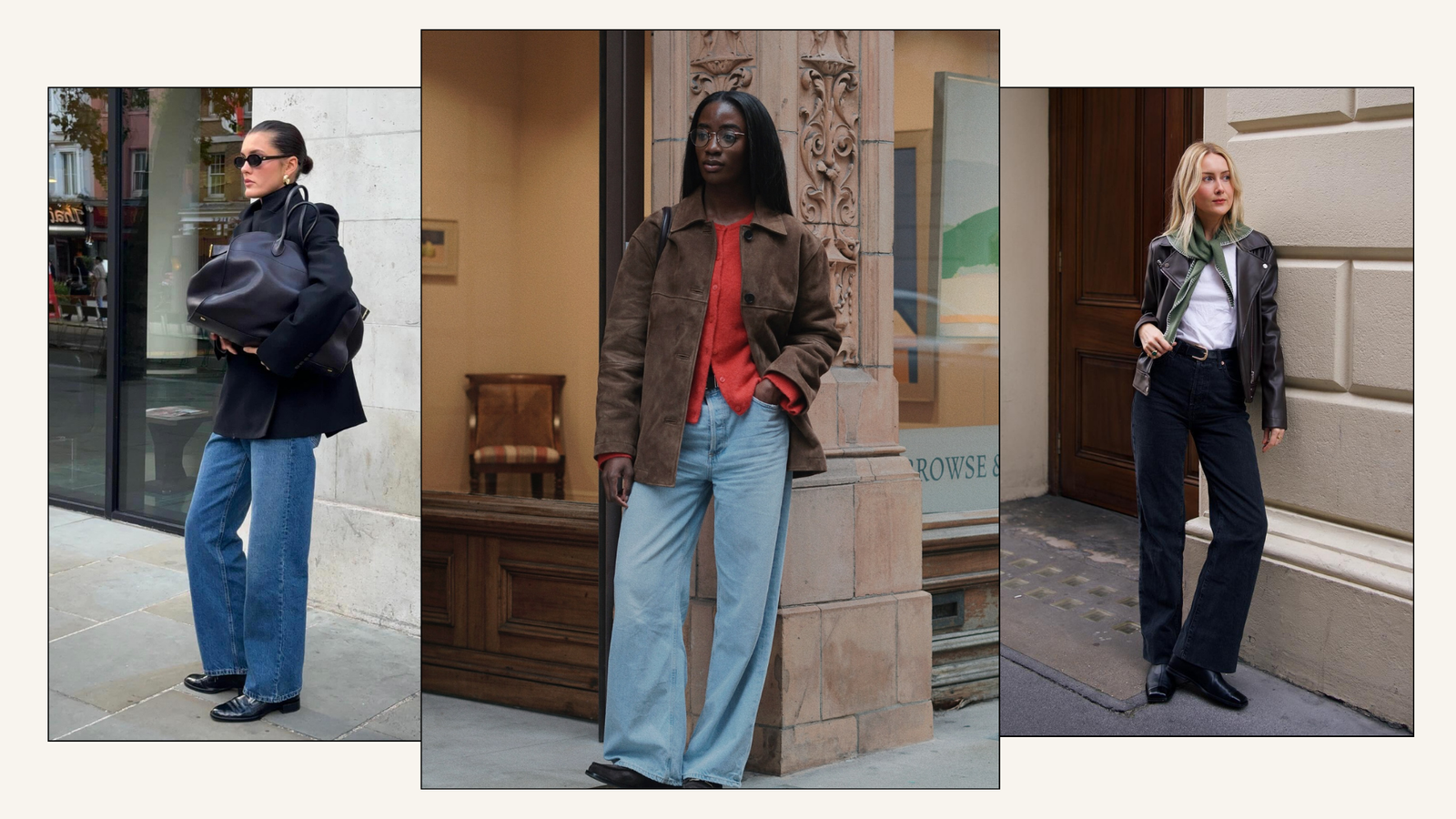
อนาคตของผ้าวูลผสมเดนิม
หากต้องการข้อมูลเพิ่มเติม โปรดอ่านคู่มือจาก LYDenim เกี่ยวกับ ทำความเข้าใจเกี่ยวกับการผสมเดนิม.
บริการปรับแต่งโดย LYDENIM
ฝันถึงผ้าคุณภาพสูงที่มีเนื้อสัมผัสยอดเยี่ยมและความทนทานเหนือชั้นหรือไม่? LY Denim ผู้เชี่ยวชาญด้านเสื้อผ้าคุณภาพระดับพรีเมียมและโซลูชันการออกแบบเสื้อผ้าตามคำสั่งเฉพาะ เพื่อช่วยให้คุณเปลี่ยนไอเดียสร้างสรรค์ให้กลายเป็นความจริงอย่างแม่นยำและมีสไตล์
🎨 ผ้าพิเศษที่ออกแบบเฉพาะ
ออกแบบคอลเลกชันผ้าของคุณเองด้วยวัสดุระดับพรีเมียมจาก LY Denim ไม่ว่าจะเป็นส่วนผสมฝ้ายหรูหรา หรือผ้าที่เป็นมิตรต่อสิ่งแวดล้อมและมีความสร้างสรรค์ ลองสำรวจสี สไตล์การพันผ้า และเทคนิคการตกแต่งที่เข้ากันได้อย่างลงตัวกับแบรนด์หรือแนวคิดการออกแบบของคุณ รับชมเพิ่มเติมได้ที่ ลีเดนิม เพื่อเรียนรู้เพิ่มเติม
🛍️ โซลูชั่นเสื้อผ้าตัดเย็บตามสั่ง
มอบความเป็นจริงให้กับการออกแบบของคุณผ่านบริการผลิตเสื้อผ้าตามคำสั่งเฉพาะของเรา ไม่ว่าจะเป็นชุดสูทที่ตัดพอดี ชุดเดรสสไตล์หรู หรือเสื้อผ้าทำงานที่ทนทาน เราให้ความมั่นใจในความพอดีอย่างสมบูรณ์ ความสบายระดับพรีเมียม และคุณภาพที่ยั่งยืน สำรวจตัวเลือกการปรับแต่งได้ที่ มายอาลีบาบา
📩 ติดต่อเราได้เลย
คุณมีโครงการใดๆ ที่สนใจไหม? กรุณาติดต่อทีมของเราที่ Malone@lydenim.com เพื่อหารือเกี่ยวกับผ้าที่ออกแบบเฉพาะ การออกแบบเสื้อผ้า หรือแนวทางการผลิตสิ่งทออย่างยั่งยืน
เปลี่ยนไอเดียของคุณให้กลายเป็นความจริงด้วย LY Denim — ผู้ร่วมทางที่เชื่อถือได้ในด้านผ้าคุณภาพสูงที่มีนวัตกรรม และโซลูชันเสื้อผ้าที่ออกแบบเฉพาะตามความต้องการ
คำถามที่พบบ่อย
สามารถปรับแต่งให้เหมาะกับแบรนด์หรือคอลเลกชันของฉันได้หรือไม่?
ใช่ ส่งใบสมัคร รูปภาพอ้างอิง คุณภาพเป้าหมาย ปริมาณ และข้อกำหนดของตลาด เพื่อให้ซัพพลายเออร์สามารถแนะนำตัวเลือกผ้า เครื่องแต่งกาย หรือการตกแต่งที่เหมาะสมได้
ฉันควรส่งข้อมูลอะไรบ้างก่อนที่จะขอใบเสนอราคา?
จัดเตรียมประเภทผลิตภัณฑ์ ผ้าหรือเทคนิคเป้าหมาย ทิศทางสี ความต้องการตัวอย่าง ปริมาณ ประเทศปลายทาง และระยะเวลารอคอยสินค้าที่คาดหวัง
ฉันควรขอตัวอย่างก่อนการผลิตจำนวนมากหรือไม่
ใช่ ตัวอย่างและระยะตัวอย่างจะช่วยลดความเสี่ยงก่อนสั่งซื้อจำนวนมาก โดยเฉพาะอย่างยิ่งเมื่อคุณภาพสี ความรู้สึกทางมือ การยืด พื้นผิว หรือการตกแต่งมีความสำคัญ
ฉันจะหลีกเลี่ยงปัญหาด้านคุณภาพในคำสั่งซื้อจำนวนมากได้อย่างไร
อนุมัติมาตรฐานตัวอย่างที่ชัดเจน กำหนดข้อกำหนดในการทดสอบ ยืนยันความคลาดเคลื่อน และเปรียบเทียบผลผลิตจำนวนมากกับตัวอย่างที่ได้รับอนุมัติก่อนจัดส่ง
ต้องการความช่วยเหลือในการเปลี่ยนสิ่งนี้ให้เป็นบรีฟการจัดหาที่พร้อมสำหรับการผลิตหรือไม่
ส่งสินค้าเป้าหมายของคุณ ทิศทางผ้า ปริมาณ และความต้องการตัวอย่าง LY Denim สามารถช่วยเปรียบเทียบตัวเลือกและเตรียมใบเสนอราคาได้