


How to Shrink Jeans Without Losing Fit: Fabric, Wash and Risk Guide
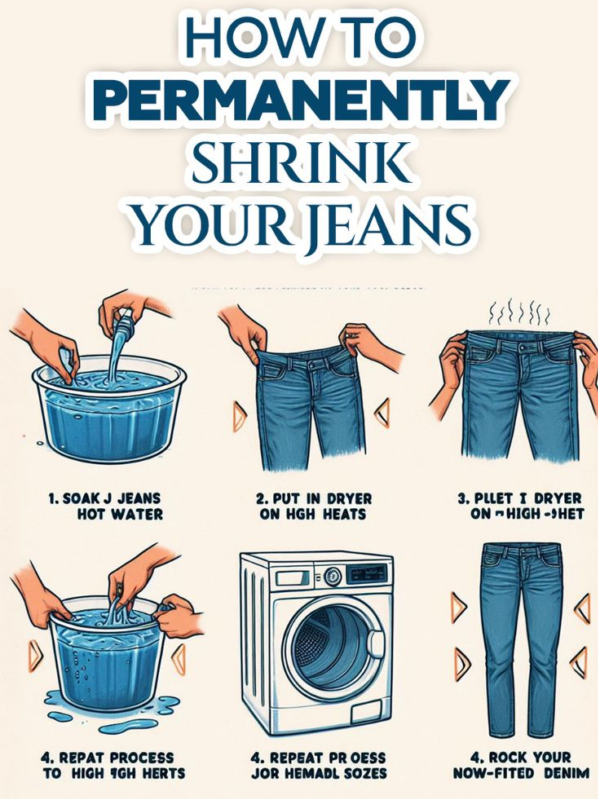
How to Shrink Jeans Without Losing Fit: Fabric, Wash and Risk Guide
Shrinking jeans can help with small fit adjustments, but the result depends on fabric construction, stretch content, previous finishing and washing method.

Use this guide before applying heat or approving washed samples.
Rigid cotton denim, stretch denim and sanforized denim react differently.
Shrinkage, color loss and poor stretch recovery can affect bulk orders.
Quick Answer
Jeans can shrink when heat, water and drying change the denim structure. The safest result usually comes from small, controlled adjustments, not repeated high-heat cycles. If the denim contains elastane, coating, flocking, embroidery or a delicate wash effect, aggressive shrinking can damage fit, recovery or surface appearance.
- Home use Measure first, wash gently, and avoid high heat when the fabric has stretch or special finishing.
- B2B use Request shrinkage data, washed sample approval and tolerance before bulk production.
- Best alternative If the fit problem is large, tailoring is often safer than forcing heavy shrinkage.
Which Denim Fabrics Shrink Differently?
The same shrinking method can create very different results depending on the denim fabric. A rigid 100% cotton denim may shrink more visibly, while stretch denim may shrink less but lose recovery if exposed to too much heat.
| Denim type | Likely response | Main risk | Recommended action |
|---|---|---|---|
| Rigid cotton denim | Can shrink more than stretch denim | Shorter inseam or tighter waist | Measure before and after washing |
| Stretch denim | May shrink less but lose recovery | Loose knees, distorted waistband or stiff hand feel | Avoid repeated high heat |
| Sanforized denim | Already controlled for shrinkage | Small and unpredictable change | Keep expectations realistic |
| Special finish denim | Surface can change during heat or wash | Damaged coating, flocking, wash effect or embroidery | Test a hidden area or request professional adjustment |
A Safer Way to Shrink Jeans
Start with measurements at the waist, hip, thigh, knee, hem and inseam. Use warm water first, dry partially, and check the fit before repeating any heat process. Avoid boiling water or maximum dryer heat unless the fabric is rigid cotton and you accept possible color and size changes.
For garment factories and brands, the safer workflow is sample wash first, then bulk approval. A shrinkage report and approved washed sample reduce claims when the final garment must keep a consistent size range.
Buyer Notes for Denim Production
If you source denim fabric or finished jeans, ask the supplier for shrinkage tolerance, washing conditions and recovery data. This is especially important for skinny jeans, stretch denim, plus-size jeans and any garment that depends on precise fit.
- For fabric stability, review denim shrinkage testing.
- For fabric selection, compare different denim fabric types.
- For custom sourcing, send specifications through the sample request form.
Visual Guide for Faster Review
Use these visuals to compare fabric behavior, sourcing risk and sample approval points before confirming bulk production.


FAQ
Can stretch jeans shrink safely?
They can shrink slightly, but high heat can damage elastic recovery. Use lower heat and test carefully.
Will hot water fade jeans?
Hot water can accelerate color loss, especially on dark indigo, black denim and special washed finishes.
What should buyers request before bulk orders?
Ask for shrinkage test data, washed sample approval and clear tolerance for final garment measurements.
Need denim fabric with controlled shrinkage?
Send your target composition, weight, wash method and garment type. LY Denim can prepare swatches and help review shrinkage risk before bulk production.