


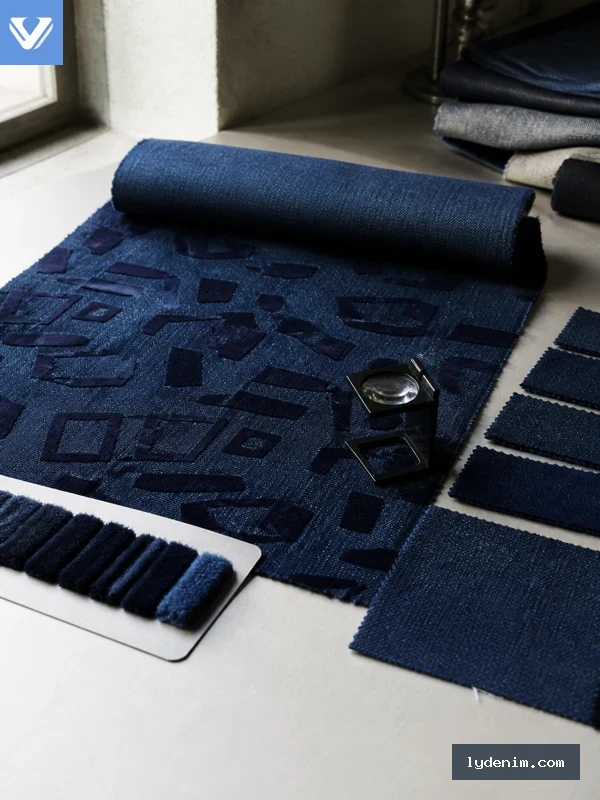
Быстрое чтение: ~6 минут
Effective custom flocked denim procurement demands more than a reference image. The final product quality hinges on precise decisions about the denim base, flock color and pile, motif coverage, application stage, and the chosen garment wash. A structured development process transforms these choices into an approved strike-off, a sewn or finished sample, an agreed wash standard, and a repeatable bulk inspection plan. This guide focuses on that commercial workflow. For the process definition and basic terminology, read What Is Flocking Fabric?. For a dedicated testing checklist, use Как тестировать флокированный деним перед массовым производством.
Что нужно знать перед выбором
- Определите целевое изделие и зоны повышенного трения до выбора сплошного или локального эффекта флока. Этот шаг позволит избежать дорогостоящей переделки на后续 этапах.
- Зафиксируйте базовый деним, направление стретча, цвет флока, мотив, покрытие, тактильные свойства ворса и предполагаемую стирку перед запросом сопоставимого предложения. Неоднозначные спецификации приводят к несопоставимым предложениям.
- Решите, должен ли флокинг выполняться на стадии ткани или на стадии готового изделия; эти два пути несут разные риски, связанные с отходами, размещением, швами и стиркой, которые напрямую влияют на стоимость и качество.
- Утверждайте эффект на реальной джинсовой основе и через фактический процесс изготовления одежды. Никогда не полагайтесь исключительно на сухой демонстрационный образец, так как обработка стиркой может кардинально изменить адгезию и внешний вид.
- Рассматривайте первую котировку как предварительную до тех пор, пока арт-макет, формат образцов, требуемые испытания, количество, упаковка и целевой рынок не будут полностью подтверждены. Это гарантирует согласование всех переменных до начала разработки.
Что можно кастомизировать?
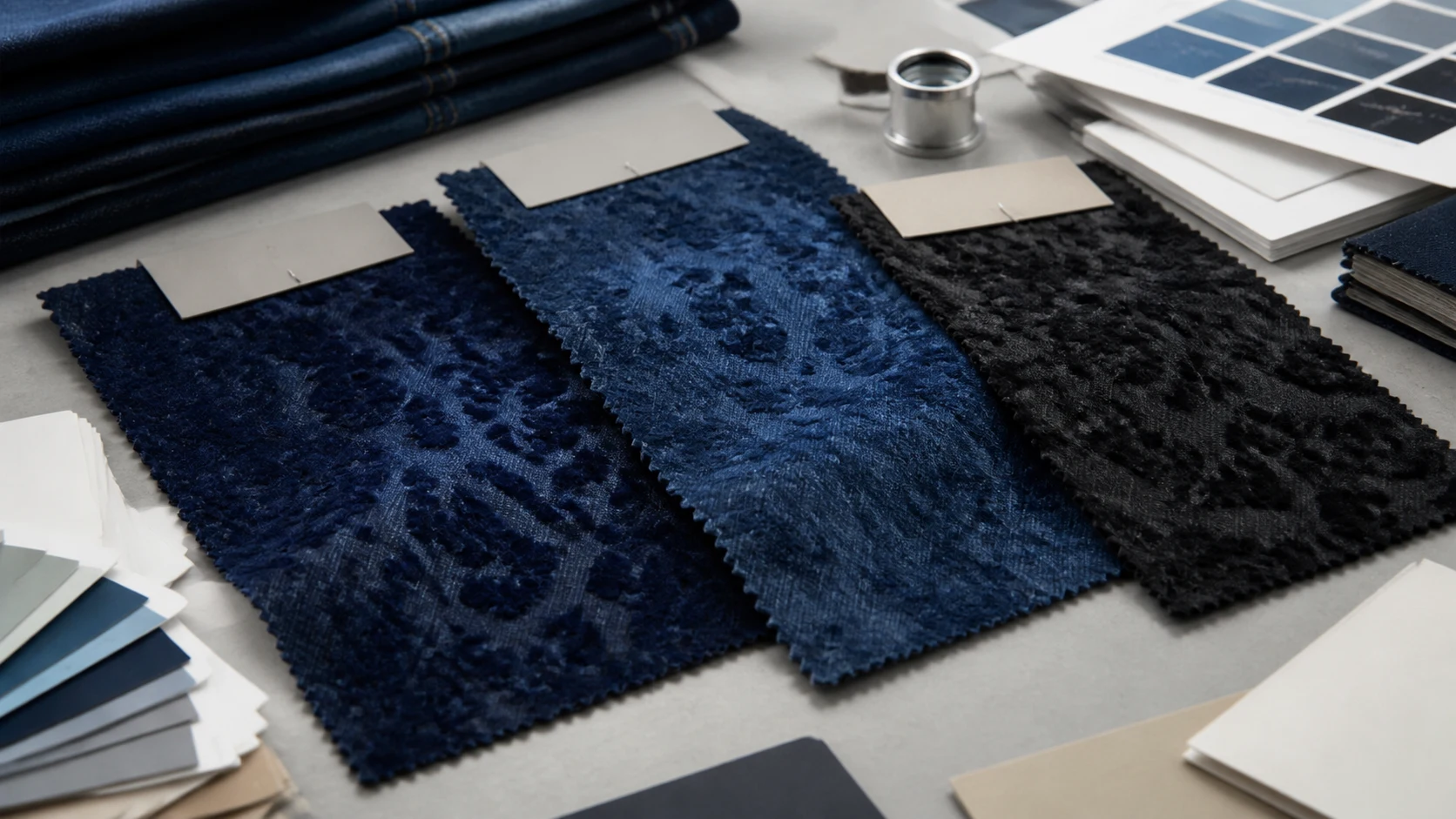
Термин «индивидуальный» при закупке флокированного денима охватывает широкий спектр переменных. Покупатели должны четко указывать, какие элементы являются обязательными, а какие могут быть скорректированы для повышения износостойкости или снижения стоимости. В таблице ниже описаны основные переменные разработки и значение каждой из них.
| Переменная разработки | Данные покупателя | Почему это меняет проект |
|---|---|---|
| Джинсовая основа | состав, вес и направление, стрейч, цвет, переплетение | Влияет на тактильные ощущения, усадку, пошив, реакцию на стирку и совместимость с клеями. Неправильный выбор основы может подорвать адгезию ворса. |
| Направление ворса | цвет, тактильные ощущения волокна, высота ворса, плотность | Изменяет тактильные ощущения, визуальную глубину, риск выпадения ворса и поведение при истирании. Более высокий ворс может казаться мягче, но увеличивает выпадение ворса. |
| Мотив | художественное оформление, раппорт, расположение, чёткость контуров | Управление экранами/инструментами, совмещением, планом раскроя и проверками согласованности. Сложные мотивы могут требовать специализированных экранов и более длительного времени настройки. |
| Охват | all-over, панель, логотип, отделка, градиент | Влияет на расход материала, обработку, отходы производства и контрольные точки. Флокирование по всей поверхности требует большего расхода флока и более высокой точности кроя. |
| Этап подачи заявки | на стадии ткани или на стадии готового изделия | Изменение контроля размещения, экспозиции швов и порядка операций стирки. Неправильный выбор может привести к слабым швам или смещению дизайнов. |
| Маршрут отделки | промывка, ферментация, абразивная обработка, тонирование, смягчение или иной метод, согласованный с покупателем | Может изменить адгезию, внешний вид ворса, оттенок и тактильные ощущения изделия. Агрессивные виды отделки, такие как интенсивная энзимная обработка или пескоструйная обработка, могут повредить флок. |
Не просите поставщика оптимизировать все параметры одновременно. Более полезное техническое задание определяет коммерческий приоритет: например, мягкость на ощупь, четкий контраст, воспроизводимость расположения или повышенная устойчивость к истиранию при обычной носке. Такая ясность помогает фабрике предложить наиболее подходящий процесс и материалы.
Флокирование на стадии ткани против флокирования на стадии готового изделия
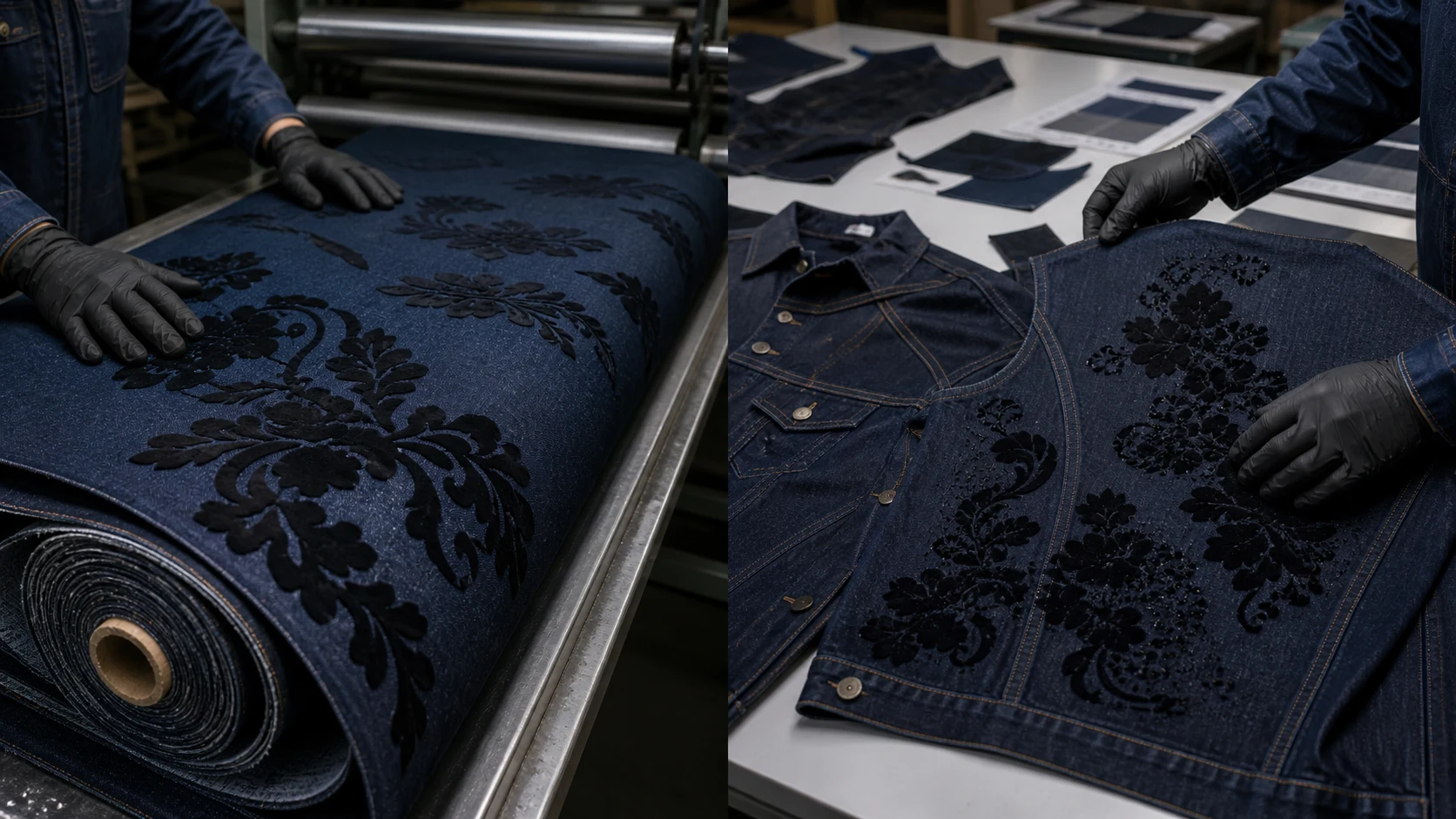
Одно из наиболее важных решений при закупке кастомного флокированного денима — это этап нанесения покрытия. Существуют два основных подхода: флокирование на стадии ткани и флокирование на стадии готового изделия, и у каждого из них есть свои явные преимущества и риски.
Флокирование на стадии ткани наносит эффект до раскроя материала. Этот метод подходит для флокирования всей поверхности рулона и повторяющихся панелей, однако покупатель должен учитывать отходы раскроя, зоны швов, а также поведение флокированной поверхности в процессе шитья и финишной отделки изделия. Например, толстый флок может забивать иглы или вызывать неровные швы, поэтому предпроизводственные швейные испытания обязательны.
Флокирование на стадии готового изделия предполагает нанесение эффекта на уже сшитую одежду или отдельные компоненты. Этот метод обеспечивает более точный контроль расположения для логотипов, зон карманов или локальных панелей, но увеличивает объём обработки деталей и требует чётких допусков по позиционированию. Данный подход часто подходит для небольших партий или сложных мест нанесения, где точность важнее эффективности использования материала.
| Точка принятия решения | Маршрут на этапе ткани | Маршрут на этапе готовой одежды |
|---|---|---|
| Типичное применение | сплошной рисунок или рисунок, повторяющийся по всей длине ткани | размещённые принты, логотипы, выбранные панели |
| Главное преимущество | Равномерный эффект по всей полезной ширине ткани | Усиленный контроль расположения на изделии |
| Основной риск | потери при раскрое и повреждения в области швов или зон повышенного трения | смещение расположения и обработка дополнительных деталей |
| Образец для утверждения | Флокированная ткань метражом плюс сшитая/промытая панель | готовый прототип изделия с финишной обработкой |
Ни один из способов не является автоматически лучшим. Поставщик должен рекомендовать конкретный метод после рассмотрения типа вашего изделия, сложности артворка, объёма заказа, технологии стирки и ожиданий по допускам. Во время сэмплирования всегда проверяйте качество флока после запланированного цикла стирки, чтобы своевременно выявить первые признаки отслаивания или изменения цвета.
Составьте бриф, готовый к запросу котировки
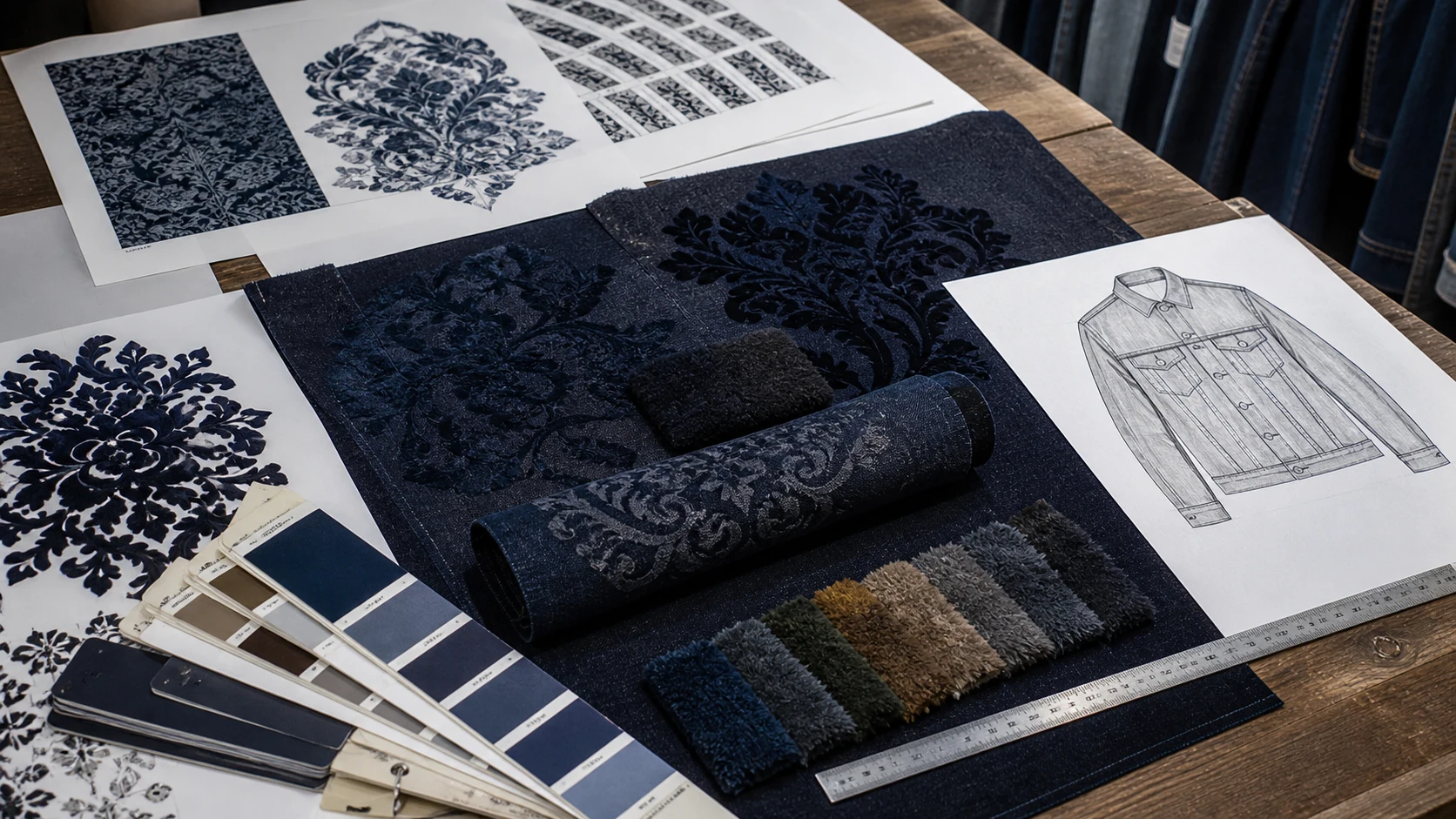
Надежное коммерческое предложение начинается с четкого технического задания. Для успешной закупки флокированного денима по индивидуальному заказу отправьте достаточно информации, чтобы поставщик смог рассчитать стоимость именно того проекта, который вы планируете утвердить:
- Конечное использование: куртка, джинсы, юбка, сумка, отделка или другое изделие. Это определяет требования к конструкции и долговечности.
- Референсное изображение и редактируемый макет при наличии. Векторные файлы облегчают масштабирование и изготовление трафаретов.
- Размеры мотива, направление раппорта, карта размещения и область покрытия. Выполните эскиз изделия, чтобы показать, где наносится флок.
- Базовое требование к дениму или запрос на подходящие варианты образцов от фабрики. Укажите вес, состав и цвет.
- Растяжимость, цвет, тактильные ощущения и направление веса. Эти факторы влияют как на комфорт, так и на адгезию флока.
- Предполагаемая стирка изделия и участки, подвергающиеся многократному трению. Укажите конкретно: будет ли интенсивная истираемость на коленях или в области сиденья?
- Количество образцов, ориентировочный объем серийной партии, размерный ряд и целевой рынок. Эти факторы влияют на сроки поставки и соответствие региональным стандартам.
Предоставление всей этой информации заранее сокращает лишние переписки и ускоряет подготовку лаб-дипов и образцов. Без этого коммерческие предложения могут быть несопоставимыми.
Частые вопросы при закупке флокированного денима на заказ
В: Сколько времени занимает разработка кастомного флокированного денима?
Обычно 2-4 недели на первый страйк-офф, плюс 1-2 недели на образец готового изделия, если не требуется значительных корректировок. Сложные мотивы или новые базовые ткани могут увеличить срок.
Q: На какие наиболее распространённые дефекты мне следует обращать внимание?
Ответ: Наиболее распространены плохая адгезия, неравномерный ворс, неравномерность окраски, осыпание и смещение швов. Перед утверждением массовой партии всегда тестируйте выстиранный образец с использованием вашей рецептуры производственной стирки.
Вопрос: Могу ли я использовать собственную денимовую основу или мне нужно закупать её на фабрике?
Вы можете поставлять собственную базовую ткань, но фабрика должна проверить ее на совместимость с клеевыми материалами и контроль усадки. Поставка через фабрику часто обеспечивает стабильность качества.
Заключение
Освоение закупок денима с кастомным флокированием означает выход за рамки эстетики и переход к системному процессу. Определяя переменные на раннем этапе, выбирая правильную стадию нанесения и тестируя на реальных изделиях, покупатели могут получить продукт, соответствующий требованиям к производительности и дизайну. Четкий RFQ и тщательное утверждение образцов не только снижают риски, но и укрепляют партнерские отношения с вашим поставщиком денима.
Думаете об индивидуальной версии?
🎨 Индивидуальный дизайн
Разработайте собственную коллекцию тканей или одежды из премиальных материалов LYDENIM. От роскошных хлопковых смесей до инновационных экологичных тканей — исследуйте цвета, переплетения и отделки, соответствующие направлению вашего бренда. Посетите ЛИДЕНИМ чтобы узнать больше.
🛍️ Индивидуальные решения для одежды
Воплотите свои дизайны в жизнь с помощью услуг по пошиву одежды на заказ. Разрабатываете ли вы джинсы, джинсовые куртки, юбки, рабочую одежду или коллекции модной одежды малыми партиями — LYDENIM поможет с посадкой, комфортом, износостойкостью и планированием производства. Узнайте о возможностях кастомизации на My Alibaba.
📩 Свяжитесь с нами
Есть идея проекта? Свяжитесь с нашей командой по адресу malone@lydenim.com для обсуждения индивидуальных тканей, дизайна одежды, пробного производства с низким MOQ или устойчивых текстильных решений.
Превратите свои идеи в реальность с LYDENIM – вашим надежным партнером в области инновационных, высококачественных тканей и индивидуальных решений для одежды.
Need help turning this into a production-ready sourcing brief?
Send your target product, fabric direction, quantity and sample needs. LY Denim can help compare options and prepare a quote.