


Cotton Jacquard Fabric คู่มือการจัดหา: MOQ, Pattern Repeat and QC
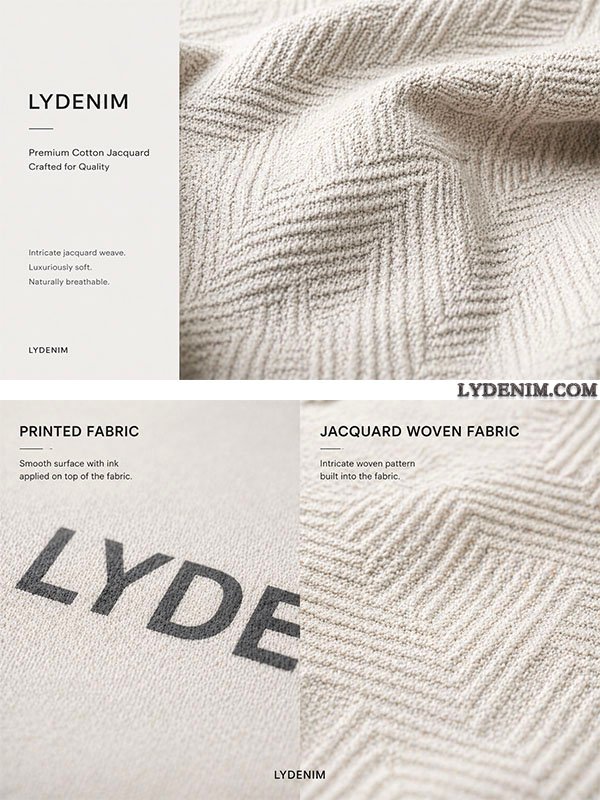
Cotton Jacquard Fabric คู่มือการจัดหา: MOQ, Pattern Repeat and QC
การจัดหาผ้าแจ็คการ์ดผ้าฝ้ายควรเริ่มต้นด้วยบทสรุปที่พร้อมสำหรับการผลิต ผู้ซื้อควรกำหนดองค์ประกอบ GSM สีเส้นด้าย การทำซ้ำลวดลาย ความกว้างของผ้า ความรู้สึกมือ การใช้งาน และปริมาณการสั่งซื้อที่คาดหวัง ก่อนที่จะขอตัวอย่าง
สรุปผู้ซื้อ
สำหรับผู้ซื้อผ้า B2B หัวข้อนี้ควรช่วยเปรียบเทียบองค์ประกอบ น้ำหนัก สัมผัสมือ การยืด การตกแต่ง ขั้นต่ำ และความเสถียรในการผลิตก่อนสุ่มตัวอย่าง
- ผู้ซื้อที่เหมาะสมแบรนด์แฟชั่น ทีมจัดหา ผู้ค้าส่ง โรงงานตัดเย็บเสื้อผ้า และผู้พัฒนาผลิตภัณฑ์
- สิ่งที่ต้องยืนยันเป้าหมายผลิตภัณฑ์ ทิศทางของผ้า ผิวสำเร็จ ความต้องการตัวอย่าง ปริมาณ และตลาดการจัดส่ง
- ความเสี่ยงของผู้ซื้อข้อมูลจำเพาะที่ไม่ชัดเจนอาจนำไปสู่ตัวอย่างที่ไม่ถูกต้อง คุณภาพปริมาณมากไม่แน่นอน และการเสนอราคาที่ช้า
- CTA ที่แนะนำขอตัวอย่างหรือใบเสนอราคาตัวอย่างก่อนที่จะดำเนินการผลิตจำนวนมาก
เหตุใดจึงสำคัญสำหรับผู้ซื้อ B2B
ยืนยันการใช้งาน ลักษณะผ้าเป้าหมาย ทิศทางสี และปริมาณจำนวนมากก่อนขอใบเสนอราคา
คู่มือผ้าคอตตอนแจ็คการ์ดสำหรับผู้ซื้อ B2B สำรวจตัวเลือกการปรับแต่ง เทรนด์ผ้าแจ็คการ์ดเดนิม และวิธีการจัดหาอย่างมีประสิทธิภาพ
ตารางข้อมูลจำเพาะสำหรับการจัดหาที่เร็วขึ้น
| จุดตัดสินใจ | ตัวเลือกในการเปรียบเทียบ | ทำไมมันถึงสำคัญ | คำถามของผู้ซื้อ |
|---|---|---|---|
| ฐานผ้า | ผ้าฝ้าย ผ้าผสม ผ้าเดนิมยืด ผ้าแจ็คการ์ด ผ้าฟล็อคด์ หรือผ้าเดนิมชนิดพิเศษ | ควบคุมความรู้สึกมือ ความทนทาน และตำแหน่งราคา | ผ้าชนิดนี้มีไว้เพื่อผลิตภัณฑ์ประเภทใด? |
| น้ำหนัก | โครงสร้างเบา กลาง หรือหนัก | ส่งผลต่อผ้าม่าน ฤดูกาล ประเภทเสื้อผ้า และค่าขนส่ง | คุณต้องการเสื้อเชิ้ต แจ็คเก็ต กางเกงยีนส์ หรือเสื้อผ้าที่มีโครงสร้างหรือไม่? |
| เสร็จสิ้น | สี ซัก เคลือบ ฟอก แจ็กการ์ด หรือทำให้อ่อนลง | กำหนดลักษณะที่ปรากฏขั้นสุดท้ายและการสัมผัสของลูกค้า | คุณคาดหวังถึงความรู้สึกสัมผัสมือและการซักแบบใด? |
| แผนการจัดหา | สวอตช์, ระยะตัวอย่าง, ล็อตจำนวนมาก | ลดความเสี่ยงก่อนการผลิต | ควรเสนอราคาตลาดปริมาณและการจัดส่งเท่าใด |
แอปพลิเคชันและตัวเลือกแบบกำหนดเอง
การพัฒนาผลิตภัณฑ์
ใช้คู่มือนี้เพื่อเปลี่ยนแนวคิดการออกแบบให้เป็นข้อกำหนดด้านเนื้อผ้า เครื่องแต่งกาย การตกแต่ง และตัวอย่าง
การเปรียบเทียบซัพพลายเออร์
เปรียบเทียบซัพพลายเออร์ตามการสนับสนุนตัวอย่าง ความชัดเจนทางเทคนิค ความเสถียรของปริมาณรวม และความเร็วในการสื่อสาร
การผลิตจำนวนมาก
ยืนยันมาตรฐานคุณภาพ ตัวอย่างที่ได้รับอนุมัติ และไทม์ไลน์ก่อนสั่งผลิต
จุดควบคุมคุณภาพก่อนสั่งซื้อจำนวนมาก
- OKการอนุมัติตัวอย่าง: ยืนยันผ้า สี ความรู้สึกมือ โครงสร้าง และการตกแต่งก่อนการผลิตจำนวนมาก
- OKความสม่ำเสมอเป็นกลุ่ม: เปรียบเทียบล็อตจำนวนมากกับตัวอย่างที่ได้รับอนุมัติภายใต้แสงและสภาวะการทดสอบเดียวกัน
- OKการทดสอบประสิทธิภาพ: ตรวจสอบการหดตัว ความคงทนของสี การยืดตัวคืนสภาพ หรือความทนทานของการตกแต่งตามที่เกี่ยวข้อง
- OKความชัดเจนของคำพูด: ส่งปริมาณ ปลายทาง ความต้องการบรรจุภัณฑ์ และเวลานำเป้าหมายเพื่อหลีกเลี่ยงการกำหนดราคาที่คลุมเครือ
กระบวนการพัฒนาตัวอย่าง
| ขั้นตอน | ผู้ซื้อจัดให้ | ซัพพลายเออร์ยืนยัน |
|---|---|---|
| 1. บรีฟ | การใช้งาน รูปภาพอ้างอิง คุณภาพและปริมาณเป้าหมาย | ความเป็นไปได้ วัสดุที่แนะนำ และตัวเลือกแบบกำหนดเอง |
| 2. สวอตช์ผ้า | สี สัมผัสมือ รูปแบบ หรือการตอบสนองขั้นสุดท้ายที่ต้องการ | สต็อกที่มีอยู่ ทิศทางที่กำหนดเอง และต้นทุนตัวอย่าง |
| 3. ตัวอย่าง | แผนการทดสอบเสื้อผ้า ขนาด หรือความต้องการระยะ | เส้นเวลาการสุ่มตัวอย่างและความสามารถในการทำซ้ำของการผลิต |
| 4. ใบเสนอราคาจำนวนมาก | ปริมาณการสั่งซื้อ ปลายทางการจัดส่ง และความต้องการบรรจุภัณฑ์ | ราคาต่อหน่วย, ขั้นต่ำ, เวลานำและจุดตรวจควบคุมคุณภาพ |
คู่มือโดยละเอียด
เวลาอ่านโดยประมาณ: ~5 นาที
สำหรับแบรนด์ นักออกแบบ และผู้ผลิตเครื่องแต่งกาย การเลือกผ้าที่เหมาะสมไม่ใช่แค่เรื่องต้นทุนเท่านั้น แต่ยังส่งผลกระทบโดยตรงต่อตำแหน่งผลิตภัณฑ์ การรับรู้ของลูกค้า และความสามารถในการแข่งขันในระยะยาว
ในบรรดาผ้าที่มีพื้นผิวต่างๆ ผ้าแจ็คการ์ดผ้าฝ้าย ได้กลายเป็นตัวเลือกที่ดีสำหรับผู้ซื้อที่ต้องการผสมผสานความยืดหยุ่นในการออกแบบเข้ากับรูปลักษณ์ระดับพรีเมียม ผ้าแจ็คการ์ดแตกต่างจากผ้าทอทั่วไปตรงที่สามารถสร้างลวดลายลงในโครงสร้างได้โดยตรง ทำให้เกิดความลึก ความทนทาน และเอกลักษณ์ทางภาพที่โดดเด่นยิ่งขึ้น
สำหรับผู้ซื้อ B2B มูลค่าที่แท้จริงของผ้าคอตตอนแจ็คการ์ดไม่ได้อยู่ที่รูปลักษณ์ภายนอกเท่านั้น แต่ยังอยู่ที่ตัวผ้าด้วย ศักยภาพในการปรับแต่ง ความคล่องตัว และความสามารถในการปรับตัวข้ามหมวดหมู่ผลิตภัณฑ์.
คู่มือนี้มุ่งเน้นไปที่วิธีการประเมิน ปรับแต่ง และจัดหาผ้าแจ็คการ์ดผ้าฝ้ายอย่างมีประสิทธิภาพ
เหตุใดผ้าฝ้าย Jacquard จึงถูกนำมาใช้กันอย่างแพร่หลายในเครื่องแต่งกายสมัยใหม่
ในตลาดเครื่องแต่งกายที่มีการแข่งขันสูงในปัจจุบัน การสร้างความแตกต่างเป็นสิ่งสำคัญ ผ้ามาตรฐานนั้นง่ายต่อการทำซ้ำ ซึ่งทำให้แบรนด์โดดเด่นได้ยาก
นี่คือที่ ผ้าแจ็คการ์ดผ้าฝ้าย ให้ข้อได้เปรียบที่ชัดเจน
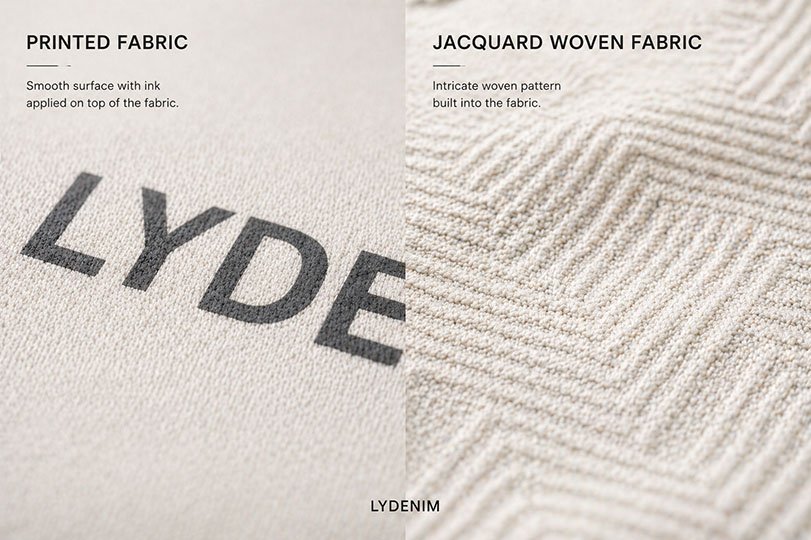
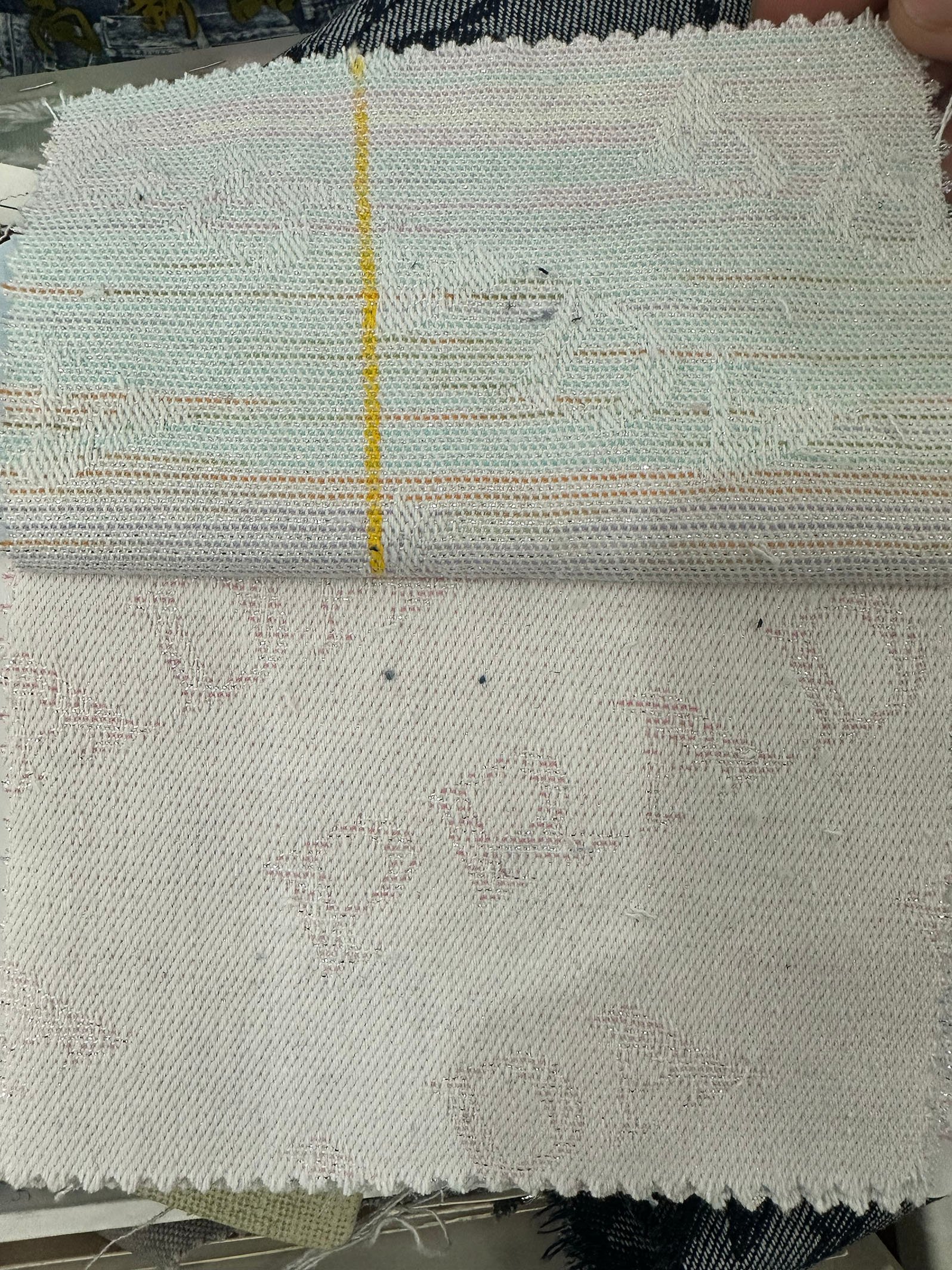
เนื่องจากลวดลายถูกทอลงบนเนื้อผ้าโดยตรงแทนที่จะพิมพ์หรือนำไปใช้ในภายหลัง ผลลัพธ์ที่ได้คือ:
- รูปลักษณ์ที่ประณีตและบูรณาการยิ่งขึ้น
- ความทนทานดีขึ้น (ลวดลายไม่ลอกหรือจางง่าย)
- เนื้อสัมผัสระดับพรีเมี่ยมที่ลูกค้าสัมผัสได้ทันที
สำหรับแบรนด์ที่กำหนดเป้าหมายไปที่ตลาดระดับกลางถึงระดับสูง ผ้าแจ็กการ์ดถือเป็นวิธีการยกระดับผลิตภัณฑ์โดยไม่ต้องพึ่งการพิมพ์หรือการตกแต่งเพียงอย่างเดียว
Jacquard กับการพิมพ์
ความหลากหลายของผ้าคอตตอนแจ็คการ์ด: การออกแบบและความยืดหยุ่นของโครงสร้าง
จุดแข็งที่ใหญ่ที่สุดประการหนึ่งของผ้าคอตตอนแจ็คการ์ดคือความยืดหยุ่นทั้งในด้านการออกแบบและโครงสร้าง
รูปแบบต่างๆ
ผ้า Jacquard สามารถรองรับรูปแบบลวดลายได้หลากหลาย ได้แก่:
- รูปแบบเรขาคณิตและการซ้ำซ้อน
- ลวดลายดอกไม้หรือออร์แกนิก
- โลโก้ของแบรนด์ผสานเข้ากับลายทอโดยตรง
- พื้นผิวแบบไล่โทนสีเพื่อเอฟเฟกต์ระดับพรีเมียมอันละเอียดอ่อน
ทำให้แบรนด์สามารถสร้างสิ่งทอที่มีเอกลักษณ์เฉพาะตัวซึ่งยากต่อการลอกเลียนแบบ
ผ้าเดนิมแจ็คควอด
การเปลี่ยนแปลงโครงสร้างและน้ำหนัก
จากมุมมองของการก่อสร้าง ผ้าคอตตอนแจ็คการ์ดสามารถปรับให้เหมาะกับผลิตภัณฑ์ประเภทต่างๆ ได้:
- ผ้าแจ็คการ์ดน้ำหนักเบา → เสื้อเชิ้ต เสื้อผ้าฤดูร้อน
- ผ้าแจ๊คการ์ดมิดเดิ้ลเวท → เสื้อมีฮู้ด ชุดลำลอง
- ผ้าแจ๊คการ์ดรุ่นเฮฟวี่เวท → แจ็กเก็ต, เสื้อแจ๊กเก็ต
ความหนาแน่นของการทอยังปรับเปลี่ยนได้เพื่อให้การระบายอากาศและโครงสร้างสมดุลกัน

แฟชั่นยีนส์แจ็คควอด
การพัฒนา Jacquard พิเศษ
นอกเหนือจากรูปแบบมาตรฐานแล้ว ซัพพลายเออร์สามารถพัฒนารูปแบบขั้นสูงเพิ่มเติมได้ เช่น:
- ผ้าแจ็คการ์ดเส้นด้ายหลากสี
- พื้นผิวแจ็คการ์ดที่มีพื้นผิวหรือนูนขึ้น
- โครงสร้างแบบผสมผสานที่ผสมผสานเส้นด้ายประเภทต่างๆ
ตัวเลือกเหล่านี้ช่วยให้แบรนด์ต่างๆ ก้าวไปไกลกว่าการนำเสนอผ้าขั้นพื้นฐาน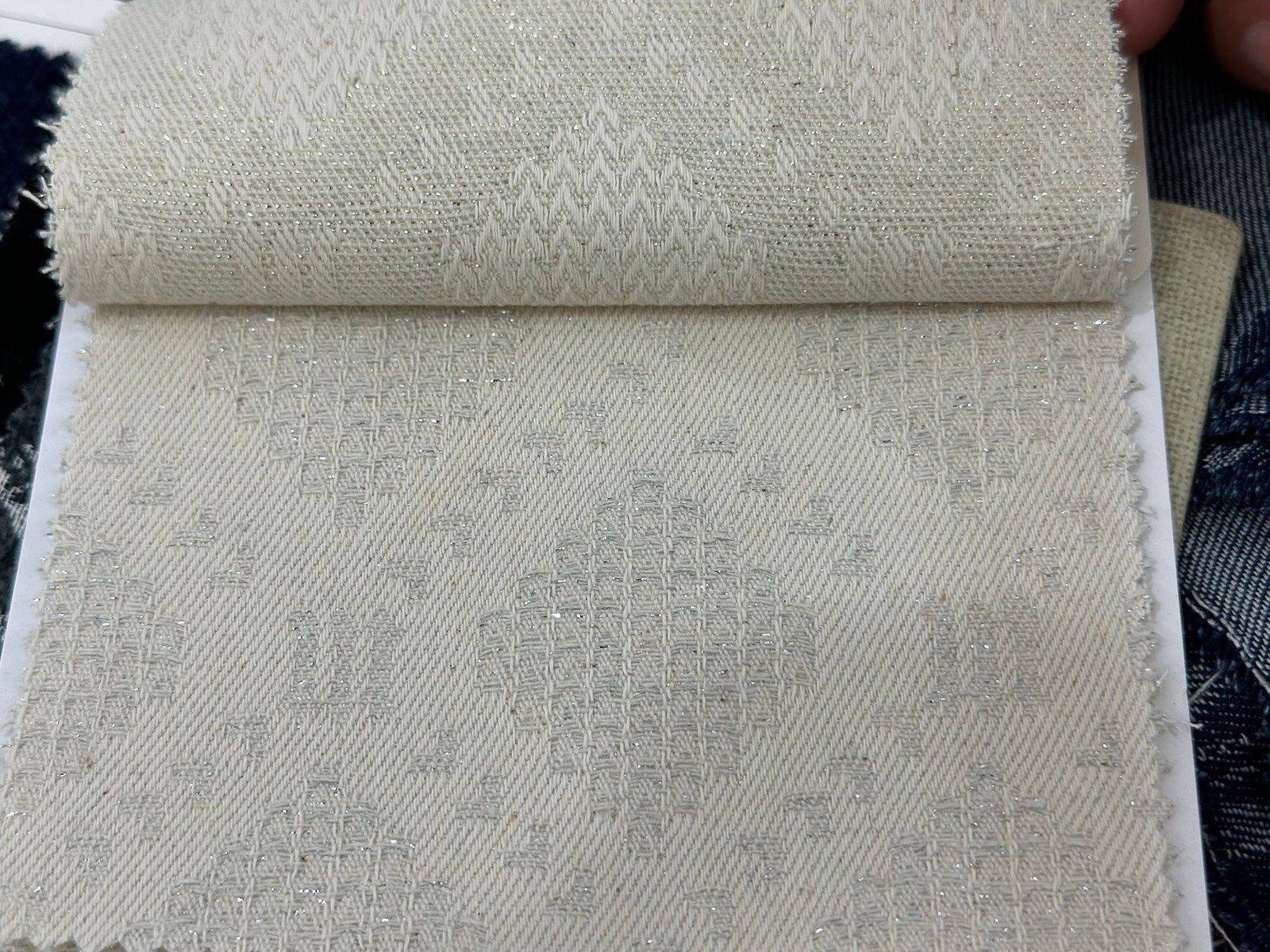
ผ้าเดนิมแจ็คการ์ด: เทรนด์สำคัญสำหรับการสร้างความแตกต่าง
หนึ่งในกลุ่มที่เติบโตเร็วที่สุดในช่วงไม่กี่ปีที่ผ่านมาคือ ผ้าเดนิมแจ็คการ์ด.
อะไรทำให้ผ้าเดนิม Jacquard แตกต่าง
ผ้าแจ็กการ์ดเดนิมผสมผสานโครงสร้างของผ้าเดนิมที่คุ้นเคยเข้ากับความซับซ้อนของการทอผ้าแจ็กการ์ด แทนที่จะมีพื้นผิวเรียบและสม่ำเสมอ กลับมีลวดลายโดยตรงในโครงสร้างของเดนิม
สิ่งนี้สร้าง:
- ความลึกของภาพที่แข็งแกร่งยิ่งขึ้น
- เนื้อผ้ามีเอกลักษณ์เฉพาะตัวเมื่อเทียบกับผ้าเดนิมมาตรฐาน
- มูลค่าการรับรู้ที่สูงขึ้น

การประยุกต์ใช้งานใน Modern Collections
ผ้าแจ๊คการ์ดเดนิมถูกนำมาใช้มากขึ้นใน:
- เสื้อฮู้ดและเสื้อสเวตเตอร์
- แจ็คเก็ตและแจ๊กเก็ต
- คอลเลกชันที่ได้แรงบันดาลใจจากชุดทำงาน
- สตรีทลดลง


เหตุใดแบรนด์ต่างๆ จึงยอมรับมัน
จากมุมมองของ B2B การอุทธรณ์มีความชัดเจน:
- ช่วยแยกแยะผลิตภัณฑ์จากเดนิมในตลาดมวลชน
- รองรับการเล่าเรื่องผ่านการออกแบบผ้า
- เพิ่มมูลค่าโดยไม่ต้องพึ่งงานพิมพ์หนักๆ
ตัวเลือกการปรับแต่งสำหรับผ้า Cotton Jacquard
สำหรับผู้ซื้อ B2B ส่วนใหญ่ การปรับแต่งถือเป็นปัจจัยที่สำคัญที่สุด
การพัฒนารูปแบบที่กำหนดเอง
ซัพพลายเออร์สามารถสร้างการออกแบบผ้าแจ็คการ์ดที่ปรับแต่งเองได้อย่างเต็มที่โดยยึดตาม:
- โลโก้แบรนด์
- งานศิลปะหรือแนวคิดกราฟิก
- ระบบลวดลายซ้ำ
ช่วยให้แบรนด์ต่างๆ เป็นเจ้าของการออกแบบสิ่งทอสุดพิเศษได้
การปรับเส้นด้ายและวัสดุ
ผ้าแจ็คการ์ดผ้าฝ้ายสามารถพัฒนาได้โดยใช้:
- 100% ฝ้าย
- ผ้าฝ้ายผสม (เพื่อความทนทานหรือยืดได้)
- การผสมผสานเส้นด้ายหลายสี
ความยืดหยุ่นนี้ช่วยจับคู่ประสิทธิภาพและเป้าหมายต้นทุน
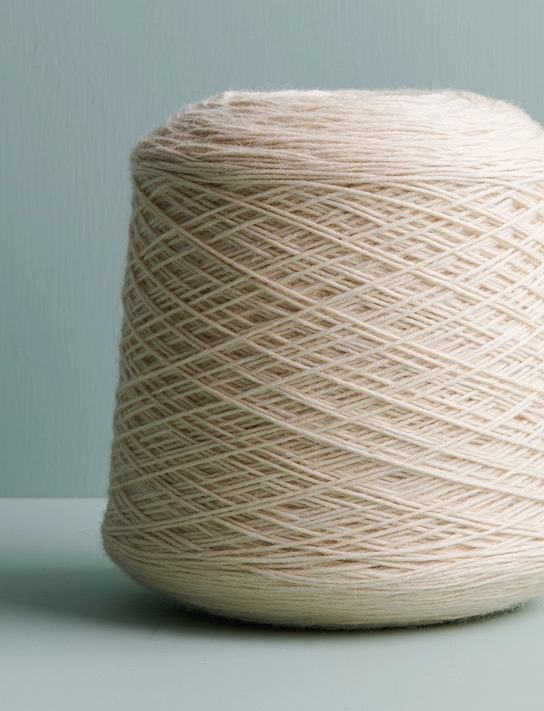
เส้นด้าย
น้ำหนักและความหนาแน่นของผ้า
GSM และความหนาแน่นสามารถปรับได้ขึ้นอยู่กับผลิตภัณฑ์ขั้นสุดท้าย:
- นุ่มและเบากว่าสำหรับชุดลำลอง
- หนาแน่นและหนักกว่าสำหรับเสื้อผ้าที่มีโครงสร้าง

ตัวเลือกการตกแต่ง
หลังจากการทอผ้า การตกแต่งเพิ่มเติมสามารถปรับปรุงเนื้อผ้าได้:
- ซักเพื่อความนุ่มนวล
- การแปรงเพื่อเนื้อสัมผัส
- เคลือบเพื่อความทนทาน
คุณสมบัติหลักที่สำคัญสำหรับผู้ซื้อ B2B
เมื่อจัดหา ผ้าแจ็คการ์ดผ้าฝ้ายผู้ซื้อควรมุ่งเน้นไปที่ข้อได้เปรียบเชิงปฏิบัติ:
ความทนทานของรูปแบบในตัว
ลวดลายเป็นส่วนหนึ่งของโครงสร้างผ้า ทำให้ทนทานต่อการสึกหรอได้ดีกว่าการพิมพ์
เอกลักษณ์ทางภาพที่แข็งแกร่ง
ผ้าแจ็คการ์ดสร้างความลึกและพื้นผิวที่ช่วยยกระดับผลิตภัณฑ์ในทันที
การก่อสร้างที่ปรับแต่งได้
ตั้งแต่การเลือกเส้นด้ายจนถึงความหนาแน่น เกือบทุกด้านสามารถปรับได้
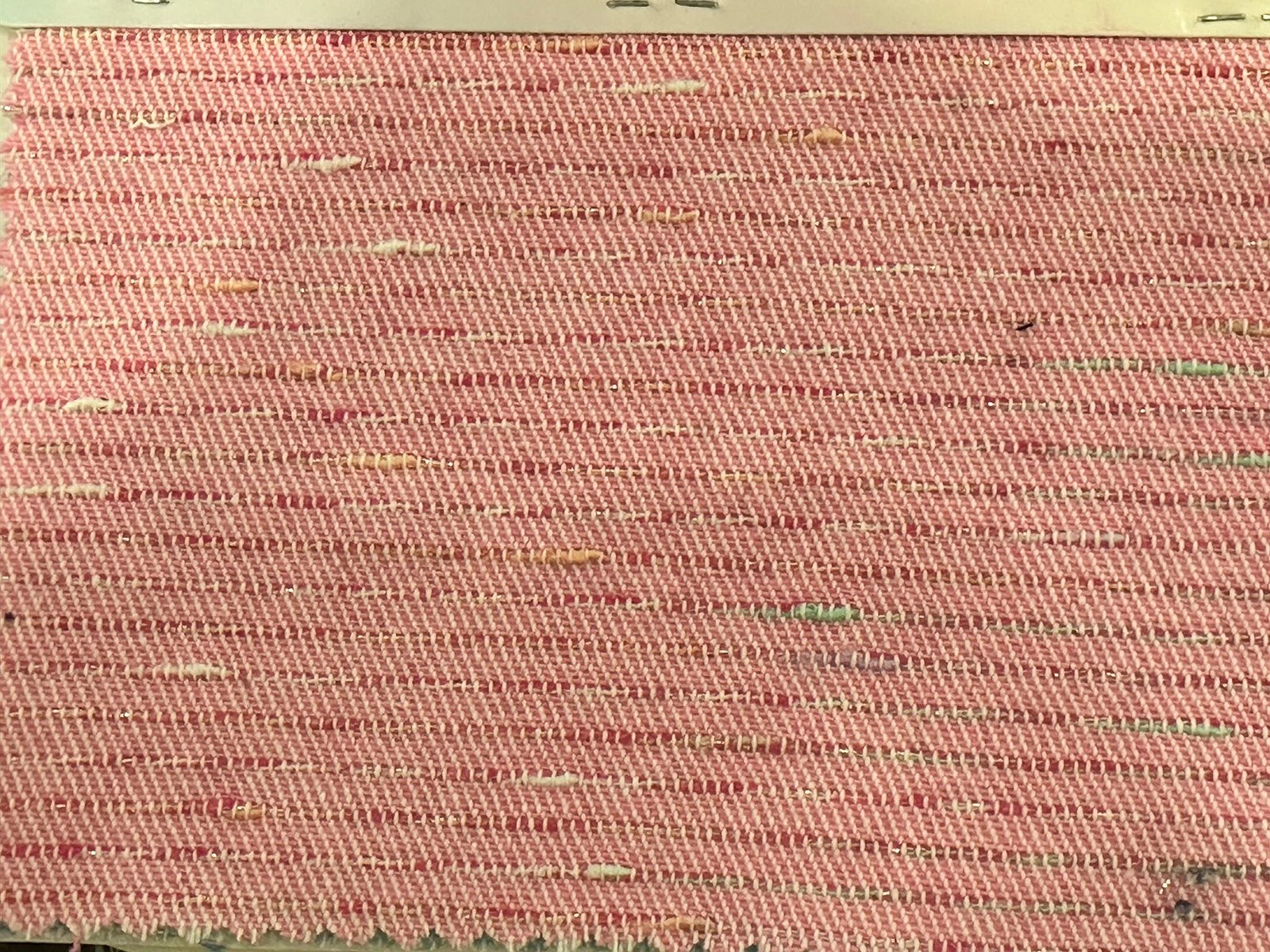
ผ้าเดนิมแจ็คควอด
ฐานผ้าถอดเปลี่ยนได้
ข้อได้เปรียบหลักประการหนึ่งที่มักถูกมองข้ามคือการออกแบบผ้าแจ็คการ์ดแบบเดียวกันสามารถพัฒนาบนผ้าฐานที่แตกต่างกันได้:
- ผ้าฝ้าย
- เดนิม
- ผ้าฝ้ายผสม
ช่วยให้แบรนด์ต่างๆ สามารถรักษาความสอดคล้องในการออกแบบในขณะที่ปรับตัวเข้ากับกลุ่มผลิตภัณฑ์ที่แตกต่างกัน
การใช้งานทั่วไปสำหรับผู้ซื้อ B2B
ผ้าแจ๊คการ์ดผ้าฝ้ายมีการใช้กันอย่างแพร่หลายในหลายภาคส่วน:
เครื่องแต่งกายแบรนด์
- เสื้อฮู้ด
- แจ็คเก็ต
- คอลเลกชันเดนิม
นักออกแบบและสตูดิโอ
- คอลเลกชันแคปซูล
- การออกแบบรุ่นจำกัด
ผู้ผลิตและผู้ค้าส่ง
- การผลิตจำนวนมาก
- โครงการ OEM/ODM
คลังสินค้า
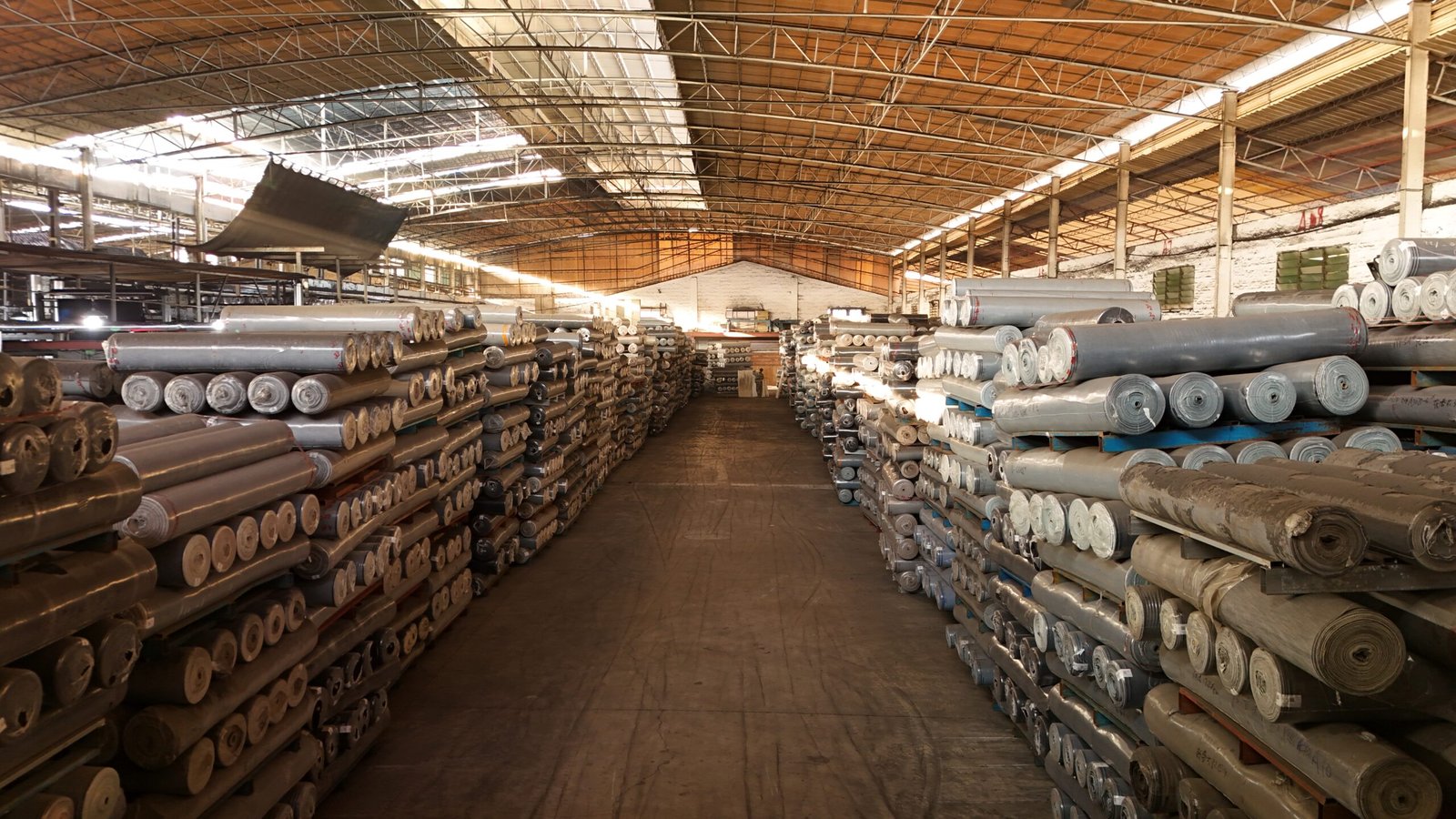
กระบวนการพัฒนาตัวอย่าง
ขั้นตอนการจัดหาโดยทั่วไปประกอบด้วย:
- ขอตัวอย่างผ้า
- ตรวจสอบเนื้อสัมผัส น้ำหนัก และลวดลาย
- พัฒนาตัวอย่างหากจำเป็น
- อนุมัติก่อนการผลิตจำนวนมาก
👉 แหล่งอ้างอิงการจัดหาผ้า:
https://lydenm.com
เคล็ดลับการซื้อเชิงปฏิบัติสำหรับลูกค้า B2B
- ขอตัวอย่างก่อนทำการสั่งซื้อจำนวนมากเสมอ
- ตัดสินใจตั้งแต่เนิ่นๆ ระหว่างตัวเลือกการปรับแต่งและตัวเลือกสำเร็จรูป
- สร้างความสมดุลระหว่างต้นทุนกับการสร้างความแตกต่างของผลิตภัณฑ์
- ทำงานร่วมกับซัพพลายเออร์ที่สนับสนุนการพัฒนาและการสื่อสาร
สรุป: ผ้าคอตตอนแจ็คการ์ดเป็นทางเลือกวัสดุเชิงกลยุทธ์
สำหรับผู้ซื้อ B2B ผ้าแจ็คการ์ดผ้าฝ้าย เป็นมากกว่าสิ่งทอ แต่เป็นเครื่องมือเชิงกลยุทธ์ในการสร้างความแตกต่างของผลิตภัณฑ์
ด้วยความสามารถในการผสมผสานการออกแบบ โครงสร้าง และการปรับแต่ง ช่วยให้แบรนด์ก้าวไปไกลกว่าโครงสร้างพื้นฐาน และสร้างผลิตภัณฑ์ที่มีเอกลักษณ์และมูลค่าที่แข็งแกร่งยิ่งขึ้น
ไม่ว่าคุณจะเลือกการปรับแต่งทั้งหมดหรือปรับเปลี่ยนการออกแบบที่มีอยู่ สิ่งสำคัญคือเข้าหาการจัดหาด้วยความชัดเจนและกระบวนการที่มีโครงสร้าง
❓ คำถามที่พบบ่อย: ผ้าคอตตอน แจ็คการ์ด
ผ้า jacquard ผ้าฝ้ายสามารถปรับแต่งได้อย่างเต็มที่หรือไม่?
ใช่ สามารถปรับแต่งรูปแบบ เส้นด้าย สี และน้ำหนักผ้าได้
MOQ สำหรับผ้า jacquard แบบกำหนดเองคืออะไร?
ขึ้นอยู่กับความซับซ้อนของลวดลายและการตั้งค่าเครื่องทอผ้า แต่มักจะสูงกว่าผ้ามาตรฐาน
ผ้าแจ็คการ์ดเดนิมเหมาะกับแบรนด์แฟชั่นสมัยใหม่หรือไม่?
ใช่ มีการใช้กันอย่างแพร่หลายในเสื้อผ้าแนวสตรีทและคอลเลกชันระดับพรีเมียม
ฉันสามารถปรับเปลี่ยนผ้าแจ็คการ์ดที่มีอยู่แทนที่จะสร้างผ้าใหม่ได้หรือไม่?
ใช่ นี่เป็นแนวทางที่รวดเร็วและคุ้มค่ากว่า
การสุ่มตัวอย่างใช้เวลานานเท่าใด?
โดยปกติจะใช้เวลา 5-15 วัน ขึ้นอยู่กับความซับซ้อน
บริการปรับแต่งโดย LYDENIM
🎨 การออกแบบเฉพาะตามความต้องการ
ออกแบบคอลเลกชันผ้าหรือเสื้อผ้าของคุณเองด้วยวัสดุระดับพรีเมียมจาก LY Denim ไม่ว่าจะเป็นส่วนผสมฝ้ายหรูหรา หรือผ้าที่เป็นมิตรต่อสิ่งแวดล้อมและมีความสร้างสรรค์ ลองสำรวจสี สไตล์การพันผ้า และเทคนิคการตกแต่งที่เข้ากันได้อย่างลงตัวกับแบรนด์หรือแนวคิดการออกแบบของคุณ รับชมเพิ่มเติมได้ที่ ลีเดนิม เพื่อเรียนรู้เพิ่มเติม
🛍️ โซลูชั่นเสื้อผ้าตัดเย็บตามสั่ง
มอบความเป็นจริงให้กับการออกแบบของคุณผ่านบริการผลิตเสื้อผ้าตามคำสั่งเฉพาะของเรา ไม่ว่าจะเป็นชุดสูทที่ตัดพอดี ชุดเดรสสไตล์หรู หรือเสื้อผ้าทำงานที่ทนทาน เราให้ความมั่นใจในความพอดีอย่างสมบูรณ์ ความสบายระดับพรีเมียม และคุณภาพที่ยั่งยืน สำรวจตัวเลือกการปรับแต่งได้ที่ มายอาลีบาบา
📩 ติดต่อเราได้เลย
คุณมีโครงการใดๆ ที่สนใจไหม? กรุณาติดต่อทีมของเราที่ Malone@lydenim.com เพื่อหารือเกี่ยวกับผ้าที่ออกแบบเฉพาะ การออกแบบเสื้อผ้า หรือแนวทางการผลิตสิ่งทออย่างยั่งยืน
เปลี่ยนไอเดียของคุณให้กลายเป็นความจริงด้วย LY Denim — ผู้ร่วมทางที่เชื่อถือได้ในด้านผ้าคุณภาพสูงที่มีนวัตกรรม และโซลูชันเสื้อผ้าที่ออกแบบเฉพาะตามความต้องการ
รายการตรวจสอบการจัดหาผ้าฝ้าย Jacquard
การจัดหาผ้าฝ้ายแจ็คการ์ดควรเริ่มต้นด้วยบรีฟที่พร้อมสำหรับการผลิต ไม่ใช่แค่ภาพลักษณ์ที่สร้างแรงบันดาลใจเท่านั้น ผู้ซื้อควรกำหนดองค์ประกอบของเส้นใย, GSM, สีของเส้นด้าย, รูปแบบซ้ำ, ความกว้างของผ้า, ความรู้สึกมือ, การใช้งาน และปริมาณการสั่งซื้อที่คาดหวัง ก่อนที่จะขอตัวอย่าง
ซัพพลายเออร์ผ้าแจ็คการ์ดผ้าฝ้ายที่ดีควรจะสามารถอธิบายความเป็นไปได้ของรูปแบบ ระยะเวลาการหยุดตัวอย่าง ขั้นต่ำ ระยะเวลาดำเนินการ และมาตรฐานการตรวจสอบจำนวนมาก สิ่งนี้สำคัญอย่างยิ่งเมื่อรูปแบบแจ็คการ์ดมีโลโก้ รูปทรงที่ซับซ้อน เส้นด้ายหลากสี หรือการจัดวางแผงเสื้อผ้า
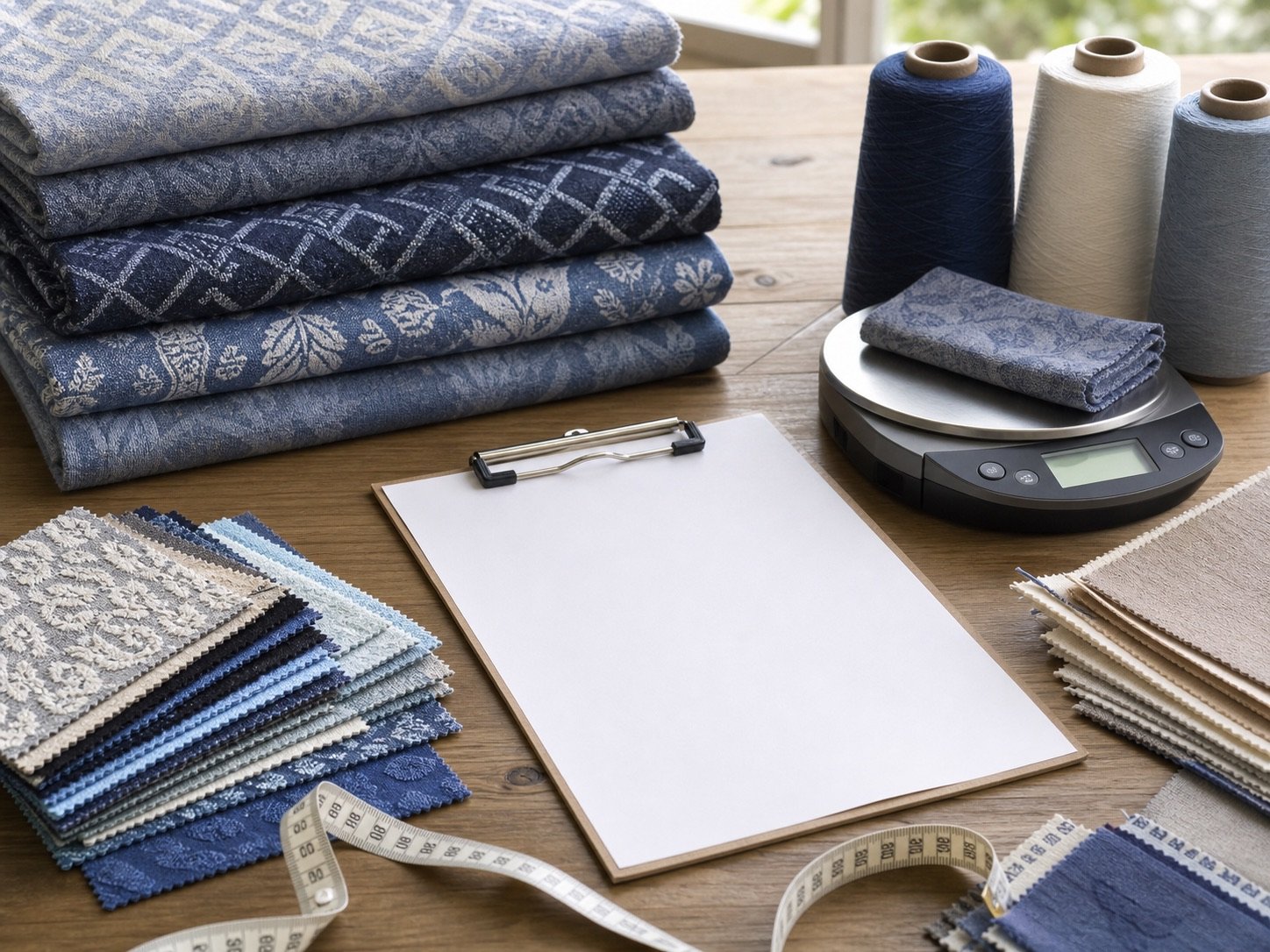
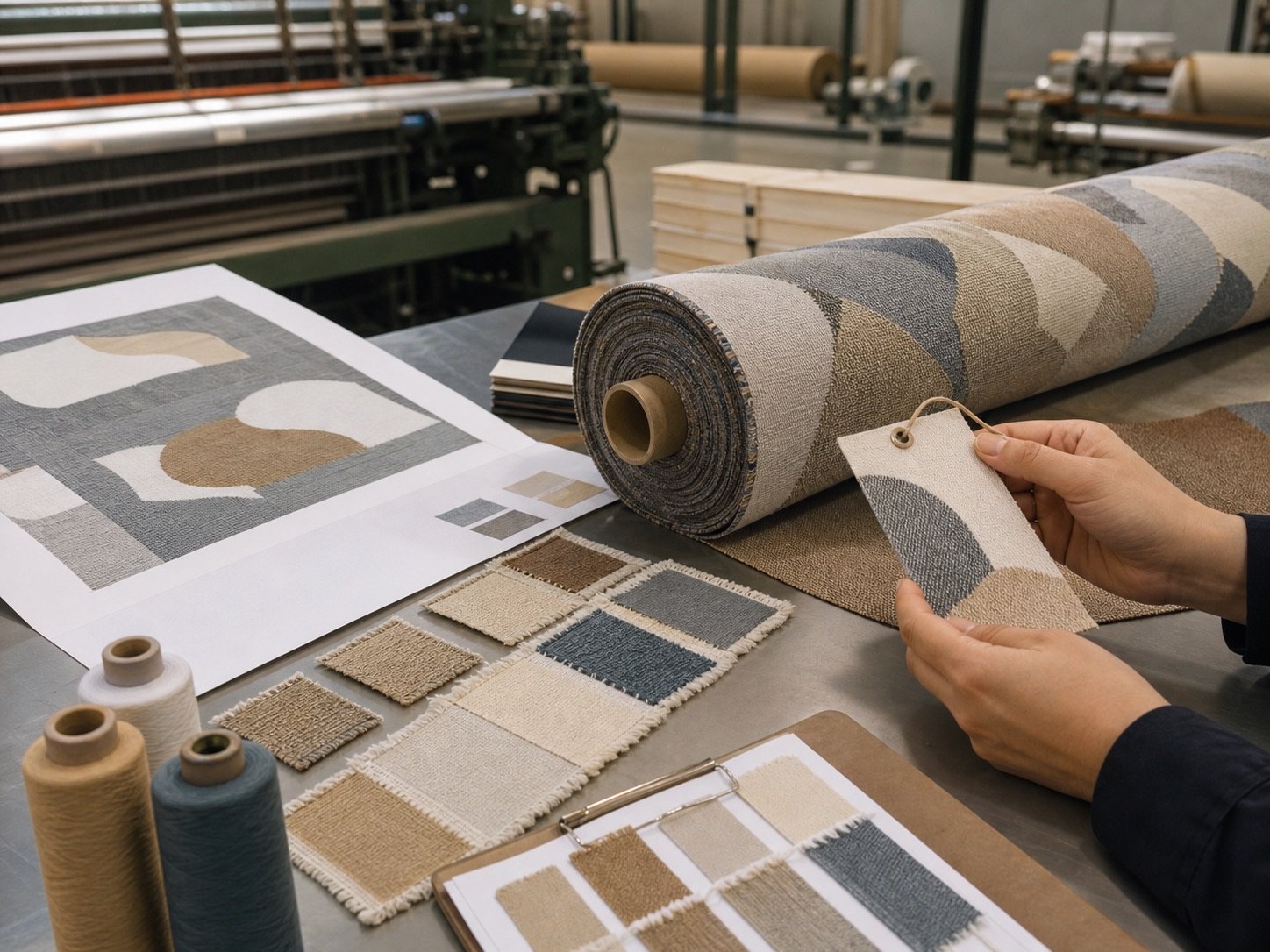
ตารางสรุปฝ้าย Jacquard
| รายการสั้นๆ | ตัวอย่าง | เหตุใดจึงช่วยเสนอราคา |
|---|---|---|
| การประยุกต์ใช้ | เสื้อแจ็คเก็ต กระโปรง กางเกง กระเป๋า หรือสิ่งทอที่บ้าน | ซัพพลายเออร์สามารถแนะนำน้ำหนักและโครงสร้างได้ |
| ทำซ้ำรูปแบบ | การทำซ้ำเล็กน้อย การทำซ้ำขนาดใหญ่ การทำซ้ำโลโก้หรือแถบ | ควบคุมการตั้งค่าเครื่องทอผ้าและประสิทธิภาพการตัด |
| การประพันธ์ | ผ้าฝ้าย 100% ผ้าฝ้ายผสม ผ้าฝ้ายลินินหรือผ้ายืดผสม | ส่งผลต่อสัมผัสมือ การหดตัว และราคา |
| แผนตัวอย่าง | งานศิลปะ การนัดหยุดงาน ระยะตัวอย่าง และล็อตจำนวนมาก | ชี้แจงต้นทุน ระยะเวลา และมาตรฐานการอนุมัติ |
ใช้รายการตรวจสอบนี้ก่อนสอบถามราคา ข้อมูลสรุปที่ชัดเจนยิ่งขึ้นช่วยให้ซัพพลายเออร์มีข้อมูลที่เพียงพอในการตัดสินความเป็นไปได้ของเครื่องทอผ้า ต้นทุนการสุ่มตัวอย่าง ปริมาณขั้นต่ำ (MOQ) และเวลารอคอยสินค้าที่เป็นจริง
หน้าที่เกี่ยวข้อง: ตรวจสอบ คู่มือผ้าเดนิม jacquard, เปรียบเทียบ เดนิม Jacquard สีหรือตรวจสอบ การประเมินซัพพลายเออร์ผ้าแจ็คการ์ด.
คำถามที่พบบ่อย
สามารถปรับแต่งให้เหมาะกับแบรนด์หรือคอลเลกชันของฉันได้หรือไม่?
ใช่ ส่งใบสมัคร รูปภาพอ้างอิง คุณภาพเป้าหมาย ปริมาณ และข้อกำหนดของตลาด เพื่อให้ซัพพลายเออร์สามารถแนะนำตัวเลือกผ้า เครื่องแต่งกาย หรือการตกแต่งที่เหมาะสมได้
ฉันควรส่งข้อมูลอะไรบ้างก่อนที่จะขอใบเสนอราคา?
จัดเตรียมประเภทผลิตภัณฑ์ ผ้าหรือเทคนิคเป้าหมาย ทิศทางสี ความต้องการตัวอย่าง ปริมาณ ประเทศปลายทาง และระยะเวลารอคอยสินค้าที่คาดหวัง
ฉันควรขอตัวอย่างก่อนการผลิตจำนวนมากหรือไม่
ใช่ ตัวอย่างและระยะตัวอย่างจะช่วยลดความเสี่ยงก่อนสั่งซื้อจำนวนมาก โดยเฉพาะอย่างยิ่งเมื่อคุณภาพสี ความรู้สึกทางมือ การยืด พื้นผิว หรือการตกแต่งมีความสำคัญ
ฉันจะหลีกเลี่ยงปัญหาด้านคุณภาพในคำสั่งซื้อจำนวนมากได้อย่างไร
อนุมัติมาตรฐานตัวอย่างที่ชัดเจน กำหนดข้อกำหนดในการทดสอบ ยืนยันความคลาดเคลื่อน และเปรียบเทียบผลผลิตจำนวนมากกับตัวอย่างที่ได้รับอนุมัติก่อนจัดส่ง
ต้องการความช่วยเหลือในการเปลี่ยนสิ่งนี้ให้เป็นบรีฟการจัดหาที่พร้อมสำหรับการผลิตหรือไม่
ส่งสินค้าเป้าหมายของคุณ ทิศทางผ้า ปริมาณ และความต้องการตัวอย่าง LY Denim สามารถช่วยเปรียบเทียบตัวเลือกและเตรียมใบเสนอราคาได้