

Estimated reading time: ~2 minutes
Finding the Right US Denim Fabric Manufacturer: A Buyer’s Guide
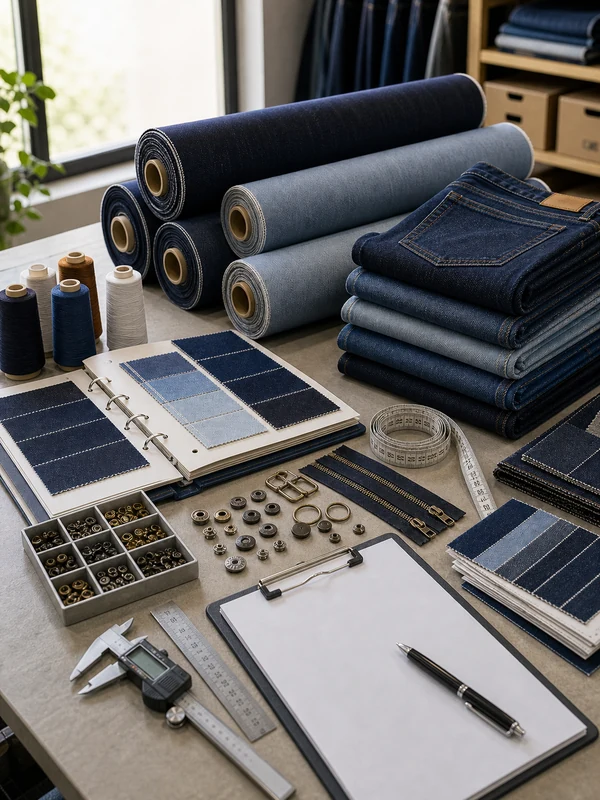
For buyers comparing denim fabric manufacturers USA, this guide explains how to review mill capability, MOQ, sampling flow, lead time, and supplier response before shortlisting partners. You can also review LYDENIM product options before preparing your RFQ. Verify whether a supplier actually produces denim domestically — many are converters, jobbers, or overseas agents. Then confirm fabric specs, sample quality, MOQs, and pre-bulk testing. This guide gives you a step‑by‑step process from research to approved sample, along with common sourcing traps to avoid.
What to Confirm First
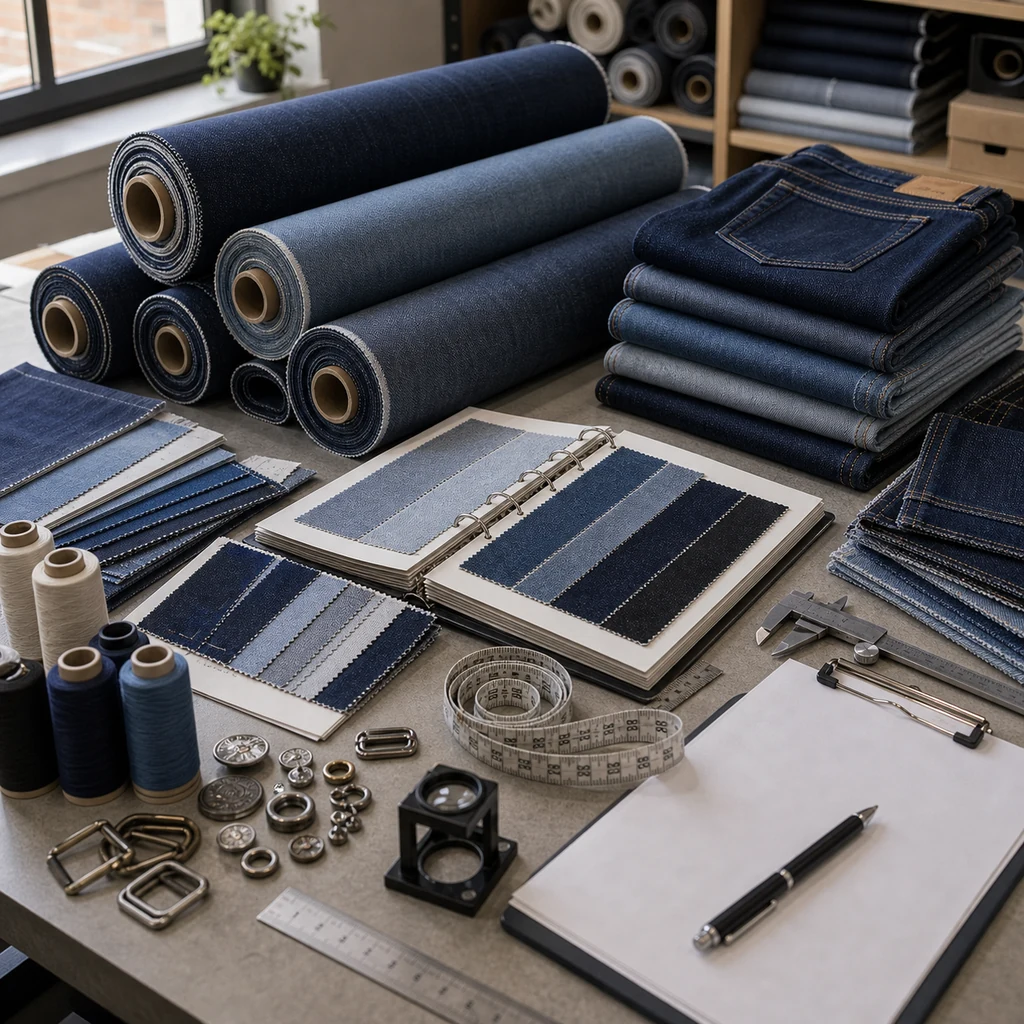
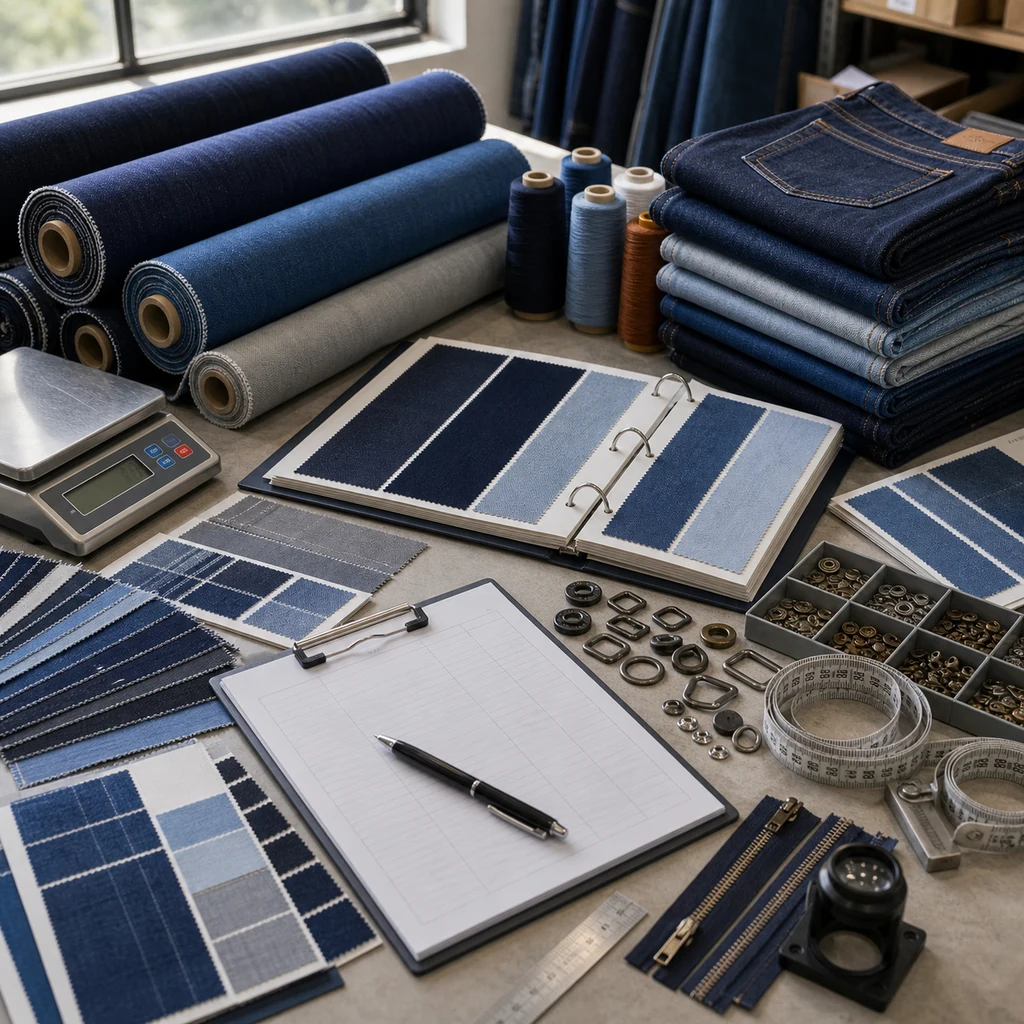
Lock down technical specs: fiber content, weight (oz/yd² or gsm), weave (e.g., 3/1 right‑hand twill), dye method (rope‑dye indigo, sulfur, piece‑dye), construction (ring‑spun, open‑end, slub), stretch percentage, and finish. Decide between stock yardage (lower MOQ but fixed color/hand) or custom development (typically 3,000–4,000 meters per color). Confirm whether the supplier is a true mill that weaves, dyes, and finishes under one roof. Ask directly: “Do you own and operate your own weaving and dyeing facility?”
Key Specification Table
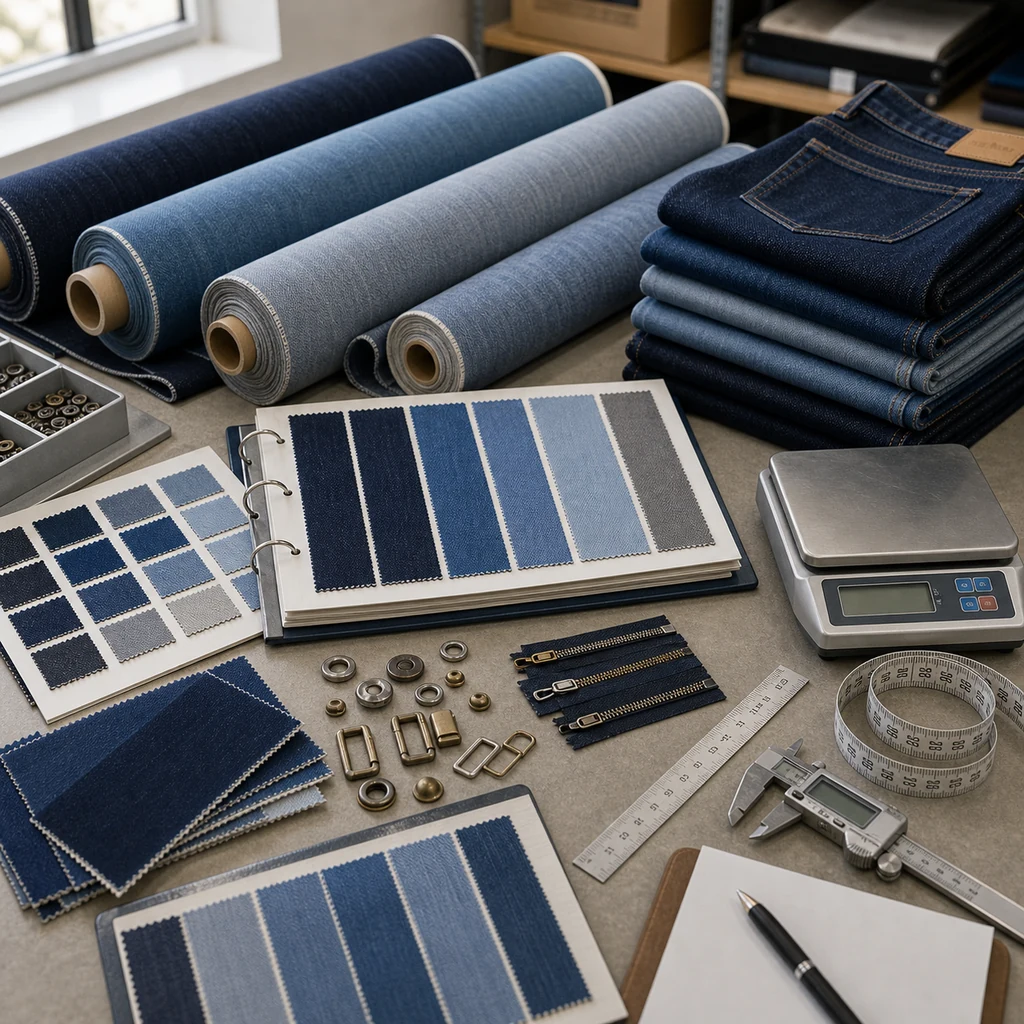
Record these attributes before comparing any denim supplier.
| Specification | What to Confirm | Why for Garment Performance |
|---|---|---|
| Fiber composition | Exact % cotton, polyester, elastane, etc. | Stretch, recovery, shrinkage |
| Weight | Finished oz/yd² or gsm | Drape, durability, seasonality |
| Weave type | Right-hand, left-hand, broken twill | Leg twist, texture, wash behavior |
| Stretch ratio | Elastane %, stretch % on warp/weft, recovery rate | Fit retention; low recovery = bagging |
| Dye method | Rope‑dye, slasher, sulfur, dips | Fade character, crocking risk |
| Finish | Sanforized, unsanforized, coated, etc. | Residual shrinkage; unsanforized needs grading |
| Shade reference | Lab-dip, shade band, or blanket swatch | Bulk approval must be against physical reference |
| Certified sustainability | GRS, OCS, OEKO‑TEX certificate numbers and expiry | Evidence for your brand claims, not just marketing |
Sample & Quality Control
Always request a hand‑feel swatch, then sample yardage (3–5 yards) and wash it as your jeans will be washed. Check:
- Shrinkage:
(before − after) / before × 100%. Sanforized denim typically <3% residual shrinkage. - Stretch recovery: Mark 10 cm, stretch, measure permanent set after 1 hour.
- Colorfastness & crocking: Rub dry and damp white cloths; excessive wet transfer is a complaint risk.
Insist on a production blanket or shade band for final bulk approval, and agree on shade alternates and tolerances before signing the PO.
Common Mistakes
- Not verifying if the “US manufacturer” is a mill, converter, or trading company.
- Judging fabric off‑the‑bolt, not after a full wash cycle.
- Assuming a sample‑loom swatch will match high‑speed production loom results. Ask: “Will bulk run on the same loom type and yarn scale?”
- Choosing low‑MOQ stock fabrics without understanding color/weight lock‑in and reorder mismatch risks.
- Accepting sustainability claims without current certificate IDs and scope documents.
Fast Quote Checklist
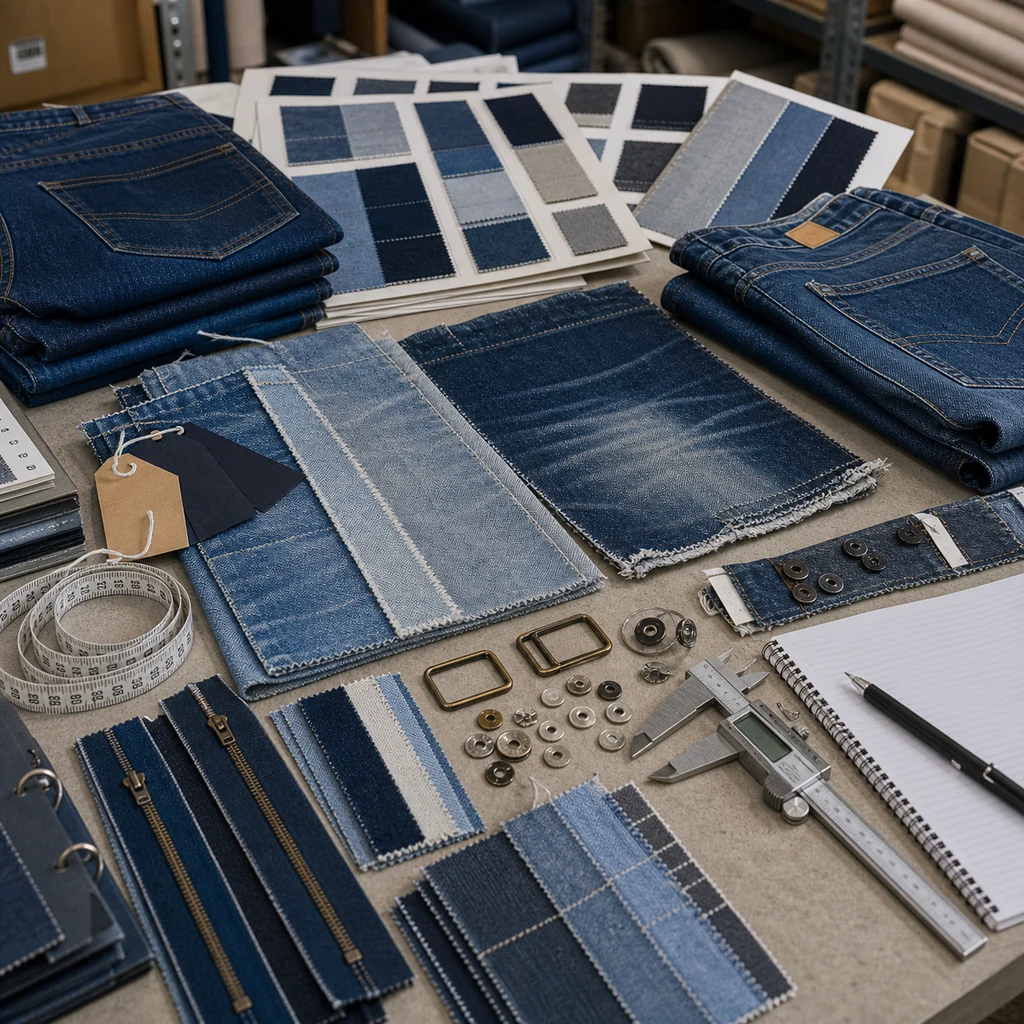
Send this complete brief to get a realistic quotation:
- Fiber composition
- Target weight (± tolerance)
- Weave type and surface interest (slub, crosshatch, neppy)
- Stretch requirement and recovery rate
- Dye method preference
- Desired finish
- Sample yardage, lead time, and fee expectation
- Bulk yardage per color / total colors
- Delivery window
- Required certifications (GRS, OCS, OEKO‑TEX, etc.)
Questions to Ask Your Denim Supplier
- Do you own and operate your weaving and dyeing facility, or do you source greige from others?
- Can I see a production blanket or shade band before bulk cutting? How many shade alternates do you provide?
- For custom denim, what is the MOQ per color / total order, and which stage drives the minimum?
- What are your standard tolerances for shrinkage, stretch recovery, and colorfastness (home and commercial wash)?
- Will bulk fabric use the same loom type and yarn supplier as the approved sample?
- Provide current certificate numbers with expiry for any sustainable/organic cotton claims.
FAQ
How can a small brand find a reliable manufacturer?
Verify through fabric samples, clear MOQ terms, and transparent communication. A supplier that honestly explains both capabilities and limitations is more dependable.
What denim should a startup choose for custom jeans?
12–14 oz denim is a safe starting point. Final choice depends on cotton content, stretch, shrinkage, wash effect, fit, and price positioning.
What goes into a denim tech pack?
Flat sketches, size chart, POM chart, fabric specs, trim details, wash instructions, construction notes, label/packaging requirements, and measurement tolerances.
How to verify sustainable fabric claims?
Request valid certificate numbers, scope documents, and expiry dates for GRS, OCS, OEKO‑TEX, or BCI. Generic statements without a certificate ID are not verifiable.
Why do samples look good but bulk fails?
Samples may be woven on different looms, tension, or dye lots. Always compare a pre‑production sample from the actual production run, and agree on tolerance limits in writing.
Conclusion
Selecting a US denim manufacturer comes down to supplier verification, clear specs, disciplined sampling, and refusing to skip pre‑bulk testing. Document every expectation in your tech pack and sample approval record. The right partner repeats your quality at scale and communicates honestly about limitations. Send your fabric brief to verified mills and compare their responses before placing your first order.
Conclusion
Use the article checklist, sample requirements, and supplier questions to confirm the next practical procurement step before moving into quotation or production.
Customization Services by LYDENIM
🎨 Custom Design
Design your own fabric collection or garment with LYDENIM’s premium materials. From luxurious cotton blends to innovative eco-friendly textiles, explore colors, weaves, and finishes that match your brand’s product direction. Visit LYDENIM to learn more.
🛍️ Tailored Garment Solutions
Bring your designs to life with custom garment services. Whether you are developing jeans, denim jackets, skirts, workwear, or small-batch fashion collections, LYDENIM can support fit, comfort, durability, and production planning. Explore customization options on My Alibaba.
📩 Get in Touch
Have a project in mind? Contact our team at malone@lydenim.com to discuss custom fabrics, garment design, low-MOQ sampling, or sustainable textile solutions.
Transform your ideas into reality with LYDENIM–your trusted partner for innovative, high-quality fabrics and bespoke apparel solutions.
Need help turning this into a production-ready sourcing brief?
Send your target product, fabric direction, quantity and sample needs. LY Denim can help compare options and prepare a quote.