


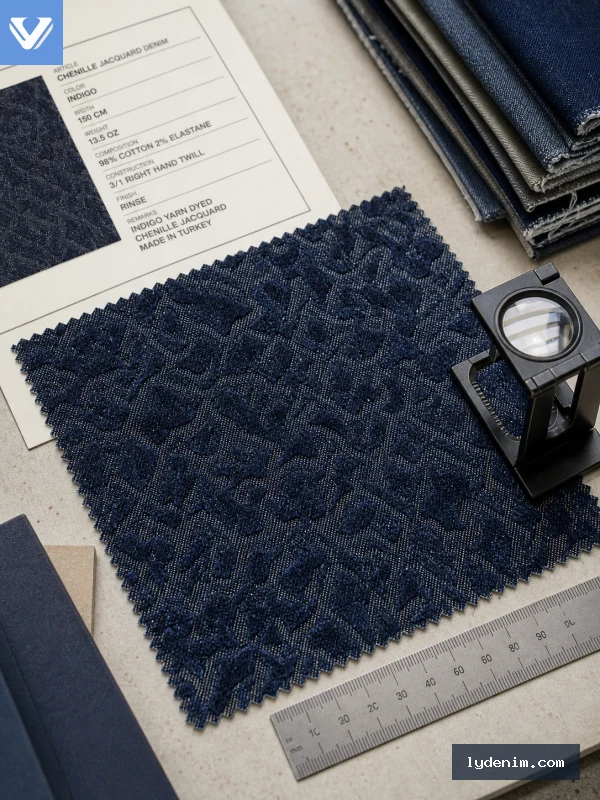
Estimated reading time: ~6 minutes
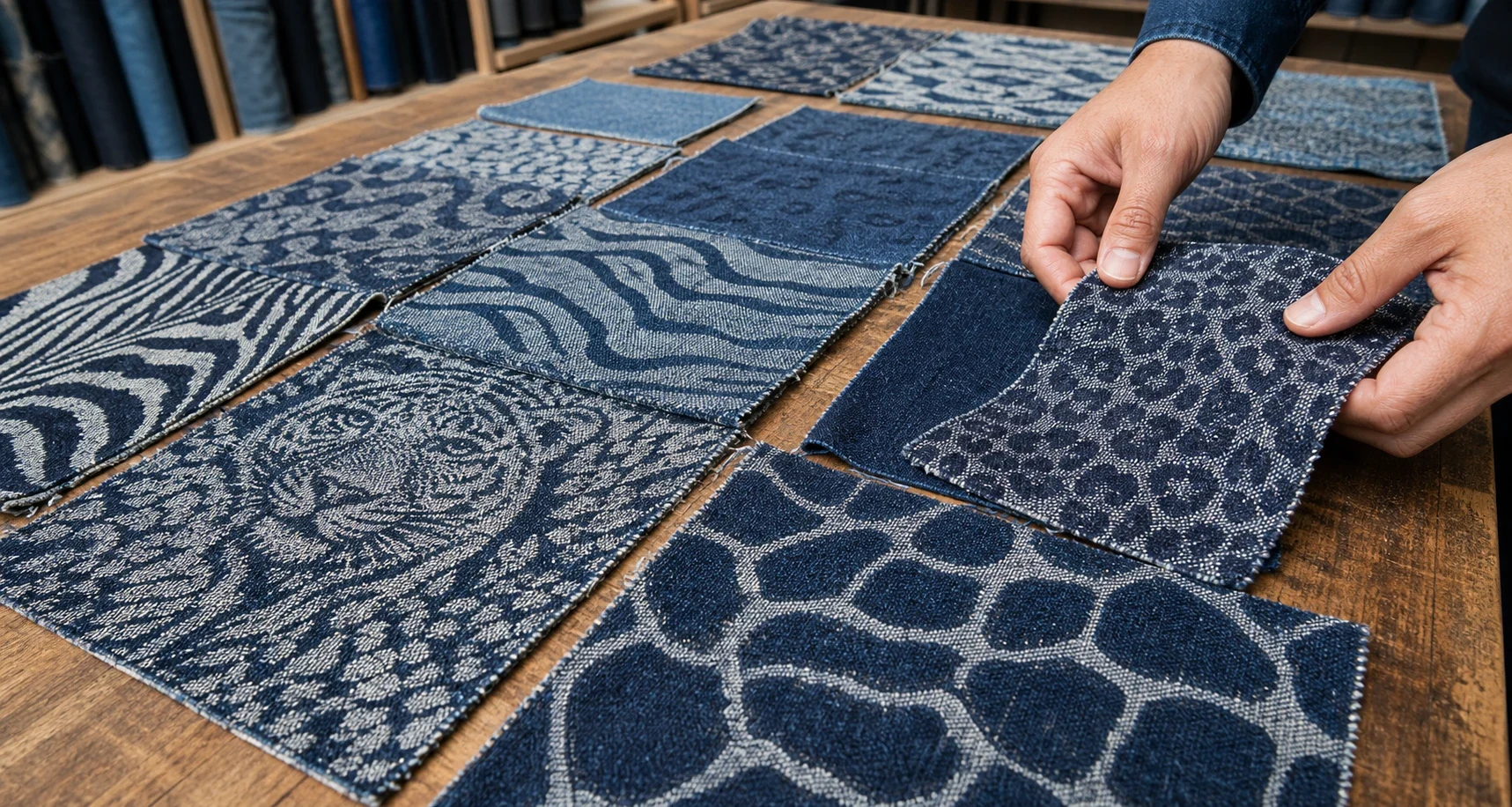
Animal jacquard denim attracts attention because it combines a recognizable motif story with the depth of woven denim. But from a sourcing perspective, the first decision is not whether animal inspiration is fashionable. The first decision is what kind of animal direction the collection actually needs: literal, abstract, tonal, or high-contrast. Each one changes repeat scale, risk level, and ownership questions.
For B2B buyers, animal jacquard denim should be briefed as a motif-development project rather than a simple pattern order. The visual language, exclusivity request, garment panel size, and wash route all affect whether the final fabric looks premium or messy. If those variables stay vague, sampling can drift toward either a copy risk or an unworkable production result.
Buyer Summary
- Animal jacquard denim weaves the motif into the fabric, which gives more depth than print but requires stronger repeat control.
- Buyers should decide early whether the direction is literal, abstract, tonal, or high-contrast.
- Garment size and panel space influence how readable the motif will be.
- Artwork ownership and exclusivity need explicit commercial discussion before development starts.
- Wash approval is important because contrast and motif clarity can shift after processing.
What Animal Jacquard Denim Is
Animal jacquard denim uses woven structure to create an animal-inspired motif inside the fabric. The motif may suggest leopard, zebra, butterfly, reptile, or a more abstract organic direction, but it is formed through yarn and weave rather than added as a flat graphic. That woven approach usually creates more depth and better material identity, which is why it can work well for fashion-led denim collections.
From a sourcing perspective, buyers should think beyond the motif name. The real issue is how obvious the motif should be, how often it repeats, and whether it must look proprietary. Those choices affect cost, development time, and QC standards.
Leopard, Zebra, Butterfly, and Abstract Directions
Animal jacquard is not one visual family. A sourcing brief becomes stronger when the buyer names the desired direction clearly.
| Direction | Visual result | Best use | Main caution |
|---|---|---|---|
| Literal animal motif | Strong recognition and commercial clarity | Statement jackets, special programs, bold sets | Higher copy risk and stricter motif approval |
| Abstract animal rhythm | Suggestive rather than direct | Wider category use and safer originality | Can become too generic if the rhythm is weak |
| Tonal animal jacquard | Subtle luxury effect | Premium shirts, jackets, or fashion denim | Motif may disappear if wash is too heavy |
| High-contrast animal jacquard | Strong visual impact | Capsule collections and trend-led launches | Contrast loss after wash can change the concept |
Buyers do not always need the most literal direction. In many B2B programs, an abstract or tonal animal rhythm is easier to commercialize because it feels original while still delivering the right energy.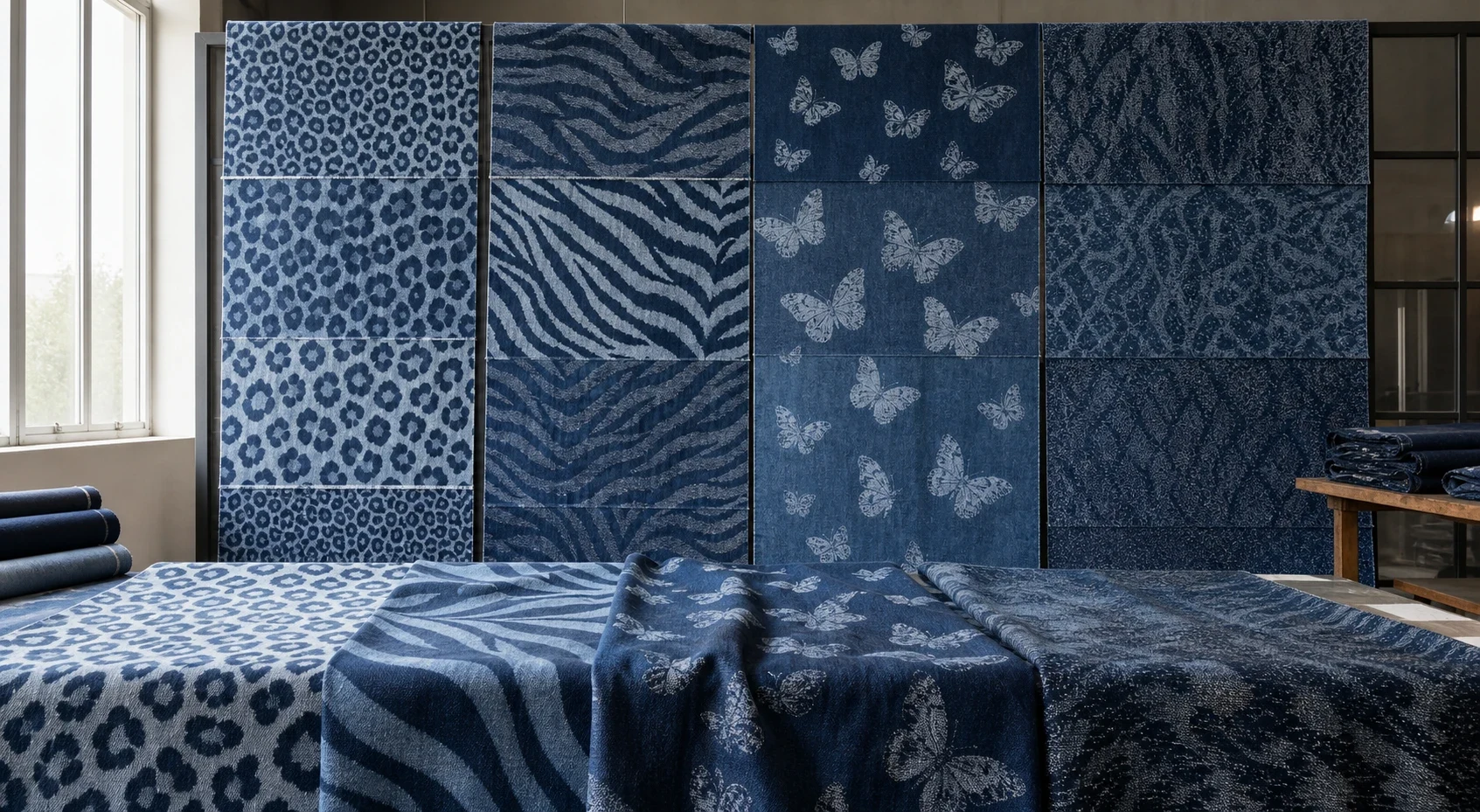
Literal Versus Abstract Design Choices
The more literal the motif, the more care is needed around ownership, brand reference, and garment scale. A literal zebra stripe may look strong in development, but if the garment panels are small or heavily broken by seams, the motif can become confusing. Abstract animal directions are often more forgiving because they carry the mood without depending on perfect recognition.
A practical decision framework is:
- Use literal motifs when the pattern is meant to be the hero element.
- Use abstract motifs when the collection needs versatility and safer originality.
- Use tonal contrast when the buyer wants texture and depth more than overt animal identity.
- Use higher contrast only if the wash route can preserve line definition.
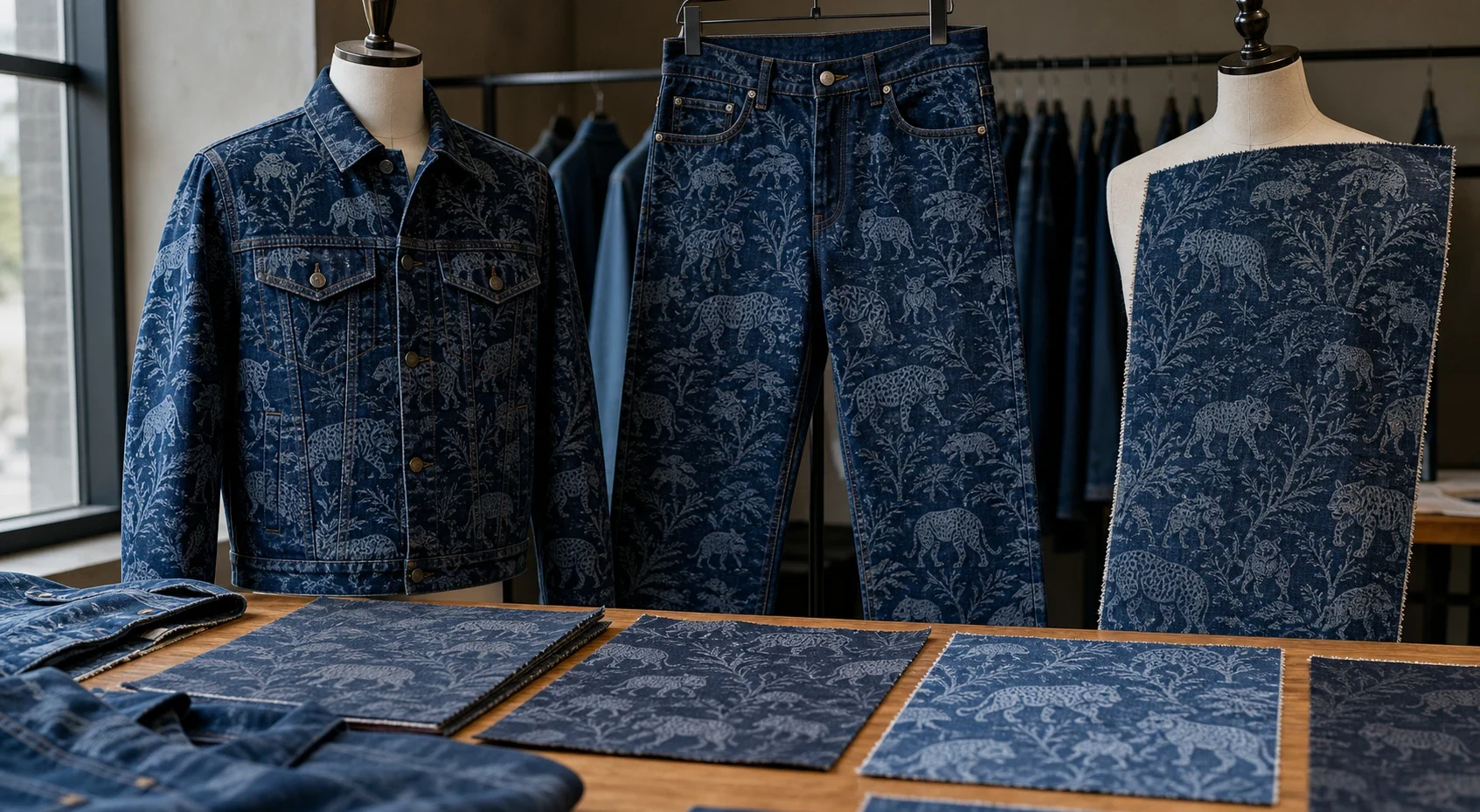
Repeat Scale by Garment and Panel Size
Animal jacquard becomes much more convincing when the motif scale fits the garment.
| Garment type | Safer motif scale | Why |
|---|---|---|
| Shirts and smaller tops | Small to medium | Keeps the motif readable without overwhelming the panel |
| Jackets and overshirts | Medium to large | Gives the motif room to express shape and depth |
| Skirts and dresses | Medium | Good balance of visibility and placement flexibility |
| Jeans and bottoms | Small to medium | Large motifs can break awkwardly around pockets and seat panels |
If a buyer wants a strong placed effect, they should say so early. Otherwise the supplier may optimize for all-over repeat and the garment may never achieve the intended statement look.
Artwork Ownership, Exclusivity, and Sampling
Animal-inspired design often raises ownership concerns. Buyers should never assume exclusivity unless it is negotiated clearly. Questions worth addressing before development include:
- Is the motif developed from buyer artwork, supplier artwork, or a shared reference?
- Is exclusivity required by market, time period, or global usage?
- Will the supplier modify the motif enough to avoid direct resemblance to an existing branded design?
- Is the quotation for open sampling only, or for exclusive development?
These questions protect both the buyer and the supplier. They also reduce the risk of approving a fabric that later becomes commercially awkward.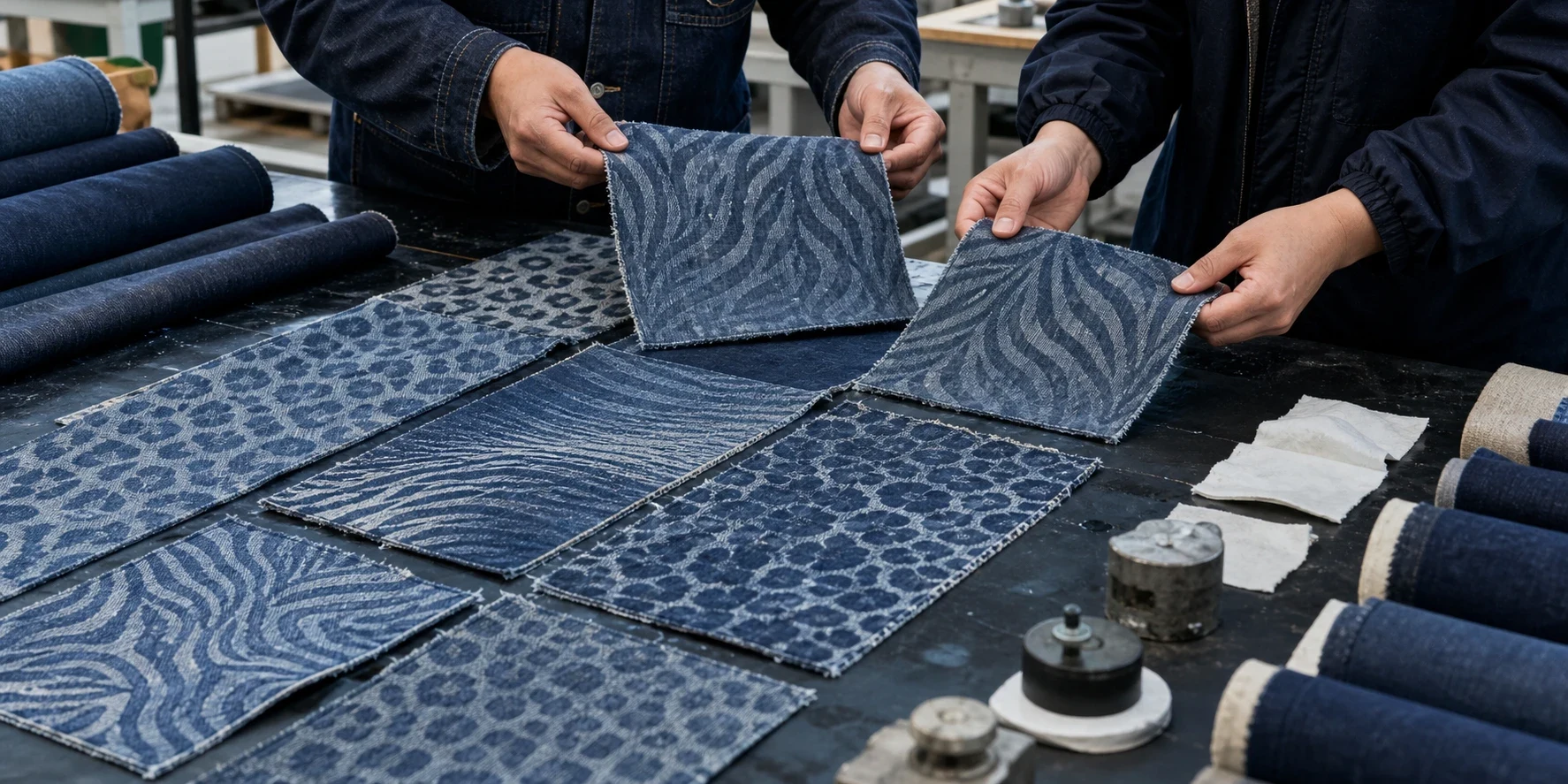
Wash Behavior and Bulk QC
Animal jacquard often relies on contrast and contour clarity. Wash can soften that contrast, which may help some tonal programs but weaken sharper patterns. Buyers should check:
- pre-wash and post-wash clarity
- line break or blur after processing
- shrinkage that changes motif proportions
- shade variation that changes the visibility of the design
- bulk consistency from roll to roll
The approval standard should define what level of softening is acceptable. Without that note, buyers and mills may look at the same washed sample and reach different conclusions.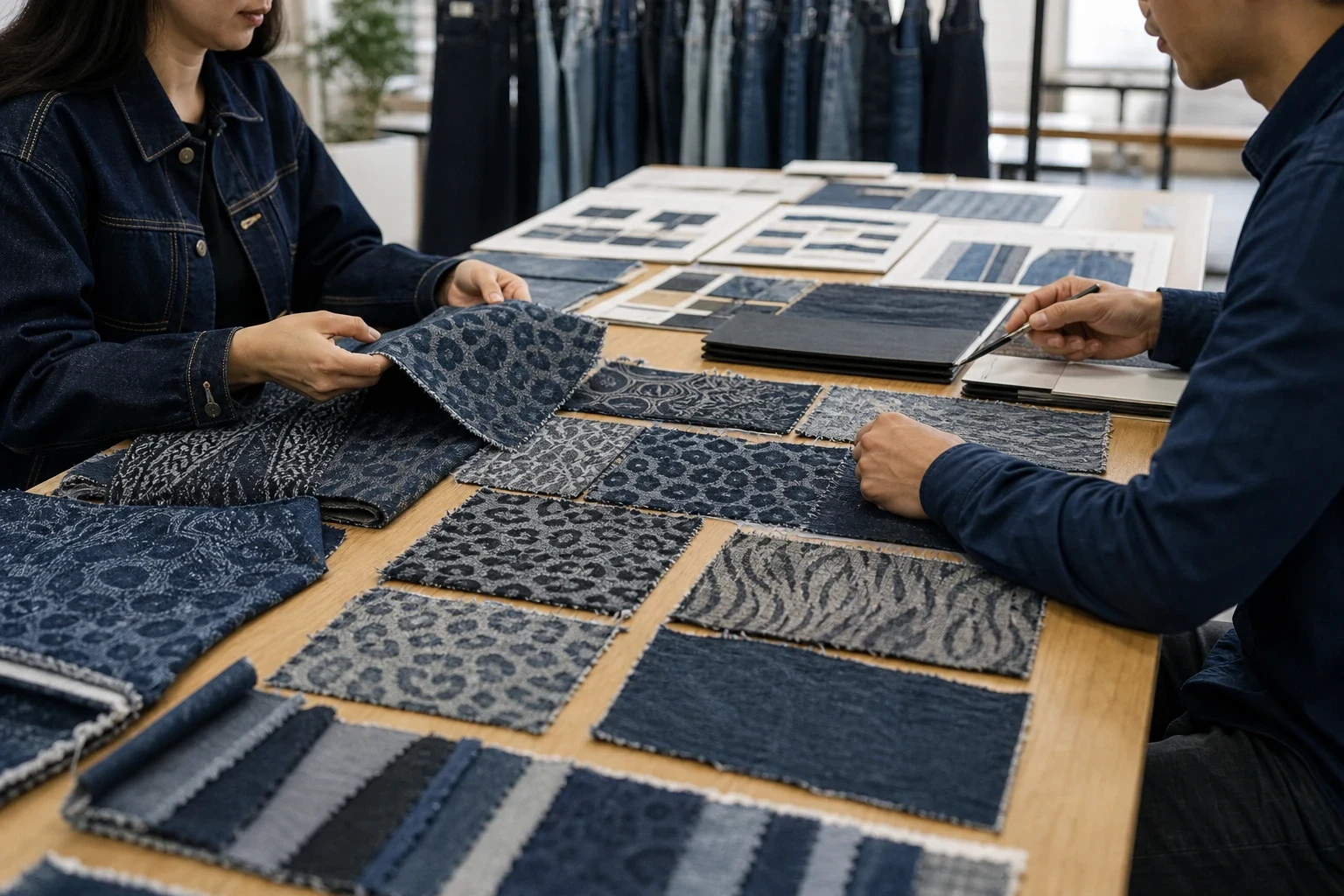
FAQ
Is animal jacquard denim more durable than printed animal denim?
It can offer better woven depth and a stronger material story, but durability still depends on construction, wash, garment use, and testing. Buyers should evaluate the actual fabric route rather than assume one method is always better.
Do all animal motifs need exclusivity?
No. Some programs only need an original, non-branded direction, while others need negotiated exclusivity. The commercial requirement should be explicit before development starts.
What is the safest motif direction for broad commercial use?
Abstract or tonal directions are often easier to scale across collections because they feel distinctive without relying on direct imitation of a known branded look.
Why should wash approval happen before bulk?
Because contrast and motif clarity can change significantly after processing. For animal jacquard, that change can alter the whole character of the design.
LYDENIM Jacquard Product Reference
Use these animal-category references to compare figurative and organic woven directions before the buyer decides how literal or abstract the final motif should become.
Cute Squid Knot 53361
- Why it is relevant: This is a figurative or organic motif development reference, not an exact leopard or zebra stock SKU. It helps assess rounded novelty shapes in woven denim.
- Buyer should compare or confirm: Confirm motif legibility at distance, repeat density, and whether the collection needs novelty impact or a softer abstract animal cue.
Rose Design 7996
- Why it is relevant: This is a figurative or organic motif development reference, not an exact leopard or zebra stock SKU. It is useful for judging flowing organic line work.
- Buyer should compare or confirm: Confirm line density, contrast after wash, and whether custom artwork control or exclusivity needs should be locked before sampling.
Long Bow Tie 53363
- Why it is relevant: This is a figurative or organic motif development reference, not an exact leopard or zebra stock SKU. It helps review elongated directional repeats.
- Buyer should compare or confirm: Confirm panel orientation, seam interruption, and whether the motif still reads clearly on smaller garment components.
Conclusion
Animal jacquard denim becomes commercially stronger when the buyer narrows the motif logic early. The right combination of motif type, scale, ownership terms, and wash control makes the difference between a risky fashion idea and a repeatable denim program. Clear sampling and QC standards protect that result before bulk starts.
Customization Services by LYDENIM
🎨 Custom Design
Design your own fabric collection or garment with LYDENIM’s premium materials. From luxurious cotton blends to innovative eco-friendly textiles, explore colors, weaves, and finishes that match your brand’s product direction. Visit LYDENIM to learn more.
🛍️ Tailored Garment Solutions
Bring your designs to life with custom garment services. Whether you are developing jeans, denim jackets, skirts, workwear, or small-batch fashion collections, LYDENIM can support fit, comfort, durability, and production planning. Explore customization options on My Alibaba.
📩 Get in Touch
Have a project in mind? Contact our team at malone@lydenim.com to discuss custom fabrics, garment design, sampling and production planning, or sustainable textile solutions.
Transform your ideas into reality with LYDENIM–your trusted partner for innovative, high-quality fabrics and bespoke apparel solutions.
Need help turning this into a production-ready sourcing brief?
Send your target product, fabric direction, quantity and sample needs. LY Denim can help compare options and prepare a quote.