


20 Types of Denim Fabric: Uses, GSM, Stretch and Sourcing Tips

Denim Fabric Types / Buyer Guide
20 Types of Denim Fabric: Uses, GSM, Stretch and Sourcing Tips
Denim fabric types can be grouped by weight, stretch, color, weave, finish and product use. The right choice depends on the garment and production risk.
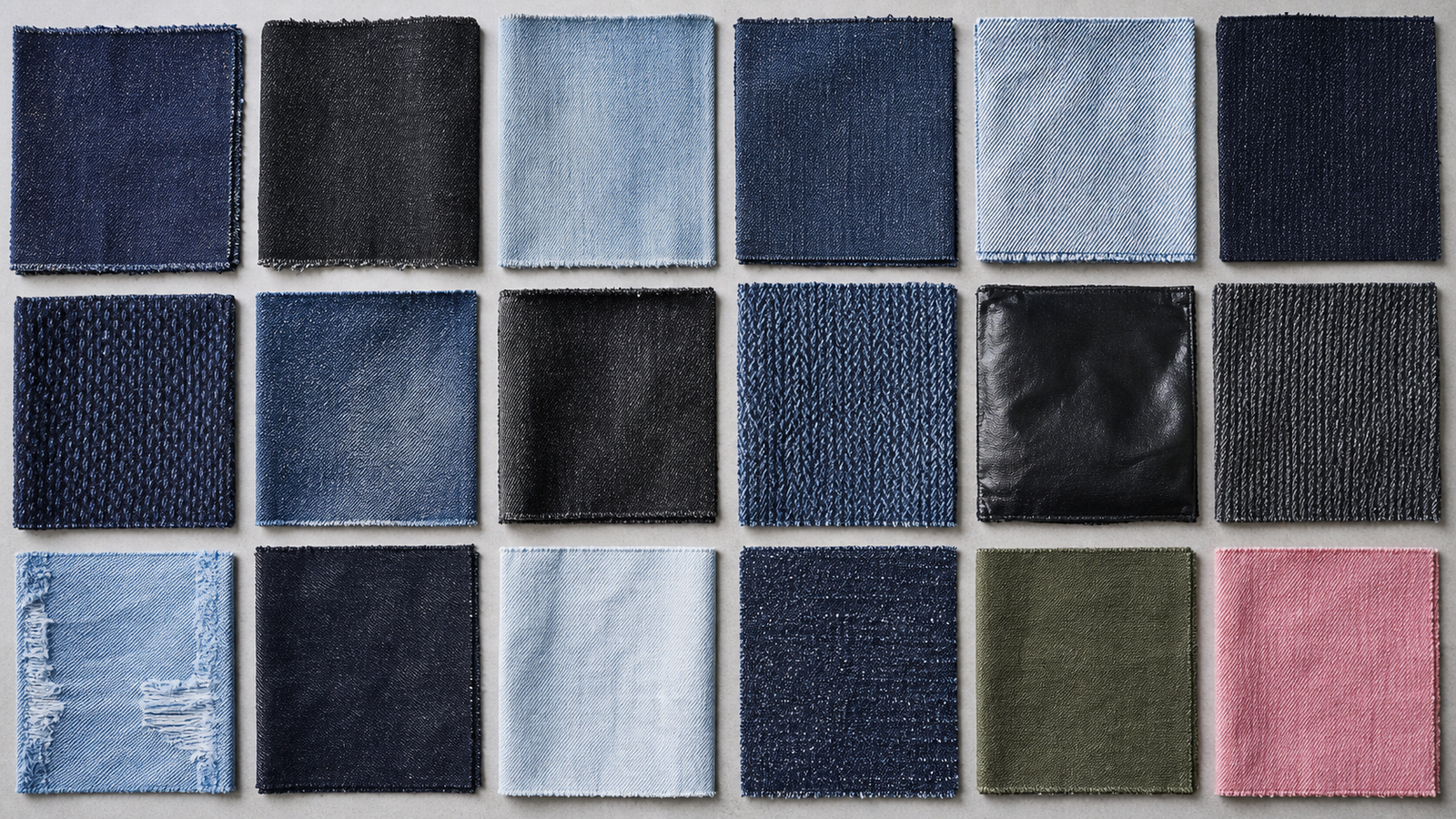
Best forFabric selection
Use this guide before requesting denim samples.
Confirm firstUse, weight and finish
Fabric names alone do not define performance.
Buyer riskChoosing by appearance only
Special finishes require testing for durability and wash stability.
Quick Answer
Different denim fabrics are not interchangeable. A lightweight stretch denim for skinny jeans, a rigid selvedge denim for premium jeans, a jacquard denim for woven patterns and a flocked denim for velvet texture require different sourcing questions, tests and production planning.
- Choose by product Shirts, jeans, jackets and workwear need different weights and structures.
- Choose by performance Stretch, recovery, shrinkage and colorfastness should match the garment.
- Choose by finish Coating, flocking, jacquard and burnout effects need physical sample approval.
Common Denim Fabric Types
| Denim type | Best use | Buyer note |
|---|---|---|
| Rigid denim | Classic jeans, jackets and workwear. | Check shrinkage and hand feel after washing. |
| Stretch denim | Skinny jeans, comfort pants and fitted skirts. | Ask for stretch and recovery test data. |
| Lightweight denim | Shirts, dresses and summer collections. | Confirm drape and opacity before bulk order. |
| Heavyweight denim | Premium jeans, workwear and structured jackets. | Check sewing performance and garment wash plan. |
| Selvedge denim | Premium jeans and heritage products. | Confirm width, MOQ and shrinkage behavior. |
| Jacquard denim | Patterned fashion pieces and premium collections. | Confirm pattern repeat, MOQ and color consistency. |
| Flocked denim | Velvet-touch fashion panels or decorative effects. | Test rubbing fastness, adhesion and washing durability. |
| Burnout denim | Sheer, distressed or high-fashion denim styles. | Confirm fiber blend and strength after processing. |
Fabric Examples to Review Before Sampling
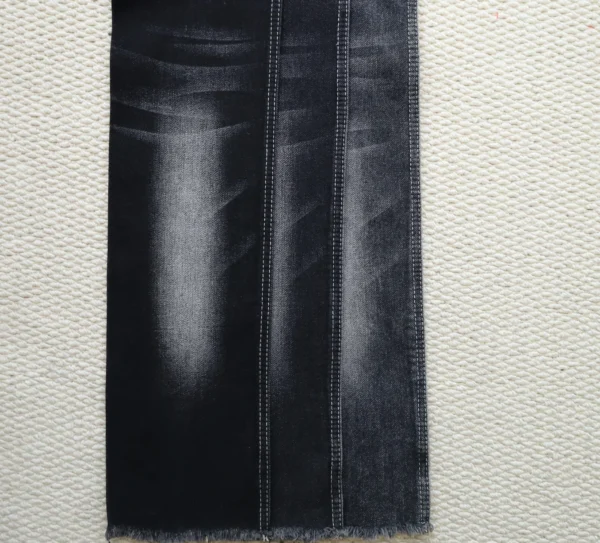
If you need stretch with a more visible surface texture, 10S Mercerized Black Stretch Slub Denim 086 New Vat is a useful darker option to compare with cleaner twills. Bend and wash the sample, then decide whether the slub variation still suits the garment you have in mind.
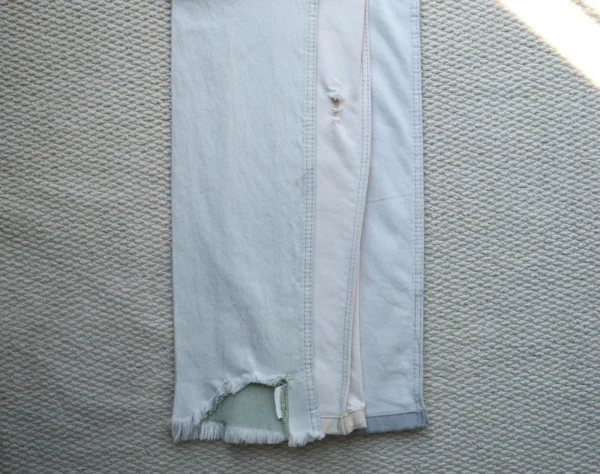
For a lighter palette, 10S Ecru White Stretch Colored Denim 024/025/026 offers an ecru alternative to standard indigo denim. Check opacity and shade consistency carefully, particularly on garments with large, uninterrupted panels.
If the collection needs a woven pattern rather than a surface print, 18 Colored NO Stretch Jacquard Denim makes that construction easier to see. View the sample in natural light and compare the pattern scale with the size of your garment panels.

Choose Denim Fabric by Product Use
Lightweight denim works better for shirts, dresses and summer styles. Mid-weight denim is the most common choice for jeans and jackets. Heavyweight denim gives stronger structure, but it may require more attention to sewing, shrinkage and washing performance.
Two fabrics can both be called stretch denim but perform very differently. Confirm composition, weight, width, shade, stretch rate, recovery, shrinkage, colorfastness and finishing method before ordering.
Special Denim Effects to Compare
- Flocking denim: review surface feel, adhesion, rubbing fastness and fashion use.
- Burnout denim: review blend requirement, transparency effect and strength risk.
- Jacquard denim: review pattern weaving, repeat, MOQ and premium use cases.
Visual Guide for Faster Review
Use these visuals to compare fabric behavior, sourcing risk and sample approval points before confirming bulk production.


FAQ
What is the most common denim fabric for jeans?
Midweight denim with suitable shrinkage and colorfastness is commonly used for jeans, but the best choice depends on fit and wash effect.
Are special denim finishes suitable for bulk orders?
Yes, but flocking, burnout, coating and jacquard effects should be tested for durability before bulk production.
What information should buyers send?
Send garment type, target weight, composition, stretch requirement, color and desired finish.
Not sure which denim type fits your collection?
Share your product type, target weight, color, stretch requirement and desired finish. LY Denim can suggest fabric options and prepare samples for comparison.