


What Is Flocked Denim? Process, Uses and Buyer Quality Checks
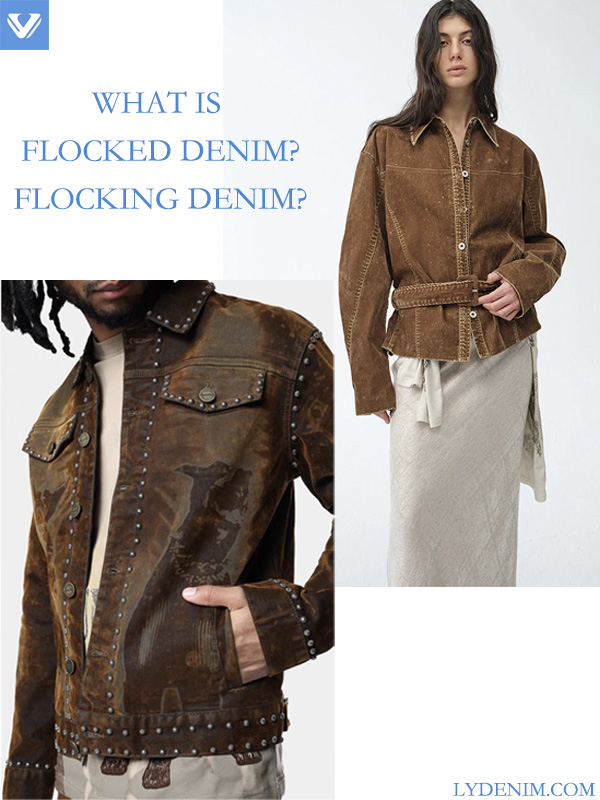
What is Flocked Denim?Flocking Denim?
Estimated Reading Time: ~3 minutes Flocked Denim Traditional denim receives a velvety texture transformation through the flocking technology which adheres short fibers to base fabric. Modern flocking technology…
Buyer Summary
For B2B fabric buyers, this topic should help compare composition, weight, handfeel, stretch, finish, MOQ and production stability before sampling.
- Suitable buyersFashion brands, sourcing teams, wholesalers, garment factories and product developers.
- What to confirmTarget product, fabric direction, finish, sample needs, quantity and delivery market.
- Buyer riskUnclear specs can lead to wrong samples, unstable bulk quality and slow quotations.
- Recommended CTARequest swatches or a sample quote before committing to bulk production.
Why This Matters for B2B Buyers
Confirm the application, target fabric character, color direction and bulk quantity before asking for a quote.
Estimated Reading Time: ~3 minutes Flocked Denim Traditional denim receives a velvety texture transformation through the flocking technology which adheres short fibers to base fabric. Modern flocking technology…

Specification Table for Faster Sourcing
| Decision point | Options to compare | Why it matters | Buyer question |
|---|---|---|---|
| Fabric base | Cotton, blends, stretch denim, jacquard, flocked or specialty denim | Controls handfeel, durability and price position | What product category is this fabric for? |
| Weight | Light, medium or heavy construction | Affects drape, season, garment type and shipping cost | Do you need shirts, jackets, jeans or structured pieces? |
| Finish | Color, wash, coating, flocking, jacquard or softening | Determines final appearance and customer touch | What handfeel and wash effect do you expect? |
| Supply plan | Swatches, sample yardage, bulk lots | Reduces risk before production | What quantity and delivery market should be quoted? |
Applications and Custom Options
Product Development
Use this guide to turn design ideas into fabric, garment, finish and sample requirements.
Supplier Comparison
Compare suppliers by sample support, technical clarity, bulk stability and communication speed.
Bulk Production
Confirm quality standards, approved samples and timeline before placing production orders.
Quality Control Points Before Bulk Order
- OKSample approval: confirm fabric, color, handfeel, construction and finish before bulk production.
- OKBulk consistency: compare bulk lots against the approved sample under the same light and test conditions.
- OKPerformance testing: check shrinkage, colorfastness, stretch recovery or decoration durability where relevant.
- OKQuote clarity: send quantity, destination, packaging needs and target lead time to avoid vague pricing.
Sample Development Process
| Step | Buyer provides | Supplier confirms |
|---|---|---|
| 1. Brief | Application, reference images, target quality and quantity | Feasibility, recommended material and custom options |
| 2. Swatch | Preferred color, handfeel, pattern or finish feedback | Available stock, custom direction and sample cost |
| 3. Sample | Garment test plan, size or yardage needs | Sampling timeline and production repeatability |
| 4. Bulk quote | Order quantity, delivery destination and packaging needs | Unit price, MOQ, lead time and QC checkpoints |
Detailed Guide
Estimated Reading Time: ~3 minutes
Flocked Denim
Traditional denim receives a velvety texture transformation through the flocking technology which adheres short fibers to base fabric. Modern flocking technology replicates ancient embroidery techniques by using electrostatic or mechanical systems to embed nylon or polyester fibers vertically into denim which maintains its durability while creating a textured velvety surface.
A typical flocked denim structure includes:
- Top Layer: Classic denim with twill weave for abrasion resistance;

- Middle Base: Breathable fabric for structural support;
- Bottom Pile: 0.3-1.2mm fibers providing warmth and 3D texture.
This technology solves denim’s cold-weather problem by adding light-reflective decorative elements.
Flocked Denim’s Fashion Evolution
Flocking transforms basic denim into different fashion applications. The flocking method enables designers to create versatile fashion designs.
- Style Versatility
- The streetwear and retro and haute couture fashion markets benefit from custom prints such as leopard designs, geometric shapes and ombré effects.
- The streetwear and retro and haute couture fashion markets benefit from custom prints such as leopard designs, geometric shapes and ombré effects.
- Enhanced Functionality
- The flocked layer traps air for insulation and absorbs moisture, ideal for winter jackets or upholstery;
- Increased abrasion resistance extends garment lifespan.
- Sustainability Edge
- The “green fashion” movement can use eco-friendly materials including recycled fibers together with water-based adhesions.
- The “green fashion” movement can use eco-friendly materials including recycled fibers together with water-based adhesions.


LY Denim’s Flocked Denim Collections
LY Denim merges flocking with stretch technology for three standout lines:
- Classic: Non-Stretch Flocked Denim
- A non-elastic twill fabric with super-soft siro spinning base supports dense color-rich piles suitable for structured jackets and home decor.
- A non-elastic twill fabric with super-soft siro spinning base supports dense color-rich piles suitable for structured jackets and home decor.
- Trendy: Stretch Flocked Denim
- Blended with spandex for 30% elasticity. The leopard-print variant (HF80562) combines mobility with bold visuals which makes it suitable for leggings or moto jackets.
- Custom: Multi-Style Flocked Denim
- The production process includes gradient dyeing and neon motif application to stretch or non-stretch fabrics which satisfies both streetwear and luxury apparel requirements.
- The production process allows you to customize stretchability along with flock color and base denim weight to achieve the exact requirements of your brand.
- Some Flocked Denim pattern options
- Vertical bar type
Vertical bar type
- Twill type
Twill type
- Rhombus type
Rhombus type
- Other special and customizable types
Other special and customizable types
- Vertical bar type


The fabric selection enables you to achieve your desired product feel while achieving both design and performance expectations for your brand.
The Future of Denim – Where Craft Meets Innovation
The future development of denim combines traditional craftsmanship with modern technological advancements. Design trends in the present and future focus on individual self-expression which leads to flocked denim becoming a tool for “functional artistry” through the integration of thermoregulatory materials and light-sensitive threads. LY Denim promotes sustainable production alongside personalized design by transforming mass-produced denim fabric into designer-controlled materials.
Are you prepared to transform your design through Flocked denim?
🎨 Want custom denim fabrics or unique custom denim garment? LYDENIM specializes in tailor-made solutions to meet your design and production needs.
🛍️ Explore & Get Inspired: Browse our fabric selections and discover design ideas on LYDenim.
🌐 Elastic Clothing: Check out our offerings on MyAlibaba. 📩 Contact Us: Reach out at malone@lydenim.com.
Create your denim masterpiece with LYDENIM—your trusted partner for stretch fabric and custom denim solutions.
Flocked Denim Buyer Guide
Flocked denim is denim fabric with a raised velvet-like fiber layer fixed onto selected areas of the fabric surface. The flocking can be allover, placed in panels, or applied as a custom pattern. For apparel buyers, the key question is not only whether the surface looks soft and premium, but whether the flocking stays stable after rubbing, washing, cutting and garment production.
A practical sourcing brief should confirm four points before sampling: denim base weight, flocking pattern, pile handfeel, and required fastness level. This helps the supplier judge whether the design is better for jackets, jeans panels, skirts, bags, trims, or limited-edition fashion drops.


How Flocking Is Applied to Denim
| Step | What happens | Buyer should confirm |
|---|---|---|
| Base fabric selection | Choose denim weight, stretch, color and surface texture. | Target garment, handfeel, stretch recovery and wash direction. |
| Adhesive and pattern | Adhesive is applied to selected areas before flock fibers are fixed. | Pattern artwork, coverage ratio, edge sharpness and color contrast. |
| Curing and cleaning | The surface is cured and excess fibers are removed. | Bulk repeatability, shedding control and clean fabric surface. |
| Inspection | Samples are checked for adhesion, rubbing and appearance. | Rubbing fastness, wash test, shade tolerance and approved sample standard. |
Buyer Quality Checks Before Bulk Order
- Ask whether the supplier can test dry and wet rubbing fastness for the flocked surface.
- Confirm whether the flocking is suitable for the garment washing process you plan to use.
- Check pile loss around seams, pocket edges and high-friction areas.
- Keep one approved swatch and one approved garment panel as bulk reference.
Related pages: compare flocked denim styles, review colored flocked denim, or prepare a wholesale order brief.
FAQ
Can this be customized for my brand or collection?
Yes. Send your application, reference images, target quality, quantity and market requirements so the supplier can recommend suitable fabric, garment or finishing options.
What information should I send before asking for a quote?
Prepare product type, target fabric or technique, color direction, sample needs, quantity, destination country and expected lead time.
Should I request swatches before bulk production?
Yes. Swatches and sample yardage reduce risk before bulk orders, especially when color, handfeel, stretch, finish or decoration quality matters.
How can I avoid quality problems in bulk orders?
Approve a clear sample standard, define test requirements, confirm tolerances and compare bulk output against the approved sample before shipment.
Need help turning this into a production-ready sourcing brief?
Send your target product, fabric direction, quantity and sample needs. LY Denim can help compare options and prepare a quote.