


Cotton and Its Role in Denim Fabric
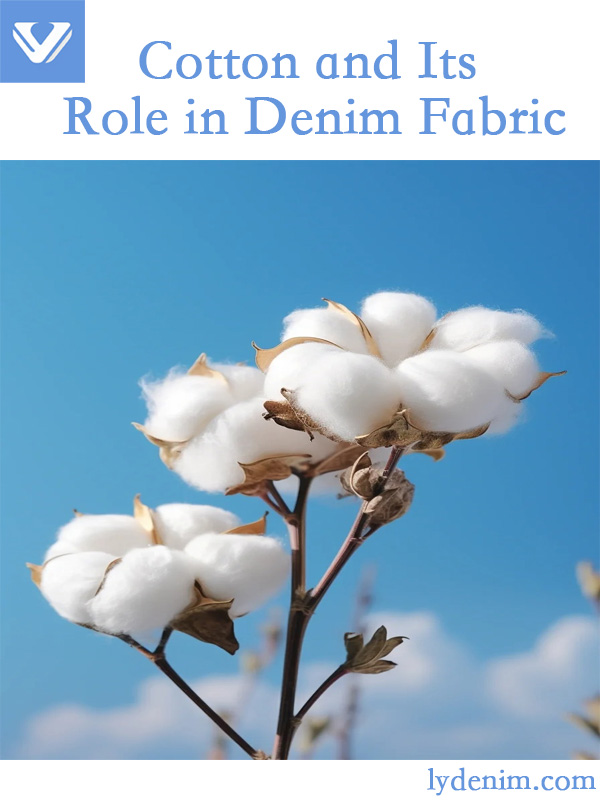
Cotton and Its Role in Denim Fabric
Estimated reading time: ~3 minutes Introduction When you think of denim, what comes to mind? Rugged jeans, stylish jackets, or perhaps that timeless blue hue? At the heart of denim lies cotton—a versatile, natural fiber…
Buyer Summary
For B2B fabric buyers, this topic should help compare composition, weight, handfeel, stretch, finish, MOQ and production stability before sampling.
- Suitable buyersFashion brands, sourcing teams, wholesalers, garment factories and product developers.
- What to confirmTarget product, fabric direction, finish, sample needs, quantity and delivery market.
- Buyer riskUnclear specs can lead to wrong samples, unstable bulk quality and slow quotations.
- Recommended CTARequest swatches or a sample quote before committing to bulk production.
Why This Matters for B2B Buyers
Confirm the application, target fabric character, color direction and bulk quantity before asking for a quote.
Estimated reading time: ~3 minutes Introduction When you think of denim, what comes to mind? Rugged jeans, stylish jackets, or perhaps that timeless blue hue? At the heart of denim lies cotton—a versatile, natural fiber…

Specification Table for Faster Sourcing
| Decision point | Options to compare | Why it matters | Buyer question |
|---|---|---|---|
| Fabric base | Cotton, blends, stretch denim, jacquard, flocked or specialty denim | Controls handfeel, durability and price position | What product category is this fabric for? |
| Weight | Light, medium or heavy construction | Affects drape, season, garment type and shipping cost | Do you need shirts, jackets, jeans or structured pieces? |
| Finish | Color, wash, coating, flocking, jacquard or softening | Determines final appearance and customer touch | What handfeel and wash effect do you expect? |
| Supply plan | Swatches, sample yardage, bulk lots | Reduces risk before production | What quantity and delivery market should be quoted? |
Applications and Custom Options
Product Development
Use this guide to turn design ideas into fabric, garment, finish and sample requirements.
Supplier Comparison
Compare suppliers by sample support, technical clarity, bulk stability and communication speed.
Bulk Production
Confirm quality standards, approved samples and timeline before placing production orders.
Quality Control Points Before Bulk Order
- OKSample approval: confirm fabric, color, handfeel, construction and finish before bulk production.
- OKBulk consistency: compare bulk lots against the approved sample under the same light and test conditions.
- OKPerformance testing: check shrinkage, colorfastness, stretch recovery or decoration durability where relevant.
- OKQuote clarity: send quantity, destination, packaging needs and target lead time to avoid vague pricing.
Sample Development Process
| Step | Buyer provides | Supplier confirms |
|---|---|---|
| 1. Brief | Application, reference images, target quality and quantity | Feasibility, recommended material and custom options |
| 2. Swatch | Preferred color, handfeel, pattern or finish feedback | Available stock, custom direction and sample cost |
| 3. Sample | Garment test plan, size or yardage needs | Sampling timeline and production repeatability |
| 4. Bulk quote | Order quantity, delivery destination and packaging needs | Unit price, MOQ, lead time and QC checkpoints |
Detailed Guide
Estimated reading time: ~3 minutes
Introduction
When you think of denim, what comes to mind? Rugged jeans, stylish jackets, or perhaps that timeless blue hue? At the heart of denim lies cotton—a versatile, natural fiber that defines its comfort, durability, and appeal. In this blog post, we’ll dive into the physical properties of cotton, why it’s the go-to choice for denim fabric, and how it shapes the jeans you love. Whether you’re searching for “what is denim fabric made of” or curious about “denim fabric by the yard,” we’ve got you covered.
The Physical Properties of Cotton: What Makes It Special?
Cotton’s unique characteristics make it the backbone of denim production. Let’s break down its key physical properties:
- Staple Length
The length of cotton fibers, or staple length, is the most critical factor. For denim, Upland cotton—a short-staple variety with a length of about one inch—is widely used. It’s cost-effective and pairs well with the coarse yarn count typical in denim weaving. However, premium denim might feature extra-long-staple (ELS) cottons like Egyptian Giza or Indian Suvin, offering a smoother, stronger finish. - Fineness and Maturity
Measured in micronaire (air permeability of compressed cotton), fineness and maturity determine fiber quality. Finer, more mature fibers produce smoother yarn with less waste, while lower micronaire cotton can result in “neppy” yarn—those tiny imperfections you might notice in cheaper fabrics. - Strength
Tensile strength measures how much load a fiber can bear before breaking. Stronger cotton fibers translate to more durable denim, perfect for withstanding daily wear and tear. - Color
While denim is typically dyed blue, the natural color of cotton can influence undyed fabrics. It varies by batch and growing conditions, adding a subtle uniqueness to each piece.
Why Cotton Rules Denim Production
So, why is cotton the star of denim fabric? Its benefits are hard to beat:
- Comfort and Breathability: Cotton’s natural fibers allow air to circulate, making denim comfortable for all-day wear.
- Durability: The strength of cotton ensures denim can handle rough use—ideal for jeans and jackets.
- Versatility: Cotton weaves beautifully into the iconic twill pattern of denim, creating that signature texture and look.
- Aesthetic Appeal: When dyed (especially indigo), cotton takes on rich, fading hues that give denim its vintage charm.
How Cotton Becomes Denim: A Quick Look
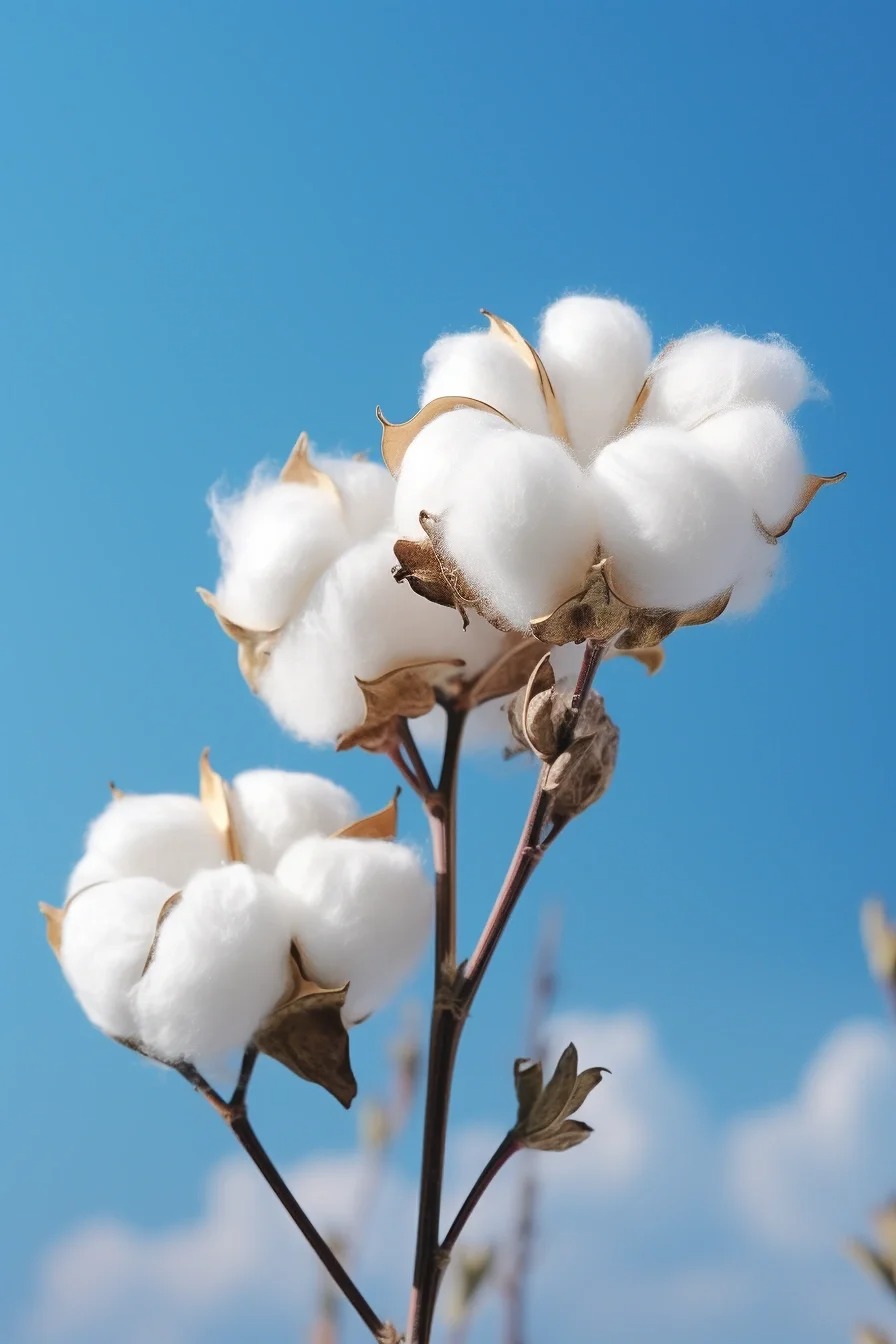
Ever wondered “how is denim fabric made”? It starts with cotton harvested from fields—either mechanically or by hand, depending on the region. The fibers are cleaned, carded, and spun into coarse yarn. This yarn is then woven into a twill pattern, typically with dyed warp threads (blue) and undyed weft threads (white), creating denim’s classic look. The result? A sturdy, stylish fabric sold as “denim fabric by the yard” for everything from jeans to upholstery.
Cotton Quality: Beyond the Basics
Not all cotton is equal. Quality hinges on staple length, fineness, strength, and growing conditions. For example, while ELS cotton from Zimbabwe is hand-picked and prized, Upland cotton from the U.S. dominates denim due to its affordability and availability. Seasonal factors like rainfall or soil quality also play a role, debunking myths that location alone dictates quality.
Why It Matters for You
Whether you’re a denim enthusiast or a crafter seeking the perfect fabric, understanding cotton’s role in denim helps you choose wisely. From rugged jeans to lightweight jackets, cotton’s properties shape the final product.
Customization Services by LYDENIM
🎨 Want custom denim fabrics or unique custom denim garment? LYDENIM specializes in tailor-made solutions to meet your design and production needs.
🛍️ Explore & Get Inspired: Browse our fabric selections and discover design ideas on LYDenim.
🌐 Elastic Clothing: Check out our offerings on MyAlibaba. 📩 Contact Us: Reach out at malone@lydenim.com.
Create your denim masterpiece with LYDENIM—your trusted partner for stretch fabric and custom denim solutions.
FAQ
Can this be customized for my brand or collection?
Yes. Send your application, reference images, target quality, quantity and market requirements so the supplier can recommend suitable fabric, garment or finishing options.
What information should I send before asking for a quote?
Prepare product type, target fabric or technique, color direction, sample needs, quantity, destination country and expected lead time.
Should I request swatches before bulk production?
Yes. Swatches and sample yardage reduce risk before bulk orders, especially when color, handfeel, stretch, finish or decoration quality matters.
How can I avoid quality problems in bulk orders?
Approve a clear sample standard, define test requirements, confirm tolerances and compare bulk output against the approved sample before shipment.
Need help turning this into a production-ready sourcing brief?
Send your target product, fabric direction, quantity and sample needs. LY Denim can help compare options and prepare a quote.