


The Application of Pleats in Fashion Design
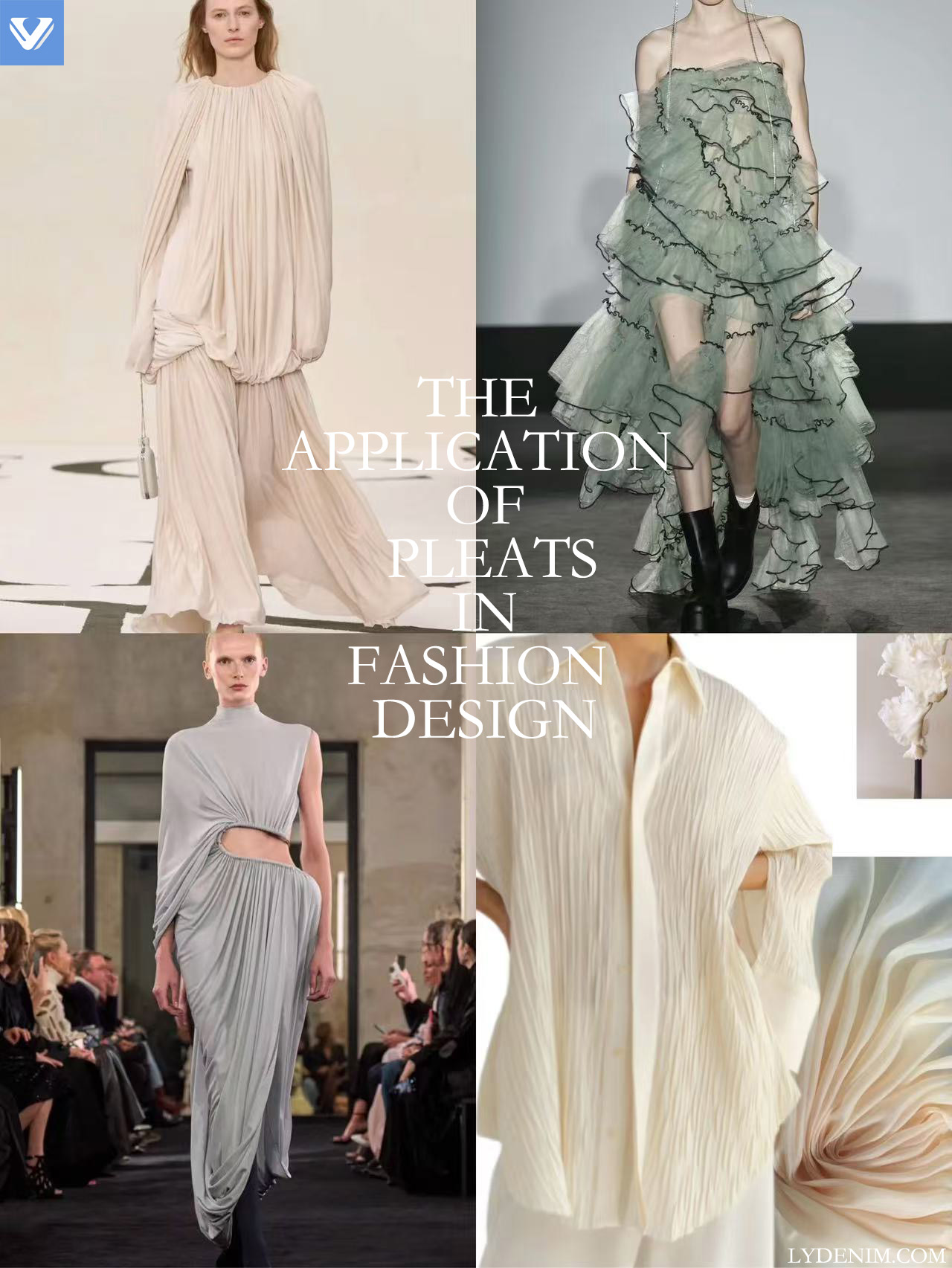
The Application of Pleats in Fashion Design
Pleats add dimension and emotion to clothing. Discover pleat types, aesthetic roles, and how designers use them for movement, structure, and creative flair.
Buyer Summary
For apparel brands and small teams, this topic should connect design decisions with sampling, production, MOQ, decoration methods, and quote readiness.
- Suitable buyersFashion brands, sourcing teams, wholesalers, garment factories and product developers.
- What to confirmTarget product, fabric direction, finish, sample needs, quantity and delivery market.
- Buyer riskUnclear specs can lead to wrong samples, unstable bulk quality and slow quotations.
- Recommended CTARequest swatches or a sample quote before committing to bulk production.
Why This Matters for B2B Buyers
Confirm fabric, construction, logo technique, sample needs and order quantity before comparing suppliers.
Pleats add dimension and emotion to clothing. Discover pleat types, aesthetic roles, and how designers use them for movement, structure, and creative flair.
Specification Table for Faster Sourcing
| Decision point | Options to compare | Why it matters | Buyer question |
|---|---|---|---|
| Product type | Hoodies, T-shirts, jeans, jackets, custom apparel | Controls fabric, pattern, decoration and construction choices | Which product are you developing? |
| Customization | Embroidery, screen print, puff print, flocking, washing | Affects sample cost, MOQ and lead time | Do you have artwork or technique references? |
| Fabric and GSM | Light, medium or heavyweight options | Determines handfeel, season and retail positioning | What target handfeel and price level do you need? |
| Order plan | Prototype, small batch, bulk production | Changes pricing, timeline and production setup | Do you need samples or a bulk quote first? |
Applications and Custom Options
Product Development
Use this guide to turn design ideas into fabric, garment, finish and sample requirements.
Supplier Comparison
Compare suppliers by sample support, technical clarity, bulk stability and communication speed.
Bulk Production
Confirm quality standards, approved samples and timeline before placing production orders.
Quality Control Points Before Bulk Order
- OKSample approval: confirm fabric, color, handfeel, construction and finish before bulk production.
- OKBulk consistency: compare bulk lots against the approved sample under the same light and test conditions.
- OKPerformance testing: check shrinkage, colorfastness, stretch recovery or decoration durability where relevant.
- OKQuote clarity: send quantity, destination, packaging needs and target lead time to avoid vague pricing.
Sample Development Process
| Step | Buyer provides | Supplier confirms |
|---|---|---|
| 1. Brief | Application, reference images, target quality and quantity | Feasibility, recommended material and custom options |
| 2. Swatch | Preferred color, handfeel, pattern or finish feedback | Available stock, custom direction and sample cost |
| 3. Sample | Garment test plan, size or yardage needs | Sampling timeline and production repeatability |
| 4. Bulk quote | Order quantity, delivery destination and packaging needs | Unit price, MOQ, lead time and QC checkpoints |
Detailed Guide
Estimated reading time: ~5 minutes
Introduction: The Art and Function of Pleats
Fashion design relies on pleats as an essential element which forms through fabric folding and stacking methods to generate layered aesthetics and emotional depth. Designers use pleats as a communication tool that surpasses technical skills to express their style and ideas. Through their ability to break flat fabric surfaces pleats establish three-dimensional light effects while creating both comfortable and practical designs. This guide examines different pleat styles together with their design elements and practical applications to help you master pleat implementation in your work.
Techniques of Pleats
Multiple pleat variations exist because each generates unique visual effects together with distinctive tactile sensations:
-
Accordion Pleats
The accordion pleat design expands in a gradual manner starting from the top before reaching the bottom like an accordion when unfolded. Light fabrics such as chiffon or silk benefit from accordion pleats because they create a lively elegant appearance while moving with grace to reveal feminine charm in skirts or dresses.
Accordion-Pleats
-
Gathers
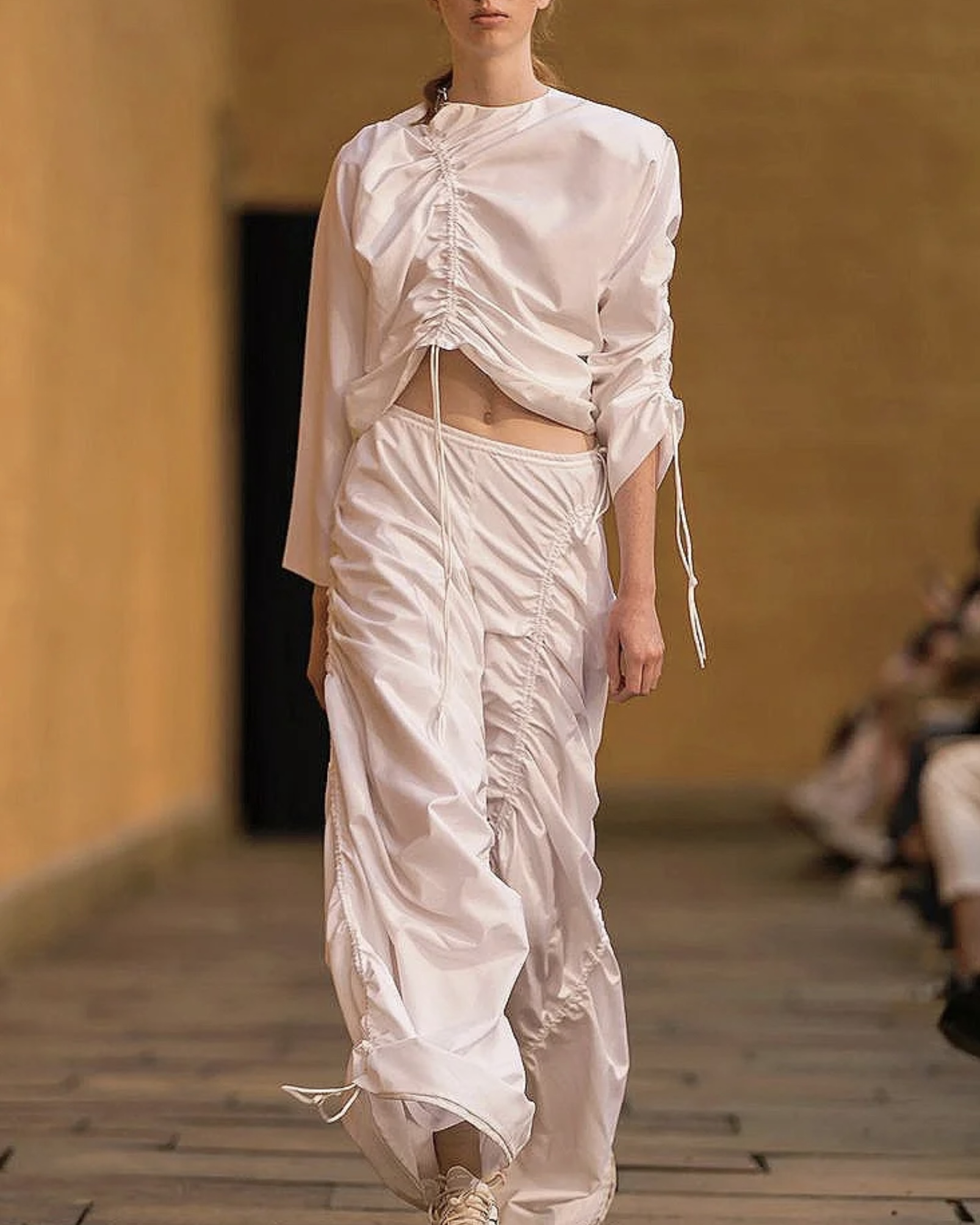
When fabric undergoes gathering techniques at specific points or lines it naturally forms textured pleats which spread outward. This basic and versatile method is used throughout tops and skirts and cuffs to create touchable textures while adding vintage character with relaxed textured effects.Gathers
-
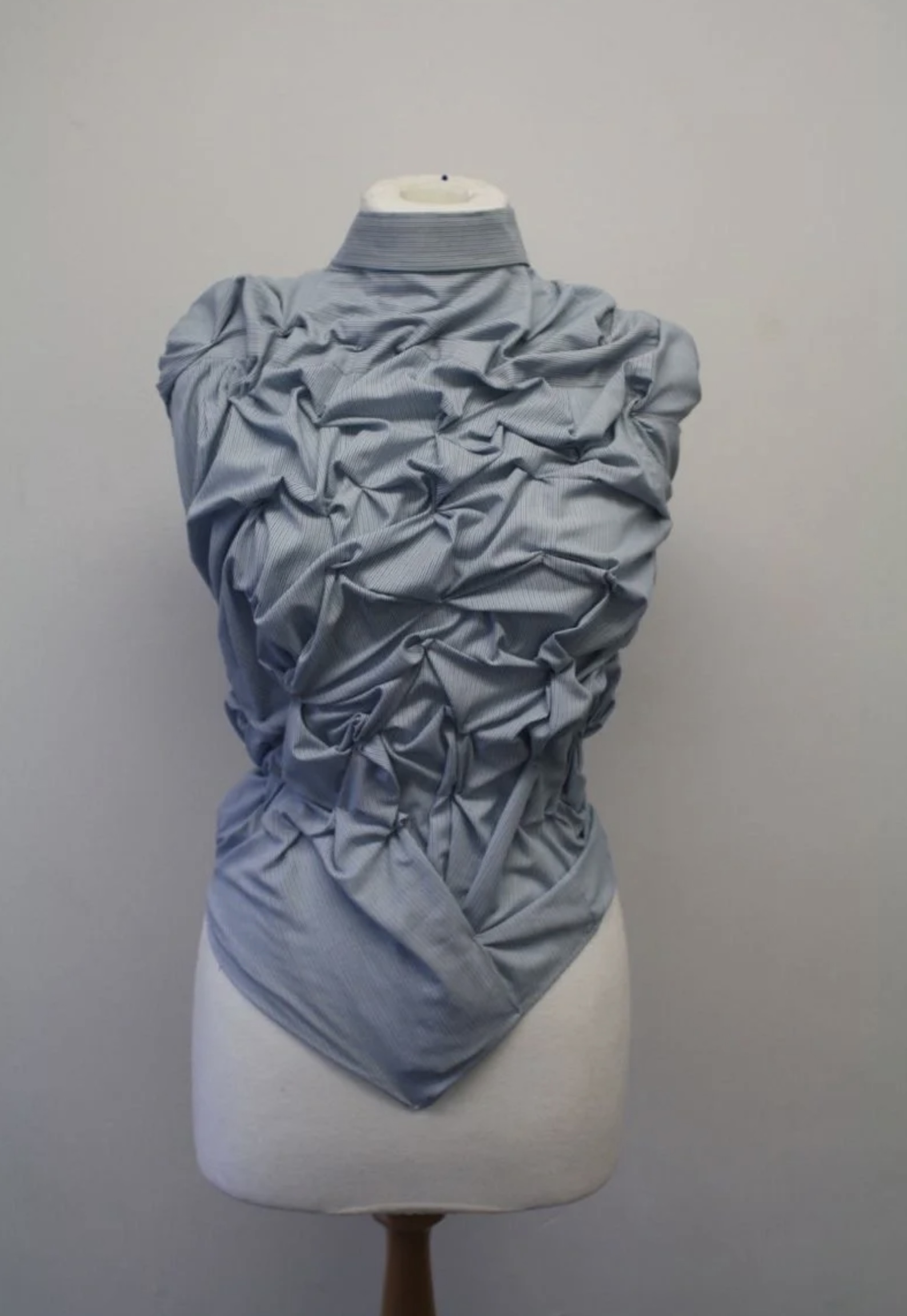
Irregular Pinch Pleats
The creation of asymmetrical pleats through manual or mechanical pinching at hems and waists results in unique artistic pleats for garments. The avant-garde deconstructive approach uses irregular pinch pleats to create dramatic visual effects in experimental designs.Irregular-Pinch-Pleats
Expression of Styles Through Pleats
The use of pleats extends beyond decoration because they function as a design tool which expresses themes and emotional messages and represents various style aesthetics.
-
Romanticism
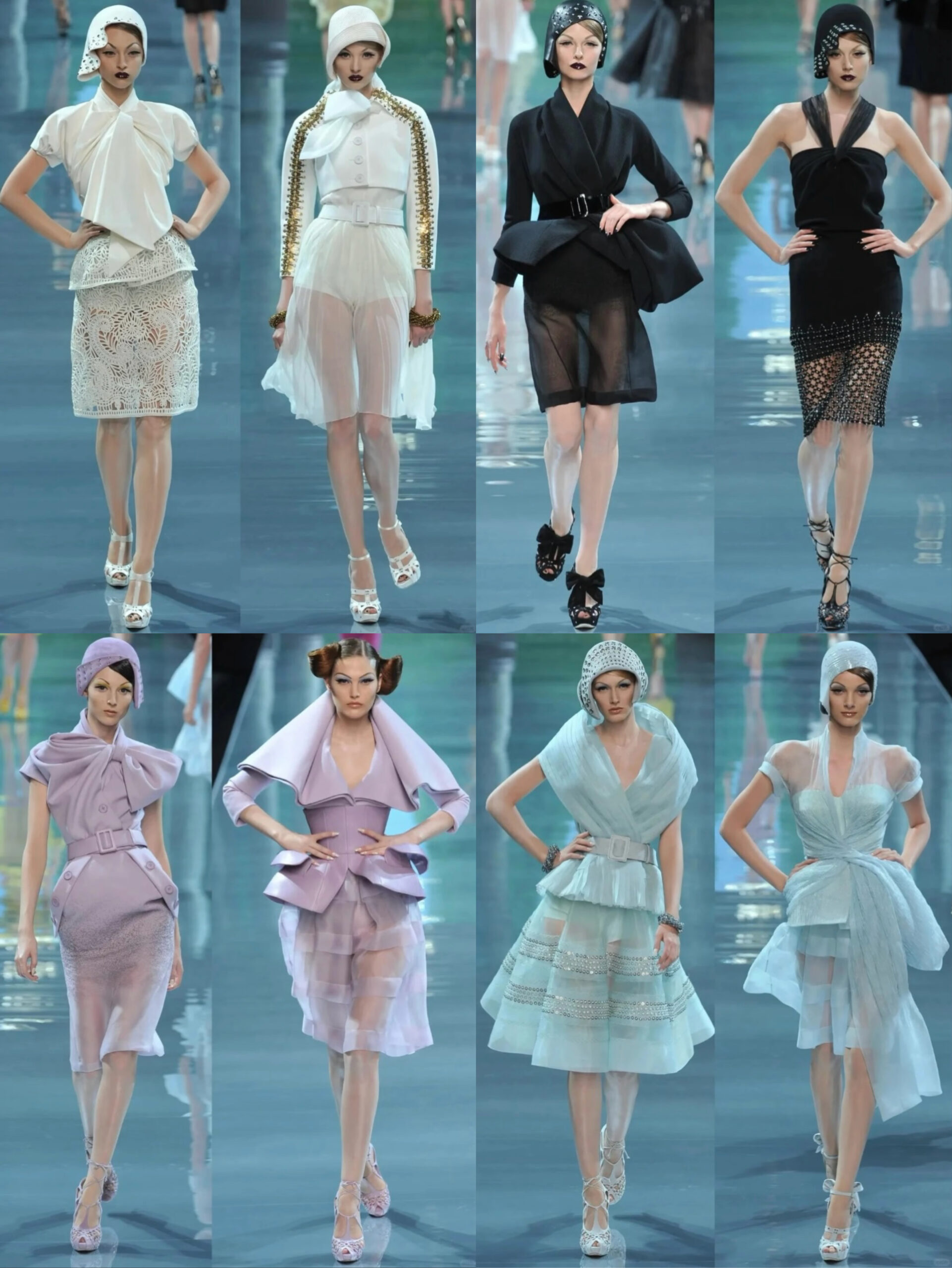
Romantic designs use layered chiffon pleats to generate a light and dynamic appearance which resembles water ripples. Dior’s “New Look” collection (Dior New Look) features intricate pleats to highlight romantic feminine elements while creating an enchanting dreamlike effect that makes the wearer feel like they’re gliding through a poetic realm.Romanticism
-
Minimalism
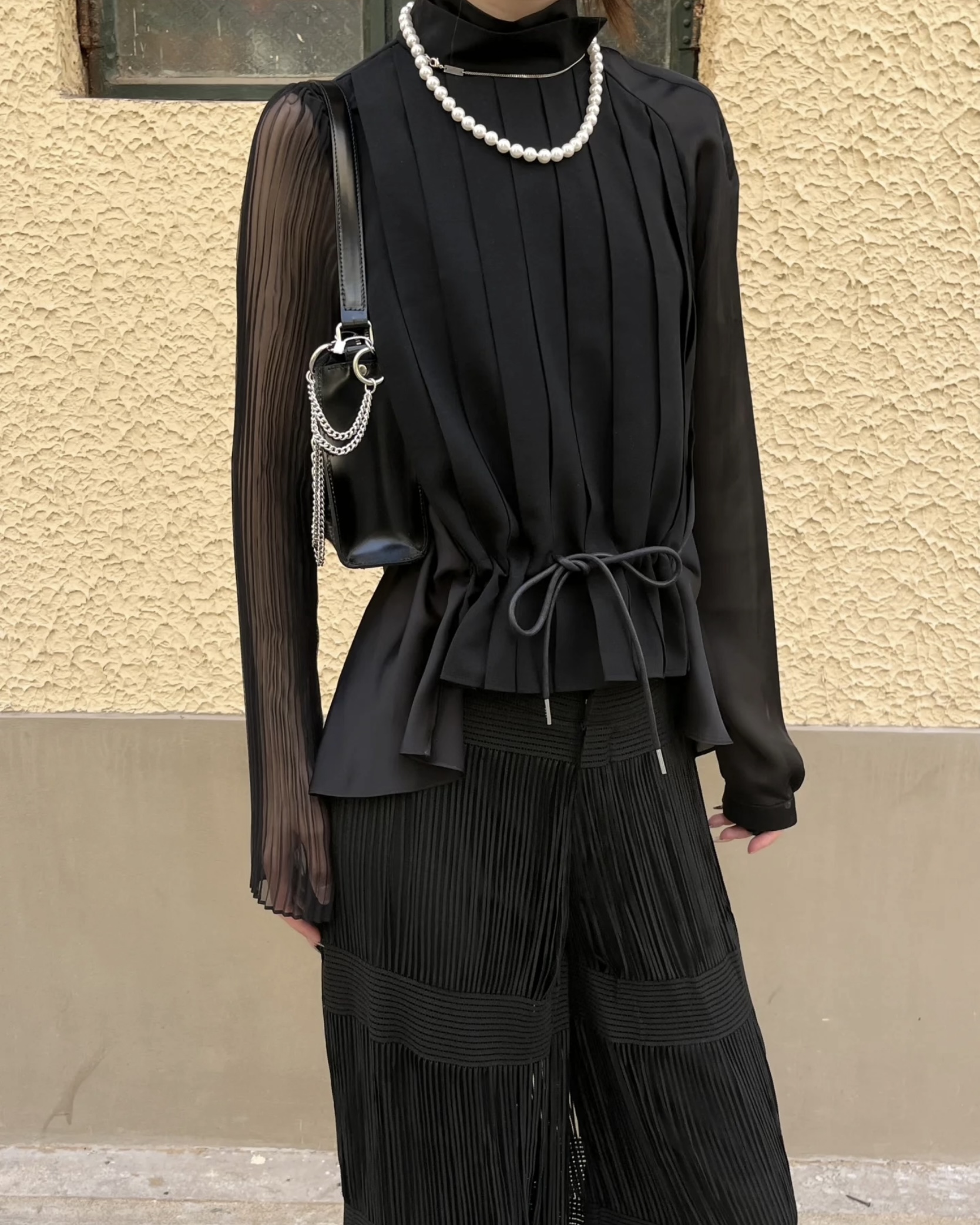
Minimalism promotes simplicity through sophisticated pleats which add delicate touches to cuffs and collars and hemlines. Jil Sander’s designs (Jil Sander Collections) use fine pleats to break monotony in clean lines while maintaining sleek silhouettes which embody refined restraint.Minimalism
-
Vintage Revival
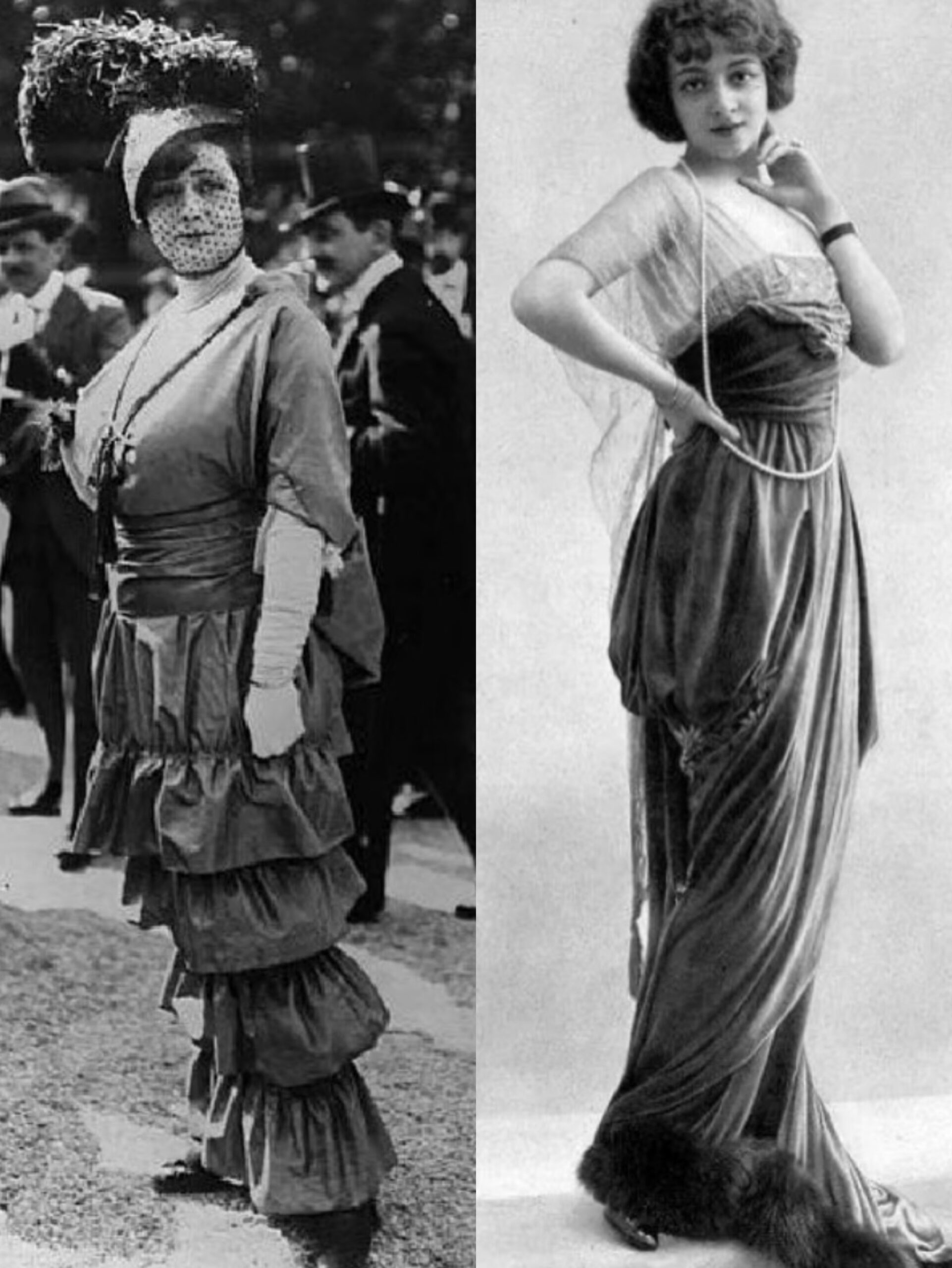
The modern interpretation of past fashion elements includes the puffed pleat crinolines from 18th-century Rococo style (Rococo Fashion) which presented luxurious complex designs. Designers of today transform these historical pleats through modern methods so people can experience luxury from different eras. The reimagined “hobble skirts” from the early 20th century use narrow pleats to create feminine silhouettes while preserving elements of nostalgia.Vintage Revival

Functional Applications of Pleats
Pleats provide additional practical advantages to clothing beyond their visual appeal.
-
Three-Dimensional Pleats on Work Pants Knees
Work pants with three-dimensional pleats at their knees enable better mobility through walking and squatting and bending. The placement of strategic pleats on work pants knees provides enhanced mobility during walking and squatting and bending activities while ensuring comfort. -
Ventilated Pleats in Sportswear Armpits
The folded fabric in sportswear armpits enables joint mobility while hiding ventilation holes which results in better breathability and flexibility when engaging in physical activity. -
Multi-Layered Horsehair Pleats in Wedding Dress Hems
The combination of layered pleats with herringbone structures or crinolines produces dramatic voluminous silhouettes that are perfect for wedding gowns. -
Oversized Streetwear Jackets
Pinch pleats at the shoulders create expressive three-dimensional shoulder lines that boost oversized jacket silhouettes and follow street fashion’s expressive style principles.
Practical Applications and Customization
Pleats’ versatility suits various body types and occasions. Accordion pleats excel in elegant gowns, gathers suit casual vintage looks, and irregular pinch pleats add flair to avant-garde designs. Below are practical styling suggestions:
|
Occasion |
Pleat Type |
Recommended Pairing |
Effect |
|---|---|---|---|
|
Formal Dinner |
Accordion Pleats |
Chiffon Gown + Heels |
Elegant and dynamic, feminine |
|
Casual Outing |
Gathers |
Gathered Top + Jeans |
Vintage, relaxed, comfortable |
|
Avant-Garde Party |
Irregular Pinch Pleats |
Pinched Hem Dress + Bold Accessories |
Artistic, visually striking |
|
Workplace Commute |
Fine Pleats (Minimalist) |
Pleated Shirt + Tailored Trousers |
Sleek, professional, refined |
For personalized pleat designs, contact malone@lydenim.com or explore fabric options at www.lydenim.com. Our Alibaba’s offers additional inspiration for creative designs.
Conclusion
Fashion design depends on pleats because they unite visual appeal with operational value. Fabric transforms into a communication tool between designers and users through pleats while maintaining the natural essence of handcrafted work and limitless design opportunities. Pleats create both natural body shape enhancement in regular attire and spatial transformation in artistic clothing while maintaining their timeless “dynamic poetry” status in fashion design. Your selection between different pleat types and styles will allow you to create a distinct personalized look with confidence.
Customization Services by LYDENIM
🎨 Want custom denim fabrics or unique custom denim garment? LYDENIM specializes in tailor-made solutions to meet your design and production needs.
🛍️ Explore & Get Inspired: Browse our fabric selections and discover design ideas on LYDenim.
🌐 Elastic Clothing: Check out our offerings on MyAlibaba. 📩 Contact Us: Reach out at malone@lydenim.com.
Create your denim masterpiece with LYDENIM—your trusted partner for stretch fabric and custom denim solutions.
FAQ
Can this be customized for my brand or collection?
Yes. Send your application, reference images, target quality, quantity and market requirements so the supplier can recommend suitable fabric, garment or finishing options.
What information should I send before asking for a quote?
Prepare product type, target fabric or technique, color direction, sample needs, quantity, destination country and expected lead time.
Should I request swatches before bulk production?
Yes. Swatches and sample yardage reduce risk before bulk orders, especially when color, handfeel, stretch, finish or decoration quality matters.
How can I avoid quality problems in bulk orders?
Approve a clear sample standard, define test requirements, confirm tolerances and compare bulk output against the approved sample before shipment.
Need help turning this into a production-ready sourcing brief?
Send your target product, fabric direction, quantity and sample needs. LY Denim can help compare options and prepare a quote.