


How Denim Is Made: Process, Quality Control and Buyer Checkpoints
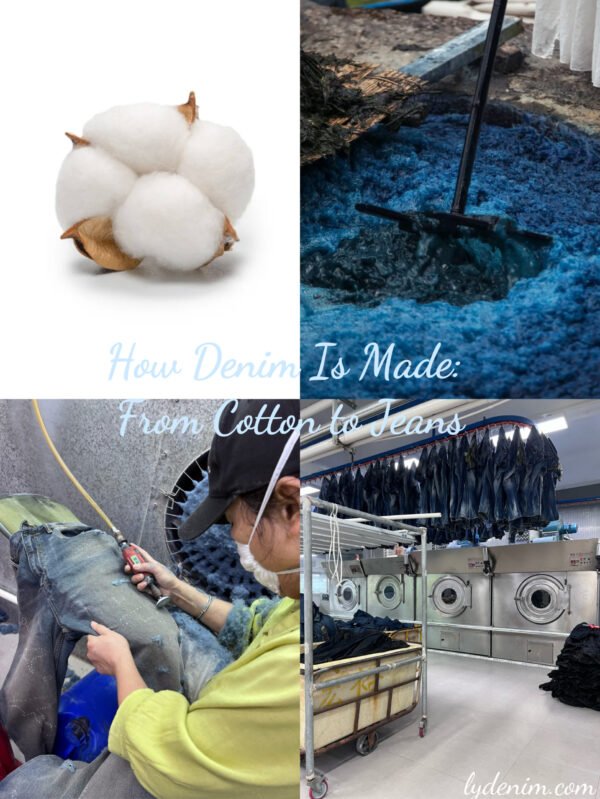
How Denim Is Made: Process, Quality Control and Buyer Checkpoints
Denim manufacturing is not only a fabric story. Each production stage affects shade, hand feel, weight, shrinkage and consistency in bulk orders.

Use this page to understand the process before requesting denim samples.
These choices define cost, appearance and performance.
Quality control must follow every stage from yarn to packing.
Quick Answer
Denim is made by preparing yarn, dyeing mainly the warp yarn with indigo, weaving the fabric in a twill structure, then finishing it for shrinkage, hand feel, color and surface effect. For buyers, every stage should be checked because each one affects production stability.
- Yarn Defines strength, texture and fabric character.
- Dyeing Controls indigo depth, colorfastness and shade consistency.
- Weaving Sets weight, width, twill structure and fabric stability.
- Finishing Adjusts shrinkage, softness, coating, washing effect or special hand feel.
Denim Manufacturing Process
| Stage | What happens | What buyers should confirm |
|---|---|---|
| Fiber and yarn | Cotton or blended fibers are spun into yarns. | Composition, yarn count, strength and texture. |
| Indigo dyeing | Warp yarns are dyed while weft yarns often stay lighter. | Shade, colorfastness and lot consistency. |
| Weaving | Yarns are woven into denim, usually with twill structure. | Weight, width, stretch, weave and defect standard. |
| Finishing | Fabric is sanforized, softened, coated or prepared for wash effects. | Shrinkage, hand feel, surface effect and test data. |
| Inspection | Finished rolls are checked, packed and prepared for shipment. | Roll length, defect marking, packing labels and documents. |
Buyer Checkpoints Before Bulk Production
Before approving a denim fabric order, compare the lab dip, fabric swatch, washed sample and bulk roll standard. A small shade difference can become obvious after cutting, and shrinkage can affect garment size after washing.
A good supplier should provide clear specifications for composition, weight, width, stretch, shrinkage, colorfastness and finishing. This makes sample approval faster and reduces disputes after delivery.
What to Send When Requesting a Quote
- Target product: jeans, jacket, shirt, skirt or workwear.
- Fabric direction: rigid, stretch, lightweight, heavyweight, jacquard, coated or special finish.
- Color target: indigo, black, colored denim, washed effect or reference image.
- Order plan: sample yardage, bulk quantity, destination and timeline.
Visual Guide for Faster Review
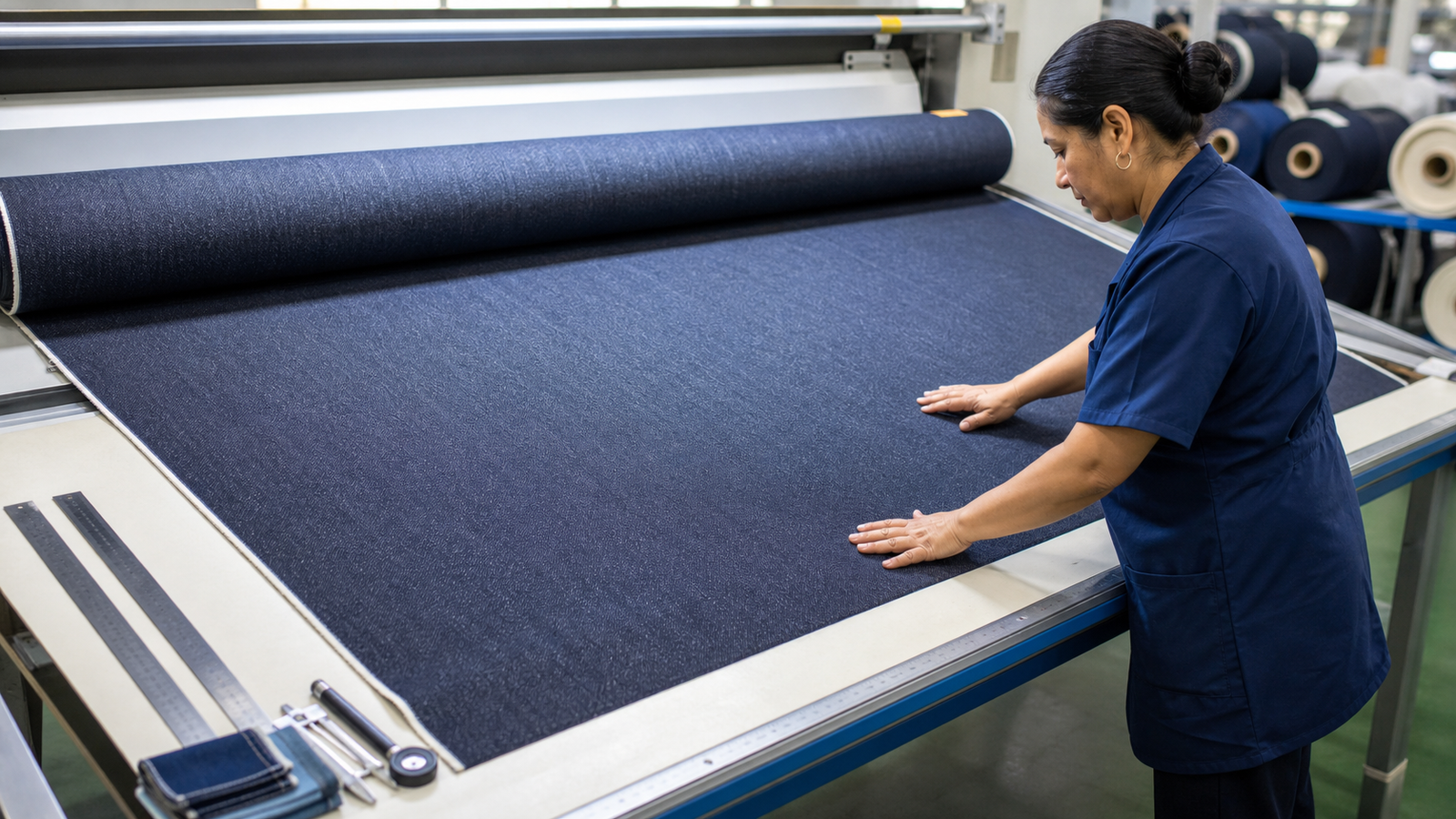
Use these visuals to compare fabric behavior, sourcing risk and sample approval points before confirming bulk production.

FAQ
Why is denim usually indigo on one side?
Most denim uses indigo-dyed warp yarns and lighter weft yarns, creating the classic denim face and fading behavior.
Which production step affects shrinkage most?
Finishing and washing control much of the final shrinkage, but yarn, weave and stretch content also matter.
Should buyers approve fabric or garment samples?
For bulk orders, buyers should approve both fabric swatches and garment or washed samples when fit and wash effect matter.
Need help developing denim fabric from sample to bulk?
Share your target weight, composition, color, finish and quantity. LY Denim can recommend fabrics and prepare samples for review.